Elderly Poverty in Tunisia Is Pushing Reform
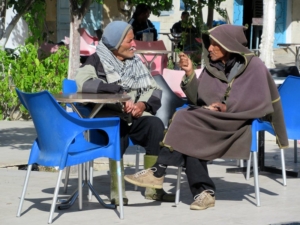 Elderly poverty in Tunisia is becoming increasingly visible as the country’s population ages and more people retire without secure incomes. In the next few decades, the share of older adults is expected to continue rising, putting pressure on pensions, health care and social assistance.
An Aging Population With Limited Incomes
Tunisia is one of Africa’s oldest societies, with people aged 60 and above accounting for approximately one-tenth of the population. This share is expected to grow rapidly over the next two decades. While the country has made notable progress in reducing overall poverty, the national poverty rate still stood at 16.6% in 2021.
A regional profile on aging notes that 40% of Tunisian men aged 60 to 64 are still working, compared to just 5% of women of the same age. This gap suggests that many women enter old age without their own income and remain reliant on welfare support or their spouses. As life expectancy rises and family structures change, these disparities place older people at greater risk of poverty when work ends or family support weakens.
Pensions Protecting Formal Workers
Tunisia’s pension system is comprehensive by regional standards. Contributory schemes operate through two main funds: the National Pension and Social Insurance Fund (CNRPS) for public sector workers and the National Social Security Fund (CNSS) for private sector workers. Together, these funds help older people and those with disabilities retire without falling into extreme poverty. By 2018, 75% of Tunisia’s population had contributed to some form of pension scheme, a high rate for a developing country.
Minimum pensions are linked to the legal minimum wage. For example, one rule sets the minimum benefit at approximately two-thirds of the minimum monthly salary for the entire career. This link is important for redistributing resources and reducing elderly poverty among formal workers in Tunisia.
However, many people are still excluded from the system. Those without contracted work or in seasonal jobs—especially in rural and agricultural areas—often fail to accumulate enough contributions to qualify for a decent pension. Older women, who tend to have lower lifetime labor force participation, are particularly likely to be excluded or receive only very small pensions.
Cash Transfers for the Most Impoverished Seniors
To support people who can not rely on government pension schemes, Tunisia operates the National Program for Assistance to Needy Families (PNAFN). The program, established in 1986, targets households that are unable to work due to old age, disability or chronic illness. Since its inception, the value of the PNAFN transfer has increased at a rate faster than the minimum wage.
Beneficiary households receive around $61 to $69 per month, equivalent to about 45% of the minimum wage, along with quarterly top-ups for families with children in school. The program is also linked to free medical cards under the Assistance Médicale Gratuite (AMG) scheme, giving needy older adults access to public health services at little or no cost. During the COVID-19 pandemic, the PNAFN and AMG databases enabled the government to rapidly deliver emergency cash transfers to hundreds of thousands of impoverished households, many of which included older people.
These measures helped mitigate poverty and showed how social assistance can protect seniors during crises.
Health and Community Services for Older Tunisians
Income is only one form of elderly poverty in Tunisia; access to affordable health and care services is just as important. Tunisia’s social system provides health coverage through a mix of social programs and tax-funded insurance. These include the National Health Insurance Fund (CNAM) and the AMG scheme, which assist low-income households.
Government reports highlight efforts to bring services closer to older people. This includes expanding mobile teams that provide health and social care at home, as well as establishing day centers where seniors can receive support and participate in community activities. These services are essential for older adults who live alone, have limited mobility or are unable to afford private care.
Gaps That Need Closing
Despite these programs, significant gaps remain. Before the pandemic, about 17% of Tunisians still lacked any form of medical coverage, leaving many older adults exposed to costly treatments and check-ups. Studies of the pension system note that benefit levels are often insufficient to cover basic needs and many non-contracted and rural workers are not covered.
The lack of inflation adjustments in many of these schemes also means that pension purchasing power declines over time. However, charities and civil organizations have called for broader social protection that guarantees a basic income in old age, regardless of employment history. Proposals include expanding social coverage, improving targeting to reach isolated older adults and exploring the introduction of a universal social pension to supplement contributory benefits.
Toward a Dignified Old Age in Tunisia
Elderly poverty in Tunisia is shaped by both the strengths and limitations of its social protection system. Strong pension contributions and an innovative cash transfer program have already prevented many older citizens from falling into extreme poverty. However, coverage gaps, low benefit levels and rising health costs mean that too many seniors still rely on insecure family support or must continue working into old age.
If Tunisia succeeds in strengthening pension coverage, expanding social care and ensuring that older people have access to affordable health and community care, the country can change the narrative of population ageing. Rather than being a story of vulnerability, it can become one of dignity and inclusion for its growing elderly population.
– Jibreel Meddah
Jibreel is based in Cardiff, UK and focuses on Good News and Politics for The Borgen Project.
Photo: Flickr
