• Link to X
  • Link to Facebook
  • Link to Instagram
  • Link to TikTok
  • Link to Youtube
  • About
    • About Us
      • President
      • Board of Directors
      • Board of Advisors
      • Financials
      • Our Methodology
      • Success Tracker
      • Contact
  • Act Now
    • 30 Ways to Help
      • Email Congress
      • Call Congress
      • Volunteer
      • Courses & Certificates
      • Be a Donor
    • Internships
      • In-Office Internships
      • Remote Internships
    • Legislation
      • Politics 101
  • The Blog
  • The Podcast
  • Magazine
  • Donate
  • Click to open the search input field Click to open the search input field Search
  • Menu Menu

Tag Archive for: Swaziland

Posts

Global Poverty

9 Facts About Poverty in Swaziland

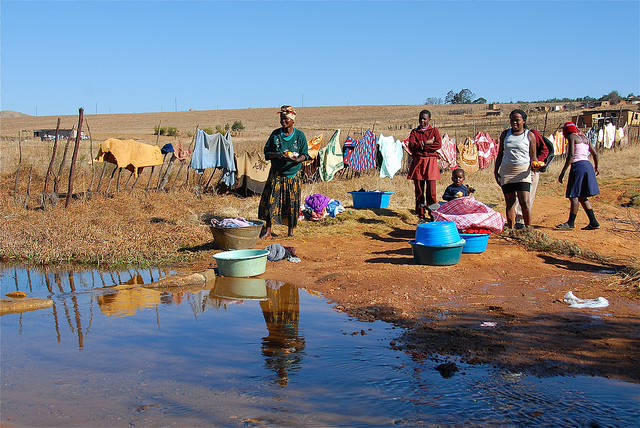
Poverty in SwazilandIn conjunction with its quickly growing population, Swaziland has experienced continuous economic difficulties, especially in its rural areas. Here are nine interesting facts about poverty in Swaziland.

9 Facts About Poverty in Swaziland

  1. Ten percent of the population is responsible for about half of the nation’s consumption, while 84 percent of those living in poverty in Swaziland reside in rural areas. These figures point to a disproportion in the flow of resources between urban and rural areas in Swaziland.
  2. According to the Rural Poverty Portal, roughly 47 percent of the population is less than 15 years old. The unemployment rate of Swaziland is expected to rise unless working opportunities are found for these children.
  3. Life expectancy has actually dropped from a peak of 59 years in 1990 to 49 years in 2014.
  4.  In 2013, Swaziland had the highest rate of HIV in the world, at 27 percent according to AVERT. During 2013, 11,000 people contracted HIV, and 4,500 people died as a result of HIV.
  5. The data shared by AVERT shows that 31 percent of women have HIV as opposed to only 20 percent of men. This difference is likely tied to gender inequality in Swaziland, as women are often not in control of their own reproductive and sexual health.
  6. Nevertheless, Swaziland has seen improvements in its HIV problem during the 2000s through increased rates of antiretroviral treatment and investments in HIV response. AVERT’s statistics demonstrate such improvement. In 2012, only three percent of children born to HIV-positive mothers were HIV positive, as opposed to 12 percent in the prior year.
  7. Drought has been a major factor in restricting growth and contributing to poverty in Swaziland. According to All Africa, a drought last year was partially responsible for a 31 percent decline in maize production in 2015 and left 300,000 people (one-quarter of the population) targeted for aid.
  8. Other impacts of drought are seen in education, where water is needed for plumbing. The lack of water also increases the potential for water contamination, with 197,157 students, teachers, and workers being put at risk of water-borne disease.
  9. Since 2000, the Kingdom of Swaziland has been implementing a plan to reduce poverty. Some goals include providing all rural households with access to water as well as giving women the same rights over their land that men have.

Foreign support in dealing with problems such as HIV and water shortage would certainly help improve the economic disparity found in Swaziland, in conjunction with the nation’s own efforts.

– Edmond Kim

Photo: Flickr
August 17, 2016
https://borgenproject.org/wp-content/uploads/borgen-project-logo.svg 0 0 Borgen Project https://borgenproject.org/wp-content/uploads/borgen-project-logo.svg Borgen Project2016-08-17 01:30:142024-12-13 17:54:499 Facts About Poverty in Swaziland
Global Poverty

Ten Most Unhealthy Countries

Every year, the Social Progress Imperative comes out with an index that measures how individual countries perform in basic human needs, foundations of well-being, and opportunity. One subset of the foundations of well-being category is health and wellness. This subset takes into account life expectancy, non-communicable disease deaths between the ages of 30 and 70, obesity, outdoor air pollution attributed deaths and suicide rates. Below is a list of the world’s ten most unhealthy countries in the world, based on this subset.

10. Bulgaria, 60.63

Bulgaria is in the eastern part of the Balkan Peninsula. The country has a high mortality rate from cardiovascular disease. Additionally, Bulgaria has the worst air quality in Europe, with some of the highest concentrations of particulate matter, carbon monoxide and sulfur dioxide.

9. Mozambique, 60.40

Mozambique’s main health problems are to due with high mortality rates due to drought, poverty and HIV/AIDS, as well as a lack of experienced health workers in the country. The HIV/AIDS epidemic continues to decimate portions of the population in the country. In addition, capacity building and risk reduction expertise are both low.

8. Swaziland, 60.29

Located in southern Africa, Swaziland has an extremely high prevalence of HIV/AIDS, reaching over 26 percent. Swaziland needs the most improvement in life expectancy and non-communicable disease deaths between 30 and 70.

7. Latvia, 59.97

Latvia, too, has problems with air quality that cause long-term health problems. Latvia also needs to address substance abuse problems such as alcohol and tobacco, which both contribute to ill health in the country at a disproportional rate.

6. Armenia, 59.36

Armenia’s health issues revolve around a broken, extremely expensive health care system that cannot meet the burden of care. With economic downturn, basic medicines and doctor visits can become too expensive.

5. Moldova, 58.00

Moldova is currently experiencing negative population growth. The two main causes of death are heart disease and cancer. Moldova has high rates of substance abuse-related deaths, like alcohol and tobacco. Tuberculosis, especially multi-drug resistant tuberculosis, is rapidly becoming a major health concern in the country.

4. Belarus, 56.56

The main areas that need improvement in Belarus are non-communicable diseases and suicide rates. The country, located in Eastern Europe, is also relatively polluted, which can cause long-term ill-health.

3. Russia, 51.99

Russia needs improvement in almost all categories, including life expectancy, non-communicable diseases, air pollution and suicide rates. Additionally, Russia experiences high rates of mortality due to smoking for both men and women. HIV/AIDS is also becoming more of a concern.

2. Ukraine, 51.82

Ukraine, located in Eastern Europe, has similar problems as its neighbors, mainly bad air quality, high levels of tobacco and alcohol abuse and high suicide rates. Additionally, Ukrainians spend about 13 percent of their lives in ill-health, which is much higher than most of their neighbors. Ukraine also has the highest rate of infectious diseases in Europe.

1. Kazakhstan, 49.93

Kazakhstan, located in Central Asia, is ranked as the unhealthiest country in the world, according to the Social Progress Imperative. Kazakhstan needs dramatic improvement in life expectancy, deaths related to non-communicable diseases, air quality and suicide rates. HIV/AIDS and tuberculosis have become growing concerns; TB, especially, is of great concern because of drug-resistance.

– Caitlin Huber

Sources: Social Progress Imperative, World Health Organization 1, World Health Organization 2, World Health Organization 3, World Health Organization 4, World Health Organization 5, New York Times, UNICEF, National Center for Biotechnology Information, Common Dreams, World Bank, University of Pittsburgh
Photo: Flickr

December 26, 2014
https://borgenproject.org/wp-content/uploads/borgen-project-logo.svg 0 0 Borgen Project https://borgenproject.org/wp-content/uploads/borgen-project-logo.svg Borgen Project2014-12-26 04:00:522024-06-04 03:52:59Ten Most Unhealthy Countries
Education

Education in Swaziland

Swaziland is a lower middle-income country with a population of about 1.2 million people. Most citizens are ethnic Swazis. The official languages are both Swati and English. Its ruler, King Mswati III, is one of the world’s last absolute monarchs, and a man who is not too keen on handing his throne over entirely to parliament.

About half of Swazis live in poverty. Forty percent of Swazis are unemployed and 70 percent of the workforce is employed in sustenance farming. In 2009, there were 0.17 physicians for every 1,000 people.

But it’s not all bad news. Roads are well-paved and far-reaching. The literacy rate is over 91 percent, which might be expected when 8.3 percent of the GDP is spent on education.

Primary school education in Swaziland is not compulsory, but is fully government-funded. Students receive textbooks, stationary, exercise books, meals and school furnishings free of charge. At age 6, students begin Grade one, followed by two and then followed by Standards one through five. At the end of the seven years, children take the Primary School Examination, which determines eligibility for future schooling. Over 90 percent of children in Swaziland complete their primary school education.

From there, things become a little bleaker. Many students forgo secondary education in favor of working to support their families. Only 20 percent of students who attend primary school go on to Forms one through three. There are two main goals of secondary education. The first is to complete schooling and join the skilled workforce in an entry-level position. The second is to take and pass the exams for the Swaziland or International General Certificate of Secondary Education. Both exams are accredited by the Cambridge International Examination and certify preparedness for university.

A tertiary education is a rare thing indeed. Just 5 percent of students go on to attend university. Students looking to stay close to home have the choice of three main universities, all government sponsored. The University of Swazliand offers bachelors, masters, and Ph.D. degrees in education, commerce and science, as well as health science and agricultural fields.

Swaziland’s Department of Education manages curriculum and assessment procedures. Education is so centralized that it can ensure the implementation of its policies. It is not responsible, though, for its budget. That is allotted by the Ministry of Finance, which has caused internal friction.

Still, Swaziland’s educational system seems to be improving. Achievement scores have, in the past, been quite low. In 2000, 76 percent of grade six students read below a grade six level. Ninety-six percent were below grade six level in math. This has improved significantly in recent years. In 2007, the 76 percent in reading decreased to 62, while the 96 percent of struggling math students dropped slightly, to 94 percent. These are projected to continue dropping.

From the investment of the Swazi government in education, to the monitoring of test scores, there are many things that Swaziland is doing right. One of the best things has not yet been mentioned: There is virtually no gender disparity among students. Education is clearly a priority in Swaziland, so improvement seems happily inevitable.

— Olivia Kostreva

Sources: Swazi Legacy, SACMEQ
Photo: Flickr

June 27, 2014
https://borgenproject.org/wp-content/uploads/borgen-project-logo.svg 0 0 Borgen Project https://borgenproject.org/wp-content/uploads/borgen-project-logo.svg Borgen Project2014-06-27 09:31:272024-05-26 23:47:30Education in Swaziland
Global Poverty, Government

Poverty and Hunger in Swaziland

hunger in swaziland
Swaziland is considered a low-income to middle-income nation. However, over 50% of the population lives below the national poverty line and makes less than 2 dollars per day.

Weather conditions contribute to the impoverished conditions. Droughts and flooding have caused years of food shortages and an increase in food prices. Maize, which is Swaziland’s main export, exceeded 100,000 tons 10 years ago and is now harvested at a rate of 70,000 tons. Weather, disease and unorganized food management programs are partly to blame for the plummet.

Health complications play a vital role in unsuccessful food productivity. For instance, Swaziland holds the highest rate of HIV/AIDS and Tuberculosis in the world. Nearly half of all women are HIV positive, along with over 80% of tuberculosis patients. With such high prevalence rates of HIV, the number of orphaned children is well over 200,000. Sadly this number will jump by over 50,000 by 2015.

Stunting causes numerous health and work related problems for the population, as well. Roughly 31% of children and over 40% of adults are stunted.

All of these health issues contribute not only to high mortality rates but a poor economy. Reports show adults who are stunted miss more work days and are less productive then non stunted individuals. Stunted individuals have more health problems and are more sickly. Education is also affected by the effects of undernourishment.

Many individuals end up dropping out of school and/or repeat coursework. Therefore workers required to use critical thinking or reasoning skills often provide low productivity. According to “the Cost of Africa Study,” Swaziland loses 783 million per year due to hunger-related illnesses.

Many blame the poverty-related conditions and hunger on the Swaziland government. The king’s lavish lifestyle reportedly depleted funds meant for the starving Swazi people. Reportedly, the king also enjoys 13 palaces, a private jet and luxury cars. He is quoted saying to the starving people that “hard work and prayer” will bring you out of poverty. He says this while the plans to tear down a school for a remolding project for one of his palaces is in the works.

Swaziland is a small landlocked country surrounded by South Africa and Mozambique. Its population, which reigns in at just over one million, is ruled by King Mswati III, one of the last absolute monarchies in the world. Many people believe that hunger, disease and malnutrition would decline if Swaziland became more of a democracy. Mswati does not support democratic transition, however.

– Amy Robinson

Sources: World Food Programme, All Africa, WFP
Photo: Development Diaries

March 4, 2014
https://borgenproject.org/wp-content/uploads/borgen-project-logo.svg 0 0 Borgen Project https://borgenproject.org/wp-content/uploads/borgen-project-logo.svg Borgen Project2014-03-04 04:00:472024-05-26 23:15:28Poverty and Hunger in Swaziland
Health

Five Countries with the Lowest Life Expectancy

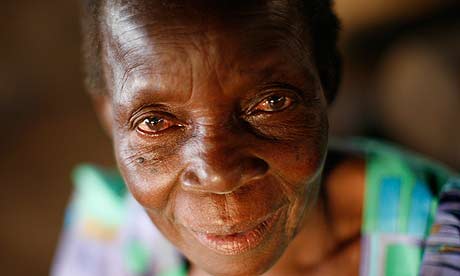
old woman_opt
5. Afghanistan (50.11 years)

For the Afghani people, the prospect of living a long life has been a luxury afforded to very few. On the heels centuries of war, internal strife, and natural disasters, Afghanistan has faced many humanitarian crises. Due to its continued state of insecurity, true development has been perpetually stunted. As reported by UNICEF, Afghanistan currently possesses “450,000 internally displaced persons, 5.7 million refugees and at least 250,000 people affected by natural hazards or disasters every year.” With 43% of houses lacking improved water sources, soaring rates of child malnutrition, and severely lacking sanitation and immunization practices, the cumulative effect is a shortened lifespan.

4. Swaziland (50.01 years)

This 6,704 sq mile country of Swaziland is bordered by South Africa and Mozambique. Due to HIV/AIDS, Swaziland has seen its average life expectancy actually drop over the passed 10 years. According to UNICEF, “Two-thirds of Swazis live in poverty, most of them in rural areas. Nearly 40% are HIV-positive, giving Swaziland the highest HIV prevalence rate in the world.” With 27% living under the minimum level of dietary energy consumption and 50% lacking adequate iodized salt requirements, the basic health of the citizenry continues to be a source of humanitarian concern.

3. Guinea-Bissau (49.50 years)

Similar to other sub-Saharan countries, Guinea-Bissau faces many health issues. Unlike Swaziland and South Africa, however, Guinea-Bissau only faces a 1.8% HIV/AIDS infection rate. The major health concern, however, is malaria. Without adequate supplies of mosquito nets and medication, the disease has proven to be increasingly deadly. Contributing to this issue, Guinea-Bissau has seen a major drop-off in medical personnel. With approximately only five doctors per 100,000 persons, getting medical attention is a luxury very few are afforded.

2. South Africa (49.48 years)

It may come as a surprise to many that South Africa holds such a high place on this list, as it developed rapidly since the end of apartheid in 1994. However, South Africa still faces a continuing humanitarian crisis. For South Africa, the main concerns are disease rather than hunger. For travelers visiting the country, the Center for Disease Control recommends the following immunizations: measles-mumps-rubella, diphtheria-pertussis-tetanus, chickenpox, flu shot, hepatitis A, typhoid, hepatitis B, malaria, and rabies. In addition,. According to the South African Government, the total number of persons living with HIV in South Africa increased from an estimated 4.21 million in 2001 to 5.38 million by 2011. An estimated 10.6% of the total population is HIV positive  and 17.30% of adults between the ages of 15 and 49 are infected.

1. Chad (49.07 years)

Topping off this list, according to 2013 estimates, Chad has the lowest life expectancy rate of the 223 nations surveyed. Among the issues facing Chad, concerns are only exacerbated by the massive refugee influx from neighboring Sudan. According to UN statistics, “In 2012 Chad hosted some 288,700 refugees from Sudan, 56,700 from the Central African Republic (CAR), 90,000 internally displaced persons (IDPs), 91,000 returned IDPs and 550 urban refugees and asylum-seekers.” With an estimated 2 million facing crippling malnutrition due to a volatile climate, compounded by poor health conditions in refugee camps, the overall health of Chad remains a dire humanitarian crisis.

– Thomas van der List

Sources: UNICEF, WHO, CDC, Statistics South Africa, UNHCR
Photo: The Guardian

August 5, 2013
https://borgenproject.org/wp-content/uploads/borgen-project-logo.svg 0 0 Borgen Project https://borgenproject.org/wp-content/uploads/borgen-project-logo.svg Borgen Project2013-08-05 04:21:572024-06-11 01:44:59Five Countries with the Lowest Life Expectancy
Food & Hunger

What Does Hunger Cost Swaziland?

What Does Hunger Cost Swaziland?Swaziland was the fourth African country to release “The Cost of Hunger in Africa” report, which stated that 3.1% of Swaziland’s GDP goes towards long-term hunger impacts. The government of Swaziland working with the World Food Program (WFP) estimated that the US $92 million per year was lost in worker productivity. Prince Hlangusemphi, the country’s minister of economic planning and development, said that eradicating hunger was a “tangible goal” that Swaziland was committed to achieving.

The study draws on data from 2009 that measures several different long-term effects of hunger. The first economic impact is stunting. Stunting results when children are denied nutrition and vitamins necessary for developing their bodies. Around 40% of Swaziland workers suffer from stunting. People who suffer from stunting are more likely to get sick, fair poorly in school, are less productive at work, and have shorter lives.

Treating hunger-related problems such as diarrhea, anemia, and respiratory infections have cost Swaziland around $6 million a year. The report estimated that 37 million working hours were lost in 2009 to hunger-related deaths, which cost the economy 1.4% of GDP.

The study reported that by reducing the rate of stunting from 40 percent to 10 percent by 2025, Swaziland could reduce its losses to the economy by $60 million per year.

“The Cost of Hunger in Africa” report is conducting research in a total of 12 African countries. Currently, four studies have been released including Ethiopia, Uganda, Egypt and Swaziland. Ethiopia reported a loss of 16.5% of its GDP to hunger, which is around the US $4.7 billion per year. Later this year the study will release reports on Botswana, Burkina Faso, Cameroon, Ghana, Kenya, Malawi, Mauritania, and Rwanda.

– Catherine Ulrich

Sources: World Food Programme, African Union Commission
Photo: Flickr

July 22, 2013
https://borgenproject.org/wp-content/uploads/borgen-project-logo.svg 0 0 Borgen Project https://borgenproject.org/wp-content/uploads/borgen-project-logo.svg Borgen Project2013-07-22 10:10:302024-05-24 23:42:44What Does Hunger Cost Swaziland?
Global Poverty

Combating Rural Poverty in Swaziland

swaziland_children_global_poverty_international_aid_borgen_opt
Swaziland, a small landlocked country in Southeast Africa, is considered a lower middle-income country. However, poverty is rampant in its rural areas, where two-thirds of the population are unable to meet their basic food needs and per capita income is four times lower than in urban areas. Wealth distribution is also severely skewed. The top 10% of the population account for almost half of overall consumption, and this discrepancy is growing.

The government and aid organizations have found that supporting small-scale farmers helps combat rural poverty in Swaziland. The country’s economy is largely based in agriculture, though the nature of the industry is dichotomous. On on hand, there are TDL (Title Deed Land) farms: large-scale, privately owned commercial farms that specialize in cash crops such as sugarcane, citrus fruits, and timber. On the other hand, there are SNL (Swazi Nation Land) farms. These small-scale farms are made up of land owned by the government, which the King grants to regional Chiefs who distribute it as they see fit. They are almost all subsistence farms of about one hectare and make up the large majority of Swazi farmland.

The heavy dependence on subsistence farming renders the stability of the country and the well-being of its citizens reliant on weather conditions, which are unpredictable and recently unkind. Major droughts in 2004, 2005 and 2007 led to severe food insecurity in Swaziland. This insecurity could be minimized if small farms became more profitable by diversifying the crops they grow and farming more efficiently. Because SNL farms are largely subsistence-based, they usually grow only maize. While this provides food to the farmer’s family, it does not yield as much income for the family as perennial products or market vegetables would. Even when growing maize, more efficient techniques could be used to increase yield on these small-scale farms.

There are a few obstacles when is comes to the development of SNLs. For example, SNL farmers are hesitant to invest heavily into their farms because they do not actually own the land, and Chiefs have the right to take it from them as they see fit. Even if these farmers are willing to invest in their land, financing is difficult to come by. Formal financing programs often leave small farmers out of the equation, so they don’t have access to the necessary funds to invest in their land. Another complication concerns the way cattle are treated in Swazi culture. Cattle are given free rein of the land around them. They roam liberally and may graze anywhere without direct cost to the cattle owner. This leads to overgrazing, which create problems like soil erosion and land degradation — all of these make life difficult for farmers.

The Swazi government’s Ministry of Agriculture is working to revamp the country’s agricultural system with support from the UN’s International Fund for Agricultural Development. The commercialization of Swazi agriculture is seen as a means to decrease poverty and increase food security, especially in rural areas. Another goal of this policy is to create a more equal balance of wealth between the country’s rich and poor. They plan to complete this overhaul of the agricultural sector of the economy by writing and enforcing necessary legislation, and commercializing and diversifying smaller farms. As these smaller farms become more efficient and profitable, they would then hire more workers and be in need of transport and trading services. In these ways, the growing farms would further contribute to Swaziland’s overall economy.

While the development of SNL farms is not expected to solve Swaziland’s rural poverty problem completely, it is an excellent example of a poverty-reducing measure that empowers the people.

– Katie Fullerton

Source: IFAD Rural Poverty Portal, World Bank, IFAD Rural Poverty in Swaziland, IFPRI
Photo: The Prisma

July 7, 2013
https://borgenproject.org/wp-content/uploads/borgen-project-logo.svg 0 0 Borgen Project https://borgenproject.org/wp-content/uploads/borgen-project-logo.svg Borgen Project2013-07-07 04:00:142017-06-15 12:26:11Combating Rural Poverty in Swaziland
Health

The 10 Worst Countries to Be Born In

Ami_Vitale_Guinea_bissau_life_expectancy_photography_international_Affairs_USAID_disease_global_health_opt

In the United States, the average person will live to be 78 years old. In that time, they’ll likely get married, have children of their own, have a long career and then spend roughly 13 years in retirement. For most of us, this seems like the natural progression of life. In many places around the world however, many people won’t live to see the day they become grandparents and the idea of retirement is just a pie in the sky.

What does low life expectancy tell us?

The World Bank defines life expectancy at birth as the number of years a newborn can be expected to live, assuming no change in the living conditions of the country present at birth. When life expectancy in a country is low, it indicates a lack in some of the basic necessities required to live a long, healthy life.

This often includes things such as clean drinking water, nutritious food, hygienic living conditions and adequate health care. But in some cases, it is far more complicated than that. AIDS related deaths in sub-Saharan Africa for example, have been driving down average life expectancy for decades. Conflict, war and genocide also contribute to a shorter average life span.

The following is a list of 10 countries with the lowest life expectancy numbers on the planet, the 10 worst places to be born. For comparison, life expectancy in the United States was 48 in the year 1900.

10. Mozambique

Life expectancy: 50 years

9. Chad

Life expectancy: 50 years

8. Zambia

Life expectancy: 49 years

7. Afghanistan

Life expectancy: 49 years

6. Swaziland

Life expectancy: 49 years

 5. The Democratic Republic of the Congo

Life expectancy: 48 years

 4. Central African Republic

Life expectancy: 48 years

3. Guinea-Bissau

Life expectancy: 48 years

 2. Lesotho

Life expectancy: 48 years

 1. Sierra Leone

Life expectancy: 48 years

These figures express the importance of global health initiatives undertaken by the World Health Organization (WHO), the Bill & Melinda Gates Foundation, and other health actors on the world stage. Many government health ministries and non-governmental health organizations are also stepping up to meet these challenges. These efforts are imperative for global development and their continued persistence can eventually lead to long and healthy lives for people in these countries.

– Erin N. Ponsonby

Sources:World Bank, Washington Post, Berkeley
Photo:Alexia Foundation

May 17, 2013
https://borgenproject.org/wp-content/uploads/borgen-project-logo.svg 0 0 Borgen Project https://borgenproject.org/wp-content/uploads/borgen-project-logo.svg Borgen Project2013-05-17 01:16:032024-12-13 17:49:20The 10 Worst Countries to Be Born In
Page 2 of 212

Get Smarter

  • Global Poverty 101
  • Global Poverty… The Good News
  • Global Poverty & U.S. Jobs
  • Global Poverty and National Security
  • Innovative Solutions to Poverty
  • Global Poverty & Aid FAQ’s
Search Search

Take Action

  • Call Congress
  • Email Congress
  • Donate
  • 30 Ways to Help
  • Volunteer Ops
  • Internships
  • Courses & Certificates
  • The Podcast
Borgen Project

“The Borgen Project is an incredible nonprofit organization that is addressing poverty and hunger and working towards ending them.”

-The Huffington Post

Inside The Borgen Project

  • Contact
  • About
  • Financials
  • President
  • Board of Directors
  • Board of Advisors

International Links

  • UK Email Parliament
  • UK Donate
  • Canada Email Parliament

Get Smarter

  • Global Poverty 101
  • Global Poverty… The Good News
  • Global Poverty & U.S. Jobs
  • Global Poverty and National Security
  • Innovative Solutions to Poverty
  • Global Poverty & Aid FAQ’s

Ways to Help

  • Call Congress
  • Email Congress
  • Donate
  • 30 Ways to Help
  • Volunteer Ops
  • Internships
  • Courses & Certificates
  • The Podcast
Scroll to top Scroll to top Scroll to top