• Link to X
  • Link to Facebook
  • Link to Instagram
  • Link to TikTok
  • Link to Youtube
  • About
    • About Us
      • President
      • Board of Directors
      • Board of Advisors
      • Financials
      • Our Methodology
      • Success Tracker
      • Contact
  • Act Now
    • 30 Ways to Help
      • Email Congress
      • Call Congress
      • Volunteer
      • Courses & Certificates
      • Be a Donor
    • Internships
      • In-Office Internships
      • Remote Internships
    • Legislation
      • Politics 101
  • The Blog
  • The Podcast
  • Magazine
  • Donate
  • Click to open the search input field Click to open the search input field Search
  • Menu Menu

Tag Archive for: Sustainable Development Goals

Posts

Global Poverty, Government

Lessons in the Causes of Poverty in Guyana

Lessons in the Causes of Poverty in GuyanaIn this age of development, many small countries look toward a future of economic growth and a higher quality of life. With the level of cooperation among states increasing (e.g., the Sustainable Development Goals), the possibility of eradicating extreme poverty grows more and more realistic. However, the number of smaller states is also increasing. Smaller states are often the most vulnerable to poverty and slow growth, and Guyana is no exception. The causes of poverty in Guyana are complex, but taking the time to learn about them can assist in creating solutions for the future.

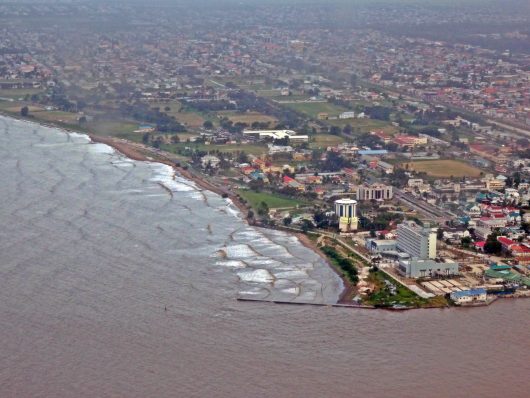
Guyana is a country in South America, north of Brazil and east of Venezuela. A small nation, Guyana’s population only stands at 773,300 people, but over 50 percent of citizens currently live abroad. The nation formerly belonged to the British but won its independence in 1962. As a result, Guyana is the only English-speaking country in South America and has many ethnic differences among its people.

Like any country with limited resources, the available resources have to provide for more people than they were intended to. Combined with weak infrastructure, the situation results in weak education and healthcare providers. This has resulted in what is known as a “brain drain,” where the most educated people leave the country for better opportunities. Although these are a few of the causes of poverty in Guyana, they are just the tip of the iceberg.

Economic Causes
The economic causes of poverty in Guyana revolve around the country’s lack of resources. The country depends on agriculture and extraction of resources. Because it can only export food products, especially sugar, and some natural resources, it imports most of its goods. The country has a GDP of $3 billion, but the country is heavily in debt to other countries. Poor policies toward business and excessive spending have also contributed to Guyana’s 35 percent poverty rate. However, Guyana’s GDP does show a small positive increase.

Social Causes
One of the after-effects of British colonial rule in Guyana is the presence of many racial groups brought to the country during colonialism. Demographically, Guyana is comprised of primarily East Indians at 40 percent, black people at 30 percent, people of mixed race at about 20 percent and the other 10 percent made up of indigenous peoples and other races. African slaves were first brought to the country to work sugar plantations; after abolishing slavery, Indian indentured workers were brought to the country to work in the plantations. Because of this, ethnic tensions exist between the two large groups. The tensions contribute to the fractured political state in Guyana.

Political Causes
Politics can illustrate economic grievances in the country, as well as tensions in the country between different groups. The government of Guyana has had problems in the past with corruption, as well as issues with one party controlling most of the power. Many citizens vote along ethnic lines, but with the elections of 2015, there has been a small shift towards unity. In 2015, Guyana elected David Granger, a member of a multi-ethnic party, president. The new administration looked toward stopping the corruption in government that contributed to the current state of the economy.

The causes of poverty in Guyana, like any country, are complex and deep-rooted. Understanding and looking for solutions to poverty in Guyana can help lead to solutions for the rest of the world. With the political shifts in Guyana, it has the opportunity for economic growth and increases in its quality of life and the well-being of its citizens. The developments in this country have the potential to help the entire world in the fight against poverty.

– Selasi Amoani

Photo: Flickr
October 6, 2017
https://borgenproject.org/wp-content/uploads/borgen-project-logo.svg 0 0 Borgen Project https://borgenproject.org/wp-content/uploads/borgen-project-logo.svg Borgen Project2017-10-06 07:30:272024-05-25 00:14:15Lessons in the Causes of Poverty in Guyana
Global Poverty, Nonprofit Organizations and NGOs, Sustainable Development Goals

Positive Planet: Lending to the Greater Good

Positive PlanetAccording to the World Bank, more than 2.5 billion people do not have a bank account and many of those people make up the world’s poor. So, it should not be surprising that just within the past decade, microfinance has become an increasingly popular form of business in many countries. Microfinance, or micro-lending, essentially refers to lending small amounts to individuals who do not have access to typical financial institutions.

Because this service goes to low-income individuals, it is popular among many nonprofits and private businesses to help people start enterprises around the world. Many microfinance institutions lend to women, young people and others who have been historically kept out of finance.

One organization, in particular, strives to alleviate poverty by empowering marginalized populations.

Since its founding in 1988, Positive Planet has set out to provide microloans to women who want to start their own businesses. The nonprofit aims to provide the chance to start a viable, sustainable business to women without resources. The organization also follows some of the intuition behind the Sustainable Development Goals, especially the goals of gender equality, decent work and economic growth.

The organization, based in France, manages projects through different locations that provide assistance to people in different countries. Positive Planet’s reach extends all over the world to 35 countries. Its projects span from helping refugee businesses in the Middle East to inspiring young people in West Africa.

Since its beginning, the organization has touched more than 40,000 people through nearly 40 projects. Just one of these projects helps microfinance groups provide women with financial education. The project aimed to help further develop the infrastructure in place for microfinance in China and also support women’s finance training. Through a partnership with Diageo and the Huimin Microcredit Company, the project was able to directly impact more than 7,000 people.

Another project assisted low-income women in Brazil with entering the labor market and learning the basics of entrepreneurship. The program attempted to benefit vulnerable women through individual support. By partnering with Gerando Vida, a local NGO, the program was able to directly impact the women and their families.

By helping vulnerable women around the world, this organization takes a staunch position against global poverty. This organization and its results demonstrate the importance of empowering women entrepreneurs.

– Selasi Amoani

Photo: Flickr

October 4, 2017
https://borgenproject.org/wp-content/uploads/borgen-project-logo.svg 0 0 Kim Thelwell https://borgenproject.org/wp-content/uploads/borgen-project-logo.svg Kim Thelwell2017-10-04 07:30:042024-05-29 22:27:10Positive Planet: Lending to the Greater Good
Developing Countries, Education, Global Poverty

Closing the Gap on Education During Crisis

Education During CrisisIt seems that every day, a new crisis emerges in some area of the world. Whether it is a natural disaster, war or a political upheaval, there is a common theme: humanitarian aid organizations are quick to respond, while education during crisis falls by the wayside.
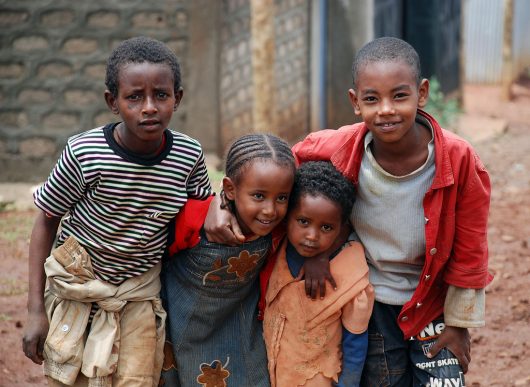
In impoverished countries, education is typically lacking, as the need for food and shelter come first. Conflict is a leading cause of both poverty and the suspension of education.

According to An International Network for Education in Emergencies (INEE), conflict-affected countries have 20 percent of the world’s primary-school-aged children. Unfortunately, these nations also host 50 percent of the world’s out-of-school children.

Access to a quality education is the United Nation’s fourth sustainable development goal. According to the U.N., “When people can get quality education, they can break from the cycle of poverty… Education is also crucial to fostering tolerance between people and contributes to more peaceful societies.”

Many organizations are working to make education during crisis a top priority. One such organization, Education Cannot Wait, is thinking of innovative ways to give children in poor situations a quality education.

In alliance with the U.N.’s sustainable development goal, Education Cannot Wait cites five challenges that need to get conquered for all of the world’s children to receive adequate education by the year 2030. They are as follows:

  1. Lack of prioritization (during emergencies)
    Only two percent of humanitarian aid during a crisis gets given to educational programs.
  2. Poor coordination between humanitarian and development groups
  3. Preparedness in the educational sector is a problem during emergencies.
    According to the INEE, individual sectors should create contingency plans that will help in creating a cohesive procedure for education during a crisis.
  4. Insufficient humanitarian funding
    Currently, $8.5 billion is needed annually to close the education gap. Humanitarian and development efforts have not matched the frequency of crisis.
  5. Lack of real-time data
    As the problem of inadequate education during crisis is often unrecognized, the data collected on the issue is not enough to promote change.

Many people are simply unaware that there is a problem of a lack of education during a crisis. One of the most important tools in counteracting the problem is knowledge and awareness. This is why the U.N. is also working to inform people and give clear ways to help. Here are a few ways to help today:

  • Ask your government leaders to make education a priority in policy and practice.
  • Lobby the government to commit to free, primary school education for all.
  • Encourage the private sector to invest in education.
  • Urge non-governmental organizations to foster the growth of education at the local level.

– Madeline Boeding

Photo: Google

August 25, 2017
https://borgenproject.org/wp-content/uploads/borgen-project-logo.svg 0 0 Borgen Project https://borgenproject.org/wp-content/uploads/borgen-project-logo.svg Borgen Project2017-08-25 07:30:442024-05-28 00:15:52Closing the Gap on Education During Crisis
Children

Fertility Rates in Developing Countries

Fertility Rates in Developing CountriesReducing fertility rates in developing countries is critical for ending global poverty. Common methods of doing so include education, contraception and women’s empowerment. However, another important factor affecting fertility rates is child survival.
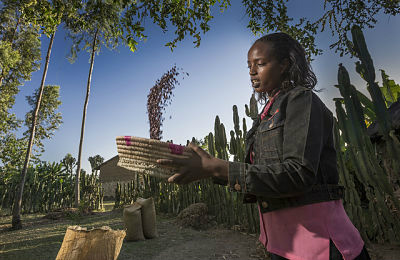
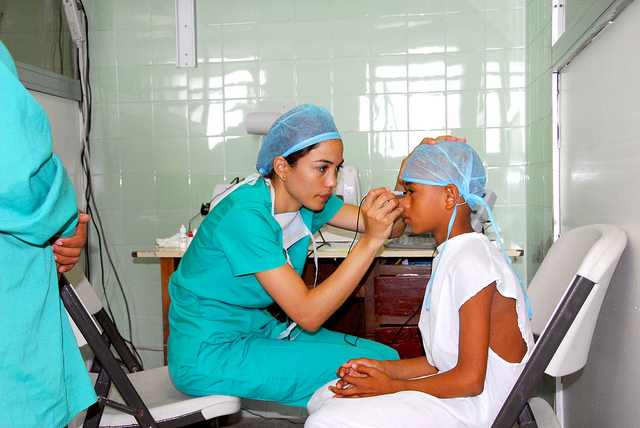
There are many biological and behavioral factors that affect women and families when children die early. Physiologically, the early death of an infant triggers the resumption in ovulation, leaving the mother at early risk of conceiving again. Additionally, parents who lose children early are more likely to attempt to replace lost children or have extra children as insurance or compensation.

To fight high fertility rates in developing countries and around the world, it is important to understand the rates, causes and prevention efforts of stillbirths and under-five mortality.

The World Health Organization (WHO) defines a stillbirth as “a baby born with no signs of life at or after 28 weeks’ gestation.” There are an estimated 2.6 million stillbirths per year across the globe, which equates to more than 7,178 occurring daily.

The majority of stillbirths happen in developing countries with little or no access to skilled health professionals during pregnancy and labor. The WHO estimates that of the 2.6 million yearly stillbirths, 90 percent occur in low and middle-income countries, 75 percent occur in South Asia and sub-Saharan Africa, and 60 percent occur in rural areas of those Asian and African regions.

Stillbirths are caused by child birth complications, post-term pregnancy, maternal infections during pregnancy (such as malaria, syphilis and HIV), maternal disorders (such as hypertension, obesity and diabetes), fetal growth restrictions and congenital abnormalities.

Most stillbirths can be prevented with improved access to maternal healthcare. The Every Newborn Action Plan (ENAP) aims to prevent these avoidable deaths and has a target of 12 stillbirths per 1,000 live births by 2030. To compare, today, the stillbirth rate in sub-Saharan Africa is 29 per 1,000 live births and, in developed countries, is three stillbirths per 1,000 live births on average.

An estimated 5.9 million children under five die every year around the world. However, instances in developing countries are higher. In low-income countries, the under-five mortality rate is about 76 deaths per 1,000 live births. To compare, in high-income countries, the under-five mortality rate is about seven deaths per 1,000 live births. Seventy percent of these deaths in developing countries are preventable and caused by acute lower respiratory infections (such as pneumonia), diarrhea, malaria, measles, HIV/AIDS, malnutrition and neonatal conditions.

About 2.7 million children die annually during the first month of life. Seventy-five percent of these newborn deaths happen during the first week and up to 50 percent during the first 24 hours. Causes of neonatal and infant mortality include prematurity, low birth weight, infections, birth asphyxia, HIV-infected mothers and birth trauma.

The majority of these infant deaths are preventable with health measures and care during and after birth, particularly during the first week of life. Additionally, most deaths under the age of five can be prevented with access to basic goods and services such as nutrition, water, sanitation, shelter, education, healthcare and information. Millennium Development Goals (MDGs) and Sustainable Development Goals (SDGs) aim to decrease instances of under-five mortality as well as stillbirths. Part of SDG goal three is to end preventable infant and child mortality by 2030.

Improving fertility rates has positive effects on economics, health, environment and education. And, contrary to a popular foreign aid myth, improving child survival rates can actually decrease population growth rates around the world. Ironically, fertility rates in developing countries and around the world can, in turn, affect stillbirth and under-five mortality rates. Addressing this perceivably unending cycle is critical to ending global poverty.

– Francesca Montalto

Photo: Flickr

August 15, 2017
https://borgenproject.org/wp-content/uploads/borgen-project-logo.svg 0 0 Borgen Project https://borgenproject.org/wp-content/uploads/borgen-project-logo.svg Borgen Project2017-08-15 01:30:282024-05-28 00:15:27Fertility Rates in Developing Countries
Global Poverty, Politics, Sustainable Development Goals

Progress Thus Far on the Sustainable Development Goals of 2030

Sustainable Development Goals of 2030
When it comes to reaching the Sustainable Development Goals of 2030 that would eradicate extreme global poverty, rich countries are lagging behind.

Scandinavian countries are leading the way among 157 nations ranked by the Sustainable Development Solutions Network (SDSN). The United States is ranked 42 in the list while Russia was ranked 62 and China 71. The Bertelsmann Foundation, which looks at global challenges to recommend solutions for pressing political, economic and social issues, says that the most developed countries need to speed up to complete their end on the Sustainable Development Goals of 2030.

“A rising ‘my country first’ approach by many heads of government threatens the realization of the SDGs,” according to the SDSN. As reported by Reuters, the countries that are most on track with meeting the Sustainable Development Goals of 2030 are Sweden, Denmark, Finland and Norway.

“Leaders at the G20 summit in Hamburg must strengthen the commitment towards these historic global goals,” reads the headline posted by the Bertelsmann Foundation. It released a story on countries not in line with meeting their Sustainable Development Goals right before the G20 Summit in Germany. The foundation’s goal is to have this dilemma addressed by the major world leaders at the G20 Summit.

The problem is that the Sustainable Development Goals of 2030 are just goals that aren’t mandatory. Therefore, countries may not have this as a priority, or might not even plan on fulfilling them at all. This is why it is so important to lobby policymakers and contact representatives to let them know where about important issues such as these.

– Vicente Vera

Photo: Flickr

July 24, 2017
https://borgenproject.org/wp-content/uploads/borgen-project-logo.svg 0 0 Borgen Project https://borgenproject.org/wp-content/uploads/borgen-project-logo.svg Borgen Project2017-07-24 01:30:212024-05-28 00:03:09Progress Thus Far on the Sustainable Development Goals of 2030
Aid, Global Poverty, Sustainable Development Goals, United Nations

What Is Smallholder Market Support?

Smallholder Market Support
What is smallholder market support? Through the continued and increased bolstering of small-scale producers, it may be the best way to achieve Zero Hunger.

The Zero Hunger Challenge, launched in 2012, combines all five elements of the United Nations Sustainable Development Goals (SDGs) in an effort to “end hunger, eliminate all forms of malnutrition, and build inclusive and sustainable food systems.”

One of the U.N.’s SDGs is to bring an end to rural poverty by increasing the incomes of small-scale producers and thus increasing their productivity. The success of small-scale farmers is essential to the success of the Zero Hunger Challenge and feeding the growing population. Increasing smallholders’ productivity starts with improving their livelihoods, and this is where smallholder market support comes in.

Smallholder farmers make up the majority of the world’s impoverished people, despite the fact they produce most of the world’s food. Smallholder farmers face many challenges that hinder their capacities. These challenges include a lack of post-harvest management, suitable storage and productive markets or financing. This is not to mention the challenge farmers face in producing enough to make it through the season and generating a small surplus, a goal not easily achieved.

The World Food Programme has developed innovative solutions that has aided two million smallholder farmers in 60 countries in their agricultural development. Two of the most profound solutions include Purchase for Progress (P4P) and Home-Grown School Feeding.

P4P aids in connecting smallholders to larger markets and, in turn, widening their range of crops and broadening business opportunities. Home-Grown School Feeding links domestic smallholders with national schools to supplement their meal systems. Both of these programs, among many other effective agendas implemented, utilize private-sector and government systems to support smallholders.

These efforts are not only humane and ethical–they are sustainable. The question remains for many: what is smallholder market support and why should it be encouraged and funded? Smallholder market support has the long-term ability to turn current recipients of agricultural assistance into our future global food producers. Smallholder market support can eliminate world hunger within our lifetimes.

– Catherine Fredette

Photo: Flickr

July 13, 2017
https://borgenproject.org/wp-content/uploads/borgen-project-logo.svg 0 0 Borgen Project https://borgenproject.org/wp-content/uploads/borgen-project-logo.svg Borgen Project2017-07-13 07:30:142024-05-28 00:02:54What Is Smallholder Market Support?
Developing Countries, Global Poverty

A Long Way to Go for Health Care in Developing Countries


It is no secret that health care in developing countries is abysmal. Inhabitants in these countries suffer from unclean water, poor sanitation conditions and a high risk of contracting infectious and severe diseases. In the 1970s, the World Health Organization set a goal to have universal health care across the globe by the year 2000. It is now 2017, and that goal is nowhere near being achieved. Much of the disparity centers on health inequities between and within countries, especially in those less developed.

Low-income countries not only suffer from a lack of technology and education, but they also lack in the number of skilled professionals working in communities, where the result is people dying from treatable diseases like diarrhea. Another problem is that little research and development is conducted on diseases that affect such areas. Most global research spending on health care goes toward the prevention and curing of diseases suffered in the developed world, leaving little behind for developing countries.

This being said, there has been a recent shift towards bringing health care to developing countries. First, the United Nations acknowledged the health disparities and the lack of health care systems. To resolve these disparities, the Millennium Development Goals were created, with the Sustainable Development Goals following close behind. Each set of goals attempts to improve health care in less-developed countries using the resources available to the world’s more-developed nations. Strategies were formulated under the belief that “leaders in health care have an important stewardship role across all branches of society to ensure that policies and actions in other sectors improve health equity.”

The global health care crisis comes down to the cooperation of all nations working in concert to assure adequate health care in developing countries. This means using the resources of developed countries to research and set up prevention plans based on factors experienced in developing countries. It also means educating those in less-developed nations on safe sanitation practices and simple prevention methods.

To achieve universal health care, a team effort is required.

– Taylor Elgarten

Photo: Flickr

June 22, 2017
https://borgenproject.org/wp-content/uploads/borgen-project-logo.svg 0 0 Borgen Project https://borgenproject.org/wp-content/uploads/borgen-project-logo.svg Borgen Project2017-06-22 07:30:372024-12-13 17:58:06A Long Way to Go for Health Care in Developing Countries
Developing Countries, Global Poverty, Sustainable Development Goals, United Nations

What Are Sustainable Development Goals?


The Sustainable Development Goals (SDGs), also known as “Transforming Our World”, are part of a U.N. initiative adopted in September 2015. The SDGs are designed to build on the Millennium Development Goals.

As former U.N. Development Program (UNDP) administrator Helen Clark explained, the goals “provide us with a common plan and agenda to tackle some of the pressing challenges facing our world such as poverty, climate change and conflict.” The 2030 Agenda for the Sustainable Development Goals includes 17 global goals, which are as follows.

17 Sustainable Development Goals

  1. No Poverty: An end to global poverty means ensuring a sustainable livelihood for all people.
  2. Zero Hunger: Work to achieve food security, improved nutrition, and the promotion of sustainable agriculture.
  3. Good Health and Wellbeing: Ensure healthy lives and promote wellbeing through universal health coverage, production of safe and affordable medicines and vaccines and funding for research and development.
  4. Quality Education: Ensure that all boys and girls get free primary and secondary education and access to affordable vocational training, without experiencing gender and wealth biases.
  5. Gender Equality: Gender equality and female empowerment is a human right, as well as a necessity for sustainable development.
  6. Clean Water and Sanitation: Universal access to safe and affordable water requires investment by the international community in infrastructure and sanitation facilities, and taking steps to protect and restore forests, mountains, wetlands, and rivers.
  7. Affordable and Clean Energy: Critical to the achievement of many other SDGs, investing in infrastructure and technology to provide clean energy will also cause economic growth in developing countries.
  8. Decent Work and Economic Growth: Promoting inclusive and sustainable economic growth and employment for all people.
  9. Industry, Innovation, and Infrastructure: Industrialization creates jobs and generates income, reducing poverty and increasing living standards for all people. Technological innovation encourages development and provides new jobs.
  10. Reduced Inequalities: Reducing income inequality, as well as inequalities based on race, sex, age, and other statuses, requires improvement in policies and regulations, promoting economic inclusion.
  11. Sustainable Cities and Communities: Most of those who are living in extreme poverty reside in cities. Achieving sustainable development in cities requires providing access to affordable housing, investing in public transportation, and improving urban planning.
  12. Responsible Consumption and Production: Countries must change the way they produce and consume goods, minimizing the toxic materials used and waste generated in the production and consumption processes.
  13. Climate Action: Climate change affects every country. The international community is working together to develop sustainable low-carbon pathways to the future, and mobilizing $100 billion annually, by 2020, to meet the needs of developing countries.
  14. Life Below Water: Marine pollution has reached critical levels – every square kilometer of the ocean has an average of 13,000 pieces of plastic litter. Sustainable management and protection of marine and coastal ecosystems from pollution and the impact of ocean acidification is extremely important.
  15. Life On Land: Forests make up 30 percent of the Earth’s surface. They provide habitats for millions of animal, insect, and plant species, and are sources for clean air and water. The goal is to conserve and restore forests, wetlands, drylands and mountains by 2020.
  16. Peace, Justice, and Strong Institutions: Promote peaceful and inclusive societies for sustainable development, provide access to justice for all, and build effective, accountable, and inclusive institutions at all levels.
  17. Partnerships for the Goals: Strengthen the means of implementation, and revitalize the global partnership for sustainable development.

These 17 SDGs are bold and will require continued strong leadership to achieve. Many countries succeeded in achieving their Millennium Development Goals, so while there is a difficult road ahead it is not an impossible task to create a more prosperous and sustainable world for all.

– Mary Barringer

Photo: Flickr

June 5, 2017
https://borgenproject.org/wp-content/uploads/borgen-project-logo.svg 0 0 Borgen Project https://borgenproject.org/wp-content/uploads/borgen-project-logo.svg Borgen Project2017-06-05 07:30:512020-04-19 17:01:22What Are Sustainable Development Goals?
Global Poverty, Sustainable Development Goals, United Nations

“Small Smurfs, Big Goals” and US Sustainable Development Goals

Sustainable Development Goals
“Smurfs: The Lost Village” and the U.N. are working together on the Small Smurfs, Big Goals campaign. The campaign aims to promote the United Nation’s Sustainable Development Goals for 2030. The International Day of Happiness, which the U.N. has celebrated since 2013 on March 20, was central to this campaign.

Demi Lovato, Joe Manganeilio and Mandy Patinkin, three of the main voice actors from the “Smurfs: The Lost Village” movie, came to the International Model U.N. Conference to honor a few students for their projects to help achieve the Sustainable Development Goals (SDGs).

Karan Jerath, a 20-year-old, created a device to protect marine life from oil spills. Sarina Davin, a 17-year-old, helped with a U.N. girl empowerment program. Noor Samee, also 17, blogs for UNICEF about social justice issues.

Patinkin, who plays Papa Smurf in the film, congratulated the students at the conference.

“On behalf of all Smurfdom,” he said, “thank you for your work in awakening everything, in your community, through your social media, all over the world, in the ways that you have chosen to encourage people everywhere to make this world a better place for those who are so vulnerable in every way imaginable.”

Each of the students received a symbolic key to Smurf Village.

The visit to the International Model U.N. Conference was one way the Small Smurfs, Big Goals campaign honored the International Day of Happiness and the SDGs. On March 20, the Smurf cast and the U.N. lit the Empire State building blue.

On the Small Smurfs, Big Goals website, visitors can take a quiz to find which Smurf they are most like based on the issues they care about. Then, they can share their smurfs and support or learn more about what they can do to support these issues.

The campaign also has a lesson plan for elementary school teachers to use “Smurfs: Lost Village” to teach children about SDGs.

World leaders in September 2015 adopted the SDGs for 2030 and implemented them in January 2016. The SDGs build on the Millennium Development Goals (MDGs.) The goals focus on education, equality, access to jobs and other key issues.

– Jennifer Taggart

Photo: Flickr

March 28, 2017
https://borgenproject.org/wp-content/uploads/borgen-project-logo.svg 0 0 Borgen Project https://borgenproject.org/wp-content/uploads/borgen-project-logo.svg Borgen Project2017-03-28 16:49:112024-12-13 17:57:43“Small Smurfs, Big Goals” and US Sustainable Development Goals
Global Poverty, Sustainable Development Goals

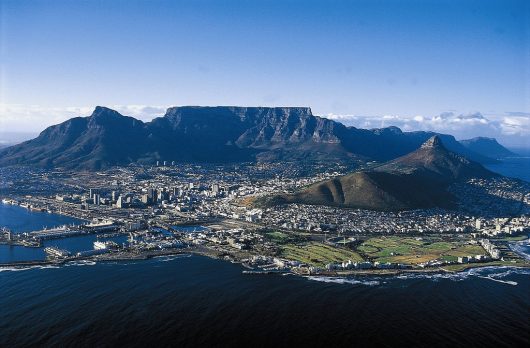
6th World Sustainability Forum Held in Cape Town

At the end of January, Cape Town, South Africa played host to the 6th World Sustainability Forum. The journal Sustainability sponsored this international scientific conference. The Molecular Diversity Preservation International (MDPI) organizes the annual World Sustainability Forum. The forum includes the presentation of research in many areas relating to sustainability and sustainable development.

Sustainable Development Goals

The 17 U.N. Sustainable Development Goals (SDGs), adopted in September 2015 as part of the 2030 Agenda for Sustainable Development, motivated discussions at the 2017 conference. The sustainability agenda outlined by the U.N. has the main aim that “countries will mobilize efforts to end all forms of poverty, fight inequalities and tackle climate change while ensuring that no one is left behind.” Madame Graca Machel, a member of the SDGs Advocacy Group of the United Nations, was one of the keynote speakers at the conference.

Key Messages

The themes of this year’s forum were environmental management and social and economic development. There were key national and international speakers in attendance, including world-renowned professor of economics Jeffrey Sachs, who is also director of the Center for Sustainable Development and the U.N. Sustainable Development Solutions Network. Sachs’ messages in his presentation included:

  • Africa needs to significantly increase its investment rates, which would increase its overall growth rate and decrease poverty.
  • The time to end poverty in Africa started in 2015 has to continue through 2030. Doing so will allow it to “become one of the most dynamic centers of the world economy.”
  • Investments in technology are essential steps in overcoming poverty.

Sachs went on to say that “achieving the SDGs is the moonshot for our generation […] when 193 governments agree on something […] that is really something for us to grab hold of. That is a lifeline.” Plans are already underway for next year’s conference, which will be held in Beijing.

– Kristin Westad

Photo: Flickr

March 10, 2017
https://borgenproject.org/wp-content/uploads/borgen-project-logo.svg 0 0 Borgen Project https://borgenproject.org/wp-content/uploads/borgen-project-logo.svg Borgen Project2017-03-10 01:30:272020-05-15 14:18:376th World Sustainability Forum Held in Cape Town
Page 7 of 12«‹56789›»

Get Smarter

  • Global Poverty 101
  • Global Poverty… The Good News
  • Global Poverty & U.S. Jobs
  • Global Poverty and National Security
  • Innovative Solutions to Poverty
  • Global Poverty & Aid FAQ’s
Search Search

Take Action

  • Call Congress
  • Email Congress
  • Donate
  • 30 Ways to Help
  • Volunteer Ops
  • Internships
  • Courses & Certificates
  • The Podcast
Borgen Project

“The Borgen Project is an incredible nonprofit organization that is addressing poverty and hunger and working towards ending them.”

-The Huffington Post

Inside The Borgen Project

  • Contact
  • About
  • Financials
  • President
  • Board of Directors
  • Board of Advisors

International Links

  • UK Email Parliament
  • UK Donate
  • Canada Email Parliament

Get Smarter

  • Global Poverty 101
  • Global Poverty… The Good News
  • Global Poverty & U.S. Jobs
  • Global Poverty and National Security
  • Innovative Solutions to Poverty
  • Global Poverty & Aid FAQ’s

Ways to Help

  • Call Congress
  • Email Congress
  • Donate
  • 30 Ways to Help
  • Volunteer Ops
  • Internships
  • Courses & Certificates
  • The Podcast
Scroll to top Scroll to top Scroll to top