• Link to X
  • Link to Facebook
  • Link to Instagram
  • Link to TikTok
  • Link to Youtube
  • About
    • About Us
      • President
      • Board of Directors
      • Board of Advisors
      • Financials
      • Our Methodology
      • Success Tracker
      • Contact
  • Act Now
    • 30 Ways to Help
      • Email Congress
      • Call Congress
      • Volunteer
      • Courses & Certificates
      • Be a Donor
    • Internships
      • In-Office Internships
      • Remote Internships
    • Legislation
      • Politics 101
  • The Blog
  • The Podcast
  • Magazine
  • Donate
  • Click to open the search input field Click to open the search input field Search
  • Menu Menu

Tag Archive for: Poverty in Syria

Posts

Conflict, Global Poverty, Politics

Fragility and Rule of Law in Syria

Fragility and Rule of Law in SyriaFor more than 54 years, the Assad regime ruled Syria with tight control, shaping its political and social landscape. With its recent downfall, rebel forces have filled the power vacuum, facing the immense challenge of rebuilding the country after decades of authoritarian rule and conflict.

Fall of the Regime

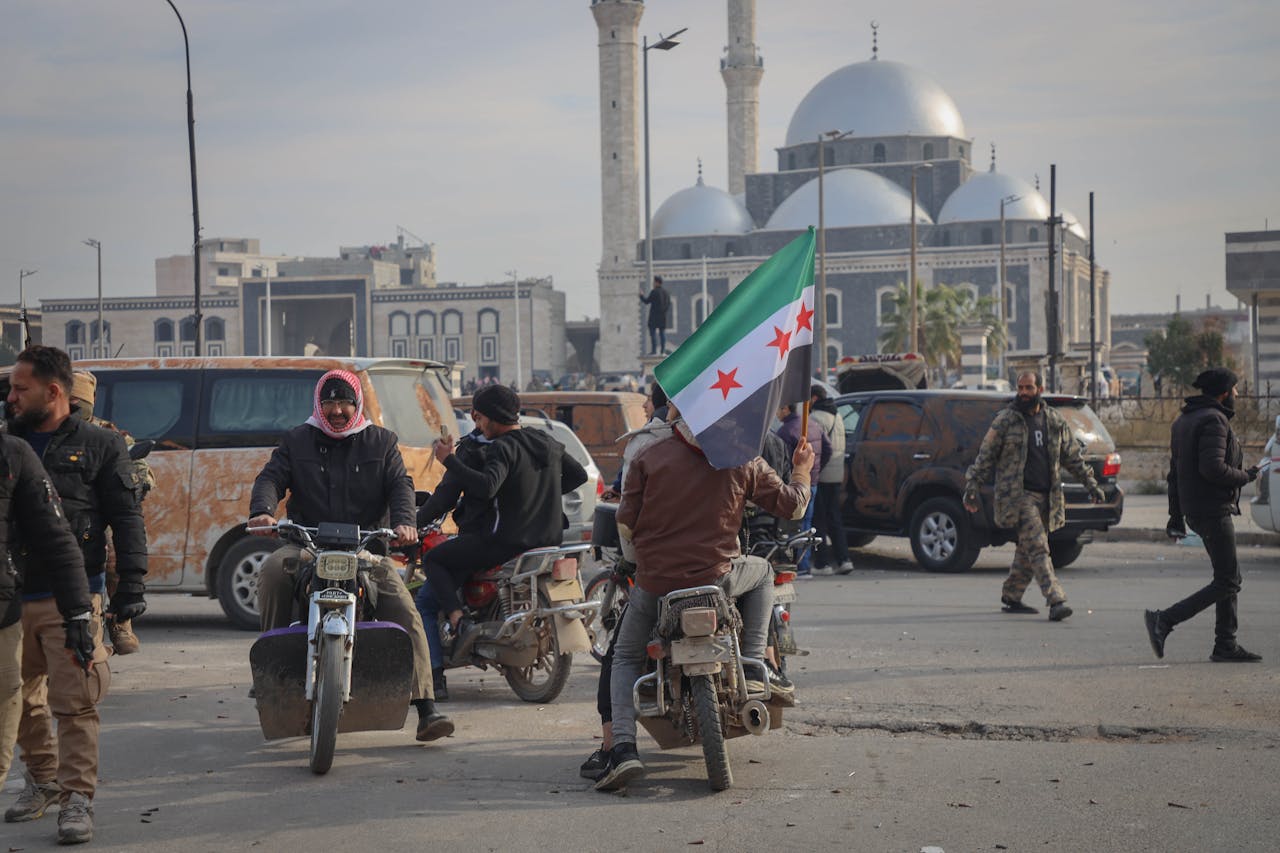
The fall of the Assad regime marked a pivotal moment in Syria’s history. Intense military operations, spearheaded by the leading rebel force, the Hayat Tahrir al-Sham, increased their influence on growing unrest and dissatisfaction with the regime. These efforts culminated in a series of strategic offensives, ultimately resulting in the takeover of Damascus in early December, 2024.

This victory was celebrated all over Syria but also exposed the fragility and rule of law. The collapse left a significant power vacuum, with various factions vying for control and struggling to establish governance in a deeply divided society.

Stabilization and Rule of Law

The integration of rebel forces into a unified defense ministry is a critical step toward addressing the fragility and rule of law in Syria. Rebel groups, including Hayat Tahrir al-Sham, the Syrian National Army backed by Türkiye and others, allied to create a cohesive defense ministry.

This move indicates a commitment to stability and governance, reducing internal conflicts among factions. While this unity signals progress, the country still faces challenges in establishing a robust framework for governance and the enforcement of laws, particularly in areas previously dominated by Assad loyalists.

Signs of Progress and Ongoing Challenges

Despite the ongoing fragility, there are glimpses of progress in Syria. For the first time after the fall of the Assad regime, Syria’s Christian community celebrated Christmas, symbolizing a shift toward religious freedom and tolerance. This moment marked a hopeful milestone for communities long suppressed under the regime’s rule.

Additionally, efforts to include women in governance are gaining momentum. Aisha al-Dibs, the newly appointed head of the Women’s Affairs Office, has emphasized the critical role of women from all provinces and ethnicities in rebuilding Syria. These developments demonstrate potential advancements in addressing the fragility and rule of law in Syria.

Toward Stability and Governance

The fragility and rule of law in Syria remain at the forefront of the country’s transition from decades of Assad rule. While the fall of the regime indicated the formation of a unified defense ministry marked significant milestones, Syria’s path to stability is fraught with challenges. Promising signs, however, include progress in fostering religious tolerance, increasing the inclusion of women in governance and unifying rebel factions.

Yet, much work remains to be done to establish a cohesive and inclusive government. As Syria rebuilds, addressing the fragility and ensuring the rule of law will be essential for achieving long-term peace and stability.

– Mmanoko Faith Molobetsi

Mmanoko is based in Pretoria, South Africa and focuses on Good News and Politics for The Borgen Project.

Photo: Flickr

January 9, 2025
https://borgenproject.org/wp-content/uploads/borgen-project-logo.svg 0 0 Lynsey 2 https://borgenproject.org/wp-content/uploads/borgen-project-logo.svg Lynsey 22025-01-09 01:30:152025-01-08 08:14:43Fragility and Rule of Law in Syria
Global Poverty, Humanitarian Aid, Politics

The Fall of Assad’s Regime and Challenges Facing Syrians

The Fall of Assad’s RegimeIn the past decade, Syria has dealt with “one of the world’s largest humanitarian crises.” More than 5 million Syrian refugees live in the five countries neighboring Syria. Since 2011, Syria has been marred by civil war. The brutal dictator, Bashar Al-Assad, has led a tyrannical regime over the Syrian people. In response to protests following the Arab Spring, the government used “deadly force” against the peaceful demonstrators. This violence escalated into a bloody civil war.

Additionally, “more than 14 million Syrians have been forced to flee their homes in search of safety” since 2011. The United Nations (U.N.) also reports that about 70% of the country’s population needs humanitarian assistance, with 90% living below the poverty line. However, the fall of Assad’s regime has happened and many Syrians are thinking of returning home. Although the fall of Assad’s regime can be seen as a positive development, the future for Syria and its people remains unclear. Here are five obstacles for the Syrian people after Assad fell from power.

Destruction of Infrastructure

Although Assad is gone and Syrian refugees consider the possibility of going back, Syria’s infrastructure has been obliterated by the 13-year civil war. “Basic amenities like clean water, electricity and housing are difficult to find,” Vox reports. For people whose homes were not destroyed, some of them have other people living in them now and “many refugees lack documentation to prove they own their properties.” 

On top of that, the new government will unlikely be able to resolve “property disputes” as they are stretched so thin. The vast majority of the country’s population needs aid. The U.N. Refugee Agency reports that 90% of the population depends on humanitarian assistance. In addition, it is the beginning of winter. If refugees start returning now, they will need “shelter, food and water.” There are continuous obstacles for the Syrian people.

Economic Problems

Syria’s economy is in dismal condition and high inflation presents problems for people in Syria, as well as refugees considering returning. The Central Bank of Syria reports that inflation reached 122% in April 2024. In addition, schools have been destroyed, leaving many children without education. In tandem with that, few job opportunities exist for people to earn a reasonable living. Employment is yet another one of the obstacles for Syrian people. 

During Assad’s reign, countries like the U.S. put heavy sanctions on Syria, hurting the nation’s economy even further. However, the current “de facto leader of Syria, Ahmed al-Sharaa,” is asking for sanctions to be lifted; he asserts that Syria does not pose a threat to other parts of the world as it did under Assad’s regime. The sanctions are currently still in place.

Uncertain Future

Although many feel joy at the end of Assad’s tyrannical and oppressive regime, the future remains uncertain for Syria. Ahmed al-Sharaa is the leader of Hayat Tahrir al-Sham (HTS), “the dominant group in the rebel alliance,” which defeated Assad. HTS is designated as a terrorist organization by the U.S., U.N. and others. Also, the group was formerly part of the terrorist organization Al-Qaeda. Many are skeptical about whether or not the new leadership will bring peace to Syria.

Many countries hosting Syrian refugees are eager to send them back. However, too many people returning at once could cause new problems, as the government is already dealing with great hardship. Obstacles for Syrian people in and outside of the nation are ever-present. In the north of Syria, Turkish-backed groups are fighting Kurdish-led groups, which might lead to further violence. Even more, many Syrians are doubting that HTS will bring a peaceful future, as they led an authoritarian rule in the northwest of the country. 

Humanitarian Aid

Syria Relief & Development (SRD) is a nonprofit organization that addresses Syria’s most urgent need for aid. It was founded in 2011 and intends to provide humanitarian relief and encourage sustainable development in Syria. Since 2011, SRD has been involved in more than 18 million humanitarian interventions in Syria. The organization continues to provide support in health care, education, disaster relief and much more. 

Final Thoughts

Syria’s future may be unclear, but there is no doubt that the fall of Assad’s regime has brought great joy to the Syrian people. Obstacles for Syrian people are still present and much aid is still needed. However, there seems to be a hope that Syria will be able to forge a newer and better future.

– Michael Messina

Michael is based in Newburyport, MA, US and focuses on Politics for The Borgen Project.

Photo: Pexels

December 29, 2024
https://borgenproject.org/wp-content/uploads/borgen-project-logo.svg 0 0 Lynsey 2 https://borgenproject.org/wp-content/uploads/borgen-project-logo.svg Lynsey 22024-12-29 01:30:142024-12-28 03:03:34The Fall of Assad’s Regime and Challenges Facing Syrians
Global Poverty, Politics, War

The UN’s Role in Restoring Human Rights in Syria

Restoring Human RightsOn December 8, 2024, rebel groups in Syria overthrew the government of former President Bashar al-Assad, forcing him to flee to Russia where the Kremlin granted him asylum. As of now, Syria is undergoing a political transition away from the rule of Assad and into a new government that many hope will restore human rights to the country and improve the livelihoods of Syrians after decades of poverty. On the global level, non-governmental organizations and multilateral organizations are working to help Syrians form a government based on international human rights norms. One of them is the United Nations (U.N.) which has been investigating human rights abuses by Syrian officials via its Commission of Inquiry on Syria (COI).

UN’s Critical in Restoring Human Rights to Syria

On December 12, 2024, the U.N.’s Commission of Inquiry on Syria stated that they have a list of up to 4,000 human rights abusers from the Syrian government since 2011 when the civil war started. The commission, which has been investigating and collecting testimonies remotely, now hopes to finally gain access to Syria to help hold accountable those who destabilized the country and exacerbated its poverty. On the other hand, Geir Pedersen, the U.N. Special Envoy to Syria, has called for lifting sanctions on Syria imposed by the U.S. and the EU so work can begin on rebuilding the country and providing necessary aid. That way the UN and even other international organizations, backed by countries around the world, can start restoring human rights back to Syria step by step.

UN’s Political and Humanitarian Aid Efforts in Syria

The U.N. is putting effort into restoring human rights to Syrian institutions and people by providing life-saving aid to the most vulnerable and helping the interim government politically transition properly. Cindy McCain, head of the World Food Program (WFP), has stated that the U.N. is working to deliver food to the approximately 3 million Syrians who are struggling with severe food insecurity.

Similarly, Pedersen recently met with the key political leaders in the interim government to emphasize the need for a government that is inclusive and represents Syrians of all religions and groups. Although the U.N.’s efforts in Syria so far have been critical, it can only succeed with the backing of its member states who are also lending a hand in the rebuilding of a post-Assad Syria.

The Role of Countries in Rebuilding Syria Post-Assad

Restoring human rights values to Syria requires more than the goodwill of the U.N. and its NGO partners. It also requires the vast resources and connections of countries regional and around the world. For example, the Arab League countries have pledged to support the new Syrian government to ensure that the rights of women and minorities are respected while Turkey has recently reopened its embassy in Syria.

On the other hand, U.S. sanctions on Russia could pressure the Kremlin to hand over Assad to Syria or the international criminal court to face trial over his human rights abuses. In other words, the U.N.’s efforts to help Syria build a more inclusive government and lift millions out of poverty require the assistance of countries with the governance structure on which a post-Assad Syria could model itself.

Revitalizing Human Rights Norms in Syria

The overthrow of the Assad regime in Syria marks a new beginning for Syrians who have struggled with poverty, food insecurity and instability caused by the government. It is also a new beginning for international human rights activists who never even dreamed that this day could come sooner than later. The UN’s current efforts in restoring human rights to Syrian institutions is an opportunity to remind countries around the world why human rights still matter in this global era of politics.

– Abdullah Dowaihy

Abdullah is based in Riyadh, Saudi Arabia and focuses on Good News and Politics for The Borgen Project.

Photo: Unsplash

December 25, 2024
https://borgenproject.org/wp-content/uploads/borgen-project-logo.svg 0 0 Naida Jahic https://borgenproject.org/wp-content/uploads/borgen-project-logo.svg Naida Jahic2024-12-25 01:30:462024-12-23 22:54:11The UN’s Role in Restoring Human Rights in Syria
Global Poverty, Health, HIV/AIDS

HIV/AIDS in Syria

HIV/AIDS in SyriaHealth care in Syria has experienced significant disruption due to the ongoing civil war, which first began in March 2011. The conflict has resulted in a cumulative diminishment of the health care system to a partly-functioning institution. Medical facilities and hospitals have been targeted, with nearly 15 million people in desperate need of medical attention. 

Despite HIV prevalence remaining low in Syria and just 762 people diagnosed with HIV/AIDS in Syria between 1987 and 2011, the Middle East is one of the only regions in the world where HIV/AIDS infection is spiking. This spike can be attributed to factors such as increasing rates of poverty, labor migration and human trafficking, which can potentially manifest in an HIV/AIDS epidemic. 

Vulnerable, marginalized groups such as female sex workers and intravenous drug users are at a significantly higher risk of contracting HIV than the general population. Therefore, the response to HIV/AIDS in Syria has to focus on these groups, as their behaviors have the potential to kickstart an epidemic.

Health Care in Syria

The Syrian health care system impairs many citizens’ ability to access medical professionals and treatment. As a result of the war, approximately 70% of health care professionals have left the country. Similarly, 50% of health care facilities have been obliterated. Consequently, Syria lacks the necessary staff, facilities, treatment options, funding and capacity to manage health problems effectively. This shortfall significantly affects the handling and control of communicable diseases such as HIV.

The country’s response to HIV/AIDS remains significantly lower than global targets in terms of preventative measures, diagnosis, testing and treatment. Those living with HIV/AIDS in Syria are significantly impacted by the lack of health care, as sexual and reproductive issues are often overlooked.

The civil war has induced unrest in the form of human rights violations, financial decline and environmental crises. health care costs have skyrocketed, with medical treatments and private care becoming increasingly inaccessible to the general public. In northwest Syria, approximately 2.3 million women and girls do not have access to medical care, including reproductive and sexual health, such as treatment for HIV/AIDS.

Stigma Surrounding HIV/AIDS in Syria

The availability of treatment for sexually transmitted infections (STIs) such as HIV is the least attainable because of the stigma attached to sexual diseases. This stigma affects the likelihood of certain groups being informed about HIV and understanding how to prevent infection. HIV/AIDS in Syria is most prevalent among intravenous drug users and female sex workers. These marginalized groups often face negative identity prejudice, which can hinder their access to HIV/AIDS education and health care due to discrimination.

A study by the United Nations Development Programme (UNDP) found that adequate knowledge among female sex workers, intravenous drug users and prisoners of HIV/AIDS was below 30%. Additionally, the study showed that despite the subgroups being predominantly aware of HIV/AIDS, the participants’ overall knowledge and understanding of risk factors was insufficient. They experienced very little exposure to HIV/AIDS health campaigns. 

Tackling HIV/AIDS in Syria

To address HIV/AIDS in Syria, the Ministry of Information launched a nationwide media campaign across television, the press and radio stations. The campaign intended to raise awareness and improve knowledge about HIV/AIDS, empowering people to make better-informed decisions.

The Syrian Family Planning Association also implemented a program to improve HIV awareness among Syrians. This initiative included a peer education component designed explicitly for vulnerable groups such as young people, female sex workers and prisoners, aiming to educate them about HIV/AIDS and encourage safer choices.

These programs offer a foundational approach to HIV/AIDS education by providing valuable and potentially life-saving information that equips citizens with the knowledge to make well-informed decisions. Ultimately, this will contribute to the curbing of a war-induced HIV/AIDS epidemic.

– Ella Dorman

Ella is based in Worcestershire, UK and focuses on Global Health for The Borgen Project. 

Photo: Wikimedia Commons

December 23, 2024
https://borgenproject.org/wp-content/uploads/borgen-project-logo.svg 0 0 Lynsey 2 https://borgenproject.org/wp-content/uploads/borgen-project-logo.svg Lynsey 22024-12-23 07:30:332024-12-23 02:34:39HIV/AIDS in Syria
Aid, Global Poverty, Humanitarian Aid

Humanitarian Crisis in Syria

Humanitarian Crisis in SyriaSyrians urgently need assistance as more than 16 million residents struggle with homelessness, food insecurity, dilapidated infrastructure and inadequate water and sanitation. The United Nations (U.N.) reports that at least 90% of the population lives below the poverty line, placing Syria among the nations facing severe economic challenges. The country’s economic instability is so prolonged that it defies conventional poverty rankings. Compounding these economic issues, changing weather patterns has wreaked havoc, with floods and earthquakes destroying infrastructure and disrupting essential services. As international aid wanes—distracted by global crisّّّis—the burden increasingly falls on government initiatives and nonprofit organizations (NGOs) to provide critical support.

Natural Disasters

Natural disasters such as earthquakes, floods and climate-induced storms are worsening the economic struggles of the impoverished, leading to increased displacement. On Feb. 6, 2023, Northern and Western Syria were struck by a 7.8 magnitude earthquake. This disaster affected more than 8 million people, with a death toll surpassing 50,000. The earthquake also impacted Syrian refugees and humanitarian organizations near the Turkey-Syria border.

More than 10,000 buildings have been destroyed, further damaging Syria’s already crumbling infrastructure. According to the Rapid Damage and Needs Assessment (RDNA), direct physical damages amounted to $5 billion, with an estimated $8 billion required for recovery and reconstruction across six governorates. Additionally, heavy rainfall and flash flooding have disrupted the lives of thousands in northern Syria, adversely affecting more than 40 refugee camps in the Idlib and Aleppo governorates. These floods destroyed camps, closed roads and inundated agricultural lands, exacerbating food insecurity and prolonging the humanitarian crisis in Syria.

Infrastructure

The humanitarian crisis in Syria has severely limited access to water for many residents. As reported by the U.N. in 2022, 52% of Syrians do not have access to piped water, forcing them to rely on alternative sources such as rivers, wells and springs. The deterioration of the water infrastructure results from the ongoing Syrian civil war. Currently, more than 7 million displaced Syrians reside in overcrowded camps and shelters that are either partially or fully damaged, offering inadequate conditions for daily life. In northern Syria, more than 2 million internally displaced persons (IDPs) live in last-resort sites, which are areas with conditions that pose significant health and safety risks.

Government forces have attacked civilian water infrastructure, damaging nearly two-thirds of Syria’s water treatment plants, half of its pumping stations and a third of all water towers. An immense drought in the northeastern, southern and eastern regions of Syria is crippling the agricultural sector, pushing many displaced Syrians into food deprivation. The drought has also decreased water levels, compelling farmers to use contaminated alternatives such as raw sewage, which spreads diseases and heightens health risks.

Food Insecurity in Syria

The humanitarian crisis in Syria has driven up food prices, with prolonged conflict, rising production costs and droughts contributing to widespread food insecurity that affects more than 12 million Syrians—more than half the population. This food insecurity is causing additional problems; millions of children are at risk of malnutrition and acute malnutrition, which has already stunted the growth of more than 600,000 children in the country. As of 2023, more than 3 million children needed nutritional assistance. Additionally, a recent cholera outbreak is placing unprecedented strain on Syria’s health services.

World Vision, a Christian relief organization, has found that female-headed households in Syria suffer most from food insecurity, which often leads to gender-based violence, abuse and exploitation. Meanwhile, the World Food Program, which has aided more than three million people in Syria, recently ended its main aid initiative. This termination has left many who relied on food distribution without alternatives. Cuts were necessary due to rising global economic challenges, donor fatigue and declining funding. Northeast Syria, a region already struggling with these issues, will likely see the most significant effects of the WFP’s reductions, exacerbating extreme poverty among residents.

The City of Aleppo and Government Initiatives

Aleppo, the capital of the Aleppo governorate and Syria’s most populated city stands at the epicenter of the nation’s economic struggles. The humanitarian crisis in Syria spans issues from food insecurity to the changing climate. However, the most significant driver of increased poverty rates remains the prolonged civil war. This conflict, involving the Syrian government with its allies against various militia groups, including ISIS and the Free Syrian Army, has severely impacted civilians. They endure the brunt of the conflict with damaged health facilities, failing water and energy infrastructure and widespread food shortages.

The International Labour Organization (ILO), funded by Japan, has launched a new initiative in partnership with Syria. This project aims to create jobs for Syrians in Aleppo and support the country’s infrastructure recovery efforts. The focus areas include debris removal, sidewalk rehabilitation and repairs to the sewage and stormwater networks in Aleppo’s Kadi Askar district.

The Syrian Recovery Trust Fund (SRTF) is dedicated to enhancing water infrastructure in Aleppo. It is advancing a project to improve the health environment and living conditions across Syria. This initiative includes constructing a water tank, rehabilitating and extending water supply networks and building a new water storage reservoir. These ongoing efforts aim to improve water access for more than 75,000 residents.

IRC and Oxfam’s Efforts in Syria

The International Rescue Committee (IRC) has actively supported various aspects of Syria’s humanitarian crisis. After the 2023 earthquake, the IRC provided affected Syrian communities with essential items such as blankets, feminine products and hygiene supplies. Additionally, the organization supports crucial health services and has implemented classes, counseling and protection services for children in camps for displaced residents and other affected areas. To address the humanitarian crisis in Syria, more than 1,000 staff members are on the ground providing emergency cash and food assistance. They operate clinics and mobile teams offering life-saving support and work to bolster households’ economic stability through job training, apprenticeships and small business support.

Oxfam, a global organization dedicated to ending inequality and poverty, has been working diligently to provide Syrians with clean water, access to materials and proper hygiene practices. The organization has restored water infrastructure and improved sewage systems to enhance the quality of water and public health in Syria. To combat the humanitarian crisis, Oxfam has distributed thousands of hygiene kits, provided cash support and supplied seeds to farmers across several governorates.

Looking Ahead

As Syria continues to face compounding crises, from natural disasters to economic instability, the role of humanitarian aid remains critical. Organizations such as the International Rescue Committee and Oxfam are providing life-saving support, focusing on essential needs like clean water, food assistance and health care. However, the scale of the challenges requires sustained support to help the millions affected by conflict and displacement.

– Immanuel Wiggins

Immanuel is based in Jackson, MI, USA and focuses on Global Health for The Borgen Project.

Photo: Flickr

September 21, 2024
https://borgenproject.org/wp-content/uploads/borgen-project-logo.svg 0 0 Precious Sheidu https://borgenproject.org/wp-content/uploads/borgen-project-logo.svg Precious Sheidu2024-09-21 01:30:212024-09-21 00:56:49Humanitarian Crisis in Syria
elderly poverty, Global Poverty

Communities Fighting Elderly Poverty in Syria

Elderly Poverty in Syria“It is alarming that a simple meal is beyond the reach of families across Syria, and this new data shows humanitarian assistance is the difference between putting a meal on the table and going to bed hungry. Lifesaving support has never been so crucial,” said the World Food Programme (WFP) Representative and Country Director Sean O’Brien. The price of a food basket in Syria was 70% more expensive than it was a year ago. Prices of key ingredients of the basket, such as rice and sugar, have increased from 70% to 140%.
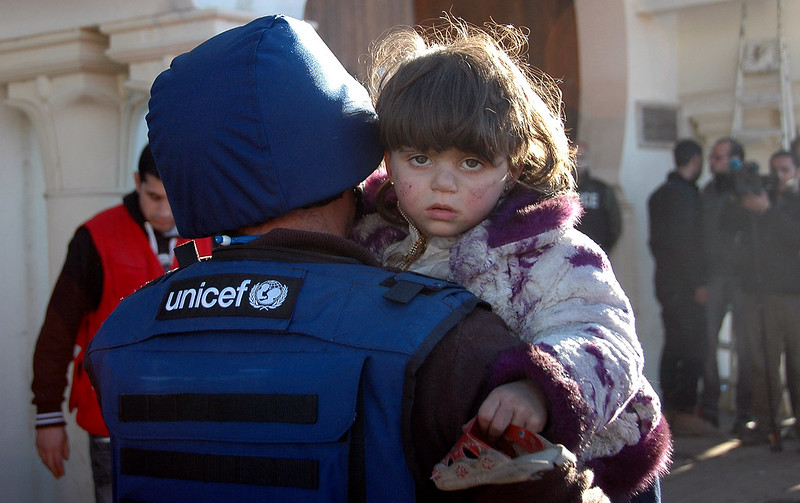
Food that once fed families now leaves them exhausting their savings for every meal. Older persons struggle even harder to find jobs, especially as the conflict has pushed desperation to self-reliance, marginalizing older people and the traditional family structure. An elderly person from North-west Syria comments: “In the past, older people would reach retirement age, and the family would take care of them. However, currently, the responsibility they should rely on self-care […] has increased, placing the burden directly on them.”

Communities in Damascus

Fortunately, many community-led initiatives help fight elderly poverty in Syria. The Syrian Society for Social Development has a home-based care program for Seniors who have specific vulnerabilities. Collaborating with the United Nations High Commissioner for Refugees (NHHCR), a team of volunteers focuses on helping and provide safety to the older population. The program dedicates itself to helping people over the age of 60 through nursing, housekeeping, hygiene, medication organization, as well as food preparation.

Taking place in several community centers of Rural Damascus, care-giving volunteers not only provide different meals and learn to use blood pressure monitors but also socialize with older people through entertaining and engaging activities. Older people are no longer excluded from younger people, therefore improving both their mental and physical well-being. Because of this, elderly people struggle and spend less on medication and health check-ups, as well as food. These responsibilities help combat elderly poverty in Syria by including older people back into a supportive system and engaging the community.

Communities in Aleppo

People residing in Southern Aleppo were suffering from a damaged rainwater drainage network that had begun to flood the streets. There was a high risk of disease as large bodies of wastewater accumulated on the ground. Further threats would ensue if younger children and elderly people fell into the water. The cost of injury and the addition of medication prices would be detrimental to the elderly Syrian population who have a higher risk of suffering from poverty and marginalization.

Successfully, the local community came together to discuss and plan a new drainage foundation. Alongside the UNHCR, both a construction team and members of the local community contributed to the excavation and installation of a new drain filter. As a result, the filter not only improved the appearance of the town and the efficiency of the drainage system but benefited 3000 residents living in Abtein town. Because of this, the town demonstrated strong values of community and kindness. Their uniting demonstration challenges elderly poverty in Syria by preventing expensive medical prices through ensuring the health and safety of the entire community.

Fighting Elderly Poverty in Syria

In conclusion, conflict and soaring expenses have split up traditional family structures. Alienising older people from the young, the older Syrian population has lost a grounded support system and the elderly have been pushed further into isolated poverty. However, community-led projects such as fixing drainage systems, and organisations such as the Syrian Society for Social Development, help to care for the vulnerable population of elders and to protect them from further elderly poverty in Syria. Volunteers and townspeople come together to provide the elderly with entertainment and physical aid, as well as essentials such as food and medication that they might otherwise struggle to afford on their own.

– Chelsey Saya McLeod

Chelsey is based in Southampton, Hampshire, UK and focuses on Good News and Technology for The Borgen Project.

Photo: Unsplash

September 10, 2024
https://borgenproject.org/wp-content/uploads/borgen-project-logo.svg 0 0 Naida Jahic https://borgenproject.org/wp-content/uploads/borgen-project-logo.svg Naida Jahic2024-09-10 01:30:582024-09-10 01:18:27Communities Fighting Elderly Poverty in Syria
Global Poverty, Refugees and Displaced Persons

ENOUGH Campaign: Food Insecurity Among Syrian Refugees

ENOUGH CampaignSyria has some of the highest levels of hunger across the globe. The World Food Programme found that around 12.9 million people go hungry, with an additional 2.6 million at risk of food insecurity. By 2023, the World Food Programme asserted that the available humanitarian aid was insufficient to combat this growing issue. This prediction was based on the persisting conflict, weak domestic food system and continued environmental blows, such as the Feb. 2023 earthquake. The ENOUGH Campaign is addressing these urgent needs by targeting child malnutrition and food insecurity.

Refugee Challenges in Host Nations

The conditions for Syrian refugees in host nations are also worsening. The UNHCR reported in March 2023 that Lebanon, the host nation with one of the most significant numbers of refugees, suffered a currency loss of 95% in value, resulting in staggering prices for basic needs. Furthermore, of the 6.8 million Syrian refugees globally, 5.5 million of them reside in neighboring countries. In Jordan, the UNHCR estimates four-fifths of refugees live below the poverty line. Additionally, refugees in Iraq and Egypt face major food insecurity issues in camps. 

Personal Struggles of Syrian Refugees

The UNHCR interviewed Khandra, a 50-year-old widow and Syrian refugee with five sons, a daughter-in-law and three grandchildren. Among many harrowing realities, Khandra recounts, she described her son, 3 years old, when he fled Syria’s daily life. Adnan “wakes up every day at six in the morning to sell tissues on the highway and never returns before 10 or 11 at night. On a good day, he can make around 200,000 Lebanese lira (around $2), while on other days, he sells nothing at all.”

World Vision’s Response to the ENOUGH Campaign

To combat this issue, World Vision International launched ENOUGH in Sept. 2023 to end child hunger and malnutrition by investing $3.4 billion over three years in 67 countries. World Vision has been enacting this to assist Syrian refugees by providing food, water, shelter and education services to more than 7.5 million people. Additionally, on the heels of Feb. 2023’s catastrophic earthquake, World Vision has utilized ENOUGH to provide vital support to those in Syria and surrounding countries. World Vision has reached 2.4 million people in Syria and Turkiye with their earthquake response plan, 75 million people and one million children in Syria and the surrounding countries with regular interventions.

Ongoing Challenges and the Call for Continued Support

The Syrian refugee crisis continues to be in dire need of humanitarian aid, despite global efforts, this has fallen short. Refugees in Lebanon and Jordan are facing increasingly difficult conditions due to economic collapse and widespread poverty, with families like Khandra struggling daily. Khandra’s son’s exhausting routine reflects the harsh realities these communities endure. As food insecurity rises and debt deepens, survival is challenging.

World Vision International’s ENOUGH campaign aims to combat child malnutrition and poverty through substantial investment, but broader global cooperation is crucial. While campaigns like this provide hope, the crisis continues to receive attention. As millions lack basic resources, to protect the most vulnerable it’s vital to keep this at the forefront of humanitarian efforts. Success in meeting ENOUGH’s goals could ensure survival and safeguard future generations.

– Lydia Young

Lydia is based in Glasgow, Scotland and focuses on Good News for The Borgen Project.

Photo: Flickr

September 5, 2024
https://borgenproject.org/wp-content/uploads/borgen-project-logo.svg 0 0 Precious Sheidu https://borgenproject.org/wp-content/uploads/borgen-project-logo.svg Precious Sheidu2024-09-05 01:30:322024-09-04 14:25:11ENOUGH Campaign: Food Insecurity Among Syrian Refugees
Aid, Global Poverty, Humanitarian Aid

How Concern Worldwide Is Uplifting Syria

Concern WorldwideSyria continues to face extreme displacement inside and across its borders and the destruction of civilian and social service infrastructure due to years of ongoing conflict, resulting in some of the world’s harshest socioeconomic conditions. According to the United Nations Children’s Fund (UNICEF), 90% of individuals in Syria today live in poverty. With depleted resources, limited employment opportunities, skyrocketing prices and a shortage of basic supplies, more than 14.6 million Syrians desperately need humanitarian assistance.

Furthermore, years of conflict in Syria have caused many facilities and institutions to become unusable. For instance, a third of all schools and health care facilities in Syria are no longer used for their original purposes but rather have been destroyed, damaged or used for shelter or military purposes.

Recent Earthquake Devastation

Early last year, a massive 7.8 magnitude earthquake hit southern Turkey near the Syria border, followed by another 7.5 magnitude earthquake. These were the most devastating earthquakes to hit the Turkey-Syria region in more than 20 years. It killed more than 55,000 people and left millions homeless, often in overcrowded temporary shelters.

Of the 15.3 million Syrians who remained in the country afterward, 85% of the population is estimated to require humanitarian assistance. More than 12 million face food insecurity, only about half of all hospitals are fully functional and more than two million children are out of school indefinitely. As a result, Syria continues to be the world’s largest refugee crisis, representing nearly 25% of the total global refugee population.

About Concern Worldwide

Concern Worldwide, founded in 1968, is an international humanitarian organization working in 26 countries to free disadvantaged individuals from poverty, fear and oppression. Composed of 4,700 diligent humanitarians, Concern has reached more than 25 million underprivileged individuals, focusing on six areas: livelihoods, health and nutrition, education, gender equality and innovations and emergencies. In terms of emergencies, it helps communities affected by natural disasters, assisting them to rebuild long-lasting resilience through sustainable methods.

In the wake of the recent earthquake, Concern responded in hours, delivering emergency supplies and providing shelter, food, cash, clean water, sanitation and psychosocial support. Its efforts range from short-term reliefs to long-term support by erecting tents, installing latrines and building clean water systems. A year in, it has successfully helped more than 375,000 individuals. Concern has committed to supporting those who are worse affected until they can stand on their feet again and rebuild their lives.

Multi-Faceted Approach

Concern Worldwide focuses on emergency response and has various other departments, including a community-based focus on women and children, to raise awareness and break down social barriers. In addition to increased access to health services, optimal child care training and treating acute malnutrition in children, it provides a 14-month package that includes business skills training, general coaching, financial literacy, home savings management and entrepreneurship skills. Concern intervenes at the local and national government levels to uplift individuals in Syria and other poverty-stricken countries and allow them to choose their future.

– Kewe Chen

Kewe is based in Memphis, TN, USA and focuses on Good News for The Borgen Project.

Photo: Flickr

August 11, 2024
https://borgenproject.org/wp-content/uploads/borgen-project-logo.svg 0 0 Lynsey 2 https://borgenproject.org/wp-content/uploads/borgen-project-logo.svg Lynsey 22024-08-11 01:30:392024-08-10 13:55:53How Concern Worldwide Is Uplifting Syria
Conflict, Global Poverty, Refugees and Displaced Persons

How Conflict Fuels Poverty in Syria

How Conflict Fuels Poverty in Syria The Syrian conflict, now stretching into its second decade, has profoundly reshaped the nation’s socio-economic landscape. As the fighting persists, the humanitarian and economic toll intensifies, creating a vicious cycle of poverty in Syria.

Destruction of Infrastructure

Destruction of infrastructure is one of the most immediate and visible widespread consequences of the Syrian conflict. Attacks on various types of infrastructure, including public, private and health care facilities, remain largely unaccounted for. Bombings, artillery fire and ground battles have reduced cities to rubble, destroying homes, schools, hospitals and utilities. With basic infrastructure demolished, economic activities stall. Factories, farms and businesses cannot operate effectively, resulting in significant productivity losses. The lack of electricity, clean water and transportation further hampers efforts to resume normal economic functions, exacerbating poverty in Syria.

Displacement and Loss of Livelihoods

The crisis in the Syrian Arab Republic has displaced more than 12 million people across the region, with 6 million Syrians finding refuge in Egypt, Türkiye, Iraq, Jordan and Lebanon. Displacement uproots families from their homes and communities, stripping them of their assets and means of income. In displacement camps and host communities, refugees face high unemployment levels. Competition for scarce resources and jobs often results in lower wages and poor working conditions. For those attempting to rebuild their lives, limited access to employment, education and health care perpetuates a cycle of poverty in Syria that is difficult to break.

Health Crisis

Almost a quarter of Syria’s hospitals are nonfunctional and cannot meet the growing health needs. More than 12.2 million people urgently need health assistance, but a shortage of workers and health care infrastructure has led to the collapse of the health care system. This collapse exacerbates poverty by increasing disease and disability burdens. Families must spend limited resources on medical care, often sacrificing other basic needs such as food and shelter. Chronic illnesses and untreated injuries impair individuals’ ability to work, further reducing household incomes and deepening poverty in Syria.

Education Disruption

The war in Syria has severely disrupted the education system, with many schools damaged, destroyed or repurposed as shelters for displaced people. This crisis has left more than 7,000 schools destroyed and resulted in two million children being out of education. A generation of children in Syria is growing up without ever having enrolled in school or received a proper education. To make ends meet, families often rely on child labor, pulling children out of school to work. This not only deprives children of their childhood but also limits their future economic prospects, perpetuating poverty in Syria.

Efforts by UNICEF and OXFAM

Efforts are underway to reverse the cycle of poverty in Syria. UNICEF is addressing this crisis by investing in climate-resilient technologies and systems, promoting learning, rehabilitating schools and scaling up unconditional cash transfers. In addition, OXFAM works across eight of 14 Syria governorates, providing clean water, distributing hygiene kits, promoting good hygiene practices in schools and giving families cash and food to meet their urgent needs.

Looking Ahead

The ongoing conflict in Syria has deeply entrenched poverty, disrupting infrastructure, displacing millions and collapsing essential services such as health care and education. Organizations like UNICEF and OXFAM are actively working to mitigate the crisis by providing crucial resources, rehabilitating schools and supporting basic needs. Despite the significant challenges, these ongoing efforts offer a pathway toward alleviating the severe economic and social impacts on the Syrian population, highlighting the critical importance of sustained international support.

– Rika Mokal

Rika is based in London, UK and focuses on Global Health for The Borgen Project.

Photo: Pixabay

July 2, 2024
https://borgenproject.org/wp-content/uploads/borgen-project-logo.svg 0 0 Precious Sheidu https://borgenproject.org/wp-content/uploads/borgen-project-logo.svg Precious Sheidu2024-07-02 03:00:362024-07-01 09:22:32How Conflict Fuels Poverty in Syria
Aid, Foreign Aid, Global Poverty, Government, NGOs, WHO

KSRelief-WHO Funding Agreement for Sudan, Syria and Yemen

KSRelief-WHO Funding Agreement for Sudan, Syria and Yemen Ongoing conflicts in Sudan, Syria and Yemen have devastated public health institutions and affected millions. In Sudan, more than two-thirds of main hospitals are out of service, leaving 11 million people in need of urgent health care since April 2023. Syria faces a similar crisis, with more than 12.2 million people needing immediate medical attention due to inadequate health facility services. In Yemen, about 46% of health facilities are nonfunctional or partially operational, affecting 21.6 million people, at least two-thirds of the population. In response, the King Salman Humanitarian Aid and Relief Centre (KSRelief) is actively providing crucial support and resources to address these health care challenges.

International Aid and Collaboration

On May 25, 2024, KSRelief signed an agreement with the World Health Organization (WHO) to fund WHO’s critical health response operations in Sudan, Syria and Yemen to the amount of $19.4 million. Before signing the funding agreement, both organizations worked extensively to alleviate the pain the people in Sudan, Syria and Yemen endured.

At Jordan’s Zaatari camp for Syrian refugees, KSRelief has been operating medical clinics where doctors have provided health care assistance, including treatment for sinus and middle ear infections, to 2,349 Syrian patients. Similarly, WHO has been reinforcing disease surveillance in Sudan and Yemen to help countries such as the Kingdom of Saudi Arabia respond effectively to the health crises in these countries. KSRelief’s funding support to WHO’s critical health operations in Sudan, Syria and Yemen facilitates medical care on the ground.

Funding Dialysis Treatments in Sudan

KSRelief’s efforts includes providing $5 million to supply 100 dialysis machines and strengthen dialysis centers in Sudan. Currently, 77 renal dialysis centers in Sudan are only partially functioning and cannot provide life-saving dialysis treatment for the Sudanese people. According to the International Society of Nephrology, there are approximately 8,000 Sudanese people and more who have been relying on dialysis to stay alive since the conflict started. 

Healing Syria After the Earthquakes

On Feb. 6, 2023, a devastating earthquake in Syria destroyed many buildings, including essential hospitals and health clinics, affecting 8.8 million Syrians and resulting in the deaths of 5,954 Syrians. KSRelief supported WHO with a $4.75 million contribution to provide necessary medications and supplies to around 350,000 Syrians in need urgent health care. The funds allocated to Syria will also help WHO restore diagnostic capacity and ambulance services, assisting an estimated 4.1 million Syrians.

Countering Disease Outbreaks in Yemen

KSRelief is providing $9.5 million to support WHO’s operations in Yemen, focusing on strengthening responses to disease outbreaks like cholera and measles. Yemen currently faces over 40,000 suspected cholera cases and more than 34,000 cases of measles and rubella as of August 31, 2023. This funding also aims to help WHO enhance health care facilities in Yemen by improving their sanitation and hygiene services, thereby boosting their capacity to tackle disease outbreaks. These ongoing efforts are expected to benefit approximately 12.9 million Yemenis in urgent need of care due to the public health crisis.

Multilateral Collaboration to Address Critical Health Issues

KSRelief’s critical financial support to WHO’s health operations aims to ensure the safety of Sudanese, Syrian and Yemeni people who dream of a stable and secure future. The ongoing efforts highlight the impact multilateral collaboration between countries and organizations could have in addressing global health issues.

– Abdullah Dowaihy

Abdullah is based in Riyadh, Saudi Arabia and focuses on Good News and Global Health for The Borgen Project.

Photo: Flickr

June 21, 2024
https://borgenproject.org/wp-content/uploads/borgen-project-logo.svg 0 0 Precious Sheidu https://borgenproject.org/wp-content/uploads/borgen-project-logo.svg Precious Sheidu2024-06-21 01:30:352024-06-20 03:42:08KSRelief-WHO Funding Agreement for Sudan, Syria and Yemen
Page 3 of 41234

Get Smarter

  • Global Poverty 101
  • Global Poverty… The Good News
  • Global Poverty & U.S. Jobs
  • Global Poverty and National Security
  • Innovative Solutions to Poverty
  • Global Poverty & Aid FAQ’s
Search Search

Take Action

  • Call Congress
  • Email Congress
  • Donate
  • 30 Ways to Help
  • Volunteer Ops
  • Internships
  • Courses & Certificates
  • The Podcast
Borgen Project

“The Borgen Project is an incredible nonprofit organization that is addressing poverty and hunger and working towards ending them.”

-The Huffington Post

Inside The Borgen Project

  • Contact
  • About
  • Financials
  • President
  • Board of Directors
  • Board of Advisors

International Links

  • UK Email Parliament
  • UK Donate
  • Canada Email Parliament

Get Smarter

  • Global Poverty 101
  • Global Poverty… The Good News
  • Global Poverty & U.S. Jobs
  • Global Poverty and National Security
  • Innovative Solutions to Poverty
  • Global Poverty & Aid FAQ’s

Ways to Help

  • Call Congress
  • Email Congress
  • Donate
  • 30 Ways to Help
  • Volunteer Ops
  • Internships
  • Courses & Certificates
  • The Podcast
Scroll to top Scroll to top Scroll to top