• Link to X
  • Link to Facebook
  • Link to Instagram
  • Link to TikTok
  • Link to Youtube
  • About
    • About Us
      • President
      • Board of Directors
      • Board of Advisors
      • Financials
      • Our Methodology
      • Success Tracker
      • Contact
  • Act Now
    • 30 Ways to Help
      • Email Congress
      • Call Congress
      • Volunteer
      • Courses & Certificates
      • Be a Donor
    • Internships
      • In-Office Internships
      • Remote Internships
    • Legislation
      • Politics 101
  • The Blog
  • The Podcast
  • Magazine
  • Donate
  • Click to open the search input field Click to open the search input field Search
  • Menu Menu

Tag Archive for: Poverty In Nigeria

Posts

Education, Global Poverty, Technology

Tech Brand Helps Extend the Reach of Education in Nigeria

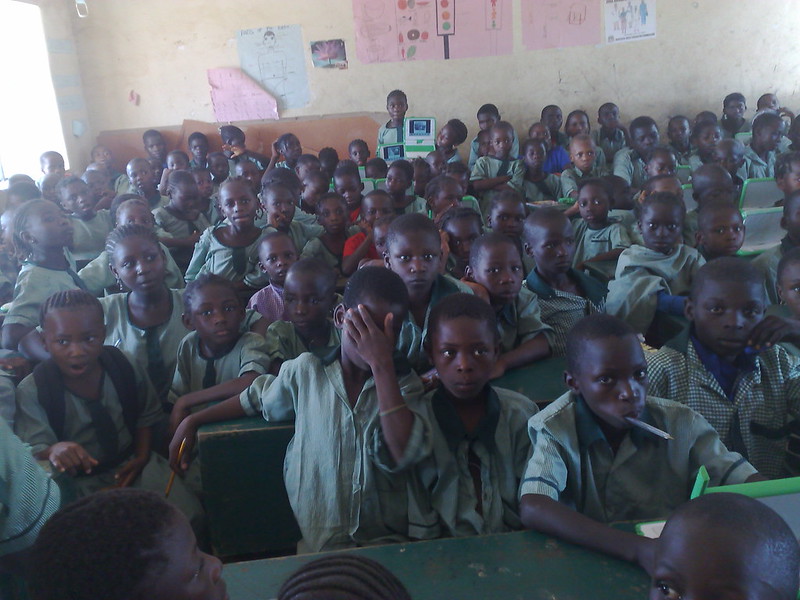
Tech Brand Helps Extend the Reach of Education in NigeriaNigeria is Africa’s most populous country, with an estimated population of 230 million people as of 2024, 60% under the age of 25 and 44% younger than 15. It has the fastest-growing population among the world’s 10 most populous countries. Despite its large demographic, Nigeria’s literacy rate stands at only 77.62% as of 2021. Additionally, the country’s poverty rate was estimated at 38.9% in 2023, making it home to the world’s second-largest population living in poverty, following India. These statistics underscore the critical need to enhance access to and the quality of education in Nigeria. Improving literacy rates is vital not only for reducing poverty but also for aligning with the United Nations (U.N.) Sustainable Development Goal 4, which focuses on quality education.

The NLP and Its Partnership with TECNO

In 2022, Nigeria launched its Learning Passport program to address low literacy rates and the educational disruptions caused by the COVID-19 pandemic and to support Sustainable Development Goal 4. The Nigeria Learning Passport (NLP) is an online e-learning platform that provides children with access to curriculum-aligned content in local languages. It is available anytime and anywhere, featuring content from Nigeria’s national curriculum along with global educational resources. The platform, which aligns with UNICEF’s global education strategy, offers both online and offline content to enhance accessibility for children, especially those in remote or underserved areas with limited internet access.

As of July 2024, the technology brand TECNO has partnered with UNICEF Nigeria to further develop the NLP. Currently, the NLP operates in 19 of Nigeria’s 36 states, ranking it second among countries participating in the U.N.’s broader “Learning Passport” program. This partnership with TECNO aims to expand both the availability and reach of online and offline content, making the program more accessible throughout the country and extending it to additional states.

Educational Opportunities as a Solution to Poverty

The importance and positive impact of TECNO’s partnership with UNICEF Nigeria and its support of the NLP can be highlighted by the inextricable relationship between education and poverty. Adequate education enhances literacy, cognitive and social skills, potentially providing qualifications that lead to better job opportunities, thus helping lift individuals out of poverty. Additionally, poverty itself can restrict access to consistent, quality education. For instance, those in poverty might lack the financial resources needed for full-time education, including transportation to schools or the ability to afford necessary equipment and resources. necessary equipment and resources.

Extreme poverty often forces individuals to prioritize earning an income over education just to survive. Research conducted by UNESCO underscores the significant role education plays in alleviating poverty. A study found that completing secondary school could more than halve global poverty and achieving basic literacy for all students could help nearly 171 million people escape extreme poverty. These findings highlight the profound and positive impact that improved education quality and access can have on reducing poverty both in Nigeria and worldwide.

Education as a Catalyst for Economic Growth

Quality education is a significant driver of economic growth, as research from Stanford and Ludwig Maximillian Universities reveals that from 1960 to 2000, 75% of global GDP growth was linked to improved math and science skills. Emphasizing education is a crucial strategy for combating poverty, as it enhances individuals’ prospects for securing stable economic futures when they enter the workforce. Jack Guo, General Manager of TECNO, supports this view, stating, “Investing in education is an effective strategy for breaking the inter-generational transmission of poverty and contributing to social and economic development.”

The Importance of the NLP and TECNO’s Partnership

This direct link between enhanced access to and quality of education underscores the significance of the NLP program and its beneficial impact on education in Nigeria, which will consequently help reduce poverty rates over time. Therefore, the anticipated growth of the program, stemming from TECNO’s partnership with UNICEF Nigeria, will further amplify the NLP program’s positive effects on education and poverty rates as beneficiaries mature and engage actively in the country’s economy.

TECNO’s partnership with UNICEF Nigeria and its support of the NLP bring Nigeria one step closer to making education accessible to all children, enhancing their prospects and breaking the cycle of inter-generational poverty. The ongoing support and development of the NLP exemplify Nigeria’s continuous efforts to tackle poverty within its borders.

Looking Ahead

The partnership between TECNO and UNICEF Nigeria aims to expand the reach of the NLP, enhancing educational access for millions of children across the country. By providing curriculum-aligned content both online and offline, this initiative directly addresses the educational challenges exacerbated by poverty. As the program grows, it is expected to play a vital role in improving literacy rates and reducing poverty, ultimately contributing to Nigeria’s economic and social development.

– Archie Day

Archie is based in St Andrews, Fife, Scotland and focuses on Technology and Global Health for The Borgen Project.

Photo: Flickr

August 29, 2024
https://borgenproject.org/wp-content/uploads/borgen-project-logo.svg 0 0 Precious Sheidu https://borgenproject.org/wp-content/uploads/borgen-project-logo.svg Precious Sheidu2024-08-29 01:30:152024-08-29 01:21:53Tech Brand Helps Extend the Reach of Education in Nigeria
Africa, Agriculture, Global Poverty

Soilless Farming: Nigerian Entrepreneur Fights Food Insecurity

Soilless FarmingNigeria is renowned for its agricultural richness and significant role in the economy; 70.8 million hectares are used for growing crops, yet many challenges and factors inhibit the growth of the farming industry and stifle the sector, contributing to the country’s gross domestic product (GDP). Some of these factors include soil degradation, global warming, and micro-irrigation. The others are lack of up-to-date technology, low redistribution and high-cost production, and financial deficit. Nigerians face a staggering food insecurity problem, with a predicted 26.5 million people expected to experience acute hunger this year, a substantial increase from 18.6 million people last year.

Enterprise for Youth in Agriculture

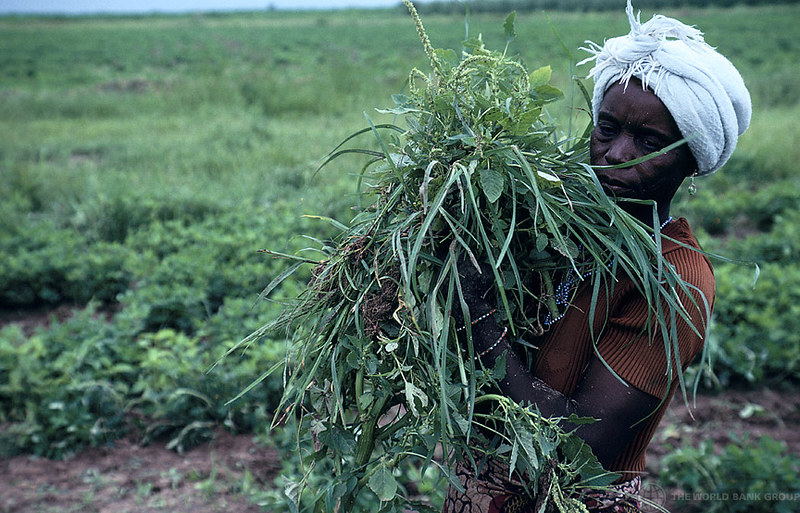
Enterprise for Youth in Agriculture (EIYA), under the company Soilless Farm Lab, engages Nigerian youth and women in modern farming techniques to sustainably stabilize food production. Its main objective is to tackle poverty and hunger by making food affordable, growing it consistently, and ensuring it is accessible to everyone.

Soilless farming is a technique used for plants to absorb nutrients through irrigation without using soil. Soilless farming brings forth many benefits, such as reduced food loss, low pesticide utilization, consuming only 10% of the water needed in traditional farming, and saving land space.

Three Benefits of the EIYA Project

Soilless Lab Farm believes in the importance of apprentices knowing how to construct the foundation for hydroponic farming – which involves the growth of plants without soil. This allows the interns in prospects to have the skill of setting their soilless farms. However, the primary goal is to teach them how crucial it is to build a solid foundational structure for plants to thrive. Apprentices explore various adaptive plant-rearing techniques, such as yield mapping and predictive analytics, to gain insights into how plants respond to different environments and conditions. This comprehensive approach not only provides practical skills but also deepens their understanding of plant growth dynamics in controlled settings.

Many Nigerian farmers lack knowledge of the business aspects of farming. As of 2020, a staggering number of Nigerian farmers are considered smallholder farmers (SHFs), with 80% of farmers and 90% of agricultural produce deriving from SHFs. Therefore, the EIYA project presents a significant opportunity for aspiring female farmers to gain expertise in crucial areas such as customer care, market viability assessment, and profitability expansion.

Another benefit of the EIYA project is that it sponsors up to 4,000 apprentices each year and provides them with set-up kits. Each group of 50 participants has access to three hydroponics plots. During the three-month training, participants receive stipends and free accommodation. While women are the primary focus, all youth aged 18-29 are welcome to join. Once the first crop is produced, apprentices are connected to off-takers to sell their produce. EIYA has created 14,534 job opportunities, established 120 start-up companies, and skilled 13,265 Nigerian youth in hydroponics to date.

Final Remark

The EIYA Project is not only a place to learn and expand Nigeria’s agriculture industry but also to tackle food insecurity among citizens living below the poverty line. As Ogbole, the food wizard, aptly puts it, “Food production should not be seasonal because hunger is not.”

– Lydie Udofia

Lydie is based in London, UK and focuses on Technology and Solutions for The Borgen Project.

Photo: Flickr
August 7, 2024
https://borgenproject.org/wp-content/uploads/borgen-project-logo.svg 0 0 Hemant Gupta https://borgenproject.org/wp-content/uploads/borgen-project-logo.svg Hemant Gupta2024-08-07 03:00:592024-08-07 00:43:50Soilless Farming: Nigerian Entrepreneur Fights Food Insecurity
Education, Global Poverty, Technology

The Afrilearn App: Leading Nigeria’s Educational Future

The Afrilearn AppA newly emerging educational experience utilizing affordable, interactive and entirely digital engagement mechanisms has been conceptualized through Afrilearn, Nigeria’s first learn-and-earn app. Although Afrilearn was founded in 2020 by Isaac Oladipupo and Gabriel Olatunji-Legend, the creators recently received support from the United Nations Children’s Fund (UNICEF) Venture Fund, significantly expanding its programming output.

With supplementation through AI, Afrilearn has envisioned a completely personalized academic pathway for students across West Africa, allowing users to navigate lessons across disciplines at the most appropriate pace. The Afrilearn app has amassed more than 7,000 learners, fueling the rapid international growth of education technology companies throughout the last decade.

Accessibility to Education in Nigeria

More than 40% of Nigeria’s population of more than 200 million people cannot read or write, depriving millions throughout the nation of the opportunity to engage in academia thoughtfully. Despite access to physical and academic settings, Oladipupo views current projections of affordable, quality education within Nigeria as an “illusion.” Statistics indicating the number of Nigerian students attending school do not properly reflect the standards of education they are receiving. For example, more than 83% of West African Senior School Certificate Examination candidates cannot fulfill the national educational guidelines and ultimately do not pass.

Oladipupo views Afrilearn as a way of mitigating these educational inequalities, serving as his inspiration for the company. In an interview with Forbes Africa, he emphasized that “every child, no matter their background or location,” should have “full access to quality education and the tools to prepare them for lifelong success,” with Afrilearn serving as a stepping stone for these future academic aspirations.

Developing a World-Renowned Platform

Afrilearn previously consisted of numerous ventures in education technology led by Oladipupo and Olatunji-Legend. They first created ClassNotes.ng in response to the COVID-19 pandemic, which provided primary and secondary academic tools when Nigerian students could not attend school in person. ClassNotes.ng achieved widespread success, acquiring more than five million users and teachers since its establishment in 2020.

Later that year, they released Exambly, which democratized access to test preparation materials in West African nations to prepare learners for national and international exams. The Afrilearn app combines the ambitions of these prior applications, pairing animated, engaging lesson plans with sample tests and other types of practice documents. The work of Oladipupo and Olatunji-Legend earned them the Digital Innovation of the Year Award in 2020, dictated by the U.S. Chamber of Commerce.

Engagement Tactics

One of the primary goals of Afrilearn is to tailor its content to the needs of each student, influenced by the relatively large teacher-to-student ratio present within the Nigerian education system. While the teacher-to-student ratio in the U.S. can be estimated at around 1:10, in Nigeria, this is closer to 1:70. Despite the scale of educational materials stored within the Afrilearn app, it attempts to create a sense of connection between its users and the expert tutors that it hosts, blending modes of “social learning and storytelling” to replicate a typical student-teacher relationship.

Most of the options within the platform are free; however, a variety of tools become available for an additional subscription. Some of these include downloadable notes, instant homework help and coding lessons, enhancing the personalization features contained within the app. The revenue generated from subscriptions is re-invested into expanding and improving the free curriculums, corresponding to Afrilearn’s overarching goals of affordability and accessibility.

Education in the Digital Age

Afrilearn showcases an innovative approach to navigating education in the digital age, reimagining modern-day technologies through its teaching potential. For those with the restricted financial capacity to attend and thoughtfully engage in academics, Afrilearn proposes a solution through digital incentivization tailored toward younger generations.

– Eileen Lincoln

Eileen is based in Oakton, VA, USA and focuses on Technology and Solutions for The Borgen Project.

Photo: Flickr
July 27, 2024
https://borgenproject.org/wp-content/uploads/borgen-project-logo.svg 0 0 Hemant Gupta https://borgenproject.org/wp-content/uploads/borgen-project-logo.svg Hemant Gupta2024-07-27 07:30:022024-07-27 09:27:05The Afrilearn App: Leading Nigeria’s Educational Future
Disease, Global Poverty, Health

Efforts for Improving Health Care in Nigeria

Health Care in NigeriaNigerians have faced a growing crisis in health care access in recent years. Nigeria has a population of more than 200 million people, marking it as one of the most populated countries in 2024. The country has a diverse group of people, cultures and languages. Although the country has a huge potential for widespread affluence due to its oil and natural resources, its systems are lacking in meeting the needs of all its citizens. For its health care system, as of 2023, Nigeria was ranked 157th out of 167 countries. Improvement within the system is essential for the well-being of the Nigerian people to be guaranteed.

Malaria

Malaria is a life-threatening disease found in primarily tropical countries and is transmitted to humans by mosquitoes. In 2021, approximately 619,000 people died from malaria, with more than half of all malaria deaths worldwide occurring in four African countries. Nigeria’s health indicators are some of the worst in Africa. Nigeria continues to undertake the highest level of malaria cases globally, which is the leading cause of child illness and death. Professor Olubenga A. Mokuolu oversees all malaria work in the country.

In an interview, he gave one reason for Nigeria’s high malaria burden: the country’s environmental management. “In terms of environmental management, Nigeria leaves a lot to be desired. The country has open refuse sites and blocked drainage systems and because people lack piped water, they store water at home in containers. These all provide ideal sites for mosquitoes to breed.” While the number of malaria cases has gone down in recent years, they are not at a level where people can fully be at ease.

Lack of Access

Health care access in Nigeria is very limited due to factors within the health system. The Nigerian primary health care (PHC) system is the lowest level and entry point for Nigerians to receive health care services such as visitations, preventative, curative and rehabilitative services. Although initially, the PHC system was seen as a guiding policy for further health improvements, there were many flaws with its enactment.

Vivien O. Abah, a Nigerian health care researcher, stated that “The PHC system was deployed to the grassroots, but geographical access did not translate to access to health care as the populations did not utilize the majority (80%) of these facilities.” Not only was the lack of geographical access difficult but the quality of care in these primary health facilities was proven difficult for some as well.

What Is Being Done

The Nigerian health care industry has faced serious setbacks in recent years due to a lack of funding, as well as the mismanagement of creating accessible quality care for the population. This does not mean that the country has given up, as there have been various measures taken into consideration to improve the system.

In 2018, the government approved the second National Strategic Health Development Plan (SHDP), which sought to ensure all Nigerians have access to health care in the country, with a focus on preventing the trend of citizens traveling abroad for medical care. The Former President of Nigeria, Muhammadu Buhari, said that the SHDP will be a transparent and accountable mechanism implemented to ensure the health of all citizens and to forbid corruption from affecting funding.

The government has also focused on individual epidemics and issues that have affected Nigerians, as its preventative measures for malaria have saved tens of thousands of lives, most of them children. The country’s health care system provides more than 25 million children aged less than 5 with preventive chemotherapy for malaria, which has considerably reduced the children’s mortality rates.

Improving Health

Improvement of the Nigerian health care system will be a long and arduous process. and its efficiency highly depends on whether or not the government prioritizes high-quality care and population outcomes. In the past, people have had tremendous trouble seeking high-quality care, with some having to leave the country to receive treatment.

Health care in Nigeria has undergone significant changes and is moving in the right direction, but there is still progress to be made. With a growing population in a country known for diseases and limited medical access, the health care system cannot currently guarantee treatment for all its citizens. 

– Oliver Martin

Oliver is based in Honolulu, HI, USA and focuses on Global Health for The Borgen Project.

Photo: Pixabay

July 10, 2024
https://borgenproject.org/wp-content/uploads/borgen-project-logo.svg 0 0 Hemant Gupta https://borgenproject.org/wp-content/uploads/borgen-project-logo.svg Hemant Gupta2024-07-10 03:00:452024-07-16 12:09:54Efforts for Improving Health Care in Nigeria
Global Poverty, Period Poverty, Women and Female Empowerment

Menstrual Organizations Fighting Period Poverty

Organizations Fighting Period PovertyGlobally, about 500 million females suffer from period poverty, which involves a lack of access to menstrual products and appropriate facilities. Consequently, many resort to using cheap materials such as newspapers, rags and socks. Unfortunately, these alternatives often pose serious health risks, including infections. Beyond health risks, period poverty obstructs education for girls and women. Many girls miss school during their menstrual periods due to a lack of access to required menstrual products. On average, girls menstruate for four to five days each month, totaling about 50 days per year. Missing school can have lifelong impacts, including reduced employment opportunities and diminished equality with men. As things stand, menstrual equity, which ensures the affordability, accessibility and safety of menstrual products for those who menstruate could be crucial for ending period poverty.

Period Poverty in Ghana, Algeria and Nigeria

Heavy taxation on menstrual products such as pads and tampons is a growing concern in Ghana. Most menstrual products carry a 20% import tax, leading women to report that these items consume nearly 25% of their income. With the minimum wage in Ghana at 14 cedis, a single pad can cost between 15 and 40 cedis. Consequently, many Ghanaian women resort to using alternatives like cloth and newspapers.

In Algeria, the situation is dire, as it ranks as the worst country for period affordability with an average monthly cost of $34.05 spent on menstrual products. In contrast, South Korea’s average is $25, but it benefits from much higher wages. Nigeria ranks third among countries with the least affordable menstrual products.

Indoni Yamnzi

In South Africa, widely known for its significant gender-based violence issues, the impact extends into aspects of daily life, including education and health. The country reports numerous rape cases daily, reflecting broader systemic issues around women’s rights. This environment contributes to a lack of attention to other significant issues, such as menstrual health, leading to one in three girls missing school during their menstrual period. Addressing this is Indoni Yamnzi, one of the nonprofit organizations fighting period poverty in South Africa. The organization is stepping in to provide crucial support. They offer free menstrual products and educational programs, including reusable safe pads, monthly period packages and empowerment workshops. Unathi, one of the founders, who grew up in Cape Town amid violence, was driven by her more fortunate personal circumstances—including a supportive family and the opportunity for higher education—to create a safer environment and empower girls across South Africa.

MENstruation Foundation

This nonprofit foundation fighting period poverty is also based in South Africa. Founded by Sib Ngesi, a South African actor and producer said: “If men bled once a month, sanitary products would be free. Condoms are free and sanitary products are not, it is a failure of justice.” Until now the foundation has installed 128 sanitary pad dispensing machines and provided girls in school tokens that can be exchanged at the Machine for up to eight sanitary pads per month.

Padbank Nigeria

Ibrahim Faleye, an undergraduate studying biology, founded this nongovernmental organization to educate boys about menstruation and prevent them from shaming girls. Raised with his mother and sisters, Faleye was familiar with menstruation from a young age but recognized that discussing it publicly was considered embarrassing. Determined to dismantle this menstrual stigma, he included boys in conversations about menstruation. After receiving education through Faleye’s program, 14-year-old Opeyemi Adedeji stopped teasing his female classmates about menstruating. He learned that menstruation involves more than just blood—it’s a crucial biological process where eggs are released. Opeyemi even began offering help to his classmates suffering from menstrual cramps.

Breaking the Period Stigma

While contributions through volunteering and donations are valuable, experts say that addressing the deeper issue of period stigma is crucial. This stigma, which shames those who menstruate, has historical roots in ancient religious beliefs that labeled menstruating women as unclean and dangerous, necessitating their separation from men. This archaic view persists, making menstruation a taboo topic. Many individuals feel compelled to speak in hushed tones or use euphemisms like “Aunt Flow” or “Code Red” when discussing menstruation, treating it as an embarrassing subject. To combat this stigma, advocates and organizations fighting period poverty argue that society must accept menstruation as a natural and normal bodily function, open to discussion without embarrassment. Encouraging open dialogue about menstruation across all genders, they suggest, can normalize the topic, reducing the stigma and promoting a more inclusive understanding.

Looking Ahead

Addressing period poverty remains critical, especially in regions where high costs and lack of access to menstrual products exacerbate inequalities and health risks. Organizations fighting period poverty like Indoni Yamnzi, the MENstruation Foundation and Padbank Nigeria are taking significant steps to provide resources and education, whilst also highlighting the urgent need for broader systemic changes. By promoting menstrual equity and challenging the stigma associated with menstruation, these initiatives aim to improve access to essential products, enabling girls and women to lead healthier, more empowered lives.

– Eunsung Koh

Eunsung is based in Seoul, South Korea and focuses on Global Health for The Borgen Project.

Photo: Unsplash

July 2, 2024
https://borgenproject.org/wp-content/uploads/borgen-project-logo.svg 0 0 Precious Sheidu https://borgenproject.org/wp-content/uploads/borgen-project-logo.svg Precious Sheidu2024-07-02 07:30:402024-07-02 05:02:21Menstrual Organizations Fighting Period Poverty
Disease, Global Health, Global Poverty

Lassa Fever in Nigeria

Lassa Fever in Nigeria Lassa fever, a viral hemorrhagic illness, was first identified in the town of Lassa in northeastern Nigeria. The primary reservoir of this virus is the multimammate rat, a common sight across West Africa. Human infection typically occurs through exposure to food or household items contaminated with the urine or feces of infected rats. The symptoms of Lassa fever can range from mild to severe, including fever, headache, sore throat and muscle aches. In severe cases, the disease can progress to hemorrhaging, organ failure and even death. Each year, Lassa fever affects between 100,000 to 300,000 people in West Africa, with an estimated 5,000 deaths.

Socioeconomic Impact

The disease’s prevalence is particularly pronounced in Nigeria and has become a significant public health concern. The country’s endemic status is exacerbated by socioeconomic conditions, including widespread poverty. In regions where Lassa fever is rampant, many households lack the means to maintain proper sanitation and secure food storage, creating ideal conditions for rodent infestations. In addition, limited access to health care services and inadequate infrastructure hinder timely diagnosis and treatment, compounding the disease’s impact.

Lassa Fever and Global Poverty

The disease’s transmission is closely tied to environmental and socioeconomic factors. In addition, the changing climate is exacerbating the situation. Hotter and drier conditions drive rodents into human habitats for food and water, increasing the risk of transmission. As these environmental changes unfold, the interplay between Lassa fever and global poverty becomes starkly evident. Poverty-stricken communities, often lacking adequate housing and sanitation, are more susceptible to rodent infestations, thereby heightening their risk of contracting the virus.

The health infrastructure in impoverished regions is typically under-resourced, making early diagnosis and effective treatment more challenging. Health care costs and limited access to medical facilities mean that many affected individuals cannot afford or access timely medical care, leading to higher mortality rates. The burden of Lassa fever in Nigeria thus reflects the broader issue of global poverty, where infectious diseases disproportionately impact vulnerable populations.

Public Health Response

Health authorities and strategic planners in Nigeria have implemented a multifaceted public health response to Lassa fever, involving immediate medical interventions and long-term strategies to reduce transmission. In fact, the country hosted the first Lassa fever treatment trials in 40 years. These trials mark a critical step forward in finding effective treatments for this devastating disease. The initiative is a collaborative effort involving local health authorities, international organizations and pharmaceutical companies, highlighting the global recognition of the need to combat Lassa fever.

Strengthening Health Infrastructure

The World Health Organization (WHO) has played a pivotal role in supporting Nigeria’s response to Lassa fever outbreaks. The WHO is strengthening disease surveillance, enhancing diagnostic capacities and training health care workers as part of its comprehensive strategy. These efforts ensure that health care workers detect and manage cases of Lassa fever in Nigeria promptly, thereby reducing the potential for widespread outbreaks. Furthermore, the WHO emphasizes the importance of community engagement and education to raise awareness about preventive measures, such as proper food storage and hygiene practices to limit rodent exposure.

Economic Considerations

The economic burden of Lassa fever in Nigeria extends beyond the immediate health impacts. Outbreaks can disrupt local economies, as affected individuals cannot work and health care costs soar. This further entrenches poverty, making it harder for communities to recover and prevent future outbreaks. International support, such as funding for research and health care infrastructure improvements, is vital in breaking this cycle. The global community’s investment in combating Lassa fever in Nigeria underscores the interconnectedness of health and poverty and the need for a coordinated, sustained response to address both issues simultaneously.

Looking Ahead

Efforts to combat Lassa fever in Nigeria involve significant collaboration among local health authorities, international organizations and pharmaceutical companies. These initiatives focus on strengthening disease surveillance, improving diagnostic capabilities and educating communities about preventive measures, with hopes of alleviating Lassa fever.

– Maya DaSilva

Maya is based in Seattle, WA, USA and focuses on Global Health for The Borgen Project.

Photo: Flickr

June 18, 2024
https://borgenproject.org/wp-content/uploads/borgen-project-logo.svg 0 0 Precious Sheidu https://borgenproject.org/wp-content/uploads/borgen-project-logo.svg Precious Sheidu2024-06-18 07:30:482024-06-17 10:56:39Lassa Fever in Nigeria
Africa, Developing Countries, Global Poverty

Urbanization in Lagos: Impacting Poverty in Nigeria

Urbanization and Its Impact on Poverty in Lagos Nigeria In 2024, the population of Lagos state, Nigeria, reached 16,536,018, marking an increase of 590,106 people over the previous year. This number reflects a 3.7% annual growth rate. The process of urbanization in Lagos, significantly increases the disparity between the wealthy and impoverished residents. While some individuals have benefitted from Lagos’ booming economy and accumulated considerable wealth, a large portion of the population live in inadequate conditions in squatter settlements like Makoko. Unfortunately, issues such as overcrowding, lack of basic amenities and poor living conditions affect these slums.

The Struggles of Slum Dwellers in Makoko

Makoko, a prominent slum in Lagos, stands on stilts above the Lagos lagoon, highlighting its residents’ precarious living situation. Most individuals living in Makoko are employed in the informal economy, earning as little as $1.25 per day, insufficient to cover their basic needs. This extreme poverty perpetuates a cycle of disadvantage and limits opportunities for economic mobility among the residents of Makoko and other similar slums in Lagos.

The Borgen Project spoke with an individual who wishes to remain anonymous for privacy reasons. The young lady, living in one of the slums in Lagos with her three children, stated, “I make nothing less than N2500 a day.” Currently, N2500 is equivalent to $1.86. She further mentioned that she only uses the money to make sure her kids have something to eat. She says, “Every day is a struggle to survive, with no end in sight to our suffering.” Living in the slums traps them in a cycle of poverty and despair. 

Urban Challenges: Poverty and Infrastructure

Urbanization, urban poverty and slums are closely linked and present significant challenges for both developed and developing countries. Nigeria, like other developing nations, faces these ongoing challenges, which have a more pronounced impact due to limited resources and rapid population growth in urban areas. Efforts to address these ongoing issues require comprehensive strategies that prioritize sustainable urban development, poverty reduction and job creation initiatives.

Over the past 50 years, rural-urban migration has been the primary driving factor of population growth in Lagos. This is primarily due to the notable advancements in social and economic development, which have fueled uncontrolled population expansion in these urban areas. This rapid growth has led to various challenges, such as strain on existing infrastructure, environmental deterioration, traffic congestion, lack of adequate housing and an increase in crime rates in Nigerian major cities.

Urban poverty drastically undermines urban sustainability in Nigeria, as the poor in cities face social exclusion, unemployment, homelessness, unpaid work, environmental risks and poor health. These hardships drive the proliferation of slums, squatters’ settlements and deteriorating housing, which are becoming permanent fixtures in Nigeria’s major cities.

The Lagos State Urban Development Policy

The Lagos State Urban Development Policy (LSUDP) is a comprehensive and holistic approach to guiding sustainable urban development in Lagos State, Nigeria. The policy is rooted in the recognition of the rapid urbanization and population growth that Lagos State, which addresses significant challenges in infrastructure, housing, transportation and social services

The LSUDP addresses the ongoing challenges by providing a long-term vision and strategic direction for developing Lagos State over the next three decades (2022-2052). The policy outlines key objectives and strategies that promote inclusive growth and development, reduce poverty and inequality, enhance residents’ quality of life and ensure sustainable resource use.

One of the core principles of the LSUDP is to create inclusive cities where all residents, regardless of their socio-economic status, can access basic services, opportunities for economic advancement, and a high quality of life. This includes policies to promote affordable housing, improve access to health care and education, enhance transportation infrastructure and protect the environment.

Furthermore, the LSUDP emphasizes the importance of sound socio-economic foundations, which are essential for sustainable development. This involves fostering economic growth, attracting investments, creating job opportunities and supporting entrepreneurship and innovation. By laying down this strong foundation, the LSUDP aims to ensure that urban development in Lagos State is sustainable, equitable and beneficial for all residents.

The LSUDP represents a strategic roadmap for the future development of Lagos State, with a focus on creating livable, inclusive and prosperous cities that can meet the needs of current and future generations.

Moving  Forward

The Lagos State Urban Development Policy promises to transform urban living conditions by addressing critical infrastructure needs and reducing inequality. By prioritizing sustainable growth and inclusive policies, Lagos is poised to enhance the quality of life for all its residents. These ongoing initiatives could help break the cycle of poverty and create a more equitable urban environment in Nigeria’s bustling metropolis.

– Oyinkansola Adewumi

Oyinkansola is based in Denver, CO, USA and focuses on Good News for The Borgen Project.

Photo: Unsplash

May 9, 2024
https://borgenproject.org/wp-content/uploads/borgen-project-logo.svg 0 0 Precious Sheidu https://borgenproject.org/wp-content/uploads/borgen-project-logo.svg Precious Sheidu2024-05-09 01:30:212024-05-09 01:25:01Urbanization in Lagos: Impacting Poverty in Nigeria
Disease, Global Health, Global Poverty

The New Innovative Meningitis Vaccine in Nigeria

The New Innovative Meningitis Vaccine in NigeriaNigeria has the highest meningitis death rate among African countries. The most severe outbreaks typically occur in March and April, when intensified heat and airborne dirt contribute to the disease’s spread. To combat this, Nigeria has introduced an innovative meningitis vaccine to the public in a historic move. This vaccine promises to be more effective in eliminating meningitis and has the potential to significantly improve the lives of many Nigerians.

This achievement in Nigeria aligns with the World Health Organization’s (WHO) “Defeating Meningitis by 2030: A Global Road Map.” This strategy aims to eradicate meningitis outbreaks, reduce the mortality rate from the disease and improve the well-being of those recovering from meningitis.

Meningitis

Meningitis, a fatal illness, causes swelling of the membranes around the spine and brain. Various viruses, parasites and microbes can cause this disease. Bacterial meningitis, the most severe form, can be fatal within 24 hours of infection. It currently poses a significant threat to global health. Approximately one in six individuals who contract bacterial meningitis die and one in five survivors sustain a permanent disability after treatment.

Meningitis Challenge in Nigeria

Sub-Saharan Africa is described as the African Meningitis Belt, as this area is most prone to meningitis. Approximately 30,000 diagnoses are documented in the region annually.

Nigeria, located in the African Meningitis Belt, is highly susceptible to meningitis. Reports indicate that between Oct. 1, 2023 and March 11, 2024, there were 1,742 suspected meningitis cases in Nigeria, resulting in 153 deaths and 101 confirmed cases of the disease.

Introduction of the Men5CV Vaccine

Nigeria has become the first country to implement the Men5CV vaccine to combat meningitis, effectively protecting against the five meningococcal bacteria types—A, C, W, Y and X. This vaccine is a significant improvement over its predecessor, which only offered protection against strain A.

The WHO is assisting Nigeria with the rollout of the Men5CV vaccine for meningitis, including training health providers. The organization anticipates that this vaccine will significantly reduce the rate of meningitis diagnoses and support efforts to eventually eliminate the disease, especially in countries within the African Meningitis Belt. Projections suggest extensive advertising campaigns for the Men5CV vaccine throughout the African Meningitis Belt by 2025.

The Men5CV vaccine could help Nigerians avoid falling into poverty. Treating meningitis can cost a family three to four months of income, potentially pushing them into poverty due to the financial burden. Additionally, long-term effects of meningitis, such as deafness, can make it challenging to secure employment. Therefore, the Men5CV vaccine might reduce the economic impact of treating meningitis.

Optimism For The Future

In response to Nigeria’s significant progress, world leaders will convene at a global conference in Paris in April 2024. They celebrated Nigeria’s advancements and discussed future challenges. The conference will also provide an opportunity for other world leaders to commit to accelerating efforts to eradicate meningitis as a global issue by 2030.

The introduction of the Men5CV vaccine in Nigeria marks a pivotal advance toward eradicating meningitis globally. Dr. Nanthalile Mugala, PATH’s Chief of Africa Region, stated, “The introduction of MenFive [the “Men5CV vaccine”] in Nigeria heralds a transformative era in the fight against meningococcal meningitis in Africa. Building on the legacy of previous vaccination efforts, this milestone reflects over a decade of unwavering, innovative partnerships. The promise of MenFive [the “Men5CV vaccine”] lies not just in its immediate impact but in the countless lives it stands to protect in the years to come, moving us closer to a future free from the threat of this disease.”

– James McAlinden

James is based in Rosehearty, Scotland and focuses on Global Health for The Borgen Project.

Photo: Flickr

May 6, 2024
https://borgenproject.org/wp-content/uploads/borgen-project-logo.svg 0 0 Precious Sheidu https://borgenproject.org/wp-content/uploads/borgen-project-logo.svg Precious Sheidu2024-05-06 01:30:372024-05-30 22:32:55The New Innovative Meningitis Vaccine in Nigeria
Global Health, Global Poverty

Unaffordable Medical Care in Nigeria

Unaffordable Medical Care in Nigeria: A Barrier to Accessing Treatment The cost of medical care in Nigeria is rising due to the ongoing economic downturn and a decline in living standards. While the average Nigerian cares about their health, their ability to access affordable medical care limits their options for proper medical attention.

The Nigerian Health Sector in Numbers

The Nigerian government’s investment in health care is minimal compared to the sector’s needs. From 2007 to 2020, Nigeria allocated an average of only 3% of its GDP to health care. As a result, most Nigerians must pay for medical care out-of-pocket, receiving little to no government support to make health care affordable.

An average Nigerian household spends up to 6% of its income on health care, with estimates even higher in rural areas. Most households, falling within the lower-income range, lack insurance coverage. This situation often forces many to self-medicate or delay seeking medical care until their condition worsens, potentially leading to death or severe financial strain due to medical complications. This underscores the severity of unaffordable medical care in Nigeria. More than 50% of Nigerian households risk falling into dire financial positions after a catastrophic health event.

The Reality of The Nigerian Health Sector

The Borgen Project spoke with a source, a medical doctor working at a state hospital in Ondo State, Nigeria, who chose to remain anonymous due to the sensitive nature of their work and their position. The source noted that “it only costs N1,000 to open a folder and meet with a doctor for consultation.” They added that “even though most people are aware of their medical needs and close to 50% of people come in early enough for medical attention, the problem lies with when further investigation is required or drugs are prescribed as inflation makes them unaffordable.”

Being a state hospital does not reduce the cost of medical investigations or medications; affordability stops at the consultation fee. The source stated “Doctors try their best to attend to patients who cannot afford medical care by treating them blindly and it helps if the clinical symptoms are clear. Other than that, there is little doctors can do to help.”

Challenges and Cost of Medication

Civil servants benefit from health insurance that covers free medication after consulting a doctor. However, they often encounter issues as many prescribed medications are unavailable for dispensing. Consequently, many must purchase their medication elsewhere, paying out of pocket without any expectation of reimbursement.

This indicates that unaffordable medical care in Nigeria is widespread, extending beyond access to affordable hospitals to include affordable medications. Even those with health insurance must pay the full price for medications, leaving them no better off than uninsured individuals who cannot afford medications.

In both public and private hospitals in Nigeria, advance payment is mandatory before any consultation or medical care. For instance, at Lagos University Teaching Hospital (LUTH) in the metropolitan city of Lagos, upfront payments range from N15,000 to N50,000 in the children’s ward and at least N100,000 in the ICU. Additionally, tests, which often number around three per case, cost between N1,500 and N20,000 each.

National Efforts to Mitigate Medical Care Costs

Various NGOs have developed programs to address unaffordable medical care in Nigeria. One notable example is the Nigerian Health Care Foundation (NHF), which aims to provide support and conduct medical services throughout the country.

NHF runs several programs to reduce unaffordable medical care in Nigeria. A key initiative is the Medical Mission Program, which aims to improve the health and social welfare of Nigerians. The foundation conducts two-week medical missions nationwide, serving an average of 400 patients daily, 95% of whom come from remote areas with limited or costly access to medical care. Additionally, NHF operates the Nigeria Smiles Campaign year-round, collecting medical, hygiene and school supplies to distribute to patients at temporary clinics across the country.

Local NGO Initiatives

The Centre for the Right to Health (CRH) is an NGO committed to creating a Nigeria where quality health care is available, affordable and accessible to every citizen. During World Immunization Week and World Malaria Day in 2024, CRH visited rural communities to test and educate residents about combating malaria and other diseases. This initiative is part of the organization’s effort to reduce unaffordable medical care in Nigeria and ensure equitable health access for all.

International Contributions to Health Care

International NGOs such as Médecins Sans Frontières (MSF), also known as Doctors Without Borders, have played a significant role in reducing unaffordable medical care in Nigeria. Since 1971, MSF has provided emergency medical aid and addressed major health crises in the country. It operates hospitals and clinics offering free health care services, especially in conflict-affected areas where many cannot afford proper medical care.

MSF supports the Noma Children’s Hospital in Sokoto, Nigeria, targeting noma—a disease primarily affecting children under 6 with weakened immune systems due to malnutrition and limited access to medical care. Those afflicted typically require acute medical care and reconstructive surgery. Besides surgery, MSF offers physiotherapy, nutritional and mental health support and conducts outreach to enhance early detection. In 2021, MSF performed 105 surgical interventions for individuals who otherwise could not afford surgery.

Looking Forward

The efforts of organizations like NHF and CRH, supported by international groups like Médecins Sans Frontières, are crucial in bridging the gap in health equity in Nigeria. These initiatives promise not only immediate relief but also long-term improvements in health care access and affordability for all Nigerians.

– Olusegun Odejobi

Olusegun is based in Norwich, UK and focuses on Global Health for The Borgen Project.

Photo: Flickr

May 4, 2024
https://borgenproject.org/wp-content/uploads/borgen-project-logo.svg 0 0 Precious Sheidu https://borgenproject.org/wp-content/uploads/borgen-project-logo.svg Precious Sheidu2024-05-04 01:30:132024-05-04 00:26:42Unaffordable Medical Care in Nigeria
Entrepreneurship and Business, Global Poverty, Technology

Social Media Entrepreneurs in Nigeria

How Social Media Empowers Entrepreneurs in NigeriaNigeria is witnessing a remarkable surge in entrepreneurial spirit, with small and medium-sized enterprises (SMEs) playing a significant role in the economy. As of December 2021, Nigeria hosted at least 39,654,385 micro, small and medium enterprises. These businesses generate 48% of Nigeria’s Gross Domestic Product (GDP), comprise 96% of all businesses and provide 84% of employment. The SME sector and social media are crucial in alleviating poverty and creating jobs in Nigeria. The country’s fintech sector is attracting significant investment, highlighted by OPay securing a record $400 million in 2022, with most of the funding coming from Asia, particularly China. This trend emphasizes the critical role social media and entrepreneurs play in driving Nigeria’s economic growth.

Overcoming Marketing Barriers

The entrepreneurial boom in Nigeria faces challenges with limited market access. Traditional marketing channels such as newspapers and billboards can be costly for startups. Additionally, entrepreneurs often serve only their local customer base due to geographical constraints, which stifles growth and economic progress.

Social media is revolutionizing market access for Nigerian entrepreneurs and playing a crucial role in poverty reduction efforts. As of January 2023, Nigeria boasted 31.60 million social media users, representing 14.3% of its total population.

Empowering Businesses Through Social Media

Social media platforms empower Nigerian entrepreneurs by offering a space to connect with customers, market products and build brand awareness. Entrepreneurs like Mustapha Aishat, who founded @mairachamp.ng, use Instagram to attract customers and offer brand packages. This approach highlights the innovative ways entrepreneurs use social media to expand their business reach.

Recent statistics indicate that 28% of all business activity now occurs online, underscoring the growing importance of the internet in the current business landscape. Consumers increasingly prefer the convenience of online transactions, prompting businesses to expand their online presence to capitalize on this trend.

A January 2024 Forbes report reveals that 4.02 billion people worldwide or 53% of the global population use the internet. Additionally, social media users account for 3.2 billion or 42% of the world’s inhabitants. These figures highlight the presence and growth potential of social media, which empowers entrepreneurs in several ways:

  • Cost-effective Marketing. Social media platforms provide free or low-cost marketing avenues. Entrepreneurs can reach a wider audience compared to traditional advertising’s high costs. This allows them to build brand awareness and attract customers without breaking the bank.
  • Direct Customer Engagement. Unlike traditional advertising, social media supports two-way communication. Entrepreneurs can directly interact with their customers, understand their needs and preferences and build stronger brand loyalty. This valuable feedback allows them to refine their business strategies and offerings to better meet customer demands.
  • Targeted Outreach. Social media advertising empowers entrepreneurs to target specific demographics and reach a broader audience across Nigeria. This ensures their marketing efforts are more efficient and effective. Therefore, maximizing their return on investment.
  • Direct Sales Platform. Social media platforms like Facebook Marketplace and Instagram Shopping enable entrepreneurs to sell products directly to customers across the country and even internationally. This eliminates the need for intermediaries, reduces costs and opens doors to new markets.
  • Real-Time Customer Feedback. Social media interactions provide valuable insights in real time. Entrepreneurs can use this feedback to adapt their products and services, identify areas for improvement and make informed business decisions.

Government Policies Supporting Social Media Entrepreneurship

The Nigerian government recognizes social media’s potential as a catalyst for economic growth and has introduced policies to support entrepreneurs in the digital space. Key policies include:

  • National Broadband Plan 2020-2025. This plan aims to expand broadband access across Nigeria, making it easier and more affordable for entrepreneurs to leverage social media platforms for their businesses.
  • Digital Literacy Programs. The Nigerian government, in collaboration with NGOs and private institutions, promotes digital literacy programs to equip entrepreneurs with the digital skills like social media marketing, needed to leverage social media to drive business growth.
  • NITDA Code of Practice. The NITDA Code of Practice for social media operations guides the activities of platforms like Twitter, Facebook and Instagram within the country. This code aims to protect users while ensuring that platforms act responsibly and support lawful content. It thereby creates a safe environment for entrepreneurs to thrive.
  • National Broadcasting Commission (NBC) Act. The proposed legislation to repeal and reenact the National Broadcasting Commission (NBC) Act reflects the government’s commitment to regulate and oversee digital platforms. The Act ensures that entrepreneurs contribute positively to the nation’s socio-economic development.

Social Media: A Catalyst for Poverty Reduction

Social media directly contributes to poverty reduction in Nigeria by empowering entrepreneurs in the following ways:

  • Creating Income Generation Opportunities. Social media platforms provide new avenues for marketing and sales. It opens doors to new income streams for entrepreneurs. This financial independence is crucial for lifting individuals and families out of poverty.
  • Facilitating SME Growth. The success of social media in empowering entrepreneurs leads to the growth of small and medium-sized enterprises (SMEs). This growth translates to job creation, a critical factor in economic stability and poverty reduction.
  • Supporting Women Entrepreneurs. Social media levels the playing field for women entrepreneurs who may face additional barriers in traditional business settings. By providing a platform where talent and innovation take center stage, social media fosters gender equality and economic inclusion.
  • Expanding Market Reach. Social media removes geographical limitations and provides entrepreneurs the potential to reach a global audience and access larger markets. It also opens doors to larger markets,  increases sales potential and creates new growth opportunities.

Challenges

Although social media offers immense potential, several challenges need addressing. Some of them are as follows:

  • Digital Divide. Limited internet access and digital literacy skills can hinder some entrepreneurs from fully utilizing social media platforms.
  • Online Safety. Educating entrepreneurs about online scams and misinformation is vital for a safe and secure online business environment.
  • Adaptability. The changing nature of social media platforms demands continuous learning and adaptation from entrepreneurs.

Looking Ahead

The trajectory for Nigerian entrepreneurs is increasingly digital, promising greater economic inclusivity and sustainability. Moreover, as social media continues to redefine market dynamics, its role in fostering economic empowerment and reducing poverty could become more pivotal than ever.

– Prince Adewale Adewumi

Prince is based in Akure, Nigeria and focuses on Technology and Solutions for The Borgen Project.

Photo: Unsplash

May 1, 2024
https://borgenproject.org/wp-content/uploads/borgen-project-logo.svg 0 0 Precious Sheidu https://borgenproject.org/wp-content/uploads/borgen-project-logo.svg Precious Sheidu2024-05-01 01:30:472024-05-05 02:51:19Social Media Entrepreneurs in Nigeria
Page 8 of 11«‹678910›»

Get Smarter

  • Global Poverty 101
  • Global Poverty… The Good News
  • Global Poverty & U.S. Jobs
  • Global Poverty and National Security
  • Innovative Solutions to Poverty
  • Global Poverty & Aid FAQ’s
Search Search

Take Action

  • Call Congress
  • Email Congress
  • Donate
  • 30 Ways to Help
  • Volunteer Ops
  • Internships
  • Courses & Certificates
  • The Podcast
Borgen Project

“The Borgen Project is an incredible nonprofit organization that is addressing poverty and hunger and working towards ending them.”

-The Huffington Post

Inside The Borgen Project

  • Contact
  • About
  • Financials
  • President
  • Board of Directors
  • Board of Advisors

International Links

  • UK Email Parliament
  • UK Donate
  • Canada Email Parliament

Get Smarter

  • Global Poverty 101
  • Global Poverty… The Good News
  • Global Poverty & U.S. Jobs
  • Global Poverty and National Security
  • Innovative Solutions to Poverty
  • Global Poverty & Aid FAQ’s

Ways to Help

  • Call Congress
  • Email Congress
  • Donate
  • 30 Ways to Help
  • Volunteer Ops
  • Internships
  • Courses & Certificates
  • The Podcast
Scroll to top Scroll to top Scroll to top