• Link to X
  • Link to Facebook
  • Link to Instagram
  • Link to TikTok
  • Link to Youtube
  • About
    • About Us
      • President
      • Board of Directors
      • Board of Advisors
      • Financials
      • Our Methodology
      • Success Tracker
      • Contact
  • Act Now
    • 30 Ways to Help
      • Email Congress
      • Call Congress
      • Volunteer
      • Courses & Certificates
      • Be a Donor
    • Internships
      • In-Office Internships
      • Remote Internships
    • Legislation
      • Politics 101
  • The Blog
  • The Podcast
  • Magazine
  • Donate
  • Click to open the search input field Click to open the search input field Search
  • Menu Menu

Tag Archive for: Poverty In Nigeria

Posts

Developing Countries, Global Poverty, Nonprofit Organizations and NGOs

Urban Poverty in Nigeria: Addressing the Plight of the Poor

Urban Poverty in Nigeria: Approaches to Address the Plight of the PoorThe Federal Republic of Nigeria, located in West Africa between the Sahel and the Gulf of Guinea, is a multi-ethnic and culturally diverse federation with 36 autonomous states and the Federal Capital Territory. Despite the government’s goal to eliminate urban and rural poverty in Nigeria by 2030, rapid urbanization presents significant challenges. While urban centers often drive socio-economic development, many large cities in the country lack the necessary infrastructure and social services, exacerbating poverty among those who migrate to these areas.

Drivers of Urbanization and Its Impact

Several interrelated dynamics are driving large-scale and extensive urbanization in Nigeria. Unlike many Sub-Saharan African countries, Nigeria has undergone urbanization since pre-colonial times. This early urbanization, combined with erratic colonial development focused on mining and petrochemical projects, has created complex urban subsystems. These systems continue to hinder economic development and worsen poverty.

Demographic Pressures and Migration

Currently, the World Bank estimates that 53% of Nigeria’s 213 million people reside in urban areas, a figure expected to rise to 70% by 2050. Declining mortality rates and persistently high fertility rates are the primary drivers of this rapid urbanization, supplemented by rural-urban migration contributing to urban growth. Nigeria’s increasing population places demographic pressure on rural natural resources, prompting many to move to cities in search of higher incomes and new economic opportunities.

Environmental Challenges and Conflict-Driven Migration

Human-induced deforestation and climate change are significantly affecting agricultural productivity in rural areas, which has traditionally been the main economic activity for low-income and peasant farmers. Additionally, conflict and insurgency from recognized terrorist organizations such as Boko Haram and the Islamic State’s West African Province, particularly in northeast Nigeria, are forcing residents to relocate to urban areas, thereby contributing to urban population growth.

Urban Growth and Its Challenges

While most analysts focus on Lagos, Nigeria’s most populous city with an estimated 18 to 20 million residents, other cities like Ibadan, Kano and Abuja are also experiencing rapid population growth. Urbanization can stimulate local economic growth but also strain social services and infrastructure, particularly impacting the poor. The country’s reliance on oil and gas revenues makes its economy vulnerable to global price fluctuations and corruption, which hampers its ability to develop other revenue streams, enhance governance and invest in robust urban infrastructure and public services for the poor.

Poor urban planning policies, along with other factors, have led to increasing rates of urban poverty in Nigeria. The national multidimensional poverty rate stands at about 63%, with roughly 42% of urban residents living in poverty. These individuals face disproportionate challenges such as social exclusion, gender inequality, underemployment and limited access to education, housing and health services. They often live in urban slums, making them vulnerable to diseases, crime, environmental hazards and insecurities related to food, water and energy.

Government Initiatives and Collaborations

To address urban poverty in Nigeria, the national government has implemented numerous projects in conjunction with local grassroots organizations and international development institutions. While many previous projects failed to produce their intended results, recent initiatives appear more promising. 

In 2016, the Government of Nigeria implemented the National Social Safety Net Project (NSIP), which was complimented by a civil society-led implementation effort that is now known as the Enhancing Social Protection Policies in Nigeria Project (ESPPIN).

The NSIP was created to help low-income and vulnerable individuals in Nigeria gain access to financial transfers and basic services through an expanded social safety net in urban areas. This initiative led to the creation of a National Social Registry and has supported more than 3.2 million beneficiaries across the country, 49% of whom are women. Additionally, in partnership with the World Bank and various civil society organizations, the Government of Nigeria launched the Community and Social Development Project to provide impoverished and internally displaced people with improved infrastructure and basic services such as health care, food, water and housing in urban settings.

The Role of NGOs in Alleviating Urban Poverty

Nongovernmental organizations (NGOs) and civil-society networks also serve as crucial agents of change in cities throughout Nigeria because they often operate relatively independently of bureaucratic constraints, enabling them to respond to the multifaceted needs of impoverished urban communities.

Global organizations such as Cities Alliance, the Justice and Empowerment Initiative and Slum Dwellers International have contributed to mitigating urban poverty in Nigeria. They have achieved this by profiling urban slums, preventing evictions, fostering partnerships for knowledge sharing and providing essential services like clean water, food, housing and health care. Similarly, local entities like the Ambience of Hope Exceptional Foundation and the AMAC Council play key roles in alleviating urban poverty. They use their local insights and establish inclusive networks to effectively meet the changing needs of the urban poor.

Looking Ahead

Nigeria’s multifaceted approach to urban poverty alleviation—incorporating government action, NGO support and international collaboration—promises significant progress. The ongoing initiatives lay a strong foundation for sustainable urban development and enhanced quality of life for its urban poor.

– Campbell Clarke

Campbell is based in New York City, NY, USA and focuses on Technology and Solutions for The Borgen Project.

Photo: Unsplash

April 28, 2024
https://borgenproject.org/wp-content/uploads/borgen-project-logo.svg 0 0 Precious Sheidu https://borgenproject.org/wp-content/uploads/borgen-project-logo.svg Precious Sheidu2024-04-28 01:30:472024-06-11 00:12:46Urban Poverty in Nigeria: Addressing the Plight of the Poor
Global Poverty

Youth Unemployment in Nigeria

Youth Unemployment in NigeriaYouth unemployment in Nigeria is a critical issue that continues to impact the country’s economy and social stability. Nigeria is the most populous country in Africa. As of 2023, Nigeria’s population stands at an impressive 223,804,632 individuals. Unemployment in Nigeria is affecting individuals of all ages and having profound impacts on the economy and national security.
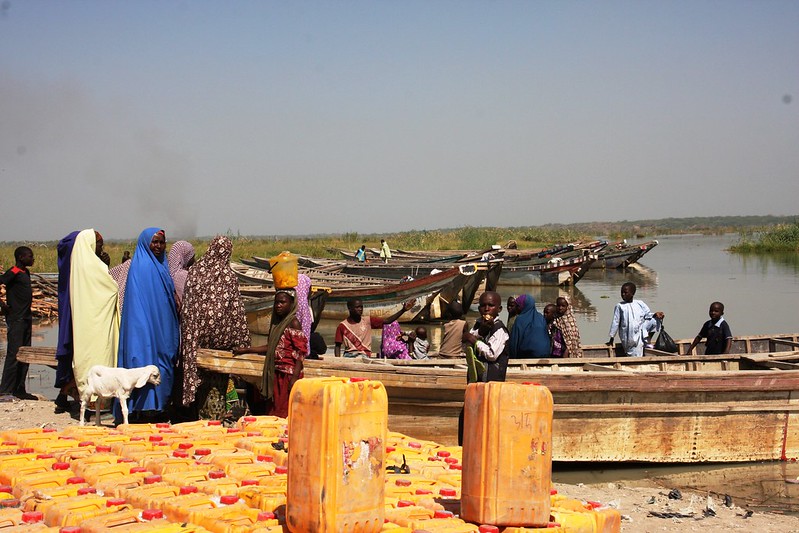
There are more than 80 million young people struggling with unemployment, out of a total youth population of 151 million. This statistic not only reveals the scale of the issue, but also positions Nigeria as having one of the highest rates of youth unemployment globally. The high level of unemployment presents challenges for the country, as it leads to social instability, economic stagnation and threatens national security.

Large Population

One reason for the youth unemployment in Nigeria is the country’s large population. This means that there are more people looking for work than there are available job opportunities, resulting in a high unemployment rate.

Additionally, Nigeria’s economy has fallen into recession in recent years, making it difficult for companies to create new jobs. The recession has forced many businesses to reduce their workforce, making it even more challenging for people to find jobs, according to Legit. The combination of a large population and a struggling economy has led to high levels of unemployment in Nigeria.

The Lack of Quality Education

The lack of education and training in Nigeria is a significant factor in the high rate of youth unemployment in the country. With more than 10.5 million children out of school, Nigeria has the highest rate of out-of-school children in the world. This not only affects the current education of children but also their future employment opportunities.

The education crisis disproportionately affects certain marginalized groups such as “girls, children with disabilities, those from the poorest households, those in street situations and children in geographically distant areas,” according to UNICEF.

Furthermore, a large percentage of children who attend primary school do not continue on to attend secondary school, leading to a significant portion of Nigerian children not receiving a complete education. UNICEF reports that 50% of Nigerian children did not attend secondary school in 2021, highlighting the continued challenges in providing quality education for all children in the country.

Government Corruption

Government corruption in Nigeria is a systemic issue that has plagued the country for decades. Corruption practices within the government have had far-reaching consequences, with youth unemployment being one of the most significant outcomes. One of the ways in which this contributes to youth unemployment in Nigeria is through the mismanagement of public funds, resulting in the lack of investment in youth development, which has a direct impact on the unemployment rate among young Nigerians.

Furthermore, nepotism often dictates who gets hired for available positions, with connections and bribes playing a more significant role than qualifications and merit. This unfair system not only perpetuates inequality but also limits the opportunities for talented and motivated youth to enter the workforce and contribute to the country’s economic growth. Overall, the prevalence of government corruption in Nigeria has created a vicious cycle where young people are unable to access quality education, training and employment opportunities, leading to high levels of youth unemployment.

Nigerian Youth Employment Action Plan

The federal government launched the Nigerian Youth Employment Action Plan (NIYEAP), a strategy that aims to address the issue of youth unemployment in the country. The plan aims to provide job opportunities for young Nigerians through various initiatives such as skills training, entrepreneurship programs and public works projects.

The goal of NIYEAP is to reduce the high levels of youth unemployment in Nigeria and harness the potential of the country’s young population to drive economic growth and development. The plan also aims to address the social and economic challenges faced by young people, such as poverty, lack of access to education and training and limited opportunities for meaningful employment. By focusing on creating sustainable employment opportunities for young Nigerians, NIYEAP seeks to empower them to become active participants in the country’s economic and social development.

Nigerian Learning Passport

The Nigerian Learning Passport (NLP) is another initiative launched by the Nigerian government and UNICEF in 2022. This program focuses on providing Nigerian citizens with access to quality education and certifications through a digital platform. The platform offers a wide range of online courses from various institutions, allowing individuals to enhance their skills and knowledge in different fields.

By earning certifications through the NLP, users can showcase their expertise to potential employers and advance their careers. This platform serves as a valuable resource for lifelong learning and continuous education in Nigeria. UNICEF hopes to provide continuous education to 12 million learners by 2025.

As the youth population continues to grow in Nigeria, addressing youth unemployment must remain a top priority for policymakers. Failure to take decisive action risks undermining the country’s economic development and social stability and denying young people the opportunity to fulfill their potential and contribute positively to society.

– Beatrice Adewumi
Photo: Unsplash

April 16, 2024
https://borgenproject.org/wp-content/uploads/borgen-project-logo.svg 0 0 Naida Jahic https://borgenproject.org/wp-content/uploads/borgen-project-logo.svg Naida Jahic2024-04-16 01:30:342024-04-16 01:20:09Youth Unemployment in Nigeria
Africa, Aid, Food & Hunger, Refugees

How ShelterBox is Aiding Nigeria 

aiding NigeriaWith a population of almost 220 million people, Nigeria is the most populous country in Africa and the world’s sixth most populous country. Nigeria has been facing growing instability and fear due to Boko Haram’s mutiny against the Nigerian government since 2009, particularly targeting the northeast and committing large-scale acts of violence. More than 2.9 million Nigerians have no choice but to flee their homes to seek refuge in neighboring countries, leaving behind crops and vital necessities for survival. Ultimately, this has resulted in a humanitarian crisis as many Nigerians move into poorer regions and refugee camps where food, water and shelter are dangerously limited.
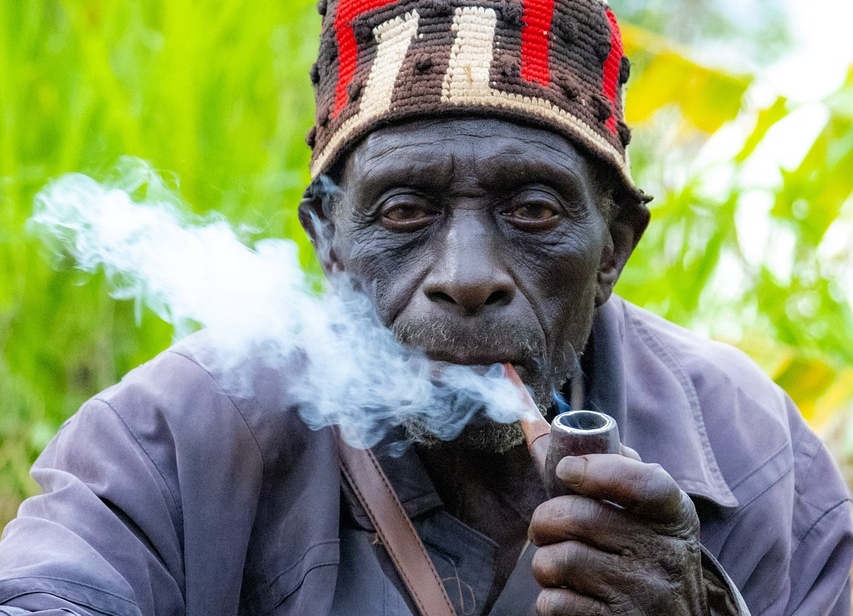
However, since 2018 ShelterBox has been aiding Nigeria by saving and protecting the lives of thousands affected by Boko Haram, as well as providing general support as a result of climate-driven scarcity worsened by conflict in the Lake Chad Basin.

Improving Food and Water Insecurity

According to the UN Office for the Coordination of Humanitarian Affairs (OCHA), Nigeria faces a humanitarian emergency. More than 8.3 million Nigerians require emergency assistance, 80% of whom are women and children. Around 314,000 Nigerians have died from food insecurity due to the decline of agricultural production, which is a major catalyst affecting public health in Nigeria and has been worsened by conflict in the Lake Chad Basin, flooding and extreme weather. This has resulted in the displacement of 3.2 million and leaves 10.6 million Nigerians in need of humanitarian assistance as the majority of the Lake Chad population depends on agriculture, livestock, fishing and manual labor for survival, according to Refugee International.

ShelterBox and their partner ACTED are aiding Nigeria by providing lifesaving items such as kitchen sets, water containers and purification equipment to reduce food and water insecurity, enabling Nigerians to rebuild their lives, according to its website. Because of the effects of flooding, extreme weather and military-enforced movements, Nigerians are prevented from effectively growing and harvesting crops to support their livelihood. However, by providing kitchen sets, water containers and purification equipment, food and water insecurity is decreasing as ShelterBox and ACTED have successfully helped over 7,300 families from 2018 to 2022, according to its website. Additionally, water purification equipment has enabled Nigerians to access safe and clean water, significantly reducing the chances of disease from dirty water.

Providing Shelter and Security

With no choice but to flee their homes in search of safety away from conflict and food insecurity, more than 2 million Nigerians remain displaced from homes in the northeast of Nigeria, as of 2019. Thousands have no choice but to live in overcrowded displacement sites which are significantly below international minimum standards. Although some Nigerians choose to build improvised shelters with sticks and ripped fabric, it does not provide efficient shelter from extreme weather and provides no privacy or security, making women and children in particular even more susceptible to intrusions and attacks.

There are 9.7 million people in urgent need of humanitarian assistance in the Lake Chad region, according to ShelterBox. In partnership with other charities, ShelterBox has been aiding Nigeria by providing tents, shelter kits, rope, tarpaulins, mosquito nets, solar lights, blankets and other lifesaving necessities to increase the security and health of Nigerians amid the humanitarian crisis.

From 2018 to 2022 in partnership with IEDA, ShelterBox has been successfully aiding more than 100,000 refugees and displaced Nigerians. Additionally, ShelterBox has provided a type of shelter known as the Bama shelter to more than 30,000 Nigerians in the epicenter of the crisis in partnership with ACTED.

The Bama shelter is large enough for a family of five; it has a timber-framed structure with tarpaulin material for the wall and the roofing structure, ShelterBox reports. Windows provide natural sunlight and ventilation and for extra safety, the shelter has a secure lockable door to prevent intrusions and attacks. ShelterBox also provides sleeping mats, blankets and mosquito nets, allowing Nigerians to start again with a safe and comfortable lifestyle.

Aiding Nigeria Through the Crisis

After many years of instability, ShelterBox and other charities have worked tirelessly to aid Nigerians through the humanitarian crisis which remains an ongoing issue after ten years since the conflict began. Overall, Boko Haram seems to be at its final stages of conflict, however, aiding Nigeria remains vital. Other factors such as extreme weather patterns and flooding have resulted in food and water instability amongst Nigerian communities which continues to worsen as years go by.

– Emily Whatley
Photo: Flickr

April 7, 2024
https://borgenproject.org/wp-content/uploads/borgen-project-logo.svg 0 0 Naida Jahic https://borgenproject.org/wp-content/uploads/borgen-project-logo.svg Naida Jahic2024-04-07 01:30:172024-06-11 00:12:45How ShelterBox is Aiding Nigeria 
Africa, Disease, Global Poverty

Preventing Chronic Obstructive Pulmonary Disease in Nigeria

Chronic Obstructive Pulmonary DiseaseChronic obstructive pulmonary disease or COPD, ranks as the third leading cause of death worldwide, trailing only behind heart disease and strokes. The condition impedes breathing by damaging the airways and/or lungs. It may cause chronic coughing, mucus and wheezing and permanently disable the affected individual. In affluent countries, one can easily avoid it by self-care, especially by avoiding smoking.

On the other hand, in developing countries, air pollution and the living environment are much more significant factors. Interestingly, estimates suggest that 50% of COPD cases in Sub-Saharan Africa occur in individuals who have never smoked and it often remains undiagnosed. It is a silent killer of so much of the population simply because they are impoverished.

Chronic Obstructive Pulmonary Disease in Nigeria

The lifestyle of the people in Nigeria likely causes chronic obstructive pulmonary disease in the country. Whether or not people smoke tobacco, most African kitchens suffer from poor ventilation due to biomass smoke. Biomass fuel includes anything from a living thing, mostly wood or animal waste. Fires, often fueled by more biomass or kerosene, are also constant for heating or light. Although women are less likely to smoke than men, they have the same amount of COPD cases because they spend far more time inside the house.

COPD prevalence in Nigeria is attributable to factors beyond solely toxic air. Malnourishment at birth is a high-risk factor, potentially leading to weaker or misshapen lungs. Unborn and newborn infants, sharing environmental exposures with their mothers, may also encounter lung defects. Moreover, in economically disadvantaged African communities, high rates of HIV and tuberculosis persist. These diseases, if causing lung damage, contribute to the risk factors for COPD.

Prevention

COPD remains incurable, with survival strategies centered around removing oneself from potential dangers, such as tobacco use, engaging in regular exercise and maintaining optimal lung health. Ideally, addressing this concealed epidemic involves preventive measures to stop it before it begins.

However, the World Health Organization has implemented multiple steps to protect Africans from chronic obstructive pulmonary disease. The first is the WHO Framework Convention on Tobacco Control, approved by 180 countries, including Nigeria, which aims to help protect people from tobacco smoke. The second is the Global Alliance against Chronic Respiratory Diseases (GARD), a network aimed solely at eliminating respiratory illnesses like COPD and asthma in low- and medium-income countries.

Various other proposals have been suggested to prevent illnesses caused by indoor air pollution. One approach involves the construction of homes equipped with chimneys or flues, allowing smoke to exit the living spaces efficiently. Creating infrastructure to provide homes with electricity or gas for cooking could eliminate the use of biomass fuel and its associated smoke.

Enhancing housing conditions goes beyond improving living standards; it has the potential to not only create better living environments but also to save lives.

– Varsha Pai
Photo: Pixabay

March 2, 2024
https://borgenproject.org/wp-content/uploads/borgen-project-logo.svg 0 0 Hemant Gupta https://borgenproject.org/wp-content/uploads/borgen-project-logo.svg Hemant Gupta2024-03-02 15:00:512024-03-01 04:27:28Preventing Chronic Obstructive Pulmonary Disease in Nigeria
Global Health, Global Poverty

Mental Health in Nigeria and Amaudo

Mental Health in NigeriaAccording to the National Institutes of Health (NIH), as of 2017, 792 million people globally report being impaired by mental health challenges. Those living in poorer communities and experiencing the struggles of poverty- financial stress, malnutrition, violence, trauma, physical health issues, etc. tend to experience a heightened rate of mental health struggles. Amaudo Itumbauzo began in 1989 as a response to the individuals in impoverished areas of Nigeria struggling with mental health issues.

Particularly in Nigeria and other low- to middle-class countries, there is an 80% treatment gap for those with mental illness. Only 20% of those struggling have received any treatment or care for their disorders. However, during the past nearly 40 years, Amaudo has grown and expanded to include many different projects and facilities (as listed below) for providing support to individuals struggling with mental health issues in Nigeria.

Amaudo Okopedi

Amaudo Okopedi (Amaudo One) is a rehabilitation facility accommodating up to 60 residents with 25 staff members. Coupled with poverty often comes homelessness. Within this community, residents coexist with each other and staff members, engaging in rehabilitation activities such as work, socializing, dining and receiving care simultaneously. In 2022, Amaudo hosted 40 residents at Amaudo Okopedi, with 20 individuals deemed eligible for discharge by December of the same year.

Amaudo Ntalakwu

Amaudo Ntalakwu, also known as Amaudo Two, functions as a facility that offers extended care for individuals with learning disabilities, those unable to reunite with their families and those requiring more intricate care. This facility provides prolonged treatment, education and flexibility to cater to the diverse needs of its residents. This facility is structured as a community with lots of smaller homes. In 2022, the organization housed 22 individuals, with 11 staff members supporting them.

Project Comfort

Project Comfort provides support to children with learning disabilities and other mental illnesses. This project employs fieldworkers who help train families and teachers to help provide care to students and children. In the year 2022, Project Comfort provided assistance to more than 95 students, offering a range of support services, including health care, counseling and help with school registration.

Community Mental Health Programme

The Amaudo Community Mental Health Programme (CMHP) has now grown to more than 70 clinics across four states in Nigeria. The program collaborates with the state government and other stakeholders to deliver easily accessible and affordable care to more than 5,000 individuals. The program also provides hundreds of placements annually to student nurses from across these states. Furthermore, it also “raises awareness, promotes good mental health and supports a growing network of Self Help Groups.”

Conclusion

Mental health is extremely important and it is crucial for our society to deepen its understanding of the consequences and risks associated with untreated mental health issues. The ongoing efforts of organizations like Amaudo are vital in sustaining treatments and programs that cater to the needs of those grappling with mental health challenges.

– Sophia Lovell
Photo: Pixabay

February 28, 2024
https://borgenproject.org/wp-content/uploads/borgen-project-logo.svg 0 0 Hemant Gupta https://borgenproject.org/wp-content/uploads/borgen-project-logo.svg Hemant Gupta2024-02-28 15:00:422024-02-27 05:10:12Mental Health in Nigeria and Amaudo
Global Poverty, Hunger

The Home-Grown School Feeding Programme in Nigeria

Home-Grown School Feeding ProgrammeGlobally, 244 million children and youth aged 6 to 18 remain without access to education. Nigeria, as Africa’s most populous and largest economy, contributes significantly, with 20 million of its young population currently out of school, with the threat of additional millions facing the risk of dropout looms large.

Among the complex factors hindering education, one stands out prominently – “Hunger.” Childhood malnutrition disorders affect more than 42% of school children in the country and are responsible for 49% of the absenteeism of primary school-age children.

Studies by the United Nations Children’s Fund (UNICEF) reveal a grim reality. Nigeria carries the world’s second-highest burden of stunted children under 5, with a prevalence rate of 32%. This widespread malnutrition not only impacts physical health but also hinders cognitive development, learning outcomes and future productivity.

The Vicious Cycle of Hunger and Education

Studies conducted by the World Food Programme (WFP) demonstrate a strong correlation between malnutrition and educational outcomes. Specifically, research has shown that providing daily meals at school can have several positive effects, including:

  • Improved focus and concentration in children.
  • Increased enrollment and attendance rates.
  • Higher retention rates in educational programs. 
  • Enhanced cognitive abilities.

Data analysis indicates that such school meal programs can, on average, boost enrollment by 9%. This suggests that addressing hunger is a critical factor in removing barriers to education.

Enter the Home-Grown School Feeding Programme

In a 2016 attempt to tackle Nigeria’s out-of-school crisis, the Federal Government of Nigeria revived the Home-Grown School Feeding Programme (HGSFP) in 22 states nationwide. This N70 (around $0.17) per child, per day initiative aimed to boost primary school enrollment, improving students’ health and nutrition, all within a social safety net framework. To achieve this, the program targeted multiple areas: increasing farmers’ income, empowering women, fostering collaboration among ministries of education, health, justice, agriculture and budget and planning. Additionally, it actively engaged state governments, school boards, community leaders, women’s groups and parents.

Beyond Nourishment

Sourcing ingredients from 150,000 smallholder farmers, the HGSFP creates a stable market for their produce and boosts their income, fostering agricultural development. This has spurred 106,000 jobs, especially for women cooks and food deliverers, directly combating Nigeria’s unemployment rate, which stood at 33.3% in Q4 2020.

Impact Quantified

Initially aiming to reach 12.8 million primary school children by July 2019, the program currently nourishes at least 9.4 million pupils in 46,000 public schools across 31 states. These children receive a nutritious meal every school day, with menus varying across regions from moi moi (beans pudding) to beans, porridge, rice and other local staples.

The impressive scale of the program is evident in the sheer volume of ingredients used. Each week, 594 cattle, 138,000 chickens, 6.8 million eggs and 83 metric tons of fish contribute to feeding the children. This not only nourishes young minds but also stimulates domestic agriculture and food production.

The program’s positive impact extends beyond plates. In 2019, the federal government acknowledged HGSFP’s significant contribution to a 20% increase in primary school enrollment nationwide since its launch in 2016. This increase demonstrates the program’s effectiveness in attracting and retaining children in school, paving the way for a brighter future for individuals and the nation.

Challenges and the Road Ahead

While the HGSFP boasts impressive achievements in feeding millions of children and boosting local agriculture, it faces several hurdles that threaten its full potential. Limited funding restricts meal quality and reach, while corruption involving some cooks necessitates stricter monitoring. Inefficient management, including the lack of regular reviews, leads to unmet demand and potential mismanagement. Additionally, discrepancies exist between reported successes and experiences in specific areas, raising concerns about uneven implementation.

A Tech Boost

WFP has declared Nigeria’s National Home-Grown School Feeding Programme (NHGSFP) the best in Africa. It is partnering with the government to enhance its impact further. WFP will provide tablets loaded with the PLUS Schools Menus app to promote better nutrition and dietary habits, empowering nutrition officers to design budget-friendly, nutritious meals for schools. This decision stems from a joint assessment to strengthen, scale and sustain the NHGSFP.

A Plateful of Potential

The HGSFP offers a powerful antidote to Nigerians’ struggle with hunger and unequal access to education. Nurturing both minds and bodies, it illuminates a path toward a more promising future for millions of children. With continued commitment and collaborative efforts, a plate of food can truly transform lives and reshape the educational ecosystem of Nigeria.

– Abraham Ikongshul
Photo: Flickr

February 24, 2024
https://borgenproject.org/wp-content/uploads/borgen-project-logo.svg 0 0 Hemant Gupta https://borgenproject.org/wp-content/uploads/borgen-project-logo.svg Hemant Gupta2024-02-24 03:00:322024-02-22 05:11:25The Home-Grown School Feeding Programme in Nigeria
Global Poverty

The Potential of Sports in Nigeria to Reduce Poverty

Sports in NigeriaThe U.K. government states that as of July 2023, about 63% of people in Nigeria endure conditions of poverty. This data presents a telling statistic starkly illustrating high levels of poverty that persist in Nigeria. It underscores the barriers and obstacles many individuals encounter to succeed. Despite these challenges, Nigeria has produced a notable number of elite sports professionals over the years.

In Nigeria, sports often serve as a pathway to escape poverty for numerous individuals. This underscores the significance of initiatives that foster the development of sports programs and the need to increase awareness about poverty within the nation. The following is an overview of the various methods through which sports in Nigeria contribute to alleviating poverty-related challenges for many people.

Sports in Nigeria: Reducing Poverty by Increasing Productivity

A 2015 study by Wilfred Eze states that physical education can collectively benefit Nigerian people and the nation. For instance, sports in Nigeria facilitate “physical growth and development, mental development, emotional development and social development.” On a broad scale, getting many children and adults into physical education allows them to develop essential life skills. Physical education is not solely a path to becoming an athlete; it can also instil vital life skills, such as hard work and dedication. The study reveals that this could have a wider effect on the nation by fostering a collective identity and reducing poverty via increased productivity. Nigeria has implemented a “Training and Retraining of Physical Education Teachers” scheme to achieve this aim, providing training for people to become physical education teachers and funding better sports facilities.

Statistical information on the applicability of the program is currently scarce. However, a 2021 study demonstrates the system’s benefits by showing that better training allows teachers to provide better education to children, increasing their interest in sports. Children had increased positive “attitudes and practices regarding participation in physical activity. Students also spent more time doing school-based physical activity.” This highlights the role of rewarding learning as a potential key to engaging children and influencing future generations who will grow into adults.

Sports in Nigeria: Aiding the Economy

Centre for the Study of the Economies of Africa (CSEA) reports that as of 2021, the impact of sports in Nigeria on the Nigerian economy is vast. A quick analysis shows that it contributes to the Gross Domestic Product (GDP), aiding employment opportunities, and it has an indirect multiplier effect that pertains to improvements in “public health” and “reduction in crime rates.” This is of particular significance as it sheds light on the interplay between sports and economic development and, thus, how it aids in formulating policies to promote sustainable economic growth.

For instance, sports have contributed “0.19%, 0.31% and 0.33% to the Nigerian GDP in 2019, 2020 and 2021” respectively and this trend shows no signs of slowing down as the sports market in Nigeria is increasing.

Based on data from the World Bank, Nigeria’s economy is gradually recovering and stabilizing. Since 2019, there has been a steady increase in GDP growth, with a recorded growth rate of 2.9% in 2023 and a projected growth rate of 4.1% in 2026. These figures indicate a positive trend in the country’s economy, attributed to the government’s efforts to implement economic policies that promote growth and development. The sustained growth in GDP is an encouraging sign for businesses and investors looking to enter or expand their operations in Nigeria. 

Sports in Nigeria: Helping People With Disabilities

Nigeria has implemented programs aimed at assisting individuals with disabilities to lead productive lives. One such initiative is the 2008 Sport for Development and Peace International Working Group, which established legislation to secure the rights of disabled persons in the sports sector. The legislation guarantees safety and assurance to those who previously felt excluded, consequently increasing inclusion. It has allowed disabled individuals to access “low-cost” sporting activities, ensuring that poverty is no longer a barrier to participation. Furthermore, the legislation recognizes that sports in Nigeria are a catalyst “that can facilitate sustainable development” by encouraging individuals from all levels of society to partake in communal spaces. Through sports, Nigeria aspires to become more inclusive and better equipped to combat “poverty in all its forms.” The study showed that “59.32% of participants strongly agreed, and 27.27% agreed that participation in sports influences their economic wellness positively.”

Vital Contributors

In Nigeria, the sports sector has experienced rapid growth and now plays a vital role in various entrepreneurial activities. It has become a crucial component of Nigeria’s economy, generating substantial revenue and employment opportunities. It provides a significant platform for entrepreneurship, driving economic growth within the country. The sports industry is poised for further expansion, which will create additional avenues for entrepreneurship, employment and economic development in Nigeria.

– Jordan Cunningham
Photo: Flickr

January 24, 2024
https://borgenproject.org/wp-content/uploads/borgen-project-logo.svg 0 0 Lynsey Alexander https://borgenproject.org/wp-content/uploads/borgen-project-logo.svg Lynsey Alexander2024-01-24 01:30:492024-06-11 00:18:07The Potential of Sports in Nigeria to Reduce Poverty
Global Poverty

AI Takes on Health Care Inequalities in Nigeria

AI and HealthcareNigerian health care venture, mDoc, has launched an AI-powered chatbot to leverage accessibility to preventative care for noncommunicable diseases (NCDs). Kem, mDoc’s virtual health coach, uses the large language model (LLM) of ChatGPT-4 to enable people living with or at risk of chronic health conditions to lead healthy lives.

Noncommunicable Diseases in Sub-Saharan Africa

Diabetes, cancer and cardiovascular diseases are the prime cause of mortality across sub-Saharan Africa today. Between 2000 and 2019, the number of deaths from such NCDs has increased from 24% to 37%. 

Dr Matshidiso Moeti, WHO Regional Director for Africa, said, “The growing burden of noncommunicable diseases poses a grave threat to the health and lives of millions of people in Africa: over a third of deaths in the region are due to these illnesses”.

“What is particularly concerning is that that premature deaths from noncommunicable diseases are rising among people younger than 70 years,” Dr Moeti added.

Each year close to 17 million lives are lost prematurely, and about 86% of these are from developing countries lacking critical care infrastructure. However, a majority of these lives can be saved by early diagnosis and preventative measures.

Role of AI in Early Intervention

The round-the-clock availability of Kem, the chatbot, on mobile phones and its ability to answer in simple terms makes the application an effective solution for remote communities for primary health advice at any time of the day or night. 

L. Nneka Mobisson, Co-founder and CEO of mDoc, said, “We recognized that by investing in preventative care and focusing on behavior change and nudges, we’d be able to stop what happened to my father from happening to other families.” Mobisson’s father suffered a massive stroke and succumbed prematurely after a brief period of paralysis and psychosis. 

Dr Aldo Faisal of the UKRI Centre for Doctoral Training in AI for Healthcare at Imperial College London said that deploying AI can “improve the cost of care and improve outcomes” by enhancing the efficiency of diagnostic methods.

AI is currently being used in health care ecosystems to assist during surgeries, develop pharmaceuticals, automate outbreak response, transcribe medical records and promote communication between patients and doctors. The market for AI-assisted health care is estimated to grow from $11 billion in 2021 to $187 billion by 2030.

AI in Health Care To Ensure Equality

AI technology can potentially promote equality in health care in low- and middle-income countries by reducing the cost of medical treatment. However, the bulk of the research on such technologies is largely limited to developed, wealthy nations.

Philanthropist and co-founder of Microsoft, Bill Gates, has said, “The world needs to make sure that everyone—and not just people who are well-off—benefits from artificial intelligence. Governments and philanthropy will need to play a major role in ensuring that it reduces inequity and doesn’t contribute to it.”

The Way Forward for Nigeria

mDoc Healthcare received funding from the Bill & Melinda Gates Foundation in July 2023 to onboard the LLM of ChatGPT into their virtual self-care assistant Kem. Integration with artificial intelligence has allowed Kem to solve a wide range of queries with evidence-based precision. It has interpreted user behaviors to evolve into a culturally relevant product. Mobisson’s team is running a community trial to escape the loop of human bias that LLMs are often prone to. Further developing such systems can greatly strengthen the AI-enabled health care infrastructure in Nigeria and minimize inequalities in health care outcomes.

– Soham Mitra
Photo: Flickr

January 23, 2024
https://borgenproject.org/wp-content/uploads/borgen-project-logo.svg 0 0 Hemant Gupta https://borgenproject.org/wp-content/uploads/borgen-project-logo.svg Hemant Gupta2024-01-23 15:00:132026-04-16 10:12:56AI Takes on Health Care Inequalities in Nigeria
Global Poverty, Hunger

Food or Farming Equipment? Achieving Zero Hunger in Nigeria 

Hunger in Nigeria
With a population of 213 million, Nigeria is the most populous country in Africa, but it suffers from uneven development and rapid population growth. An overwhelming 70% of the population lives below the poverty line, most of whom live in the northeast region. In this region alone, 8.4 million people are food insecure. With an array of fresh crises and so many mouths to feed, solutions are essential to stop Nigeria from falling further into this hunger crisis in Nigeria.

The Hunger Crisis in Nigeria

The northeast of Nigeria has been facing a humanitarian crisis for over a decade. In 2023, access to food is under threat due to increasing costs, armed violence and banditry specifically targeted at farmers. The increase in refugees in the region, mainly from Cameroon, has worsened this crisis. As of July 2023, Nigeria registered 87,228 refugees from Cameroon, who fled conflict in their country. Nigeria has displayed inspiring dedication to humanitarian goals by welcoming the refugees and allowing them to work in their country, but it does make their struggles for zero hunger a more dire situation.

The Importance of Farming in Nigeria

Perhaps surprisingly considering the crisis, estimates have indicated that more than 70% of Nigerians work in agriculture. The Nigerian economy is therefore closely tied to agriculture, as are many Nigerian livelihoods.

The solution to the hunger crisis is therefore more complex than increasing food importation. According to Adeole Akinola, a specialist in the region, reliance on imports would “incapacitate those rural dwellers that rely on the sale of their farm products.”

Why the Farming Industry is Not More Developed

Despite its clear cultural and economic importance, agriculture remains underdeveloped in Nigeria. Smallholders produce 90% of the food consumed in the country. These small-scale farmers often lack the machinery to optimize their yield and suffer attacks due to security issues.

The main reason why farming has remained in these precarious conditions and not developed into a larger industry is because of governmental focus. For most of the 20th century, the government believed that oil would provide the bulk of Nigeria’s GDP, leading to the neglect of other sectors.

As of today, the oil industry accounts for somewhere between 6% to 9% of Nigerian GDP. Agriculture accounts for more than 22%.

How Aid Can Eliminate Hunger in Nigeria

The obstacles to zero hunger in northeast Nigeria have not gone unnoticed in the global community. The U.K. has provided £38 million in aid, which has gone toward providing humanitarian assistance. Foreign Secretary James Cleverly states that the aid is “saving lives” and adds that “the international community must support these efforts.”

Food security is at its lowest between June and August when there is no harvest. In August 2023 alone, the World Food Programme (WFP) gave 9,932 new refugees emergency food provisions in the northeast region. However, WFP recognizes that the crisis will only persist, and has requested an urgent $152 million USD – even as the new harvest comes into effect – to continue to keep the situation under control.

In the meantime, there is a clear market.

Zero hunger will not occur with the current state of the Nigerian agricultural industry. Nigerian farmers need more security, as well as better equipment to increase their yield. The International Trade Administration recognizes that Nigeria is “a big window of opportunity for suppliers of agricultural equipment.”

Empowering Nigerian farmers seems to be the best way towards zero hunger and a solution beneficial to all.

– Luke Gouldson
Photo: Pixabay

November 4, 2023
https://borgenproject.org/wp-content/uploads/borgen-project-logo.svg 0 0 Jennifer Philipp https://borgenproject.org/wp-content/uploads/borgen-project-logo.svg Jennifer Philipp2023-11-04 03:00:592023-11-03 01:53:45Food or Farming Equipment? Achieving Zero Hunger in Nigeria 
Global Poverty, Women's Empowerment

5 INITIATIVES EMPOWERING WOMEN IN NIGERIA

Empowering Women in NigeriaNigeria, a vibrant nation in West Africa, boasts a rich tapestry of culture, history and natural resources. However, amidst its diverse tapestry lies the persistent challenge of poverty, which continues to affect a significant portion of its population. A particularly concerning aspect is the impact of poverty on Nigerian women, who constitute 60% of the people living in extreme poverty and face entrenched barriers in their pursuit of economic and social empowerment. For this reason, across the nation, several organizations are centering efforts around driving progress by empowering women in Nigeria and their communities.

Women’s World Banking

Nigeria faces a significant financial inclusion gender gap, as only 35% of women and 55% of men in the country have access to financial services. Organizations like Women’s World Banking are at the forefront, implementing strategies to drive savings mobilization, leverage remittances for increased access, provide capital to women-owned enterprises and support resilience through insurance. With the help of Women’s World Banking efforts in Nigeria, the country has achieved a historic milestone with women holding the position of Chief Executive Officer in eight out of its 24 commercial banks in 2022. As women gain access to credit, savings and insurance products, they are better equipped to start businesses and improve their households’ economic stability.

Global Initiative for Girls’ Rights Education and Empowerment

Since its foundation in 2019, this NGO has been regularly implementing projects to promote education for Nigerian women and raise awareness about menstrual hygiene management. The organization’s achievements include empowering 100 rural women in Benue with skills in leadership, accounting and artisanal capabilities to improve their economic status and participation in decision-making in their homes and community.

The African Women Power Network

Through various initiatives such as pitch competitions for young entrepreneurs, agribusiness training for women farmers and the DREAM Initiative to help secondary school students develop business plans, the Association for Women in Business has become a leading platform for African women entrepreneurs, facilitating their business success and growth. Aiming to empower African women entrepreneurs by providing them with training and support, with a particular focus on technology, this organization envisions sustainable change through women empowerment.

Give Girls A Chance

This non-profit organization is dedicated to bridging the educational gap between men and women by addressing barriers such as limited access, low awareness of the significance of education and inadequate infrastructure in educational institutions. Their approach involves community and family engagement, providing need-based scholarships and offering mentorship programs. As of 2020, Give Girls A Chance has impacted the lives of more than 100 girls and young women through scholarships, enabling them to either return to or continue their education. Moreover, the organization has connected these beneficiaries with mentors who invest their time in nurturing their psychosocial well-being, fostering a supportive environment for their personal and educational growth.

The Nigerian Women Trust Fund

The proportion of women in elective and professional positions in Nigeria is currently at 4.8%. By 2027, the organization wants to realize the goal of achieving 35% female representation. Through endorsements, the creation of a database of high-profile female candidates and fundraising to support female political campaigns in Nigeria, they seek to achieve this valuable target. Further successful campaigns include the training of 100 Nigerian women in their mentorship program to foster female leadership and the end of violence against Women and Girls.

Looking Ahead

Empowering women in Nigeria is a powerful strategy in the battle against poverty. By increasing access to financial services, enhancing education opportunities, promoting women’s entrepreneurship and strengthening women’s leadership, these initiatives pave the way for a brighter and more equitable future for Nigeria. As women rise to their full potential, they become a driving force for sustainable development, lifting themselves and their communities out of poverty.

– Miriam Schuller
Photo: rawpixel

August 21, 2023
https://borgenproject.org/wp-content/uploads/borgen-project-logo.svg 0 0 Lynsey Alexander https://borgenproject.org/wp-content/uploads/borgen-project-logo.svg Lynsey Alexander2023-08-21 01:30:522024-05-30 22:32:145 INITIATIVES EMPOWERING WOMEN IN NIGERIA
Page 9 of 11«‹7891011›»

Get Smarter

  • Global Poverty 101
  • Global Poverty… The Good News
  • Global Poverty & U.S. Jobs
  • Global Poverty and National Security
  • Innovative Solutions to Poverty
  • Global Poverty & Aid FAQ’s
Search Search

Take Action

  • Call Congress
  • Email Congress
  • Donate
  • 30 Ways to Help
  • Volunteer Ops
  • Internships
  • Courses & Certificates
  • The Podcast
Borgen Project

“The Borgen Project is an incredible nonprofit organization that is addressing poverty and hunger and working towards ending them.”

-The Huffington Post

Inside The Borgen Project

  • Contact
  • About
  • Financials
  • President
  • Board of Directors
  • Board of Advisors

International Links

  • UK Email Parliament
  • UK Donate
  • Canada Email Parliament

Get Smarter

  • Global Poverty 101
  • Global Poverty… The Good News
  • Global Poverty & U.S. Jobs
  • Global Poverty and National Security
  • Innovative Solutions to Poverty
  • Global Poverty & Aid FAQ’s

Ways to Help

  • Call Congress
  • Email Congress
  • Donate
  • 30 Ways to Help
  • Volunteer Ops
  • Internships
  • Courses & Certificates
  • The Podcast
Scroll to top Scroll to top Scroll to top