• Link to X
  • Link to Facebook
  • Link to Instagram
  • Link to TikTok
  • Link to Youtube
  • About
    • About Us
      • President
      • Board of Directors
      • Board of Advisors
      • Financials
      • Our Methodology
      • Success Tracker
      • Contact
  • Act Now
    • 30 Ways to Help
      • Email Congress
      • Call Congress
      • Volunteer
      • Courses & Certificates
      • Be a Donor
    • Internships
      • In-Office Internships
      • Remote Internships
    • Legislation
      • Politics 101
  • The Blog
  • The Podcast
  • Magazine
  • Donate
  • Click to open the search input field Click to open the search input field Search
  • Menu Menu

Tag Archive for: Poverty In Iraq

Posts

Global Health

What to Know About Drug Abuse in Iraq

Drug Abuse in IraqIraq is a major political entity in the Middle East region and its proximity to the Tigris and Euphrates rivers has supported a long history of innovating civilizations. However, the aftereffects of war and political turmoil continue to threaten its population of 41 million. From 1979 to 2003, authoritarian president Saddam Hussein presided over the country until a U.S. invasion forced his removal and precipitated the Iraq War. Since then, Iraq has conducted parliamentary elections and made progress toward a transparent democracy.

However, ISIS-related conflicts and a lingering U.S. presence have hindered Iraq’s success and its governmental agencies have been slow to meet its citizens’ needs. Under Hussein, drug trafficking and recreational drug use were illegal, even punishable by death. However, since Hussein’s fall and the Iraq War, anti-drug policies have eased and the country’s economy has continued to struggle.

In 2022, according to Iraq’s Ministry of Planning, 25% of Iraqis lived below the poverty line. Similarly, the U.N. ‘s 2020 World Drug Report evidenced a steady increase in drug trafficking in Iraq since 2003, constituting a veritable crisis. Here’s what to know about drug abuse in Iraq.

High Unemployment Encourages Drug Abuse in Iraq

The U.S. invasion of Iraq in 2003 severely disrupted its local industry. Additionally, the succeeding conflicts of the past 20 years have only further stunted economic development, private sector growth and social security reform. In 2022, Iraq’s Ministry of Planning partnered with the International Labor Organization (ILO) to conduct a labor force survey.

The study reported a national unemployment rate of 16.5% or one unemployed person for every five employed persons. The unemployment rate proved particularly high amongst Iraqi youth, standing at 35.8%. In Basra, a vital port city in Iraq’s southern region, its appellate court found that among arrested drug offenders, roughly 90% were unemployed. As drug officials note, traffickers often target the country’s underprivileged, encouraging addiction and participation in the drug trade.

Crystal Meth Poses the Most Serious Threat

Under Hussein, the Iraqi drug trade existed mostly underground, deterred by harsh penalties and tight border control. However, after the U.S. invasion and Hussein’s deposing in 2003, the Iraqi borders have softened, allowing an influx of drugs from neighboring countries like Iran and Afghanistan.

Since 2017, Afghani drug manufacturers have accelerated the production of methamphetamine, utilizing the ephedra plant that grows naturally on Afghan hillsides. Iraq has proven a valuable market as it battles high unemployment and political instability. Crystal meth accounts for 60% of the Iraqi drug trade and many have sought the drug as an antidote to trauma or job insecurity, hoping to score more hours and better wages.

Widespread Corruption Prevents Anti-Drug Mobilization

Since 2003, anti-crime networks have deteriorated, particularly in Basra, where religious and tribal factions continue to vie for control. Like Iraq’s capital, Baghdad, Basra is at the center of the Iraqi drug problem and its designated anti-drug units are mobilized nightly. However, lack of funding, government corruption and inadequate technology have hindered the units’ efficacy.

Additionally, Iraq’s Popular Mobilization Units–militia groups formed in 2014 to combat ISIS–are allegedly complicit in the drug trade, exerting influence amongst traffickers and government officials alike. Tellingly, anti-drug units have yet to capture any high-level traffickers whose identities remain unknown or protected.

The Prison System and Drug Abuse in Iraq

The government’s response to drug abuse in Iraq has mostly consisted of criminal penalties, threatening up to three years in prison for individuals who use, possess or transport illegal drugs. In 2018, 1400 people in Basra alone were convicted of sale or possession of illegal drugs, predominantly crystal meth.

In the first six months of 2022, the Iraqi government arrested 8000 people on drug-related charges, overcrowding both pre-trial holding cells and state-run prisons. After release, many offenders are discriminated against for their addiction and criminal history and often struggle to find reliable work. Without employment opportunities, some return to the drug trade, aiming to save themselves and their families from poverty.

Road to Recovery

As a predominantly Muslim country, Iraq has struggled to address addiction openly, resorting instead to police crackdowns. Drug users who voluntarily seek treatment are exempt from criminal penalties, but space in rehabilitation facilities remains limited. For instance, Basra has just one rehab center, with only 44 available beds, despite its population of 4 million.

However, in July 2023, Iraqi Prime Minister Mohammed Shia’ al-Sudani ordered the establishment of rehabilitation facilities in all Iraqi provinces except the Kurdistan region. Similarly, al-Sudani ordered Iraq’s state media to organize awareness campaigns, explaining the toll of drug use and associated criminal penalties. In expanding its rehabilitation system, the government seeks to decrease repeat offenders and challenge widespread drug abuse in Iraq.

Final Remark

Ever since 2003, Iraq has struggled to maintain a functioning economy and its poverty and unemployment rates have accordingly spiked. Coping with both financial insecurity and recurring conflict, many Iraqis have turned to drugs, especially crystal meth, to provide salvation, straining Iraqi police forces and clogging its prison system. Government officials, recognizing the danger of drug abuse in Iraq, have promised an upgrade to its network of rehabilitation centers. However, critics note that drug abuse will decrease only when Iraq improves its economic outlook and offers its citizens a chance of success outside of the drug trade.

– Sydney Verdi
Photo: Flickr
January 31, 2024
https://borgenproject.org/wp-content/uploads/borgen-project-logo.svg 0 0 Lynsey 2 https://borgenproject.org/wp-content/uploads/borgen-project-logo.svg Lynsey 22024-01-31 03:00:362024-01-31 00:25:00What to Know About Drug Abuse in Iraq
Foreign Aid, Global Poverty

Foreign Aid to Iraq: A Keystone in Rebuilding and Development

Foreign Aid to IraqIraq has a long and rich history that extends back thousands of years, with significant contributions to mathematics, science and literature. However, in recent decades, conflicts have plagued Iraq, including the Iran–Iraq War, the Gulf War and the Iraq War, which have had a devastating impact on the country’s infrastructure and economy. The cessation of hostilities with the Islamic State group in 2018 marked a transition from immediate crisis response to addressing the protracted humanitarian needs of a nation in reconstruction. The commitment of foreign aid to Iraq has been paramount in supporting the nation’s path toward stability and growth.

The European Union’s Pivotal Role

Since 2003, the European Union (EU) has played a critical role in humanitarian support in Iraq, with a strong emphasis on legal aid and protection for vulnerable populations. Acknowledging the long-term challenges, in 2023, the EU dedicated €17 million to aid internally displaced individuals, underscoring education, health care and assistance, particularly for those grappling with the aftermath of camp closures. This allocation is part of the EU’s sustained efforts, which have seen contributions such as €5 million, €79 million and €150 million in various years, to bolster Iraq’s recovery process. Collectively, the EU has provided over €547 million since 2014, reaching more than 400,000 Iraqis and emphasizing the importance of civil documentation for ensuring access to fundamental rights and services.

USAID’s Multifaceted Support

The United States, via USAID, has been a consistent ally to Iraq, focusing on community stability and economic prosperity. Since 2014, USAID has provided $3 billion in humanitarian aid to address essential needs such as water access, sanitation and food security. Its programs have supported the rebuilding of communities, particularly those that ISIS ravaged, with a focus on local resilience and sustainable recovery initiatives.

Governance and Economic Development

USAID’s commitment extends to cultivating a democratic, accountable governance system in Iraq. Efforts to enhance the transparency of political processes and service delivery are pivotal in their strategy. USAID strives to incorporate civil society actors into these processes, promoting a more inclusive and equitable society and aligning with the broader objective of Iraq’s stability and prosperity.

Challenges and Prospects

Despite the formidable challenges of governance, economic strain and the impact of the COVID-19 pandemic, foreign aid to Iraq has provided immediate relief and the foundation for the country’s long-term recovery. The collaboration of entities like the EU and USAID signals a concerted effort toward a more secure and affluent Iraq.

A Unified Path Forward

Foreign aid to Iraq, including humanitarian assistance and development support, has been instrumental in confronting the country’s complex challenges. The collaborative efforts of the EU, USAID and other international partners underscore a shared commitment to Iraq’s enduring recovery and resilience. As Iraq advances on its quest for peace and prosperity, unwavering support from the international community is imperative. The persistence of this support not only fulfills immediate needs but also assists in laying the groundwork for a stable, prosperous Iraq, contributing significantly to global peace and stability.

– Hana Alkhodairi
Photo: Flickr

January 5, 2024
https://borgenproject.org/wp-content/uploads/borgen-project-logo.svg 0 0 Lynsey 2 https://borgenproject.org/wp-content/uploads/borgen-project-logo.svg Lynsey 22024-01-05 01:30:352024-01-02 10:08:19Foreign Aid to Iraq: A Keystone in Rebuilding and Development
Global Poverty, Poverty

Everything to Know About Poverty in Iraq

poverty in Iraq
According to the World Food Programme (WFP), the poverty rate in Iraq reached 31.7% in 2020. Oil and gas production dominate many countries within the Middle East and gas production and Iraq is no different. The World Bank claims that Iraq is “one of the most oil-dependent nations” in the world, with oil revenues accounting for “99% of its exports, 85% of the government’s budget and 42% of Iraq’s GDP.” Unlike other oil-rich countries, Iraq has failed to turn the abundance of natural resources into profit and benefit the average Iraqi’s life. Corruption and conflict have decimated Iraq, displacing 1.2 million Iraqis and leaving 2.4 million people in need of food and livelihood assistance, according to WFP. Here is everything to know about poverty in Iraq.

Iraqi Civil War

Iraq has long been a divided country. Center for Strategic and International Studies (CSIS) believes increased “levels of violence, sectarian and ethnic divisions, population pressure, religious extremism and intervention from outside states” as key contributors that empowered ISIS and helped lead Iraq to civil war.

“In 2014, the Islamic State advanced into Iraq from Syria” and took control of most of northern Iraq. The terrorist organization proceeded to use horrific acts of violence whilst it controlled major Iraqi cities such as Mosul. The U.S. “formed an international coalition that now includes nearly 80 countries to counter the Islamic State,” Council on Foreign Relations (CFR) states.

Whilst ISIS was eradicated from Iraq in 2017, the damage had already been done. Iraq is yet to fully recover from the conflict. CFR reports that “more than 2 million people remain internally displaced and 9 million remain in need of humanitarian assistance” following the conflict.

Many major cities face huge reconstruction due to the complete devastation caused by the war. The total reconstruction could cost at least $88 billion. This is a price that the Iraqi government simply cannot afford. Thus, much of Iraqi infrastructure is still not functional and many Iraqis are still yet to return to their original homes.

Oil and Corruption

According to Transparency International, Iraq ranks 157th in the Corruption Perceptions Index, having a score of 23/100 in 2022. The National Interest stated that Iraqi officials stole money that the country could have used to fight ISIS and rebuild the nation.

Estimates vary on how much money has gone missing in Iraq, but some suggest that the country has lost as much as $300 billion since 2003. This money could have helped rebuild Iraq after the conflict with ISIS, whilst also helping to tackle the ever-growing poverty crisis in Iraq.

With the majority of revenues generated coming from oil exports, the corruption in Iraq has significantly impeded the development of non-oil business sectors. Resulting in continual dependency on high oil prices.

Average Iraqis never seem to see the benefits of oil profits due to the ongoing corruption. The Iraqi government has seemingly failed to provide adequate basic services for the Iraqi population. Protests in 2019 appeared to engulf major cities such as Baghdad due to the failure of the government to provide jobs and life improvements to young people despite an increase in oil production.

According to AP News, overall unemployment in Iraq is 11% whilst “one-third of Iraqi youth are without jobs.” This is all while the World Bank expected Iraq’s GDP to grow by 4.6% due to increased oil exports.

Poverty and Unemployment

The World Bank stated that in 2021 Iraq’s unemployment rate was “more than 10 percentage points higher than its pre-COVID-19 level of 12.7 percentage points.” It also states that unemployment amongst the “displaced, returnees, women jobseekers, pre-pandemic self-employed and informal workers remains elevated.”

With the government’s decision to devalue the dinar against the dollar by 20%, as Iraq produces very little, the public has little choice but to buy imported goods which are now more expensive.

NPR believes that due to the government’s over-dependency on oil, it is imperative for Iraq to diversify its economy and increase its private sector. The result would be that many livelihoods would no longer be dependent on the state. Currently, when oil prices drop, unemployment and poverty increase.

Looking Ahead

Despite large oil profits generating substantial wealth, the money never appears for ordinary Iraqis who struggle to make ends meet. The failure to rebuild Iraq, large unemployment and violent conflict against ISIS have held Iraq back from becoming a more prosperous nation. A lack of action from the Iraqi government alongside systemic corruption has not helped the ever-increasing poverty epidemic in the country.

Although the future does not look too bright for the Iraqi people, the government has announced a reform plan. Finance minister Ali Allawi unveiled a plan to encourage investment by improving Iraq’s infrastructure, bumping up tax revenues and stimulating agriculture, NRP reports.

If the government has the will and determination to see through the reform plan instead of relying on oil money, there is a chance that the government can improve the livelihoods of many Iraqis. This could significantly reduce poverty in Iraq and many of the displaced people could return home.

– Josef Whitehead
Photo: Flickr

March 21, 2023
https://borgenproject.org/wp-content/uploads/borgen-project-logo.svg 0 0 Naida Jahic https://borgenproject.org/wp-content/uploads/borgen-project-logo.svg Naida Jahic2023-03-21 01:30:332023-03-20 10:20:52Everything to Know About Poverty in Iraq
Global Poverty

Top 10 Facts About Living Conditions in Iraq

Top 10 Facts About Living Conditions in Iraq
Decad
es of war and conflict have left their mark on Iraq. The lack of stability in the region has made the productive investment a challenge and limited private sector consumption and growth. Living conditions in Iraq are often strenuous and many people struggle with poverty, unemployment and malnutrition.

The struggle has marked the recent past for many Iraqis, however, despite setbacks, the country is trying to rebuild itself. In May 2018, the country had its first national election since the war with ISIS, instilling hope in many people that Iraq is on it’s way to political stability. The hope is that times of war are in the past and a new Iraq lays ahead. In the text below, top 10 facts about living conditions in Iraq are presented.

Top 10 Facts About Living Conditions in Iraq

  1. Between 2014 and 2017 the Iraqi government was engulfed in civil war with the Islamic State (ISIS). In December 2017, the Iraqi government announced that all territory captured by ISIS during the war had been liberated. However, the effects of the war were tragic for the people. For example, in the period between January 2014 and October 2015, nearly 19,000 civilians were killed and about 3.2 million people were internally displaced.
  2. As a result of the fighting and destruction during the Iraqi Civil War, millions of civilians were displaced from their homes, lost their jobs and were stripped of many other assets key for financial security. Reflective of this situation is the disproportionality of unemployment rates in areas most affected by ISIS (21.6 percent) compared to the rest of the country (11.2 percent). Additionally, UNICEF released a report this year warning that one in four children in Iraq is in poverty and four million in need of assistance as a direct result of the war.
  3. On September 25, 2017, the Kurdistan Regional Government (KRG) passed a referendum establishing independence from Iraq. In response to the results of the referendum, the federal Iraqi government instructed the KRG to nullify the results of the referendum as well as withdraw KRG military forces from the city of Kirkuk. On Oct. 16, Iraqi forces retook previously Kurdish-controlled territories forcing thousands of Kurdish families to flee their homes and escape the approaching Iraqi federal forces.
  4. In May 2018, Iraq held its first national election since the ISIS takeover in 2014. Although the fact that the elections were held is positive, voter turnout was the lowest since the country’s first democratic election in 2005, coming in at 44.5 percent. Additionally, the vote had to be recounted in June due to concerns over serious violations in the initial vote count. Four months after the elections, the winning parties are still in negotiations over forming the next government.
  5. In recent years, rainfall has been increasingly sparse throughout Iraq. Lack of rainfall, as well as dam construction upstream in Turkey and Iran, have significantly reduced water levels in the Tigris and Euphrates rivers which has consequential effects on Iraqi agricultural and hydroelectric outputs. As an added concern, the increasingly dry seasons have caused water salinization making it unusable for farming and worsening living conditions in Iraq.
  6. Results gathered by the World Food Program reveal that 53 percent of Iraqi residents are vulnerable to food insecurity. Faring worse than national averages are Iraqis who have been internally displaced by the civil war. Results show that 66 percent of internally displaced people are susceptible to food insecurity.
  7. Life expectancy in Iraq is reported to be 58.7 years for men and 62.9 years for women. In recent years, health care for Iraq’s population has been weakened due to warfare and economic sanctions. As Iraq’s GDP has shrunk in the recent past so has its public expenditure on health care. Health services have deteriorated and routine shortages in drugs and other supplies followed.
  8. Iraq has an incredibly young population. Forty percent of the population was born after the U.S. invasion in 2003. This youthful group of civilians poses unique challenges and benefits to the country. To support this population the government will need to invest in education and other social services to maintain suitable living conditions in Iraq. In the upcoming years, the Iraqi labor force is expected to increase greatly, offering up a significant economic opportunity for the country.
  9. Iraq has free of charge, compulsory primary education for six years. In comparison to other countries in the region, Iraq has been notable for its commitment to educating boys and girls alike. As a result of this egalitarian approach to public education, Iraq has an overall literacy rate of 80 percent.
  10. Compared objectively to women’s freedoms globally, Iraqi women undergo certain practices that have been deemed suppressive and unequal in many countries. More than 24 percent of Iraqi women claim to have been married before the age of 18, indicating a very high rate of child marriage. Additionally, 8 percent of women are claimed to have been victims of female genital mutilation. These data and other statistics rank Iraq 123 out of 189 countries on the U.N.’s Gender Inequality Index.

When looking at Iraq, one can see a country set back and hurt by decades of conflict. Currently, though, the country is not at war and the national election this past May marked the progress of the living conditions in the country since the chaos of a year ago. However, a voting recount and partisan negotiations have made the results of the election vague and uncertain.

Reflective of the frustration of this election and the futile optimism of the Iraqi people is a quote from Hawla Habib, a professor at Mustansiriya University in Baghdad explaining that “all Iraqis care about their nation, it’s just that many are too tired to think anymore.”

– Clarke Hallum
Photo: Flickr

November 8, 2018
https://borgenproject.org/wp-content/uploads/borgen-project-logo.svg 0 0 Borgen Project https://borgenproject.org/wp-content/uploads/borgen-project-logo.svg Borgen Project2018-11-08 07:30:102024-05-29 22:57:24Top 10 Facts About Living Conditions in Iraq
Development, Global Poverty, Poverty Reduction

Economic Development In Iraq Contributes To Fight Poverty

Economic Development In Iraq Contributes To Fight Poverty
According to the World Bank, after the complete eradication of ISIS in all of its territory, economic development in Iraq will most likely be deployed and bear fruitful results.

ISIS and Iraq

More specifically, the increase of oil prices and the promising rise of investments towards reconstruction are presumably fueled by a set of government actions. These decisions are set to facilitate and accelerate the process of economic and social recovery in the wake of ISIS which, as of December 2017, is no longer a major threat for Iraq.

Since 2014, the ISIS war and prolonged decrease of oil prices heavily contributed to the contraction of a non-oil economy by 21.6 percent. Therefore, a safer economic and social environment will bring nothing but economic and social relief.

Indeed, the most treasured tool for economic development in Iraq is certainly oil extraction, which accounts for 55 percent of the GDP. The remaining part of this number is divided between the services sector (33 percent), manufacturing, construction, water and electricity production (8 percent) and agriculture (4 percent).

Iraq’s Economic Growth

Oil prices and restored security, then, have been the main factors for Iraq’s solid economic growth in 2016, which amounted to 10 percent. However, fiscal responsibility and curbing corruption should go hand-in-hand with such economic development in Iraq.

To maintain a steady trend in economic growth and the road of improvement, the Iraqi government should take a serious look at how tax revenue as a percentage of GDP is barely detectable because of quite high levels of evasion and poor enforcement. Moreover, in terms of public spending, the government has been spending an amount close to to 42.7 percent of the (GDP) over the past three years, and budget deficits have averaged 8.6 percent of GDP. Public debt, as a consequence, is equivalent to 63.7 percent of GDP.

Poverty Eradication

Actions, however, have been taken towards the greater goal of poverty eradication in Iraq. In terms of analysis and planning, the government has, in fact, determined an official poverty line based on the 2006/07 IHSES (Household socio-economic survey), which also formed the basis for Iraq’s National Strategy for Poverty Reduction 2009.

Assessment reports measuring causes of poverty paired with high frequency, advanced impute expenditure surveys are top methods used to estimate poverty.

Road to Improvement

The Iraqian economy is largely state-run and oil extraction represents some 90 percent of government revenues. Meanwhile, 3.9 percent of people in Iraq are living in extreme poverty (2012). In fact, 18.9 percent live below the national poverty line (2012), with greater rural poverty than urban poverty; 11.6 percent of people in Iraq are multidimensionally poor (2011).

In recent years, economic improvement has been proven effective due to major social internal accomplishments — liberating ISIS territory is certainly on top of the list. Government and state presence can certainly encourage investments and economic development in Iraq, as they have done sporadically in previous occasions. However, it would be quite beneficial towards goals of poverty reduction if a larger portion of the economy could be left to the private sector.

– Luca Di Fabio
Photo: Flickr

June 5, 2018
https://borgenproject.org/wp-content/uploads/borgen-project-logo.svg 0 0 Borgen Project https://borgenproject.org/wp-content/uploads/borgen-project-logo.svg Borgen Project2018-06-05 01:30:202024-06-06 00:08:00Economic Development In Iraq Contributes To Fight Poverty
Global Poverty

Top 10 Most Important Facts About Poverty in Iraq

facts about poverty in Iraq

Amongst the number of complex challenges facing Iraq today, poverty is at the forefront. Despite this Middle Eastern country’s wealth in oil production and exportation, this affluence has not translated to many Iraqi citizens. Here are some facts about poverty in Iraq that show where change is needed.


Top 10 Facts About Poverty in Iraq


  1. With widespread insecurity since 2014, Iraq is in a state of humanitarian crisis with 10 million people in need and more than 3 million internally displaced persons.
  2. According to the World Bank, “the standard of living has deteriorated and a noticeable share of the population has fallen into poverty or is extremely vulnerable to falling into poverty.” In 2014, poverty reached 22.5 percent nationwide.
  3. The ISIS-affected government has created social, economic and security disruptions, all of which deeply impact poverty in Iraq.  This violence has increased civilian mortality and left parts of the country outside of government control, incidents that then have lead to massive internal displacement.
  4. Ninety-five percent of Iraq’s exports are from oil. Despite this wealth, Iraq’s weak government and chronic political unrest have caused the country’s poverty rate to drop to 18.9 percent.
  5. Population contributes to the amount of those living below the poverty line. Iraq’s population tripled between 1970 and 2007 and today it stands at approximately 34 million; by 2030, it is expected to grow to almost 50 million.
  6. Oil revenues have usurped investments in education, health systems and critical infrastructure. This shift has caused a lack of diversification within the economy by enabling the private sector to grow and create jobs.
  7. The quality of water and sanitation infrastructure significantly affects community health, particularly levels of observed malnutrition. Although connection to the public water supply is common, reliability in water delivery is not. Most households have to supplement their water supply from secondary sources such as tanker trucks or open wells.
  8. Only 9 percent of the poor and 13 percent of the non-poor report a stable supply of water from the public system. Nearly a third reports daily interruptions, and another third reports weak supply or interruptions more than once a week.
  9. Homeownership among the poor is 82 percent, which is higher than homeownership among the non-poor, which is around 78 percent. This difference is due to the likelihood that the poor live in rural areas where homeownership is relatively high compared to urban areas.
  10. Seventy-one percent of Iraqis live in urban areas, and 51 percent of Iraqi households are crowded, some with as many as 10 people living in one home. Crowding is particularly severe among the poor, lying at 81 percent compared to the 44 percent of the non-poor. Fourteen percent of poor live in homes with dirt floors, while only 3 percent of the non-poor.

These 10 facts about poverty in Iraq show how this war-torn nation must focus on improving infrastructure, healthcare and government in order to decrease dropping poverty rates. Change is needed immediately in order to improve the security and strength of this impoverished nation.

– Kailey Brennan

Photo: Flickr

February 27, 2018
https://borgenproject.org/wp-content/uploads/borgen-project-logo.svg 0 0 Borgen Project https://borgenproject.org/wp-content/uploads/borgen-project-logo.svg Borgen Project2018-02-27 01:30:212024-05-29 22:39:31Top 10 Most Important Facts About Poverty in Iraq
Global Poverty

A Glance at the Causes of Poverty in Iraq

Causes of Poverty in IraqAlthough it is abundantly wealthy in oil reserves, Iraq’s weak government and chronic political unrest are two of the main issues fueling the country’s poverty rate of 18.9 percent. Other causes of poverty in Iraq include a lack of investment in stable education and healthcare systems. The nation’s infrastructure is also deteriorating. While the economy was steadily improving before 2012, the development and destruction caused by ISIS (Islamic State of Iraq and Syria) have set the country back.
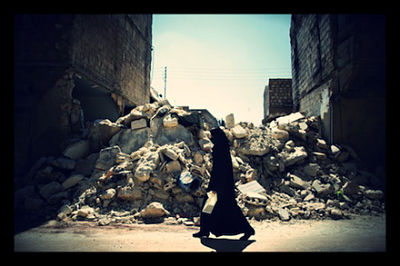
While Iraq is by textbook definition a democracy, the nation is shrouded with instability. It has a history of harsh oppression, violent neighboring countries, and an inherent lack of women’s rights. This volatility makes it impossible to maintain a strong central government. Consequently, poverty-decreasing programs are impossible to enact.

In 2013, the World Bank recognized that poor infrastructure and institutions were limiting Iraq’s ability to reach its potential and launched a huge Country Partnership Strategy (CPS) campaign with three goals: improving governance, supporting economic diversification and reducing poverty.


ISIS’s Role in Poverty in Iraq


The work of the CPS campaign was incredibly effective. However, ISIS’s emergence has created obstacles in Iraq’s path towards improvement. While unemployment was at a record low in 2014, it climbed back to 16 percent in 2016. This high rate is yet another addition to the causes of poverty in Iraq.

Organizations such as the World Bank and UNICEF have only increased their presence in Iraq since the conflict and its ensuing destruction began making international news.

Much of their current work aims to help children, as one-fourth of Iraq’s children are living in poverty. UNICEF works to provide vaccinations and medical care to communities where this is prevalent.  A new World Bank initiative seeks to promote the inclusion of conflict-affected children in Iraq, both socially and with regards to their education. With the help of generous international organizations, Iraq is doggedly continuing to improve the welfare of its citizens.

– Emily Trosclair

Photo: Flickr

July 16, 2017
https://borgenproject.org/wp-content/uploads/borgen-project-logo.svg 0 0 Borgen Project https://borgenproject.org/wp-content/uploads/borgen-project-logo.svg Borgen Project2017-07-16 01:30:422020-06-03 08:51:23A Glance at the Causes of Poverty in Iraq
Global Poverty, Women & Children

A Dangerous Place for Pregnant Women

Poverty in Iraq
Dozens of pregnant Iraqi women are being admitted to the hospital with life threatening conditions every month. According to UNICEF, maternal mortality rates in the war torn country have increased by 65% since 1989, a number that is much higher than neighboring countries. Until political conditions improve and citizens gain better access to healthcare and basic necessities in Iraq, doctors in the region fear the problem will get worse.

Dr. Mayada Youssif, a gynecologist in Baghdad, attributes “insecurity and poverty that Iraqis live with due to conflict” to the increasing mortality rate.  “Insecurity has forced women to stay at home during their whole period of pregnancy,” Youssif says, “and they look for a doctor only when they are feeling really ill or feel, near delivery time, that conditions have become too dangerous.”

UNICEF recommends three basic needs that should be available for pregnant women and their babies: good nutrition, access to antenatal care  and access to emergency care if a problem were to arise. All of these services are impeded in Iraq because of issues such as curfews and fear of violence, meaning that sometimes help isn’t sought out until it is too late.

That is exactly the situation Salah Hussein found himself in when his wife died during childbirth. The doctors attributed her death to a combination of malnutrition and the effects of constant stress from living in a war torn country. Now Hussein faces having to raise his child alone. Malnutrition is still a problem, as he cannot afford formula for his child.

Even if women can get to a doctor, many hospitals are ill equipped to deal with common pregnancy issues, such as anemia. The UN is currently looking into fortifying flour with iron and folic acid to help combat anemia, but presently the issue remains.

There is a rising call to increase investment in the health department to combat rising mortality rates. The main issue is the lack of specialized care that is available to all pregnant women. Some live in areas where they cannot get to a doctor, or worse, there is not a doctor in the area at all.

– Colleen Eckvahl

Sources: Global Research, IRIN News
Photo: Global Research

February 19, 2014
https://borgenproject.org/wp-content/uploads/borgen-project-logo.svg 0 0 Borgen Project https://borgenproject.org/wp-content/uploads/borgen-project-logo.svg Borgen Project2014-02-19 17:12:062024-05-26 23:10:05A Dangerous Place for Pregnant Women
Page 2 of 212

Get Smarter

  • Global Poverty 101
  • Global Poverty… The Good News
  • Global Poverty & U.S. Jobs
  • Global Poverty and National Security
  • Innovative Solutions to Poverty
  • Global Poverty & Aid FAQ’s
Search Search

Take Action

  • Call Congress
  • Email Congress
  • Donate
  • 30 Ways to Help
  • Volunteer Ops
  • Internships
  • Courses & Certificates
  • The Podcast
Borgen Project

“The Borgen Project is an incredible nonprofit organization that is addressing poverty and hunger and working towards ending them.”

-The Huffington Post

Inside The Borgen Project

  • Contact
  • About
  • Financials
  • President
  • Board of Directors
  • Board of Advisors

International Links

  • UK Email Parliament
  • UK Donate
  • Canada Email Parliament

Get Smarter

  • Global Poverty 101
  • Global Poverty… The Good News
  • Global Poverty & U.S. Jobs
  • Global Poverty and National Security
  • Innovative Solutions to Poverty
  • Global Poverty & Aid FAQ’s

Ways to Help

  • Call Congress
  • Email Congress
  • Donate
  • 30 Ways to Help
  • Volunteer Ops
  • Internships
  • Courses & Certificates
  • The Podcast
Scroll to top Scroll to top Scroll to top