• Link to X
  • Link to Facebook
  • Link to Instagram
  • Link to TikTok
  • Link to Youtube
  • About
    • About Us
      • President
      • Board of Directors
      • Board of Advisors
      • Financials
      • Our Methodology
      • Success Tracker
      • Contact
  • Act Now
    • 30 Ways to Help
      • Email Congress
      • Call Congress
      • Volunteer
      • Courses & Certificates
      • Be a Donor
    • Internships
      • In-Office Internships
      • Remote Internships
    • Legislation
      • Politics 101
  • The Blog
  • The Podcast
  • Magazine
  • Donate
  • Click to open the search input field Click to open the search input field Search
  • Menu Menu

Tag Archive for: Poverty in Angola

Posts

Africa, Child Poverty, Global Poverty

The Impact of Reducing Child Poverty in Angola

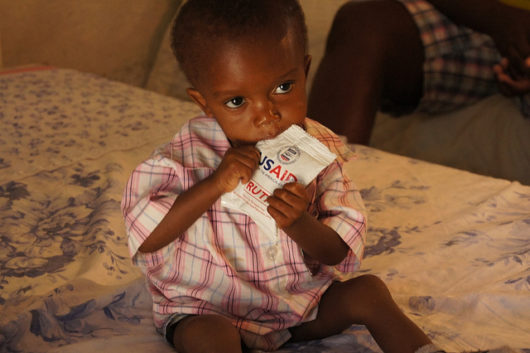
Child Poverty in AngolaAn intense history of a 27-year civil war burdens Angola. The children of Angola are suffering the most – with high rates of child poverty, illiteracy and mortality. Low contraceptive use has resulted in a fertility rate of more than five children per woman. Positively, Angola has been a party to the Convention on the Rights of the Child since 1990 and efforts are underway to protect children in Angola from the consequences of poverty. That said, here are three areas that will undergo positive improvements if child poverty in Angola is reduced.

Education

Currently, 33% of children in Angola are illiterate and only 30% progress to upper secondary school. Additionally, more than a quarter of households in Angola have children who aren’t enrolled in school. This is mainly due to a lack of education, closely tied to intergenerational poverty traps. Education for girls is particularly at risk, with 30% of women aged 20-24 having been married or in a union before the age of 18. If poverty and hardship were not defining issues for these children, they could experience the normalcy of education and childhood.

Fortunately, there have already been significant improvements in education in Angola. The Committee on the Rights of the Child (CRC) has recognized multiple efforts being made to get more children into education. For example, the National Action Plan 2013-2020 was entitled “Education for All.” Additionally, the gross enrolment rate of children attending nursery, primary and secondary school increased to 97.5% in 2016.

Investment in the quality of teaching has led to more young people attending school – often due to the hard work of organizations such as SOS Children’s Villages. It works toward making education accessible to everyone. It has funded school fees, uniforms, learning materials and tutoring. Due to SOS Children’s Villages’ diligence and hard work, the project has enabled more than 1390 children in Angola to learn at its kindergartens and schools.

Health

Angola has suffered from an influx of droughts, flooding and diseases such as malaria, where medical treatment is sparse. Families in rural areas have found themselves struggling with rising food prices, leading to issues such as undernutrition being responsible for 45% of child deaths. A lack of access to water and sanitation has become a crucial issue for children’s health. However, when child poverty is dealt with, nutritious food will prevent the high rate of stunted children aged less than 5.

In response, Angola implemented a National Health Development Plan from 2012 to 2015, with one of its key objectives being to reduce maternal, infant and child mortality and morbidity rates. However, several challenges have arisen since the plan’s announcement. Malaria remains the leading cause of death in the country, responsible for more than 10,400 deaths in 2020. Additionally, the decline in oil growth in 2014 has led to decreased public spending in the health sector.

Despite these challenges, life expectancy in Angola is expected to increase from 61 years in 2023 to 68 years by 2050. Between 2018 and 2022, the health care workforce significantly increased and in 2020, Angola began offering specialty training courses for doctors in five provinces. By 2023, the program had expanded to include 2,500 medical doctors across 17 regions. The Minister of Health has also nominated a Task Force to oversee postgraduate training for health professionals.

SOS Children’s Villages is also actively working to ensure that social and health care facilities are accessible. Its efforts have enabled 450 families in Angola to stay together, providing crucial support and assistance.

Labor

Approximately 30% of Angolans live below the poverty line and widespread unemployment often leads to children becoming breadwinners for their households. The COVID-19 pandemic exacerbated a four-year recession in Angola, significantly impacting many families financially. Children aged 0-14 are particularly affected and live on less than $2.15 a day. Currently, three-quarters of children in Angola are living in poverty. Additionally, a staggering 19% of them work to support their families.

However, tackling extreme child poverty means that the number of children in the workforce within industries such as mining, construction and agricultural sectors will lessen and child trafficking will dissipate. Positive efforts have been made in this regard. Law no.3/14 criminalizes the exploitation of children for sexual purposes and prostitution.

Furthermore, in 2022, the Angolan government funded and participated in programs to prevent child labor. These initiatives include Social Protection Programs, Mobile Schools and Free School Meals for Children. Specifically, these programs target children in Southern Angola who are at high risk of being engaged in child labor.

– Xantippe Steele

Xantippe is based in Hove, UK and focuses on Good News and Politics for The Borgen Project.

Photo: Flickr
May 22, 2024
https://borgenproject.org/wp-content/uploads/borgen-project-logo.svg 0 0 Lynsey 2 https://borgenproject.org/wp-content/uploads/borgen-project-logo.svg Lynsey 22024-05-22 07:30:062024-05-22 01:13:57The Impact of Reducing Child Poverty in Angola
Global Poverty, Health, Mental Health

Mental Health in Angola

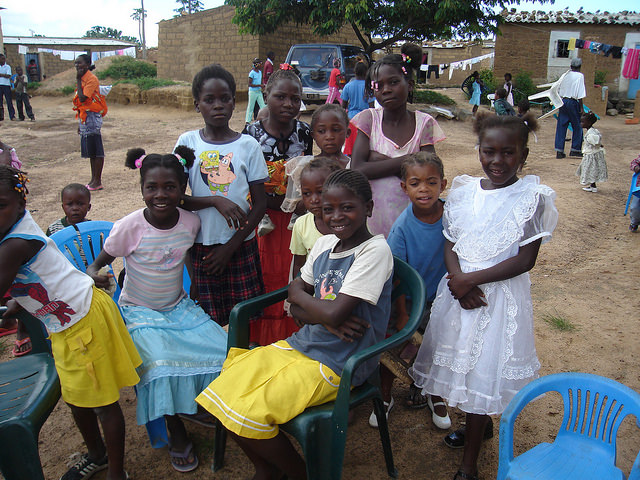
Mental Health in AngolaAngola is a small country situated on the western-central coast of Southern Africa. Generous petroleum and mineral reserves support its fast-growing economy. Collectively, Angola shares a crucial concern for mental health with all 54 countries in Africa. However, the treatment of mental health in Angola has been neglected.

Angola’s Health Care Challenges

Limited funding, inadequate mental health care policies, shortages of health care personnel and deficient training of health care workers are some of the health care challenges in Angola. In terms of health care facilities, there are approximately 3,000 people per facility, indicating a strain on accessibility. Moreover, with only 1.01 beds available per 1,000 patients, there’s a concerning shortage of hospital beds.

The physician-to-patient ratio stands at 0.3 per 1,000 patients, equivalent to around 14,000 physicians, which falls below the World Health Organization’s recommended level. Similarly, the nurse-to-patient ratio is 1.1 per 1,000 patients, suggesting further strain on health care resources. These statistics highlight the urgent need to address funding limitations, reform mental health care policies and invest in health care personnel and training to ensure adequate health care provision for the population.

Further, Angola’s 2023 budget allocated 23% of all government expenditures to the social sector, with health care receiving approximately 7%. However, it falls short of supporting the health care needs of 34.5 million people. For the health development plan to be effective, current statistics and comprehensive data could be utilized to upgrade existing priorities. Comprehensive data would include current population growth, distribution of population, infrastructure needs, financial models and human resources that would upgrade priorities.

Programs Tackling Mental Health in Angola

  1. African Center for Disease Control (CDC): In March 2024, the CDC launched a new Mental Health Leadership Program (AMHLP) to address mental health challenges in several African countries, including Angola. Wellcome, whose mission is to “support discovery research into life, health and well-being,” funded the program. The program aims to “mobilize decision-makers to support countries in reforming services and advising on public health measures to promote and protect mental health and well-being.”
  2. Education: Doctor Alisha Moreland-Capuia is a leading trauma-informed care expert. Her nonprofit, The Capuia Foundation, is constructing the Institute for Trauma-Informed Systems Change in Angola. Counseling and educating the people of Angola about mental health will help them develop a realistic understanding of mental illnesses.
  3. Kassai: Kassai is an eLearning platform funded by the United States Agency for International Development (USAID) and the President’s Malaria Initiative (PMI). This program trains health care workers in malaria, family planning and maternal and child health. By the end of 2022, the Kassai platform had 6,600 unique users and 31,000 course enrollments.

Mental health illnesses are a present-day concern in Angola. However, several programs are being initiated by both the Angola government and nonprofits to address mental health challenges in Angola.

– Pamela Fenton
Photo: Unsplash

April 15, 2024
https://borgenproject.org/wp-content/uploads/borgen-project-logo.svg 0 0 Lynsey 2 https://borgenproject.org/wp-content/uploads/borgen-project-logo.svg Lynsey 22024-04-15 07:30:522024-04-15 01:32:03Mental Health in Angola
Africa, Global Poverty

Renewable Energy in Angola

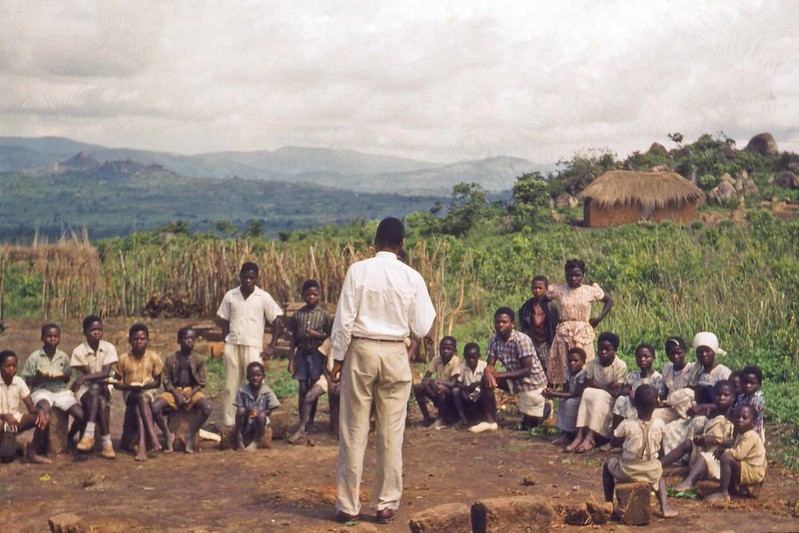
Renewable Energy in AngolaAngola is a small country in South-West Africa. The country currently has an energy production capacity of around 5 GW. Based on past governmental promises, Angola’s capacity is expected to be  6 GWs. However, with these goals not being achieved, the country has only a 43% electrification rate.

While incredibly low, this is nothing compared to rural areas’ 10% electrification rate. This inequality is further widened due to rural areas’ lack of other options. With 54% of the nation concentrated in rural areas, these regions have nowhere else to turn. With the government planning to eliminate fossil fuel subsidies causing energy prices to rise, the government has begun to push for renewable energy in Angola.

Angola’s Renewable Energy Revolution

Angola is in an optimal geographical position for renewable energy production. Studies conducted by the Ministry of Energy and Water found that the nation has the potential to generate 16 GW in solar power, 4 GW in wind power and 18 GW in hydropower. Using this to its advantage, the government of Angola has created the Angola 2025 Plan, which aims to utilize renewable energy to boost its energy production.

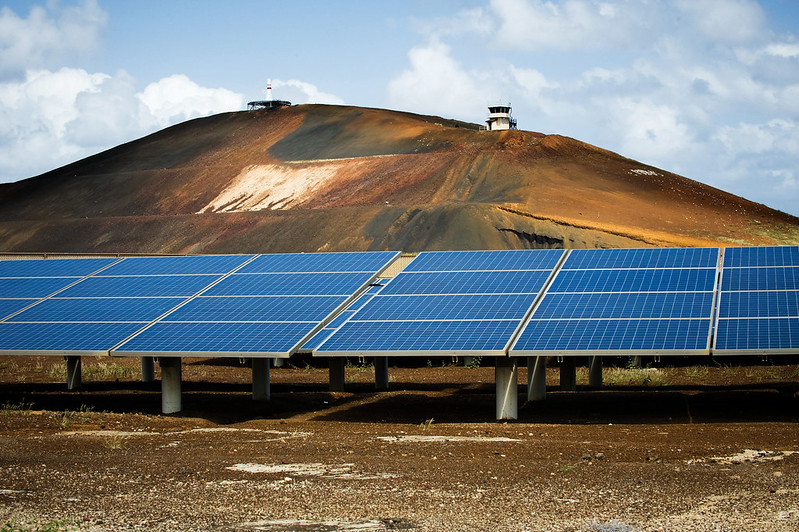
In this plan, the nation’s electrification rate would jump to 60%, with 70% coming from renewable sources. Part of this increase will be due to the three massive solar projects that the Government of Angola recently approved. One of these projects will be a partnership between the United Arab Emirates and Angola, resulting in a 150 MW solar farm.

Transforming Lives and Igniting Economic Opportunities

The benefit is threefold. First, this shift to renewable energy can massively benefit the electrification rates and provide electricity to underserved areas. For example, projects like the Masdar solar plant can bring electricity to 90,000 homes.

Second, renewable energy in Angola opens up many job opportunities by utilizing new technologies and creating an entirely new industry. Additionally, this massive boost in the energy sector is more significant for foreign investors and creates even more job opportunities.

This double-win for the job market will help drastically reduce poverty levels and close the inequality gap. Because many of these solar projects have taken place in rural areas like the Masdar solar plant, it directly gives these opportunities to the concentrated areas of low-income households.

Conclusion

While renewable energy in Angola is still an emerging market, its potential to completely shift the country’s economy and bring electricity to millions of people highlights its importance. By harnessing its abundant solar, wind and hydroelectricity resources, Angola can meet its energy needs and emerge as a regional leader in clean energy innovation.

– Aman Chaudhary
Photo: Flickr

February 24, 2024
https://borgenproject.org/wp-content/uploads/borgen-project-logo.svg 0 0 Lynsey 2 https://borgenproject.org/wp-content/uploads/borgen-project-logo.svg Lynsey 22024-02-24 03:00:242024-02-22 05:15:45Renewable Energy in Angola
Global Poverty, Poverty Reduction

Poverty in Angola: Top Three Priorities to Reduce It

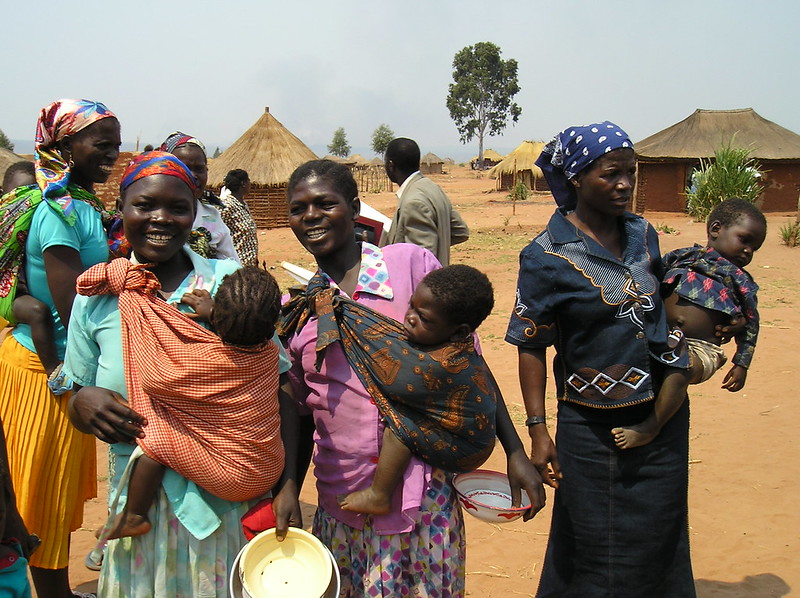
Poverty in AngolaAlthough the second-largest oil producer in Sub-Saharan Africa, Angola has a projected poverty rate of 12.4 million in 2024. This estimated figure is based on rising food prices and slowing growth in the nation during 2023, consequently leading to 33% of Angolans living below $2.15 a day. In hopes of limiting 2024 projections for Angola, the United Nations Sustainable Development Framework has offered support to the Central African region. It comes in the form of a development plan from 2024-2028, which highlights key areas of improvement. Sitting down with Jonathan Kenda, a recent volunteer worker in Angola, we learn whether the three priorities he spotted as reducing poverty in Angola are included in the U.N. development plan.

Issues on the Ground

“I did a lot of community service,” Kenda explains when describing his day-to-day role within the Church of Jesus Christ of Latter-Day Saints. “I was based in Luanda, but over the course of the year, I covered the whole of Angola.” With such broad awareness of Angola, Kenda pointed to a “scarcity of pure and clean water,” a divide between “areas that weren’t properly developed” and those that were and “waste pollution” as contributing factors to poverty in the Central African nation.

Validating Kenda’s observations are the droughts that the Southern provinces of Angola have suffered over the last decade and the six thousand tonnes of solid waste produced daily by Luanda, Angola’s capital, alone. To such issues, there have been responsive solutions. One is the “Water for All” campaign. The other and more recent, is the formation of a plastic reduction task force made by the Angolan government.

During the interview, however, these three issues, which have prompted respective aid campaigns, only form three of Kenda’s formative priorities to reduce poverty in Angola. Later in the conversation, he outlined the top three priorities to reduce poverty in Angola: Education, Infrastructure and Medicine.

Education

Kenda noted that “as a sector, its importance is rising in Angola.” This is mirrored in the U.N.’s Development Framework, with its top priority being to transform education. Nationally, Angola has shouldered responsibility, too. The government has not only set education as a top priority but has done so for the next four years.

However, “a lot more could be done”. Kenda explains that after “countless conversations [with] locals,” it became clear that “the majority of schools taught at a basic level due to the site not having resources to help students better their understanding.” Due to this material deprivation within schools, Kenda highlights that it is common to see families with money “sending their children overseas to receive an education.” The fact that less than 1% of Angolans attend university in the country, despite the growing education sector, underscores a systemic issue that fails to cultivate an attitude toward learning that exceeds expectations.

Kenda also pointed to teachers’ pay as a contributing factor to the growth of the education sector without significant progress. However, there are solutions in motion and just before the new year, a World Bank pledge offers even greater hope. The commitment involves a 10-year, $150 million aid service aimed at strengthening specifics such as school governance, teacher training and education courses across Angola.

Infrastructure

Infrastructure, identified as a priority to reduce poverty in Angola, is demonstrated in the material deprivation within the school system. However, according to Kenda, the infrastructure sector in Angola faces a bigger issue. “During the time I spent in Angola,” Kenda explains, “there were only a few areas that had a good network of roads and modes of transport.” This area of civil planning is a niche area within the sector of infrastructure. Aligning with the U.N.’s Development Framework, Kenda’s priority for reducing poverty in Angola through road planning is mirrored in the intent to develop rural roads.

As Kenda went on to explain that “of the road network, there were parts of it that needed improvements” due to roads prone to flooding, the approach made by the UN in its 2024-2028 plan reflects the on-the-ground concerns of the voluntary worker. As Kenda continued to explain, “of the road network, there were parts of it that needed improvements” due to roads prone to flooding. The approach made by the U.N. in its 2024-2028 plan reflects the on-the-ground concerns of the voluntary worker. The development of road planning is part of a broad national intent, too, which hopes to provide a significant transformation in Angolan infrastructure and which, in January 2024, was commended by U.S. Secretary of State Antony Blinken.

Medicine

Kenda’s final priority to reduce poverty in Angola: Medicine. The U.N.’s Development Framework for Angola notes the intent to enhance the funding and quality of primary health care services. Although, no emphasis is placed on medicine. “Accessing medicine was difficult for the locals,” explains Kenda. “It was often too expensive and most of the time, the local pharmacies did not have many medicinal products that could effectively combat an array of illnesses.” Kenda’s worries stem from the one pharmacy for more than 22,000 Angolans and the drug shortages that hinder pharmacies across the country.

However, in a similar fashion to the growing sector for Infrastructure, financial predictions are set on the Angolan pharmaceutical market to experience significant growth over the coming years. Aside from the £130 million investment made by the U.K., investments to prompt such growth in the Angolan pharmaceutical sector fail to pile in.

Angolans in 2024

Kenda and the countless Angolans he encountered during his time in the nation have experienced and identified with these three priorities to reduce poverty in Angola. Responsive aid campaigns in the sector of education and infrastructure have provided more than ample solutions that are fit for the future. They contribute to a broad development in professional and academic experience, inspiring an upcoming generation of Angolans. Investments in the medical and pharmaceutical sector, however, flail behind slightly. To reduce poverty in Angola, the sector must undergo a transformation similar to the ongoing developments in education and infrastructure.

– Joseph Wray
Photo: Unsplash

February 8, 2024
https://borgenproject.org/wp-content/uploads/borgen-project-logo.svg 0 0 Lynsey 2 https://borgenproject.org/wp-content/uploads/borgen-project-logo.svg Lynsey 22024-02-08 07:30:492024-02-07 04:46:21Poverty in Angola: Top Three Priorities to Reduce It
Global Poverty

Top 10 Facts about Hunger in Angola

Top 10 Facts About Hunger in Angola
Angola, located on the western coast of Southern Africa, has a current population of over 31 million people. Unfortunately, many men, women and children continue to live in poverty and are going hungry. The current Global Hunger Index score of the country is 32.5. Luckily, there are several if not many organizations that have a desire to eradicate the country’s hunger epidemic. Below are the top 10 facts about hunger in Angola.

Top 10 Facts about Hunger in Angola

  1. While the number of undernourished people in 2015 was at 14 percent (according to UNICEF), malnutrition is affecting many children within the country, with a 37 percent prevalence of moderate and severe stunting.
  2. According to the World Vision, the civil war that had lasted for 27 years is still affecting the people of Angola, despite the fact that it has ended in 2002. Because of this as well as the drought in 2015, malnutrition and food insecurity rates have increased.
  3. According to the International Fund for Agricultural Development (IFAD), farmers are unable to access certain agricultural resources, preventing the production of crops that also leads to food insecurity.
  4. The Salesian Missions is an organization that aspires to help children and families in poverty and provides aid to their needs. Their mission and focus are not only in providing training and educational programs to the youth, but they also deliver meals in Luanda to about 40 students who are undernourished. This program was able to purchase and provide food for many boarding students in the city.
  5. The Food and Agriculture Organization (FAO) is working in Angola in order to not only help with the productivity of the citizens but also help nourish and provide food for many of the Angolan people. According to FAO, their assistance will be created in accordance with 2018-2022 Country Programming Framework (CPF) that focuses on areas regarding food security, management of resources and strengthening farming productions. Because people are going hungry in Angola, FAO is helping regarding methodology and a Farmer Field School.
  6. FAO also supports a policy and strategy regarding the hunger epidemic in Angola. This strategy is called the National Food Security and Nutrition Strategy (ENSAN) and was implemented in 2009. This strategy works to provide not only access to food for the people of Angola but also ensures the quality of it.
  7. Angola’s Ministry of Agriculture and Rural Development also helps increase nutritional needs which support the Food, Agriculture and Natural Resources Policy Analysis Network or FANRPAN for short. FANRPAN is a nonprofit organization that promotes and suggests strategies for food, agriculture and natural resources including developing activities and opportunities for development.
  8. Rise Against Hunger is an organization and global movement that desires to eradicate hunger. They provide aid and assistance to countries in need, distributing packaged meals to Angola, but to other countries around the world as well.
  9. IFAD desires to fight against hunger in Angola by providing loans to expand and increase nutritional assistance in the country. One of their activities includes helping with the expansion of food crops and fisheries.
  10. The United Nations Joint Program on Children, Food Security and Nutrition in Angola is determined to end malnutrition in children. This program desires to strengthen efforts to end hunger, advocate for decreasing food prices and improve the evaluations as well as monitoring of nutrition among the people.

These top 10 facts about hunger in Angola demonstrates that many organizations, programs and movements have every desire to eradicate the hunger epidemic. They give people hope for both a better nation and a better future for their families.

– Charlene Frett
Photo: Flickr

October 31, 2018
https://borgenproject.org/wp-content/uploads/borgen-project-logo.svg 0 0 Kim Thelwell https://borgenproject.org/wp-content/uploads/borgen-project-logo.svg Kim Thelwell2018-10-31 06:30:592024-05-29 22:57:32Top 10 Facts about Hunger in Angola
Global Poverty

Why is Angola Poor?

Why is Angola Poor?A nation that has been in political turmoil since its independence from Portugal in 1975, Angola has had major concerns formulating a stable, unified country free of conflict. Despite it being Africa’s second-largest oil exporter and producer behind Nigeria, poverty has plagued the nation that has suffered internally due to political corruption, instability and other factors. So, why is Angola poor?
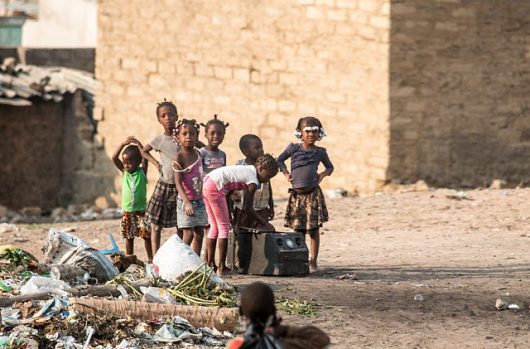
According to CountryWatch, income inequality remains high and poverty has been declining only slowly. Angola has attempted to mitigate poverty by placing strenuous efforts in the oil reserve industry in order to boost economic growth. Unfortunately, the income inequality gap is still wide, and infrastructure is in a volatile state due to the country’s insufficient skills that are needed to improve human development. The International Monetary Fund (IMF), an organization that provides support for both developing and developed countries during periods of financial crisis, has warned Angola that they are vulnerable to stay trapped in such a cycle unless they allocate their resources appropriately.

According to a report by AllAfrica, Angola has successfully managed to reduce, by over half, the number of people underfed, thus achieving the first target of the U.N.’s Millennium Development Goals. Although it missed the original target by about two years, the current situation in the country is “satisfactory,” according to an official who was speaking on World Food Day, on October 16th, 2017.

An annual report, the Global Hunger Index, could encourage a more optimistic outlook on the country’s future, and could help citizens in answering questions like, “why is Angola Poor?” In the report, it states that hunger has fallen significantly in countries where civil wars have ended in the 1990s and 2000s, such as in Angola in 2002. Additionally, global hunger itself has fallen by 27 percent since 2000.

One of the more obvious explanations that could aim to clarify the poverty rate in Angola may be the lack of education that Angolans receive. According to the C.I.A. World Factbook, over 40 percent of Angolans live below the poverty line, with only 70 percent of them being literate.

People in Need (PiN), a Czech nonprofit focused on development projects, has stepped up in the campaign toward alleviating poverty by improving education for half a million children. With school expectancy hovering at around 10 years of age, and only 60 percent of females who are literate, such initiatives represent hope and prosperity for a country that ranks 146th on the Human Development Index.

PiN has contributed by building schools, engaging in specialized training for teachers and providing necessary teaching materials for students to receive a quality education while reducing illiteracy among adults. Its work has seen tremendous results, with over 450,000 Angolan children and 1,200 adults learning to read, write and do simple math.

Nevertheless, the advancements in the oil production sector should receive some credit, as it has drastically stimulated Angola’s economic growth and improved the standard of living for many. However, other social issues continue to persist in a country that only nine years ago held its first parliamentary election.

Accountability, transparency, focusing on human rights and deterring domestic violence are all setbacks that present peril to a nation striving to become a developed country. To answer the question, “why is Angola poor,” Angola must first make the necessary changes through strong governance programs in order to see positive results. Improved education can lead to reduced income inequality, but without stringent measures to allow for human capital to prosper efficiently, the people will continue to suffer from this vicious poverty cycle.

– Alexandre Dumouza

Photo: Flickr

November 12, 2017
https://borgenproject.org/wp-content/uploads/borgen-project-logo.svg 0 0 Borgen Project https://borgenproject.org/wp-content/uploads/borgen-project-logo.svg Borgen Project2017-11-12 01:30:032024-05-29 22:29:00Why is Angola Poor?
Global Poverty

5 Causes of Poverty in Angola

Causes of Poverty in AngolaMore than 40 percent of people live below the poverty line in Angola, one of the largest but least-developed countries in Africa. Here are a few of the main causes of poverty in Angola.
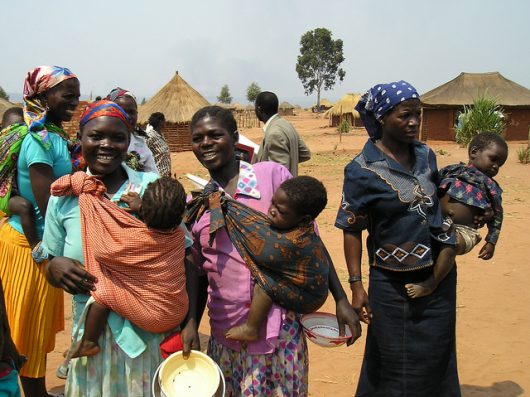
5 Causes of Poverty in Angola

  1. Angola was embroiled in a civil war that lasted 27 years from 1975 to 2002.During that time, more than one million people were killed. Though many of the displaced population has returned home, the country has not had the time to combat poverty. The war destroyed important infrastructures, such as schools, hospitals, railways and bridges. Angola is still rebuilding. Aid and oil sales to China have helped improve the economy, but the country has a long way to go.
  2. A high fertility rate. Contraceptive use and family planning education is low in Angola. Consequently, it has the ninth- highest fertility rate in the world. On average, a woman gives birth to more than five kids in her lifetime. A high birth rate is problematic because it strains resources. The more children a family has, the harder it is for families to give all children the nutrition their bodies need. This is evidenced by the high child mortality rate. One in four children will not reach his or her fifth birthday. In addition, mothers with many children to care for are often restricted to home life. A lower birth rate might increase the number of female workers and output per capita.
  3. A struggling health sector. Angola’s decades-long civil war ended 17 years ago, but its healthcare sector has not fully recovered. The fighting destroyed medical facilities and caused many doctors to flee the country. There is only one doctor per 10,000 people. This physician shortage is especially detrimental in Angola, where nearly 300,000 people are living with HIV/AIDS. Thousands more contract malaria, bacterial diarrhea or other infectious diseases. Many cases are due to unsafe water and unsanitary toilets. About half of the population depends on unimproved water and restroom access. A lack of trained medical professionals, equipment and facilities is a cause of poverty in Angola because sick Angolans have difficulty finding treatment and getting back to work. Some die from treatable or preventable diseases like polio. A death in a family could leave it with fewer sources of income or create orphaned children. Angola has taken measures to reduce rates of disease and infection, such as child vaccinations in the capital. But Angola still has one of the lowest health expenditures in the world at 3.3 percent of the country’s gross domestic product (GDP). Due to Angola’s poor healthcare, its life expectancy has increased, but it is still quite low at just 61 years old. Such a drastically low life expectancy cuts years, even decades, from Angolans’ earning potential.
  4. Low education rates. Because of the high fertility rate, 42 percent of Angola’s 25 million inhabitants are under 15 years old. Many of these children do not complete their education. In rural areas, where the majority of Angolans live, schools can be few and far between. Children may have to walk long distances to school, which is a disincentive to attending. Education comes with additional fees for books and supplies, causing families with limited incomes to pull their children out of school. With children out of school, families can save money or have their children make money on a family farm or through another employer. If a poor family opts to provide education for only one child, it is usually for a boy. On average, males complete 13 years of school and females only complete eight. Ruined classrooms and untrained teachers further restrict the availability of quality education. Angola’s education expenditure is 3.5 percent of its GDP. Children and adults cannot unravel the cycle of poverty without education because they cannot get good jobs to help improve their standard of living. In this way, a lack of education is both a result and a cause of poverty in Angola.
  5. Unequal distribution of wealth. Finally, an unbalanced economy, coupled with corrupt elites, is one of the causes of poverty in Angola. Despite 55 percent of Angolans living on less than $1 a day, the capital, Luanda, is the most expensive city in the world. It and other urban areas benefit from the oil sector, which is the second-largest in Africa. Oil and diamond extraction brings a lot of revenue to Angola, but much of the wealth stays with large companies and elite individuals, like politicians. Transparency International ranked Angola as 164 out of 176 countries on its Corruption Perceptions Index. Angolan authorities and oligarchs have a reputation of taking from the poor to make themselves richer. According to an article in The Economist, “officials seize state assets through rigged privatizations or rip off the public treasury in bail-outs of private companies. At almost every turn, someone connected to the state is seeking a pay-off.” In addition, some complain that the Angolan government spends money in the wrong places. Angola has a $44 billion federal budget, yet local officials say they do not have funds to provide running water. Instead, the government spent more than $1 billion on four stadiums for a football tournament.

Understanding Poverty in Angola

The devastation of war, the high fertility rate, limited access to healthcare, lack of quality education for all and income inequality partially due to government corruption are the primary causes of poverty in Angola. Fortunately, there is evidence of improvements. The government is beginning to expand its economy which will create jobs. It is also making strides to become transparent, which can increase accountability. Plus, Angola is investing in water, electricity and transportation to improve the lives of its people. Nonprofit organizations also help impoverished Angolans by providing healthcare and schools. With time and effort, Angola’s poverty rate should decrease.

– Kristen Reesor

Photo: Flickr

August 19, 2017
https://borgenproject.org/wp-content/uploads/borgen-project-logo.svg 0 0 Kim Thelwell https://borgenproject.org/wp-content/uploads/borgen-project-logo.svg Kim Thelwell2017-08-19 01:30:022024-06-11 02:48:305 Causes of Poverty in Angola
Global Poverty, War and Violence

Poverty in Angola: Oil, Corruption and Land Grabs


Poverty in Angola runs high; roughly 40 percent of the population currently lives below the poverty line. The combination of a long, drawn-out civil war, systematic political corruption and economic crisis have prevented the country from establishing itself as a stable and prosperous state since Angola received its independence from Portugal in 1975.

While Angola does not have many lucrative exports, oil does make an important contribution to the country’s economy. Between 2006 and 2016, it accounted for as much as 97 percent of exports on average each year and, while there has been some reinvestment into national infrastructure, the president, José Eduardo dos Santos, has received criticism for not redistributing the profits fairly and using the financial boost from oil exports to reduce poverty in Angola as much as he could have.

Beyond its meddling in the oil industry, other forms of government corruption and nepotism are also rife in Angola. One particularly prominent example is the appointment of the president’s daughter, Isabel dos Santos, to the position of chief executive of the state-run oil firm in 2016. Forbes ranks her the richest woman in Africa, and she has an estimated net worth of more than $3 billion. Meanwhile, there is extreme poverty in much of Angola and subsistence farming is the main source of income for the majority of her countrymen and women.

This over-reliance on oil causes another problem: Angola is especially vulnerable to the fluctuations in the global oil market. Just last year, a global drop in oil prices resulted in an economic catastrophe for Angola. This triggered a rise in prices on everything from food and fuel to healthcare, putting an even greater strain on the country’s poorest inhabitants. The situation was exacerbated when the government imposed tough austerity measures, a move the U.N. Committee on Economic, Social and Cultural Rights deemed regressive and concerning.

Meanwhile, in a bid to diversify the economy with additional sources of revenue, huge land grabs have taken place at the hands of government officials and private businesses. In many cases, citizens have been forcibly evicted without adequate housing alternatives and proper compensation. Instead, they have been resettled in makeshift housing with little access to amenities such as healthcare, education, water and electricity.

Even before this move, access to healthcare and education has been severely limited, helping to reinforce a cycle of poverty. So while progress – although slow – has been made in both areas since peace was established in 2002, there is still much progress to be made. More investment is needed in the country’s public services to alleviate levels of poverty in Angola.

– Rosie McCall

Photo: Flickr

June 2, 2017
https://borgenproject.org/wp-content/uploads/borgen-project-logo.svg 0 0 Borgen Project https://borgenproject.org/wp-content/uploads/borgen-project-logo.svg Borgen Project2017-06-02 11:29:552024-12-13 17:57:54Poverty in Angola: Oil, Corruption and Land Grabs
Disease, Global Poverty

Poverty in Angola: Causes, Updates and Statistics

Poverty in Angola
Despite its economic success in the booming oil industry, poverty in Angola is a serious concern. The fact that a majority of Angolans live in extreme poverty contrasts greatly with the country’s booming economy. Angola is one of Africa’s most resource-rich countries. It is the second-largest oil producer in Africa and the fourth-largest producer of diamonds. In addition, the country is rich in such resources as minerals, lumber and fish. Although the oil industry in Angola brings in a majority of the state’s revenue, two-thirds of the population live on less than $2 a day and do not see the benefits of the industry.

The government claims that poverty rates have dropped in recent years, yet corruption is still a major factor. The question remains: “Where is this money?” Government elites and employees reap the benefits of the oil industry, while many Angolans live in arduous conditions. Additionally, the country possesses high infant mortality rates, poor access to clean water and sanitation and high illiteracy rates.

The civil war from 1975 to 2002 left Angola devastated, with countless deaths and millions of internally displaced persons. Angola can now boast a revived economic situation and an up-and-coming international profile. However, the country still has a great deal of work to do in its commitment to alleviate poverty in Angola.

The 2016 Human Development Index ranks Angola 149 out of 186 on the poverty scale, as poverty permeates the entire nation. Poverty in Angola is greater in rural areas, which contains 38.5 percent of the population. In fact, 94 percent of rural households are categorized as poor.

There is a very low electrification rate in rural areas of Angola, with only 6% of rural households having access to electricity. A considerable amount of the population (38 percent) does not have access to safe water sources. Consequently, the mortality rate for children under five is around 17 percent. In addition, many children do not have access to education, making future employment difficult. In fact, 34.6 percent of people have unequal access to education. As a result, 28.9 percent of the population have an unequal income.

The capital city of Luanda, one of the largest cities in Angola, drastically contrasts its outskirts. Just outside the city limits, hundreds of thousands of people live in extreme poverty.With no running water or proper infrastructure for sanitation, disease runs rampant. Diarrheal diseases, cholera, measles and diphtheria are just a few such illnesses.

According to the World Health Organization, there were over 2,000 cholera outbreaks in 2009. Yet, there was only 1 doctor available for every 10,000 people. As a result, countless families lack access to vaccines or clinics to treat these diseases.

In recent years, there have been successful reconstruction programs, including roads, airports, bridges, hospitals and schools. Although the Angolan government is beginning to make progress towards rebuilding, the answer for widespread poverty alleviation lies within the ruling party and channeling the revenue from the oil industry into the hands of Angolan’s themselves.

– Kimber Kraus

Photo: Flickr

February 19, 2016
https://borgenproject.org/wp-content/uploads/borgen-project-logo.svg 0 0 Borgen Project https://borgenproject.org/wp-content/uploads/borgen-project-logo.svg Borgen Project2016-02-19 01:30:402020-06-23 08:42:33Poverty in Angola: Causes, Updates and Statistics
Page 2 of 212

Get Smarter

  • Global Poverty 101
  • Global Poverty… The Good News
  • Global Poverty & U.S. Jobs
  • Global Poverty and National Security
  • Innovative Solutions to Poverty
  • Global Poverty & Aid FAQ’s
Search Search

Take Action

  • Call Congress
  • Email Congress
  • Donate
  • 30 Ways to Help
  • Volunteer Ops
  • Internships
  • Courses & Certificates
  • The Podcast
Borgen Project

“The Borgen Project is an incredible nonprofit organization that is addressing poverty and hunger and working towards ending them.”

-The Huffington Post

Inside The Borgen Project

  • Contact
  • About
  • Financials
  • President
  • Board of Directors
  • Board of Advisors

International Links

  • UK Email Parliament
  • UK Donate
  • Canada Email Parliament

Get Smarter

  • Global Poverty 101
  • Global Poverty… The Good News
  • Global Poverty & U.S. Jobs
  • Global Poverty and National Security
  • Innovative Solutions to Poverty
  • Global Poverty & Aid FAQ’s

Ways to Help

  • Call Congress
  • Email Congress
  • Donate
  • 30 Ways to Help
  • Volunteer Ops
  • Internships
  • Courses & Certificates
  • The Podcast
Scroll to top Scroll to top Scroll to top