Reenpad: Reducing Period Poverty in Tanzania
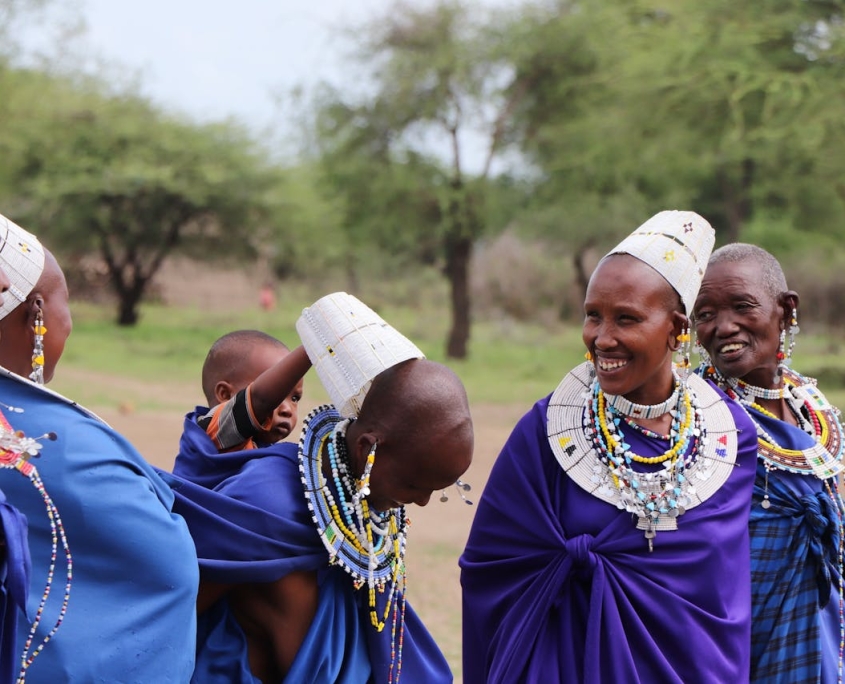 Reenpad, founded in 2021, is a female-founded social enterprise that is seeking to tackle period poverty by providing sustainable menstrual products in Tanzania. Tanzania is home to more than 68 million people in East Africa. An estimated 2 billion people menstruate each month across the planet. However, around 500 million of these people struggle to afford and access appropriate menstrual hygiene products or clean and safe sanitation facilities to manage their periods with dignity. With more than half the population of Tanzania living on less than $3 a day, Reenpad provides women and girls with cost-effective and sustainable menstrual products in Tanzania to empower them and conserve the climate.
Periods and Poverty
Periods and poverty are deeply intertwined, so much so that the phrase “period poverty” has been coined. Millions of people are still unable to afford menstrual hygiene products or do not have access to clean and safe water and sanitation facilities, such as private toilets. Instead, many women and girls across the planet are forced to use toilet paper, cloth or a sponge to maintain some menstrual hygiene. Others have no access to anything at all. As a result, many women and girls miss out on days of education or work every month, which only worsens their economic situation, putting their health, freedom and rights at risk.
Stigma and discrimination are major factors in perpetuating period poverty. Many countries do not educate young people on periods, and therefore, many people are completely unaware and unprepared for their first period. Those in policymaking positions are also affected by the stigma around menstruation, where a lack of consideration for clean and private sanitation facilities in places of education or employment means people do not feel comfortable going to school or work while menstruating.
Reenpad
Doreen Urio is a social innovator and is the founder of Reenpad, a social enterprise committed to making menstrual health products both accessible and affordable in Tanzania. With 51% of the Tanzanian population living on less than $3 a day, the monthly cost of and access to traditional menstrual products is a burden to many women and girls. To achieve its mission of reducing period poverty and empowering women and girls, Reenpad began producing and distributing sustainable menstrual products in Tanzania, such as reusable pads.
Reusable pads help women and girls reduce their monthly expenses as they are far more cost-effective than traditional disposable menstrual products. Their durable quality allows them to be washed and reused for several years. As well as being cost-effective, they are also a more sustainable, eco-friendly option for the environment, reducing the waste that comes from traditional menstrual hygiene products in Tanzania and across the globe. Traditional single-use sanitary pads typically end up in landfill and can take between 500 and 800 years to break down, and some materials used in production will never decompose.
Urio was inspired to begin this mission after losing a close friend to uterine cancer, after dealing with the pain of endometriosis. Reenpad understands that menstrual health is a key factor and signifier of an individual’s overall health. As such, as well as providing sustainable menstrual products in Tanzania, Reenpad also offers products that help with hormonal skin outbreaks and menstrual cramps. The organization educates women and girls on how to understand their menstrual cycle, helping to break down stigma and taboos.
Reenpad offers more than providing knowledge and sustainable products for menstrual cycles. Many employment opportunities for local low-income women and girls have been created thanks to Reenpad, broadening its social impact by helping to further tackle poverty in Tanzania.
Looking Ahead
The work done by Urio and Reenpad in providing education, jobs and sustainable menstrual products in Tanzania supports women living in period poverty. Providing these accessible and affordable products offers women and girls years of dignity and empowers them by removing one barrier to education and employment. The environmental benefit of these products supports the case for sustainable menstrual products as a model going forward.
– Stephanie Gable
Stephanie is based in Wales, UK and focuses on Global Health and Politics for The Borgen Project.
Photo: Pexels
