• Link to X
  • Link to Facebook
  • Link to Instagram
  • Link to TikTok
  • Link to Youtube
  • About
    • About Us
      • President
      • Board of Directors
      • Board of Advisors
      • Financials
      • Our Methodology
      • Success Tracker
      • Contact
  • Act Now
    • 30 Ways to Help
      • Email Congress
      • Call Congress
      • Volunteer
      • Courses & Certificates
      • Be a Donor
    • Internships
      • In-Office Internships
      • Remote Internships
    • Legislation
      • Politics 101
  • The Blog
  • The Podcast
  • Magazine
  • Donate
  • Click to open the search input field Click to open the search input field Search
  • Menu Menu

Tag Archive for: One-Child Policy

Posts

Global Poverty, Health

The Aging Crisis in China

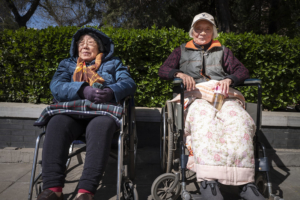
Aging Crisis in ChinaThe aging crisis in China will become a key concern for the country, as “the population aged over 70 years in China is projected to reach [more than] 300 million in 2060.” China is the fastest aging country in the world, but sources show that it struggles to maintain the necessary infrastructure and policies to accommodate its growing elderly population. The World Health Organization reports that an aging population requires different public health and socioeconomic support than a more evenly distributed population does. At the moment, China does not have a well-developed social security net for its elderly. However, studies estimate that the GDP amount spent on services such as pensions, medical care and welfare will need to nearly quadruple by 2050 to meet the needs of China’s population.

The One Child Policy

China’s large aging population is largely attributed to its low birth rate as a result of its one-child policy. The policy, which was in effect from about 1980 to 2015, significantly reduced birth rates. A primary effect of the policy is that the population no longer mirrors a standard age distribution or “population pyramid.” Instead, there are more people who are aged 50-54 than those who are aged 35-39.

Generally, scholars view a youthful population pyramid, where there are more people under age 25, as a better indicator of a nation’s health and longevity. China’s population, however, represents an aging nation, in which a key concern is that by 2050, the working-age population will be less than 60% of the total, leading to severe economic consequences. The aging crisis in China remains a key area of concern for the government, which is forming new policies to combat the issue.

Retirement

Another issue is that many seniors, especially those who are lower income, reach the age of retirement without having enough savings built for retirement. If a person reaches retirement age without a healthy pension or adequate savings, they must either rely on others or, in the worst possible instances, succumb to conditions of poverty.

The same article cites a 2013 study done by Peking University reporting that “only 3% of respondents had a commercial pension and just 0.2% had a private pension.” An aging population can be a sign of increased access to health care and education, but because of China’s current and past enacted policies, a significant revamp of social policies is necessary to accommodate the aging population.

Urban Versus Rural Living

Moreover, limited access to education and rural living is linked to declining cognitive health. Though the World Health Organization reports that across China’s geographic regions, 75% of older people suffer from noncommunicable diseases as of May 2021, China’s poor and low-income populations struggle most with this issue as they have limited access to quality health care.

Research shows that there is significant regional and urban-rural disparity in China regarding economic, social and health issues. Poorer, rural communities have reduced access to care that would enable healthy aging. The COVID-19 pandemic in China has only exacerbated these challenges.

Moving Toward the Future

Once the Chinese government and Chinese academics began to see the long-term impacts of the one-child policy, many groups began prioritizing care for the elderly to begin to repair the aging crisis in China. A study done by Peng Nie and others found that from 2011 to 2015, statistics point to an improvement in healthy aging.

However, there are still significant geographical disparities that groups are seeking to address, such as the link between healthy aging and higher education or the link to higher socioeconomic class.

A positive sign is that China ended its one-child policy in 2015, expanding it to two children, and later, expanding it to three. This is a reassuring sign that China recognizes its aging health crisis, though implementation of policy to help Chinese citizens must be developed as well. Abandoning the one-child policy means that the age breakdown of the Chinese population may even out over the next few decades.

Additionally, the National Center for Gerontology (NCG), established in 2015 and located inside Beijing Hospital, focuses on preventative and control measures related to the aging crisis in China. This manifests in the form of research, training of medical professionals and the prioritization of health services for older people in remote areas.

The NCG published journals and established the National Plan for the Elderly Health Service System (2019–2022), which seeks to solidify a course of action for China. Among other goals, the NCG raises awareness for geriatric issues and encourages people to become involved in geriatric care.

– Lara Drinan
Photo: Flickr

August 10, 2022
https://borgenproject.org/wp-content/uploads/borgen-project-logo.svg 0 0 Kim Thelwell https://borgenproject.org/wp-content/uploads/borgen-project-logo.svg Kim Thelwell2022-08-10 07:30:502022-08-09 04:44:07The Aging Crisis in China
Global Poverty

Gender Wage Gap in China

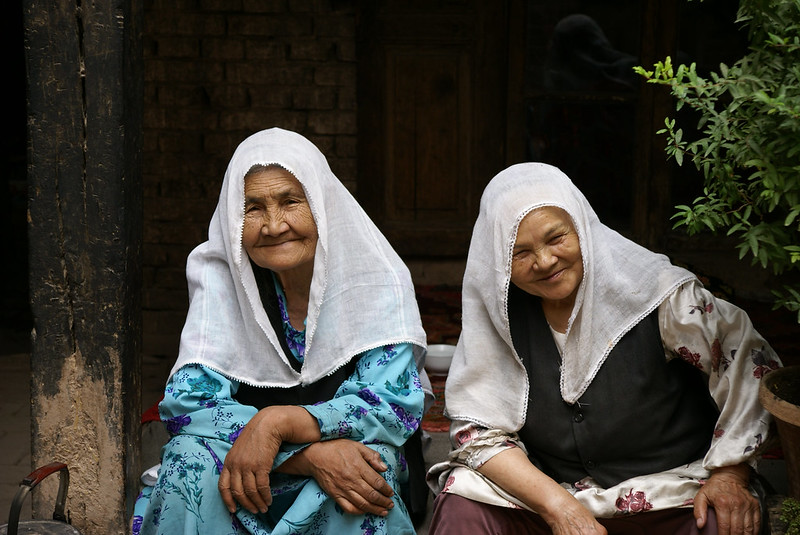
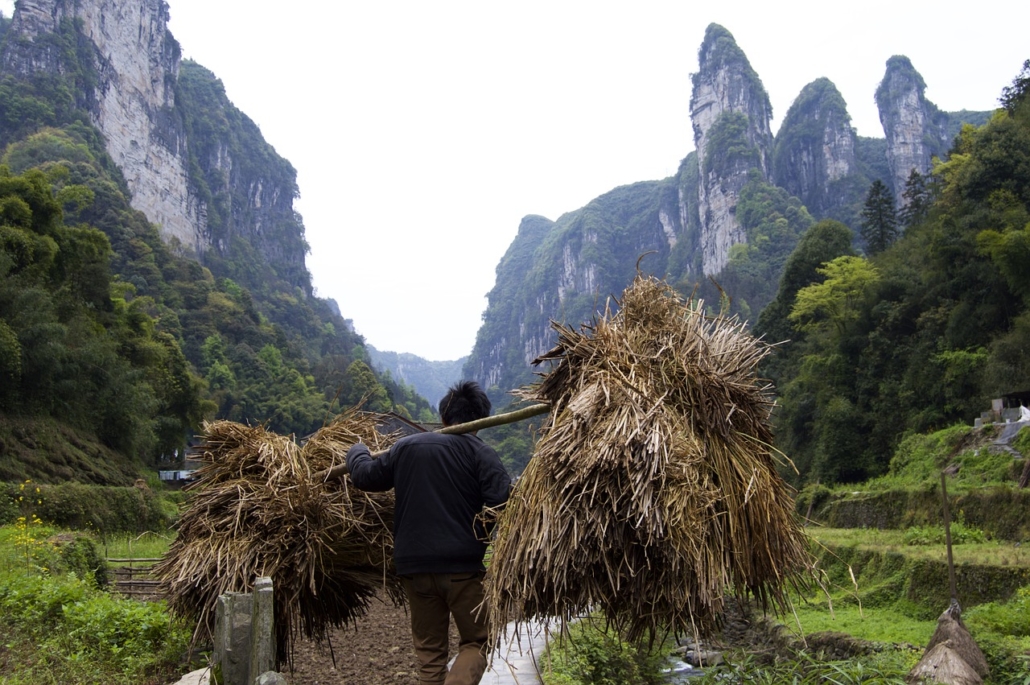
Gender Wage Gap in ChinaGlobally, the gender wage gap prevents economic equity and independence for women or gender non-conforming people. In China, the world’s largest country by population, women still face inequality in the workforce despite significant steps to minimize gender division over the past century. Below are five things to know about the gender wage gap in China.
The Declining Wage

Despite the rapid economic growth and expansion of services in China, the wage gap has increased over the past decade. While many countries move nearer to parity, China ranks 106th in the World Economic Forum’s global gender gap ratings, falling more than 40 places since 2006. “From 2000 to the 2010s,” there was an estimated minimum increase in the wage gap of 150% or more, reflecting a significant drop in the gender gap ratings. In 2000, women’s earnings were approximately 84% of men’s, but by 2013, their average earnings dropped to 65% of men’s earnings. The widening wage gap signifies the glass ceiling women face in the workforce due to gender. It further signals the influence gender holds on economic potential.

Rural vs. Urban

Regional traditions and characteristics shape social and economic institutions, and in China, rural traditions have led to increased discrimination and fewer economic opportunities for women. Despite slogans such as “woman hold half the sky,” certain social dynamics and gender discrimination fail to create equality in wages. Traditional belief systems, such as those tied to Confucian ideology, have deeper roots in rural communities, reducing autonomy and economic independence for women. On the other hand, women have narrower wage gaps in urban areas and corporations than in rural regions; however, the wage gap and other discriminatory factors are still present.

Legality and Bias

While gender discrimination is illegal in China, reports indicate an increased presence of gender-based hiring biases. There are two scenarios of discrimination and wage gap issues in China. One scenario is pay disparity despite equal work. The other is limited access to opportunities. Even with necessary qualifications and credentials, women are less likely to enter positions in management compared to their male counterparts. Furthermore, discrimination toward pregnant women within the workplace is commonplace in Chinese companies, with consequences as extreme as being fired or replaced. Ultimately, these pressures force early returns to work for pregnant mothers and place women in general under greater scrutiny.

Entrepreneurship

The lack of support for women and access to opportunities perpetuates the gender wage gap in China and limits opportunities to create women-led businesses in China. Without women in leading positions, male-dominated high salary positions become more challenging to obtain and increase the bias in favor of men. Even in applying for bank loans, women may face further scrutiny and challenges due to historical barriers that disproportionately affect them. The limitations on entrepreneurship ultimately favor men in business fields as women have restricted access to managerial positions and entrepreneurial opportunities.

The One Child Policy

In 1979, the Chinese government implemented the one child policy to control rapid population growth, allowing exceptions in rural communities. With the policy came increased discrimination against women. Mothers would choose abortion over keeping a daughter or send unwanted daughters to orphanages, resulting in the term “missing women” during this period. While the policy officially ended in 2015, the policy’s impact reflected a preference for sons over daughters and the essential nature of gender in Chinese society. This policy emphasized gender bias and resulted in a mix of reactions; some families who chose to keep daughters invested solely in them.

The widening gender wage gap in China reveals the gender-based biases and discriminations in workplaces; however, it provides the information to form pathways towards equity. To promote gender equality and work toward solutions in an inclusive economy, China partners with the United Nations Development Program and International Labor Organization to empower women in finding work and starting businesses. The All-China Women’s Federation supervises laws and regulations to prevent discriminatory practices to protect and ensure equal rights. While there are necessary steps needed to narrow the gender wage gap in China, the government and NGOs work to ensure equity in the largest country in the world.

– Mikey Redding
Photo: Flickr

September 12, 2021
https://borgenproject.org/wp-content/uploads/borgen-project-logo.svg 0 0 Jennifer Philipp https://borgenproject.org/wp-content/uploads/borgen-project-logo.svg Jennifer Philipp2021-09-12 07:45:392021-09-21 04:02:01Gender Wage Gap in China
Children, Global Poverty, Women & Children

Uyghur Women Speak Up About Abuses in Xinjiang

uyghur women
The Uyghur community in China is a suppressed Muslim Turkish minority centered in Xinjiang, a region in Central Asia. Since 2018, the Chinese government has placed up to two million Muslims and Uyghurs in concentration camps due to their cultural identity and religion. Uyghur women in particular face gendered abuses in addition to this mass incarceration.

Uyghur Women Speak Out on Harmful Practices in Xinjiang

Many courageous Uyghur women have come forward to expose the abuses they faced in the so-called re-education camps China has used since 2018. For example, a 38-year-old woman from Urumqi had to have her fallopian tubes tied because she had three children. Under Chinese rule, only two children are allowed per family.

Unfortunately, this is only one of the numerous cases in which Uyghur women have experienced sexual abuse or harassment in China. Experts believe that China has enforced its one-child policy by preventing 400 million births via forced abortions and mandated contraception. Because Uyghur families in Xinjiang are used to having up to 10 children, this rule is especially oppressive toward Uyghur women.

Since 2017, Uyghur families who violated this rule have experienced harsh punishments and violent attacks. In addition, there were 60,000 sterilizations in Xinjiang in 2018. This is about 57,000 more sterilizations than in 2014, when there were only about 3,000 in the region. As a result, Xinjiang’s population has dropped by more than 10% since 2014.

New Evidence

As a result of the stories women came forward with, new documentation has been released about the cruelties of China’s treatment of Uyghurs in concentration camps. Asiye Abdulaheb, an Uyghur woman residing in the Netherlands, joined forces with the International Consortium of Investigative Journalists to expose 24 pages of documents about the camps. This documentation followed 403 pages detailing the brutalities of Beijing’s concentration camps that were leaked in November 2019. Despite the resistance to China’s camps that followed the release of these documents, the government still denies these accusations. China continues to claim that the concentration camps are just job training centers and nothing more.

Actions to Combat the Oppression of Uyghur Communities

Despite the brutal violence that numerous Uyghur women have endured, many organizations have made strides toward aiding them. The Uyghur Human Rights Project is one such organization. Founded in 2004, the project is a research-based advocacy group dedicated to reporting the abuses faced by many Uyghur families in China.

The One Nation Project, a similar organization, aims to assist Uyghur victims currently living in concentration camps. With over 5 million beneficiaries, the One Nation Project uses donations to deliver food packages to Uyghur families. Other fundraising campaigns also exist to provide aid for Uyghur families. LaunchGood, a crowdfunding platform for Muslims, hosted a fundraiser that raised over $107,000 for Uyghur women and children. So far, the campaign has been able to help cover rent for 67 Uyghur families and has given over 343 monthly allocations to orphans.

Aside from projects and fundraising campaigns, however, there is much more the United States can do to stop the abuse in Xinjiang. One simple step would be ceasing to support forced labor from Uyghur communities. Popular brands such as H&M, Adidas, and Calvin Klein have been found to sell products made by forced Uyghur labor. More than 180 organizations are advocating for banning products made from forced Uyghur labor. Rep. Ro Khana, D-CA, goes further to ask the U.S. government to prohibit the importation of products made in Chinese camps.

Having stronger foreign policies can also allow the United States to obtain more support for Uyghur victims. As of now, the United States has lessened its involvement in the U.N. and has failed to hold China accountable for its abuses against Uyghur women and families. Because China is one of the five primary members of the U.N. Human Rights Council, it has the power to veto any proposal. With greater involvement in the U.N., the U.S. could work against the harmful practices that China conducts in Xinjiang. Foreign involvement in this issue is crucial. If the U.S. leveraged its power, alongside multiple projects and campaigns helping Uyghur victims, the abuses against Uyghur families could stop in the future.

– Aishwarya Thiyagarajan
Photo: Flickr

September 22, 2020
https://borgenproject.org/wp-content/uploads/borgen-project-logo.svg 0 0 Kim Thelwell https://borgenproject.org/wp-content/uploads/borgen-project-logo.svg Kim Thelwell2020-09-22 15:28:302020-09-22 15:28:30Uyghur Women Speak Up About Abuses in Xinjiang
Child Poverty, Global Poverty

7 Facts About Inequality in China

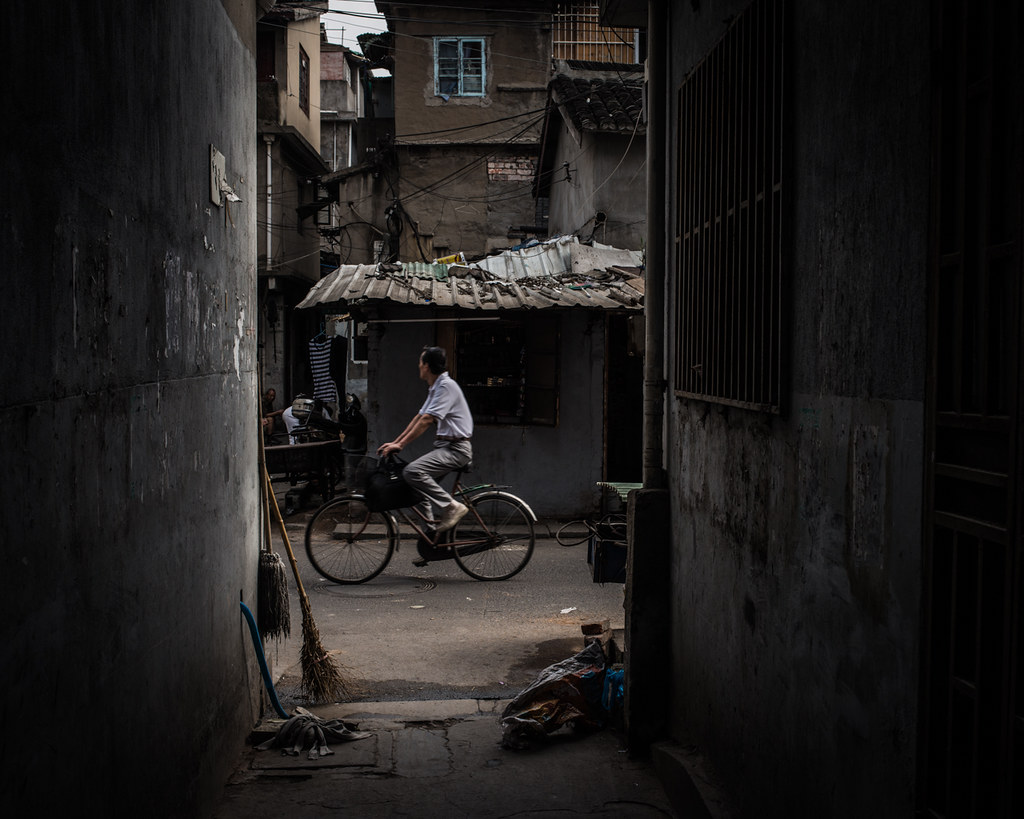
inequality in chinaChina, a vast country harboring nearly 1.4 billion people, is situated in East Asia. In 1944, China, one of the four Allied powers during the Second World War, became a pillar in forming what would later become the United Nations. Furthermore, China has become one of the fastest growing nations throughout the world. Despite its longstanding partnership with the U.N. and its rapid economic growth, widespread inequality and poverty still exist in China. Here are seven facts about inequality in China.

7 Facts About Inequality in China

  1. Income inequality is due to many systemic factors. Location within the country, families, lineage and hukou (home registration) play a vital role in individuals’ income. Another element is the swift economic expansion that has overtaken the country, which many view as a necessity for the country’s development.
  2. Rapid economic expansion has both hindered and helped China. In 1978, China opted to expand its economy, which has made its GDP rise by nearly 10% annually. The swift growth has allowed over 850 million people — more than half of the population — to remove themselves from poverty. However, 373 million people still make $5 a day on average in China. Due to China’s rapid expansion, inequality across social, economic and environmental spheres persists.
  3. The merit-based Hukou system plays a pivotal role in the income gap between urban and rural locations. Moreover, it hinders rural workers from migrating and contributing to the larger urban centers spread across the country. China’s eastern seaboard is home to numerous densely populated cities, which has left the western regions predominantly rural. This system favors the upper echelon of society while discriminating against former farmers from villages.
  4. China has 23 provinces, yet five are autonomous. These self-governing regions include Taiwan, Hong Kong and Macau. Taiwan is considered a province yet it still has its currency, localized government and the national flag. Hong Kong and Macau are considered administrative regions, with the former set to be absorbed by the mainland in the coming years.
  5. In 1979, Mao Zedong, founding father of the People’s Republic of China, implemented a one-child policy that aimed to control the rapidly growing nation. More than three decades later, the country changed the policy to allow for two children per family in 2015. Despite strict efforts to diminish the surge in population, China still has a large proportion of children across all developing nations and a significant child poverty issue.
  6. Child poverty is a big issue in a country of nearly 1.4 billion. China holds one out of every five children across the developing world. Child poverty in China is a generational issue that can be traced back to family dynamics. However, the country is providing social assistance for children attending their education and for being fed an adequate amount. This strategy is known as a conditional cash transfer, and it helps children climb out of poverty.
  7. Healthcare hurts the poor. Nearly 200 million farmers have fled their respective regions to find work in cities, but the China has adopted a “pay first, claim later” form of healthcare. China has aimed to tackle healthcare through its rural poverty alleviation program; however, high medical expenses have adversely affected rural populations.

Despite China’s rapid economic growth, the country has suffered and experienced backlash over its imbalance in the social welfare of its citizens, its impact on climate change and the economy. These facts about inequality in China highlight elements that have played a role in perpetuating inequality and how it has predominantly affected those from rural settings. However, the country is determined to turn the tide on these challenges and has made headway moving forward, supported by the U.N.

– Michael Santiago
Photo: Needpix

September 11, 2020
https://borgenproject.org/wp-content/uploads/borgen-project-logo.svg 0 0 Kim Thelwell https://borgenproject.org/wp-content/uploads/borgen-project-logo.svg Kim Thelwell2020-09-11 09:09:042024-05-27 09:27:587 Facts About Inequality in China
Global Poverty, Homelessness

Understanding Homelessness in China

Homelessness in China
Homelessness in China is a significant humanitarian concern that affected approximately 2.6 million people as of 2011. China is a unique economic powerhouse, a manufacturing giant with the authoritarian remnants of a communist state and a marvel of global tourism despite its isolationist past. The nation’s mammoth population of 1.4 billion adds yet another set of challenges in negotiating economic and social issues. To better understand the dynamics and origins of homelessness in China, there are several factors to consider.

Natural Disasters

The roots of homelessness in China are not strictly economic. Infrastructural damage from natural disasters can ravage populated areas and leave thousands without housing. In 2000, the Yunnan earthquake resulted in the sudden displacement of more than 100,000 people. China’s population density makes disaster relief especially challenging. In 2008, an earthquake hit southwestern China, compromising the housing of nearly 5 million people in an area, “roughly the size of Massachusetts, Vermont, New Hampshire and New Jersey combined.” Beijing appealed for international aid to account for the enormous population in need of temporary housing, food and other supplies. Disaster relief and reconstruction efforts cost the Chinese government $441 billion. Six months following the earthquake, 685,000 homes underwent reconstruction and some rebuilt 200,000 entirely. Even so, around 1.94 million affected households were still living without permanent shelter.

Childhood Homelessness

Nearly 1 million of those experiencing homelessness in China are children. About half of these children are runaways, hoping to escape abusive or impoverished households. Unsurprisingly, these children and adolescents are vulnerable to the lures of gangs and drug use. With an average age of 14 to 15, most of these at-risk youths receive fewer than four years of elementary education. This limits their opportunities for social mobility as they enter adulthood. The one-child policy, China’s aggressive initiative to curb population growth, has also had a direct impact on rates of child displacement. Because of a cultural preference for male children, many girls ended up homeless or in orphanages.

Fortunately, rates of child abandonment have lowered significantly within the past decade. China’s economic development has allowed for higher standards of living and better prenatal care. The end of the one-child policy in 2016 has also lowered rates of child abandonment, particularly for female children. Organizations like China Care help orphaned children with special needs find permanent homes and receive proper medical care. This organization also provides adoptive families with the financial aid necessary to afford adoption costs.

Mental Health

Although the rate of homelessness among the mentally ill is lower in China than in many high-income countries, the relationship between homelessness and mental unwellness is clear. In a 2015 study that the PLOS ONE Journal published, a psychiatrist used a Structured Clinical Interview to screen homeless individuals for DSM-IV Axis-I disorders. Among the subjects that researchers interviewed, 71% had a history of mental illness, 25% of subjects reported alcohol abuse, 25% reported substance abuse and 10% struggled with psychotic disorders. These figures are conservative, as researchers considered nearly one-fifth of the individuals they assessed too ill to consent to participating in the study. Yet, only 13% of those afflicted reported receiving psychiatric care at the time of the study.

This low treatment rate paints a bleak picture of insufficient mental health resources for homeless individuals. In many cases, people must consider patients dangerous before patients can receive involuntary treatment. However, these policies occur with prolonged periods of untreated psychosis. This study points out that mental healthcare professionals should receive training and education on compulsory treatment options for this vulnerable population.

Strides Forward

Despite the complexities of addressing this multidimensional crisis, considerable infrastructure currently supports China’s homeless. Government-subsidized social services are growing, and local governments often ‘buy’ the services of NGOs to provide proper aid. This is naturally scaled to accommodate China’s large populace: as of 2014, China had 2,000 shelters and employed around 20,000 social workers to provide assistance.

– Stefanie Grodman
Photo: Flickr

June 22, 2020
https://borgenproject.org/wp-content/uploads/borgen-project-logo.svg 0 0 Kim Thelwell https://borgenproject.org/wp-content/uploads/borgen-project-logo.svg Kim Thelwell2020-06-22 01:30:212020-06-18 06:54:51Understanding Homelessness in China
Global Poverty

Top 10 Facts About Overpopulation in China

Overpopulation in ChinaChina is one of the largest countries in the world by population and landmass, with over 1.4 billion citizens and 9.6 million kilometers of land. Overpopulation in China has resulted in the difficulty to sustain a quality of living that a majority of citizens would prefer. For example, China is also home to the 4th largest desert in the world, the Gobi Desert. With a growing population and aging citizens, how will China account for the density and demands of its citizens?

Top 10 Facts About Overpopulation in China

  1. China has the world’s largest megalopolis – A region in China known as the Pearl River Delta houses nine major cities and administrative districts. The Pearl River Delta has a population of more than 105 million. It also has a GDP larger than the entire population of Indonesia. With a massive amount of wealth and a growing population, there are concerns about pricing out long-time residents in favor of wealthy newcomers.
  2. Urbanization is a driving factor – China’s metropolitan and modern citizens are no different in terms of their housing desires when compared to urban western citizens. Many housing blocks in administrative regions such as Hong Kong have an illegal housing market to combat the lack of legal housing available. This opportunistic and morally-questionable market takes advantage of poorer, blue-collar workers who pay exorbitant prices in relation to their accommodations to remain in the city for work.
  3. China’s population and land statistics are relatively average versus western countries – With the world’s largest population and a large amount of land, one would think China could solve its population crisis easily. However, statistics from Business Insider show that for every square kilometer in China, there are 139.6 people. For every square mile, the number nearly triples. A majority of citizens desire to live in cities rather than in rural regions.
  4. China’s large population is declining – According to a report from the Chinese Academy of Social Sciences, China’s population will peak in 2030 and begin declining as early as 2027. The reason for this decline is the lack of children being born in large part due to the one-child policy. The one-child policy was maintained for years. Due to cultural differences, Chinese families preferred having boys to girls. Now, China is the only country in the world with more men than women.
  5. Aging will be a massive issue for China in the long run – A 2016 report from China’s National Bureau of Statistics released data predicting that 25 percent of China’s population will be over the age of 60 by 2030.
    Conversely, the working-age population will have decreased by 80 million citizens by 2030. Population control in the early 1980s, when the one-child policy was first implemented, is to blame for the decreasing numbers.
  6. China is establishing new cities – In order to curb the expanding population and desire for modern, urban lifestyles, China has taken to constructing new metropolitan areas. A 2017 announcement from the Chinese government stated that the Xiongan New Area will be established to alleviate overcrowding in Beijing. This project is expected to have a positive economic effect on the country with a mass surge of housing purchases in the Xiongan New Area following the announcement.
  7. Population control is being used in the largest cities – In Shanghai and Beijing, the Chinese government is implementing a cap on the populations. A cap of just over 50 million will allow citizens to live within the boundaries of these cities. However, migrants and citizens disenchanted by or looked down on by the government are being disproportionately pushed out of the cities.
  8. The global economy is in danger due to falling fertility rates – A 2019 report from the Chinese Academy of Social Sciences has predicted the population to decline by roughly 200 million by 2065. This dramatic decrease in population size is due to the nature of modernizing citizens pursuing careers and stability over a family. An estimate made from the academy stated that a rate of 2.1 children minimum per woman is necessary to maintain the working population.
  9. The government provides and enforces medical options to control the overpopulation in China – The 1980s saw the first fears of overpopulation come to light. The one-child policy was one aspect of controlling those fears, and another was the use of birth control. The Chinese government originally used abortion, sterilization and vasectomies. Today, the government focuses on similar methods of population control.
  10. In all likelihood, overpopulation in China is not a long-term issue – Many organizations and think tanks have calculated that a population bust will occur all over the world. The Chinese Academy of Social Sciences is one such organization to have predicted this population bust all across China. The variety of factors that contribute to this decline come from changing cultural, social and financial factors.

While overpopulation in China does face its large cities, in general, it is not a threat to the country. Population decline, however, could affect the country to a much larger degree, economically.

-Zach Margolis
Photo: Flickr

June 2, 2019
https://borgenproject.org/wp-content/uploads/borgen-project-logo.svg 0 0 Kim Thelwell https://borgenproject.org/wp-content/uploads/borgen-project-logo.svg Kim Thelwell2019-06-02 12:26:312024-05-29 23:00:00Top 10 Facts About Overpopulation in China
Global Poverty

Causes of Human Trafficking in China

Causes of Human Trafficking in China
Human trafficking encompasses any exploitation or forced trade of humans against their will. This includes sex trafficking, child labor, forced labor and even forced adoptions and marriages. Human trafficking has risen to extremely high rates in China and the country has been identified as having one of the world’s highest rates of human trafficking in the world.

About Human Trafficking in China

Traffickers have transported Chinese trafficking victims to every single continent around the world. Approximately 600,000 workers willingly migrate to China on the basis of false promises regarding work opportunities, including escapees from North Korea. Instead of finding work, many are set up and sold into human trafficking organizations. They are usually forced into hard labor, prostitution or entertainment industries. There are numerous causes of human trafficking in China. Supply chain companies, many of which sell their products to the United States, utilize human trafficking to obtain cheap or free labor to mass produce their products.

Causes of Human Trafficking in China

The one-child policy has contributed to human trafficking in China and can be considered as one of the main reasons for this negative trend in the country. In an effort to control the growing population, the country limited each family to a maximum of one child. The prioritization of male children over females has led to an uneven gender distribution ratio.

This results in less marriageable women and, therefore, the purchasing of wives through human trafficking. Children are also kidnapped from poverty-stricken rural areas and sold to parents that are unable to have children themselves. Overall, the largest causes of human trafficking in China are the high unemployment rates in rural areas, mass production increase in urban areas and lack of enforced punishment by government and law.

Tackling the Issue

China does not meet the minimum requirement of standards necessary to combat the rise of human trafficking. However, as the entire world learns about the issue, the country has begun to make efforts to fight against human trafficking. The Central Committee, the State Council and local governments and institutions are designated to tackle this issue.

Many organizations, predominately those that women organize, have been prominent in providing knowledge about sex trafficking to uneducated women. Paired with the Ministry of Justice, the All China’s Women’s Federation has produced many anti-trafficking printouts and propaganda. China has increased cooperation with other countries attempting to investigate cases of Chinese trafficking overseas, as well as provided shelters for trafficking victims and funded awareness campaigns to increase knowledge surrounding the issue.

These efforts, however small, go a long way in helping prevent the rise of human trafficking in China. Providing awareness to uneducated and poverty-stricken rural areas is a large first step, as many people fall into trafficking simply by being unaware of what it is, what it looks like and how it occurs. There is a long way to go, but with the help and encouragement of international countries, the causes of human trafficking in China will begin to lessen. The first big step, the recognition of the problem, is already done.

– Mary Spindler

Photo: Flickr

January 23, 2019
https://borgenproject.org/wp-content/uploads/borgen-project-logo.svg 0 0 Kim Thelwell https://borgenproject.org/wp-content/uploads/borgen-project-logo.svg Kim Thelwell2019-01-23 13:30:102024-05-29 22:58:03Causes of Human Trafficking in China
Children, Family Planning and Contraception, Global Poverty, Health, Human Rights, Violence Against Women, Women & Children

China Eases One-Child Policy

China_One_Child_Policy_Baby
In late December 2013, China’s Standing Committee of the National People’s Congress formally introduced measures to ease its notorious one-child policy.

The major tweak of the one-child policy now allows parents to conceive a second child if just one of the parents is an only child.

Previously, parents were allowed a second child only if each parent was an only child. Rural couples on the other hand, were allowed a second child only if the first born was female.

The new measures will be implemented in a phased process at the local level. Furthermore, provincial leaders now have the authority to introduce the changes in accordance with local demographic needs.

While modest, the change will hopefully reduce the number of human rights abuses perpetrated against Chinese women since the policy’s inception in 1979. In the New York Times, OP-ED contributor Ma Jian details some of the horrific experiences Chinese women endure when authorities become aware of a second conception.

She describes the staggering amount of personal invasion local officials engage in to enforce the one-child policy. Family planning officers vigorously chart data regarding menstrual cycles and pelvic exams of every female of child bearing age within every village.

Many of these women are subjected to forced abortions and sterilizations if they are found within violation of the policy.

Probably one of the most egregious injustices of the policy is its disproportionate enforcement. The policy frequently targets poor citizens while bypassing wealthy individuals.

In fact, all violators can avoid the consequences of having a second child if they pay a fine that falls within the range of three times to 10 times the annual household income. It goes without saying that poor citizens, unable to pay the steep fine, either flee their home to avoid the authorities or become victims of forced abortions.

Many see the easing of the policy as a response to the looming demographic crisis that China now faces after 30 years of steadily implementing the one-child policy.  Some say the change is too little, too late.

Nicholas Eberstadt reports in the Wall Street Journal, that even with the policy change, the Chinese government only expects one million extra births per year, resulting in only a six percent increase in the fertility rate.

He also discusses the lasting effect the one-child policy will have long after its easing. For instance, individuals born under the previous policy will be entering the workforce in 2030 and deciding to get married in 2035.

Demographers predict that at the end of the decade there will be over 24 million men incapable of finding a woman to marry. One can expect this number to increase by 2035.

The inability for many to reproduce will leave China with an aging population that will increasingly reduce the number of individuals who are able to work as well as government resources. By 2050, over one quarter of the Chinese population will be over the age of 65.

– Zachary Lindberg

Sources: BBC, The Wall Street Journal, The New Yorker
Photo:  Dailystormers


February 9, 2014
https://borgenproject.org/wp-content/uploads/borgen-project-logo.svg 0 0 Borgen Project https://borgenproject.org/wp-content/uploads/borgen-project-logo.svg Borgen Project2014-02-09 04:00:392016-12-15 08:15:57China Eases One-Child Policy

Get Smarter

  • Global Poverty 101
  • Global Poverty… The Good News
  • Global Poverty & U.S. Jobs
  • Global Poverty and National Security
  • Innovative Solutions to Poverty
  • Global Poverty & Aid FAQ’s
Search Search

Take Action

  • Call Congress
  • Email Congress
  • Donate
  • 30 Ways to Help
  • Volunteer Ops
  • Internships
  • Courses & Certificates
  • The Podcast
Borgen Project

“The Borgen Project is an incredible nonprofit organization that is addressing poverty and hunger and working towards ending them.”

-The Huffington Post

Inside The Borgen Project

  • Contact
  • About
  • Financials
  • President
  • Board of Directors
  • Board of Advisors

International Links

  • UK Email Parliament
  • UK Donate
  • Canada Email Parliament

Get Smarter

  • Global Poverty 101
  • Global Poverty… The Good News
  • Global Poverty & U.S. Jobs
  • Global Poverty and National Security
  • Innovative Solutions to Poverty
  • Global Poverty & Aid FAQ’s

Ways to Help

  • Call Congress
  • Email Congress
  • Donate
  • 30 Ways to Help
  • Volunteer Ops
  • Internships
  • Courses & Certificates
  • The Podcast
Scroll to top Scroll to top Scroll to top