• Link to X
  • Link to Facebook
  • Link to Instagram
  • Link to TikTok
  • Link to Youtube
  • About
    • About Us
      • President
      • Board of Directors
      • Board of Advisors
      • Financials
      • Our Methodology
      • Success Tracker
      • Contact
  • Act Now
    • 30 Ways to Help
      • Email Congress
      • Call Congress
      • Volunteer
      • Courses & Certificates
      • Be a Donor
    • Internships
      • In-Office Internships
      • Remote Internships
    • Legislation
      • Politics 101
  • The Blog
  • The Podcast
  • Magazine
  • Donate
  • Click to open the search input field Click to open the search input field Search
  • Menu Menu

Tag Archive for: Inequality

Posts

Global Poverty, Health, Technology

Uyghur Health Care Disparities in Xinjiang

Uyghur Health Care DisparitiesThe Uyghur population in China’s Xinjiang Uyghur Autonomous Region (XUAR) faces numerous health care challenges. These challenges contribute to the overall hardships experienced by this ethnic minority. These plights stem from systemic discrimination, inadequate health care infrastructure and human rights violations, all of which exacerbate poverty.

Current Health Care Situation

The distribution of health care services in Xinjiang is highly unequal. Approximately 80% of the region’s health care infrastructure is concentrated in urban areas predominantly inhabited by Han Chinese. Consequently, rural Uyghur communities are forced to rely on substandard and unregistered clinics. Moreover, reports indicate that Uyghurs have been subjected to forced medical treatments, including sterilizations and organ harvesting. These practices violate basic human rights, instill fear and mistrust in the health care system and discourage many from seeking assistance.

Impact on Poverty

Uyghur health care disparities compound existing poverty levels. Poor health reduces an individual’s ability to work and contribute economically. The lack of adequate maternal and child health care services has also led to higher infant mortality rates, further hindering the community’s development. This has created a vicious cycle of poverty and illness.

Health care inequalities contribute to the broader economic divide in Xinjiang. Employment discrimination and social exclusion limit Uyghurs’ opportunities for upward mobility. The economic marginalization fuels ethnic unrest and perpetuates a sense of injustice among the Uyghur population.

NGO Efforts and Interventions

Several nongovernmental organizations (NGOs) have stepped in to address such challenges. These organizations focus on research-based advocacy, raising awareness of human rights violations and pushing for policy changes to improve health care access. The Uyghur Human Rights Project (UHRP) and Human Rights Watch (HRW) document and report crimes against humanity, advocating for global recognition and condemnation of these practices. Such efforts aim to increase international pressure on the Chinese government to improve conditions and ensure the rights and well-being of the Uyghur population.

On the ground, organizations like Muslim Aid USA are taking vital steps to aid Uyghur refugees by providing essential health care services. It established medical clinics and mobile health units in refugee camps and urban settlements, offering maternal and child health services, vaccinations and treatment for common illnesses. Additionally, it recognizes the psychological trauma many refugees endure and is working to provide mental health support. These efforts are crucial in mitigating the Uyghur health care disparities that result in their impoverishment.

Positive Prospects and Technology

Technological advancements such as telemedicine offer innovative solutions to bridge the health care gap. By leveraging digital platforms, providers can reach remote Uyghur communities with medical consultations, health education and monitoring services. Telemedicine is a step toward improving their well-being and empowering individuals to take charge of their health. With continued advocacy and international support, there is potential for progress in Uyghur health care access and quality to create a more equitable future.

– Asiya Siddiqui

Asiya is based in Fremont, CA, USA and focuses on Good News and Global Health for The Borgen Project.

Photo: Flickr

July 19, 2024
https://borgenproject.org/wp-content/uploads/borgen-project-logo.svg 0 0 Lynsey 2 https://borgenproject.org/wp-content/uploads/borgen-project-logo.svg Lynsey 22024-07-19 01:30:052024-07-18 10:25:44Uyghur Health Care Disparities in Xinjiang
Charity, Global Poverty, Government

Raising the Hong Kong Minimum Wage

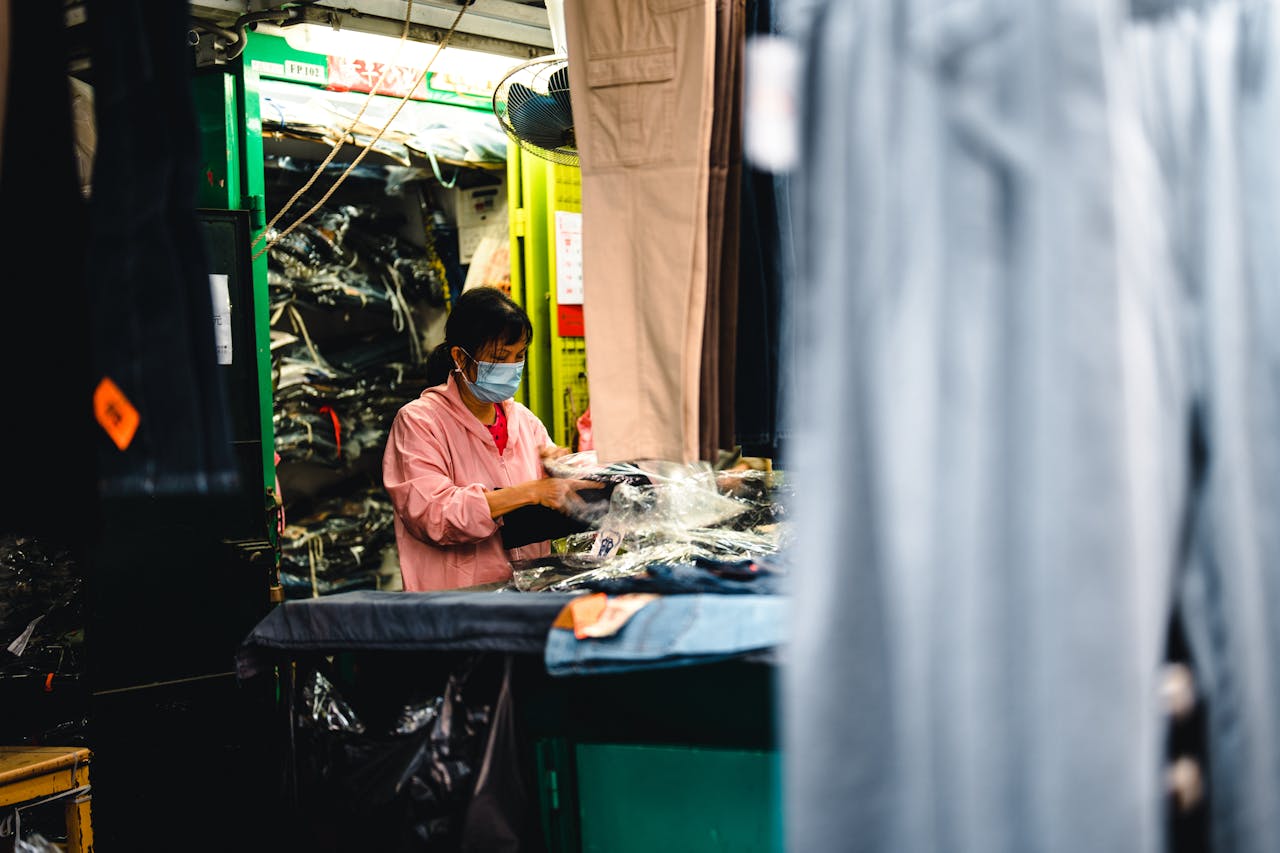
Hong Kong Minimum WageHong Kong is consistently ranked one of the world’s most expensive cities, with some of the least affordable housing and, so too, the most luxurious lifestyles. However, according to the Hong Kong Poverty Situation Report for 2020, 23.6% of Hong Kong’s population – around 1.65 million people – live in poverty and are unable to afford necessities.

The charity Oxfam has been active in Hong Kong since the ’70s and set up a domestic program team in 1996. In 2018, Oxfam Hong Kong commissioned the Chinese University of Hong Kong to conduct research on the national living wage. This was the first of its kind in Hong Kong, but it was just the beginning of the organization’s work to tackle poverty in the city.

Those Below Hong Kong’s Poverty Line

Although the overall median household income was HK$29,000 (about $3,480) in 2023 (a 1.7% increase since before the COVID-19 pandemic), Oxfam argues that the growing disparity between the poorest and the wealthiest in Hong Kong society, largely due to the slow financial recovery of the poorest households after the pandemic, should act as “alarm bells for the whole of society.”‘

Hong Kong’s poorest residents made almost 60 times less than its wealthiest in the first quarter of 2023. Oxfam, citing the Census and Statistics Department, states that in the first few months of 2023, the median monthly income of the poorest 10% of households stood at HK$2,300 ($276), 57.7 times less than the wealthiest 10% of households, which earned HK$132,600 (approximately $16,000) in the same period.

Hong Kong’s “poverty line” operates on the principle of relative poverty. This means any household earning less than 50% of the median monthly household income before tax and welfare transfers is considered to be living in poverty. However, the 2024 Legislative Council Panel on Welfare Services Latest Work Progress on the Commission of Poverty states that the official ” poverty line” only takes household income as the sole indicator of their economic situation.

Wong Shek-hung, the Director of the Hong Kong, Macau and Taiwan Oxfam program, argued that a Hong Kong minimum wage that only considers household income is not enough. Shek-hung states that food costs increased by more than 7% from December 2019 to December 2022. She also pointed out that energy costs increased by more than 11% within the same period, which reflected similar cost increases around the world.

Oxfam’s Work

Oxfam believes that the growing disparity between the wealthiest and poorest in Hong Kong society clearly displays how “inequality breeds poverty.” Therefore, Oxfam supports various initiatives to help make a difference for those who need it most. Oxfam lobbies the Hong Kong government to consider the cost of living, such as the cost, as mentioned earlier, of necessities like food and energy when determining the poverty threshold.

Oxfam is aware that society’s poorest bear the brunt of adverse climatic conditions’ negative effects. So, the organization urges the Hong Kong government to develop official policies to support those living in poor conditions in adapting to different climatic conditions and increasingly frequent dramatic weather events. This includes a heat index that would stop outdoor work in high temperatures to reduce the risk of heat stroke. Oxfam also encourages the government to review the Hong Kong minimum wage in a post-COVID-19 society, as the path to financial recovery is much more difficult for lower-income households.

Results and Final Comments

The Hong Kong minimum wage was frozen at HK$37.50 ($4.78) from 2019 up until 2023 when, thanks to lobbying from organizations like Oxfam, the government raised it by HK$2.50 ($0.3) to HK$40 per hour ($5.1). This was a huge step for labor organizations in Hong Kong, but Oxfam argues that it is still not enough.

Oxfam found that nearly 210,000 people in Hong Kong were living in poverty in 2023 despite being employed. It stated that a minimum wage of $5.1 per hour was still lower than what a family of two would receive through social security programs. Oxfam Hong Kong continued to urge the government to raise the minimum wage to “at least 45.5 Hong Kong dollars.”

The government announced in May of 2024 that it planned to raise the Hong Kong minimum wage by 4.5% to HK$41.85 ($5.36). These small changes are thanks to the work of those at Oxfam Hong Kong, who are defending the lowest earners in society. Their advocacy is a testament to the change that can be made by lobbying governments about the most vulnerable in society.

– Kristina Grant

Kristina is based in Scotland and focuses on Business and Technology for The Borgen Project.

Photo: Pexels

July 8, 2024
https://borgenproject.org/wp-content/uploads/borgen-project-logo.svg 0 0 Lynsey 2 https://borgenproject.org/wp-content/uploads/borgen-project-logo.svg Lynsey 22024-07-08 01:30:022024-07-07 14:16:51Raising the Hong Kong Minimum Wage
Economy, Global Poverty, Inequality

Guatemala’s Economic Growth and Equality

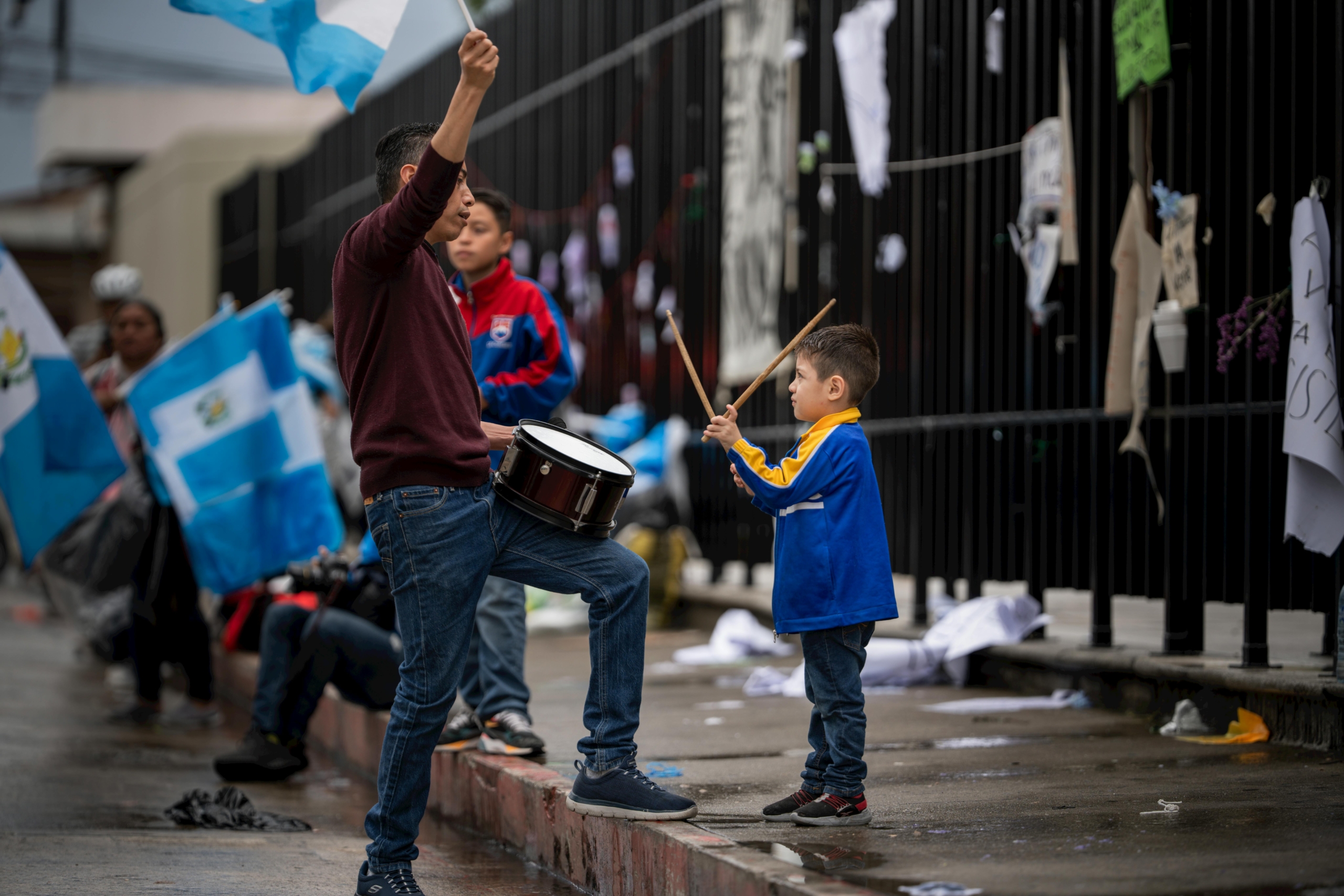
Guatemala’s Economic GrowthIn the past three decades, Guatemala has experienced a steady economic growth trajectory, yet this progress has not translated into significant reductions in poverty or inequality. Since the signing of the 1996 peace accords, which ended a 36-year civil war, the Guatemalan economy has grown at an average annual rate of 3.5%. This period of economic expansion saw the gross domestic product (GDP) growth rates of 4.1% in 2022 and 3.6% in 2023​.

However, these figures mask a deeper issue: the benefits of this growth have not been evenly distributed across the population. Urban areas, particularly Guatemala City, have seen substantial investment and development, while rural and indigenous communities continue to lag. This disparity highlights the challenge of achieving inclusive growth that benefits all segments of society.

Key Drivers of Economic Growth

Guatemala’s economy is largely driven by the private sector, which contributes approximately 85% of the country’s GDP. The services sector is the largest, accounting for 68% of GDP. This includes a wide range of activities such as banking, tourism, retail and telecommunications. The manufacturing sector, contributing 14%, is also a vital component, with industries such as food processing, textiles and pharmaceuticals playing significant roles​​.

Agriculture, though comprising only 10% of GDP, remains a critical sector, employing a substantial portion of the population and producing key exports like coffee, sugar and bananas. Additionally, remittances from Guatemalans living abroad, particularly in the United States (U.S.), are a crucial economic lifeline, contributing significantly to household incomes and foreign exchange reserves​.

Persistent Poverty and Inequality

Despite Guatemala’s economic growth and stability, poverty and inequality remain pervasive issues. As of 2023, approximately 55.1% of Guatemala’s population lives in poverty, with indigenous and rural communities bearing the brunt of this economic hardship​​. These communities often have limited access to education, health care and employment opportunities, perpetuating a cycle of poverty.

The informal sector is a substantial part of the economy, accounting for 49% of GDP and employing 71.1% of the workforce​. This sector is characterized by low wages, job insecurity and lack of social protections, which further exacerbate economic disparities. The country faces significant human capital challenges, with high rates of child malnutrition and limited access to basic services such as clean water, sanitation and electricity​.

Efforts and Challenges

Various initiatives have been undertaken to address these socioeconomic challenges. The U.S. Agency for International Development (USAID) has been active in Guatemala, implementing programs aimed at improving financial management, fostering innovation and supporting entrepreneurship. These programs are designed to create a more conducive environment for business growth and to empower local entrepreneurs.

However, the effectiveness of these initiatives is often undermined by systemic issues such as corruption and governance weaknesses. Corruption remains a significant problem, affecting public trust and the efficient allocation of resources.

Potential for Future Growth

Guatemala has considerable potential for future growth, thanks to its rich natural resources, cultural heritage and strategic geographical location. The country is rich in minerals such as gold, silver and nickel, which present opportunities for the mining sector. Its cultural heritage and natural beauty make it an attractive destination for tourism, which can be a significant source for Guatemala’s economic growth. 

– Sofia Reynoso

Sofia is based in Tampa, FL, USA and focuses on Business and New Markets for The Borgen Project

Photo: Pexels

July 2, 2024
https://borgenproject.org/wp-content/uploads/borgen-project-logo.svg 0 0 Lynsey 2 https://borgenproject.org/wp-content/uploads/borgen-project-logo.svg Lynsey 22024-07-02 03:00:272024-07-01 09:14:31Guatemala’s Economic Growth and Equality
Global Poverty, Women and Female Empowerment, Women's Rights

Addressing Gender Wage Inequality in Uganda

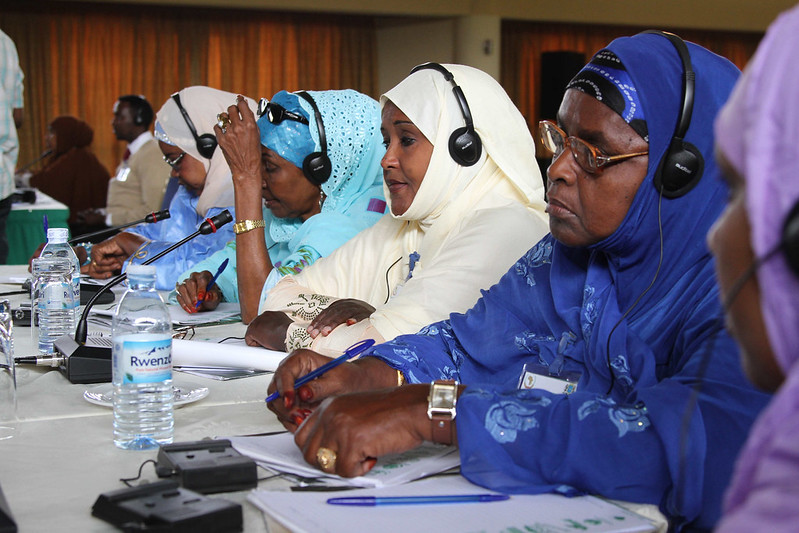
Addressing Gender Wage Inequality in UgandaDespite Uganda making significant strides in women’s participation in the labor force, wage disparities continue to reflect broader gender inequalities in the country’s workforce. Women in Uganda face substantial wage disparities compared to men, with women earning 32.3% less than men monthly. This stark reality highlights the ongoing issue of wage inequality in Uganda.

Household Dynamics and Marital Status

In Uganda, labor market participation varies significantly between men and women, influenced by household type and marital status. Men consistently have higher employment rates across all categories. The gender employment gap is smallest in single-person households, at 3.9 percentage points (p.p). This gap increases slightly to 4.1 p.p for households with one child and 4.6 p.p for those with two children. The largest disparity occurs in households with more than one adult and no children, where the gap widens to 10.8 p.p. Marital status further affects this gap, with married women facing more significant challenges in the labor market than their single counterparts, often due to childcare and family responsibilities. Additionally, the gender employment gap widens among individuals with secondary and tertiary education, particularly as the number of children in the household increases. This complexity is another facet of wage inequality in Uganda.

Working Hours and Education

Analysis reveals that women tend to work fewer hours than men across all education levels. While women aged 15 to 24 work more hours, the gap widens as they enter older age brackets, with women aged 25 to 64 working significantly fewer hours. Moreover, occupational segregation is particularly pronounced among individuals with secondary education, where more than half of women and men would need to swap jobs to achieve occupational parity. 

Occupational Segregation

Occupational segregation plays a significant role in perpetuating gender wage disparities. Women in Uganda often work in lower-paying sectors such as agriculture, informal trade and domestic work. Men, on the other hand, dominate higher-paying sectors like manufacturing, construction and technology. In the highest-skill occupational group, which includes legislators and managerial workers, women are also underrepresented across all categories. Interestingly, in this group, women earn 8.5% more than men on average. However, a glass ceiling is evident, as the gender pay gap is larger among the top 10% of wage earners.

Government Efforts to Address Gender Wage Inequality

Although the government has made significant strides in fostering gender equality through its policies, gender inequality persists. Uganda has formulated gender-responsive policies and strategies to enhance gender equality and empower women and girls, in line with the constitution, which prohibits discrimination and promotes women’s rights.

Key initiatives include:

  • National Development Plan (NDP II) (2015–2020). Emphasizes affirmative action and gender equality in national planning.
  • National Gender Policy (2007) and National Action Plan on Women (2007). Guide gender mainstreaming across sectors.
  • Integration of Global Agenda 2030 Sustainable Development Goals (SDGs). Particularly focusing on SDG 5, which aims to achieve gender equality and empower all women and girls.

High-level policymakers have developed and endorsed a comprehensive set of priority gender indicators, known as the National Priority Gender Equality Indicators (NPGEIs). These indicators, aligned with global commitments, integrate into the national standard indicator framework to systematically track progress on gender equality.

Recommendations by the World Bank

The World Bank proposed that to close gender gaps in economic empowerment, policy actions need to be taken in three key areas:

  • Provision of Support to Growth-Oriented Enterprises. This involves supporting women entrepreneurs to help them transition from micro-enterprises to larger, more profitable businesses.
  • Addressing Women’s Time Poverty. Expanding access to early childhood education programs and implementing appropriate childcare models are essential to alleviate the care burden on women, allowing them to complete their education, acquire marketable skills and work outside the household.
  • Re-orienting Employment Programs. A dedicated government agency should focus on transitioning women from subsistence-level work to more growth-oriented sectors. This requires national strategies that recognize women’s diverse skills, set clear participation targets and include a high-level champion to guide these efforts.

Looking Forward

Uganda’s commitment to bridging the gender wage gap holds promise for more equitable economic development. Targeted policies and ongoing initiatives aimed at supporting women in the workforce could foster significant progress in combating wage inequality in Uganda. With continued governmental and community support, Ugandan women can potentially achieve greater economic empowerment and contribute more fully to the nation’s prosperity.

– Teniola Yusuf

Teniola is based in the United Kingdom and focuses on Good News for The Borgen Project.

Photo: Flickr
June 17, 2024
https://borgenproject.org/wp-content/uploads/borgen-project-logo.svg 0 0 Precious Sheidu https://borgenproject.org/wp-content/uploads/borgen-project-logo.svg Precious Sheidu2024-06-17 07:30:442024-06-17 01:53:40Addressing Gender Wage Inequality in Uganda
Developing Countries, Global Poverty, Hunger

Indigenous Poverty in Guatemala

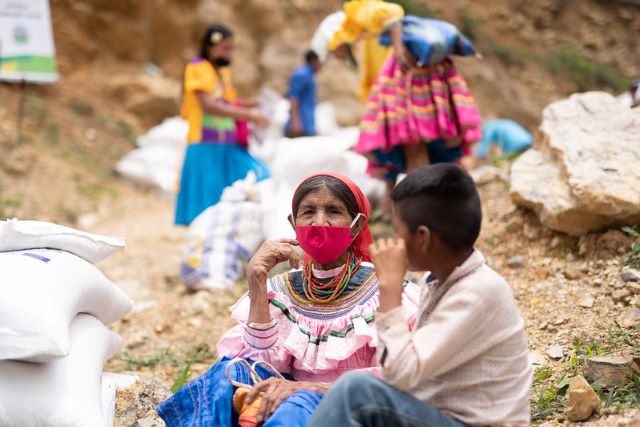
Indigenous PovertyGuatemala is one of Latin America’s most unequal countries, with an indigenous population that has been especially impacted by COVID-19. Indigenous groups make up more than 40% of Guatemala’s population, which equates to more than 6.5 million people. Poverty rates average 79% among indigenous groups, with 35% suffering from food insecurity.
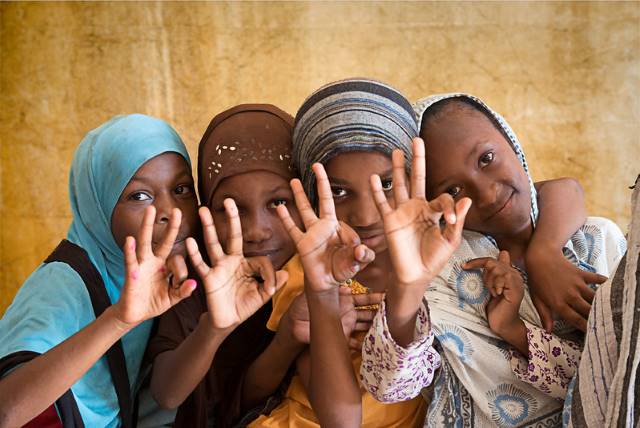
COVID-19 Exacerbates Indigenous Poverty in Guatemala

COVID-19 has only exacerbated the suffering of indigenous Guatemalans. Not only have indigenous families been pushed further into poverty, but reports of gender-based and intrafamily violence, murders and child pregnancies have also increased during Guatemala’s stay-at-home orders, which were intended to control the spread of COVID-19. The only exception to note is that there has been a drop in violent crime since lockdowns were imposed.

Child labor rates have increased, which is a concern since a child’s education is their channel to achieve social mobility and is key to reducing poverty. At the start of the lockdown, remote learning was promoted. However, less than 30% of Guatemala’s population has internet access. Only 21% of the population has access to a computer. In effect, COVID-19 is widening the economic gap between the indigenous population and those in urban Guatemala.

OCHA, the United Nations emergency aid coordination body, reported in April 2020 that seasonal hunger rates have worsened in eastern Guatemala due to lockdown measures. Compared to a year ago, health ministry figures point out that acute malnutrition cases in the department of Chiquimula increased by roughly 56%.

Oxfam Assists Guatemala

Oxfam, a confederation working to alleviate global poverty, has been on the ground in Guatemala, delivering food, sanitary and medical products, particularly to Guatemala’s indigenous communities.  However, Oxfam is working a little differently than in the past due to COVID-19 measures. Instead of risking the spread of the virus by sending outside people in, Oxfam is employing local Guatemalans by transferring credit to their phones and having them collect and distribute two months’ worth of necessary goods to those requiring assistance.

Insufficient Governmental Support

Guatemala’s government offers little help to relieve the effects of COVID-19 in its rural zones. In 2017, a study by the Guatemalan health ministry reported that the government spends fractions of its health budget in its rural zones compared to its wealthiest, urban cities.

The United States has increased its level of deportations under COVID-19-related regulations, leading Guatemala to trace 20% of its infections to those returnees. With the lack of governmental support and social safety nets, many poor Guatemalans are looking to flee the country.

Hopes for an Inclusive Society

Although the indigenous in Guatemala are creating their own solutions, using traditional knowledge and practices to contain COVID-19, the Guatemalan government must treat its indigenous population equally and include those who have been historically excluded by implementing strategies and operations to prevent and contain COVID-19 as well as alleviate its indigenous poverty rates overall.

– Danielle Lindenbaum
Photo: Flickr

January 4, 2021
https://borgenproject.org/wp-content/uploads/borgen-project-logo.svg 0 0 Yuki https://borgenproject.org/wp-content/uploads/borgen-project-logo.svg Yuki2021-01-04 07:14:122021-01-04 07:14:12Indigenous Poverty in Guatemala
Developing Countries, Global Poverty, Women's Empowerment

4 Facts About the Nike Foundation’s Girl Effect

The Nike Foundation’s Girl EffectAround the world, many young girls are without access to basic health and educational resources. Research has shown that gender equality and women’s empowerment initiatives are key to alleviating global poverty. Over the years, organizations have developed across the globe committed to providing such resources in order to improve the quality of life for millions. One of those organizations is The Nike Foundation’s Girl Effect. This organization is a creative nonprofit working where girls are marginalized and vulnerable.
4 Facts About Girl Effect

1. Girl Effect has been in operation for 12 years. The Nike Foundation launched Girl Effect in 2008 at the World Economic Forum. According to its website, “The Girl Effect is about the unique potential of adolescent girls to end poverty for themselves and the world.” Nike designed the organization to inspire the most influential leaders in the world to get girls in vulnerable nations on the global development agenda and help increase the drive of resources to them. Girl Effect also aims to create media resources for girls around the world in order to increase their access to resources surrounding education and healthcare. Through partnerships with prominent organizations and creating branded media content, Girl Effect has provided millions of girls access to life-saving information.

2. It uses media and the internet to reach girls in developing nations. Girl Effect creates branded media for girls around the world that helps to “navigate the pivotal time of adolescence so they can make positive choices about their health, education and economic future.” Girl Effect currently operates seven different digital programs to reach girls around the world; Chhaa Jaa, Ni Nyampinga, Springster, TEGA, Tujibebe, Yegna and Zathu. The Chhaa Jaa program, which means “go forth and shine” in Hindi, is a “digital-first youth brand that inspires, informs and equips girls in India with the right skills and confidence to navigate adolescence.” These resources include helping girls access information about sexual and reproductive health, how to negotiate with parents about their choices for continuing their education, and how to prepare for their first job. Tujibebe is a program that was born from Tanzanian culture and is a mobile-based brand focused on helping provide adolescent girls with information and resources they need to make positive choices about their future. This includes how to finish their education and setting up their own small business.

3. It partners with numerous organizations to share its message. Girl Effect has worked with organizations from a variety of industries, from nonprofits to social media networks, to help effectively spread its message to girls across the world. One of the largest nonprofit organizations that it partners with is UNICEF. Together the organizations support and promote the Ni Nyampinga program in Rwanda. Through this partnership, UNICEF and Girl Effect have been able to make Ni Nyampinga a nation-wide movement with 80% of the population of Rwanda aware of it, which is almost 6.6 million Rwandans. Another prominent partner of the organization is Facebook. Through the use of Facebook’s Free Basics platform, which provides people with full access to services on their mobile phones, Girl Effect is able to promote its Springster program on a worldwide scale. Through this partnership, Facebook and Girl Effect have been able to reach over 12 million users in the past year alone. The program is available in over 50 countries, including South Africa, Nigeria, the Philippines and Indonesia. A few additional Girl Effect partners include the Bill and Melinda Gates Foundation, Gavi and Mastercard Foundation.

4.  The Nike Foundation’s Girl Effect made great strides reaching developing countries. Since its introduction in 2008, Girl Effect has been able to reach millions of girls in developing nations to provide education and resources. In India and South Africa, its online chatbots have responded to over 1.2 million messages asking for advice on sex and healthy relationships. It has helped connect over 15,000 girls in India with efficient sexual and reproductive health information and services online. In Malawi, girls who read Girl Effect magazine are 32% more likely than non-readers to go to a medical provider and receive their first dose of HPV medication. In Indonesia, those who have seen Girl Effect’s digital nutrition campaign are 32% more likely to make healthier food choices than those who did not view it.

Girl Effect Closes the Gender Gap

Since its beginning, The Nike Foundation’s Girl Effect has helped to create media for girls around the world to provide resources on how to improve their education, healthcare and well-being. For years, the world has struggled to include girls in the many advances that have been made in healthcare and education. However, organizations like Girl Effect help to close this gap.

– Sara Holm
Photo: Flickr

December 11, 2020
https://borgenproject.org/wp-content/uploads/borgen-project-logo.svg 0 0 Kim Thelwell https://borgenproject.org/wp-content/uploads/borgen-project-logo.svg Kim Thelwell2020-12-11 08:55:042024-05-30 07:53:144 Facts About the Nike Foundation’s Girl Effect
Global Poverty, Women's Rights

Women in Cuba Still Have to Fight for Their Rights

Women in CubaWomen have experienced oppression at the hands of men for centuries. The world is continually reminded of this fact in current cultural and societal practices. Different nations have made progress in recent years, but this is still a common and enduring problem. However, the information dispersed regarding this topic is commonly obscured by those in charge. Women in Cuba have faced these issues head-on for decades in their fight for equal rights. The long and complex history of women’s right makes it difficult to distill the reality of the situation. However, there is potential for improvement. Here are the key things to know about this pivotal issue.
Education

Compared to other nations, Cuba may appear to be far more progressive on women’s rights. According to the Havana Times, women comprise 53% of the congressional body, and they account for 60% of college graduates. These numbers portray a clear female dominance in areas of higher education and are much higher compared to other developed nations.

Women’s Organizations

“Women’s organizations” are still not welcome in the nation. A new state constitution took effect after the 1960s Cuban revolution that barred the legalization of women’s organizations. An exception was made for the already established FMC.

The FMC, the Federation of Cuban Women, is a communist-controlled organization intended for the advancement of the women in Cuba. This is not inherently indicative of any corruption. However, women are prevented from assembling themselves and are dependent upon the state-sanctioned organization due to the lack of organizational options.

The Workplace

Societal standards are still oppressive to women. Numbers depict women moving out of their roles in the household to earn degrees and serve in the congressional body. The caveat is that women are still expected to perform all the duties that come with running a household. This includes cooking, cleaning and childcare.

This “machismo” mindset is heavily prevalent in Latin American nations. Essentially, this relegates women to the stereotypical domestic roles. This is even applied to women who are practicing doctors, lawyers and teachers. This societal standard burdens working women as well as those who choose to not enter the workforce or pursue higher education.

Discrimination in the workplace is another struggle women in Cuba must face. Women still face societal barriers in how they are compensated and employed. Female physicians and professors are typically paid the governmental base wage because most hospitals and universities are state-owned. This means that women are usually earning $30/hour in these typically high-paying fields. Further, the congressional body that women composed the majority of does not have any actual legislative power. That power is found within the Communist Party, which is only 7% female.

A Positive Outlook

The situation for women in Cuba is difficult to navigate. However, there are statutes in place to assist women in their quest to achieve equal rights within their society. For example, the constitution has an article that specifically protects maternity leave as a right for mothers in the workforce. Furthermore, the accessibility of higher education promises benefits to women of all classes that will last for generations. In essence, there is a long way to go, but that does not diminish how far the women’s rights movement in Cuba has come already.

– Allison Moss
Photo: Flickr

November 6, 2020
https://borgenproject.org/wp-content/uploads/borgen-project-logo.svg 0 0 Kim Thelwell https://borgenproject.org/wp-content/uploads/borgen-project-logo.svg Kim Thelwell2020-11-06 01:30:022020-11-05 14:50:59Women in Cuba Still Have to Fight for Their Rights
Global Poverty, Hunger

Hunger in Paraguay

Hunger in ParaguayParaguay is one of the smallest countries in South America but is still home to more than seven million residents. Many Paraguayans residing in the landlocked region struggle to survive, with nearly 17% of the population living in poverty. The poverty rate is even higher among rural and indigenous communities. As a result, hunger in Paraguay continues to be a significant problem.
The Causes of Hunger: Exports and Inequality

A prominent yet paradoxical cause of hunger in Paraguay is its growing export rates. As the UN reports, “Only 6% of agricultural land is available for domestic food production, whilst 94% is used for export crops.” While the country produces considerable agricultural resources each year, exporters ship most of this produce and livestock overseas and leave very little in the country. This lack of domestic production means that many Paraguayans cannot afford expensive imports. As a result, many must contend with food insecurity and hunger in Paraguay.

To make matters worse, the divide between the wealthy and the working class in Paraguay is drastic. Roughly 3% of the population owns more than 85% of its land and resources. This unequal distribution of land and resources leaves small landowners impoverished and unable to compete, with many turning to urban areas in search of marginal work.

Agricultural Industry

The Paraguayan agricultural industry’s oligarchical nature makes it challenging to reallocate Paraguay’s land and natural resources. The 3% of landowners hold tremendous financial and political influence in the country, making it difficult for the Paraguayan government to reallocate resources or reappropriate land toward domestic production. The extremely wealthy are also only interested in producing a handful of different crops that do well in the global market.

However, this makes Paraguay’s economy and exporting gains very dependent on a temperamental world market. The market’s fluctuations can be particularly tricky and potentially harmful for the underserved and impoverished in the country, who are already struggling to survive. Without much opportunity for social mobility, those threatened by hunger in Paraguay must routinely find cheap alternatives to sustenance. High-quality, nutritious food remains an unaffordable commodity for many Paraguayans.

Hunger and Malnutrition

Poverty leads to food insecurity and malnutrition, two issues symptomatic of hunger in Paraguay. As nutritionist Nadia Quintana notes, “About 15% of Paraguayan children suffer from malnutrition. And that is if you do not count the children from indigenous groups. According to a United Nations estimate, if we include indigenous tribes, more than 45% of Paraguay children are at risk of hunger or malnutrition. But the problem is not lack of food. The problem here is poverty and lack of work and education. And housing is very precarious.”

While instances of undernutrition and starvation are trending downward, malnutrition and obesity rates are rising in Paraguay as poverty forces impoverished citizens to subsist on cheaper, less nutritious foods. These low-nutrient, high-calorie options may be cheap, but they have had an outsized impact on an average Paraguayan’s diet. Residents are in an impossible situation, forced to choose between going hungry or eating foods correlated with increased vulnerability to chronic diseases.

Global Pandemic and Rising Unemployment Rates

The COVID-19 global pandemic has further complicated hunger in Paraguay. While the small Latin American country was one of the first to begin quarantining measures to counteract the March 2020 outbreaks, the nationwide lockdown has crippled many of the country’s workers. Although the country has the fewest coronavirus cases in the region, many of its workers have lost their primary sources of income. The loss of employment means that nearly 60% of the population is without access to any benefits or financial support during the ongoing pandemic.

According to the Guardian, though the government has secured $1.6 billion in pandemic crisis loans, a tiny percentage of Paraguayans have received the promised $76 and food packs. As a result, the dependence on cheap, non-nutritious foods and correlated instances of malnutrition and obesity continue to rise. Rising unemployment rates and lack of federal support will inevitably exacerbate the ever-present issues poverty of hunger in Paraguay.

Indigenous Communities and Hunger in Paraguay

Among the most affected by poverty, pandemic and hunger in Paraguay are indigenous peoples with minimal economic and social resources to combat their current circumstances. Under the lockdown, many are unable to secure food and must rely on communal meals and donations to survive. The Paraguayan government has offered aid but has struggled to deliver it as it has to the rest of its people. Amnesty International has partnered with local initiatives to lobby for sufficient assistance to these indigenous communities waiting and hungry for action.

Moving forward, the Paraguayan government faces an uphill battle in providing its citizens with adequate resources to sustain healthy diets. The government finds itself in a difficult place as it struggles to assist and feed its people amid the ongoing coronavirus pandemic, especially as its workers are out of jobs. With so much of its economy tied to a small minority of extremely wealthy agricultural exports, Paraguay must find a way to help those who are not part of the top 3%, especially those living in indigenous, underserved and impoverished areas. Though extreme poverty trends downward, malnutrition and obesity will continue to characterize hunger in Paraguay.

– Andrew Giang
Photo: Flickr

October 7, 2020
https://borgenproject.org/wp-content/uploads/borgen-project-logo.svg 0 0 Borgen Project https://borgenproject.org/wp-content/uploads/borgen-project-logo.svg Borgen Project2020-10-07 10:30:102024-05-27 23:59:42Hunger in Paraguay
Global Poverty

Healthcare in Peru: An International Perspective

healthcare in peruPeru carries a heavy history of periodic instability that has made the establishment of an accessible healthcare system perilous. The country suffers from an inequitable distribution of healthcare workers. It also struggles with the partition between private and governmentally-sponsored healthcare, the provisions of which skew inequitably toward the wealthy. Peru’s wealth gap shows the richest 20% in the nation controlling nearly half of its income and the poorest 20% earning less than 5%. This inequality is quite literally killing Peruvians. According to the 2007 National Census of Indigenous Peoples conducted by the Peruvian government, over 50% of census-interviewed communities did not have access to any form of health care facility.

Healthcare in Peru by the Numbers

  • The life expectancy in Peru is 74 years, landing the country at 126 out of 224 countries.
  • The probability of a child in Peru dying before the age of five is 1.4%, compared to 0.1% in the United States.
  • Peru spends 5.5% of its GDP on healthcare, compared to the U.S.’s 17.1%, ranking the country at 128 out of 224 countries.
  • In Peru, there are one and a half hospital beds available per 1,000 individuals. This is a number that is especially dire during the coronavirus pandemic.
  • Peru clocks in at just under one and one-quarter of a physician per every 1,000 Peruvians in need of medical care.

Structure of Healthcare in Peru

Due in part to fluctuating governmental structures and rulers, Peru currently operates with a decentralized health care system administered by five entities. Two of these entities provide 90% of the nation’s healthcare services publicly, while three provide 10% of the nation’s healthcare in the private sector. This distribution results in considerable overlap and little coordination, depleting the healthcare system of resources and providers. In fact, many healthcare providers in Peru work an assortment of jobs across different subsectors.

As healthcare is a necessary sector of the economy, Peru’s healthcare worker density is increasing, even as health worker outmigration also increases. But since these workers are not equitably distributed, coastal and urban areas monopolize the majority of these providers. Lima and tourist coasts boast the highest distribution of healthcare workers, while rural and remote areas such as Piura and Loreto are home to few health providers.

Impact of the Healthcare Structure on Women

The detrimental effects of inequitable healthcare distribution are most visible in the country’s astonishing maternal mortality rate. The World Bank’s 2017 data showed that 88 out of 100,000 mothers in Peru die from pregnancy-related causes. However, Peru’s efforts have substantially reduced the number from 10 years before when the maternal mortality rate in Peru was 112 per 100,000 mothers in 2007.

The burden of maternal mortality rests squarely upon the shoulders of poor, rural, and Indigenous women. They are dying from largely preventable causes in a massive breach of human rights. These women disproportionately face countless barriers to pregnancy wellness and birth healthcare, including a dearth of emergency obstetric and neonatal services, language barriers and a lack of information regarding maternal health. Peru has implemented policies in recent years to reduce the rate of maternal mortality, such as the increase of maternal waiting houses for rural pregnant women to reside in as they approach birth.

The only cause of premature death that precedes neonatal disorders as a result of inadequate neonatal obstetrics is lower respiratory infections. This type of infection is the most likely cause of premature death, and it has remained so since 2007. This illness, too, disproportionately impacts women and children. They are the most likely groups to die from household air pollution, a type of pollution caused by the burning of solid fuels for cooking and heating purposes. In Peru, 429 out of an estimated 1,110 yearly childhood deaths are caused by acute lower respiratory infections resulting from household air pollution. Combined, neonatal disorders and lower respiratory infections cause more death and disability than any other factor in Peru. These are shortening the lives of Peruvian women and children by almost 20%.

Moving Forward with Healthcare in Peru

The healthcare system in Peru is one that suffers many flaws. It is straining to support its people, especially in the midst of a worldwide pandemic. While the going is slow, the country is striving to reform its healthcare system. Peru is doing this by reforming its healthcare system in the direction of universal coverage – an achievable but certainly strenuous goal. Since vigorously implementing healthcare reform in the late 90s, Peru reports coverage of 80% of its population with some form of health services. While this number is far from ideal, it is evidence that the Peruvian government is not only cognizant of but concerned about its healthcare failures, and it is striving for a fuller coverage future.

– Annie Iezzi
Photo: NeedPix

August 5, 2020
https://borgenproject.org/wp-content/uploads/borgen-project-logo.svg 0 0 Lynsey Alexander https://borgenproject.org/wp-content/uploads/borgen-project-logo.svg Lynsey Alexander2020-08-05 14:00:562024-05-29 23:18:25Healthcare in Peru: An International Perspective
Global Poverty, Inequality, United Nations

Eggs & Bread in London Help One Breakfast at a Time

Eggs & Bread in London

Based in Walthamstow in East London, Eggs & Bread is a cafe like no other. It boasts “the smallest menu on Wood Street” that includes boiled eggs, jam, porridge, tea and coffee. Eggs & Bread in London is a “pay what you like” cafe, whereby those who overpay for a cup of tea and a boiled egg allow the less well-off to eat for free, or pay a reduced rate for breakfast. A report written by U.N. Special Rapporteur Philip Alston on extreme poverty and human rights stipulated that homelessness is on the rise in London, austerity being the main cause. ​

Austerity is a Mindset

“Austerity is a mindset, which is now fully reflected in how the government operates,” Alston reports. The evidence seen on the report points to the conclusion that the driving force has not been economic but rather a commitment to achieving radical social re-engineering. Because of this, people have been relying more on food banks and charities for their next meal, which makes Eggs & Bread in London even more special.​

Thirty-seven percent of all children, 24 percent of all working-age adults and 19 percent of all pensioners live in poverty. While the poverty rate fell over the last few years, the depth of poverty increased.

London, the Capital of Poverty

London remains the capital of poverty in the United Kingdom. Another factor that adds to this is the high rents paid by half of all households who rent their homes. Those who rent from a private landlord have long faced high rents. More recently, housing association and council tenants have seen their rents go up rapidly. This is also due to wealth inequality, predominant in London.

Wealth inequality, which is higher than income inequality, increased over the years. Wealth for someone just in the top 10 percent is now 295 times higher than someone in the bottom 10 percent. In 2010–12 it was 160 times higher, a significant increase.​

As inequality in the capital rises whilst wages stagnate and many are forced to food banks to feed themselves and their families, social ventures like Eggs & Bread in London become ever more vital. As Eggs & Bread’s website states, “Everyone’s welcome, no matter if you are a city broker or simply broke.”

These sorts of cafes existed before, such as the Brixton Pound and The People’s Fridge, but the sheer amount of attention Eggs & Bread has had bodes well for its success, and will hopefully inspire other like-minded projects. With an estimated 28 percent of Londoners living in poverty, Eggs & Bread aims to balance out the inequality seen so often in big cities.

If one wants to pay, the donation box is discreetly placed next to where one puts the dirty plates. If one can afford to put something in the box, one can also pay for the breakfast of others who might not be able to pay. As Eggs & Bread in London states, “Everyone deserves a good start to the day.” ​

– Andrea Viera
Photo: Flickr

November 2, 2019
https://borgenproject.org/wp-content/uploads/borgen-project-logo.svg 0 0 Jennifer Philipp https://borgenproject.org/wp-content/uploads/borgen-project-logo.svg Jennifer Philipp2019-11-02 07:30:202024-12-13 18:01:57Eggs & Bread in London Help One Breakfast at a Time
Page 5 of 9«‹34567›»

Get Smarter

  • Global Poverty 101
  • Global Poverty… The Good News
  • Global Poverty & U.S. Jobs
  • Global Poverty and National Security
  • Innovative Solutions to Poverty
  • Global Poverty & Aid FAQ’s
Search Search

Take Action

  • Call Congress
  • Email Congress
  • Donate
  • 30 Ways to Help
  • Volunteer Ops
  • Internships
  • Courses & Certificates
  • The Podcast
Borgen Project

“The Borgen Project is an incredible nonprofit organization that is addressing poverty and hunger and working towards ending them.”

-The Huffington Post

Inside The Borgen Project

  • Contact
  • About
  • Financials
  • President
  • Board of Directors
  • Board of Advisors

International Links

  • UK Email Parliament
  • UK Donate
  • Canada Email Parliament

Get Smarter

  • Global Poverty 101
  • Global Poverty… The Good News
  • Global Poverty & U.S. Jobs
  • Global Poverty and National Security
  • Innovative Solutions to Poverty
  • Global Poverty & Aid FAQ’s

Ways to Help

  • Call Congress
  • Email Congress
  • Donate
  • 30 Ways to Help
  • Volunteer Ops
  • Internships
  • Courses & Certificates
  • The Podcast
Scroll to top Scroll to top Scroll to top