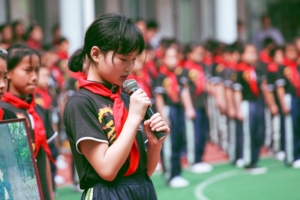
 In June 2022, 65-year-old Zhang Guimei escorted her students to China’s annual college entrance examinations, or ‘gaokao,’ for the 12th year in a row. If all goes well, when these students exit the exam room, they will be able to change their fate by passing the metric for college. According to Global Times, however, this would not have been possible if not for Zhang Guimei. Known as the “principal of miracles,” Zhang has sent more than 1,800 girls from the poorest parts of China to college. Not only did she receive one of China’s highest medals of honor for contribution to society, but she has also been written into the official modern history textbook compiled by the government. However, her story is a simple one about an educator who gave her all for her students to change female education in China.
The Story of Zhang Guimei
Zhang Guimei’s husband, who taught with her at a high school in Yunnan, died of cancer in 1994. Two years later, Zhang Guimei herself became ill. Because all her money had gone to treating her husband, she gave up on treatment and kept her illness a secret.
The truth emerged when she fainted in class. Despite their poverty, the people of Huaping county–the teachers, students, villagers and even the local government–all pitched in to raise money for her treatment.
Zhang knew the difficulty with which the money came by. In the early 2000s, Huaping county was extremely poor because its mountainous terrain limited agricultural growth as well as transportation. It was common for parents to pay their children’s tuition five cents at a time, using coins that are no longer popular in larger cities. Even so, they raised enough money for Zhang’s treatment.
Deeply moved, Zhang Guimei believes–to this day–that the people of Huaping saved her life. She resolved to dedicate her ‘second life’ to educating the people of Huaping–a promise she kept for 40 years.
Keeping Girls in School
During her time there, Zhang noticed a strange phenomenon: many girls who had good grades would suddenly drop out. Later, she realized that they had to withdraw either to work low-paying jobs or get engaged.
At the turn of the 21st century, China was developing at a rapid pace. But Huaping county–and Yunnan province in general–was one of the few areas that remained impoverished. Rural, poor and uneducated, families had no money to pay for school and often prioritized the education of boys over girls. In order to have one less mouth to feed, girls often became engaged or married in exchange for a bride price.
However, Zhang Guimei never stopped believing that developing female education in China was the key to changing the fate of Huaping. In her mind, “if one girl can receive higher education, she can change the fate of three generations.” To tackle the problem at its root, she resolved to establish a free public high school so the girls could have a chance to get the education they deserved.
A Difficult Path
The path to establishing the Huaping High School for Girls was difficult. Although the government was very supportive, it had no money to sustain the operations of a free high school. Zhang had to ask for donations on the street from 2002 to 2007. Things took a turn when a journalist from Beijing discovered her efforts, and with help from people across the country supporting female education in China, her high school finally opened in 2008.
When the school opened, there was only one building, with no dormitories or even bathrooms. At night, the classrooms turned into dorms that the students and female teachers slept in. Not long after, nine out of 17 original faculty members resigned. To make matters worse, the school had no students as many parents still refused to let their daughters out of the mountains.
Zhang took a very simple approach to this problem. Going from house to house, she promised that the school would do its best to help the child even if they could not finish their education. If colleges accepted the girls but they could not afford it, she would take all financial responsibility. Many parents relented, and the girls were finally able to step toward a future outside of the mountains.
One Simple Wish
In the past decade, more than 1,800 girls have been able to leave the mountains through Zhang’s high school. More than 40% of the students at Huaping High get into first-rate colleges, and the school has ranked first in the entire Lijiang County for many years.
However, Zhang Guimei’s hard work has taken a toll on her health, with 23 different diseases that plague her. Wearing plain clothes and talking into a cheap megaphone, numerous medicinal patches were on the back of her hands as she escorted her students to the 2022 exams. Yet, the entire Huaping changed because of one educator with a simple wish: to change female education in China. Hopefully, her story will inspire many others to fight for the one wish that will better the world.
– Emilie Zhang
Photo: Flickr
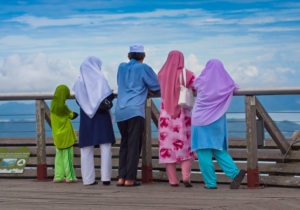 Malaysia saw its first confirmed case of COVID-19 on January 24, 2020. The Malaysian government implemented the Movement Control Order (MCO or PKP) around two months later in response. This mandate restricted travel, work, assembly and established quarantine measures jeopardizing the financial integrity of Malaysian households. Here is some information about the impact of COVID-19 on poverty in Malaysia as well as the country as a whole.
The World on Pause
For fully vaccinated individuals, the MCO ended in November 2021. However, under the mandate, conditional and variable ordinances ultimately played a part in the impact of COVID-19 on poverty in Malaysia.
Working in multiple phases, the MCO developed into the Conditional Movement Control Order (CMCO/PKPB), Recovery Movement Control Order (RMCO/PKPP) and the National Recovery Plan (NRP/PPN). These restrictions prevented movement between states, travel to and from Malaysia and mass gatherings in addition to the closure of schools, government and private premises except those considered essential. Those who violated the MCO were at risk of receiving fines or facing jail time.
Hurting Those Already Struggling the Most
Three-quarters of the Malaysian population live in urban areas, with the majority of individuals falling into the 15-64 age group. A four-part research study that UNICEF and UNFPA conducted titled “Families on the Edge” found that a typical Malaysian household has an average of 5.5 members.
The head of these households are mostly married Malay males around 46 years old with low educational attainment. These workers face a high risk of unemployment, pay cuts or other stresses to household income as they were in jeopardy before the pandemic.
Reports have indicated that a 5% increase in employment occurred between March 2020 and June 2021. Despite the rise, a third of those employed before the crisis experienced work disruptions and 27% faced income reduction.
The World Bank found that around 65% of jobs in Malaysia cannot occur remotely even after modifying them so that they were in an online format. This is because approximately 51% of jobs require close physical proximity. With the MCO restrictions, these jobs were most vulnerable with one-fourth of heads of households experiencing unemployment during this time.
The Impact of COVID-19 on Food and Education
The impact of COVID-19 on poverty in Malaysia consequently affected access to food and quality of education. With little to no income, households spent around 84% less on education and 4% less on food between December 2019 and June 2020. While expenditure on food reduced, approximately 30% reduced food intake itself to cope with financial difficulties.
While employees adjusted to remote working, children needed to transition to online learning. Two-fifths of children do not have access to the required equipment (such as a computer) or internet connection to resume their education.
Closures have also prevented children from impoverished families from accessing meals provided at school-distributed supplemental food programs. This food insecurity pushed households to adopt cheaper and less healthy diets, further threatening the country’s child malnutrition crisis.
A Citizen’s Surrender
Some low-income residents resorted to waving white flags from their flats during the government-mandated lockdown to express the financial stress they were experiencing. This Bendera Putih, or “White Flag” movement emerged to help families ask for assistance. The white cloth outside their homes would encourage others to donate food.
In response, three computer science students from Multimedia University Cyberjaya urgently developed and released the “Sambal SOS” app within the same month the White Flag Movement gained traction. More than 7,000 users registered on the site just two days after its launch.
Here, users could digitally and anonymously report that they needed help. They then could connect with other users ready and able to provide aid.
An Economic Recovery Plan
Prime minister Tan Sri Muhyiddin Yassin announced the Pelan Jana Semula Ekonomi Negara (PENJANA), also known as the Economic Recovery Plan, in June of 2020. This stimulus package totaled RM35 billion (more than $7 billion) allocated to 40 initiatives organized into “three key thrusts:”
- Empower People
- Propel Businesses
- Stimulate the Economy
Some initiatives to empower people included a wage subsidy program, social protection for the gig economy workforce and the internet for education and productivity. PENJANA funded entrepreneurship financing to propel businesses while supporting small enterprises through e-commerce and tourism financing. Initiatives to stimulate the economy included a campaign to buy Malaysian products and financial relief for those working in the agriculture/food sector.
Although poverty rates are still higher than before the COVID-19 pandemic, poverty levels have decreased by 16% between May 2020 and March 2021. Government assistance increased overall average household income since 2019, including disabled-headed households.
Households rely on savings, government and Zakat assistance for financial support as the labor market recovers. While PENJANA has proven to help boost the economy temporarily, many families still do not receive registered business-related aid and do not have social protection or insurance. The impact of COVID-19 on poverty in Malaysia emphasized that social protection assistance still needs to improve its scope of coverage to help the urban poor rebuild post-crisis.
– Aishah French
Photo: Flickr
 In 2019, 92.4 million people in the European Union were at risk of poverty or social exclusion, around 21.1% of the EU’s entire population. With such a high number of Europeans in poverty, the European Anti-Poverty Network (EAPN) remains dedicated to its mission to eradicate poverty and prevent social exclusion.
Origin of the European Anti-Poverty Network
Established in 1990, the European Anti-Poverty Network is the largest European network of national, regional and local organizations aimed at pulverizing poverty in Europe. The EAPN consists of 32 national networks within the 27 EU member states in addition to Serbia, Norway, Iceland, North Macedonia and the United Kingdom.
The EAPN has organized many activities to combat poverty, from education and training to lobbying and research. The membership of the European Anti-Poverty Network seeks to turn the fight against poverty into a priority for the European Union and foster improved coordination in anti-poverty policies between nations.
Poverty in the European Union
From 2012 to 2017, 10 million fewer people were at risk of poverty or social exclusion in the European Union, but poverty reduction was not shared equally in the EU. The strength of different welfare systems within European countries varies significantly, contributing to sizably different poverty rates on the continent. The average EU nation reduced the risk of poverty by 34%, while the best welfare system reduced poverty by 57% and the worst by only 16%.
Countries with the highest poverty rates in 2019 were Spain (25.3%), Lithuania (26.3%), Italy (27.3%, 2018 data), Latvia (27.3%), Greece (30.0%), Romania (31.2%) and Bulgaria (32.5%). The nations with the lowest poverty rates in Europe were Austria (16.9%), the Netherlands (16.5%), Slovakia (16.4%), Denmark (16.3%), Finland (15.6%), Slovenia (14.4%) and Czechia (12.5%), according to Eurostat.
Poverty disproportionately affects specific demographics in Europe, especially the disabled. In 2017, 30.1% of people with disabilities in the EU were at risk of poverty or social exclusion, 9.1% more than those without disabilities, according to the European Commission. As a result of these inequities, the European Anti-Poverty Network publishes specific sections dedicated to reducing poverty for people with disabilities, as well as for elders and women.
The EAPN Takes Action
The European Anti-Poverty Network acts against poverty through designated segments of the organization. The EAPN’s General Assembly advises the political and strategic direction, while its Executive Committee (EXCO) and Bureau focus on enforcing this pathway. The EU Inclusion Strategies Group (EU ISG) carries out policy work to fight against poverty.
Together, the EU ISG and EXCO invite the 32 anti-poverty national network members of the EAPN and representatives from the 13 member European organizations, holding two-day meetings three times a year to advise future direction and strategy in the fight against poverty.
In addition to these conferences on poverty, the EAPN publishes press releases, synthesis reports and policy recommendations to monitor current efforts to eradicate poverty and guide future steps. The EAPN’s most notable publications include the Country Reports, Annual Growth Survey, Country Specific Recommendations and the National Reform Programmes.
EAPN’s Poverty Watch Reports capture the findings on poverty in many European nations, outlining the notable trends affecting poverty, examples of poverty-eradication successes and evidence-based recommendations to alleviate poverty.
In addition to monitoring poverty through publications, the EAPN actively lobbies representatives in Brussels and national governments. This effort allows the European Anti-Poverty Network to spread its knowledge surrounding poverty into effective policies to counteract destitution. By engaging with policymakers through face-to-face discussions and written exchanges, the EAPN actively brings poverty to the forefront of the European Union’s agenda.
Successes
As a result of the EAPN’s work to raise awareness of poverty, Europe continues to make strides against poverty. In 2010, the EAPN helped the year become designated as the European Year for Combating Poverty and Social Exclusion. Other successes have been more on the legislative front, with the EAPN contributing to several new articles in EU Treaties. For instance, the Amsterdam Treaty adopted Articles 13, 136 and 137 (all anti-poverty-related legislation) due to, in part, the contribution of the EAPN, according to its website.
As the EAPN refuses to be a bystander in the fight against poverty, millions of Europeans have a faithful ally. The European Anti-Poverty Network recognizes the time to end poverty is now and through its publications and lobbying, the EAPN can help bring this positive future closer.
– Michael Cardamone
Photo: Flickr
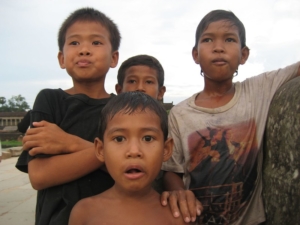 In Cambodia, 17.8% of the population lived below the poverty line in 2019. That is why famous author, philanthropist and life coach Tony Robbins supports the Cambodian Children’s Fund (CCF), a nonprofit organization addressing child poverty. Robbins raised $68,000 for CCF through the Tony Robbins Foundation while also personally matching the donation amount for a total of $136,000.
Poverty in Cambodia
Below are some key facts about poverty in Cambodia.
- Crises and emergencies. The global financial crisis led to increased commodity prices in 2008-2009. Other examples include natural disasters such as floods that destroy crops. Floods are more likely to occur in Cambodia due to its unique hydrologic regime and low coverage of water management infrastructure.
- Food insecurity. In Cambodia, approximately 1.7 million individuals are food insecure. Malnutrition is also an issue that hinders cognitive development, reducing life opportunities and impacting economic growth.
- Seasonal employment. Food insecurity results in low demand for agricultural labor and unemployed farmers during the off-season.
- Health shocks. Poor households can become trapped in a cycle of paying high health care costs, resulting in more poverty.
Creating the CCF
After visiting Cambodia in 2004, founder and executive director Scott Neeson left the film industry to set up the CCF. Neeson paid for the start-up costs entirely out of his own pocket, initially planning for the CCF to help only a handful of children. However, the organization now educates approximately 1,900 children living in impoverished areas of Cambodia and supports families through community-based projects. Overall, the CCF aims to promote long-lasting, generational change by working in direct contact with at-risk children and their families and communities to create responsive approaches to extreme poverty.
A New Addition to the Team
Tony Robbins, an American author, coach and speaker, is not unfamiliar with helping people out of poverty. In 1991, Robbins founded the Tony Robbins Foundation, a nonprofit organization working to empower individuals and organizations to create positive change in the lives of the marginalized, such as the hungry and the homeless.
With similar goals in mind, the Tony Robbins foundation and the CCF formed a partnership in 2008. As part of that partnership, Robbins supports impoverished Cambodians by inviting a group of about 10 CCF Leadership students to attend the Tony Robbins Global Youth Leadership Summit (GYLS) in San Francisco each year.
In 2019, the CCF hosted the Platinum Partners from the Tony Robbins Foundation, who were able to get to know the Leadership students they support by visiting and volunteering in communities and schools. “The visit by Tony Robbins Platinum Partners last week provided a day of mutual inspiration, with Tony’s group spreading their passion and encouragement and our CCF youth presenting the CCF model and how it has changed their life journey,” remarked Neeson. Robbins supports impoverished Cambodians through encouraging in-person visits that work to inspire Cambodian children.
During the visit to the CCF in 2019, the Tony Robbins Foundation presented a $68,000 check to help the CCF build up the future leaders of Cambodia. Later, after the trip to the CFF, Tony Robbins posted on his Facebook page, “I’m so proud of my Platinum Partners… they don’t know this, but I’m going to MATCH their donation of $68k. So, Scott, you’ll have $136,000 for the kids shortly!”
A Look Ahead
Ultimately, Robbins supports impoverished Cambodians through his kind spirit and generosity, which will go a long way toward ensuring that children in Cambodia will have equal opportunities irrespective of their financial status. More broadly, Robbins’ and the CCF’s work provide a glimmer of hope for the future of Cambodia.
– Sarah DiLuzio
Photo: Flickr
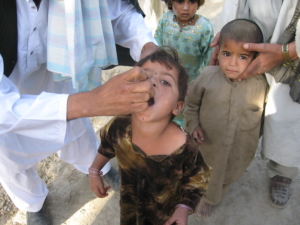 Since the early 2000s, Afghanistan’s disease prevention and treatment services were far below sustainable, with only 11 physicians and 18 nurses per 100,000 civilians working in 2003. As foreign aid began to pour in, these numbers slowly improved. However, infant, child and maternal mortality rates remain the highest globally, alongside many other diseases impacting Afghanistan today. Currently, two diseases impacting Afghanistan include tuberculosis and polio, which the Western world is well equipped to diagnose with far less difficulty.
Tuberculosis
Tuberculosis is a highly infectious, airborne disease impacting many Afghan people. Tuberculosis symptoms include a dry cough (sometimes with blood), fatigue, loss of appetite, night sweats and others. Yet, early diagnosis and quality treatment are easily accessible in the United States, preventing mass outbreaks.
The World Health Organization states that tuberculosis kills around 13,000 Afghans yearly, making it a disease that impacts Afghanistan severely. In 2014, Afghanistan had approximately 58,000 new tuberculosis cases. Only 56% of these cases were diagnosed and provided with adequate treatment. Keeping the disease at bay only becomes more challenging with up to 25,000 Afghan people left undiagnosed and untreated.
However, with WHO’s help, BRAC Afghanistan and USAID started a community-based TB DOTS program to control tuberculosis outbreaks. Through the program, diagnostic facilities for tuberculosis expanded and existing facilities were further equipped with microscopy screening technology. After the initiation of these health programs, more Afghans saw doctors and received treatment for tuberculosis: Since the program’s launch in 2004, access to dots has expanded from 15 to 121 clinics two years later. By 2006, more than 6,000 community health workers had trained under the program, of which 53 percent of trainees were women. Through the continued funding and advancement of the TB DOTS program, tuberculosis may slowly begin to lose its footing and become a lower-risk illness.
Poliomyelitis (Polio)
Polio is a viral illness that can lead to severe nerve damage and injury, eventually leading to paralysis and sometimes death. Afghanistan, Nigeria and Pakistan remain the only countries worldwide that have yet to eradicate polio. Due to inconsistent vaccination rates at birth, polio remains a disease impacting Afghanistan heavily today. In the 2015 report by the polio eradication initiative, researchers found that reported polio cases in Afghanistan had decreased since years prior. However, Afghanistan is still far from eradication.
In efforts to eradicate the polio virus worldwide, UNICEF worked with WHO to find innovative ways to give every child polio vaccines. The program implemented three National Immunization Days (NIDs) to increase access to polio vaccines and potential treatment if necessary. NIDs aim to reach nearly 10 million children through house-to-house and health facility-based approaches.
Furthermore, in collaboration with UNICEF and WHO, Afghanistan’s Ministry of Health is investing in a polio program to support vaccinators, community mobilizers, influencers, volunteers and campaign coordinators to reach children in need of vaccines. According to UNICEF, 392,000 polio branded items were distributed in 2020 to Afghan students to raise awareness about the disease’s severity, prevention and symptoms. As efforts continue, polio may become a disease impacting Afghanistan far less than before.
Why it Matters
Though efforts to improve health care access and treatments in Afghanistan have increased, much work still needs to be done. Today, tuberculosis is a disease that the U.S. quickly diagnoses and treats, while, in Afghanistan, the disease is often more threatening.
Afghanistan’s Ministry of Public Health and emergency operating system know how to help their people lead healthier lives yet lack the resources to do so. In funding programs that help international organizations and ministries provide the support needed for their people, both tuberculosis and polio can become low-priority diseases for all.
– Opal Vitharana
Photo: Flickr
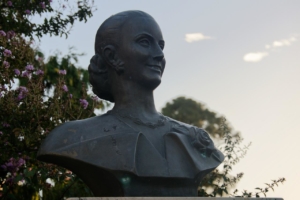 On July 26, 2022, Argentina commemorated the 70th anniversary of the life of former actress and First Lady Eva Perón, a leading figure for her contributions to social justice in Argentina. She is especially revered for the passage of the women’s suffrage law which has furthered women’s rights and equality in Argentina.
The Life of Eva Perón
Maria Eva Duarte de Perón was born on May 7, 1919, in the province of Los Toldos, Argentina. Despite her father hailing from a prominent and successful conservative family, Perón, unlike her older siblings, did not enjoy her father’s era of economic prosperity. Instead, she experienced times of hardship and poverty. After her father died in 1926, Perón’s mother relocated the family to the neighboring province of Junin, the town where Perón would realize her calling. Nearly a decade later, she decided to move to Buenos Aires to pursue acting.
In the capital city, Perón was a lead actress for the Argentine Comedy Company and appeared for the first time on the big screen in 1937. The 1930s were a difficult period for Argentina as it was a time of diversification, anxiety, recession and famine. By the early 1940s, the nation fell into political turmoil amid the coming elections.
After the earthquake of 1944, Perón met her husband Juan Perón, a colonel, government official and future president, at a relief effort he coordinated to collect donations for citizens affected by the earthquake. They were married the following year and in 1946, Juan Perón became President of Argentina.
First Lady of Argentina
Upon becoming First Lady of Argentina in 1946, Eva Perón, or “Evita” as she became fondly known, jumped straight into the political arena; she primarily worked out of the Central Post and Telecommunications Office, where she met with workers to solve labor disputes and wage issues. As First Lady, Perón took on the role of being a strong liaison between the president and his people. She used her status and resources to help women’s suffrage, laborers, the marginalized and the poor.
Throughout her short but impactful career as First Lady, Perón worked tirelessly to bring about real change for Argentinians. In the Perón family’s first moments in office, the First Lady actively participated in campaigns to aid Argentina’s poor. She liaised and distributed government allowances to construct clinics and give needy families food and other essential items. Perón also championed a policy that gave impoverished citizens access to reliable housing, social welfare and health care services.
Fight for Women’s Rights and Equality in Argentina
In addition to being a leading advocate for the underprivileged, Perón was a prominent figure in Argentina’s women’s suffrage movement. The suffrage movement in Argentina began at the start of the 20th century but would not gain full traction until 1946 during the campaign and election of Juan Perón for president when Eva Perón’s support helped to shine a spotlight on the importance of gender equality.
As part of her efforts, Perón created a mobilizing campaign, transmitting a weekly speech urging women to fight twice as hard to secure women’s rights in Argentina. On September 23, 1947, the women of Argentina would triumph, gaining their equal right to vote. After the victory, the Perónista party would restructure to create the Partido Perónista Feminino (PPF), an exclusively female party that Perón would spearhead. The PPF would be a central hub of political activities and social work.
Legacy
The height of Evita’s influence and accomplishments in the years before her death in 1952 came through the formation of the Maria Eva Duarte de Perón Foundation in 1948. The foundation aimed to be a strong beacon of social justice that would match the country’s ongoing progress. Through the foundation, Perón would build homes for the elderly and implement a plan to construct educational institutions, agricultural schools, nurseries and housing spaces for students coming to Buenos Aires to study. The foundation would also provide juvenile medical examinations, temporary lodging for working women and donate essential medical equipment to hospitals.
The accomplishments of Eva Perón during her short career as a first lady and social warrior cemented her as an icon in the hearts and minds of the Argentine people. When she died on July 26, 1952, she received a funeral exclusive to heads of state and the title of “Spiritual Leader of the Nation.” Perón will continue to be honored for her selfless devotion to her people and social rights in Argentina.
– Ricardo Silva
Photo: Pixabay
 On July 4, 2022, the Democratic Republic of the Congo’s Ministry of Health announced the conclusion of the Ebola virus outbreak that impacted the Mbandaka and Wangata health zones. The Ministry of Health officially declared the outbreak on April 23, 2022, after establishing the presence of the Ebola virus in a 31-year-old male who died on April 21, 2022. The Ministry of Health partnered with the World Health Organization (WHO) and other organizations to control the outbreak and prevent further spread, measures that seem to have curbed the impact of the Democratic Republic of the Congo’s Ebola outbreak.
Ebola in the Democratic Republic of the Congo
Taking into account this most recent outbreak, the Democratic Republic of the Congo’s Ebola outbreak count has reached 14 since 1976, with six of those outbreaks taking place from 2018 onward. While this number is staggering, it does not necessarily stand out among the numbers reported by fellow African nations. The United Nations, the Centers for Disease Control and Prevention (CDC) and the WHO have long been involved in fighting Ebola outbreaks in the Democratic Republic of the Congo and the rest of Africa. The recording of a large number of outbreaks means that these organizations and countries are able to deploy well-researched methods of treatment and containment.
The Democratic Republic of the Congo’s Ebola Outbreak in 2022
This latest Ebola outbreak in the Equateur Province of the country is the province’s third outbreak since 2018. Health authorities immediately sent a shipment of vaccines to the province from the city of Goma, which undoubtedly helped in the short nature of this outbreak, with it lasting just a few months. The experience of national emergency teams backed by the WHO resulted in a quick response and the deployment of counteractive measures including testing, vaccinations and contact tracing.
The Democratic Republic of the Congo’s Ebola outbreak claimed five lives out of five cases reported with a fatality rate of 100%. These statistics are much lower than the country’s previous outbreak, lasting from June 2020 to November 2020, which saw 130 cases and 55 deaths.
Next Steps
As the country recovers from yet another outbreak of the Ebola virus, the thought of an additional epidemic soon looms overhead. While the number of outbreaks is no cause for celebration, the experience gained from a large number of recent outbreaks better prepares the Democratic Republic of the Congo, the U.N. and the WHO for future epidemics. The development of vaccines, treatments, contact tracing and other preventive measures will lead to a decreased number of future cases and deaths. The country’s partnership with critical health organizations will ensure better disease response and more resilient health care systems.
All in all, as treatment options and medication develops, the state of the recurring Ebola outbreaks in the Democratic Republic of the Congo appears to be more manageable. The Democratic Republic of Congo controlled this latest outbreak quickly and efficiently, a standard that the country is primed to replicate. While another outbreak is not completely preventable, the country can mitigate the impacts.
– Thomas Schneider
Photo: Flickr
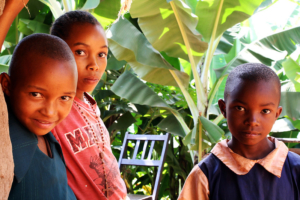 According to World Bank records, Kenya’s poverty rate is expected to stand at 33.4% in 2022. In 2020, the COVID-19 pandemic pushed an additional 2 million Kenyan people into poverty amid disruptions to Kenya’s economic activity. School closures further exacerbated inequalities between rural and urban areas, especially with inadequate access to education being more pronounced in rural parts of the country. Over the past few decades, there has been evidence that telecommunication growth reduces poverty in Kenya by increasing opportunities for economic development. Overall, the industry is experiencing growth, generating 291 billion Kenyan shillings (KES) in 2019, equivalent to $2.7 billion, a 7.5% increase from the previous year.
Impact on Employment
The telecommunication sector in Kenya added 1,673 new employees in June 2019, corresponding to a 23.8% increase in jobs compared to the same period ending June 2018, making it the fastest growing sector in the country. Monthly salaries for people employed in telecommunication average 129,000 KES, equivalent to $1,082.85, with the lowest salary in this sector standing at 65,600 KES or $547.12.
The African Development Bank defines the middle class in Kenya as those whose yearly earnings are at least $3,900. With telecommunication companies’ salaries exceeding the latter, these employees are essential for reducing poverty in Kenya by increasing the middle class, representing around 44.9% of the overall population as of 2016. The middle class is known to encourage economic growth via increasing consumer spending: 2013 places Kenya’s market as one of Africa’s most significant, translating to $44 billion in annual consumption, according to World Bank data.
Impact on Infrastructure and Mobile Broadband
During the global COVID-19 pandemic, the telecommunication sector facilitated adoption of virtual learning, online financial transactions and remote working. To generate inclusive digital development, Kenya has initiated projects to increase the number of telecommunication towers in rural areas and install fiber infrastructure on a larger scale.
Since 2020, Kenya has issued licenses to initiate 5G trials to two telecommunication companies. In the first quarter of 2021, Kenya’s dominant telecommunication operator, Safaricom, activated 5G in four counties, including the capital, Nairobi, with additional plans to expand in other areas in 2022.
With improved mobile infrastructure, around 72% of Kenya’s population has access to the internet, making the country an ideal place to do business, according to the Kenya High Commission. In 2019, Foreign Direct Investment (FDI) inflows within the country rose by over $1.3 billion, and in 2020, FDI accounted for 0.4 as a percentage of GDP. This indicates economic growth within the country, evident through GDP growth rising from 5% in 2014 to 7.5% in 2021, the highest it has been since 2010, according to the World Bank.
Impact on E-Commerce
The market size of e-commerce in Kenya continues to grow, generating $1.7 billion in revenue for 2021 and placing the country as the 54th largest e-commerce market. In 2021, the e-commerce market in Kenya accounted for 15% of the global growth rate.
Telecommunication and technological improvements contribute to a fast-growing e-commerce market. Following Safaricom’s launch of M-Pesa for mobile money in 2007, the number of Kenyan mobile money users stood at 16 million by about 2011. Daily transactions exceeded two million, equating to a 17% contribution to GDP. With more telecommunication operators providing the service, such as Airtel and Orange, mobile money in Kenya facilitated 1.9 trillion transactions, valued at more than $55 billion, from January 2021 to November 2021.
In 2021, around 24% of Kenya’s population purchased at least one item through online platforms, indicating demand and potential market growth, according to an e-commerce database. Mydawa.com is a dominant player in the country’s e-commerce industry, generating around $9 million in revenue for 2021. According to a 2018 Business Today article, the e-commerce sector houses about 20,000 employees and will grow to 200,000 jobs by 2022 and reduce poverty in Kenya by encouraging employment and economic growth.
The telecommunication sector in Kenya has demonstrated pronounced benefits in improving the country’s economic structure. With a specific outlook on employment, mobile infrastructure and e-commerce expansion, it is evident how telecommunication growth reduces poverty in Kenya and provides long-term benefits necessary for standing as an economic player globally.
– Noor Al-Zubi
Photo: Flickr
 Decades of international relief efforts and humanitarian aid helped result in a mine-free Mozambique. The country had been “mine-contaminated” for decades as a result of years of fighting and civil war. The civil war resulted in land mines covering most of the land thereby creating hazardous conditions and impeding a normal quality of life for the country’s citizens. Mozambique declared independence from France in 1975, yet greatly struggled to strengthen and solidify its government and economy partially due to the vast amount of remaining inactivated mines posing threats across the country. Poverty rates in the newly independent country skyrocketed as one result of this.
Civil War
Mozambique’s civil war, which occurred from 1977 to 1992, was a lengthy and violent conflict resulting in 1 million deaths. In addition to the deaths, both sides left large amounts of land mines around the country. Mines in Mozambique threatened many aspects of daily life in the country such as being able to go to work or school or even retrieving clean water. Mines severely affected farmers in particular, as they were unable to work their land without fear which threatened their source of income.
Poverty
Significant economic growth began once the civil war ended. Poverty rates began to fall while the population started to grow. Though the population is growing fast and a large percentage of the country continues to live in poverty, that percentage has fallen over the past few decades from more than 70% in 1996-97 to 60% in 2019.
In 2008, 69.7% of the country lived at the international poverty line, yet by 2014 that figure fell to approximately 61.4% indicating significant progress.
International Efforts
In 2014, Mozambique was declared mine-free after at least three decades of international cooperation efforts. A mine-free Mozambique happened largely thanks to organizations such as the Canadian Association for Mine and Explosive Ordinance Security (CAMEO) and the Swiss government’s cooperation program.
The main goal of these programs were to pursue mine-clearing efforts in a humanitarian manner. Many of the people in the organizations and international groups were former members of the military or trained similarly, so they had the right equipment to deal with the land mines that remained in Mozambique after the civil war.
Mozambique also receives help from various NGOs including the Mine Action Coordinator for Handicap International (HI) which also seeks to demine the country. HI is part of the U.N.’s Development Program, which, unfortunately, is constantly overstretched around the world. However, although the operation was working “below capacity,” Mozambique still managed to successfully demine in 2014, according to The New Humanitarian (TNH).
Though there were significant obstacles on the path to being mine-free such as organizations redirecting aid elsewhere and government corruption, a mine-free Mozambique looked possible in the early 2010s. With the help of various governments, international organizations and NGOs, the country is now an exemplar in the region of what demining efforts can achieve.
Looking forward, those tracking the country’s progress are hopeful that Mozambique can continue to slash its poverty rate. The COVID-19 pandemic has halted poverty relief efforts, but the country is hopeful that it can return to its pre-pandemic downward trend. A significant focus will be on creating equity between rural and urban areas as well as ensuring a debt-free and uncorrupt government.
– Lara Drinan
Photo: Flickr
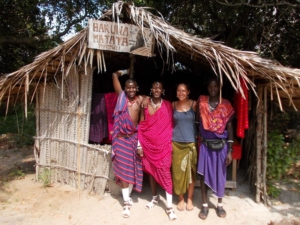 Today, and for the longest time throughout its history, homelessness in Tanzania represents an uncompromising problem to solve. With an ever-increasing population of roughly 60 million people, and with one in 10 of the population living below the poverty line, homelessness requires urgent action.
The Current State of Homelessness in Tanzania
Homelessness in any nation has a connection to poverty, and in Tanzania, this is no exception. Poverty in Tanzania has seen a steady, but albeit ambiguous level in progress in recent times. According to the World Bank, significant economic growth within the last 20 years has moved the nation along, “culminating in its transition from low-income to lower-middle income status in July 2020.”
According to the United Nations Development Programme (UNDP), as of last year’s Multidimensional Poverty Index (MPI), which determines a nation’s level of poverty through three key factors in health, education and standard of living, Tanzania possesses an MPI value of 0.284. Making up Tanzania’s rating on the MPI are 10 indicators, such as nutrition and access to electricity. Housing deprivation was at 9.3% as of 2021.
The current rate of homelessness in Tanzania represents a significant obstacle to overcome for the nation. The housing demand across Tanzania continues to rise on an annual basis, as according to Shelter Afrique, 3 million units with an additional 200,000 more units are expected every year.
The Primary Causes of Tanzania’s Homelessness Problem
The root of Tanzania’s homelessness problem is not due to a sole contributing factor. A questionnaire to National Human Rights Institutions, which the Office of the High Commissioner for Human Rights presented, identified six key factors as causes of homelessness in Tanzania. These are:
- “Poverty among the people.
- Unlawful eviction causes people to be homeless.
- Gender stereotypes and discrimination based on social construct between gender.
- Discrimination and inequality based on culture, customary law and informal justice.
- Natural hazards such as floods fire break.
- The urbanization process transcends an idea that in cities there are good lives.”
A leading contributor to homelessness in Tanzania is the right to residency throughout the nation. In accordance with the United Republic of Tanzania’s Constitution of 1977, there is no clear mention that housing is considered a basic human right. Tanzania’s lack of legal right to housing manifests a situation in which millions of citizens cannot afford basic housing.
Affordability of housing in Tanzania represents a significant problem, with the average annual salary per person in Tanzania at $1,140 as of 2021. Affordability, absence of the legal right to housing and the lack of housing are problems that Tanzania’s frequent natural disasters aggravate. The nation experienced 46 natural disasters between 2008 and 2021, which led to the displacement of nearly 250,000 people.
Solutions to Tanzania’s Homelessness Problem
The continued work of multiple nonprofit organizations in Tanzania is proving to be a catalyst for progress. Habitat for Humanity, for example, began working in Tanzania in 1986 and focuses on offering housing opportunities through microfinancing, as well as advocating for effective housing policy, and addressing water, hygiene and sanitation concerns. Habitat for Humanity’s microfinancing program started in July 2009 and has proven to be a continued success in providing affordable means of housing. In the fiscal year of 2018, 2,340 individuals received direct assistance for Habitat for Humanity’s work on the ground.
The World Food Programme (WFP) began working in Tanzania in 1963 with the goals to provide food for the most vulnerable, incentivize food production for agricultural workers and set up social protection systems that play a vital role in supplying basic supplies after natural disasters. WFP’s current operation in Tanzania, which provides $16 million in funding, started in July 2022 and will run until December. One of its primary objectives during this six-month period is to provide care and assistance to 202,540 refugees.
The continued work of nonprofit organizations such as Habitat for Humanity and the World Food Programme provides an essential service to the millions of Tanzanians in desperate need due to the homelessness crisis.
– James Garwood
Photo: Flickr
