• Link to X
  • Link to Facebook
  • Link to Instagram
  • Link to TikTok
  • Link to Youtube
  • About
    • About Us
      • President
      • Board of Directors
      • Board of Advisors
      • Financials
      • Our Methodology
      • Success Tracker
      • Contact
  • Act Now
    • 30 Ways to Help
      • Email Congress
      • Call Congress
      • Volunteer
      • Courses & Certificates
      • Be a Donor
    • Internships
      • In-Office Internships
      • Remote Internships
    • Legislation
      • Politics 101
  • The Blog
  • The Podcast
  • Magazine
  • Donate
  • Click to open the search input field Click to open the search input field Search
  • Menu Menu

Tag Archive for: Doctors Without Borders

Posts

Children, Global Poverty, Health, Refugees

Improving Healthcare for Greek Children

Healthcare for Greek ChildrenIn Lesbos, Greece, children suffering from life-threatening illnesses are being deprived of healthcare. Concerns regarding the Greek government’s stance on providing adequate healthcare to children suffering from chronic, complex and life-threatening diseases at the Moria camp are on the rise. Many camps are overcrowded and have limited resources available for the growing vulnerable population. Children make up 30% of asylum seekers and those diagnosed with diabetes, epilepsy, asthma, heart disease and other severe illnesses, are being neglected. Forced to live in tents under concerning conditions, children have no access to specialized healthcare to meet their medical needs.
Doctors Without Borders/Medecins Sans Frontieres (MSF)

Medecins Sans Frontieres (MSF) is advocating on behalf of Greek children, urging the government to evacuate children with serious illnesses to the Greek mainland or other European Union states that are equipped to provide adequate care. Since 1996, MSF has been providing healthcare and fighting for the welfare of asylum seekers and migrants in Greece. MSF recognized the growing need in Greece and expanded its efforts, providing treatment of chronic diseases, sexual and reproductive healthcare, physiotherapy, clinical psychology and psychiatric care.

MSF is ensuring the government is aware of the urgency of proper healthcare for Greek children. Dr. Hilde Vochten, an MSF medical coordinator, urges a prompt call of action from the government that will address the immediate healthcare needs of these children while also addressing a systemic problem within healthcare for Greek children. Without proper care, many children face lifelong consequences, or in critical cases, death.

Greek Government Healthcare Restrictions

In 2019, the Greek government restricted healthcare access to asylum seekers and those arriving in Greece that are undocumented. Since this time, MSF doctors have seen over 270 children suffering from chronic and complex diseases. The MSF pediatric clinic located outside the Moria camp has helped many children, however, the clinic has been unable to provide specialized care for children diagnosed with more critical illnesses. MSF argues that restricting access to adequate care is a result of government policy that is creating unsafe and inhumane conditions for children and their families. MSF demands the need to remove limitations for access to public healthcare and implement a system that will provide immediate care for children suffering from chronic and complex medical conditions.

The Smile of the Child

Another organization fighting for the healthcare rights of this vulnerable population is The Smile of the Child. The organization was founded in 1995, in memory of Andreas Yannopoulos, a young boy diagnosed with cancer. Before Yannopoulos died, he expressed his vision of creating an organization that would bring smiles to the faces of Greek children. The Smile of the Child has taken a stand to improve the health and wellbeing of children in Greece. The organization has raised awareness through its Mobile Laboratory of Information, Education and Technology by conducting seminars and instruction on first aid. The Smile of the Child delivers support to children with health problems by providing access to ambulances throughout Greece. The organization partners with law enforcement, social groups and other public entities to advocate for the safety and wellbeing of children.

While Greek authorities have been criticized for obstructing access to healthcare, organizations are taking a stand to ensure the healthcare needs of Greek children are met. As the need for adequate healthcare rises, the Greece government will be challenged in addressing the growing demand.

– Brandi Hale
Photo: Flickr

January 5, 2021
https://borgenproject.org/wp-content/uploads/borgen-project-logo.svg 0 0 Yuki https://borgenproject.org/wp-content/uploads/borgen-project-logo.svg Yuki2021-01-05 08:43:142021-01-05 08:43:14Improving Healthcare for Greek Children
Charity, COVID-19, Global Poverty

Beyond the Makeup Counter: Estée Lauder’s COVID-19 Response

Estee Lauder Aiding COVID-19 Relief EffortsWhen Estée Lauder founded her makeup company in 1953, she sought to revolutionize the cosmetic world. From essential bath oils to perfumes, Lauder transformed her dreams into a multimillion-dollar company. Recently, this retail empire stepped beyond the makeup counter and did its part to aid global COVID-19 relief programs. Lauder grounded her company in “the spirit of giving,” and the Estée Lauder Companies Charitable Foundation (ELCCF) sought to honor their founder’s values. ELCCF recognized “the strain” COVID-19 placed on impoverished communities, so its members developed a response plan. Estée Lauder’s COVID-19 Response kept these communities in mind by assisting developing countries, frontline workers and global healthcare employees.
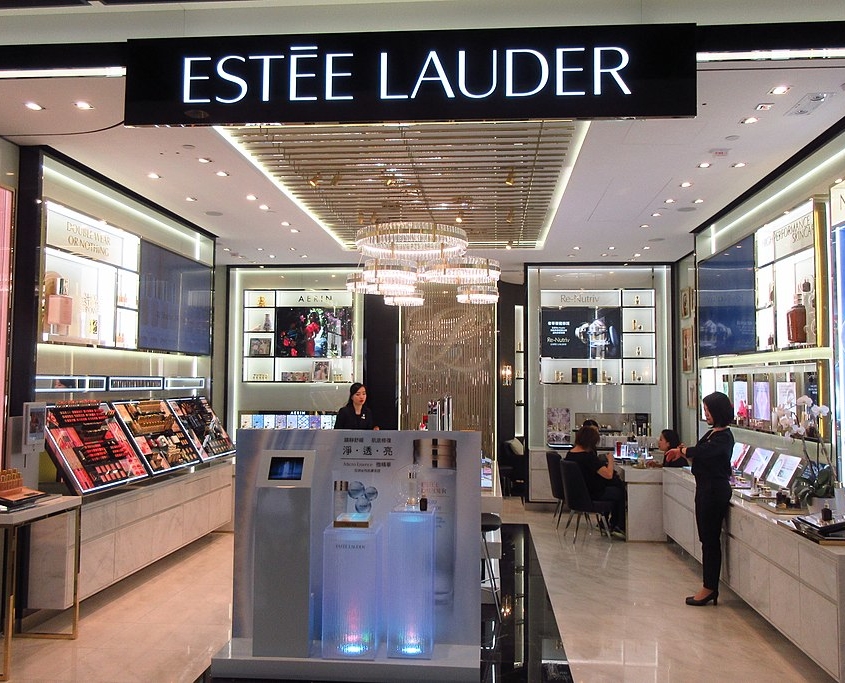
Starting in March 2020, Estée Lauder’s COVID-19 Response includes supporting Doctors Without Borders, non-governmental organizations, BeautyUnited and manufacturing hand sanitizer to contribute to COVID-19 relief efforts.

Supporting Doctors Without Borders

To launch their global COVID-19 relief campaign, Estée Lauder donated $2 million to Doctors Without Borders. Doctors Without Borders—also referred to as Medecins Sans Frontieres—developed a specialized response to the virus by supporting “under-resourced and highly impacted countries.”

Estée Lauder’s donation will go a long way as Doctors Without Borders currently works in 70 countries worldwide. Doctors Without Borders provides quality care to vulnerable and at-risk community members: “elderly people in nursing homes, homeless people and migrants living in precarious circumstances.”

Doctors Without Borders also seeks to improve infection and prevention procedures in healthcare centers by funneling personal protective equipment (PPE) to frontline workers in developing countries. By funding Doctors Without Borders’ programs, Estée Lauder’s COVID-19 Response assisted workers and patients in Burkina Faso, the Democratic Republic of the Congo, Kenya, Niger and Syria.

Funding NGOs Worldwide

Estée Lauder’s COVID-19 Response focused on assisting non-governmental organizations in China, specifically the Red Cross Society of China, Give2Asia and the Shanghai Charity Foundation. Estée Lauder sought to help the former epicenter of the virus recover and even provided additional donations to the China Women’s Development Foundation, supporting female front-line workers.

In the Middle East and Africa, Estée Lauder assisted Oxfam International’s work in South Africa, Kenya, Ghana and Nigeria. ELCCF even extended its relief efforts to Latin America by awarding grants to Mision Huascaran in Peru, Panama Solidario, Unibes in Brazil, Cruz Rojo in Mexico and the Waldorf Foundation in Colombia. Estée Lauder donated $3.2 million to these NGOs, providing “flexible funding in this time of need.”

Endorsing BeautyUnited

As part of its COVID-19 response campaign, Estée Lauder partnered with 40 other beauty brands and celebrities, like Victoria Beckham, Gwyneth Paltrow and Drew Barrymore as part of BeautyUnited.

BeautyUnited’s “industry-wide effort” also supports frontline health workers. This “special coalition” of beauty moguls and cosmetics corporations specializes in providing PPE to doctors, nurses and essential workers in the developing world. As part of BeautyUnited, Estée Lauder’s COVID-19 response moved beyond monetary donations to provide “life-saving” medical equipment.

Manufacturing Hand Sanitizer

After donating $15 million to relief efforts and joining BeautyUnited, Estée Lauder wanted to do more. Given the scarcity of hand sanitizer at home and abroad, Estée Lauder worked with Jo Malone London, another cosmetics brand, to manufacture hand sanitizer in their U.K. factories. As the pandemic escalated, hand sanitizer became a hot commodity; one Estée Lauder wanted to share with the rest of the world.

Estée Lauder’s COVID-19 Response went above and beyond the expectations of a traditional cosmetics company. The future remains uncertain, but ELCCF will continue to assist impoverished countries throughout this health crisis. Echoing their founder’s giving spirit, Estée Lauder is prepared to meet new and “emerging needs” and will continue to “prioritize medical and emergency” response efforts.

– Kyler Juarez
Photo: Wikimedia Commons

December 20, 2020
https://borgenproject.org/wp-content/uploads/borgen-project-logo.svg 0 0 Kim Thelwell https://borgenproject.org/wp-content/uploads/borgen-project-logo.svg Kim Thelwell2020-12-20 01:31:132020-12-17 08:59:30Beyond the Makeup Counter: Estée Lauder’s COVID-19 Response
Global Poverty, Violence Against Women, Women's Empowerment, Women's Rights

Introduction to Women’s Rights in Papua New Guinea

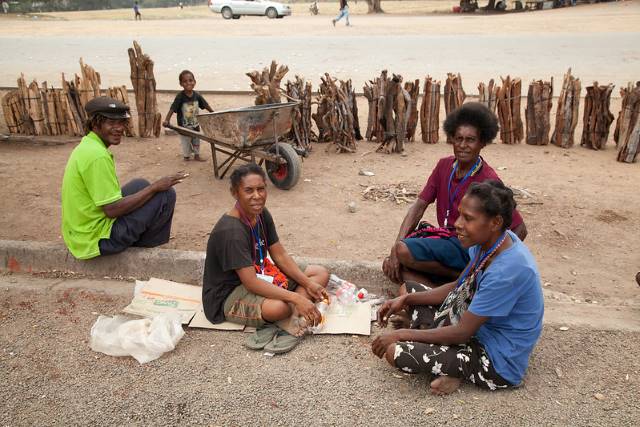
Women’s Rights in Papua New GuineaAlthough Papua New Guinea is a resource-rich area, almost 40% of its population lives in poverty. For women, Papua New Guinea is a dangerous place to live as the country is plagued by gendered violence and inequality and women’s rights are unprotected.
Women’s Rights in Papua New Guinea

Although the Papua New Guinea Constitution technically renders men and women equal, the traditional customs of the country and the patriarchal values that come with the vastly rural community make it difficult for this to actually implement itself within the country. Women’s rights in Papua New Guinea are shunted on a legislative and social level. In fact, not a single woman in Papua New Guinea is a member of Parliament. Moreover, women are not given the opportunity to be in positions of power due to a lack of access to education. In Papua New Guinea, only 18% of girls are enrolled in secondary school.

Gender-Based Violence in Papua New Guinea

Women in Papua New Guinea are subject to male domination and violence. It is estimated that Papua New Guinea has one of the highest rates of gender violence in the world, for a country that is not a conflict zone. Moreover, the ruralness of Papua New Guinea leads to a lack of infrastructure and community programs to deter violence and provide sanctuary to women and girls who have experienced domestic violence. Women are often forced to return to their abusers due to the lack of these types of systems.

In 2015, Doctors Without Borders completed its Return to Abuser report in Papua New Guinea. Of the patients treated, 94% were female, with the most common form of violence being at the hands of domestic partners. From 2007 to 2015, Doctors Without Borders treated nearly 28,000 survivors of family and sexual violence in Papua New Guinea. Doctors Without Borders shared that this abuse cycle continues because women and children lack the proper resources to leave their abusers, as many of them are dependant on the abuser and the abuse happens at home.

Intimate Partner Violence

In a United Nations multi-country study about Asia and the Pacific, researchers discovered alarming statistics about the pervasiveness of intimate partner violence. In Papua New Guinea, 80% of male participants self-reported perpetrating physical and/or sexual violence against their partner in their lifetime. Additionally, 83% of male participants also reported having committed emotionally abusive acts against their female partners in their lifetime. Sexual violence in Papua New Guinea is an epidemic too. In the same study, 62% of males also reported that they had perpetrated some form of rape against a woman or girl in their lifetime.

Pro Bono Australia

Despite these statistics, women in Papua New Guinea are supported by female-focused programs, such as Pro Bono Australia. Pro Bono Australia is working to aid women in Papua New Guinea to learn more about business and communication. Up to 85% of women in Papua New Guinea make their livelihoods off of the informal economy, through selling goods and services at markets. Through Pro Bono Australia, more than 600 market and street traders in Papua New Guinea who are mostly women, are members of the provincial vendors association. Through this association, vendors educate themselves about the Papua New Guinea market and the Constitution. Moreover, they now can communicate with governmental leaders and local leaders about the status of the informal economy. From this communication, these women have also been able to communicate with their leaders about other issues within their communities. As a result of this program, the provincial vendors association has begun to petition the government for better sanitation, safe spaces, better shelter and reliable water.

The Future for Women in Papua New Guinea

The communication between a coalition of mostly females and the governmental structure of Papua New Guinea will give voices to those who have been voiceless, bring attention to the status of women within society and hopefully make strides towards resolving issues such as gender-based violence and women’s rights in general. As a result of this measure, there is hope that women’s rights in Papua New Guinea will continue to improve and that the resources for gender-based violence will expand.

– Caitlin Calfo
Photo: Flickr

December 17, 2020
https://borgenproject.org/wp-content/uploads/borgen-project-logo.svg 0 0 Yuki https://borgenproject.org/wp-content/uploads/borgen-project-logo.svg Yuki2020-12-17 08:12:412024-05-30 07:55:25Introduction to Women’s Rights in Papua New Guinea
Developing Countries, Global Poverty, Health, Human Rights

Life in US-Mexico Border Camps

border campsThe United States’ Migrant Protection Protocols (MPP) program, better known as “Remain in Mexico,” is a policy that requires those seeking asylum within the United States entering from the southern border to wait outside of the United States in Mexico while their cases are reviewed by immigration judges. Since its implementation in January 2016, this policy has led to the build-up of camps of asylum seekers around Mexico. These U.S.-Mexico border camps are ridden with crime, disease and other dangers.
Rampant Crime in US-Mexico Border Camps

The NGO, Human Rights First, has reported more than 1,314 cases of rape, kidnapping, murder, torture and other violent crimes against migrants forced to return to Mexico. Of those cases, 318 have been kidnappings or attempted kidnappings of children. Rampant police corruption in border cities means nothing is done to protect migrants. Crimes including extortion, assault and sexual harassment have all been reported against members of the Mexican police. These reports come from individual interviews held by Human Rights First in order to determine the scale of crime within migrant camps. Given that about 55,000 individuals have been returned to Mexico as part of the Migrant Protection Protocols program, the organization believes that those 1,314 cases are only the tip of the iceberg when it comes to violent crime in U.S.-Mexico border camps.

The Dangers of Mexican Regions

The United States Department of State periodically releases travel advisories on countries and regions throughout the world to warn citizens of dangers they may face when traveling there. This includes the Mexican state of Tamaulipas, Matamoros, a hotspot for gathering migrants awaiting entrance into the United States. Thousands of migrants, returned to Mexico by immigration officials to await their trials, live in tented border camps in a place that the United States considers dangerous. This has led to scrutiny by organizations such as the American Civil Liberties Union (ACLU) for endangering asylum seekers by sending them to places that the United States admits are dangerous.

Vulnerable Populations in Camps

Despite the fact that vulnerable populations are supposed to be exempt from the “Remain in Mexico” program, many individuals that should not have been sent back have shown up in U.S.-Mexico Border camps. The period from the programs start through June 2019 saw 13 pregnant women and 4,780 children sent to await their trials in Mexico according to Human Rights Watch. Human Rights Watch also reports that people genuinely afraid of returning to Mexico, including kidnapping and assault victims, have been denied exemption from the Migrant Protection Protocols program and were sent back across the border anyway. Human Rights Watch, the ACLU, Human Rights First and others, have all found that people including the disabled, the young, the sick and members of the LGBTQ+ community, have all been sent back to Mexico despite qualifying for an exemption from the policy.

Unsanitary Conditions Spread Disease

The unsanitary conditions along the U.S.-Mexico border have led to diseases spreading among migrants. Reportedly, there is little clean water and migrants often bathe in the Rio Grande River, which is known for containing E. coli, other bacteria and human feces. Few cases of COVID-19 have been officially recorded. However, with border camps’ proximity to COVID-19 hotspots both in the U.S. and Mexico, there is likely an abundance of unknown cases.

NGOs Assist Migrants

Immigration to the United States has basically come to a complete standstill as the border between the two countries has remained closed throughout the course of the pandemic. Because of this, NGOs have gone into border camps in order to assist those in need. The UNHRC has set up hand-washing stations and isolation areas in some migrant camps. It has also provided cash relief to migrants who have lost jobs due to the pandemic. Other organizations like Global Response Management and  Doctors Without Borders have provided medical assistance by building medical centers, distributing PPE and providing medical treatment for those infected with COVID-19.

The United States Migrant Protection Protocols, or the “Remain in Mexico” policy, has without a doubt led to an increase in concerns for the health and safety of people along the U.S.-Mexico border. Now, with the COVID-19 pandemic bringing the already slow asylum process to a standstill, poverty and disease has spread throughout these camps. However, NGOs like the UNHRC have been stepping up and providing assistance to those most in need.

– Aidan Sun
Photo: Flickr

December 17, 2020
https://borgenproject.org/wp-content/uploads/borgen-project-logo.svg 0 0 Yuki https://borgenproject.org/wp-content/uploads/borgen-project-logo.svg Yuki2020-12-17 01:55:392024-05-30 07:53:22Life in US-Mexico Border Camps
Global Poverty, Health, Homelessness

7 Facts About Homelessness in Italy

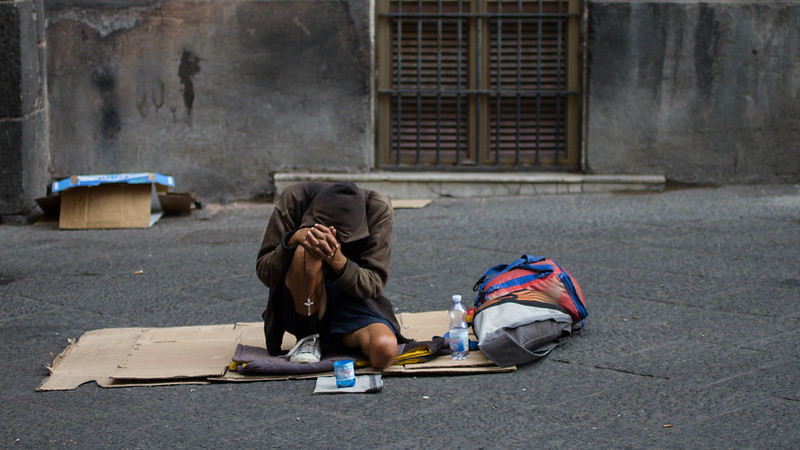
homelessness in italyItaly has a population of just over 60 million people and boasts a per-capita GDP of roughly $34,000. This makes it one of the world’s most developed countries. Further, Italy’s location in the Mediterranean and its rich, diverse cultural history make it a land of opportunity. Some of its most profitable industries include tourism, agriculture, fashion, wine, olive oil and automobiles. However, despite having such a strong economy, homelessness in Italy remains an issue. Here are seven facts about homelessness in Italy.

7 Facts about Homelessness in Italy

  1. Official statistics may undercount the number of people facing homelessness in Italy. Roughly 3.2% of the country, or 2 million people, make under $5.50 per day. Of those people, more than 50,000 are homeless. However, because these figures come from major cities, there are likely more people facing homelessness in Italy. The country counts people as homeless if they are living in a public or outdoor space, an emergency shelter or a specific accommodation for the homeless. This does not include people in jail, receiving medical care or living with family. As such, official numbers often do not reflect Roma, Travellers and Sinti people who live in subpar housing.
  2. Middle-aged people and migrants are most at risk for homelessness in Italy. Half of all homeless people are between the ages of 35 and 54. Further, Migrants make up 58% of people facing homelessness in Italy. In Milan, 90% of people living in slums are foreign-born. Similarly, in Naples and Bologna, 77% and 73% of homeless people are migrants, respectively. Between 2011 and 2014, the average duration of homelessness migrants faced went up from 1.6 to 2.2 years. This is still less than native Italians, whose duration of homelessness was 3.5 years on average.
  3. As a result of the global recession in 2008, the rate of homelessness tripled. In Italy, the loss of a stable job contributes significantly to homelessness. Additionally, the rate of economic recovery has been slow. By 2016, an estimated 3,000 more people became homeless in Italy compared to 2011. Even in 2011, one in every four families in Italy was unable to make mortgage payments. This implies an increased rate of evictions and families made newly homeless. At the same time, the unemployment rate nearly doubled from 6.7% in 2008 to 12.7% in 2014. As of 2020, estimates place it at 9.1%.
  4. Italy fares worse on homelessness than many of its E.U. neighbors. For example, Italy spends the equivalence of $12 per person on housing. The United Kingdom, in contrast, spends more than 40 times the amount Italy does. In Italy, the financial crisis led to funding cuts for housing. Additionally, only 4% of Italy’s housing stock is public, which is one-fifth of the E.U. average.
  5. Homelessness in Italy is geographical. Specifically, about 56% of all reported homeless people live in the northern part of the country. Of all northern cities and cities across Italy, Milan has the highest amount of homeless people. Estimates suggested 12,000 homeless people in Milan in 2014. Central Italy contains roughly 24% of Italy’s homeless population, while Southern Italy contains 20%. Rome and Palermo report the highest number of homeless people in their respective regions.
  6. In 2018, the Salvini Decree ended humanitarian protection for migrants not eligible for refugee status. Most people who arrived to Italy receive humanitarian protection, and 100,000 hold work permits. With protections removed, the migrants faced evictions. These occurred in parts of southern Italy.
  7. Homeless people face unique struggles as a result of COVID-19. When Italy went into a full lockdown to mitigate the spread of the novel coronavirus, police started fining homeless people for violating lockdown, simply because they could not follow lockdown rules. Additionally, building shelters amenable to social distancing proved challenging. Many homeless people also lack information about the virus and proper personal protective equipment. Finally, obtaining food became a struggle for many people facing homelessness in Italy.

Organizations Fighting Homelessness in Italy

Several organizations are helping to fight homelessness in Italy. Baobab Experience wrote an open letter to the minister of health, Roberto Speranza. It urged for health checks for migrants, many of whom were afraid to go to hospitals due to their immigration status. The organization also pleaded with the minister to find housing options for homeless people so they would not spread the virus to anybody else.

Emergency, another NGO, established temporary housing units for homeless people, including those requiring isolation. It hired educators, social workers and health providers to assist in the operations and show them how to use PPE properly. Similarly, between 2012 and 2013, Doctors Without Borders began providing free healthcare to homeless people in Milan. The organization reported that about 70% of those seeking care were migrants, mainly from Africa and Eastern Europe.

Additionally, the Community of St. Egidio has worked with Pope Francis to help poor people and refugees. The organization offers 100 beds, hot meals, counseling, hand sanitizers and masks to homeless individuals. Another Catholic organization, Caritas Italy, has also provided food and sanitation to people facing homelessness in Italy. Regular citizens have jumped in to help as well: in Naples, residents lowered food baskets from their balconies to feed people who were on the streets.

Moving Forward

These organizations bring hope to the fight against homelessness in Italy. As the facts above illustrate, homelessness remains a serious problem in Italy, one that primarily affects marginalized groups. However, the work of NGOs and other organizations can help reduce this problem and bring Italy more in line with its E.U. neighbors in reducing homelessness.

– Bryan Boggiano
Photo: Flickr

October 17, 2020
https://borgenproject.org/wp-content/uploads/borgen-project-logo.svg 0 0 Kim Thelwell https://borgenproject.org/wp-content/uploads/borgen-project-logo.svg Kim Thelwell2020-10-17 10:19:092020-10-17 10:19:097 Facts About Homelessness in Italy
Global Poverty, Water Crisis, Water Quality, Water Sanitation

COVID-19 Affects Zimbabwe and Its Water Supply

COVID-19 affects Zimbabwe
Zimbabwe once had an effective water system. However, a lack of proper infrastructure and government action means a lack of safe water. Water and waste disposal systems suffer ineffective planning, especially in Zimbabwe’s capital Harare. Further, COVID-19 affects Zimbabwe broadly as well as having an impact on its already fragile water supply.

The Issues in Harare

To survive, residents in Harare must dig wells to create a water source. However, the well water is not safe to drink. The sewage system in Harare is another health issue for residents. Young children play in sewage and often fall ill from the lack of sanitation.

Additionally, further issues plague Harare. The Human Rights Watch interviewed a Harare resident named Bonnie who explained that she does not have water to bathe and clean her three children, including one in diapers. The video also featured an interview with a woman called Abigail. She mentioned that the water smells, and she must use a purification tablet before bathing or drinking. Abigail says the government’s negligence has caused these issues within the community.

More than half of Harare’s 4.5 million population could only access running water once a week. This was according to the city’s mayor, Herbert Gomba, back in 2019. Thus, residents must turn to other solutions, such as waiting in long lines at communal wells, streams or boreholes. The water received from these places may not even be safe to drink.

Drought is the cause of the shortage of water in Zimbabwe. In Harare, one-half of the population’s reservoirs are empty because there is no rain. The remaining water, 45% to 60%, is often lost and inaccessible to the population due to leakage or theft.

The Pandemic

As the novel coronavirus plagues the globe, the disease is contributing great distress to Zimbabwe. COVID-19 affects Zimbabwe mainly through its water supply, which hurts the citizens of Harare and the surrounding population.

In Harare, citizens go without water for days. They must wait until water trucks arrive in the city. Once the water is finally available, COVID-19 changes how citizens can access it. Citizens gather in large numbers to wait in line, which makes the concept of social distancing nearly impossible. Then, they push and shove to receive water. Additionally, COVID-19 affects Zimbabwe because many individuals do not wear or cannot access masks.

Organizations like Doctors Without Borders encourage social distancing. Yet, it is not a long-term or time-friendly solution, as they are not sure that it will keep people safe. Furthermore, the people in Harare are desperate for food and water. They may sacrifice their health to be first in line to receive water for themselves and their families.

Dewa Mavhinga, the South Africa director at Human Rights Watch, explains that COVID-19 affects Zimbabwe differently because of their pre-existing lack of water. It takes a toll on the spread of the virus and other infectious diseases, such as typhoid and cholera. Water is necessary for handwashing and hygiene, which can combat the spread of coronavirus. Without an uninterrupted supply of water, residents will struggle to stay safe and healthy.

Aid

Supporters abroad can help aid the people of Zimbabwe by urging U.S. congressional leaders to make the COVID-19 crisis in Zimbabwe a current political and human rights focus. With U.S. backing, the Zimbabwean government can ensure there are water points throughout the country. This will prevent overcrowding and the spread of COVID-19.

Another way to aid Zimbabwe’s public health system is to show support to organizations, such as Doctors Without Borders and Save the Children. These organizations are providing emergency relief and recovery programs for people in Zimbabwe. They are doing everything they can to combat how COVID-19 affects Zimbabwe by implementing humanitarian relief efforts.

– Caitlin Calfo
Photo: Flickr

October 11, 2020
https://borgenproject.org/wp-content/uploads/borgen-project-logo.svg 0 0 Kim Thelwell https://borgenproject.org/wp-content/uploads/borgen-project-logo.svg Kim Thelwell2020-10-11 12:18:452024-12-13 18:02:15COVID-19 Affects Zimbabwe and Its Water Supply
Global Poverty

Healthcare in Kashmir During Tense Lockdown

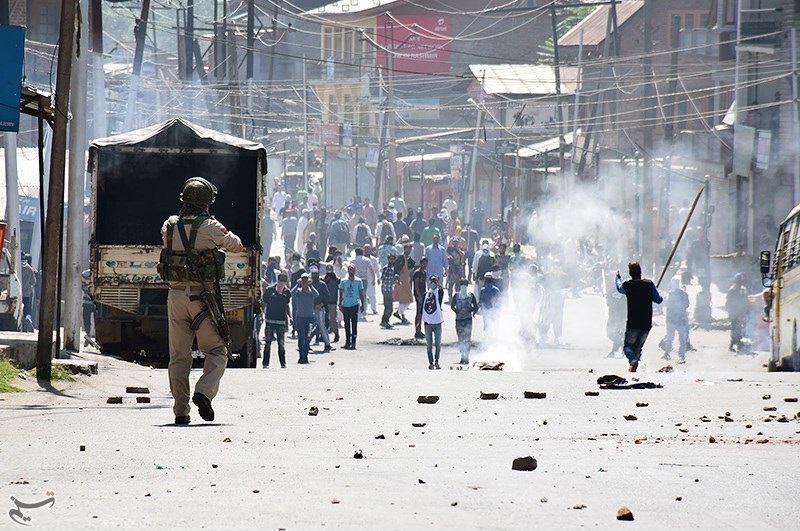
healthcare in kashmirFor months, people in Indian-administered Jammu and Kashmir have struggled during a debilitating security lockdown. With phone lines cut and internet access heavily limited, the lockdown in Kashmir is the longest in recorded history. While the lockdown has heavily impacted all aspects of society, healthcare in Kashmir has taken a particularly significant hit.
The Conflict in Kashmir

Located at the intersection of some of the highest mountain ranges in the world, Kashmir is a region unlike any other. Often termed as “paradise on Earth,” the region’s picturesque landscapes and critical geopolitical location have made it a coveted jewel for powers vying in the region. For the past 80 years, India, Pakistan and China have clashed over the region, with each side claiming different swaths of the territory. With a majority-Muslim population, Kashmir has witnessed a popular resistance movement since 1989, which aims to achieve independence or unification with Pakistan.

However, in 2019, India announced a new approach toward Kashmir, implementing a set of draconian laws and procedures in the Indian-administered portion of the region. Under these laws, the territory lost its constitutional “special status.” The Indian government also reorganized its administrative divisions.

Critically, the territory is now in a crippling lockdown, including a stringent curfew, restrictions on movement and a blackout of all communications. The Indian government has arrested thousands of civilians and local politicians and shut out foreign media from the region. Indian-administered Kashmir, with a population of more than 12 million people, has struggled to deal with the effects of this clampdown.

Healthcare in Kashmir Under Lockdown

The lockdown has particularly affected healthcare in Kashmir. Less than three weeks after the start of the lockdown, pharmacies in the region began to report dire shortages of essential drugs. With stocks running low on anti-diabetics, anti-depressants and cardio-vascular medications, Kashmiris must travel miles in search of these essential medicines. Drugstores in the capital city of Srinagar have only filled half of all requested prescriptions.

Much of the problem arises from the communications blackout. With phone lines cut, stores cannot effectively communicate with dealers and medication suppliers. This makes their stocks vulnerable and the Kashmiris reliant on these medications even more so.

However, the problem with healthcare in Kashmir under lockdown exceeds medicine shortages. In 2019, the Lancet, a leading medical journal, declared that the lockdown puts patients at serious medical risk. With public transport halted and vehicles restricted, people in need of medical attention too often cannot obtain the care they need.

The lockdown has not spared mental health services in the region either. Doctors Without Borders (MSF) had maintained counseling centers in Kashmir since 2001, but closed their facilities with the start of the lockdown. Given the decades of traumatic conflict that have afflicted Kashmir, residents in the region rely on these mental health services.

As the world reels from COVID-19, Kashmir has also felt its effects. In the early months of 2020, the region saw the easing of several restrictions, including access to 2G internet. However, following Kashmir’s first case of COVID-19 in March 2020, restrictions returned with full force. In the following months, newspapers operating in the region have reported a shortage of hospital beds and dwindling supplies of oxygen and ventilators. Given the already fragile state of healthcare in Kashmir, COVID-19 has only aggravated conditions in the region.

Improvements in Healthcare in Kashmir

Although healthcare conditions in Kashmir remain heavily impacted by the ongoing lockdown, local and international actors have made several improvements. One development is medical treatment and consultations through phone calls and mobile applications. The novel approach hopes to provide a degree of healthcare access to Kashmiris while adhering to the lockdown guidelines. An estimated 630,000 families are eligible for the program.

In August 2020, a year after the start of the lockdown, the Indian government laid forth 10 fields of focus for Kashmir. This included the growth of the health sector as a top priority. In the same report, officials also declared progress in implementing the Swachh Bharat Mission in Kashmir, part of a national campaign to end open defecation and improve sanitation practices. The government also claimed to have distributed 1.2 million health cards to school-aged children in the region, providing access to much-needed health services. The cards come with up-to-date vaccination records as well as required biannual checkups.

While the military lockdown continues to exact a harsh toll on the people of Kashmir and its fragile healthcare system, the steps above have helped improve access and treatment in the region. If all goes well, India’s lockdown of Kashmir may soon end. With it would come an increase in the health and welfare of the Kashmiri people.

– Shayaan Subzwari
Photo: Wikimedia Commons

October 9, 2020
https://borgenproject.org/wp-content/uploads/borgen-project-logo.svg 0 0 Kim Thelwell https://borgenproject.org/wp-content/uploads/borgen-project-logo.svg Kim Thelwell2020-10-09 09:15:572020-10-09 09:15:56Healthcare in Kashmir During Tense Lockdown
Global Poverty

Organizations Providing Mental Health Care After Natural Disasters

Organizations Providing Mental Healthcare
After natural disasters such as hurricanes, earthquakes and floods, most survivors focus on physical needs first, such as food, water, shelter and electricity. However, psychological needs are just as important. This leads to the need for mental health relief and psychological first aid that addresses the initial mental health needs of survivors of natural disasters. Here is some information about the situation in six different places along with the organizations providing mental health care amidst natural disasters.

Puerto Rico

Puerto Rico is an island commonwealth located in the tropics and near a fault line that places it at risk for flooding rains, tropical cyclones and earthquakes. In 2017, hurricanes Irma and Maria affected the island chain, with the latter being one of the island’s most devastating storms in history. With health care workers leaving the island after the storm, resources squeezed tight, electricity out and pharmacies closed, issues such as anxiety, increased suicide rates and PTSD became heightened. After the storm, one-fifth of all residents were in need of mental health care. People leaving the island put a further strain on available health care resources, including mental health services. Predictions have determined that about 600,000 people will leave Puerto Rico by 2023. Additionally, about 7% of children met the criteria for PTSD.

While progress in building the mental health infrastructure has been slow since Maria, the island has made progress. When Hurricane Maria hit, the storm knocked out power to almost the entire island. According to The American Psychological Association, Hurricane Maria disrupted half of the island’s cellphone service and most internet connections. Pharmacies closed, meaning antidepressants were unavailable. Some rural towns experienced complete isolation so mental health professionals were unable to reach people in need. Moreover, staff with the Puerto Rico Psychological Association did not have full training prior to Hurricane Irma, and Hurricane Maria made PRPA aware of the various needs. Immediately after the storm, the PRPA sent psychologists to disaster areas, set up triage and provided counseling to people in need. The big things they focused on were listening to people’s stories of survival and focusing on a positive future outlook.

Organizations Providing Mental Health Care in Puerto Rico

Save The Children established the Journey of Hope project, and the organization worked to keep children on track through education, an important opportunity to support emotional wellbeing, in addition to coping with loss and anxiety. In the year after the storm, the project helped over 1,600 children. The Hispanic Federation provided solar lamps to people who lost power after the earthquakes since power outages triggered PTSD in Hurricane Maria survivors. The Hispanic Federation also teamed up with the University of San Juan to provide mental health services to people in both rural and urban areas. Direct Relief provided counselors and medications and hosted a workshop to address mental health needs.

Dominica

Hurricane Maria also caused widespread devastation on the Caribbean island nation of Dominica. As with Puerto Rico, the storm caused catastrophic damage on the island. International Medical Corps, together with the Dominica Psychological Society and IsraAid, designed and hosted 15 one-day workshops with over 200 leaders between December 2017 and February 2018, where they learned about psychological first aid. The community leaders who participated in the workshop came from various NGOs, local government councils throughout the island and ministries in the government, including The Ministry of Health. In addition, the organizations hosted workshops for art-based psychological first aid.

Bahamas

The Caribbean Development Bank provided $1 million to the island chain nation after Hurricane Dorian to address the mental health needs of residents. This came after the organization announced a broader initiative with the Pan American Health Organization (PAHO) to provide counseling assistance, citing the need to address the link between natural disasters and mental health. International Medical Corps assisted the Bahamas Ministry of Health by providing mental health and psychosocial support services. Because individuals tend to focus on food, water and shelter needs first, issues such as anxiety, PTSD and depression could be major long-term health crises, since most people on the affected islands lost their homes or loved ones. As a result, the organization sent mental health counselors to Grand Bahama Island, trained officials in psychological first aid and supported community-based mental health initiatives.

India

The National Institute of Mental Health and Neurological Sciences in Bengaluru assisted flood victims in Kodagu after floods affected the region in 2018. A team of experts, which included psychiatrists and psychologists, went to the region where they trained people on the ground to help with local mental health needs and communication. Additionally, volunteer groups created the Kerala Floods Mental Health Support Group to connect survivors of the floods. In India, there are few resources that go to mental health care. A 2015 World Health Organization (WHO) report found that there were only three psychiatrists per million people, while the National Programme for Mental Health received less than one-tenth of 1% of the 2017-2018 budget.

Indonesia

After the 2018 Sulawesi earthquake and tsunami killed over 4,000 people, IsraAid provided mental health services and supportive activities to the communities the disaster affected. These included training individuals in the community to cope with and learn about the long-term effects of trauma. Doctors Without Borders partook in similar efforts, training volunteers on the ground to reach at-risk and remote communities. UNICEF worked to address the mental health needs of children, helping 4,500 at 60 different places through psychosocial support. More than 10,000 psychosocial kits went to children and teachers.

Southeast Africa

Cyclone Idai made landfall in Madagascar in March 2019, causing torrential flooding in Zimbabwe, Mozambique and Malawi and killing more than 1,300 people. In Zimbabwe, UNICEF and Childline Zimbabwe and the Regional Psychosocial Support Initiative provided counseling to the children the cyclone affected. The organizations also established a shelter at Ngangu Primary School to cater to the victims’ material and psychosocial needs. Near Chimanimani, UNICEF worked with eight different organizations to provide counseling and psychosocial support to those the disaster affected.

In Mozambique, more than 31,000 children received psychosocial support through UNICEF after Idai and Cyclone Kenneth, which impacted the country a month later. In Beira, Mozambique, Doctors Without Borders provided counseling to the storm survivors and health care workers, and also trained psychologists on psychological first aid. Additionally, the organization undertook a public health campaign to talk about the symptoms of trauma related to the cyclone and the flooding it caused in Buzi. Meanwhile, UNICEF reached 10,000 children in Malawi through an initiative that provided opportunities for psychosocial support.

Closing Remarks

Future efforts by organizations providing mental health care will need to focus on community-based efforts and in collaboration with local figures. These modes of care will need to be integrated into the healthcare infrastructure and focus on long-term outcomes.

– Bryan Boggiano
Photo: Flickr

October 5, 2020
https://borgenproject.org/wp-content/uploads/borgen-project-logo.svg 0 0 Jennifer Philipp https://borgenproject.org/wp-content/uploads/borgen-project-logo.svg Jennifer Philipp2020-10-05 08:12:212024-06-07 05:08:08Organizations Providing Mental Health Care After Natural Disasters
Global Poverty, Humanitarian Aid

5 Organizations Helping During the Yemen Crisis

Organizations Helping During the Yemen CrisisLocated on the southern tip of the Arabian Peninsula, Yemen is a developing country that has faced numerous hardships within the last decade. Known as the worst humanitarian crisis, the country is having difficulties obtaining sustainability as it is currently undergoing a five-year-long war. This has increased poverty and caused uncontrollable famine. In response to the extreme and harsh living conditions, several nations and organizations are trying to provide any sort of relief. As nations contribute funds and donations, it is difficult to believe that one person can make a difference. However, every little bit counts. Here are five organizations helping during the Yemen crisis.

5 Organizations Helping During the Yemen Crisis

  1. U.N. World Food Programme: Yemen is experiencing an extreme shortage of food and everyday necessities. The U.N. World Food Programme supports several countries that lack such necessities. Unfortunately, the organization had to cut food rations in April. However, the U.N. World Food Programme still hopes to aid malnourished families and children in Yemen. It has provided food to 12 million people.
  2. UNICEF: As a non-profit organization, UNICEF finds ways to provide relief and emergency support to those in need. Emergency relief and support may include necessities such as vaccines, water, nutrition and school supplies. During the Yemen crisis, UNICEF has been able to provide support within each government in Yemen. During the COVID-19 crisis, UNICEF has provided testing equipment, respirators and face shields. It is also helping train 30,000 healthcare workers in hygiene and prevention.
  3. Save the Children: More than 12.3 million children are in need of assistance during this horrific time in Yemen. Save the Children is an organization that devotes time and effort to children in need. The organization hopes to provide as much assistance to the children as possible, whether it be food, water, shelter or education. As numerous schools have been destroyed or shut down, Save the Children has transferred numerous training teachers to provide education for the two million children who are out of school.
  4. Baitulmaal and Mona: Baitulmaal and Mona are both small, local organizations within Yemen where volunteers provide meals, medical assistance and supplies to nearby communities. Baitulmaal has provided more than 158, 000 meals as well as antibiotics and medical tests to people in need. Mona has reached tens of thousands of people with food, clothing and hygiene kits. Small organizations are incredibly important to consider as they have the ability to possibly bypass blockades within Yemen.
  5. Doctors Without Borders: Another way people are helping out during the Yemen Crisis is through Doctors without Borders. The organization consists of numerous doctors that travel to foreign countries in hopes of providing any medical assistance needed. Currently, the organization operates within 13 hospitals in Yemen. As numerous medical facilities have been shut down, Doctors Without Borders provides limited medical assistance that is needed during humanitarian crises.

As Yemen experiences supposedly the worst humanitarian crisis, it is necessary to target the several ways people can help. While there are several of organizations providing assistance in the Yemen crisis, these five organizations allow quick and accessible aid towards medical assistance and famine control.

– Elisabeth Balicanta
Photo: Flickr

September 24, 2020
https://borgenproject.org/wp-content/uploads/borgen-project-logo.svg 0 0 Kim Thelwell https://borgenproject.org/wp-content/uploads/borgen-project-logo.svg Kim Thelwell2020-09-24 21:04:232020-09-24 21:04:235 Organizations Helping During the Yemen Crisis
Global Poverty, Women

Venezuela’s Women Migrants: Victims of Exploitation

Venezuela’s Women Migrants
The pandemic has forced Venezuela’s women migrants to seek out sex work as a means to survive. With nothing to eat or to support their children back in Venezuela, they are charging as little as $2 for sex in foreign countries according to women’s right protector Karina Bravo.

The Situation

Since the beginning of the crisis, Venezuela’s women have had to look for creative ways in which they can still provide food for their children and themselves. According to the United Nations Refugee Agency (UNHCR), an estimated 6.5 million will flee the South American country by the end of 2020; 4.5 million have emigrated already. Walking miles and miles away, they gained the name of the Walkers (Los caminantes) as they cross frontiers and reach their destinations. Yet, due to the current coronavirus pandemic, they have received eviction from Colombia (where Venezuelans are half of the workforce), Ecuador and Peru.

Now, they are on the streets, with no source of income or food to provide for themselves and their families. As a result, at the start of the COVID-19 pandemic, the only option for many of Venezuela’s women was to either go back to their homeland before the borders closed–a country which unemployment, economic crisis, social crisis, food shortages, electricity and water shortages and a surge in crime and violence have obliterated–or become sex workers in a foreign country.

Women who are refugees are the most vulnerable to “labour and sexual exploitation, trafficking and violence.” Moreover, this is the truth for Venezuela’s women migrants, who have been emigrating from their country looking for a better quality of life for themselves and their families.

Prior to the Pandemic

Before the pandemic, Venezuela’s women migrants were already struggling, charging around $9 for sex in the hopes of sending money to their families back in Venezuela and sustaining themselves. However, because of the pandemic, they have had to charge as little as $2. Karina Bravo, a former sex worker in Ecuador and now a women’s right protector through the Latin American Network of Sex Workers, explained in an interview with The Guardian that the current conditions have led to Venezuela’s women migrants being unable to sustain themselves or send money to their families back home. On top of that, they are also facing trouble with available health services and experiencing emotional distress. These women also more frequently become victims of gender-based violence, including rape and stabbings.

Mothers are not the only ones to become sex workers; “girls as young as twelve” are part of the same fate, working for $1 an hour, according to Jana Lopez, a volunteer who is helping migrant families in Cucuta, the Colombian city bordering with Venezuela.

Even young Venezuelan women who applied for jobs in Trinidad and Tobago in the hopes of finding a better opportunity frequently become sex workers. This is a situation that is currently happening in Colombia, Ecuador, Peru, the Dominican Republic, Mexico, Trinidad and Tobago, and many other countries in which Venezuela’s women migrants have emigrated.

Solutions

Indeed, there has been an increase in trafficking and sexual exploitation all over Latin America since the beginning of the pandemic, and it has become much harder for sex workers to find the help they need.

Yet, groups such as the Doctors Without Borders/Médecins Sans Frontières (MSF) are still working to provide medical and preventive care, and mental health counseling services to sex workers in La Guajira, Colombia, most of whom are Venezuelans. All the organization’s services are free and it provides STDS tests, treatment, contraception, prenatal care, vaccinations and nutrition support. Since 2018, it has been providing immigrants with essential lifecare services which they cannot always access in their own countries.

Church organizations and networks are also operating near frontiers in order to help vulnerable immigrants and refugees who frequently become prey to trafficking and prostitution. However, an extreme urgency to expand more services to immigrants and refugees during the pandemic still exists so that they do not fall into the chains of sexual exploitation.

– Alannys D Milano
Photo: Flickr

September 24, 2020
https://borgenproject.org/wp-content/uploads/borgen-project-logo.svg 0 0 Kim Thelwell https://borgenproject.org/wp-content/uploads/borgen-project-logo.svg Kim Thelwell2020-09-24 08:10:112020-12-05 08:11:15Venezuela’s Women Migrants: Victims of Exploitation
Page 6 of 12«‹45678›»

Get Smarter

  • Global Poverty 101
  • Global Poverty… The Good News
  • Global Poverty & U.S. Jobs
  • Global Poverty and National Security
  • Innovative Solutions to Poverty
  • Global Poverty & Aid FAQ’s
Search Search

Take Action

  • Call Congress
  • Email Congress
  • Donate
  • 30 Ways to Help
  • Volunteer Ops
  • Internships
  • Courses & Certificates
  • The Podcast
Borgen Project

“The Borgen Project is an incredible nonprofit organization that is addressing poverty and hunger and working towards ending them.”

-The Huffington Post

Inside The Borgen Project

  • Contact
  • About
  • Financials
  • President
  • Board of Directors
  • Board of Advisors

International Links

  • UK Email Parliament
  • UK Donate
  • Canada Email Parliament

Get Smarter

  • Global Poverty 101
  • Global Poverty… The Good News
  • Global Poverty & U.S. Jobs
  • Global Poverty and National Security
  • Innovative Solutions to Poverty
  • Global Poverty & Aid FAQ’s

Ways to Help

  • Call Congress
  • Email Congress
  • Donate
  • 30 Ways to Help
  • Volunteer Ops
  • Internships
  • Courses & Certificates
  • The Podcast
Scroll to top Scroll to top Scroll to top