• Link to X
  • Link to Facebook
  • Link to Instagram
  • Link to TikTok
  • Link to Youtube
  • About
    • About Us
      • President
      • Board of Directors
      • Board of Advisors
      • Financials
      • Our Methodology
      • Success Tracker
      • Contact
  • Act Now
    • 30 Ways to Help
      • Email Congress
      • Call Congress
      • Volunteer
      • Courses & Certificates
      • Be a Donor
    • Internships
      • In-Office Internships
      • Remote Internships
    • Legislation
      • Politics 101
  • The Blog
  • The Podcast
  • Magazine
  • Donate
  • Click to open the search input field Click to open the search input field Search
  • Menu Menu

Tag Archive for: Doctors Without Borders

Posts

Global Poverty, Health, Sanitation

The Battle Against Cholera in Nigeria

cholera in nigeriaBetween January and August 2021, Nigeria experienced a surge in cholera cases with more than 31,000 “suspected cases,” 311 confirmed reports and more than 800 deaths. With close to 200,000 COVID-19 cases, a surge of cholera during the pandemic has heightened public health concerns in Nigeria. As such, addressing cholera in Nigeria is currently a top priority for the country.

What is Cholera?

According to the World Health Organization, “cholera is an acute diarrhoeal infection caused by ingestion of food or water contaminated with the bacterium Vibrio cholerae.” Despite being both preventable and treatable, cholera is very dangerous as it can kill an individual within hours without intervention. While mild cases are easily treatable with “oral rehydration solution,” more severe cases necessitate “rapid treatment with intravenous fluids and antibiotics.” These are resources that many impoverished developing countries simply cannot afford.

According to the Centers for Disease Control and Prevention, the number “of people who die from reported cholera remains higher in Africa than elsewhere.” The WHO emphasizes that the “provision of safe water and sanitation is critical to prevent and control the transmission of cholera.” The WHO also recommends oral cholera vaccines in areas where cholera is endemic.

The Nigerian Government’s Efforts

The Nigerian government continues to implement policies to control the spread of cholera. Promoting basic sanitation, improving hygiene practices and providing clean water are ways the government does this. In an attempt to mitigate the spread of cholera in Nigeria, the government has also supplied solar-powered boreholes with the help of the International Organization of Migration (IOM). As of 2019, the IOM has maintained 58 of these boreholes in Borno state and created 11 new boreholes. The IOM also “rehabilitated 10 and connected them to solar power.”

An important way to stop the spread of cholera is through improving the vaccination system in Nigeria. After an outbreak occurred in 2017, the National Primary Healthcare Development Agency instated cholera vaccination programs. The next step will be to increase the supply of vaccines.

The MSF’s Role in Eradicating Cholera

Médecins Sans Frontières (MSF), otherwise known as Doctors Without Borders, is an independent global organization working to prevent cholera in Nigeria, among other missions. Its main focus is to provide medical aid in areas where it is most needed. Beginning in the 1980s, the MSF has responded to cholera epidemics across the world. Since then, the organization has worked to come up with new and more effective ways to eradicate cholera.

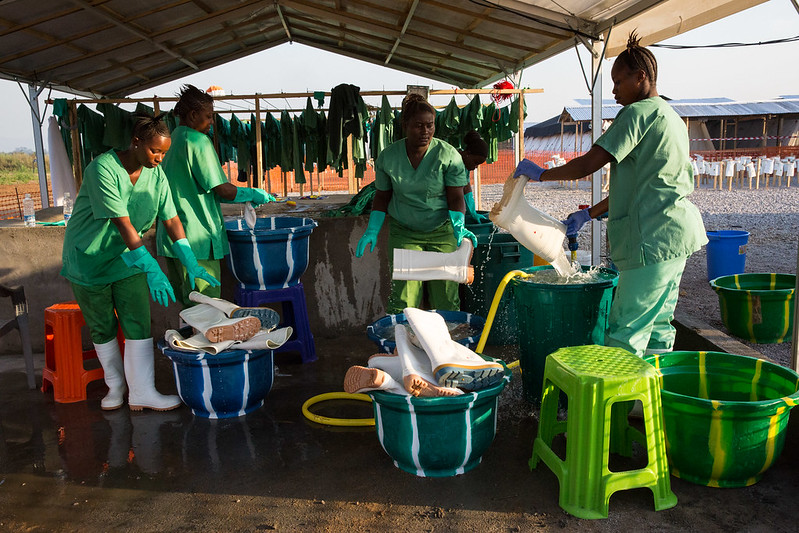
The MSF’s efforts to address cholera include supplying cholera kits, investigating outbreaks, establishing cholera treatment facilities, community education, improving access to water and sanitation and vaccinations, among other efforts. Cholera kits include “rehydration salts, antibiotics and IVs, along with buckets, boots, chlorine and plastic sheeting.” Sanitation improvements allow MSF to ensure the availability of clean water to citizens of Nigeria. Additionally, soap and clean water are provided for at-home use.

Promoting health is another major goal of the organization. At the time of an outbreak, those who work in the health field visit churches, schools and homes to help educate people on measures they can take to prevent the spread of cholera. Vaccinations are also employed to address Nigeria’s cholera outbreak. Providing vaccines is difficult, despite their ease of administration. Nonetheless, the MSF is working on vaccine campaigns. With patients receiving the proper care they need at the time they need it, the MSF states that deaths can potentially decrease from as high as 50% to as low as 2%.

The MSF’s Achievements

In 2019, the MSF supplied more than 231,000 cholera vaccine doses to endemic nations across the world. With the work of the MSF and increased government initiatives, it is possible to significantly reduce cholera in Nigeria.

– Nia Hinson
Photo: Flickr

September 14, 2021
https://borgenproject.org/wp-content/uploads/borgen-project-logo.svg 0 0 Lynsey Alexander https://borgenproject.org/wp-content/uploads/borgen-project-logo.svg Lynsey Alexander2021-09-14 01:30:412021-09-10 03:10:56The Battle Against Cholera in Nigeria
Global Poverty, Sustainable Development Goals

Will and Jada Smith Partner with Together Band

Will and Jada Smith Together BandTogether Band is an organization that raises money for various causes in an innovative and trendy way aimed at persuading younger generations to support issues they care about most. It works toward the United Nations’ 17 global goals to create a more sustainable world by 2030. Recently, Together Band also partnered with Will and Jada Smith.

Together Band

The U.N.’s 17 Sustainable Development Goals include no poverty, zero hunger, gender equality, clean energy, equal education, good health, clean water, economic growth, industry innovation, sustainable communities, responsible consumption and production, marine conservation, land conservation, justice, reduced inequalities and partnership.

Each U.N. SDG has an associated color and Together Band produces bracelets of each color. The bracelet color a customer purchases determines which goal their money targets. Together Band directs proceeds to The Freedom Fund, Renewable World, Women Working Worldwide and Power for the People, among others.

Not only do the proceeds go to humanitarian funds but the materials and production of the bracelets are impactful as well. The clasp on each bracelet is repurposed metal derived from seized illegal firearms in Central America. The aim of this sourcing is to end armed violence in conflict-torn countries. The band is made from 100% upcycled plastic found on shores in coastal communities and on remote islands. Finally, formerly trafficked Nepalese artisans use the materials to craft the final product. The jobs created help communities build stable economies.

Together Fund

Together Band created the Together Fund to combat COVID-19. Now, when a customer purchases a bracelet, 50% of the proceeds go to support COVID-19 relief while the other 50% continue to go to the original organizations that the bracelet supported before the pandemic. The organization splits COVID-19 relief funds between the U.N. COVID-19 Solidarity Fund for WHO and Médecins sans Frontières.

Together Band added COVID-19 relief to their initiatives because communities around the globe urgently need accessible healthcare. “It’s important that we act quickly in response to COVID-19 to ensure patients can access the care they need as well as supporting disease prevention and frontline health workers across the globe.”

Partnering With the Will and Jada Smith Foundation

Celebrities Will and Jada Smith created the Will and Jada Smith Family Foundation in 1996 in order to make the world “better because we touched it.” The foundation has donated millions of dollars for innovative solutions to the world’s problems. Recently, the Will and Jada Smith Family Foundation partnered with Together Band to tackle both COVID-19 and racial injustice. Working with WJSFF, Together Fund has expanded to support U.N. Goal 10: Reduced Inequalities and Goal 16: Peace, Justice and Strong Institutions.

Money can be donated to the fund directly from the WJSFF homepage. Half of the proceeds go to additional COVID-19 relief funds such as the World Health Organization, Alight and Doctors Without Borders. The remaining half supports nonprofits that fight racial injustice. They include My Brother’s Keeper, the Legal Defense and Educational Fund, the Equal Justice Initiative and the Leadership Conference Education Fund.

In addition, Will and Jada Smith’s son, Jaden Smith, founded an eco-friendly version of bottled water called Just Water. Just Water customers now have the option to round up their purchases in support of the Together Fund.

Overall, the Smiths are an inspiring example of a celebrity family using their fame to support humanitarian causes and reduce global poverty.

– Sarah Eichstadt
Photo: Flickr

September 6, 2021
https://borgenproject.org/wp-content/uploads/borgen-project-logo.svg 0 0 Lynsey Alexander https://borgenproject.org/wp-content/uploads/borgen-project-logo.svg Lynsey Alexander2021-09-06 07:30:042021-09-06 03:22:49Will and Jada Smith Partner with Together Band
COVID-19, Global Poverty

COVID-19 and Conflict in Myanmar

COVID-19 and Conflict in Myanmar
As new variants of COVID-19 spread across the world, outbreaks in Southeast Asia are particularly severe. Myanmar shares a 990-mile border with India, the origin of the highly transmissible Delta variant. The Delta variant is largely responsible for the most recent rapid outbreak in Myanmar, with new cases rising from 72 on June 2, 2021, to more than 2,000 on July 1, 2021. Myanmar’s rising case numbers come soon after the military coup that occurred in February 2021. The last five months since then have been rife with civil strife as the military responds with violence to any protests for the return of democratic leadership. COVID-19 and conflict in Myanmar pose significant challenges to the struggling country and further imperil Myanmar’s most vulnerable.

The Coup

On February 1, 2021, the Tatmadaw, Myanmar’s military, seized control of the government in a bloodless coup. The Tatmadaw disabled communication channels and raided the houses of government officials, putting some 400 members of parliament under house arrest. The members of parliament largely belonged to the National League of Democracy (NLD), Myanmar’s ruling party led by President U Win Myint and State Counsellor Aung San Suu Kyi.

NLD leaders have been charged with corruption and engaging in electoral fraud. Over the course of the five months since the coup, Burmese citizens have engaged in constant protest against the military regime. While the protests have largely taken the form of peaceful marches and street barricades, the military has often responded with live ammunition. In areas where protesters have been more aggressive toward security forces, the Tatmadaw has answered with destructive and indiscriminate airstrikes. Burmese civil society has mobilized in support of democracy but communication blackouts are a core piece of the Tatmadaw’s strategy to suppress information and frustrate organizations.

COVID-19 and Conflict in Myanmar

Many blame the Tatmadaw for the recent COVID-19 outbreak. The country’s previous outbreak that began in September 2020 was just winding down when the coup took place a few months later. While the first few months of military rule saw no rise in COVID-19 cases, it appears that the abandonment of the NLD’s policies of testing, lockdowns and vaccination has produced the country’s fastest rise in cases to date.

Myanmar’s healthcare infrastructure struggled with the first wave and the second wave is already exerting even more acute pressure on Myanmar’s health systems. Furthermore, healthcare workers, as well as workers in many other sectors of the economy, are also protesting the coup. Vaccinations are proceeding at a sluggish rate as international organizations, notably COVAX, have delayed shipments of the vaccine to the military regime, which many have accused of prioritizing shots for its soldiers over the elderly.

Humanitarian Assistance

The combination of post-coup conflict and the rapid outbreak have further endangered those living on the margins of Burmese society. According to the latest available estimates, Myanmar’s poverty rate stands at 25% as of 2017 — a rate that the United Nations Development Programme thinks could double by 2022 if left unaddressed.

The military coup has put the international community in a difficult position. In response to the coup, in February 2021, President Biden announced his decision to redirect $42.4 million of aid to Myanmar “away from work that would have benefited the Government of Burma.” Biden said that “Rather than supporting the military, we will redirect these funds to support and strengthen civil society.”

While the international community refuses to prop up the military regime with economic assistance and sanctions relief, there is no doubt an urgent necessity to provide relief for the impoverished caught between COVID-19 and conflict in Myanmar. NGOs have come together to call for an end to the fighting in order to deliver assistance to those in need.

Doctors Without Borders

Doctors Without Borders issued a statement that it would “continue to deliver impartial medical care to the most vulnerable to the best of [its]capacity while access and circumstances still allow for the provision of care.” Even though “staff movements [are] restricted” its programs are still operational. The organization emphasizes that it is “ready to adapt [its] medical humanitarian response as needed.” Amid the COVID-19 outbreak, the organization is assisting with COVID-19 screening, testing and monitoring while treating infected patients. Doctors Without Borders also “continues to share COVID-19 prevention and health promotion messages” in Myanmar and educates communities on handwashing and mask-wearing.

Donors and organizations must try to find ways to deliver relief that circumvents the military. International humanitarian assistance in Myanmar is necessary now more than ever as Myanmar’s most vulnerable people find themselves between a pandemic and civil strife.

– Will Pease
Photo: Flickr

July 15, 2021
https://borgenproject.org/wp-content/uploads/borgen-project-logo.svg 0 0 Lynsey Alexander https://borgenproject.org/wp-content/uploads/borgen-project-logo.svg Lynsey Alexander2021-07-15 06:29:052021-10-30 22:54:29COVID-19 and Conflict in Myanmar
Global Poverty

Humble Bundle: COVID-19 Relief in India and Brazil

COVID-19 Relief in India and BrazilThe video game industry is doing its part in the global fight against COVID-19. The online video game storefront, Humble Bundle, is playing a major role in charitable efforts. As of May 28, 2021, Humble Bundle has raised almost $1.2 million for COVID-19 relief in India and Brazil.
What is Humble Bundle?

Humble Bundle is an online video game store founded in 2010. Since then, the video game bundles that give the company its name have raised money for a wide variety of charitable efforts, from the World Wildlife Foundation to Make-A-Wish. The funds primarily come through the sale of popular video games along with other entertainment items like comic books.

Humble Bundle has garnered almost $200 million through bundles. These often include selections from popular gaming franchises like Civilization, Saints Row and BioShock. Typically a portion of each bundle is donated either to the company’s featured charity of the month or the purchaser’s chosen charity. However, Humble Bundle took a bit more of a drastic approach in May 2021 to help several organizations in India and Brazil during the COVID-19 outbreak.

Humble Bundle created the live “Humble Heal: COVID-19 Bundle” from May 12, 2021, until May 19, 2021, in order to support four different charities working in Brazil and India during the ongoing pandemic. More than 54,000 bundles were sold. India recently experienced a record one-day COVID-19 death toll of more than 6,000 deaths on June 10, 2021. Around the same time, Brazil neared 500,000 overall deaths due to COVID-19. The relief efforts of Humble Bundle and other charities are vitally important for COVID-19 relief.

Humble Bundle COVID-19 Relief Support

The charities supported by the bundle primarily focus on providing medical equipment and care to those in need. For example, in February 2021, Direct Relief granted more than $500,000 in aid to Amazonas in Brazil for roughly 350 oxygen concentrators. The Brazilian state desperately needed oxygen concentrators for local medical facilities and people isolated in rainforests. Similarly, in April 2021, Direct Relief donated $5 million toward the purchase of oxygen concentrators in India as well.

According to a recent report by Doctors Without Borders, countries like Brazil were forced to ration treatments or prioritize some patients over others due to a lack of resources. Humble Bumble supported Doctors Without Borders with donations to ensure that essential health services continue with the necessary medical resources.

GiveIndia also incorporates oxygen supply efforts into its pandemic relief. The charity raised more than $6 million to help boost the oxygen supply in India. GiveIndia also provided financial support for low-income families who lost employed family members during the pandemic. Furthermore, the organization supplied food for those struggling with hunger.

The International Medical Corps, another organization supported by Humble Bundle, is also working to strengthen the healthcare system in India, provide crucial medical supplies and deliver personal protective equipment. Additionally, the nonprofit is working to combat vaccine hesitancy in the country to ensure a successful vaccine rollout throughout the country.

The Impact of Humble Bundle’s Efforts

Humble Bundle supports nonprofits like International Medical Corps and Direct Relief in a unique and creative way. It not only provides significant humanitarian funds to the organizations but also spotlights the organizations and increases awareness and engagement through its platform.

“The generosity received as a result of Humble Bundle’s effort is deeply inspiring and will serve as a force-multiplier to get more aid into these areas to improve the health and lives of those who are most vulnerable,” says Heather Bennett, vice president of Partnerships and Philanthropy at Direct Relief.

The nearly $1.2 million raised by Humble Bundle will certainly help these nonprofits continue their impactful work. This will provide COVID-19 relief in India and Brazil to help hard-hit communities recover and rebuild.

– Brett Grega
Photo: Flickr

July 1, 2021
https://borgenproject.org/wp-content/uploads/borgen-project-logo.svg 0 0 Kim Thelwell https://borgenproject.org/wp-content/uploads/borgen-project-logo.svg Kim Thelwell2021-07-01 06:19:052024-05-30 22:23:45Humble Bundle: COVID-19 Relief in India and Brazil
Global Poverty

Doctors Without Borders’ Response to COVID-19

Response to COVID-19
Doctors Without Borders has aided more than 70 countries including Yemen, Syria and countries in Latin America throughout the COVID-19 pandemic by providing extra medical professionals to help ease overwhelmed medical facilities. The organization’s main goal is to ensure that medical services can continue to run while protecting vulnerable populations. Medical services could shut down in many developing countries without the help of Doctors Without Borders. The volume of COVID-19 infection rates across the world resulted in Doctors Without Borders’ intervention in countries that traditionally have not required assistance in the past, such as Italy, France and the United States. Doctors Without Borders’ response to COVID-19 has been crucial in fighting this global pandemic. 

About Doctors Without Borders

Doctors Without Borders began in 1971 after the war in Biafra, Nigeria and the floods in eastern Bangladesh. A group of French doctors and journalists created the organization because they aspired to make a change in the medical world. Since 1971, Doctors Without Borders has expanded globally and saved millions of lives.

Today, Doctors Without Borders continues to respond to emergencies such as natural disasters and wars. In 2010, the organization rushed to Haiti after an earthquake put millions of lives in danger. Its team began treating victims within minutes. It provided emergency kits to solve any condition that could potentially occur during a natural disaster.

The organization has expanded to contribute to more long-term medical aid projects. This includes providing renovations for existing clinics, creating treatment programs and setting up ambulance services.

Doctors Without Borders’ Response to COVID-19

The Guardian reported that Doctors Without Borders began implementing outbreak preparedness measures including creating training programs in prevention and spreading, helping health facilities adapt to COVID-19 patients and sending additional doctors wherever necessary to help ease surges in January 2020. In the U.S., the organization ensured that vulnerable populations had equal access to healthcare. Doctors Without Borders’ response to COVID-19 involved the creation of education programs about COVID-19. It also designed mobile testing for migrant farmworkers in Florida.

A complication that emerged around the world since the beginning of the pandemic was that other diseases and viruses took a back seat while COVID-19 soaked up all medical resources. As a result, Doctors Without Borders reinstated HIV services during the COVID-19 pandemic to provide antiretroviral therapy treatments. 

COVID-19 has created several different obstacles for Doctors Without Borders to operate efficiently. Some of the obstacles include travel restrictions, risk of viral transmission, loss of access to services and more. The obstacles have been difficult to overcome but the lack of vaccine supply has been the most challenging.

Doctors Without Borders has pleaded for the European Union, the U.S. and other wealthy nations to reconsider the stance on South Africa and India’s patent waiver proposal. South Africa and India’s patent waiver proposal would lend a hand to developing countries by allowing the manufacturing of generic COVID-19 vaccines. As the fight for immunity continues, Doctors Without Borders believes that without sharing, the world has no chance of creating global immunity. However, the E.U. and the U.S. remain set to allow vaccine production to remain in the hands of pharmaceutical companies opting for profit. 

Looking Ahead

Until every country has equal access to immunity, the whole world is still at risk. Doctors Without Borders has vowed to continue helping the world cope with the damages that the COVID-19 pandemic has caused.

– Jessica Barile
Photo: Flickr

June 5, 2021
https://borgenproject.org/wp-content/uploads/borgen-project-logo.svg 0 0 Kim Thelwell https://borgenproject.org/wp-content/uploads/borgen-project-logo.svg Kim Thelwell2021-06-05 07:30:152021-06-02 14:17:05Doctors Without Borders’ Response to COVID-19
COVID-19, Global Poverty

Improving Health in Papua New Guinea

Health in Papua New GuineaFor the island nation of Papua New Guinea, the COVID-19 outbreak has led to some positive developments despite the harm the pandemic has caused. Health officials state that the COVID-19 pandemic has tested medical infrastructure in Papua New Guinea, providing opportunities for the country to strengthen its healthcare system and be better able to deal with future health crises. Several organizations are committed to improving health in Papua New Guinea.
Healthcare Accessibility

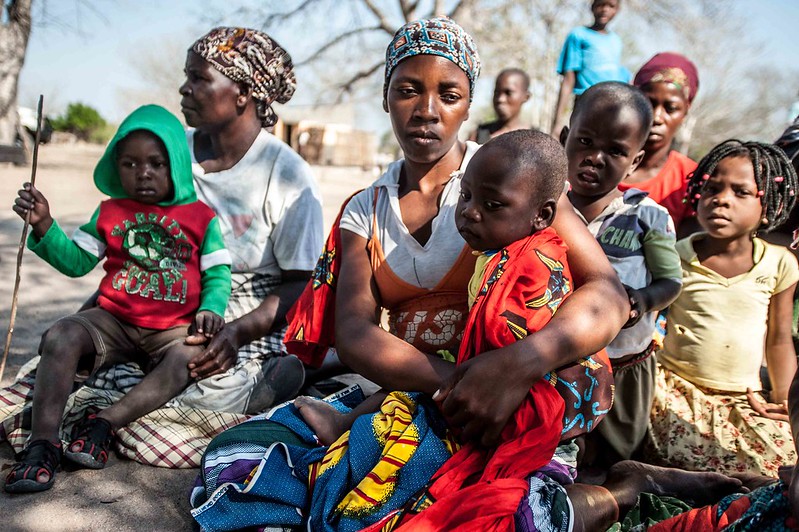
Lack of accessibility to healthcare is a significant barrier for the citizens of Papua New Guinea. One of the defining characteristics of Papua New Guinea is how vast and well-dispersed the country is with roughly 600 islands. Its many secluded and remote areas may seem ideal for a vacation destination, but these qualities prove to be challenging from a healthcare perspective. Due to the abundant natural resources, around 80% of residents live off the land in rural areas that are not in close proximity to medical facilities. Despite logistical trials, the country is slowly but surely making progress.

Vaccine Distribution

As of April 12, 2021, Papua New Guinea had reported almost 10,000 confirmed cases of COVID-19. On April 16, 2021, the Oceania nation received 132,000 vaccines from the COVAX Facility. The national vaccine rollout was launched on May 4, 2021, first focusing on the 3% of the population making up frontline workers. Considering the decentralized population and the late start in acquiring vaccines, Papua New Guinea has made progress in fighting COVID-19. By educating the population about vaccines and medical vernacular, health officials agree that efforts to combat the virus have better prepared the country for future medical crises.

Identifying Shortcomings

In addition to vaccination efforts, COVID-19 response funds are being used to create water facilities in vulnerable areas such as the North Fly District. This improvement will benefit the country on a long-term basis. The COVID-19 pandemic has tested the local medical system by pointing out flaws. This has prompted Papua New Guinea to find solutions to make future outbreaks more manageable.

Weakened demand due to the pandemic has left Papua New Guinea’s economy crippling. Vaccinations are serving to remedy the economic strain as much will go back to normality once a greater part of the population is vaccinated and the economy will be stimulated. As normalcy returns, the unemployment rate and poverty rate are projected to gradually decrease. However, Papua New Guinea’s healthcare system still needs support from outside organizations in order to strengthen.

3 Organizations Supporting Healthcare in Papua New Guinea

  1. Doctors Without Borders is a humanitarian aid organization. It provides medical assistance needed around the world. In  order to improve health in Papua New Guinea, its current focus is fighting tuberculosis. With mobile clinics and less invasive treatments, the organization is able to care for patients situated in remote areas and save them the cost of travel to and from a medical facility.
  2. The PNG Foundation specifically supports approximately 70,000 Kamea people of Papua New Guinea. Rugged highland terrain creates difficulty accessing health, educational and infrastructure support. The goals of the PNG Foundation include providing basic medical care and maintaining the hospital and schools.
  3. The well-being of Papua New Guinea’s women and children lies at the heart of the Highlands Foundation’s mission. The organization combats maternal and infant mortality. Its projects include sending medical supplies, clothes, toiletries and sanitary items to hospitals in the remote areas of Papua New Guinea. The Highlands Foundation also leads training programs for local medical staff and sends volunteers to ease the pressure of the national medical personnel shortages.

Global organizations, foreign aid and private donors have aided Papua New Guinea by providing vaccines, equipment and other essential resources. The COVID-19 pandemic has brought to light the struggles of Papua New Guinea’s healthcare system. Now that the shortcomings are apparent, Papua New Guinea will require further support and assistance in order to address these issues and strengthen healthcare in the country.

– Lucy Gentry
Photo: Unsplash

April 30, 2021
https://borgenproject.org/wp-content/uploads/borgen-project-logo.svg 0 0 Lynsey Alexander https://borgenproject.org/wp-content/uploads/borgen-project-logo.svg Lynsey Alexander2021-04-30 02:57:412021-06-18 02:58:03Improving Health in Papua New Guinea
Humanitarian Aid

Displacement in Mozambique Needs Humanitarian Aid

displacement in MozambiqueThe ongoing insurgency in northern Mozambique started in 2017. Four years later, the revolt has resulted in hundreds of thousands of people becoming displaced.  The UNHCR has stated that as of March, the number of displaced people in Mozambique nears 700,000 and the total may exceed one million people by June 2021. As a result of this dire situation, Mozambique’s population is more susceptible to food insecurity and malnutrition. Additionally, those suffering from displacement in Mozambique are at an increased vulnerability to this continuing violence.
Violence in Cabo Delgado

The province of Cabo Delgado in northern Mozambique has the highest population of people suffering from food insecurity in the country. According to The Integrated Food Security Phase Classification (IPC), 770,000 people in Cabo Delgado are suffering from crisis and emergency levels of food insecurity. The community is desperate for aid, but it has been a struggle to obtain.

The violence in Cabo Delgado has interfered with the ability of humanitarian aid to provide people with food, water and health services. However, community members have stepped up. Displaced people have been able to find support from host communities in neighboring provinces. This decreases displacement issues but exacerbates the food crisis. Taking in extra families may jeopardize the food security of the host communities. It places an increased demand on already limited supply of resources.

Humanitarian Response

The nonprofit organization Doctors Without Borders has been helping Pemba, Cabo Delgado’s capital, since 1984. The nonprofit has seen a growing mental health crisis among the displaced people that come to Pemba. In response, Doctors Without Borders has also utilized games and activities to give people a place to grieve their losses and share their stores. The nonprofit has used conversation circles as a tool to allow people to safely express their emotions, as the experiences of many internally displaced people is traumatic. Doctors Without Borders also has a focus on physical health. The organization has built latrines in Mozambique and provided internally displaced people with clean water. Additionally, the nonprofit has teamed up with Mozambique’s Department of Health to respond to COVID-19, HIV, tuberculosis and hepatitis C.

Save the Children is another humanitarian aid organization working in Cabo Delgado. So far, the organization has reached over 70,000 people, 50,000 being children. In Cabo Delgado, more than 27% of children have been displaced by violence and are unable to attend school. Save the Children offers adolescence programs that provide children with nutrition and the support they need to complete their education. There are also programs for younger children to ensure they don’t suffer from malnutrition and can attend pre-school. In terms of mental health, Save the Children provides therapy to help children deal with the trauma of being displaced. The organization also works toward prevention in addition to treatment, specifically through politics. Save the Children collaborates with the local government to mitigate the effects of displacement in Mozambique. The joint effort strives to prevent illness, strengthen agriculture and prepare children to be self-sufficient through formal skill training.

Looking Forward

Mozambique is in a difficult position to combat the persisting violence within the country. It cannot fight this crisis alone. The country needs aid from outside organizations. As the violence continues, displacement in Mozambique becomes a growing issue requiring a stronger humanitarian response. However, there is hope thanks to organizations like Doctors Without Borders and Save The Children. With continued and increased humanitarian aid in conjunction with the local government’s efforts, displacement in Mozambique can be diminished and the country can strive toward an end to its persisting violence.

– Gerardo Valladares
Photo: Flickr

April 28, 2021
https://borgenproject.org/wp-content/uploads/borgen-project-logo.svg 0 0 Kim Thelwell https://borgenproject.org/wp-content/uploads/borgen-project-logo.svg Kim Thelwell2021-04-28 07:31:042021-04-27 12:59:41Displacement in Mozambique Needs Humanitarian Aid
COVID-19, Global Poverty

World of Warcraft’s Fight Against the Pandemic

World of Warcraft's Fight Against the PandemicThe COVID-19 pandemic has caused Activision Blizzard to host their annual gaming convention, Blizzcon, online this year in what was known as Blizzconline. At Blizzconline, Blizzard announced many updates and future releases for the company, as well as this year’s charity event in World of Warcraft. This year’s charity event will aid in World of Warcraft’s fight against the pandemic. In 2021, the popular role-playing game is partnering with Doctors Without Borders to donate to the nonprofit’s COVID-19 Crisis Fund.

Blizzard Charity Events

Since 2010, Blizzard has partnered with charities and nonprofit organizations to donate millions of dollars through player donations. In years past, Blizzard would donate 100% of proceeds made off of player purchases of in-game cosmetic items like World of Warcraft pets or Overwatch skins.

This year, Blizzard is changing the way donations are being made. Players will be allowed to donate however much they want directly to Médecins Sans Frontières (MSF), or Doctors without Borders, and these donations will be tracked by Blizzard. After reaching preset goals, players will be rewarded with in-game pets as a reward for contributing to World of Warcraft’s fight against the pandemic.

Blizzard’s previous charity events have generally gone toward alleviating domestic issues in the U.S. This will be the first time the company partnered with an international humanitarian organization, except for its partnership with WE Charity in 2019. The WE Charity works internationally to end poverty by establishing education access and resources, providing more than one million people with access to clean food and water and empowering women to be self-sufficient.

Doctors Without Borders

Blizzard’s charity event with Doctors Without Borders will have player donations going directly to the nonprofit’s COVID-19 Crisis Fund. Doctors Without Borders is a humanitarian nonprofit organization working in more than 70 countries, providing people with medical aid and assistance. The organization has been combating malnutrition in children, treating preventable diseases and providing people with access to medical services and care since being founded in 1971.

The COVID-19 Crisis Fund has a current target of €150 million, or more than $181 million. All the funds will go directly toward Doctors Without Borders’s global response to the pandemic. For instance, the funding will be used for supplies for patients and staff and research ways to combat the virus. The goals of the COVID-19 Crisis Fund are to help stop the spread of the virus, reinforce food and water systems for at-risk populations and provide medical aid to those suffering from illness in more than 70 countries where the nonprofit works.

To reach its goal of €150 million, Doctors Without Borders will need more donations to its COVID-19 Crisis Fund. By partnering with Blizzard and the World of Warcraft, Doctors Without Borders is one step closer to reaching its goal and contributing to the fight against the COVID-19 pandemic. Moreover, this charity partnership will help improve the current global COVID-19 response and save lives.

– Gerardo Valladares
Photo: Flickr

February 27, 2021
https://borgenproject.org/wp-content/uploads/borgen-project-logo.svg 0 0 Kim Thelwell https://borgenproject.org/wp-content/uploads/borgen-project-logo.svg Kim Thelwell2021-02-27 07:30:112021-05-27 11:37:05World of Warcraft’s Fight Against the Pandemic
COVID-19, Global Poverty

The State of Healthcare in Italy

Healthcare in Italy
Many know Italy to have one of the best healthcare systems in the world, with the sixth-highest life expectancy, and a low rate of preventable and treatable deaths. Everyone benefits from high-quality care and the Italian government takes measures to ensure the most vulnerable populations receive care. Unfortunately, the COVID-19 pandemic hit Italy hard which overwhelmed the hospitals and will have lasting damage on the low-income population. Here is some information about how healthcare in Italy works for vulnerable populations.

Everyone Has Access

Healthcare in Italy is universal, meaning that while private insurance options are available, everyone qualifies for public healthcare coverage regardless of income. This covers hospital visits, preventative treatment, medications, pediatrics and all necessary medical procedures for free or a small copay. One drawback is long waiting times to receive services. Italy has greater disparities in healthcare quality between regions and income classes than the rest of the European Union, but even so, less than 6% of low-income residents have any trouble accessing services.

Mental Healthcare sets an Example for the World

  In 1978, Italy passed legislation expanding mental health services. The city of Trieste replaced its 1,200-bed mental health hospital with a network of person-centered care facilities, including:

  • Four Community Mental Health Centers housing four to eight residents each.
  • One General Hospital Psychiatric Unit with six beds for short-term emergency stays.
  • The Habilitation and Residential Service, a network of voluntary communal housing with 45 beds that works with NGOs and provides various levels of supervision and services to residents based on their needs.

Instead of just treating a mental illness, the mental healthcare system in Trieste works to integrate patients into the community so they can lead fulfilling lifestyles. Instead of police, trained psychiatrists respond to mental health emergencies. In 2017, a group of Los Angeles County officials traveled to Trieste to find that it had eliminated the need for involuntary psychiatric care, there was no mentally ill homeless population and jails were not overcrowded with those needing mental health treatment. By investing in person-centered care, Trieste was able to reduce social injustices and bring vulnerable groups back into the community.

Refugees Qualify for Healthcare

Immediately upon arrival, asylum seekers receive access to public healthcare in Italy. Some difficulties can occur in receiving care, such as language barriers or legal processes delaying healthcare qualification by several months.

Many asylum seekers are torture survivors or deal with other trauma and can be eligible for specific mental health treatments. Redattore Sociale is a Doctors Without Borders project in Rome that has dedicated itself to ensuring torture survivors from all around the world receive the comprehensive psychiatric care they need.

Pandemic Crisis

Italy had an early spike in COVID-19 cases which overwhelmed the healthcare system. Italy has the fifth-highest coronavirus deaths per capita worldwide.

The situation is especially bleak in nursing homes, where the World Health Organization (WHO) estimates that half of all Italy’s COVID-19 deaths have taken place. The country’s failure to properly test, distribute personal protective equipment, isolate residents and staff experiencing symptoms and openly report infection statistics have caused high death tallies and led to lawsuits against many nursing homes by relatives and other concerned parties.

The pandemic has also hit the economy hard, with low-income families suffering the most. Lack of support from the government has forced those who lost their source of income to turn to organizations such as the European Food Bank Federation, founded in 1967, which distributes 4.2 million meals every single day through a network of charities.

Although the economy may not fully recover, COVID-19 cases have been dropping steadily since late November 2020, and with doctors starting to administer vaccinations, there is hope for the future.

Though people usually consider healthcare in Italy to be high-quality in how it provides care for vulnerable groups, it was unprepared to deal with the pandemic, devastating the aging population and low-income families. Accountability for nursing homes and aid to impoverished citizens must be part of the plan going forward, as well as more efficient central planning to deal with future emergencies.

– Elise Brehob
Photo: Flickr

January 24, 2021
https://borgenproject.org/wp-content/uploads/borgen-project-logo.svg 0 0 Jennifer Philipp https://borgenproject.org/wp-content/uploads/borgen-project-logo.svg Jennifer Philipp2021-01-24 07:30:152024-05-30 07:56:28The State of Healthcare in Italy
Global Poverty

The HIV/AIDS Epidemic in Maasai Villages

HIV/AIDS Epidemic in Maasai VillagesHIV/AIDS affects the majority of African countries. Maasai villages are located in Kenya, where approximately one in five adults is currently infected with HIV/AIDS. The HIV/AIDS epidemic in Maasai villages continues to affect many, and, as a result, humanitarian organizations are working to alleviate the increasingly high infection rates.

The HIV/AIDS Epidemic in Maasai Villages

HIV/AIDS infection rates are increasingly high and treatment rates are increasingly low. Of the affected 38 African countries, Kenya, the home of Maasai villages, is the fifth most affected country in the world. Maasai culture is greatly patriarchal, traditional and resistant to common health practices. Marriage practices, a fundamental aspect of the Maasai culture, gravely impact the Maasai village members’ health. Prior to marital relationships, most girls will have sexual relations with young warriors and such relations will continue even after the girls enter marriages. Immediately after reaching puberty, girls enter into marriages with older men with the goal of preventing childbirth out of wedlock.

Even after marriage, most women fear seeking testing or treatment as husbands may abandon their wives if the women test positive for HIV/AIDS. Because men provide financial support, housing and food, women, understandably, do not seek appropriate treatment.

In Kenya, more than 30% of newborns contract HIV/AIDS and approximately half of those children die before they reach 2 years old. The alarmingly high death rate is largely due to the fact that both the babies and their mothers do not seek proper diagnoses, let alone treatment. The United States Agency for International Development (USAID) found that since the onset of the global HIV/AIDS crisis in 1981, 17 million children lost at least one parent from HIV/AIDS. Of those 17 million children, 91% live in sub-Saharan African countries such as Kenya.

Obstacles in Alleviating HIV/AIDS Rates

According to Doctors Without Borders, a fundamental obstacle posed by the HIV/AIDS epidemic in Maasai villages is the unavailability of health clinics. Because Maasai villages are independent of the country’s government rule, little effort is visible on the part of African or Kenyan government forces. Maasai villages are primarily controlled by a Laibon, a de facto leader of the village, who makes decisions regarding marriages, cattle, spiritual practices and health. Laibons primarily practice alternative medicine, leaving the communities with no access to HIV/AIDS treatment.

Even if there is a clinic close by, the clinic is unlikely to have HIV/AIDS treatments available. In addition to stigmas around testing, clinics do not have the antiretroviral treatments that are available in the United States. In implementing antiretroviral treatments within the United States, mortality rates have been reduced by more than 80%. But, such treatments can cost more than $9,000, which Maasai village members and clinics cannot afford. Furthermore, there are numerous legal barriers preventing the production and importation of antiretroviral treatment to Kenya, specifically in the rural areas of the Maasai villages.

Progress in the HIV/AIDS Epidemic in Maasai Villages

The HIV/AIDS epidemic in Maasai villages has extreme implications. HIV/AIDS most commonly affects the younger, more sexually active members of the village. Because the younger population is more physically able to partake in laborious work, the strenuous tasks that keep the villages operating cannot be completed if they are sick. Therefore, high infection rates lead to a decrease in social contribution. Without the help of younger Maasai members, the villages become vulnerable to instability. For both health reasons and the function of their villages, Maasai members will not be able to survive if Kenya’s infection rate remains higher than 4%.

Because progress is limited within the Maasai villages, many global aid organizations such as Adapt-A-Doctor and Kenya AIDS Intervention are paying physicians to practice in struggling countries. Additionally, Doctors Without Borders is extending its time in hotspot countries, such as Kenya, where it provides free counseling and testing to Maasai village members.

Through the efforts of external organizations and health associations, awareness of the HIV/AIDS epidemic in Maasai villages is increasing. The help of such organizations in collaboration with Maasai villages will lead Maasai people to live healthier, safer and longer lives.

– Maya Sulkin
Photo: Flickr

January 7, 2021
https://borgenproject.org/wp-content/uploads/borgen-project-logo.svg 0 0 Jennifer Philipp https://borgenproject.org/wp-content/uploads/borgen-project-logo.svg Jennifer Philipp2021-01-07 07:30:512024-05-29 22:39:59The HIV/AIDS Epidemic in Maasai Villages
Page 5 of 12«‹34567›»

Get Smarter

  • Global Poverty 101
  • Global Poverty… The Good News
  • Global Poverty & U.S. Jobs
  • Global Poverty and National Security
  • Innovative Solutions to Poverty
  • Global Poverty & Aid FAQ’s
Search Search

Take Action

  • Call Congress
  • Email Congress
  • Donate
  • 30 Ways to Help
  • Volunteer Ops
  • Internships
  • Courses & Certificates
  • The Podcast
Borgen Project

“The Borgen Project is an incredible nonprofit organization that is addressing poverty and hunger and working towards ending them.”

-The Huffington Post

Inside The Borgen Project

  • Contact
  • About
  • Financials
  • President
  • Board of Directors
  • Board of Advisors

International Links

  • UK Email Parliament
  • UK Donate
  • Canada Email Parliament

Get Smarter

  • Global Poverty 101
  • Global Poverty… The Good News
  • Global Poverty & U.S. Jobs
  • Global Poverty and National Security
  • Innovative Solutions to Poverty
  • Global Poverty & Aid FAQ’s

Ways to Help

  • Call Congress
  • Email Congress
  • Donate
  • 30 Ways to Help
  • Volunteer Ops
  • Internships
  • Courses & Certificates
  • The Podcast
Scroll to top Scroll to top Scroll to top