• Link to X
  • Link to Facebook
  • Link to Instagram
  • Link to TikTok
  • Link to Youtube
  • About
    • About Us
      • President
      • Board of Directors
      • Board of Advisors
      • Financials
      • Our Methodology
      • Success Tracker
      • Contact
  • Act Now
    • 30 Ways to Help
      • Email Congress
      • Call Congress
      • Volunteer
      • Courses & Certificates
      • Be a Donor
    • Internships
      • In-Office Internships
      • Remote Internships
    • Legislation
      • Politics 101
  • The Blog
  • The Podcast
  • Magazine
  • Donate
  • Click to open the search input field Click to open the search input field Search
  • Menu Menu

Tag Archive for: Deforestation

Posts

Agriculture, environment, Global Poverty

Post-Conflict Reforestation in Colombia

How Post-Conflict Reforestation in Colombia is Bringing Reconciliation and Economic Opportunity Deep in the Colombian Amazon, where only recently thick tree canopies concealed guerrilla movements, a different kind of revolution is taking root. The 2016 peace agreement between the Colombian government and the Revolutionary Armed Forces of Colombia (FARC) brought a formal end to a decades-long conflict that killed 450,000 people and displaced millions. Yet peace brought an unexpected environmental crisis. In 2017, almost 225,000 hectares were destroyed, accounting for 2.6% of global deforestation for that year, as armed groups and land grabbers moved into areas once exclusively controlled by FARC. These groups cleared forests at an unprecedented pace for cattle ranching and illegal money-making operations.

Furthermore, when displaced communities returned after the peace agreement, many found land scarred by conflict and depleted by unsustainable cultivation. As a response, many have been driven to clear more forest in order to sustain their families through cattle ranching. Cattle ranching remains the single biggest cause of deforestation.

However, former guerrillas currently work alongside conflict victims to plant trees and rebuild their communities. Post-conflict reforestation and agroforestry schemes can simultaneously restore the environment, foster reconciliation and tackle rural poverty, particularly for those returning from displacement. The advancement of this tripartite process is vital for ensuring lasting peace.

From Combatants to Conservationists

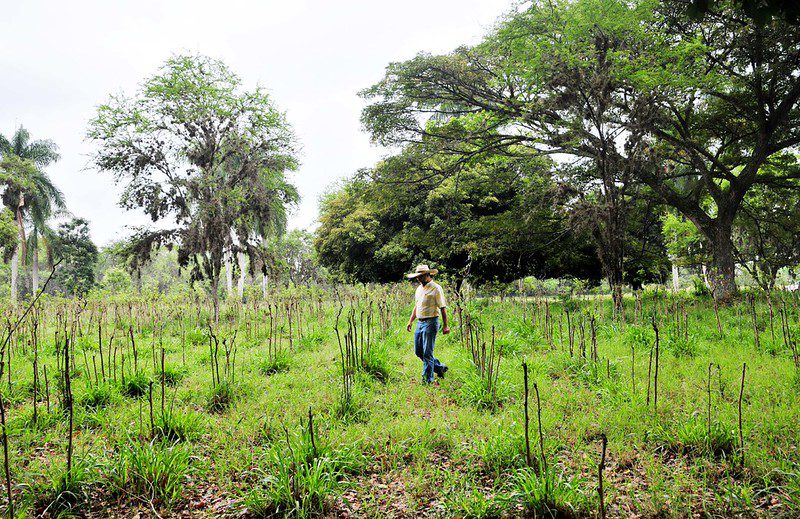
At the Communitarian Multiactive Cooperative of the Common (Comuccom), near Puerto Guzmán, 24 former FARC combatants are working toward an ambitious goal: planting 1 million trees across the Colombian Amazon. Duberney López Martínez, who joined FARC at just 13, now leads the effort at 33. He tends to the 250,000 trees ready for planting in their nursery, each one a small act of reparation after decades of conflict.

Beyond post-conflict reforestation, Comuccom leads the Network of Amazonic Communitarian Nurseries, connecting 12 organizations across Colombia’s “Arc of Deforestation.” They regenerate soils exhausted by cattle grazing and coca cultivation, cleanse water sources contaminated by mercury from illegal gold mining and reconstruct ecological corridors for jaguars and endangered bird species. This contributes to food security and socio-economic stability through the creation of new jobs.

Women Leading the Eco-Peace Movement

In Caquetá, women ex-combatants are pioneering their own approach through ASMUPROPAZ (Association of Women Producers of Peace Essences). Founded in 2017, the organization embodies what they call the “Eco-Peace Nexus,” the recognition that healing the land and healing communities are interconnected endeavors that must happen together.

ASMUPROPAZ offers literacy programs, vocational training and technical agricultural skills while implementing sustainable farming, post-conflict reforestation efforts and the production of natural plant-based products. These initiatives create economic independence while addressing deforestation and environmental degradation that threaten the region’s future.

Carolina Aldana, one of ASMUPROPAZ’s youngest members, captures their vision: “Our work shows how caring for the environment can bring people together and create lasting peace. By protecting the land we all depend on, we’re also building a future where former combatants and the community can thrive side by side.”

Addressing the Root Cause

Having acknowledged that unequal land distribution and rural poverty have fueled five decades of war, the Colombian government under new President Gustavo Petro is now prioritizing rural reform. From 2017 to 2024, nearly 3 million hectares were formalized for rural inhabitants who had farmed without legal recognition, while nearly 130,000 hectares were distributed to new beneficiaries. The effects of this turnaround came swiftly. By 2023, Colombia achieved a 36% reduction in deforestation, the lowest level in 23 years.

“Rural reform is clearly moving to the center of efforts to build a more peaceful and prosperous Colombia,” declared Carlos Ruiz Massieu, United Nations  (U.N.) special representative overseeing peace verification. The government’s commitment represents recognition that lasting peace requires addressing the structural economic causes of the country’s conflict.

Research confirms the multiplied benefits. Surveys of 429 farmer households practicing cacao agroforestry in Caquetá and 500 in César found that silvopastoral systems and the reintroduction of native species increased spaces for dialogue and decreased conflicts over natural resources. Furthermore, they have delivered socio-economic stability through job creation and strengthened social cohesion through collaborative land management.

Progress So Far

On a wider scale, reintegration statistics tell an encouraging story. Of the nearly 14,000 former combatants who entered the reintegration process, 85% remain engaged. More remarkably, 10,900 now participate in productive projects that provide income and purpose, while 39% of those laying down their weapons have now received university degrees.

Perhaps the most profound transformation occurs through “Restorative Mingas,” communal task forces pioneered by the Special Jurisdiction for Peace and the United Nations Development Programme (UNDP). These gatherings bring together conflict victims and former FARC combatants to address specific needs within the community and rebuild community infrastructure together. This demonstrates that reconciliation can be supported by development initiatives that empower communities and unite people around shared goals.

Kristina Lyons, an anthropologist at the University of Pennsylvania who has spent two decades in the region, summarizes: “The ecological restoration of the Amazon has deep significance for healing relations between humans ruptured by the conflict.”

Replicable Lessons for Other Nations

For other post-conflict countries, Colombia offers hard-won lessons. Through grassroots participation and innovative approaches that prioritize dignity, champion women’s leadership and weave together environmental restoration with poverty alleviation, the country demonstrates how former adversaries can forge a shared, sustainable future.

Challenges remain, however. Illicit economies are still in operation and violence continues in some regions, particularly by groups such as the EMC that rejected peace talks and have filled the vacuum of violence left by departing FARC combatants. Continuing dialogue between local communities and the Bogotá government calls for an improved land registration system and government follow-through in its regulation of illegal activities. Yet Colombia shows that trees planted with intention can become instruments of peace and pathways out of poverty.

– Caroline Sheehan

Caroline is based in Edinburgh, Scotland and focuses on Good News for The Borgen Project.

Photo: Flickr
November 27, 2025
https://borgenproject.org/wp-content/uploads/borgen-project-logo.svg 0 0 Precious Sheidu https://borgenproject.org/wp-content/uploads/borgen-project-logo.svg Precious Sheidu2025-11-27 01:30:542025-11-26 23:09:54Post-Conflict Reforestation in Colombia
Food & Hunger, Food Insecurity, Global Poverty

How Growing Mangoes Helps Reduce Poverty

growing mangoes helps reduce povertySlicing into a mango reveals a decadent treat bursting with flavor. More surprisingly, however, growing mangoes helps reduce poverty, as planting mango trees alleviates financial and food insecurity in developing nations. This innovative solution offers hope for progressing toward achieving the United Nations’ first two Sustainable Development Goals (SDGs) by 2030: No Poverty and Zero Hunger.

Why Mangoes?

Mangoes thrive in hot, humid climates and are relatively easy to cultivate, particularly across regions of Asia, Latin America and parts of Africa. Their global popularity has surged recently, with widespread consumption and high demand in international markets. In addition to being a valuable cash crop, mangoes are highly nutritious and rich in essential vitamins.

A Source of Income in India

Unlike many crops grown on large commercial farms, mangoes are often cultivated on small-scale farms. Growing mangoes can significantly reduce poverty by providing families with an additional income of up to $2,700 per hectare of mango trees, helping to lift entire communities out of poverty.

Recognizing this potential, nonprofit organizations like TechnoServe have developed programs to train farmers in India more efficiently to cultivate their mangoes and resist common diseases afflicting mango trees, like dieback. It has also worked to support water-related infrastructure in the local communities. TechnoServe’s program has helped more than 1,000 thousand smallholder farmers in India.

Fighting Hunger in Uganda

Extreme hunger remains a serious issue in Uganda. Malnutrition directly causes nearly one-third of deaths among children aged below 5. One initiative, The Mango Project, donates mangoes to schools, health care clinics and individuals facing food insecurity. The program also trains Ugandan farmers in improved techniques for cultivating hardier mango trees that can survive the region’s six-month dry season.

While Uganda produces hundreds of thousands of tons of mangoes annually, about 40% spoil due to limited access to refrigeration and preservation methods. The Mango Project addressed this by teaching local farmers jarring, which involves boiling small portions of mango to preserve them without requiring specialized supplies like jars. It also teaches local Ugandans general cooking techniques and other necessary health education.

Boosting Health in Haiti

Haiti suffers from one of the highest poverty rates globally, as well as a weak economy. According to agricultural and economic expert Gergens Polynice, growing mangoes helps reduce poverty by strengthening Haiti’s economy. Haiti is already a major supplier of mangoes to the U.S. However, it exports a relatively small fraction of its production. This means there is a significant economic growth opportunity in the mango industry.

Empowering Communities in the Philippines and Indonesia

The Preda Fair Trade Project, operating in the Philippines, supports mango farmers in several ways. It buys unmarketable mangoes to be sold as other mango products. Also, it encourages growing practices that improve quality to be sold on the market.

The Australian Center for International Agricultural Research sponsored a project that teaches farmers in the Philippines and Indonesia organic farming methods to increase mango profits. By improving their livelihoods, these initiatives empower local communities economically and promote long-term sustainability.

– Klara Jones

Klara is based in Los Angeles, CA, USA and focuses on Good News and Technology for The Borgen Project.

Photo: Pexels

July 15, 2025
https://borgenproject.org/wp-content/uploads/borgen-project-logo.svg 0 0 Lynsey 2 https://borgenproject.org/wp-content/uploads/borgen-project-logo.svg Lynsey 22025-07-15 03:00:512025-07-15 02:21:37How Growing Mangoes Helps Reduce Poverty
Global Poverty, Indigenous Peoples

Amazon Deforestation Undermines Indigenous Rights in Brazil

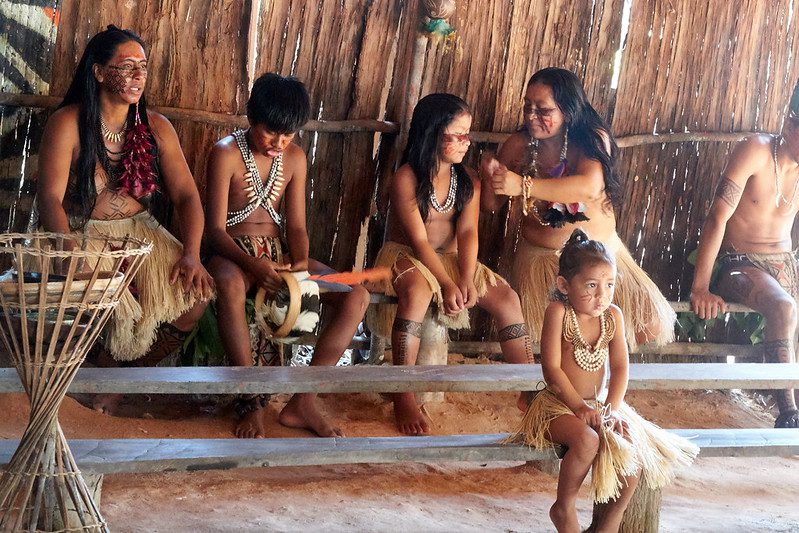
Indigenous Rights in BrazilBrazil shares a complex history with its indigenous population that spans centuries. The country contains approximately 60% of the Amazon rainforest and houses around 305 indigenous tribes. Throughout the 20th century, the intersection of indigenous rights, natural resource management and economic development has been navigated in Brazil.

Background to Indigenous Rights in Brazil

Brazilian policy aimed to balance development needs with indigenous rights and environmental protection. This approach shifted dramatically in 1964 when military forces successfully staged a coup and established a dictatorship.

Almost immediately after seizing power, the regime prioritized economic growth through large-scale development projects. The government built highways, including the Trans-Amazonian road, promoted colonization programs, and opened the Amazon to mining, logging and agribusiness operations.

Officials adopted slogans such as “Integrar para não entregar” (“Integrate to avoid surrender”). This phrase reflected the regime’s belief that Brazil needed to occupy the Amazon to protect national interests. These policies brought severe consequences for indigenous communities.

Twenty-one years later, the military dictatorship was toppled and Brazil transitioned back into a democracy. When the democratic constitution was still in progress, indigenous advocates and allies, including the Catholic Church’s Indigenous Missionary Council (CIMI), had lobbied vigorously to enshrine indigenous rights to their ancestral lands. “CIMI has become one of the most important defenders of indigenous rights, focusing on land rights, self-organisation and health care in indigenous territories.”

Feasting on the Amazon

Reestablishing democracy and constitutional protections has not resolved these issues. Subsequent administrations continue to face pressure to accelerate economic growth in the Amazon interior. This development drives deforestation and displaces indigenous communities. Agribusiness and logging operations systematically destroy public and indigenous Amazon lands. The state of Rondônia exemplifies this pattern with one of Brazil’s highest deforestation rates.

The Pastoral Land Commission, which advocates for environmental protection through the Brazilian Catholic Church, documented increased violence linked to logging activities.

“Poor people who effectively produce on their small lands are systematically persecuted, expelled, threatened or killed in the interest of real estate speculation,” Raphael Bevilaqua, the Commission’s attorney in Rondônia wrote.

Global demand for cheap coffee, meat, and soy incentivizes these developments. Multinational corporate giants such as McDonalds, Sysco, JBS Foods  and Wal-Mart actively benefit from land seizure and repurposing it for cattle use, according to Protean. One Brazilian journalist writes, “Both these broader incentives and direct investment have helped facilitate the Amazon’s destruction and promoted abuses against Indigenous peoples.”

Displacing the Kayapó and the Cost of Energy

One example of this dynamic is the construction of the Belo-Monte dam. The Brazilian government began to implement plans to construct hydroelectric dams on the Xingu River, in northern Brazil. In response, hundreds of Indigenous leaders from the Xingu basin – Kayapó, Juruna, Arara, and others – united in the town of Altamira for a historic protest meeting, the first of its kind. Completing the dam would effectively destroy the livelihoods of thousands as well as increase the risk of flooding villages.

Riding the 1989  global wave of protests, indigenous communities in the Amazon leveraged the rare opportunity to take their grievances to an international audience. Around the world, people responded with ardent pressure against the dam’s construction. The public outcry eventually led the World Bank to pull out of financing its construction. Eventually, the Brazilian government capitulated, a watershed moment. For the first time the indigenous peoples were successful in halting the destruction of ancestral land.

Reversing the Victory

Rising electricity demands coupled with public consciousness favoring cleaner solutions, lead to the dam’s construction entering the public dialogue once again. Indigenous communities began to coalesce: organizing protests, filing lawsuits, and lobbying FUNAI (analogous to the Bureau of Indian Affairs in the U.S.) against the construction. Even Sting, the British rockstar who headlined The Police, joined in their movement.

The construction went ahead in 2010 and five years later, the Brazilian government, facing substantial domestic and international scrutiny, launched an investigation into the dam’s construction. Investigation found that the dam’s main contractor, Norte Energia, had committed serious federal crimes. “In December, Brazil’s Public Federal Ministry, an independent state body, started legal proceedings to have it recognized that the crime of ‘ethnocide’ was committed against seven Indigenous groups during the building of the Belo Monte dam.”

Cautious Optimism

One tribe, the Kayapó, have been particularly vocal in halting plans to construct further dams in the region. In 2016, they scored a rare legal victory when a federal judge halted the construction of an expansion project.

The dam’s future remains uncertain as energy conglomerates and indigenous communities clash in the court system. Under President Luiz Inácio Lula da Silva, indigenous rights in Brazil have been given more consideration, but not concrete action. As of May 2025, no further construction has been initiated as the decision on construction rests with IBAMA (environmental regulation agency) to approve or deny the dam’s license.

Indigenous communities have once again banded together to oppose further degradation of the river. The Kayapaó have been successful in obtaining legal support from the Brazilian federal public defender’s office.

Advocates abroad like AIDA America and the Rainforest Foundation, are seeking to replicate the successful international pressure campaign of 1989 by amplifying indigenous voices to a global

audience.

The Future

As public awareness grows, advocacy networks are mobilizing and Indigenous leaders remain steadfast, placing Brazil at a pivotal moment. The impending decision on the dam is no longer just a yes-or-no vote—it is a chance to prove that economic growth can align with environmental stewardship.

– Max Marcello

Max is based in Pittsburgh, PA, USA and focuses on Good News and Celebs for The Borgen Project.

Photo: Flickr
June 26, 2025
https://borgenproject.org/wp-content/uploads/borgen-project-logo.svg 0 0 Naida Jahic https://borgenproject.org/wp-content/uploads/borgen-project-logo.svg Naida Jahic2025-06-26 07:30:482025-06-26 06:01:30Amazon Deforestation Undermines Indigenous Rights in Brazil
environment, Global Poverty

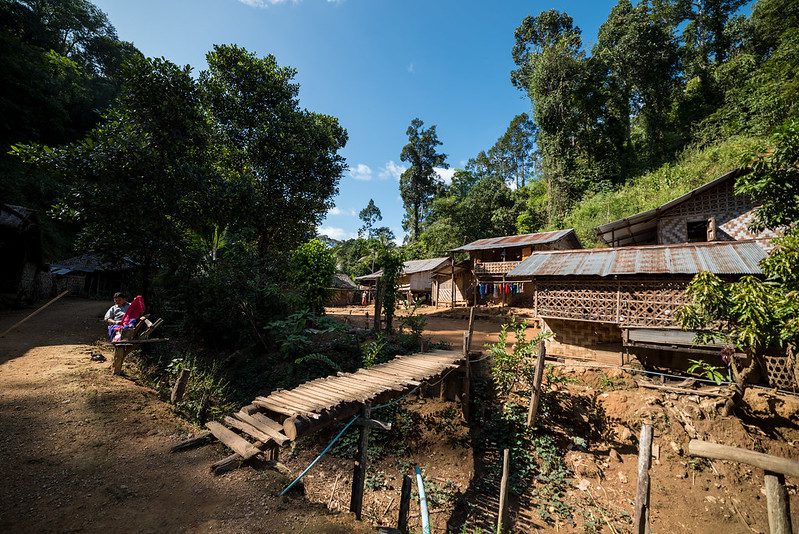
Thailand’s Efforts Against Deforestation Aids Communities

Thailand’s efforts against deforestationHome to a disproportionate amount of the world’s tropical forests, Thailand suffers from an immense amount of deforestation due to poorly policed property rights, extractive industries and climate change. Not only does this directly impoverish people who rely on the forest, but it also exacerbates other negative trends in the country. However, in conjunction with the European Union, Thailand’s efforts against deforestation are not only seeing success but can help lift up impoverished communities.
Background

Southeast Asia contains around 15% of the world’s tropical forest, much of which is in Thailand. These forests are losing 1.2% every year, one of the highest deforestation rates in the world. One of the main causes of this loss rate in Southeast Asian countries like Thailand is extractive industries like palm oil and illegal logging.

Thailand is one of the world’s top producers of palm oil, producing 2.78 million tons in 2018.  In Thailand specifically, palm oil cultivation and production lands have grown by 60% since 2009.

Deforestation

Additionally, illegal logging also contributes significantly to deforestation. Thailand’s efforts against deforestation include increased government restrictions on the logging industry in 1989 and 2006. However, Thai forests continue to be at risk for illegal logging.

According to Forest Trends’ October 2021 report on Thailand, “Illegal logging and trade affect many timber species, but highly valuable – often rare and endangered – species that are protected under harvest and/or trade regulations are a key target and at an elevated risk for illegality.” China remains the key importer of illegally harvested timber.

By 2024, Thailand lost 62,600 hectares of forest. The effect of this deforestation isn’t just devastating to the environment and biodiversity. It also harms the millions of people in Thailand who live near forests.

While Thailand is fighting deforestation, researchers at the World Bank estimate that if it does not stop, the wider environmental devastation of deforestation would decrease the Thai GDP by more than $550 billion. By contrast, the economy would grow by $54 billion if deforestation stops.

The study isolates that flooding is one of the main ways that “…increases the risk and severity of floods, which can have devastating consequences. Case in point, the 2011 flood affected more than 13 million people, destroyed 19,000 homes, displaced 2.5 million people…”

Thailand Fighting Back

However, Thailand and the international community are fighting back. Thailand’s efforts against deforestation include: strengthening property rights, changing domestic budget priorities and international cooperation. Instead of pitting the global poor and the environment against each other, the Thai government has instead empowered local communities. One of the key ways Thailand has helped protect forests is to grant stronger property rights to people living in reserve forests. Researcher Thanyaporn Chankrajang found that forests with these communal property rights experienced increased forest cover and decreased forest fires.

The Thai government has also switched its fiscal policies to help protect forests. Through fiscal grants, the governments receive increased money, funded through a commodity tax, if they can successfully protect their natural resources, like naturally-grown forests. Additionally, the Thai government continues to set aside funds for forest reserves that focus on sustainable forest management.

EUDR

Assisting them with these efforts, the European Union is teaming up with Thailand to help them join the  European Union’s Deforestation Regulation (EUDR). The EUDR will help regulate Thailand’s forestry, rubber and palm oil industries in order to become more sustainable. Not only will the EU help Thailand regulate these industries and their supply chains, but also help monitor for deforestation trends. With this help and through its National Economic and Social Development Plan, Thailand aims to stop deforestation by increasing its forest area to 40% of the country.

Thailand faces a major ecological crisis that will continue to harm both its environment and its poorest communities. However, due to Thailand’s efforts against deforestation and thanks to the assistance of the international community, these negative trends can not only be halted but entirely reversed.

– Joseph Laughon

Joseph is based in Sacramento, CA, USA and focuses on Good News and Technology for The Borgen Project.

Photo: Flickr

June 22, 2025
https://borgenproject.org/wp-content/uploads/borgen-project-logo.svg 0 0 Naida Jahic https://borgenproject.org/wp-content/uploads/borgen-project-logo.svg Naida Jahic2025-06-22 01:30:532025-06-21 13:35:38Thailand’s Efforts Against Deforestation Aids Communities
Developing Countries, Development, Global Poverty

Community-Led Development in Tanzania: Transforming Lives

Community-Led Development in TanzaniaTanzania is a country with stunning landscapes and a rich cultural heritage. It has become an example of how community-driven development can successfully tackle poverty. Recent statistics show that approximately 26.4% of the population lives below the national poverty line. Rural communities are at risk because they have limited access to essential services like clean water and education. Some significant changes occurring on the ground involve community-led development in Tanzania, devising creative solutions to transform lives through local initiatives, improving life in rural areas and establishing sustainable methods to escape poverty.

VSLAs: Driving Internal Financial Growth

In rural Tanzania, formal banking services are restricted, leaving numerous communities distant from conventional financial institutions. Village Savings and Loan Associations (VSLAs) have effectively addressed this void, transforming economic inclusion, especially for women. The VSLA model is a simple yet highly effective approach. In this system, groups of 15 to 40 local community members, predominantly women, meet regularly to save small amounts of money, after which the total savings and any profits from loans are shared among the members.

The impact extends beyond individual success stories. VSLAs promote shared ownership, transparency, effective governance, inclusiveness and organized savings and lending. Members can lend money to other farmers. Borrowers must repay the loan within a set timeframe and contribute interest to the group’s savings. At the end of each cycle, members receive back their savings and a share of the interest earned on the loans.

In the latest savings round, 112 VSLA groups saved 80 million Tanzanian Shillings ($32,000) in just nine months. Members use these savings to invest in their futures, start businesses, repair homes, cover medical costs and pay for education. More importantly, the model builds financial literacy, entrepreneurial skills and social capital that sustain poverty reduction beyond any single loan or project.

Participatory Forest Management

Since 2001, the Nou Joint Forest Management Project (JFM) has been a conservation effort in Tanzania’s Manyara Region. Its goal is to safeguard the 320 sq km Nou Forest, which sustains 28 permanent rivers and impacts the livelihoods of more than 200,000 individuals. This initiative tackles forest degradation caused by shifting agriculture, population increases, illegal logging and unmanaged grazing. The approach utilizes Participatory Forest Management (PFM), fostering collaboration between government bodies and local communities to protect forest resources.

Tanzania’s Forests cover approximately 38.8 million hectares, supporting biodiversity while providing critical resources to rural communities. Historically, these forests faced degradation through unsustainable harvesting and agricultural expansion. PFM, an innovative, community-led development in Tanzania, transfers management rights and responsibilities to local communities.

The World Land Trust’s 2021 appeal to save Tanzania’s coastal forest is a notable conservation achievement. Within five weeks, the campaign garnered $541,760 from international donors, exceeding its initial goal of $487,584. Immediate action was needed to protect the coastal forests of Lindi District in southern Tanzania, which face urgent threats from expanding roadways and commercial cashew and sesame plantations.

The appeal’s success has enabled Tanzania Forest Conservation Group (TFCG) to launch immediate conservation action in partnership with local communities. The funding supports comprehensive protection efforts, including enhanced reserve patrolling, wildlife monitoring programs and vital research initiatives. Most importantly, the additional money raised allows TFCG to expand its conservation impact further, providing these fragile coastal ecosystems with the robust protection they need.

The Path Forward

The UNESCO-Alwaleed Philanthropies project embodies an innovative approach to community-led development in Tanzania. It recognizes that culture and the arts can be powerful tools for education and economic empowerment. The core concept involves integrating cultural heritage and artistic practices into Technical and Vocational Education and Training (TVET).

This approach ensures that students do not merely acquire skills; they gain abilities rooted in their cultural identity, which can aid in preserving traditional practices while fostering modern livelihoods. From 38 applications, UNESCO carefully selected projects demonstrating the most substantial potential to blend cultural preservation with practical skill development. Each selected initiative receives up to $10,000 as funding and as seed money to prove that culture-based vocational education can create sustainable business and employment opportunities.

This project is part of a broader effort to promote the economic and social value of cultural heritage and institutions in Tanzania. The initiatives foster collaboration on both local and national levels, aiming to empower youth, women and underprivileged groups while ensuring that Tanzania’s vibrant culture remains influential and thrives in today’s world.

– Vanuza Antonio

Vanuza is based in London, UK and focuses on Good News and Global Health for The Borgen Project.

Photo: Flickr

June 2, 2025
https://borgenproject.org/wp-content/uploads/borgen-project-logo.svg 0 0 Lynsey 2 https://borgenproject.org/wp-content/uploads/borgen-project-logo.svg Lynsey 22025-06-02 01:30:412025-06-02 00:25:46Community-Led Development in Tanzania: Transforming Lives
environment, Food Security, Global Poverty

Impacts of the Deforestation Crisis in the Congo Basin

Deforestation in the Congo BasinThe Congo Basin, located in western equatorial Africa, is one of Earth’s most important wilderness areas. It spans across six countries: Cameroon, Central African Republic, Democratic Republic of the Congo, Republic of Congo, Equatorial Guinea and Gabon. At 500 million acres, it is the second-largest tropical forest. Although satellite images of Africa’s Congo Basin have shown that since 2000, deforestation has fallen by a third, the rainforest is still losing 2000 square kilometers every single year, which poses some serious concerns.

Impacts on Local Communities and Neighboring Countries

The deforestation of the Congo Basin significantly impacts local populations that rely on the forest for a living. Many of these local communities rely on the forest for food, water, medicine and income. As deforestation continues, the resources that these communities rely on steadily decrease, resulting in increased poverty and misery.

  • Loss of food resources: One of the most immediate repercussions of deforestation is the loss of food resources. The Congo Basin contains diverse food, from plants, fruits and nuts to wild animals, that local communities, containing more than 80 million people, rely on for nourishment. Deforestation disrupts ecosystems’ natural balance, making it more difficult for people to get food, leading to food insecurity and hunger. For many people in the Congo Basin, agriculture alone is insufficient to meet their nutritional needs; therefore, the forest provides an essential additional food supply.
  • Lack of access to natural medicines: In addition to food, the forest provides a significant source of traditional remedies. Many regions’ cultures use plants and herbs from the forest to heal various diseases. With the loss of these forests, their access to natural treatments becomes increasingly limited, making it more difficult for the surrounding residents to stay healthy. This dependence on traditional remedies is especially essential in rural regions with limited contemporary health care options.
  • Decreased access to economic opportunities: Additionally, deforestation directly impacts the availability of economic activities in these communities. The forest produces many resources, such as timber, which is frequently sold in local markets. As forests are removed, these sources of income disappear, pushing people further into poverty. Furthermore, tree loss causes soil erosion, which makes farming harder, which leads to reduced food production, further deepening the cycle of poverty.

Impacts on the Global Community

One of the main worries regarding deforestation in the Congo Basin is its serious environmental effects, impacting both the local ecosystem and the global climate. The Congo Basin, the second largest rainforest, is the largest carbon sink in the world, with the section of jungle in the Republic of the Congo alone absorbing 1.5% of the entire planet’s carbon emissions.

However, as deforestation occurs, the stored carbon escapes into the atmosphere, leading to global warming and climate instability. Furthermore, the loss of trees disrupts local water cycles, which results in altered rainfall patterns and recurrent floods and droughts. This greatly impacts the region’s biodiversity, putting species that rely on the forest at risk and diminishing the ecosystem’s overall resilience. These environmental consequences are far-reaching, affecting local communities and the world.

Final Remarks

Several initiatives and efforts are taking place to combat the deforestation crisis in the Congo Basin. For example, groups like the Congo Basin Forest Partnership are promoting more and more agroforestry, reforestation and ethical logging. Other programs, such as the African Forest Landscape Restoration Initiative, whose main aim is to restore degraded land, make sure to include residents in their initiatives to highlight the critical role that local communities play.

Although the international community, such as the United Nations and European Union, gives financial and technical aid, stronger policies need to be implemented to guarantee long-term forest preservation.

– Zainab Saad Hassan

Zainab is based in Glasgow, Scotland and focuses on Global Health for The Borgen Project.

Photo: Flickr

March 16, 2025
https://borgenproject.org/wp-content/uploads/borgen-project-logo.svg 0 0 Lynsey 2 https://borgenproject.org/wp-content/uploads/borgen-project-logo.svg Lynsey 22025-03-16 07:30:142025-03-29 04:48:25Impacts of the Deforestation Crisis in the Congo Basin
Conflict, Developing Countries, Global Poverty

Sawré Muybu: A Landmark Win for Indigenous Peoples in Brazil

Sawré MuybuIn 2022, the Statista Research Department reported that 33.2% of Indigenous peoples in Brazil live below the poverty line, subsisting on less than $2.15 a day. This statistic highlights the many systemic barriers that Indigenous communities in Brazil face. Among the most pressing is the ongoing encroachment on Indigenous lands: miners and loggers increased their invasions from 109 in 2018 to 305 in 2021.

These incursions threaten the livelihoods of Indigenous communities who rely on the land for farming, fishing and hunting. One egregious example of the detrimental effects of these invasions is the use of toxic mercury by gold miners to extract gold. This contaminates rivers and endangers both community health and cultural traditions like fishing. Furthermore, the resulting food scarcity and deforestation have driven many Indigenous people to relocate to cities, where they face discrimination and have limited access to health care.

Conflict Over Sawré Muybu

Within the heart of the Amazon lies the Sawré Muybu, an Indigenous land inhabited by the Munduruku people for generations. Rich in diverse plant and animal life, safeguarding this land is essential to preserving an ancestral way of life that connects deeply to the forest and is grounded in cultural and spiritual harmony. However, frequent land invasions by miners and loggers threaten the Munduruku people’s livelihoods and their ability to sustain this ancestral way of life. Leaders of the Munduruku community have endured violence and death threats for defending their territory, highlighting the severe risks they take to protect their land and heritage.

Demarcation establishes the legal process of officially defining and protecting Indigenous lands, creating clear boundaries to recognize and safeguard the rights of Indigenous communities to their ancestral territories. This process is crucial for preventing incursions by external parties, such as miners and loggers and preserving Indigenous livelihoods and culture. The demarcation process for the Sawré Muybu territory began in 2007 but saw long delays due to the economic sway of the mining industry in the region.

In 2014, the Munduruku people took control by self-demarcating their land, marking its borders and driving out intruders. This act carried significant political weight and inspired other Indigenous communities across Brazil to assert their rights in similar ways.

The Demarcation of the Sawré Muybu Territory

On September 25, 2024, Brazil’s Minister of Justice officially decreed the demarcation of the Sawré Muybu territory, achieving a major victory for Indigenous peoples in Brazil. This 17-year struggle for the Munduruku’s ancestral land highlights the power of solidarity and persistent advocacy in influencing political decisions on Indigenous rights. With this demarcation, incursions on the land are now illegal, placing a duty on the government to enforce the decree, remove land invaders and prevent any acts of violent retaliation.

The Path Ahead for Indigenous Rights

This victory marks a pivotal step toward Indigenous dignity and rights amid the numerous pressures affecting Indigenous peoples in Brazil. Indeed, it stands not only as a landmark in the fight for land rights but also as a triumph for human rights, poverty reduction and environmental preservation. Furthermore, it demonstrates that Indigenous voices possess strength—and, if ignored, will find ways to be heard.

Chief Juarez Saw of Sawré Muybu village aptly expressed this sentiment upon the decree’s signing: “Yesterday was a victory for all of us who depend on the forest, which means the whole world. For forest defenders, the minister’s signature was very important in helping us to guarantee the preservation of nature and the standing forest. When I speak of our victory, I speak of our collective victory.”

– William Pickering

William is based in Nottingham, UK and focuses on Good News and Technology for The Borgen Project.

Photo: Flickr

November 11, 2024
https://borgenproject.org/wp-content/uploads/borgen-project-logo.svg 0 0 Lynsey 2 https://borgenproject.org/wp-content/uploads/borgen-project-logo.svg Lynsey 22024-11-11 01:30:222024-11-10 23:59:40Sawré Muybu: A Landmark Win for Indigenous Peoples in Brazil
Agriculture, Global Poverty, Nonprofit Organizations and NGOs

Amazon Rainforest Reforestation

Amazon Rainforest ReforestationDeforestation has significant environmental, social and economic impacts, so Amazon rainforest reforestation is important for many organizations. The Eden Projects works with local communities living in extreme poverty to revive and supervise land, providing employment opportunities and fair wages. Thus, it fosters economic opportunity and serves as a means for these communities to alleviate themselves from poverty.

What Is Deforestation?

Deforestation is “the decrease in forest areas across the world that are lost for other uses such as agricultural croplands, urbanization or mining activities.” Often, when land ownership systems are fragile in developing countries like Brazil, large corporations acquire the land and repurpose it for other activities – thus disrupting the lives of the local communities.

Forests sustain local communities and Indigenous people, providing them with food, medicine, shelter, building resources and even holding significant cultural importance. Due to deforestation, around 20% of the Amazon rainforest is razed, propelling many of these locals further into poverty, as they are losing their sustainable resources.

Causes and Effects of Deforestation

Agriculture is the main cause of deforestation, accounting for around 80%. Subsistence agriculture, where the food produced is mostly consumed by the farming family and not sold, contributes to 33% of this agricultural-driven deforestation. About 40% is from commercial agriculture, like soya plantations and livestock farming in Brazil. Infrastructure, such as roads, railways, dam-building, mining and logging, are other causes of deforestation.

Poverty is another cause of deforestation, as many local communities and Indigenous people are dependent on forests. When they are faced with a lack of income and poverty, they resort to clearing the forest for its resources or agriculture. While poverty can be a cause of deforestation, it is also an effect.

Locals whose survival hinges on forests, using them for hunting, gathering resources and for their own agriculture, end up having to choose between leaving or staying. Either way, they face repercussions. If they decide to go, they face the challenge of starting a new life and avoiding conflict by relinquishing their land. If they choose to stay, they can work for the corporations that subject them to deplorable working conditions and unfair wages.

Deforestation also causes soil erosion, which can increase the likelihood of floods and landslides. Soil erosion also reduces soil fertility, impacting food production and causing food insecurity as it is unsuitable for agricultural use.

Eden Projects

Eden Projects is a nonprofit organization that works with local communities and focuses on restoring landscapes in developing countries like Brazil, Kenya and the Philippines. The organization defines land restoration as “a holistic, standards-based approach to restoration and conservation that generates environmental, socioeconomic and biodiversity benefits for the well-being of communities and the planet.”

The Eden Projects has initiated a land restoration project to reforest the Amazon rainforest, Cerrado and coastal mangrove estuaries. The project was started in 2021 and involves collaborating with local communities and leaders to bring the rainforest back to life. The Eden Projects believes in building strong relationships with the local leaders and communities, as they share similar goals of creating a sustainable environment.

How Eden Is Helping

Planting trees helps to restore the 62 million hectares of lost forest in Brazil. Around 30,000 hectares of trees have been reforested by Eden in Brazil, with Amazon rainforest reforestation focusing on mangrove estuaries. Mangrove estuaries play a crucial role in serving as habitats for animals, stabilizing coastlines and diminishing erosion.

With 9.3 million Brazilians living in extreme poverty as of 2018, Eden is helping by creating economic opportunity with its reforestation aid. Eden’s Amazon rainforest reforestation creates employment opportunities for local communities and establishes livelihood opportunities for those facing extreme poverty.

The project hires locals to work on project sites and in nurseries at a fair wage. It also involves them in the maintenance and protection of recently planted areas to engage them in the care of the forests. Eden also allocates a percentage of species planted for sustainable community use, benefitting the locals who relied on the land before deforestation occurred.

Some socioeconomic benefits of the employment opportunities Eden provides include parents who cannot provide food for their families, being able to provide healthy meals, paying school fees and allowing their children to achieve an education. Further economic opportunities arise as microenterprises emerge in the communities.

Final Remark

The vicious cycle of deforestation and poverty perpetuates a harmful loop of environmental and socioeconomic challenges. Amazon rainforest reforestation initiatives represent a crucial step toward addressing the challenges of deforestation. These initiatives aim to address the factors that drive deforestation while also providing employment opportunities for local communities, alleviating them from the extreme poverty they face. These initiatives involve planting new trees, restoring and preserving biodiversity and fostering sustainable livelihoods.

– Isabella Green

Isabella is based in Aylesbury, UK and focuses on Good News for The Borgen Project.

Photo: Flickr

April 17, 2024
https://borgenproject.org/wp-content/uploads/borgen-project-logo.svg 0 0 Lynsey 2 https://borgenproject.org/wp-content/uploads/borgen-project-logo.svg Lynsey 22024-04-17 07:30:192024-06-10 02:29:15Amazon Rainforest Reforestation
Global Poverty, Poverty Reduction

Reducing Poverty in the Amazon Rainforest

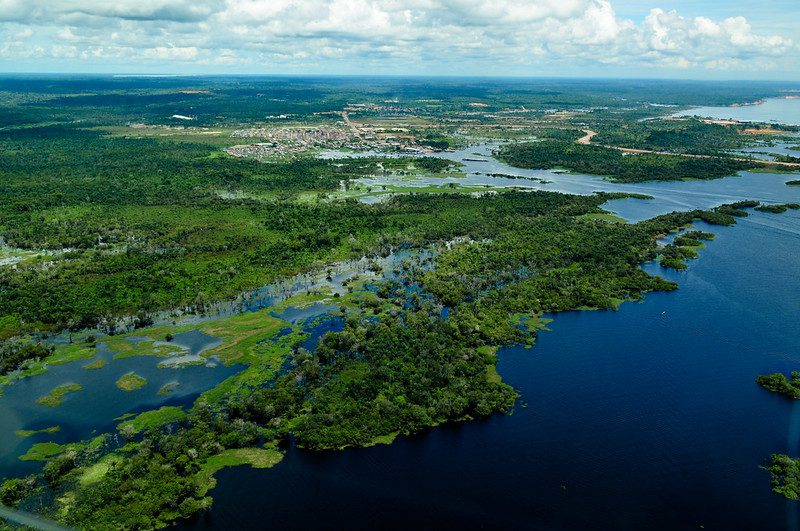
Poverty in the AmazonA groundbreaking alliance is emerging in the remote reaches of the Amazon rainforest, where the lack of governance has left an indelible mark of destruction. Brazilian ecologists are embarking on a mission to preserve the world’s largest tropical forest and reduce poverty in the Amazon’s communities. Managing a stretch of land along the Juruá River, this venture seeks to counter the forces that have continued to deforest the Amazon. Their ambition extends beyond their immediate efforts, aiming to create a replicable model for other regions in the vast Amazon.

The Environmental Crisis and the Role of the Amazon

The Amazon rainforest sprawls over an area twice the size of India. It hosts unparalleled biodiversity and holds vast carbon reserves, serving as a crucial buffer against the changing climate. Unfortunately, deforestation has reached a 15-year high in recent years. 

According to WWF.org, deforestation in the Amazon remained at the highest levels since 2009, with the extent of destruction in the eastern Amazon transforming it from a carbon sink to a carbon source.

Concerning Poverty

In the sprawling expanse of the Amazon rainforest, poverty intertwines with environmental degradation in a complex and troubling nexus. Approximately 9.7% of the region’s population grapples with extreme poverty in the Amazon. 

In a region plagued by some of Brazil’s highest poverty levels, inhabitants with scant alternatives often confront a grim dilemma: abandon depleted fields and encroach further into the forest, perpetuating a vicious cycle of environmental decline. As Judson Ferreira Valentim, a soil scientist at Embrapa, the government’s agricultural research agency, aptly observes in an AP News interview, “The biodiversity is rich, but so many people are impoverished.”

Addressing the pervasive poverty gripping the Amazon is not only a moral imperative but also an indispensable component of safeguarding its ecological treasures. Without concerted efforts to alleviate poverty and provide viable livelihood alternatives, the relentless march of deforestation imperils not only the Amazon’s delicate ecosystems but also the global climate and the myriad species that call it home.

A Troubling Reality of Deforestation

According to AP News, 10% of the Amazon has been decimated in less than four decades.

Brazilian ecologists aim to establish a model that can be replicated across the vast expanse of the rainforest. The genesis of this movement can be traced back to a four-month expedition along the Juruá River in 2016.

The researchers, diving into the heart of nearly 100 communities, initially encountered a seeming uniformity of rows of wooden homes on stilts along the water. However, the striking contrasts in living conditions laid bare the harsh reality. A crucial piece of information is that 29% of the Amazon, an area roughly three times the size of California, is either unprotected public land or public land with no recorded information, making these areas more susceptible to deforestation.

João Vitor Campos-Silva, a tropical socio-ecologist, expressed the glaring inequality: “Inside protected areas, many positive things are happening  but outside, they seemed to be 40 years behind.”

Designing a Conservation Model on a Basin Scale

Recognizing the disparities, the ecologists identified the Medio Juruá region near Caraua. Here, communities managed their resources sustainably within “extractive reserves,” public lands allowing residents to harvest fish and crops. However, many communities faced oppression from self-appointed landowners, restricting access to vital resources.

The solution took shape in the form of the non-profit Juruá Institute, which acquired a 13 km rainforest property along the Juruá River. This unique parcel includes about 20 lakes with significant potential for sustainable practices, including cultivating pirarucu, the world’s largest freshwater scale fish.

Bridging Science and Community

The institute’s ambition, as expressed by Campos-Silva, is to promote high-quality science grounded in collaboration with the region’s people. In proximity to the Institute’s land, 12 communities of former rubber tappers, known as “Ribeirinhos,” find their livelihoods tied to the pirarucu fishery. A shift from rubber trees to sustainable fishing practices has not only revived a declining species but also generated income without resorting to forest clearance.

Empowering Communities in Governance

To ensure the active involvement of riverine communities, the institute established a steering committee and initiated public meetings named “Community of Dreams.” These sessions allowed residents to prioritize improvements, conducted in three groups: women, youth and men to avoid potential biases.

Fernanda de Araujo Moraes, president of the river communities’ association, emphasized the initiative’s primary purpose: preventing river people from migrating to Amazon cities, where the unemployment rate has declined. In the community of Lago Serrado, both men and women identified 24-hour electricity as their top priority, showcasing the tangible impact this collaboration aims to achieve.

A New Paradigm

Residents like José Alves de Morais see this initiative as unprecedented, stating that José, already involved as a lake keeper for the institute, is eager for his family to participate in managing pirarucu fishing, awaiting federal approval.

On the scientific front, the Juruá Institute has erected a houseboat and a wooden house, accommodating up to 20 researchers, to study various aspects of the region. The initiative, spearheaded by Carlos Peres, an Amazon-born professor of tropical conservation ecology at the University of East Anglia, earned recognition when Peres and three other scientists won the Frontiers Planet Prize in April, bringing $1.1 million in support.

A Vision for the Future

The Amazon grapples with the ongoing challenges of environmental degradation. Recent revelations from a 2023 NPR report offer hope, as tree clearance has decreased by 34%.

Amidst the lush landscapes of the Amazon, the synergy between data-driven insights and unwavering resolve points toward a promising trajectory, where preservation and prosperity intertwine to forge a path toward sustainable coexistence with nature. However, the broader context of poverty in the region casts a shadow. Overall poverty, projected at 24.3% in 2022, remains on par with 2014 levels after peaking at 28.4% in 2021. While the 2023 poverty outlook appears promising, addressing striking inequalities necessitates faster job creation and more substantial investments in human capital.

Their mission along the Juruá River seeks to counter the forces perpetuating deforestation and aims to address the underlying poverty that fuels this cycle of environmental decline. By bridging science and community, empowering local governance and fostering innovative conservation models, this initiative represents a paradigm shift in our approach to safeguarding the region and reducing poverty in the Amazon.

– Quinn Higby
Photo: Pixabay

February 14, 2024
https://borgenproject.org/wp-content/uploads/borgen-project-logo.svg 0 0 Lynsey 2 https://borgenproject.org/wp-content/uploads/borgen-project-logo.svg Lynsey 22024-02-14 19:43:382024-05-12 01:43:15Reducing Poverty in the Amazon Rainforest
Global Poverty, Water Crisis

How Forests and Young People Solve the Water Crisis in Honduras

Water Crisis in HondurasThe provision of water to not only rural populations but also the majority of the country’s major cities is one of the forest ecosystems’ most significant social functions in Honduras. In other words, the water crisis and deforestation in Honduras are significant social and environmental issues that require attention. 

Water Crisis and Deforestation in Honduras

One study states that by the end of the century, rainfall in Honduras will drop by 20% and water availability by 40%. Another study shows that at least half of the houses in Honduras have access to clean drinking water filtered by the forests.

Deforestation has already severely harmed the integrity of numerous water catchment areas, and other places are already in grave danger, further exacerbating the water crisis in Honduras. Forests help regulate the flow of water in rivers and streams, which reduces flooding risks.

Healthy forests are a filter that keeps pollution out of the water, roots anchor soil from erosion and material on the forest floor absorbs nutrients. When forests become damaged, sediment flows into the water, which pollutes it.

Forests also help control the water cycle by supervising precipitation, flows and evaporation. Layers of forest vegetation store and release water vapor. The destruction of the forest leads to irregular rain patterns.

Impact on Communities and Forest Loss

Communities of people rely on clean water for health. Relying on natural filtration sources such as the forest reduces the cost of filtering clean water. Forests being destroyed will increase the price of clean water. Honduras has been losing forest life over the past few years due to deforestation and agriculture, resulting in poverty. From 1990 to 2020, the country lost at least 9% of its forest.

These threats targeted people, the economy and ecosystems, so Honduras has been determining natural solutions with social interaction.

Ongoing Efforts

Montserrat Xilot, a climate change adaptation advisor for the United Nations (U.N.), visited Tegucigalpa to observe a project supported by the Global Adaptation Fund and the Ministry of Natural Resources and Environment. The initiative, led by women and young people, showcases enthusiasm and innovation, emphasizing the effectiveness of local knowledge in adapting to natural disasters and managing resources.

During her visit, Xilot engaged with these individuals at the National Autonomous University’s lab, a crucial hub for understanding Honduras’ water crisis. Through the lens of “Ecology of Water,” they applied various practices to monitor water sources and maintain water quality within the Central Forest Corridor. This hands-on approach is key to addressing the region’s water challenges.

Rather than accepting payment, the university wanted science equipment to study the water that flowed into the city. A water research department and a lab were created to examine the link between microbiology, climatology, water and physics. The lab made important disaster information and water modeling. It shows a leap forward in providing science, which is key to addressing the crisis. 

Women were developing their bio-fertilizers from local plant life to sell to markets. Xilot spoke to a young person who was the leader of the fire brigade and stated that the project taught her how to prepare during the forest fire season.

The university has secured grant funding to continue its project, including from the International Atomic Energy Agency. It has also allowed the climate adaptation program in the U.N. to request water analyses to better reveal water sources along the forest with increasing demand and natural disasters.

– Hailey S
Photo: Unsplash

January 19, 2024
https://borgenproject.org/wp-content/uploads/borgen-project-logo.svg 0 0 Yuki https://borgenproject.org/wp-content/uploads/borgen-project-logo.svg Yuki2024-01-19 07:30:562024-01-19 02:23:56How Forests and Young People Solve the Water Crisis in Honduras
Page 1 of 3123

Get Smarter

  • Global Poverty 101
  • Global Poverty… The Good News
  • Global Poverty & U.S. Jobs
  • Global Poverty and National Security
  • Innovative Solutions to Poverty
  • Global Poverty & Aid FAQ’s
Search Search

Take Action

  • Call Congress
  • Email Congress
  • Donate
  • 30 Ways to Help
  • Volunteer Ops
  • Internships
  • Courses & Certificates
  • The Podcast
Borgen Project

“The Borgen Project is an incredible nonprofit organization that is addressing poverty and hunger and working towards ending them.”

-The Huffington Post

Inside The Borgen Project

  • Contact
  • About
  • Financials
  • President
  • Board of Directors
  • Board of Advisors

International Links

  • UK Email Parliament
  • UK Donate
  • Canada Email Parliament

Get Smarter

  • Global Poverty 101
  • Global Poverty… The Good News
  • Global Poverty & U.S. Jobs
  • Global Poverty and National Security
  • Innovative Solutions to Poverty
  • Global Poverty & Aid FAQ’s

Ways to Help

  • Call Congress
  • Email Congress
  • Donate
  • 30 Ways to Help
  • Volunteer Ops
  • Internships
  • Courses & Certificates
  • The Podcast
Scroll to top Scroll to top Scroll to top