India’s Agricultural Supply Chain During COVID-19
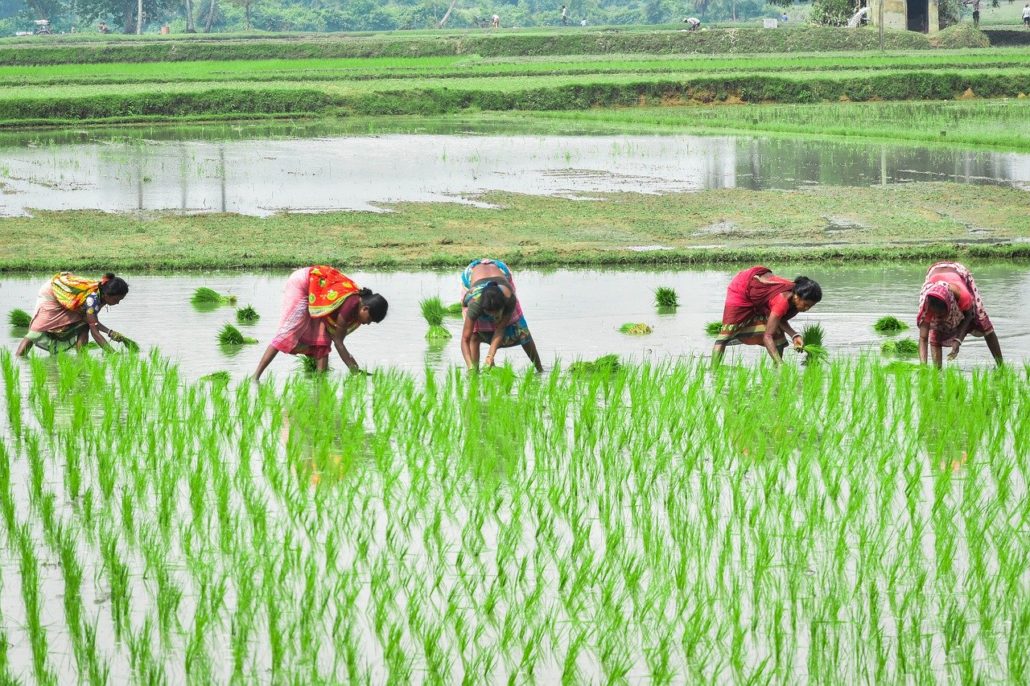 The COVID-19 pandemic has indubitably altered the way goods and services are distributed. India, a country that relies heavily on agriculture, is an example of how agricultural economies falter in the face of a pandemic. India has the second-largest arable land area in the world, with a coastline of over 7,500 kilometers. In fact, agriculture is India’s largest employer, comprising 42% of the workforce. This means that disruptions to India’s agricultural supply chain hurt the wellbeing of its citizens.
Before the coronavirus, India was already experiencing some setbacks in agricultural production. First, India’s economy was growing at a slower rate, compounding existing problems of unemployment, low incomes, rural distress, malnutrition and inequality. Second, India maintains a large informal sector. An informal sector is one in which people do not report their incomes, and hence do not pay taxes on these incomes. Out of India’s 465 million workers, around 91% were informal workers in 2018. This sector is especially vulnerable because it comprises many agriculture workers and migrant workers. If India’s agricultural supply chain is disrupted, then these workers’ sources of income are consequently affected.
Lockdown Regulations
In response to lockdown orders, informal workers migrated back to their rural hometowns. They were hoping to wait out the virus and follow restrictions. As this period overlapped with the harvest season in mid-April, the annual harvest was disrupted. Major liquidity issues ensued, notably with the June crop.
During a lockdown, informal workers do not have access to their usual sources of income. On the other hand, many workers in the formal economy retain regular salaries. It is estimated that in the first wave of the pandemic, almost 10 million people returned to their villages, half a million of them walking or bicycling. As a result of this economic stoppage, the International Labor Organization has projected that 400 million people in India risk falling into poverty.
Transportation Restrictions
Among other industries, COVID-19 is disrupting India’s agricultural supply chains. In order to slow the progression of the virus, authorities heavily restrict movement across state borders, which blocks the movement and sale of crops. In addition, the lack of workers has interfered with the upkeep of machines and modes of transportation. Overall, limits on movement and a reduced workforce restrict the availability of food in India.
The transportation issue also translates into a range of export challenges. India’s agricultural supply chain serves domestic food consumption. In addition, it also is a top exporter of agricultural produce in the world. Unfortunately, many major economies have implemented similar lockdown restrictions, which creates backlogs in supply chains. For instance, around half a million tonnes of Indian rice is locked up in the supply chains, while perishable items cannot be processed due to fear of delayed transit. Nearly $40 billion of India’s agricultural exports are being severely affected by these repercussions of the pandemic.
Recovery
Even with these injuries to India’s agricultural supply chain, the country is expected to remain among the world’s fastest-growing economies. But these agricultural problems still call for new solutions.
Following COVID-19, digital innovations such as the eNAM (electronic National Agriculture Market) offer a pan-India electronic trading platform for farmers. The government recommended that states discourage the direct sale of crops and that farmers opt for rural wholesale markets. The government also launched an app that helps farmers and traders find transport vehicles.
Furthermore, several nonprofit organizations are working to ensure food security in India. For example, Rise Against Hunger India focuses on distributing meals and life-changing aid in rural India, after the organization noticed a lack of food supplies during the COVID-19 pandemic. The executive director, Dola Mohapatra, spoke about the rising hunger and food security concerns in India, giving special mention to the unstable incomes of informal workers and other daily wage workers.
Although India’s agricultural supply chain is currently facing issues, the government is working to overcome these challenges with innovations that expedite the buying and selling of agricultural materials.
– Elizabeth Qiao
Photo: Pixabay
