• Link to X
  • Link to Facebook
  • Link to Instagram
  • Link to TikTok
  • Link to Youtube
  • About
    • About Us
      • President
      • Board of Directors
      • Board of Advisors
      • Financials
      • Our Methodology
      • Success Tracker
      • Contact
  • Act Now
    • 30 Ways to Help
      • Email Congress
      • Call Congress
      • Volunteer
      • Courses & Certificates
      • Be a Donor
    • Internships
      • In-Office Internships
      • Remote Internships
    • Legislation
      • Politics 101
  • The Blog
  • The Podcast
  • Magazine
  • Donate
  • Click to open the search input field Click to open the search input field Search
  • Menu Menu

Tag Archive for: Child Labor

Posts

Child Labor, Child Poverty, Global Poverty

No Child Left Behind: Child Labor in Myanmar

Child Labor in MyanmarChild labor in Myanmar, formerly known as Burma, has been a problem in the country for many years. Some efforts have been made to reform this issue in the past, yet the numbers remain high. However, new initiatives and legislation provide a hopeful outlook for Myanmar’s children’s future.

Child Labor

Child Labor takes many shapes and children across the world are exploited in a variety of ways. In Myanmar, child labor is primarily used for agriculture, services and manufacturing. Regarding the statistics, the Ballard Brief verifies child labor as “58.3% in the agriculture division, 24.2% in the services division and 17.5% in the industrial division.”

Furthermore, the International Labor Organization (ILO), whose work in Myanmar is extensive, illustrates that “one in every 11 children in Myanmar is trapped in child labor – deprived of their childhood, health and education.” These numbers remain staggering but contextually are promising as they steadily decrease.

The Cause and Conditions

It is no secret that high poverty levels drive all family members to pursue a source of income. The higher the poverty in Myanmar, the more prevalent child labor will be in Myanmar. Addressing the issue of poverty is another way to protect the children of Myanmar, not only from dangers in the workforce but also from the dangers of lacking basic human necessities.

An article published by the United Nations (U.N.) in Myanmar has determined that “Poverty and crises are key to driving children into work.” The article stated specifically that “children in Myanmar between 5 and 17 years old are trapped in child labor, with more than half of them involved in hazardous work that directly endangers their health, safety and moral development.”

Understanding the causes of child labor assists governments, nongovernmental organizations (NGOs) and everyday people in developing quality solutions.

What’s Being Done

Many promising efforts are underway and currently in progress to tackle child labor. Myanmar has now ratified both International Conventions on child labor and the ILO’s on-the-ground projects have reduced child labor by 55% in three years in three pilot areas. In light of the significant reduction in these pilot areas, there is hope that once expanded, child labor will decrease.

Additionally, the United Nations Children’s Fund (UNICEF) is making significant strides to assist the children of Myanmar. UNICEF combats child labor in Myanmar by supporting government policy reforms and advocating for stronger child protection laws. It promotes access to quality education to keep children in school and away from labor.

Though child labor remains a significant challenge, the solutions are continually evolving and expanding. This growing momentum by Myanmar’s government and NGOs will help to eradicate child labor in the country.

– Abigail Johnson

Abigail is based in Oklahoma, USA and focuses on Good News and Global Health for The Borgen Project.

Photo: Flickr

July 27, 2024
https://borgenproject.org/wp-content/uploads/borgen-project-logo.svg 0 0 Lynsey 2 https://borgenproject.org/wp-content/uploads/borgen-project-logo.svg Lynsey 22024-07-27 01:30:352024-07-26 07:16:46No Child Left Behind: Child Labor in Myanmar
Child Poverty, Developing Countries, Global Poverty

Child Poverty in Cabo Verde

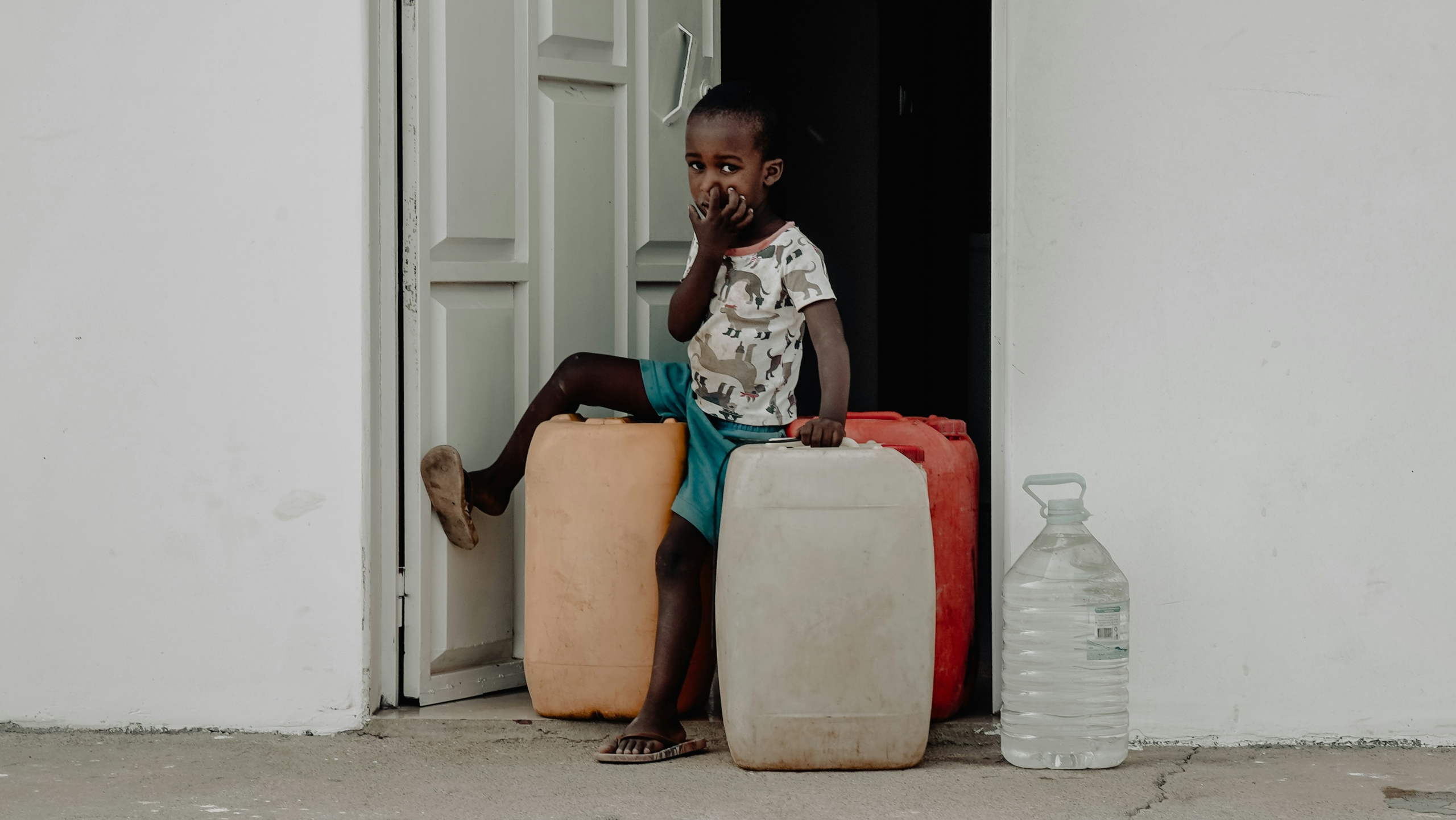
Child Poverty in Cabo VerdeUp until 2019, Cabo Verde, previously known as Cape Verde, was one of the most successful sub-Saharan African countries working toward poverty reduction. However, after the COVID-19 pandemic, which initiated a disruption of labor activities, tourism and businesses, the poverty index rose by 3.8%—the equivalent of 10,000 more people in Cabo Verde facing extreme poverty. As a result, parents, guardians and caregivers struggle to provide for their children. As of 2024, nearly one in 10 children is malnourished.

Lack of Housing

One of the greatest challenges experienced by children in Cabo Verde is the lack of affordable housing. Many families have to settle for underdeveloped and unsafe homes, which often lack public water supply, sewage and electricity. As a result, the children of Cabo Verde are at a huge disadvantage in terms of educational and social opportunities. The housing crisis is present in nearly all Sub-Saharan African countries.

Child Labor

Since the COVID-19 pandemic, many families in Cabo Verde have had to withdraw their children from school to help provide for their households. Consequently, approximately 3.2% of children aged 10 to 14 were working as of 2020. In rural areas, many children are especially subject to harsh physical working conditions, such as agriculture and housework. However, progress has been made in recent years. In 2014, Cabo Verde established the Action Plan for the Prevention and Elimination of Child Labor. Additionally, in 2022, the country increased the minimum age of employment to 15 years old.

Poor Nutrition and Sanitation

In Cabo Verde, 31 out of every 100 people lack access to the country’s public water network and approximately 15% lack proper sanitary systems. As a result, anemia remains a common disease among young children. Typically caused by malnutrition, anemia may result in low energy, tachycardia and delayed growth and development. In Cabo Verde, anemia affects about 72% of children aged less than 2 and 52% of older children.

Solutions

Recently, Cabo Verde has been making efforts to improve the living conditions of these children. As of 2024, the Cabo Verde government is addressing the challenges left by the COVID-19 pandemic and the Russian-Ukraine conflict. According to the United States (U.S.) Department of Labor, “Through the Cape Verde Social and Educational Action Institute, the government implements various initiatives to increase access to education among the poor. For children who may still be subject to school fees, efforts include the provision of school fees, school materials and free meals to low-income families.”

Additionally, in 2020, all 434 public schools in Cabo Verde received the Global Partnership for Education (GPE) grant support, improving health standards for both the children and teachers. Additionally, in 2020, all 434 public schools in Cabo Verde received the Global Partnership for Education (GPE) grant support, improving health standards for both the children and teachers. This is just a step toward diminishing child poverty in Cabo Verde and hopefully, it will influence remaining impoverished countries to follow suit.

Conclusion

While Cabo Verde is one of the more progressive sub-Saharan African countries when it comes to child poverty, there’s still work to be done, particularly regarding safe and affordable housing, proper sanitation and child labor reduction. With the implication of the resources and solutions listed above, Cabo Verde is on its way to a more promising future for their children.

– London Puc

London is based in West Palm Beach, FL, USA and focuses on Global Health for The Borgen Project.

Photo: Unsplash

July 1, 2024
https://borgenproject.org/wp-content/uploads/borgen-project-logo.svg 0 0 Lynsey 2 https://borgenproject.org/wp-content/uploads/borgen-project-logo.svg Lynsey 22024-07-01 01:30:562024-06-30 10:18:59Child Poverty in Cabo Verde
Child Poverty, Global Poverty

Solving the Problems of Child Poverty in Guyana 

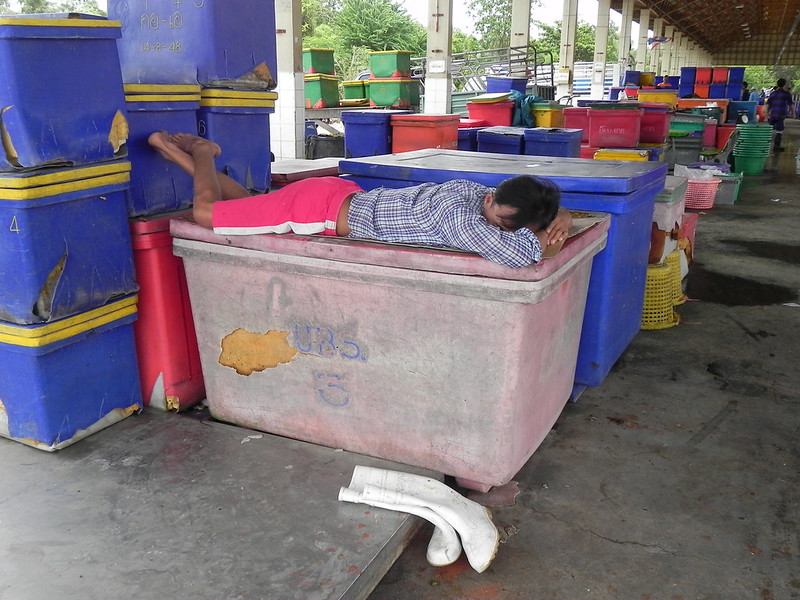
Child Poverty in GuyanaDespite having a stock of gold, timber and bauxite, Guyana has struggled to overcome poverty and attract investments to improve its economy. According to UNICEF, Guyana’s teen and youth poverty rates in 2019 were 33.7% and 47.5% for those under 16. There have been no recent reports on the child poverty rates, but the COVID-19 pandemic may have pushed more into greater poverty. Many factors contribute to child poverty in Guyana, such as access to sanitation, health care, education, food and child labor. However, the government and many international organizations are currently working to solve these problems regarding child poverty in Guyana.

Child Food Poverty

Ideally, a child should eat around five or more different food groups a day to not suffer from food poverty. From 2016 to 2022, 20% of children lived in severe food poverty, eating up to two food groups and 40% lived in moderate food poverty, receiving three to four food groups daily. There has been an increase in food poverty for children, changing from 10% in 2012 to 20% in 2022. Guyana has since introduced many initiatives such as the National School Feeding Programme which targets around 126,000 students in 2024. According to Guyana Times, around 85.0000 students benefitted from this initiative in 2023.

Sanitation

In 2020-2021, around 86% of the population had access to basic sanitation. Two percent of the population in Georgetown have access to a sewage system whereas the rest of the population disposes of waste through septic tanks and pit latrines. Due to poor waste disposal and pollution, waterborne diseases are a risk to the health and well-being of both children and adults.

To overcome this, Guyana Water Incorporated (GWI) has planned to advance its water, sanitation and hygiene accessibility in Region One, which has a large population of indigenous descent. Through working with UNICEF, it provided a new well in White Water which provides drinking water to more than 70% of the community. GWI has also constructed around 35 Ventilated Improves pit latrines in several communities within Region One, which has benefitted thousands of Venezuelan migrants and Guyanese people.

Right to Health

Health care is free throughout Guyana, but the standard of health care is lower than in other developed countries. Medical facilities are limited, even in the capital Georgetown and there are no medical facilities in remote regions. This means that children living in remote areas cannot access health care. However, recently there have been announcements of more being built within its various regions to improve access to health care facilities, with construction in East Demerara being carried out on a Pediatric and Maternal Hospital to help improve infant and maternal survival rates.

With health care facilities improving and existing in more regions, child poverty in Guyana regarding health should begin to decrease. In May 2024, Demerara Waves reported that child mortality rates are decreasing due to the improvements in the health care system in the country.

Education

Education is free to all in Guyana and is compulsory from the ages of 6 to 15, according to Humanium. However, in rural areas, many children cannot access education due to “poor infrastructure, long distances to schools, transportation costs and a shortage of qualified teachers,” which potentially leads to many children dropping out of school. The COVID-19 pandemic further hindered access to education due to “the lack of information technology and the limited availability of electricity in rural and riverine communities.”

In 2023, the World Bank announced it would contribute $35 million towards reforming the education sector in Guyana. The main aims of these reforms are to invest in access to educational materials, and teacher training and upgrade school facilities. The World Bank aims to ensure affordable textbooks are available to all students and will provide training to teachers. This project will also improve the infrastructure of school buildings and the facilities within them.

As a result of this program, smart classrooms have been introduced, with touchscreen whiteboards, cameras for recording lessons, and monitors to display videos. This helps students who miss school for various reasons as they can access their lessons online through recordings, ensuring that they do not miss large amounts of curriculum.

Child Labor

Child labor often comes about due to family debt, insufficient income or human trafficking. Low education rates are also a contributing factor. Around 41% of Amerindian Indigenous children partake in domestic work and 34% in hazardous work, according to the U.S. Department of Labor. Children in Guyana face terrible forms of child labor, such as commercial sexual exploitation or performing dangerous tasks in mining. The U.S. Department of Labor reports that 4.9% of children working are used to take part in illicit activities, including the planting of marijuana, and smuggling of drugs, weapons and goods.

Since 2021, law enforcement authorities have taken measures to prevent child labor in Guyana by establishing a National Steering Committee on Child Labour and a Ministerial Task Force on Trafficking in Persons. Authorities have also introduced policies like the National Action Plan for the Elimination of Child Labor 2019-2025, according to Humanium. Through policies like these, there have been increased police reports of child labor cases, such as 9 cases of children in forced labor and 14 cases of young girls in commercial sexual exploitation since 2021, according to the U.S. Department of Labor.

Moving Forward

In recent years, the Guyanese government and international organizations have begun to invest more in long-lasting and permanent solutions regarding child poverty in Guyana. With these improvements and many more in the future, child poverty should steadily decline dramatically, ensuring each child’s safety in society and allowing them to lead healthy and enriching lives.

– Kimran Gill

Kimran is based in Leicester, UK, and focuses on World News for The Borgen Project.

Photo: Flickr
June 22, 2024
https://borgenproject.org/wp-content/uploads/borgen-project-logo.svg 0 0 Jennifer Philipp https://borgenproject.org/wp-content/uploads/borgen-project-logo.svg Jennifer Philipp2024-06-22 03:00:292024-06-21 07:41:10Solving the Problems of Child Poverty in Guyana 
Africa, Child Poverty, Global Poverty

The Impact of Reducing Child Poverty in Angola

Child Poverty in AngolaAn intense history of a 27-year civil war burdens Angola. The children of Angola are suffering the most – with high rates of child poverty, illiteracy and mortality. Low contraceptive use has resulted in a fertility rate of more than five children per woman. Positively, Angola has been a party to the Convention on the Rights of the Child since 1990 and efforts are underway to protect children in Angola from the consequences of poverty. That said, here are three areas that will undergo positive improvements if child poverty in Angola is reduced.

Education

Currently, 33% of children in Angola are illiterate and only 30% progress to upper secondary school. Additionally, more than a quarter of households in Angola have children who aren’t enrolled in school. This is mainly due to a lack of education, closely tied to intergenerational poverty traps. Education for girls is particularly at risk, with 30% of women aged 20-24 having been married or in a union before the age of 18. If poverty and hardship were not defining issues for these children, they could experience the normalcy of education and childhood.

Fortunately, there have already been significant improvements in education in Angola. The Committee on the Rights of the Child (CRC) has recognized multiple efforts being made to get more children into education. For example, the National Action Plan 2013-2020 was entitled “Education for All.” Additionally, the gross enrolment rate of children attending nursery, primary and secondary school increased to 97.5% in 2016.

Investment in the quality of teaching has led to more young people attending school – often due to the hard work of organizations such as SOS Children’s Villages. It works toward making education accessible to everyone. It has funded school fees, uniforms, learning materials and tutoring. Due to SOS Children’s Villages’ diligence and hard work, the project has enabled more than 1390 children in Angola to learn at its kindergartens and schools.

Health

Angola has suffered from an influx of droughts, flooding and diseases such as malaria, where medical treatment is sparse. Families in rural areas have found themselves struggling with rising food prices, leading to issues such as undernutrition being responsible for 45% of child deaths. A lack of access to water and sanitation has become a crucial issue for children’s health. However, when child poverty is dealt with, nutritious food will prevent the high rate of stunted children aged less than 5.

In response, Angola implemented a National Health Development Plan from 2012 to 2015, with one of its key objectives being to reduce maternal, infant and child mortality and morbidity rates. However, several challenges have arisen since the plan’s announcement. Malaria remains the leading cause of death in the country, responsible for more than 10,400 deaths in 2020. Additionally, the decline in oil growth in 2014 has led to decreased public spending in the health sector.

Despite these challenges, life expectancy in Angola is expected to increase from 61 years in 2023 to 68 years by 2050. Between 2018 and 2022, the health care workforce significantly increased and in 2020, Angola began offering specialty training courses for doctors in five provinces. By 2023, the program had expanded to include 2,500 medical doctors across 17 regions. The Minister of Health has also nominated a Task Force to oversee postgraduate training for health professionals.

SOS Children’s Villages is also actively working to ensure that social and health care facilities are accessible. Its efforts have enabled 450 families in Angola to stay together, providing crucial support and assistance.

Labor

Approximately 30% of Angolans live below the poverty line and widespread unemployment often leads to children becoming breadwinners for their households. The COVID-19 pandemic exacerbated a four-year recession in Angola, significantly impacting many families financially. Children aged 0-14 are particularly affected and live on less than $2.15 a day. Currently, three-quarters of children in Angola are living in poverty. Additionally, a staggering 19% of them work to support their families.

However, tackling extreme child poverty means that the number of children in the workforce within industries such as mining, construction and agricultural sectors will lessen and child trafficking will dissipate. Positive efforts have been made in this regard. Law no.3/14 criminalizes the exploitation of children for sexual purposes and prostitution.

Furthermore, in 2022, the Angolan government funded and participated in programs to prevent child labor. These initiatives include Social Protection Programs, Mobile Schools and Free School Meals for Children. Specifically, these programs target children in Southern Angola who are at high risk of being engaged in child labor.

– Xantippe Steele

Xantippe is based in Hove, UK and focuses on Good News and Politics for The Borgen Project.

Photo: Flickr

May 22, 2024
https://borgenproject.org/wp-content/uploads/borgen-project-logo.svg 0 0 Lynsey 2 https://borgenproject.org/wp-content/uploads/borgen-project-logo.svg Lynsey 22024-05-22 07:30:062024-05-22 01:13:57The Impact of Reducing Child Poverty in Angola
Child Poverty, Global Poverty

Child Poverty in Benin  

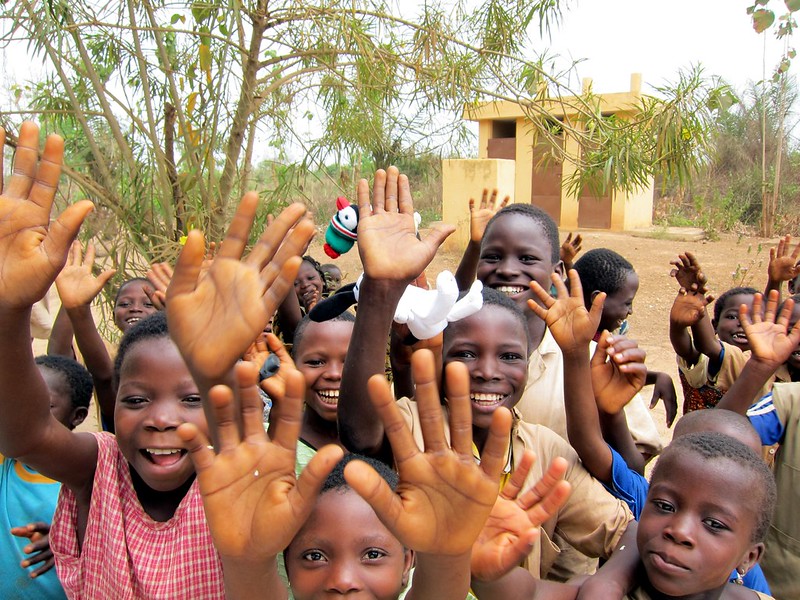
Child Poverty in BeninLocated in West Africa, the Republic of Benin is one of the most economically challenged nations worldwide. With up to 45% of its population consisting of children under the age of 15, child poverty in Benin is a major concern.

Economic Factors

According to the World Food Program USA, Benin’s economy is primarily agrarian. Up to 70% of the population relies on agriculture as a core source of income. Vulnerable to weather fluctuations and changing weather patterns, the sector of rain-fed agriculture has been challenged by the success of consistent food crop production. In addition, the country is often exposed to droughts and floods that threaten the economic conditions of Benin’s population. This frequently leaves families in uncertain economic situations. As poverty rates among families increase, child poverty in Benin worsens due to insufficient resources to fulfill their essential needs.

Threatened Food Security

In addition to contributing to a lack of financial stability, the unstable nature of agribusiness in the nation has also led to an increase in food prices. As reported by the United States Agency for International Development (USAID), children in Benin are severely affected by malnutrition. Up to 50% of children up to 5 years of age have developmental issues as a result of nutritional deficiency. The World Food Program USA shows that up to 32% of Beninese children suffer from recurrent malnutrition.

Health Concerns

While improper nutrition has emerged as a significant health concern for children in Benin, the absence of proper health care has also affected the nation’s children. According to the Centers for Disease Control and Prevention (CDC), malaria is the leading cause of death for children under 5 years old in Benin. USAID states that the COVID-19 pandemic posed a risk to ongoing efforts made to reduce the transmission of the disease. The U.S. President’s Malaria Initiative, created in 2005, has been working toward the reduction and treatment of the disease in African countries, including Benin.

Despite the pandemic’s impact on developmental progress, the initiative’s 2024 strategy outlines the introduction of the malaria vaccine in Benin within the initial quarter of the year.

Child Labor

A direct repercussion of child poverty in Benin is the educational deficit due to child labor. As Beninese families go through financial hardships, children quit their education and engage in varying work practices. Some of these include domestic work, working on cotton plantations and forced begging. Children exposed to child labor practices become vulnerable to abuse and exploitation. Work conditions can be hazardous, and children are at risk of becoming victims of human trafficking. Data published by UNICEF shows up to 25% of children in Benin are victims of child labor.

Aid Initiatives

Tackling child poverty in Benin requires a wide range approach, integrating economic development, health care, food security and education. Recent years have shown multiple attempts to improve Beninese children’s livelihoods. A report published by the U.S. Department of Labor states that social services inspections freed up to 400 children from child labor in 2021.

In 2022, the government maintained the Integrated National School Feeding Program, providing meals to up to 75% of Benin’s schools. That same year, UNICEF expanded its presence in the north of the nation. UNICEF also collaborated with the religious congregation known as the Salesians of Don Bosco to build a temporary residence for children living on the streets. The congregation runs the charity Foyer Don Bosco, with the mission to fulfill all basic human needs of children living in poverty in Benin. It heavily focuses on helping victims of child labor and human trafficking, striving to ensure that children receive quality education so they can have a better future.

Efforts by organizations like UNICEF and the Salesians of Don Bosco reflect a collective commitment to combat child poverty in Benin and serve as a source of optimism in the ongoing fight against it. 

– Paula Gibson
Photo: Flickr

January 28, 2024
https://borgenproject.org/wp-content/uploads/borgen-project-logo.svg 0 0 Jennifer Philipp https://borgenproject.org/wp-content/uploads/borgen-project-logo.svg Jennifer Philipp2024-01-28 01:30:542024-05-30 22:32:48Child Poverty in Benin  
Global Poverty

Lost Children: Child Labor in Colombia

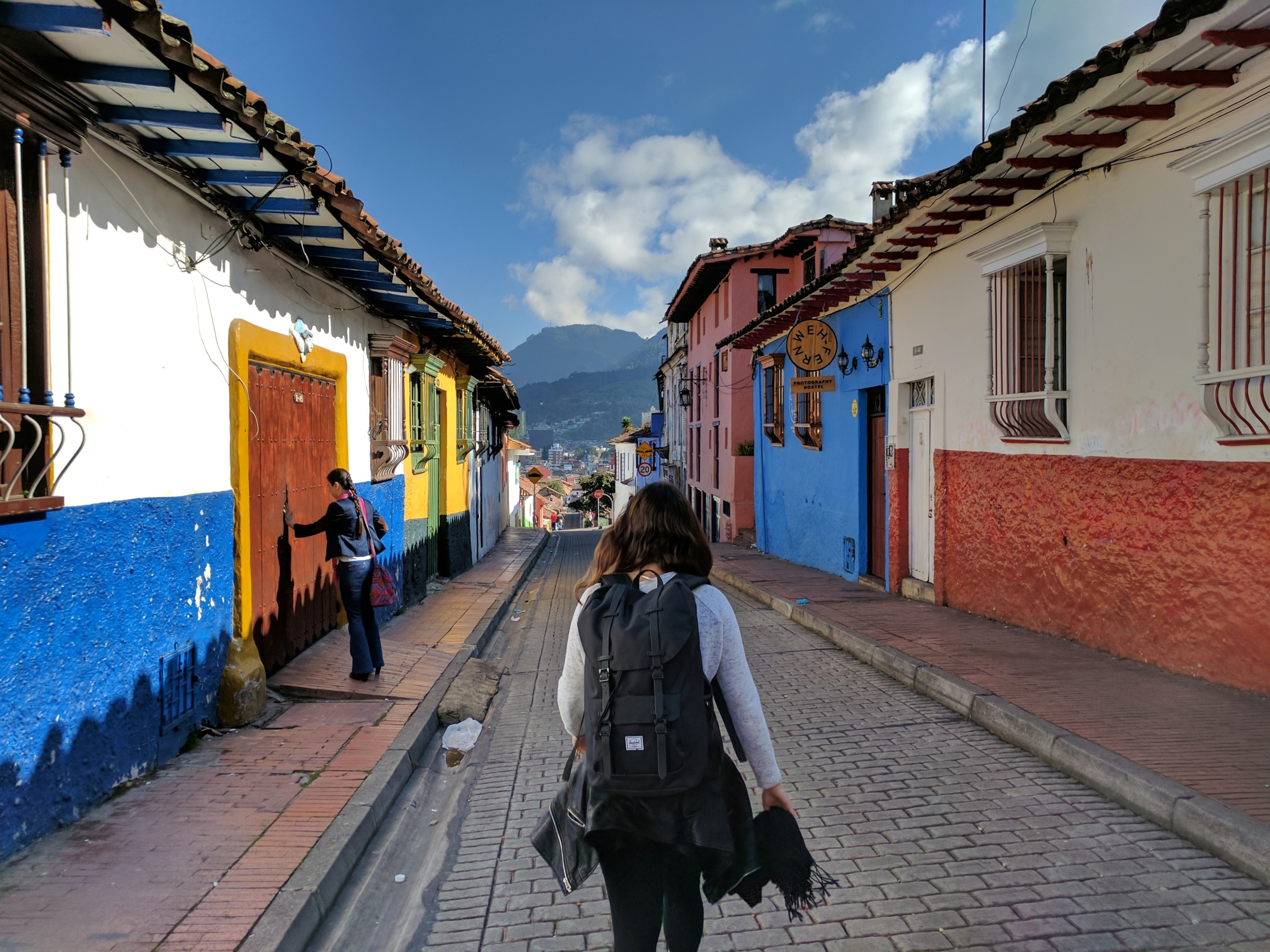
Child Labor in ColombiaUnder the rich culture and lush landscapes of Colombia lies a bitter reality, a complex and stretched array of working children throughout the country. Child labor in Colombia affects more than 10% of all children meaning millions of Colombia’s youth find themselves in the workforce. These children sacrifice their education, childhood experiences and chances of escaping the poverty trap, as 26.0% work 30 or more hours each week, with 30.0% not attending school at all. However, efforts are being made to amend this tragedy.

Demographics of Colombian Child Workers

Child labor in Colombia was at a disheartening 11.4% in 2017, but this figure is a significant drop compared to 21.6% at the beginning of the 21st century. ​​While this reduction is commendable, more than 1.5 million Colombian children are still in the workforce. The disparities when delving into the intricacies of these approximately 1 million people are observable. Labor in household services for more than 15 hours a day represents a staggering 46% of all child labor, while rural child labor is more prevalent than in urban areas. 19.8% of rural children were part of the labor market compared to 8.2% in urban areas. Gender dynamics do not significantly impact proportionality as the rates of child labor engagement are quite similar, 10.7% for boys and 12.2% for girls.

The distribution of child labor in Colombia permeates various industries and sectors. In the most prevalent rural market, agriculture is the outstanding employer as a staggering 73.4% of child workers are engaged in farming, with domestic services second with 16.5%. The urban market has a parallel pattern as the service industry is the dominant sector with 70.5% of child workers, while manufacturing’s 13.9% sits behind. While all child labor is a disheartening truth, approximately 66,000 Colombian children work in dangerous jobs such as mining and construction.

Motivations for Entering the Workforce

The reality of child labor in Colombia is evident; however, the motivations behind it reflect social dynamics. Pursuing financial autonomy is compelling, as 37.7% of urban and 26.0% of rural working children have it as their primary motivator. Playing a role in a family business is also a consequential instigator as it employs 30.1% of urban and 51.0% of rural child workers. Colombia has experienced a considerable decline in children personifying the role of economic provider has decreased by 15% from 2003 to 2017 to 9.2%

Worst Forms of Child Labor in Colombia

The extent of child labor is not limited to traditional forms of work. Unfortunately, tens of thousands of Colombian children find themselves in the worst forms of exploitation, including armed paramilitaries, criminal enterprises and sexual profiteering. Recruitment for militia groups such as FARC-EP and Segunda Marquetalia is still occurring. UNICEF reports that 1,556 children, with an average age of merely 13.4 for girls and 14.1 for boys, were forcibly recruited by paramilitary groups between September 2011 and June 2016. These children are forced into an array of tasks, including drug dealing, smuggling and trafficking. The extent of these horrors continues with UNICEF’s report that there are around 35,000 sexually exploited children with a continuously plummeting age of initiation.

Poverty and Child Labor Synergies 

Child labor is intricately woven into the fabric of poverty in Colombia. An array of indicators reveals that the economic state of a child’s family is a momentous factor in being forced into work. Approximately 83% of children in the labor force are impoverished and those in extreme poverty are even more likely to be in child labor as well as the most vulnerable roles. Moreover, the educational and occupational situation of the parents are pivotal indicators. As parental education, especially that of mothers and status of employment increases, the likelihood of child labor decreases immensely. Intuitively, children who need to help their families immediately will push education and childhood aside for communal sustainment. 

Government Action

Amid the challenges of child labor in Colombia, the government has made notable strides to combat this issue. A series of policies have been passed and proposed that aim to reduce the causes and punish the perpetrators. There have been increased penalties for human trafficking involving children, empowerment of labor inspectors to enforce forced labor crimes and a Zero Complicity policy for prevention and prosecution. The fruits of these policies have seen the number of children working in Colombia drop by approximately 300,000 between 2014 and 2017. This is some of the work the national government has done to remedy the harsh truths of child labor in Colombia. 

The realities of child poverty in Colombia are harsh and unfortunate. More than a million children are deprived of education, carefree childhood and essential building blocks for a brighter future, casting a profound shadow. However, visible progress emerges as the Colombian authorities prioritize rectifying this situation, enabling the nation’s children to pursue a better future.

– Agustín Pino
Photo: Unsplash

September 1, 2023
https://borgenproject.org/wp-content/uploads/borgen-project-logo.svg 0 0 Lynsey Alexander https://borgenproject.org/wp-content/uploads/borgen-project-logo.svg Lynsey Alexander2023-09-01 07:30:462026-04-16 10:07:09Lost Children: Child Labor in Colombia
Child Poverty, Global Poverty

The Impact of Peruvian Coca Farming 

Peruvian Coca FarmingPeruvian anti-drug police seized 58 kilograms of cocaine, destined for Belgium, at the port of Paita, Peru in May 2023. The cocaine packages had the Nazi flag and the blocks had the imprint of the name “Hitler.” In March 2023, Peruvian authorities discovered 2.3 tonnes of cocaine that were to undergo transport to Turkey.

Cocaine from Peru goes to South American countries for domestic consumption or to further destinations such as Asia, Europe and the United States (U.S.) that have a high demand for the drug. Peru is the second largest producer of cocaine and cultivator of the coca leaf, the primary ingredient in cocaine, in the world, according to The Guardian. In 2021, Peru produced 785 metric tons of cocaine and cultivated 84,400 hectares.

Peruvian coca farming majorly contributes to increased deforestation rates of the Peruvian Amazon, the prevalence of child labor and poverty in rural areas. Several U.S. government programs are continuously collaborating with the Peruvian government to implement strategies to eradicate illicit coca, create alternative development projects, ban illegal narcotics and minimize domestic drug abuse.

Deforestation and Indigenous Communities

Illegal coca production has spread across the Peruvian Amazon during the pandemic due to minimal state presence. The center of the illegal drug trade in Peru is the Valley of the Apurímac, Ene and Mantaro Rivers (VRAEM). The VRAEM and several other parts of the forest are being “felled and burned” to make space for coca fields, contributing to deforestation. Not only is the number of illicit coca farms expanding, but the proliferation of laboratories converting coca leaves into cocaine and the construction of clandestine airstrips for drug trafficking are posing significant environmental threats. As a result, these activities contribute to the degradation of the natural habitat and ecosystems in the Amazon region. In addition, deforestation of the Amazon exacerbates climate change by releasing an increased amount of carbon dioxide into the atmosphere, leading to a rise in the temperature of the Earth’s surface.

Peruvian coca farming is negatively impacting the hundreds of indigenous communities who live in the Amazon. The expansion of coca farming leads to the encroachment of ancestral indigenous lands which can result in the displacement of entire communities. The expansion of coca production also places community members at heightened vulnerability, increasing the risk of being forcibly recruited into the production process and becoming addicted to cocaine. Indigenous leaders and environmental activists have become targets of violence for openly opposing drug trafficking. Almost 20 local leaders have been killed since the start of the COVID-19 pandemic, according to Insight Crime.

How Coca Farming Targets Children

Many families who cultivate coca in Peru use child labor because children are too young for prosecution for illicit activity. In areas where coca production rises, there is a corresponding increase in the use of labor in those areas. According to Maria Sviatschi, when children are part of illegal labor markets, they acquire industry-specific skills at an early age. This often puts the children on “a criminal life path” in the cocaine industry. When these children grow up, they are 30% more likely to face imprisonment for violent and drug-related crimes. They are also 30% more likely to have lower earnings, consequently increasing poverty rates in Peru.

Illicit Coca Eradication and Poverty Reduction Efforts

During the pandemic, the national poverty rate increased to 30.1%. The U.S. The Department of State’s Bureau of International Narcotics and Law Enforcement Affairs (INL) is collaborating with the Peruvian government and anti-drug police to eradicate illicit coca activities. The United Nations Office on Drugs and Crim (UNODC) has worked with the Peruvian government and farmers for decades to provide alternative development opportunities to decrease poverty rates and boost economic growth through legal avenues. The project targets “endemic coca-producing” areas where there are high poverty rates.

Looking Ahead

Collaborative efforts between the Peruvian government, the U.S. and international organizations are making strides toward eradicating illicit coca activities and reducing poverty. Programs focused on alternative development and poverty reduction are providing opportunities for communities previously involved in Peruvian coca farming to pursue legal avenues of economic growth. By addressing the root causes of illicit coca production, these initiatives aim to contribute to the preservation of the environment and the well-being of indigenous communities in the Peruvian Amazon.

– Surya Patil
Photo: Flickr

June 29, 2023
https://borgenproject.org/wp-content/uploads/borgen-project-logo.svg 0 0 Jennifer Philipp https://borgenproject.org/wp-content/uploads/borgen-project-logo.svg Jennifer Philipp2023-06-29 01:30:202024-05-30 22:31:11The Impact of Peruvian Coca Farming 
Global Poverty, Human Trafficking

The Fight to End Human Trafficking in Togo

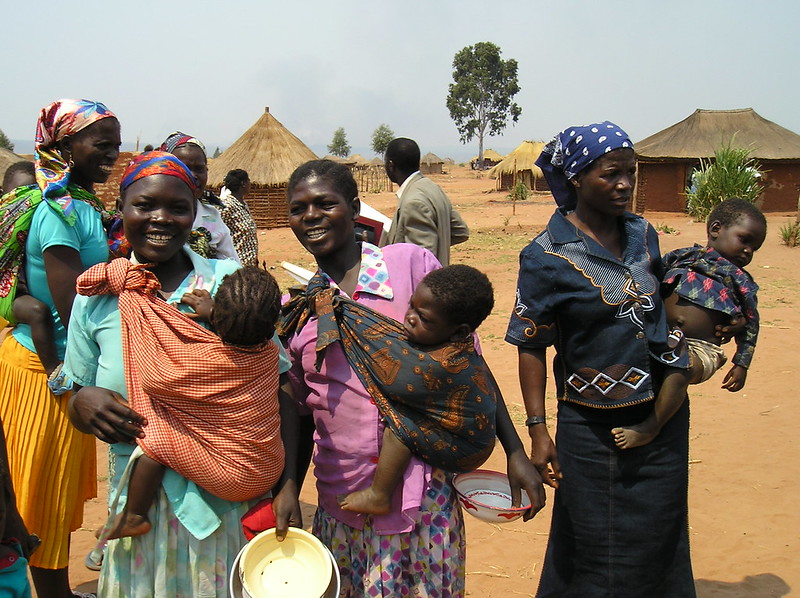
Human Trafficking in TogoBetween Ghana and Benin lies Togo, a small country in West Africa, composed of 41 different ethnic groups. With a current population of 8.8 million, it is estimated that nearly half of Togo’s population falls below 18 years of age. Unfortunately, Togo is also known as a major hub for human trafficking operations, as a source, transit and destination for victims.

Human Trafficking in Togo

Tragically, the western border of the Plateau region is often used by traffickers because it provides easy access to major transportation routes between Lomé and Accra. Reports indicate that most Togolese trafficking victims are children who become subjected to either forced labor or prostitution. NGOs and government officials report that devissime markets, meaning ‘small girls markets’ or ‘child markets’ exist in Lomé and elsewhere in the country.

The trafficking networks in Togo are predominantly community-based and organized loosely by local actors. Often, the traffickers visit rural areas in the north and central regions of Togo. They usually target impoverished families in need of money. Reports indicate that the traffickers promise the parents employment for the children and offer an advanced payment. Then, they transport the minors to Lomé, where the children become immersed in forced labor and sex markets. COVID-19 travel restrictions economically hindered Togolese families in the service and retail sectors, leaving them even more vulnerable to exploitation. As a result, the majority of trafficking victims are children from economically disadvantaged families.

Fighting Human Trafficking in Togo

In recognizing the prevalence of human trafficking across the globe, Congress passed the Victims of Trafficking and Violence Protection Act of 2000, establishing guidelines and anti-trafficking policies in order to prevent trafficking, protect trafficking victims and prosecute traffickers. Togo is ranked on the Tier 2 watchlist because the government does not meet the minimum standards for eliminating trafficking.

Unfortunately, Togo’s government has not updated its anti-trafficking National Action Plan NAP since 2008. However, in 2020, Togolese officials finalized Togo’s five-year NAP on child labor which partially addresses human trafficking in Togo. Furthermore, the 2022 Trafficking in Persons Report from the U.S Department of State cites that Togolese authorities have prosecuted and convicted more traffickers than in previous years. Togo’s government has also continued an awareness-raising campaign and established a national anti-trafficking committee to coordinate efforts.

Providing Support to Victims

La Conscience, a humanitarian organization, located outside Togo’s capital city of Lomé in Ahépé Kpowla aims to protect human trafficking victims and prevent trafficking from occurring through an integrated service delivery approach. La Conscience provides housing, psychosocial services, educational and financial support and reintegration programs for young human trafficking victims. In order to ensure enrollment in school, La Conscience organizes mobile court hearings with local leaders and judges to obtain birth certificates. The organization also works closely with police and border officers to rescue children that are trafficked. To date, La Conscience’s consistent efforts have helped more than 40,000 people.

The Togolese government’s efforts to combat human trafficking along with nonprofit organizations’ efforts paint a prosperous picture for a future end to human trafficking in Togo.

– Sophie Caldwell
Photo: Flickr

November 8, 2022
https://borgenproject.org/wp-content/uploads/borgen-project-logo.svg 0 0 Jennifer Philipp https://borgenproject.org/wp-content/uploads/borgen-project-logo.svg Jennifer Philipp2022-11-08 01:30:032024-05-30 22:30:27The Fight to End Human Trafficking in Togo
Global Poverty

The BSCFA, Fairtrade and Sugar in Belize

the BSCFABelize’s sugar cane production has been a major staple to its economy since the 1800s. Today, it supports the livelihood of around 15% of Belizeans, contributes to 6% of Belize’s foreign exchange income and adds 30% gross value to the country’s agriculture. Due to its overall importance, organizations have taken great steps to help protect sugar farmers and improve their working conditions. A major step toward this goal was when the Belize Sugar Cane Farmers Association (BSCFA) became Fairtrade certified in 2008. Since then, the value of sugar from Belize has grown and better working conditions and human rights have been established.
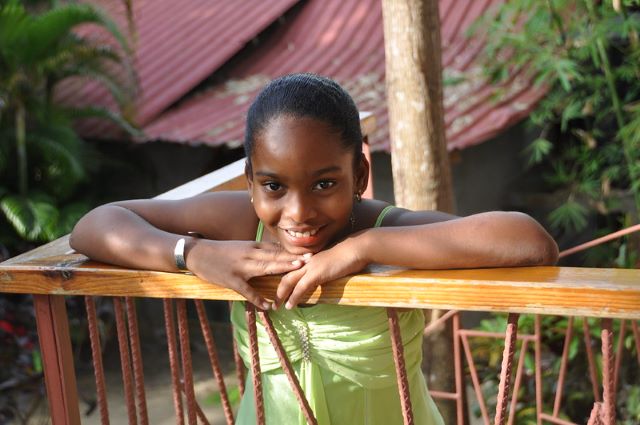
Sugar Cane Farmers in Belize

Sugar cane farmers and plantation workers often struggle because sugar prices in international markets are low and processing sugar cane is long and expensive. Smaller farms also have trouble getting access to lucrative markets that would buy more sugar. The compensation smallholder farmers receive for cane often fails to cover the costs they incur to produce it, leaving them in a debt trap and with little capital to reinvest in farms. They also cannot pay for newer equipment that would help make the process easier, faster and cheaper. The significant amount of time invested in farming to provide an income often leaves little time to engage in other opportunities that can pull them out of poverty, such as education. Fairtrade aims to alleviate these problems by helping people and organizations get better representation in the market and better prices for their crops.

The Impact of Fairtrade Certification

Since 2008, Belize’s sugar cane exports have increased greatly, particularly in the European market. In the first five years of the BSCFA becoming Fairtrade certified, Belize’s sugar cane gross profit grew significantly. Belize has also been able to increase the amount of sugar cane produced every year due to farmers getting resources to control pests in the early stages of the growing process and access to better farming and processing tools. From 2018 to 2019 alone, Belize went from producing 150,000 tons to more than one million tons of sugar cane.

Impact on Communities in Belize

A huge benefit of being Fairtrade certified is that organizations will receive premiums — extra money that farmers and workers can invest in their businesses or the community. The BSCFA gets around $3.5 million in premiums a year and has used that as grants for education, building and repairs, community spaces such as churches and libraries, funerals for impoverished families, water tank systems and more.

The BSCFA has continued advocacy and empowerment efforts to improve the working conditions of sugar cane farmers. In 2015, the BSCFA took a strong stance against child labor, lobbying the government to make laws against child labor and personally suspending support of farms that violated fairtrade practices.

Due to advocacy efforts such as these, the government of Belize has taken steps to stop child labor, such as working on bills that help others identify child labor situations and updating its Child Labor Policy to add additional protection for children. It also established a Child Labor Secretariat that works on identifying and reporting child labor cases.

Fairtrade and the BSCFA have made significant strides in protecting the rights of sugar cane farmers while expanding the economy. These efforts are lifting people out of poverty and ensuring that fairness prevails.

– Mikayla Burton
Photo: Flickr

February 26, 2021
https://borgenproject.org/wp-content/uploads/borgen-project-logo.svg 0 0 Yuki https://borgenproject.org/wp-content/uploads/borgen-project-logo.svg Yuki2021-02-26 04:26:222024-05-30 07:56:42The BSCFA, Fairtrade and Sugar in Belize
Child Poverty, Children, Developing Countries, Education, Global Poverty

5 Facts About Child Poverty in Jamaica

Child Poverty in JamaicaA whole 2.8 million people live in poverty in Jamaica. The strain of poverty is heavy on all people, however, for children, it is more severe. Jamaica is yet to tackle the many factors impacting child poverty.

Facts About Child Poverty in Jamaica

  1. At least 25% of Jamaican children live under the poverty line. With the struggling economic state in Jamaica, it is difficult for the government to prioritize increasing investment in children. Instead, a large amount of the country’s national budget is dedicated to debt repayment. Because poverty is most widespread in rural Jamaica, hidden from the eyes of tourists, issues impacting children are rarely addressed.
  1. Jamaica does not have equal access to education. Minors living in rural areas may not have the option to attend school at all. While primary school is free, secondary and higher education is not, meaning that schooling beyond the primary level is often too expensive for underprivileged families. Beyond accessibility, Jamaican schools often lack resources for proper learning which means children are not able to thrive in an educational setting.
  1. Jamaica has a high incidence of HIV/AIDS affliction. This contributes to an overall high child mortality rate. In numbers, 10% of Jamaicans who have HIV/AIDS are under the age of 18, often as a result of mother-to-child transmission. In addition, AIDS deaths in adults result in many children becoming orphaned.
  1. High unemployment rates lead to unstable socio-economic conditions. Without a way to earn a stable income, many in Jamaica turn to gang activity and crime to survive. Exposure to extreme violence is common for Jamaican children, and because of high poverty levels, many young boys often join gangs themselves. In addition, many unemployed residents are forced to live without access to running water and proper sanitation which means children and families live in unacceptable conditions.
  1. Child labor is widespread and often essential for a family’s survival. With high poverty rates across Jamaica’s rural communities, some families must send their children to work, purely out of desperation. In cities, children are often seen selling merchandise, washing car windshields and begging for money. For many, living the life of a child is an unaffordable luxury.

The Jamaican Childcare and Protection Act

Jamaica still has some work to do in terms of protecting its children from the harsh realities of poverty. However, the country has progressed in this regard, by implementing crucial legislation for the protection of children. The Jamaican Childcare and Protection Act was passed in 2004 and promotes the safety and best interests of children in the country. The Office of the Children’s Advocate (OCA) and the Children’s Register was established under this Act. The OCA was established with the purpose of protecting and enforcing the rights of children and the Children’s Register consists of the information reported regarding suspected ill-treatment of a child. Child labor is also specifically addressed in the Act.

While child poverty in Jamaica is still a significant concern, the country has made progress and will continue to do so in the future as key issues affecting the country’s most vulnerable populations are addressed.

– Natasha Cornelissen
Photo: Flickr

January 25, 2021
https://borgenproject.org/wp-content/uploads/borgen-project-logo.svg 0 0 Yuki https://borgenproject.org/wp-content/uploads/borgen-project-logo.svg Yuki2021-01-25 01:30:282021-01-25 02:29:175 Facts About Child Poverty in Jamaica
Page 2 of 7‹1234›»

Get Smarter

  • Global Poverty 101
  • Global Poverty… The Good News
  • Global Poverty & U.S. Jobs
  • Global Poverty and National Security
  • Innovative Solutions to Poverty
  • Global Poverty & Aid FAQ’s
Search Search

Take Action

  • Call Congress
  • Email Congress
  • Donate
  • 30 Ways to Help
  • Volunteer Ops
  • Internships
  • Courses & Certificates
  • The Podcast
Borgen Project

“The Borgen Project is an incredible nonprofit organization that is addressing poverty and hunger and working towards ending them.”

-The Huffington Post

Inside The Borgen Project

  • Contact
  • About
  • Financials
  • President
  • Board of Directors
  • Board of Advisors

International Links

  • UK Email Parliament
  • UK Donate
  • Canada Email Parliament

Get Smarter

  • Global Poverty 101
  • Global Poverty… The Good News
  • Global Poverty & U.S. Jobs
  • Global Poverty and National Security
  • Innovative Solutions to Poverty
  • Global Poverty & Aid FAQ’s

Ways to Help

  • Call Congress
  • Email Congress
  • Donate
  • 30 Ways to Help
  • Volunteer Ops
  • Internships
  • Courses & Certificates
  • The Podcast
Scroll to top Scroll to top Scroll to top