• Link to X
  • Link to Facebook
  • Link to Instagram
  • Link to TikTok
  • Link to Youtube
  • About
    • About Us
      • President
      • Board of Directors
      • Board of Advisors
      • Financials
      • Our Methodology
      • Success Tracker
      • Contact
  • Act Now
    • 30 Ways to Help
      • Email Congress
      • Call Congress
      • Volunteer
      • Courses & Certificates
      • Be a Donor
    • Internships
      • In-Office Internships
      • Remote Internships
    • Legislation
      • Politics 101
  • The Blog
  • The Podcast
  • Magazine
  • Donate
  • Click to open the search input field Click to open the search input field Search
  • Menu Menu

Archive for category: Women’s Rights

Women's Rights

How the Listen Up Program Supports Women’s Rights Groups in Uganda

Women’s Rights Groups in UgandaThe International Rescue Committee (IRC) is a nonprofit organization that aids more than 40 countries during devastating humanitarian crises, providing resources and support to “restore health, safety, education, economic wellbeing and power.” Through the organization’s efforts, it has provided food, shelter and clothing, influenced humanitarian policy, supported health care workers and provided educational opportunities.
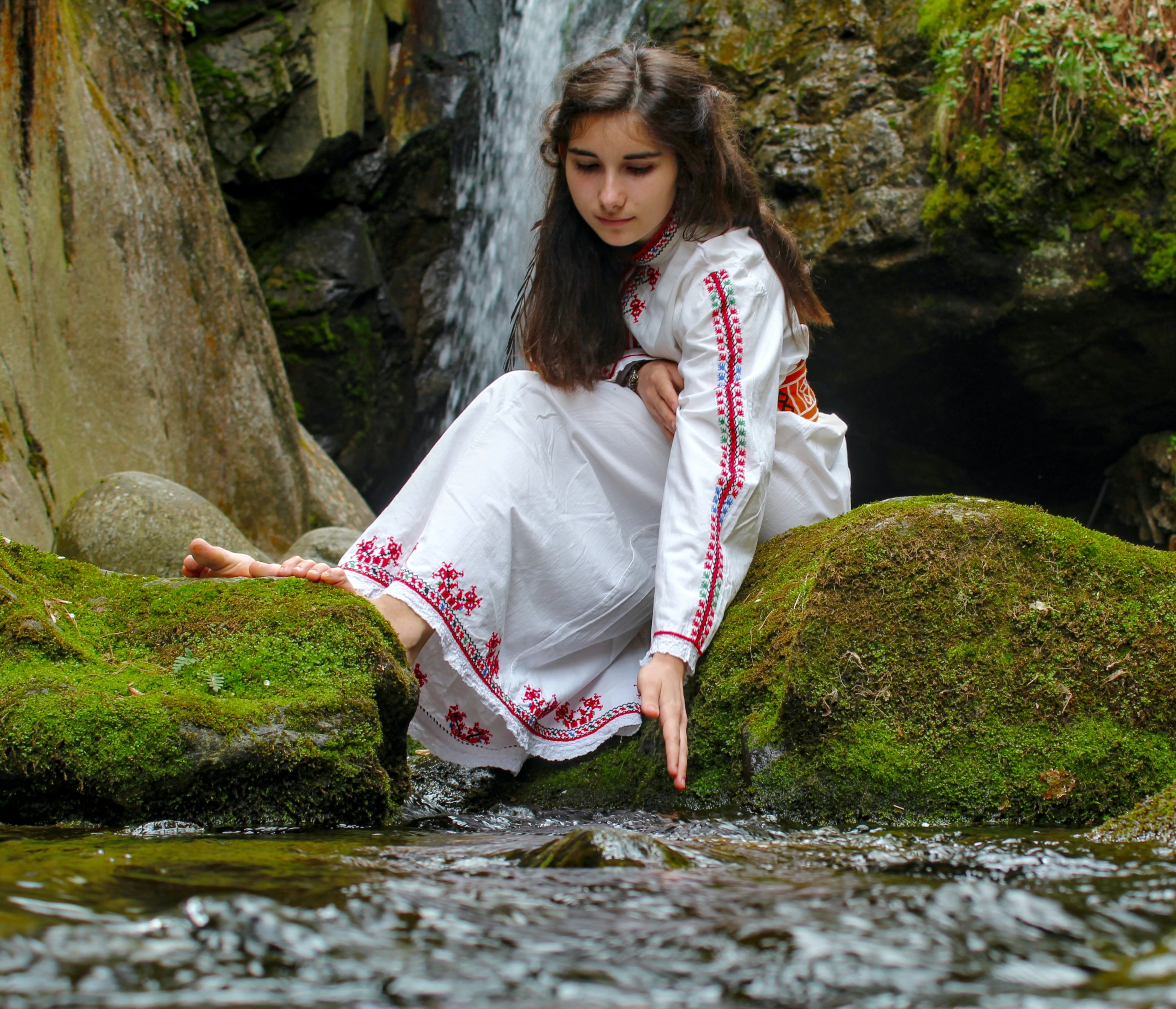
Refugees

Along with these efforts, the IRC is committed to supporting women’s rights for refugees, those at high risk of gender-based violence and those who face discrimination. As the IRC states, nearly half of all refugees are “women and girls,” but are often overlooked during crises and unable to raise awareness for their own needs. Similarly, “nearly one in three women worldwide” who have experienced physical and sexual violence are also unable to receive help due to “fear of retaliation” and the stigma surrounding violence. For this reason, the IRC reports that “less than 1% of humanitarian funding worldwide” is allocated to assist programs supporting women. To assist, the IRC instituted the Listen Up Program, which elevates women’s voices in local communities to enact positive change. This program raises awareness of the alarming rates of gender-based violence and provides resources to prevent future violence. 

Because of the Listen Up Program, female activists and women’s rights groups in Uganda have been encouraged to institute change in their communities, providing support for refugees, along with resources for women recovering from violence and abuse. 

Gender-Based Violence in Uganda

Based on a 2020 World Bank assessment conducted by the UNHCR, it’s evident that 81% of the 1.4 million Ugandan women and children refugees face a heightened risk of gender-based violence. Additionally, a study conducted by the Uganda Bureau of Statistics (UBOS) found that approximately 95% of Ugandan females had encountered some form of sexual or physical abuse since the age of 15.

These harrowing statistics highlight the increased need for an outpouring of resources, support and funds for Ugandan women who have experienced gender-based violence and harassment.

Through the support of the IRC’s Listen Up Program, the following women’s rights groups in Uganda have positively enacted change through increased training and raising awareness and funds to alleviate gender-based violence.

The Karamoja Women Umbrella Organization (KAWUO)

Since 2015, the Karamoja Women Umbrella Organization (KAWUO) has partnered with the IRC to provide medical and counseling assistance to aid survivors of violence. When the COVID-19 pandemic increased violence in home spaces, the KAWUO and IRC worked together to provide accessible resources for those in need, including remote medical services, counseling and legal advice when necessary.

By instituting bi-weekly telephone calls with the 617 team members to discuss “survivor-centered case management,” the IRC used their Listen Up principles to amplify the voices of women in need. This involved instilling a safe space for female survivors, where they were able to safely interact with the team members with adaptable safe words.

After this outreach, the IRC reported that “as of September 2020, 1,246 survivors of violence received direct support or referrals to legal, law enforcement, health providers or livelihood services.” 

With the support of the IRC and its increased commitment to following the Listen Up Program, the women’s rights group in Uganda, KAWUO, was able to adapt to the COVID-19 pandemic’s demands and provide safe and easily accessible resources to support those affected by gender-based violence.

COSMESS

Another women’s rights group in Uganda benefitting from the IRC’s support is COSMESS, which “empowers local communities” through training and interaction. This involves training women to be proficient in professions like carpentry and mechanics, while also providing “awareness-training” sessions on sexual harassment. 

One Ugandan activist involved with COSMESS, Grace Muuduru, discusses the importance of empowering women. She stresses the importance of silencing those who would argue that women are “not capable of some things,” and instead offers assistance to female refugees who are interested in learning new professions or starting their own businesses. She finds it extremely important to educate women on harassment and abuse, as she finds that most women do not recognize the extent of their traumatizing experiences, or the resources available to protect and support them. 

The IRC’s Listen Up Program recognizes women as “forceful agents of change,” and encourages activists in women’s rights groups to provide training and support to refugees and women in need. 

Looking Ahead

The IRC uses the Listen Up Program to amplify female voices within local communities to put real experiences at the forefront of humanitarian change. 

The IRC continues to not only provide resources and support to those in need but to also advocate for further monetary support from the United Nations and non-government organizations (NGOs). 

With the continuation of the IRC’s support and its focus on amplifying women’s voices, women’s rights groups in Uganda will continue to provide positive support for those affected by gender-based violence, fostering and strengthening relationships between local organizations and community members.

– Kristina Gaffney
Photo: Wikipedia Commons

August 19, 2023
https://borgenproject.org/wp-content/uploads/borgen-project-logo.svg 0 0 Lynsey Alexander https://borgenproject.org/wp-content/uploads/borgen-project-logo.svg Lynsey Alexander2023-08-19 03:49:502026-04-16 10:20:59How the Listen Up Program Supports Women’s Rights Groups in Uganda
Global Poverty, Women's Empowerment, Women's Rights

Women’s Rights In Bulgaria: Political Power 

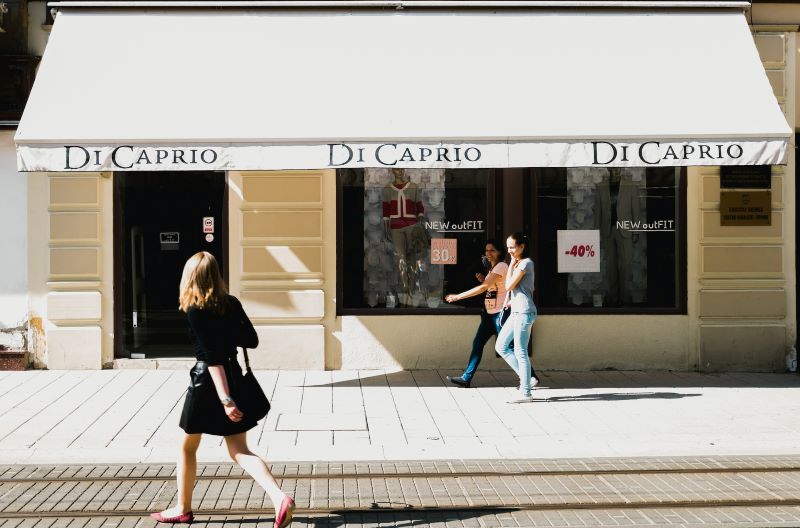
Women’s Rights In BulgariaThe struggle for women’s rights in Bulgaria has been ongoing, but the country is committed to achieving complete equality by 2030. Female leaders in Bulgaria are making progress in protecting women from poverty and discrimination. With more women holding positions in parliament, gender equality is becoming a more prominent issue in Bulgaria.
The Current Challenges for Women

Several inequalities and prejudices still affect women in Bulgaria, leaving them vulnerable and disempowered. The Gender pay gap in Bulgaria was 14.4% in 2018, with women earning lower hourly figures, working fewer hours and facing lower employment rates compared to their counterparts.

Women in Bulgaria are more likely to be at risk of poverty at a rate of 25%, compared to men at a rate of 21%. Bulgarian women also earn a mean monthly earning of 1,078 pps (purchasing power standard), compared to men at 1,256 pps. Without adequate financial power, women struggle to access basic human needs, such as rent, food, health care, etc.

The problem is exacerbated by traditional gender roles that dictate that Bulgarian women should be consigned to being “stay-at-home wives” with no opportunity to pursue a career or have a say in the matter. Women are responsible for cooking and house chores in a staggering 73% of households, compared to only 13% for men as of 2022.

All of these issues combined make women’s rights in Bulgaria particularly hard to amend to achieve gender equality. Out of the 240 seats in Parliament, 65 are women (27.1%). Though this number seems low, it ranks 69th in the world for the highest percentage in women’s political representation, just one place behind the U.S. Though women’s rights and gender equality are still a clear issue, the number of women in politics represent a positive sign of better things to come.

The Influence of Female Political Power

The percentage of women’s political representation has risen from 17.6% to 29.4% since the last mandate. This increase allows women to have greater participation and decision-making power in crucial national matters, including passing legislation to support women’s rights and promote equality. The rise of women in politics has led to new legislation that supports women’s rights and addresses gender inequality. With more women in positions of power, there is a stronger focus on tackling gender disparities.

In 2015, the Bulgarian Government agreed to support the upgrading of the National Strategy for the Promotion of Gender Equality. This aims to provide equal treatment, equal access to resources and equal participation in decision-making, as well as promoting gender equality in social, economic and political life. There are also special policies that ensure equal access to professional training, equal participation in the labor market and equal pay for the same work. Overall, the goal is to provide women with more work opportunities and promote the role of the father in families.

Not only is there hope in new legislation and policies, but there is also evidence showing that equality is improving in Bulgaria. In 2022, full-time employment for women was at 46% and 57% for men. In comparison, the rates were 42% and 45% as of 2015 and 2019, respectively. As more women join the workforce in full-time positions, it provides them with a reliable income that they can utilize to fulfill their basic necessities and invest in their future.

Education

In 2022, women outnumbered men in the percentage of tertiary education graduates, with 27% for women and 20% for men. Education provides better work opportunities for women, allowing them to advance and provide platforms for more women in positions of power. Better standards of education also inform women about their rights, health care and better understanding of the world. Around 42% of managers in Bulgaria are women, making it the third highest in the EU. Additionally, women constitute 44.6% of the workforce in the country’s booming technology sector, ranking second highest in the EU.

Bulgaria also currently holds the second-highest percentage of female scientists and engineers in the EU at 52%. It has now become a female-majority field. Bulgaria has taken significant steps to remove restrictions on women’s work, thereby reducing the likelihood of women being excluded from certain sectors of the economy. This move has led to the diversification of women’s work sectors, enabling them to pursue higher-paying jobs or careers that align with their passions.

Organizational Power

While political power has been beneficial, women in leadership roles in organizations have also significantly contributed to advancing women’s rights in Bulgaria. The Bulgarian Center of Women in Technology (BCWT) was established in 2013 to promote women’s involvement in the digital industry. BCWT takes an active role in regional and international projects, fostering the exchange of good practices and forming valuable partnerships.

Some of the organization’s work includes regular network events to help women build a professional network, create formats for the digital industry and inspire the next generation of young women. BCWT also organizes training to help women from various social groups acquire valuable digital skills. 

Atos, a Bulgarian organization, actively supports women in tech. It develops and backs programs that encourage female empowerment and leadership. Atos also supports women’s access to education and the labor market, particularly in fields like IT and STEM. Additionally, the organization works to foster women’s entrepreneurship and provide resources and opportunities for vulnerable groups of women. Furthermore, Atos implements programs to combat domestic violence, showcasing its dedication to various aspects of women’s well-being and progress in Bulgaria. 

These Bulgarian organizations play a crucial role in pushing women into higher-paying jobs, especially in the technology sector. Both of these organizations have female leaders who are advocating for more women to have high-quality jobs, rather than adhering to the traditional Bulgarian view of a woman’s role as a homemaker.

Looking Ahead

In conclusion, life for women in Bulgaria presents several challenges that call for attention. Nonetheless, progress is evident with more women entering politics and attaining better-quality jobs. Notably, Bulgaria made history by electing its first woman as the mayor of the capital city, Sofia. However, to fully achieve gender equality by 2030, in just 7 years, additional legislation and policies are necessary to safeguard women’s rights. Organizations have played a significant role in helping women secure better job opportunities, making it a collective effort to bring gender equality to Bulgaria.

– Lewis Butcher
Photo: Unsplash

August 2, 2023
https://borgenproject.org/wp-content/uploads/borgen-project-logo.svg 0 0 Jennifer Philipp https://borgenproject.org/wp-content/uploads/borgen-project-logo.svg Jennifer Philipp2023-08-02 07:30:582024-05-30 22:32:12Women’s Rights In Bulgaria: Political Power 
Global Poverty, Women's Rights

Women’s Rights in Croatia

Women’s Rights in CroatiaCroatia, a country in the Northwestern part of the Balkan Peninsula, has witnessed significant progress in the realm of women’s rights. Despite its smaller size compared to other European countries, the rights of all citizens in Croatia are of utmost importance. However, the matter of women’s rights in Croatia is a complex and evolving one.
Socio-Economic Status

Gender roles in Croatia remain strict, with women having to deal with all kinds of expectations from an early age. A woman is typically assigned the role of housewife and caretaker, while the expectations for a man involve fulfilling the role of a breadwinner. Even if a woman holds a full-time job, she still has to manage the challenges and traditional responsibilities of motherhood.

Women in Croatia gained the right to vote in 1881, but this right was abolished 14 years later. However, in 1945, women in Croatia once again regained the right to vote.

Despite progress in many areas, literacy remains a challenge for women worldwide. In Croatia, the literacy rate for women stands at 98.1%, a figure that has remained relatively stable since 1991. Since that time, more than 99% of the female population in Croatia has possessed some level of literacy skills.

Violence Against Women

Croatia has made progress in addressing sexual and physical violence. According to U.N. Women, approximately 4% of Croatian women aged 15 to 49 have reported experiencing such violence from their partners. The country has implemented laws against domestic violence, and the police are mandated to respond to reported cases. In compliance with the law, the police are obligated to protect the victim, detain or remove the perpetrator, and inform the attorney’s office. These measures aim to ensure the safety and support of survivors of domestic violence in Croatia.

Employment and the Pay Gap

Women in Croatia experience significant gender-based wage disparities, with an average salary that is 13.3% lower than that of men, as well as 22.3% lower pensions, as reported by Expat in Croatia. Discrimination against pregnant women further compounds the issue, leading to lower job positions and a lack of pay raises.

The COVID-19 pandemic has impacted women in Croatia, reflecting a global trend. A survey conducted by the World Bank revealed that 76% of women were primarily responsible for household chores and homeschooling during the pandemic.

The Croatian Bureau of Statistics indicates that 23.7% of Croatian girls between the ages of 12-17 are at risk of poverty. Such circumstances can result in unequal opportunities, particularly in accessing education and other resources.

Making a Change

An annual initiative called “Milijarda ustaje protiv nasilja nad ženama i djevojčicama (A billion people stand up against violence against women and girls)” aims to address issues such as poverty and discrimination against women in Croatia, as reported by Expat in Croatia.

According to a World Bank report, women in Croatia face underrepresentation in government and national politics, with only 18% of parliamentary seats occupied by women in 2017. Increased representation is crucial for women to have a voice in Croatia and to work toward a more equitable future.

The Women Entrepreneurs’ Loan Program aims to reduce the gender pay gap by providing loans specifically to female entrepreneurs in Croatia. This program involves collaboration with 22 national banks, offering women greater opportunities to establish and run their own businesses. As of June 2014, the program had approved 261 projects, opening up numerous possibilities for women in Croatia.

While there are still a few challenges affecting women’s rights in Croatia, the Croatian government has taken some steps to support women. Croatia has made significant progress in providing women with greater rights and opportunities, and this spurs hope for a more bias-free future.

– Abigail Lee Dicarlo
Photo: Unsplash

July 16, 2023
https://borgenproject.org/wp-content/uploads/borgen-project-logo.svg 0 0 Jennifer Philipp https://borgenproject.org/wp-content/uploads/borgen-project-logo.svg Jennifer Philipp2023-07-16 01:30:412023-07-20 06:57:50Women’s Rights in Croatia
Women's Rights

Everything You Need to Know About Women’s Rights in Gabon

Women’s Rights in GabonNew legislation in Gabon provides women with more rights and reduces gender inequalities. In recent years, women’s rights in Gabon improved drastically; however, there is still room for more progress. The following is a brief look into everything about women’s rights in the country.
Historical Discrimination

Historically, Gabon is a country with limited women’s rights. Gabonese women experience inequalities in marriages, such as husbands having control of their wives’ ability to work and women not being allowed to have their own bank accounts. Women also faced gender-based discrimination in financial services, and this made it difficult for them to access credit. Although domestic violence is illegal, it is still prevalent, and authorities rarely intervene to stop it. Female domestic workers often face sexual harassment with minimal resources to obtain legal support.

Gabonese women disproportionately suffer from poverty compared to their Gabonese male counterparts. According to the United Nations Women Count for Gabon, 3% of employed women in Gabon live below the international poverty line compared to 1.3% of employed men. Additionally, 28.5% of women in Gabon above the age of 15 are unemployed, which is 14.1% higher than the unemployment rate for men.

Progress for Women’s Rights

In recent years, lawmakers made several legislative strides to improve women’s rights in Gabon. In 2021, Gabon passed new legislation to prevent discrimination against women in the economy and financial institutions and decrease violence against women.

The Gabonese government also changed laws concerning marital rights. In the past, the government required women to get the permission of their husbands to administer marital assets. With the passing of these new shared marital assets laws, women now have equal rights to administer those assets. Women can also open bank accounts separate from their husbands, own property and be the official heads of their households.

Barriers Against Women in Gabon

According to the U.S. State Department’s 2022 Human Rights Report for Gabon, societal barriers prevent women from reporting sexual assault and rape. Although the law criminalizes rape, victims are typically unwilling to testify. Researchers found that almost half of Gabonese women experienced domestic violence. A women’s advocacy NGO found rape remains a prevalent problem in Gabon, with societal disapproval discouraging discussions about it, leading victims to often refrain from reporting incidents due to fear of retaliation or humiliation.

Women and girls in poverty continue to endure exploitation in various areas, including restaurants, servitude and the commercial sex trade. Their conditions include forced labor, little pay and long hours. There are still no laws that require equal wages for men and women. As things stand, women earned lower wages compared to men for performing equivalent work.

Looking Ahead

Key women leaders, such as First Lady Sylvia Bongo Ondimba, Minister of Social Affairs and Women’s Rights Prisca Raymonda Nlend Koho and Vice President Rose Christiane Ossouka Raponda continue to fight for the improvement of women’s rights in Gabon. In 2020, they began implementing a strategy to promote women’s rights. Their efforts contributed to the passing of a new labor code that grants women access to employment in all jobs and sectors of work.

Gabon also implemented new legislation which better protects women from violence. With research showing that 90% of sexual violence victims in Gabon affect women, this legislation is an important step in protecting women from violence. Gabon’s new law establishes criminal penalties for violence against women. It also requires protection orders to be given to victims of violence within two days of receiving a report of violence occurring.

These advancements are just a few crucial actions taken to improve women’s rights in Gabon. And the country’s leaders continue to fight for more rights and equal treatment for Gabonese women.

– Marisa Del Vecchio
Photo: Flickr

July 6, 2023
https://borgenproject.org/wp-content/uploads/borgen-project-logo.svg 0 0 Jennifer Philipp https://borgenproject.org/wp-content/uploads/borgen-project-logo.svg Jennifer Philipp2023-07-06 07:30:392023-07-07 01:10:08Everything You Need to Know About Women’s Rights in Gabon
Global Poverty, Women's Rights

The Rise of Women’s Rights in Rwanda

Women's Rights in Rwanda
After the devastating impacts of the 1994 Genocide, which destroyed the social fabric of the country and left millions dead, Rwanda has become a nation with a stable and competent government. After this tragedy ended, 70% of Rwanda’s population was female and they implemented various interventions to rebuild the nation, beginning with the relief and transitional period toward a stable, economically and socially altered country. Rwanda has progressed in terms of gender equality rights, becoming one of the world’s female leading countries.

Women in Government

Over the past 20 years, women’s political participation has been significant and a major focus for inclusive development. Rwanda stands out globally for its efforts to advance gender equality and women’s empowerment, especially in political participation. In fact, it was the first country to have a majority of women in its legislative body. Women hold 52% of the cabinet positions and nearly two-thirds of the parliamentary seats.

Gender Equality in Rwanda

Rwanda formed legal mechanisms and institutions to promote women’s rights and the abolition of discrimination against women and girls. Also, it mainstreamed gender commitments into several policies and strategic plans. The Global Gender Gap Report 2020 ranked Rwanda among the top 10 countries to have eliminated the gender gap.

One of Rwanda’s accomplishments is the decline of maternal mortality rates due to women having better access to affordable and high-quality health care. Rwanda is leading the HeForShe campaign globally with more than 200,000 signatories. The campaign aims to bridge the gender digital divide, tripling girls’ enrolment in Technical and Vocational Education and Training (TVET) and ending gender-based violence. As the COVID-19 pandemic accelerated the digitalization of all services, the country took a courageous move to lead the Generation Equality Action Coalition Technology and Innovation for Gender Equality and committed to eradicating the digital gender gap by 2026.

In 2016, Rwanda ranked fifth on the Global Gender Gap Index. This index focuses on equality in health, education and economics, while the World Economic Forum measures the gender gap index based on how far each nation has come in eradicating the gender gap.

Labor Rights

Women hold 86% of the labor force participation, resulting in a narrower wage gap. In Rwanda, women earn 88 cents for every dollar men earn. For comparison, women in the United States (U.S.) earn 83 cents for every dollar men earn. Finally, women in Rwanda can now benefit from three months of paid maternity leave under the law, making it easier for them to return to work while nurturing a family.

A supportive legal and policy framework has contributed to promoting women’s rights in Rwanda, making it much easier for them to advance their interests across many sectors. Rwanda revised its 2003 Constitution in 2015, stating that it enshrines the values of gender equality and women’s rights. It also provides for at least a 30% quota for women in all decision-making bodies.

Looking Ahead

Rwanda’s remarkable progress in advancing gender equality and women’s empowerment is evident through its strong representation of women in government, the decline in maternal mortality rates, the narrowing wage gap and supportive legal framework. Through comprehensive policies and initiatives, the country has successfully positioned itself as a frontrunner in promoting women’s rights and inclusivity. Ultimately, Rwanda’s supportive framework and dedication to women’s rights have paved the way for a more equitable and prosperous society.

– Lilit Natalia Manoukian
Photo: Flickr

May 22, 2023
https://borgenproject.org/wp-content/uploads/borgen-project-logo.svg 0 0 Naida Jahic https://borgenproject.org/wp-content/uploads/borgen-project-logo.svg Naida Jahic2023-05-22 07:07:302024-06-08 03:32:35The Rise of Women’s Rights in Rwanda
Women's Rights

International Women’s Day Marches Zero in on Middle East Injustices

International Women’s DayOn March 8, 2023, thousands of people around the world, especially women, gathered to recognize International Women’s Day. Considering the ongoing global struggle for women’s rights, many of 2023’s marches focused on the Middle East, specifically, Iran and Afghanistan. 
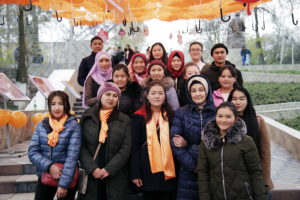
Though first officially recognized by the United Nations in 1977, International Women’s Day emerged decades before, out of labor movements that took shape across North America and Europe around the turn of the 20th century. The movement has gained increased momentum over the years with the help of the U.N., which now offers four global conferences that center on supporting women’s rights and strengthening women’s political and economic presence.

The Current State of Women’s Rights in the Middle East

In recent months, Iran has seen growing protests for women’s rights. One of the main causes of recent public outrage in Iran is a string of poisonings of thousands of school-aged girls since November 2022. Though none of the poisonings have resulted in fatalities and Iran’s Interior Ministry has reported arrests in relation to the incidents, UNESCO has called for stronger action to protect the country’s girls and young women and ensure “their right to safe education.”

Interestingly, although Iran’s clerical leaders force women to cover their hair and dress conservatively in public, historically, the country’s religious groups have shown no clear objection to the education of girls and women, unlike in Afghanistan.

Between 2001 and 2018, there was a great increase in the number of women and girls enrolled in some form of education in Afghanistan. However, since the September 2021 postponement of the return to school for all Afghan girls over the age of 12, 1.1 million females have been indefinitely denied access to formal education. UNESCO reports that 80%, or 2.5 million, Afghan women and girls are currently out of school as a result of the postponement, compounding the some 30% of Afghan girls who have never entered the education system at all. According to Roza Otunbayeva, head of the U.N. Assistance Mission in Afghanistan, “Afghanistan under the Taliban remains the most repressive country in the world regarding women’s rights, and it has been distressing to witness their methodical, deliberate, and systematic efforts to push Afghan women and girls out of the public sphere.”

Looking Ahead for Women

As recent developments show, a lot more must be done to support girls’ and women’s rights in Iran and Afghanistan. Still, there are signs of progress and hope. For instance, in Afghanistan, numerous female-led local NGOs have persisted in working to help repressed women and children across the country despite a recent Taliban decree prohibiting Afghan women from working for NGOs. Their efforts have coincided with those of the Women’s Foreign Policy Group and the Center for Human Rights in Iran, which, in 2022, “published hundreds of articles on human rights issues and press releases on urgent developments, all in both English and Persian, directly distributed to over 4,000 government, UN, NGO and media leaders worldwide.”

As these nonprofits work to secure equality and rights for the women of the Middle East — and women everywhere — the global unity demonstrated on International Women’s Day has inspired growing awareness of the need to address the injustices that women around the world face every day.

– Stella Tirone
Photo: Flickr


April 2, 2023
https://borgenproject.org/wp-content/uploads/borgen-project-logo.svg 0 0 Naida Jahic https://borgenproject.org/wp-content/uploads/borgen-project-logo.svg Naida Jahic2023-04-02 01:30:242023-03-29 10:46:54International Women’s Day Marches Zero in on Middle East Injustices
Global Poverty, Women's Empowerment, Women's Rights

Women’s Rights in Kyrgyzstan 

Women’s Rights in Kyrgyzstan Kyrgyzstan is often viewed as a country with vast gender inequality. Reports of “bride kidnapping,” such as in the famous 2011 Vice documentary, have painted a dispiriting picture of the place women have in Kyrgyz society. The state of women’s rights in Kyrgyzstan has seen a vast improvement over the last 15 years, however, and despite the continued prevalence of these and other instances of gender-based violations, the general picture is one of progress.

Legal Equality

As an independent nation, the Kyrgyz Republic holds a good record for promoting gender equality. The Central Asian country remains a party to the Convention on the Elimination of All Forms of Discrimination Against Women (CEDAW), which it has committed to since 1996, and like most post-Soviet countries, it has enshrined gender equality in the constitution.

Gaps in legislation and inconsistent legal interpretation have precluded greater progress in the area of sex discrimination, however. For example, until recently, many divorced women could not access child support. In 2018, the country reported 40,000 cases of alimony evasion. But in 2020, partly due to the work of activists, the government helped improve women’s rights in Kyrgyzstan by passing an amendment that made alimony evaders more accountable under family law. Whereas previously fathers who failed to pay child support could get away with just a fine, since 2020, fathers must pay alimony in full.

Child Marriages

The marrying of persons under the age of 18 is illegal in Kyrgyzstan yet 13% of Kyrgyz girls are married before their 18th birthday. Failures in law enforcement in conjunction with unemployment and rural poverty have meant the persistence of traditional non-consensual child marriages. Particularly in larger families that lack the income to support numerous children, parents seek to marry their daughters off to wealthier families to alleviate economic hardship. The problem is worse in rural areas, where the poverty rate is higher than the national poverty rate.

Child marriages in Kyrgyzstan are usually the result of “bride kidnapping” or “ala kachuu,” which literally translates to “pick up and run away.” Every year, 7,000 to 9,000 Kyrgyz girls fall prey to this practice, according to government figures. The bride’s parents are often responsible, along with the other family providing the “bride money.” Both parties arrange the marriage for the daughter typically without her consent in an unofficial religious ceremony. These illegal child marriages put young brides at risk of rape and domestic violence.

The United Nations Development Programme (UNDP) has worked to reduce child marriages in Kyrgyzstan since 2016. A key example of its work is the 2018-19 Project Addressing Early Marriages, which the British Embassy funded. This project was successful at encouraging the Kyrgyz Ministry of Labour and Social Development to implement the law prohibiting underage religious marriages in a “systematic way.” It also assisted the training of religious leaders in their understanding of marital law and improved the hotline services available to affected women and girls.

Domestic Violence

As part of the global Spotlight Initiative, a multi-year program that the Kyrgyz government and the European Union supported, U.N. has been implementing sex equality training to improve women’s rights in Kyrgyzstan. Two of the main aims of this program are to eliminate all forms of violence against women and girls and provide services to survivors.

Violence against women is a serious problem in Kyrgyzstan and cases have risen since the forced closures of crisis centers during the country’s COVID-19 lockdowns. The last decade has seen improvements though, both in legislation and the provision of survivor support services, such as Spotlight Initiative-funded safe spaces.

Yet despite these improvements, the majority of domestic violence survivors in Kyrgyzstan do not seek help. Family pressure, social stigma and a lack of economic opportunities compel up to 90% of women who have suffered violent treatment from their husbands to return to them, according to U.N. figures. Alternatively, many women escape to pursue unsafe employment opportunities, making them susceptible to trafficking.

Education

The state education system in Kyrgyzstan nominally treats all pupils equally regardless of sex. Girls and boys enjoy near educational parity in Kyrgyzstan at the primary level in terms of enrollment and attendance rates. At the secondary level, however, the net attendance of girls is 3% lower than boys (59% for boys compared with 56% for girls). A U.N. Working Group has found that the principal reasons for girls dropping out of school early are “forced marriage and adolescent pregnancy.” Nevertheless, the 100% adult female literacy rate in Kyrgyzstan as of 2019 should provide a solid basis for women’s future economic participation.

The government is also advancing women’s rights in Kyrgyzstan through efforts to remove negative stereotypes surrounding women in schools. In April 2022, the Kyrgyz government launched a review of all textbooks and teaching materials with the aim of removing any discriminatory content and pictures. Additionally, initiatives such as “Girls in Science,” which has already helped 3,000 girls, aim to increase the proportion of women in underrepresented sectors.

The Future

The Kyrgyz Republic has made impressive strides toward gender equality since earning its independence from the Soviet Union in 1991. It ranks 82nd out of 162 countries on the Gender Inequality Index in 2021. Today, the main impediments to women’s rights in Kyrgyzstan are intolerant patriarchal attitudes that perpetuate violence against women, notably the ancient practice of “bride kidnapping”, failures in law enforcement and a lack of economic opportunities for women. “Kyrgyzstan stands at a crossroads with an immense opportunity to harness the potential of women,” wrote a group of U.N. human rights experts in April 2022.

– Samuel Chambers
Photo: Flickr

March 28, 2023
https://borgenproject.org/wp-content/uploads/borgen-project-logo.svg 0 0 Jennifer Philipp https://borgenproject.org/wp-content/uploads/borgen-project-logo.svg Jennifer Philipp2023-03-28 01:30:212023-03-27 05:16:01Women’s Rights in Kyrgyzstan 
Global Poverty, Women's Rights

Women’s Rights in Barbados

Women’s Rights in Barbados
Women’s rights in Barbados have come a long way since the early 20th century when women’s organizations first began advocating for gender equality in the country. Today, women in Barbados enjoy legal protections against domestic violence and discrimination and have made significant gains in areas such as education and political representation.

One major milestone in the history of women’s rights in Barbados was the granting of suffrage to women in 1950. Since then, women have been able to participate in elections and hold political office, including the position of Prime Minister. Mia Mottley held the position of Prime Minister in Barbados from 2018 to 2022 and was the first woman to hold the title. However, women still face underrepresenting in political and economic leadership positions and gender-based violence remains a persistent issue in the country.

Government’s Efforts

To address these challenges, the Barbadian government has established and signed a number of initiatives aimed at promoting gender equality and women’s empowerment. These include the Beijing Platform for Action, which outlines goals and objectives for achieving gender equality and women’s rights in Barbados. As a result of signing this document, Barbados has made significant positive progress towards freedom and equality for women such as eliminating the direct discrimination and violence against women in public spheres and activities. Barbados is also in compliance with the Inter-American Convention on the Prevention, Punishment, and Eradication of Violence against Women, the only binding and legal document against gender-based violence and upholds women’s physical, sexual and psychological integrity.

Barbados strengthened these impacts by passing the Domestic Violence Protections Order Amendment Act 2016, one of the strongest Protection Orders in the region that gives emergency protection orders to police and focuses on best practices to combat gender-based violence.

The Bureau of Gender Affairs is another important institution, responsible for promoting women’s rights in Barbados and ensuring that a gender perspective is integrated into all governmental plans and policies.

Making Progress

In 2022 the World Bank compared 190 countries’ economies across eight different categories. The results show that Barbados scored a perfect score in four areas analyzed: workplace, marriage, assets and pension. Barbados has many laws securing a woman’s position in the workplace and ensuring that there are policies against workplace discrimination and harassment, they even ensure the possibility to file a lawsuit when there is harassment against women in the workplace. When it comes to marriage, women have secured rights regarding divorce and remarrying, making sure that women’s relationships with men uphold women’s rights in Barbados.

While these scores are encouraging, Barbados did not score well in the categories of mobility, pay, parenthood and entrepreneurship. Women in Barbados do not receive adequate paid maternity leave when compared to males and they are also unable to receive the same credit benefits in their businesses as men do. This made Barbados’ overall score 80 out of 100, lower than the average score in Latin America and the Caribbean. There are still many laws that do not protect women in Barbados. For example, approximately 30% of women from ages 20-24 were married before 18, women hold only 20% of seats in parliament and there is an adolescent birth rate of 49.7%.

The Future

Despite challenges, women in Barbados have made significant strides in a number of areas. Women now outnumber men in tertiary education and there is a growing awareness of the importance of gender equality in the country and governmental leaders are working to implement policies that address inequalities. As Barbados looks to the future, it will be important to build on these achievements and continue working towards a more equitable and just society for all. Many are still calling for a National Gender Policy, which the government of Barbados has stated is currently in progress.

– Kellyjohana Ahumada
Photo: Flickr

March 11, 2023
https://borgenproject.org/wp-content/uploads/borgen-project-logo.svg 0 0 Jennifer Philipp https://borgenproject.org/wp-content/uploads/borgen-project-logo.svg Jennifer Philipp2023-03-11 07:30:522026-04-16 10:09:16Women’s Rights in Barbados
Global Poverty, Women's Rights

Women’s Rights in Malawi

Women’s Rights in Malawi
Gender inequality is one of the most significant challenges Malawi faces today. The country, located in Southeastern Africa with a population of more than 20 million, lags in terms of the advancement of women’s rights. Many parties are conducting vital work to improve women’s rights in Malawi, including the Government of Malawi, the U.N. and the EU. However, “low and fragmented allocation of resources” on the part of the government often means that initiatives struggle to reach the most vulnerable and marginalized Malawian women.

Circumstances Impacting Girls and Women in Malawi

According to Girls Not Brides, Malawi has the 12th highest child marriage rate in the world. In 2020, this equaled 46% of girls married before turning 18. According to a 2017-2020 gender fact sheet by USAID,  the first sexual encounters of two in five Malawian girls are unwanted.

Additionally, two in three girls (ages 15-19) in Malawi do not complete primary education, falling into a vicious cycle of early marriage, pregnancy and a lack of formal education. While women conduct a significant proportion of the nation’s agricultural labor, they very rarely own the land on which they work.

As a result, women face significant economic disadvantages in comparison to their male counterparts. Despite agricultural production remaining the cornerstone of Malawi’s economy and women playing a large role in the cultivation of crops, which involves hard manual labor, women receive little pay when compared with male farm owners in their communities.

Women’s Education and Employment

Ensuring equitable and quality education remains one of the U.N. Sustainable Development Goals (SDGs), however, many girls in Malawi lack this human right. High rates of child marriage and early motherhood mean that young women are expected to fulfill adult roles and step out of education. One in two Malawian girls is married by 18 compared to one in 20 boys who are, therefore, far more likely to attend secondary education and college.

Partly due to differences in educational attainment, the gender pay gap in Malawi remains pronounced with the Government of Malawi citing increased economic equality as one of the key steps to achieving equal status for women in Malawi. Equal pay remains a core challenge for women’s rights in Malawi and globally.

Malawi remains a deeply patriarchal society with the vast majority of domestic labor falling on the shoulders of women. While increasing the number of equally-paid women in the workforce may seem like a solution to the problem of gender equality, women still face the dual burden of both unpaid household work and paid employment.

Gender-Based Violence and Reproductive Health in Malawi

Gender-based violence in Malawi remains commonplace and there is little education for young women on issues of reproductive health. Furthermore, one in three girls are mothers by the age of 18, sometimes as a result of unwanted intercourse.

HIV/AIDS is common in Malawi, and despite the disease being treatable by modern medicine, many lack access to such medication. Young Malawian women between 15 and 19 have an HIV prevalence rate triple the rate of their male counterparts. Between the ages of 20 and 24, this rate increases sixfold.

Period poverty also remains a significant women’s rights issue in Malawi as the stigma surrounding menstruation continues and disadvantaged females lack access to essential menstrual products.

Ukani Malawi

While many Malawian women continue to be the victims of gender inequality, many grassroots movements seek to change the path for young Malawian women and offer them more autonomy over their futures.

Ukani Malawi is an initiative with more than 200 volunteers, which Malawian women set up themselves. The group seeks to improve the overall development of women through education and by supporting girls to stay in school for longer while encouraging other women to act as female leaders for young women and girls.

Ukani reaches these goals through a number of initiatives, such as the Seed Grants Initiative, which “provides young women with start-up capital and entrepreneurship training,” according to the Ukani Malawi website. In addition, the Breaking Red Project aims to keep girls in school once they start menstruating by teaching them about menstrual hygiene management. As part of this project, women are shown how to sew reusable pads, which they can create and distribute in their community, providing an additional entrepreneurship opportunity.

The group also runs a young mothers project, which “aims to integrate teenage mothers back into the school system through financial support and mentorship,” hoping to help more young women complete their education.

A Brighter Future for Malawian Women and Girls

Local initiatives like those of Ukani Malawi bring hope for a better future for women and girls in Malawi. The Spotlight Initiative, established in 2019,  is a multi-year collaboration between the Malawi Government, U.N., the EU and civil society. The initiative allocated an initial €20 million of funding to create targeted initiatives in certain districts in Malawi where instances of gender-based violence are particularly high, showing support from the international community. The initiative, which is funding numerous projects globally, chose Malawi as one of the 13 nations to cover due to concerning levels of gender-based violence.

These initiatives aim to uphold women’s rights in Malawi by addressing the issues that disproportionately impact females in the country.

– Florence Jones
Photo: Flickr

March 7, 2023
https://borgenproject.org/wp-content/uploads/borgen-project-logo.svg 0 0 Kim Thelwell https://borgenproject.org/wp-content/uploads/borgen-project-logo.svg Kim Thelwell2023-03-07 07:30:192023-03-06 10:01:50Women’s Rights in Malawi
Gender Equality, Global Poverty, Women & Children, Women and Children, Women's Empowerment, Women's Rights

5 Organizations Empowering DRC Women

Empowering DRC Women
The Democratic Republic of the Congo (DRC) is a country in Central Africa that is rich in resources but still remains incredibly poor. A severe food crisis stems from government instability. In addition, violent armed groups often launch attacks and assaults on women and children. Luckily, there are several organizations empowering DRC women. This article takes a look at five of those organizations.

Severe Conditions for DRC Women

In 2018, more than 35% of women between the ages of 15-49 years reported being sexually or physically abused by an intimate partner. Further, almost 30% of girls under the age of 18 have been married or forced into a union. Finally, 70% of both women and men face food insecurity as well.

Here are five organizations that are combating these severe conditions and are actively empowering DRC women.

Kvinna till Kvinna Foundation

The Kvinna till Kvinna Foundation is an international organization that has been empowering DRC women since 2009. It calculates that 60% of women in the DRC live below the poverty line and have extremely low levels of political participation. The organization works to gain respect for women’s rights and end discriminatory gender practices. Kvinna till Kvinna helps women participate in learning exchanges that provide education and economic empowerment. It also helps finance certain activities of the Rien Sans les Femmes (Nothing Without Women) movement, a collaboration of Congolese women’s rights activists.

By supporting smaller partner organizations in the DRC, Kvinna till Kvinna has definitively lowered gender-based violence against women and has boosted political participation for DRC women. For example, the partner organization AFEM (Association des Femmes des Médias du Sud Kivu) is a collaboration of female journalists. It uses a radio station, Mama Radio, as its platform to empower DRC women.  Mama Radio caught on and AFEM was able to report reduced violence against women.

AFEM coordinator Julienne Baseke noted, “Thanks to Mama Radio, we have been able to break the silence on sexual violence, people are better informed and sexual and reproductive health issues are no longer taboo. The authorities are also held accountable on sexual violence issues and the media are mobilized on violence issues.”

Women for Women International

Women for Women International empowers DRC women in numerous ways. Since 2004 it has supported more than 106,000 Congolese women. Its most recent impact evaluation reports increased access to credit, savings and assets.  Second, it reports an increase in women’s ability to pursue entrepreneurship. Finally, it shares that women are benefitting from improved diets and mental health access. In 2022, 256 women received advocacy training in land titling. It also expanded upon its health insurance projects which were able to reduce fees for women and their families by around 50%.

Women’s Peace and Humanitarian Fund (WPHF)

WPHF is an international organization that helps empower grassroots organizations to help women become more involved in political affairs. In the DRC, it works with Spotlight Initiative, another women’s rights organization to fund 30 projects that 51 women’s organizations in the DRC spearheaded. These organizations seek to eliminate violence against women and encourage political mobility for women. For example, WPHF supports our GRACE, which seeks to promote gender-based equality and peace in North Kivu. It also supports CAUSE RURALE, which focuses on providing humanitarian aid to reinforce stronger institutions for women.  Finally, WPHF supports AFPDE, in South Kivu and promotes the strength of women’s organizations.

Women Concern (WOCO)

This Congolese nonprofit has been empowering women in the DRC by focusing on women and girls in rural areas. It focuses on helping women and girls see their own potential and provide them with development opportunities. Its unique approach is to utilize men and boys to be partners and co-agents to ensure change. It believes that promoting positive masculinity will in turn create a safe environment for women and girls to seek out opportunities. Its ultimate goal is to end the ongoing cycle of violence against women in the DRC.

Women, Cradle of Abundance

Women, Cradle of Abundance is a DRC organization. It has been empowering women in the DRC by attempting the eliminate systemic poverty for women. The organization provides physical safety, medical care, counseling and community services for women. It also helps improve education for women and girls by supporting schools for disadvantaged children. Women, Cradle of Abundance provides women with micro-savings and microloans. For example, it has provided 199 microloans to Kinshasha women. This helped them start or expand their businesses.

Moving Forward

Between international organizations such as Kvinna till Kvinna, Women for Women International and WPHF as well as DRC organizations such as WOCO and Women, Cradle of Abundance, a lot has been accomplished to empower DRC women. Past and current successes pave the way for more positive change.

– Anna Richardson
Photo: Flickr

March 6, 2023
https://borgenproject.org/wp-content/uploads/borgen-project-logo.svg 0 0 Naida Jahic https://borgenproject.org/wp-content/uploads/borgen-project-logo.svg Naida Jahic2023-03-06 01:30:332023-03-05 06:55:545 Organizations Empowering DRC Women
Page 10 of 41«‹89101112›»

Get Smarter

  • Global Poverty 101
  • Global Poverty… The Good News
  • Global Poverty & U.S. Jobs
  • Global Poverty and National Security
  • Innovative Solutions to Poverty
  • Global Poverty & Aid FAQ’s
Search Search

Take Action

  • Call Congress
  • Email Congress
  • Donate
  • 30 Ways to Help
  • Volunteer Ops
  • Internships
  • Courses & Certificates
  • The Podcast
Borgen Project

“The Borgen Project is an incredible nonprofit organization that is addressing poverty and hunger and working towards ending them.”

-The Huffington Post

Inside The Borgen Project

  • Contact
  • About
  • Financials
  • President
  • Board of Directors
  • Board of Advisors

International Links

  • UK Email Parliament
  • UK Donate
  • Canada Email Parliament

Get Smarter

  • Global Poverty 101
  • Global Poverty… The Good News
  • Global Poverty & U.S. Jobs
  • Global Poverty and National Security
  • Innovative Solutions to Poverty
  • Global Poverty & Aid FAQ’s

Ways to Help

  • Call Congress
  • Email Congress
  • Donate
  • 30 Ways to Help
  • Volunteer Ops
  • Internships
  • Courses & Certificates
  • The Podcast
Scroll to top Scroll to top Scroll to top