Poverty and Renewable Energy in Kazakhstan
 Stretching from the Caspian Sea in the east to the Altai Mountains in the west, Kazakhstan holds the title of the world’s largest landlocked country. Since achieving independence from the Soviet Union in 1991, Kazakhstan has tapped into its abundant oil, gas and coal reserves to fuel economic growth. Renewable energy in Kazakhstan is being explored to diversify its energy sources and reduce its carbon footprint.
Remarkably, its gross domestic product has expanded at an average annual rate of 5% from 2010 to 2021, closely aligning with the regional average of 5.4%. Currently, petrochemical production represents about 50% of Kazakhstan’s total exports and 30% of its government tax revenues. While such growth has enabled Kazakhstan to reduce the proportion of people living below the national poverty line from 47% in 2001 to just 5.2% in 2021, problems continue to persist.
The changing climate has become a pressing issue, likely to impact disproportionately those living below the poverty line by escalating natural disasters, compromising the quality and quantity of drinking water and diminishing the availability of affordable electricity and food. Despite these challenges, renewable energy sources like wind and solar power hold significant potential for reducing poverty and combating the changing climate in Kazakhstan.
Addressing the Changing Climate
Kazakhstan’s average temperatures are expected to climb faster than the global average across all emissions scenarios, potentially rising by 5.3°C by 2090. This increase will likely lead to more severe droughts, exacerbate land degradation, hasten desertification and trigger more frequent dust storms. This issue is especially concerning given that rural regions, where poverty rates are on average four times higher than in urban areas, are expected to face the most severe impacts. Rising temperatures are likely to hasten the melting of Kazakhstan’s mountain glaciers, increasing flood risks and threatening water security and agricultural productivity, particularly in rural and arid areas.
The changing climate will disproportionately affect Kazakhstan’s poorest and most marginalized groups. The highest poverty rates are in the southern regions, like Turkestan and Mangystau, which are already among the hottest parts of the country and are expected to experience the most severe temperature rises in the decades ahead. Poor farmers in rural areas face the greatest challenges in affording local water storage systems, irrigation infrastructure and alternative technologies for adaptation, making them especially vulnerable to floods, mudslides and droughts. Without action to combat the changing climate and diversify Kazakhstan’s energy resources, poverty in the country could rise by as much as 3% by 2050.
Alleviating Poverty with Renewable Energy
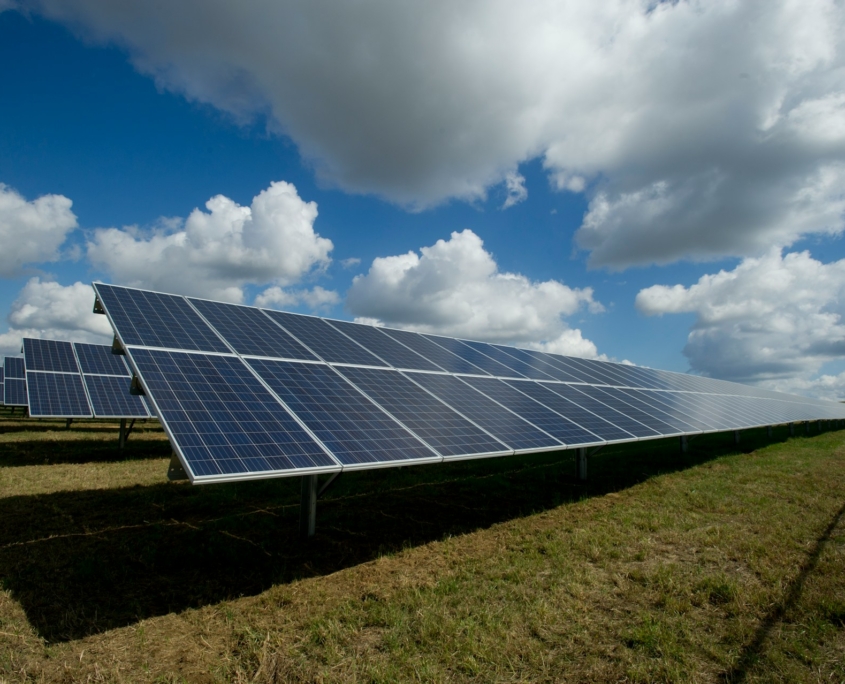
Kazakhstan’s environment is ideal for harnessing wind and solar energy. More than 50% of its territory offers suitable conditions for solar power plants, tapping into a potential of 2.5 billion kilowatt-hours (kWh) per year. This capacity could satisfy 20% to 25% of the nation’s energy needs. Moreover, Kazakhstan’s wind energy potential reaches an estimated 920 billion kWh annually, especially in southern and southeastern regions where wind corridors regularly exceed 5 meters per second. The Kazakh government has established 130 renewable energy facilities, including 44 solar plants and 46 wind farms, generating 4.53% of the country’s total energy. Fully leveraging wind and solar resources could significantly reduce Kazakhstan’s carbon footprint and contribute to poverty alleviation.
Renewable Energy for Rural Development
Unlike traditional power plants that depend on water-intensive cooling systems, solar and wind power plants require minimal water, allowing Kazakhstan to conserve scarce resources for drinking and agriculture. This conservation is crucial for the rural south, where the poor rely heavily on agriculture and face significant risks from water insecurity. Moreover, solar and wind energy offer a decentralized, cost-effective method to electrify rural and remote areas, enhancing living standards for the impoverished. Given that residents in Kazakhstan’s southern regions often import electricity due to inefficient northern transmission lines, solar and wind power could lower energy costs. These savings allow people to allocate more of their income to value-added goods, contributing to poverty reduction.
Economic Growth through Renewables
Solar and wind energy projects indirectly boost economic growth by generating local construction jobs and facilitating skill and knowledge transfer to help low-income earners enhance their socio-economic status. For example, the Baikonur Solar Power Project, a 150-hectare solar farm producing 73,000 megawatt-hours (MWh) of electricity and offsetting 75,000 tons of carbon dioxide annually, deliberately involved eight skilled expatriate workers during its construction. These workers collaborated with local nongovernmental organizations in Kazakhstan to impart knowledge and skills to local employees inexperienced in assembling wind farm components. Such initiatives could empower local workers to gain higher-paying jobs, thereby spurring economic growth and reducing poverty.
Looking Ahead
The pivot towards renewable energy in Kazakhstan from sources like solar and wind power heralds a promising avenue for tackling poverty and the changing climate simultaneously. By harnessing the nation’s vast renewable resources, Kazakhstan is not only addressing environmental concerns but also unlocking economic opportunities for its most vulnerable populations. As the country continues to develop its renewable energy sector, it stands on the cusp of a sustainable transformation that promises enhanced livelihoods for its citizens and a healthier planet for future generations.
– Campbell Clarke
Photo: Unsplash
