• Link to X
  • Link to Facebook
  • Link to Instagram
  • Link to TikTok
  • Link to Youtube
  • About
    • About Us
      • President
      • Board of Directors
      • Board of Advisors
      • Financials
      • Our Methodology
      • Success Tracker
      • Contact
  • Act Now
    • 30 Ways to Help
      • Email Congress
      • Call Congress
      • Volunteer
      • Courses & Certificates
      • Be a Donor
    • Internships
      • In-Office Internships
      • Remote Internships
    • Legislation
      • Politics 101
  • The Blog
  • The Podcast
  • Magazine
  • Donate
  • Click to open the search input field Click to open the search input field Search
  • Menu Menu

Archive for category: Water Sanitation

Clean Water Access, Global Poverty, Water, Water Sanitation

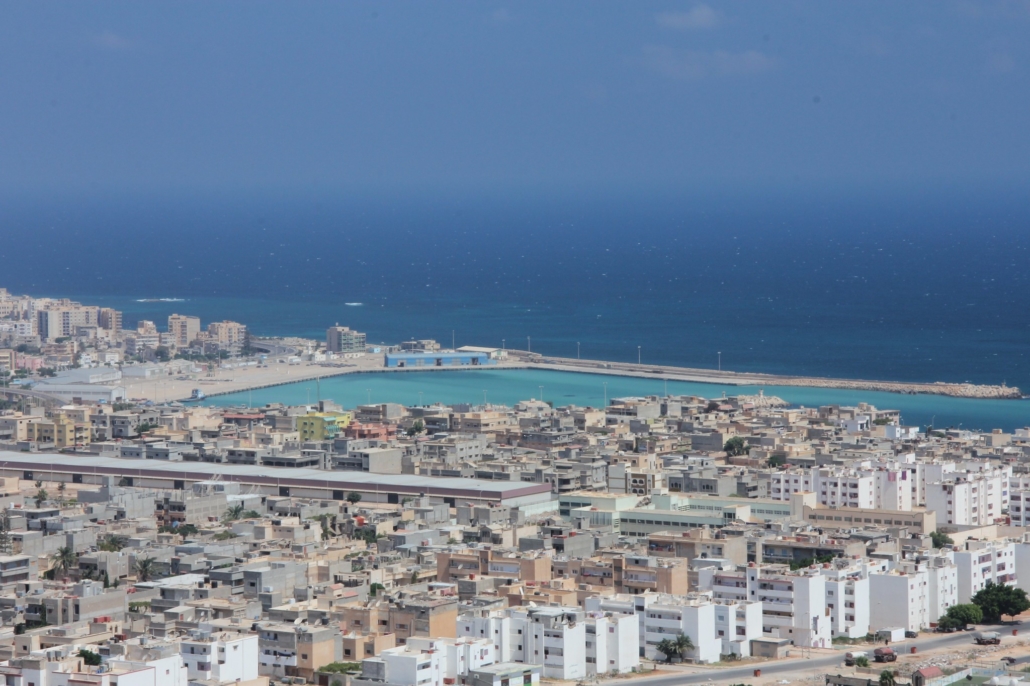
Resolving the Water Crisis in Libya

Water Crisis in Libya
The country of Libya has suffered from civil war since the violent removal of its former dictator Muammar Ghadafi. Challenges with the country’s water supply was one of the many humanitarian problems that have arisen due to this conflict. Yet, even in darkness, there remains some light as one can see in the efforts to resolve the water crisis in Libya.

The Libyan Desert

In order to first understand how resolving the water crisis in Libya has taken place, it is important to understand the environmental qualities of Libya itself. The country is a dry and arid place and the presence of freshwater and rainfall is extremely scarce. However, Libya contains many groundwater aquifers, which offer available quantities of water underneath the ground.

The Water Crisis

The Libyan people have been tapping into this water supply to sustain life and plan on continuous aquifer use. Even with this underground supply, there has always been a struggle to ensure the availability of freshwater. This shortage of water does not mean that the aquifers are emptying, but rather that they are becoming contaminated by seawater intrusion. The extraction of freshwater has caused seawater to invade the aquifers. Due to the intrusion of seawater since the 1930s, it is alarming that no one knows exactly how much freshwater remains in the aquifers. Further, records have determined that seawater intrusion has compromised about 60 percent of freshwater wells. The freshwater in these aquifers cannot replenish either, meaning that every drop must count for use.

Another reason for the Libyan freshwater shortage is the expanding agricultural industry. Some crops demand vast amounts of water; typically this extensive use results in water waste throughout agricultural production and processing. In fact, Libya uses about 93 percent of its water for agricultural purposes.

Since Muammar Gaddafi’s ousting, a third strain has impacted water availability as a result of oil conflict. Gunmen forcing water-workers to turn off supplies in Tripoli for two days exacerbated this violence. Additionally, the country’s power grid and water control systems suffered damage due to fighting.

The Impact on Libyan People

These problems have adversely impacted the Libyan people. The country pumps about 6 percent of groundwater for drinking use and domestic wells. Drinkable water is a daily issue for the people of Libya; some local bottled water might even be unsafe. The fact that this small amount of water (6 percent) is not reaching people outlines the dire situation in Libya.

Some Libyans have resorted to looting their fellow countrymen and women in a desperate search for viable drinking water. According to UNICEF, these problems in the Libyan water supply have adversely impacted poor sanitation.

The Attempt Towards Resolution

As bleak as some of these problems appear, there are some attempts to solve the water crisis in Libya. The IHE Delft Institute for Water Education, for example, gives support and training to impoverished nations to better manage water resources. In 2018 IHE Delft reported training programs for Libyan governmental authorities in water management, water resources planning and water desalination. The IHE Delft training should allow Libya to accomplish the maintenance and management of the water supply in Libya effectively.

America has noticed the troubles the Libyan people have faced as well. In 2019, the U.S. government provided $31.3 million in aid to address the humanitarian needs of the country. With this aid, the Libyan people can fix the infrastructure including the damaged power grids and the water control systems.

Resolving the water crisis in Libya has been no easy task. Today, the country still struggles with the water supply. Although, victories due to the help of USAID and IHE Delft have been impactful achievements. These organizations have provided financial aid and programming to the Libyan government which is exactly the type of support necessary to formally resolve the water crisis in Libya.

– Jacob E. Lee
Photo: Flickr

March 20, 2020
https://borgenproject.org/wp-content/uploads/borgen-project-logo.svg 0 0 Lynsey Alexander https://borgenproject.org/wp-content/uploads/borgen-project-logo.svg Lynsey Alexander2020-03-20 05:48:462024-05-29 23:15:18Resolving the Water Crisis in Libya
Global Poverty, Water Sanitation

10 Facts about Sanitation in Nicaragua

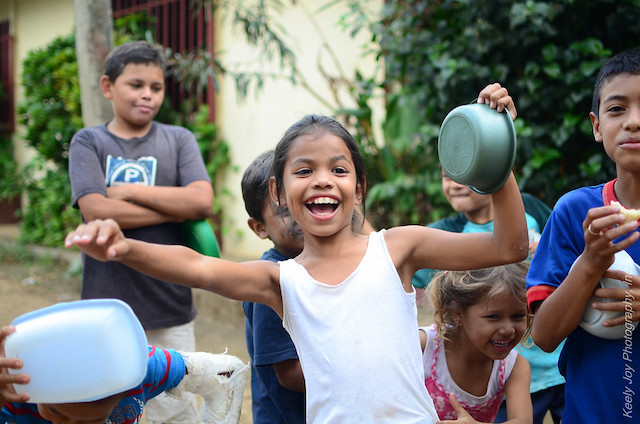
Facts about Sanitation in NicaraguaAlthough Nicaragua is the largest country in Central America, it is also one of the poorest nations in the region. Its mountainous location presents a challenge when considering the development of infrastructure necessary for a functioning water and sanitation system. Although access to resources has been a persistent challenge, the following 10 facts about sanitation in Nicaragua explain the country’s upward trajectory of living conditions and a patchwork of support.
10 Facts about Sanitation in Nicaragua

  1. Improved Sanitation Coverage. Access to improved sanitation in the past 30 years has increased significantly. In 1990, Nicaragua had 44 percent overall sanitation coverage. As of 2015, that number increased to 68 percent, according to data collected by the Pan American Health Organization (PAHO) and the World Health Organization (WHO).
  2. Improved Drinking-water Source Coverage. Driven by the Millennium Development Goals of the United Nations (U.N.), Nicaragua has managed to increase access to drinking-water coverage from 73 percent to 87 percent of the population between 1990 to 2015.
  3. Urban vs. Rural Coverage. Like in many countries, access to sanitary services depends on location and economic status. This is even more apparent for the Nicaraguan population, which has a high coverage gap of 22 percent between rural and urban areas in basic sanitary services. Nevertheless, the gap has decreased somewhat over time. It is down from a 28 percent gap in 2000.
  4. Climate factors. Nicaragua is situated in what is called the “Dry Corridor” of Central America, leaving it exposed to heavy drought. To compound, the negative factors of “El niño” warming the surface temperatures has prolonged these dry spells and intensified storms. The consequence of these abnormalities makes it harder to travel for water pick-up, so families try to store water indoors. This leads to communicable diseases such as diarrhea. Luckily, humanitarian organizations have not been largely hindered by climate-related occurrences and continue to offer services such as new sanitation projects toward greater coverage.
  5. WaterAid and WASH (Water, Sanitation and Hygiene). Created by the United Nations Children’s Fund (UNICEF), WASH is a global effort to promote access to clean water, sanitation and hygienic practices to those in need. WaterAid is the biggest international nonprofit organization to exclusively promote WASH. It has intervened in principalities lacking water systems to connect 24,000 to clean water sources, 9,600 with toilets in their homes and 55,000 with hygiene education since 2011.
  6. Inter-American Development Bank (IDB). IDB is a Latin American regional bank with similar development goals to that of the World Bank. In order to finance the expansion of water and sanitation services, IDB loaned 11 Nicaraguan cities a total of $72 million for better access to potable water and sanitation facilities. The project is expected to bring clean drinking water to 65,000 people and benefit 31,000 with new sewage networks. These improvements in technical assistance and equipment will benefit 375,000 residents of the capital city, Managua.
  7. Water For People. Another nonprofit that is promoting the WASH initiative is Water For People. It works with district governments to construct water pipes and ensure their sustainability. It also started a microfinance approach by partnering with local institutions to train on how to offer loans for sanitation purposes. To promote better hygiene in schools, the organization partners with schools to bring hygiene programming into teacher-led activities. It helps parent-teacher associations to monitor its effectiveness. Water For People has brought reliable water services in two districts for more than 26,000 residents.
  8. American Nicaraguan Foundation (ANF). Founded in 1992, ANF is a nonprofit with the objective of reducing the ingestion of contaminated water and improving living conditions for Nicaraguans. Its projects have built sanitation facilities, wells, tap stands, rainwater collection and water filtration systems. In 2018 alone, ANF built 24 water wells, 711 sanitation facilities and more than 730 water taps, benefiting thousands of local residents.
  9. Faith-based nonprofits and agriculture. Since rural farmlands have poor access to water and sanitation, a number of churches in Nicaragua have partnered with local farmers to implement more sustainable farming practices that can protect the soil and water from pollution. Episcopal Relief & Development is a faith-based nonprofit. Its initiatives include crop diversity, increased food production, tree planting, constructing land ridges and ditches to reduce soil erosion and harvesting rainwater with micro-dams. The organization is currently working on a WASH project in Boaco to educate local communities on how to improve facilities and access to clean water.
  10. Esperança Projects. Esperança is a comprehensive nonprofit focused on health and education. Since 2001, it has been working in the northern region of Jinotega, a poor farming region of Nicaragua. Among its services, it provides clean water sources like wells to help limit water-borne diseases that disproportionately affect children, women and poor communities as they expose themselves to harm when traveling long distances for water. It also educates farmers on better agroecological techniques that leave water sources uncontaminated. Along with education, the organization provides families with seeds and livestock that help combat soil erosion and water pollution.

The Millennium Development Goals and network of nonprofits working in Nicaragua have proved paramount to the nation’s development of water systems, sanitation and agricultural sustainability. Basic access to clean water and sanitation services are directly dependent on proper hygiene education and resources that these organizations have increasingly provided. These 10 facts about sanitation in Nicaragua represent both the challenges and optimism for its people with a highlight on the notable progress that has been made with support from local and global communities.

– Caleb Cummings
Photo: Flickr

March 19, 2020
https://borgenproject.org/wp-content/uploads/borgen-project-logo.svg 0 0 Kim Thelwell https://borgenproject.org/wp-content/uploads/borgen-project-logo.svg Kim Thelwell2020-03-19 01:30:022024-05-29 23:15:2910 Facts about Sanitation in Nicaragua
Global Poverty, Refugees, Water, Water Quality, Water Sanitation

9 Facts About the Refugee Water Crisis

Refugee Water Crisis
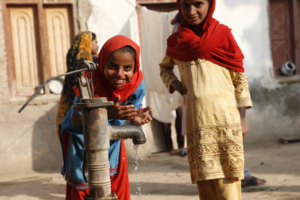
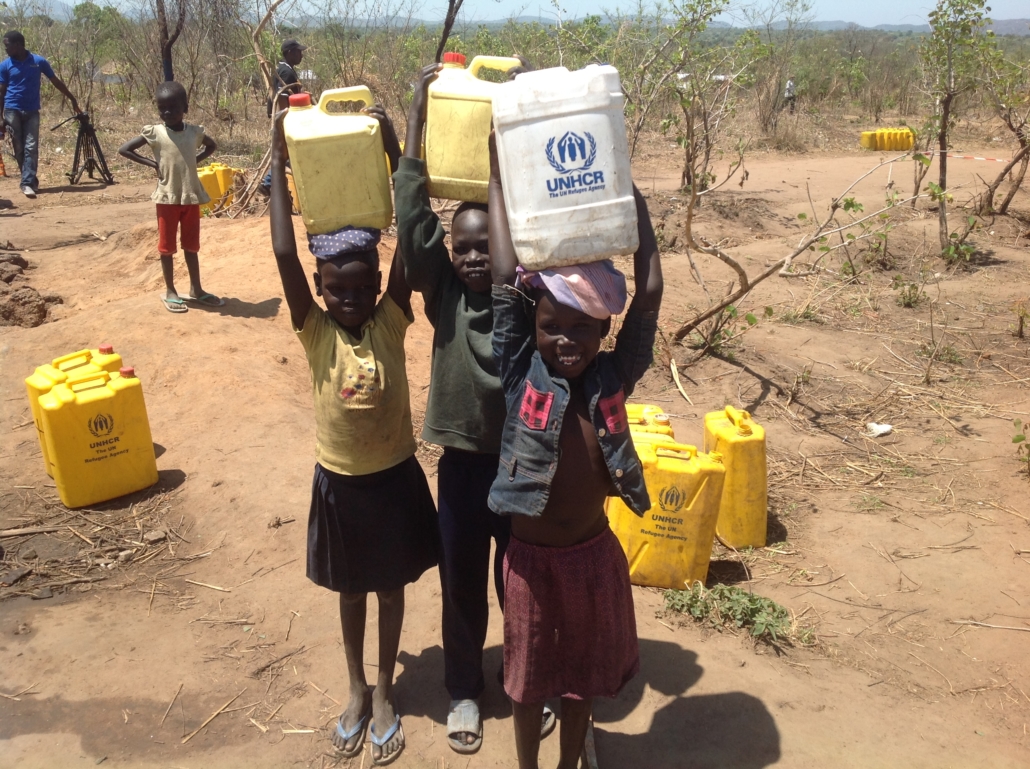
It’s no secret that there is a refugee crisis. In fact, the United Nations High Commissioner of Refugees (UNHCR) stated that as of January 2019, 70.8 million people were refugees. To put that into perspective, one in every eight persons is either in transit, seeking asylum or living in camps. Roughly 2.6 million reside in managed camps, and this has created an all-new challenge: a refugee water crisis.

UNHCR estimates that more than half of the world’s refugee camps do not have enough water to fulfill the recommended 20 liters per person per day. There are a number of health risks associated with lack of water. To address them, WASH has intervened with several programs.

9 Facts About the Refugee Water Crisis

  1. Global Water, Sanitation and Hygiene (WASH) is a CDC program designed to improve access to healthy water, sanitation practices and hygiene. Ultimately, they strive for long-term solutions that will reduce poverty and improve the health and socio-economic development of everyone. WASH has impacted countless refugee camps and bettered the water crisis for many.
  2. Nyamithuthu Refugee Camp in Malawi received hygiene education training and successfully implemented the “improved bucket” initiative. Water does not have to be contaminated from its source to pose a threat to close-corridor inhabitants. Infection can spread from touching and storing water in improperly sanitized containers. To control any possible spread of disease, WASH provided 20-liter water buckets with constraining lids and water spouts to limit secondhand contamination.
  3. Though formal camps typically have better WASH services, they are not always up to ‘safely managed’ standards. These standards include the limitation of shared facilities and on-premise water sources with water sources less than 200 meters (656 feet) away. For example, there are 11 refugee camps managed in Uganda and only 43 percent of the inhabitants have access to water less than 200 meters away. The physical burden of carrying 80 liters of water from a well that far uses one-sixth of rationed calories for the day.
  4. The refugee water crisis inhibits proper sanitation practices, which is the first defense against communicable diseases. Roughly 30 percent of managed camps have inadequate waste disposal. Latrines shared between three or more families increase the risk for cholera outbreaks which are transmitted through fecal-oral contact. Several refugee camps in Bangladesh with sanitation facilities were three times less likely to have cholera outbreaks than camps without them.
  5. Undocumented refugees and migrants in transit have particular difficulty in finding basic water and sanitation services. They risk detection by authorities and tend to revert to unsafe and often dangerous methods to obtain water. For example, undocumented refugees on the French-Italian border use the river as a water source, toilet and place to cook in order to avoid detection by the Red Cross.
  6. Low-income and undocumented refugees are also more likely to live in informal urban areas with non-standardized infrastructures. On the US/Mexico border, Matamoros, Mexico, has an estimated 50,000 migrants settled in an unofficial refugee camp. Sources reveal there are less than 10 portable toilets, no running water and only two wooden showers located in the woods. Refugees use river water to bathe, cook, drink and clean laundry. The majority of the provisions (water and food parcels) are given through religious organizations, immigration activists and individual donors.
  7. The United Nations International Children’s Emergency Fund (UNICEF) addressed this humanitarian crisis through the Protocol for the Protection of Migrant Children. The Protocol ensures all necessary actions are taken to protect the rights of migrant children including their access to water.
  8. The true nature of the refugee water crisis is underrepresented, leaving water provisions inadequately rationed. WASH services are estimated based on census and survey data, excluding refugees in transit or informal settings. Undocumented refugees have no chance of consideration with this form of data collection, meaning that the crisis is more serious than the data indicates.
  9. The 2030 Agenda for Sustainable Development details several plausible and lasting solutions to address and end the water crisis, specifically initiating and protecting policies in support of universal and inclusive water services. It also includes recommendations for governments and international agencies to strengthen water governance in correlation with migration.

Access to water is a human right protected under Article 25 of the Universal Declaration of Human Rights. The refugee water crisis threatens the lives of every migrant already running for their lives. Continued efforts from WASH, government agencies and humanitarian organizations are crucial to ending this crisis.

– Marissa Taylor
Photo: Flickr

March 18, 2020
https://borgenproject.org/wp-content/uploads/borgen-project-logo.svg 0 0 Kim Thelwell https://borgenproject.org/wp-content/uploads/borgen-project-logo.svg Kim Thelwell2020-03-18 10:00:552024-05-29 23:15:119 Facts About the Refugee Water Crisis
Global Poverty, Water Quality, Water Sanitation

10 Facts About Sanitation in Anguilla

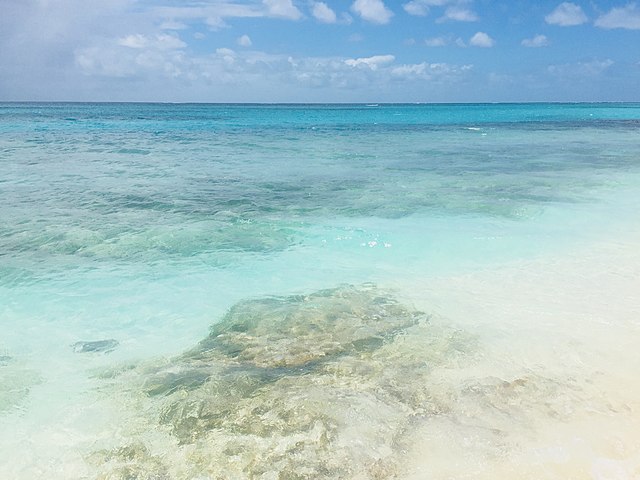
10 Facts About Sanitation in AnguillaAnguilla is a Caribbean island about half the size of Washington D.C., nestled between the Caribbean Sea and the Atlantic Ocean. Its tropical climate and terrain of low-lying coral and limestone have all contributed to this beautiful island’s dramatic water crisis. With a population of only 18,090, islanders have survived the island’s dry environment for more than 300 years. With careful husbandry, water conservation and the use of cisterns, Anguillans have found ways to make their erratic rainfall schedule work for them even during unpredictable drought periods, which can last up to three or four months. As access to improved sanitation facilities increases and tourism flourishes, the islands underground aquifer has been pushed to capacity. Here are 10 facts about sanitation in Anguilla and how they contribute to the depletion of the island’s supply of drinking water.
10 Facts About Sanitation in Anguilla

  1. In 1995, improved water sources were only available to 57 percent of the Anguillian population. Improved sanitation facilities include the use of a “flush or pour-flush sewer system, septic tank or pit latrine; ventilated improved pit (VIP) latrine; pit latrine with slab or a composting toilet.” In 2011, records showed an increase to 95 percent. By 2015, that number increased again to 97.9 percent of the population; at least 98 percent of those facilities were flush toilets.
  2. Because Anguilla does not have rivers, its drinking water consists of collected rain, wells connected to underground aquifers and desalination. Reportedly in 2000, 60 percent of the population had access to drinking water. Later, 61 percent of households indicated that their main source is from bottled water.
  3. At least 73 percent of the Anguillan population still gathers water from a cistern that pipes water into their homes. The same report from 2011 says that 15 percent of the population used the public water piped into their homes. At least 4 percent used a “public standpipe, well or tank.”
  4. The poor quality of water obtained from cisterns is of concern it is used for drinking purposes in addition to other domestic uses. Contaminants from rainwater can grow in containers like cisterns. They pose a health threat to those consuming the water. Pathogens like bacteria, viruses and Protozoa in cisterns can be treated with chlorine. However, chlorine can lose effectiveness within 24 hours of entering a cistern and these microorganisms that are transmitted in water can cause disease, which includes the potential of death.
  5. A combination of agricultural fertilizer, animal wastes as well as wastewater run-off from domestic and commercial septic tanks are seeping untreated into groundwater. This causes a chemical pollution problem for what little drinking water the island does have.
  6. Nitrate concentrations are increasing in most of the production and test wells connected to the underground aquifer. For many years, Anguilla’s aquifer has been subjected to periodic laboratory analysis by those concerned with public health and environmental quality. It shows nitrate concentrations in excess of the maximum acceptable drinking water limit.
  7. Pollution in groundwater that spills into coastal ponds and phosphates from detergents in domestic wastewater provide the right chemical nutrients to accelerate the growth and proliferation of unpleasant marine algae. This creates murky coastal waters, prevents coral growth.
  8. Chronic illnesses and diseases such as high blood pressure, diabetes and cancer from which Anguillans suffer are believed to be a result of the poor quality of water that they drink. In an attempt to improve the health of the population, Ms. Ursuline Joseph of Dominica has recommended a solution to create acceptable levels of alkaline in water. X20 is “a mineral-rich alkaline product” containing 77 different types of minerals to prevent diseases from developing in the body. Manufactured by Xooma, X20 originates from an ocean source off the coast of Japan. When the powdered product is added to 1.5 liters of water, it alkalizes with minerals and becomes healthier to drink.
  9. Anguilla’s primary water management problems arise out of the fact that there is not very much to manage. With an annual average rainfall of about 40 inches per year. Evaporation rates can reach 70 inches per year during droughts. The number of wells dug into the aquifer over the years is unknown. However, professional hydrologists and water engineers worry about the prospect of over-pumping in the near future. That being said, professionals are finding themselves less worried about the amount of groundwater left and more concerned with the quality of the groundwater itself.
  10. Pure Aqua provides a range of filtration and economical solutions to meet Anguilla’s water needs based on its resources. Focusing on reverse osmosis and water treatment, Pure Aqua manufactures and supplies high-quality water treatment systems built with cutting-edge technology. It custom-designs its systems for specific applications across many different industries. Anguilla has only a few options for sources of water. These include surface water, desalination, groundwater and government water. Pure Aqua provides systems with the ability to treat any of these sources with a host of different methods such as ultrafiltration systems, media water filters, brackish water RO, seawater reverse osmosis systems, chemical dosing, UV sterilizers and water softeners.

The demand for water resulting from the expansion of new residential areas and tourism facilities has devastated groundwater supply in Anguilla. The root problem is that pumping rates at the wells now in use are maxed out. Trying to extract more water would risk the structural integrity and possibly allow seawater intrusion, thus destroying the aquifer. Sanitation as a whole has seen enormous strides forward while also being part of the reason pollution threatens the water sources that are available.

– Janice Athill
Photo: Wikimedia

March 18, 2020
https://borgenproject.org/wp-content/uploads/borgen-project-logo.svg 0 0 Kim Thelwell https://borgenproject.org/wp-content/uploads/borgen-project-logo.svg Kim Thelwell2020-03-18 01:30:432024-05-29 23:14:5010 Facts About Sanitation in Anguilla
Global Poverty, Sanitation, Water Sanitation

10 Facts About Sanitation in Chile

10 Facts about Sanitation in Chile
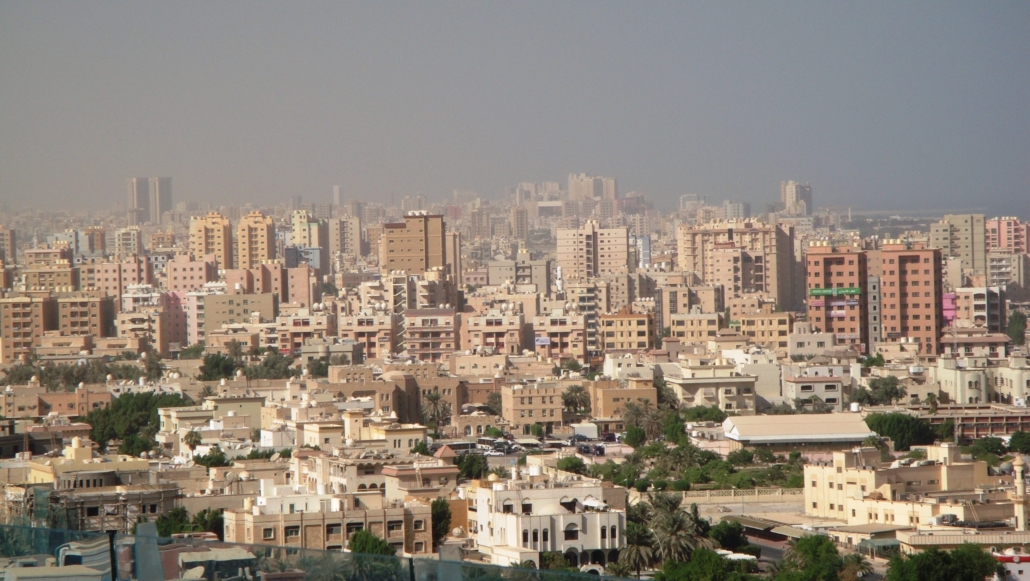
Running along the thin stretch of land between the Andes and South America’s Pacific coast, Chile has grown to be one of the region’s most prosperous countries. Challenges remain ahead, however, as a drying climate and expanding urban build-up threatens the nation’s ability to supply clean water for its growing population. Here are 10 facts about sanitation in Chile.

10 Facts About Sanitation in Chile

  1. Chile just experienced its driest decade in history. Ecologists have labeled the past 10 years as a mega-drought, which has seen rainfall deficits as high as 70 percent in the Metropolitan region, leading the Chilean government to implement agricultural emergency zones in over one-third of the nation’s provinces. Furthermore, as temperatures rise and annual rates of precipitation continue to drop, many expect Chile to experience the greatest water stress of any in the western hemisphere over the next 40 years, placing much of the country’s population at risk of water insecurity.
  2. Everyone has access to basic sanitation. In 2016, Chile became the first Latin American country to achieve 100 percent basic sanitation coverage for its population, a major feat. Compounding this good news is that, as of 2017, roughly 77 percent of the Chilean population now has access to safely managed sanitation, a coverage rate that even surpasses that of Norway (76.32 percent). This comes only 40 years after the establishment of SENDOS, Chile’s first national sanitation and water company. Its involvement in the Chilean utility landscape got the ball rolling on increased public investments in sanitation coverage from 1977 to 1988.
  3. Chile’s water code grants free water rights to private corporations. Chile’s Water Code, which Gen. Augusto Pinochet’s dictatorship enacted in 1981, empowers governmental authorities to grant permanent water titles to private owners, free of charge. As a consequence, private corporations own and operate 27 of Chile’s 28 water utilities, limiting the ability of the central government to regulate the management and distribution of the nation’s water supply.
  4. Santiago is growing, but so are its water needs. The Santiago Metropolitan Region, located in drought-prone central Chile, is currently home to 7 million people, a number that experts only expect to grow in the coming decades, placing further strain on the region’s diminishing water resources. In an effort to combat water scarcity in Chile’s capital, organizations such as the National Resources Defense Council have identified several priorities in managing the growing water deficit, including tackling inefficient agricultural practices and developing green infrastructure to meet Santiago’s needs.
  5. Glaciers provide Chile with much of its water, but they are in danger of disappearing. Chile currently possesses one of the largest freshwater reserves in the world, due in large part to runoff from glaciers located high up in the southern Andes mountain range. That supply is dwindling, however, as rates of precipitation decline and extensive mining of the copper deposits beneath many glacial areas continues. Researchers estimate that if Chile does not take steps to preserve the nation’s glaciers, by the end of the century, half of the total ice volume will have melted, depriving Chile of its major source of freshwater.
  6. Legal hurdles are compromising water access in central Chile. Experts expect water flows from the Maípo River Basin, which provides central Chile with 80 percent of its potable water and 90 percent of the water used for agriculture, to shrink by 40 percent over the next 50 years, spurred on by glacial retreat and an over-allocation of the river basin’s aquifers. Part of the issue lies in the Chilean Water Code’s division of the river basin into three distinct administrative sections, none of which are legally required to cooperate when it comes to handling water rights, leading many to seek legal reform as a potential remedy.
  7. In the north, water access is often a source of conflict. The Atacama Desert, a desert so dry that researchers use it to model conditions on other planets, covers Chile’s four northernmost provinces and hosts around 1.5 million people. As most of the groundwater available is fossil water, non-renewable water left over from the Atacama’s prehistoric past, there is concern that over-extraction of the region’s water supply will lead to its permanent depletion. This could lead to conflicts between the region’s mining companies and its indigenous inhabitants, who already must contend with the lowest household water usage rates in the country.
  8. Chilean companies are investing in “smart water” technology. As of 2017, 98.64 percent of the Chilean population possesses access to clean, household water, one of the highest coverage rates in Latin America. Despite these successes, over 30 percent of Chile’s potable water is still what experts consider “non-revenue water” or water that never manages to reach the consumer, thanks to a combination of theft, technical errors and leaks from broken and corroded pipes. To help combat this issue, many of Chile’s private water utilities have begun investing in “smart water” technology, which will allow companies to more efficiently monitor for potential leaks and breakdowns in the piping systems.
  9. Natural disasters are impeding access to water. The past two decades in Chile have seen a marked rise in the frequency and intensity of natural disasters, such as in the case of 2017, when surging floods in the capital Santiago left millions of Chileans suddenly without access to clean drinking water. Many attribute Chile’s heightened susceptibility to floods in particular to the rapid expansion of urban development and the loss of green spaces within the country, which has resulted in increased surface water run-off in populated areas, leaving water nowhere to go during storms.
  10. Sanitation-related illnesses have declined sharply. Thanks to the country’s efforts in increasing sanitation coverage, only .2 percent of the mortality rate is now attributable to unsafe water and sanitation in Chile, the same percentage as that of the U.S. This also has helped to lower the overall child mortality rate to 7.2 per 1,000 live births, well under the Latin American average.

Although the country faces many unique hurdles to overcome in the days ahead, these 10 facts about sanitation in Chile demonstrate a nation that is consistently striving to meet the needs of its people, blazing a trail for other Latin American nations to follow in the process.

– James Roark
Photo: Wikipedia

March 17, 2020
https://borgenproject.org/wp-content/uploads/borgen-project-logo.svg 0 0 Lynsey Alexander https://borgenproject.org/wp-content/uploads/borgen-project-logo.svg Lynsey Alexander2020-03-17 07:30:522020-03-18 10:58:0710 Facts About Sanitation in Chile
Global Poverty, Sanitation, Water Sanitation

10 Facts About Sanitation in Zimbabwe

Sanitation in Zimbabwe
Zimbabwe is a landlocked country in southern Africa that lies between the Limpopo and Zambezi Rivers with a population of 14.86 million. In the 20th century, Zimbabwe’s sanitation infrastructure was quite stable, but due to economic collapse resulting from the loss of public sector and donor investments in the early 2000s, the country’s sanitation development came to a halt and it began to degrade. Thousands of people living in Zimbabwe’s urban and rural areas lost access to not only clean drinking water, but also proper sanitation. Zimbabwe’s constitution states that every person has the right to “safe, clean, and potable water,” but the country still has a lot of work to do to make that statement come true. Here are 10 facts about sanitation in Zimbabwe.

10 Facts About Sanitation in Zimbabwe

  1. Water coverage has been increasing since Zimbabwe’s independence in 1980. Water coverage has increased from 32 percent to 56 percent in the 20 years after the nation gained independence. This increase in coverage has also directly improved overall sanitation access, from 28 percent to 56 percent. Two main elements propelled the growth of the country’s sanitation infrastructure: interest in urban and commercial farming and implementation of innovative technologies by the Integrated Rural Water Supply and Sanitation Program (IRWSSP). Both endeavors helped drive urban sanitation coverage to 90 percent up until the late 1990s when the economic crisis caused the coverage to decline.
  2. The rural sanitation infrastructure is still vastly underdeveloped. When comparing the rural system to the urban infrastructure of sanitation in Zimbabwe, flushing toilets, running water and access to clean drinking water is uncommon in rural areas. The World Health Organization (WHO) shows that 66 percent of the population in more affluent areas of Zimbabwe has access to basic sanitation, while only 13 percent of the population in poor areas has basic sanitation access. Further, while Zimbabwe’s population does receive a small number of subsidies from the government to improve sanitation, 80 percent goes to the urban, more wealthy areas.
  3. Studies prove sanitation in Zimbabwe’s rural areas is significantly worse. According to a 2017 report by the Zimbabwe National Statistics Agency (ZIMSTAT), 91.5 percent of urban households have properly flushing toilets, while just 36.8 percent of households in rural areas are without toilets. These rural areas do not have reliable access to water pipelines, and therefore, most of the population relies on open defecation. A Multiple Indicator Cluster Survey study estimated that 42 percent of the rural population in Zimbabwe still uses open defecation. In order to bring the rural areas up to the standards of the urban areas, the government would need to spend $90 million per year on sanitation hardware.
  4. In 2010, the Zimbabwe National Action Committee created its Water Sanitation and Hygiene (WASH) Sector. WASH has helped to combine Zimbabwe’s urban and rural sanitization efforts to gain a more organized action plan on how to improve sanitation, restore leadership throughout urban and rural areas, institutionalize government responsibilities and support sector development. So far, WASH has aided in the doubling of water production in 14 small towns, worked with UNICEF to drill boreholes, creating access to more water. The WASH program has also worked on the Participatory Health and Hygiene Education (PHHE) initiative, supporting 432 sanitation action groups and 388 health clubs.
  5. Sanitation in Zimbabwe currently aims to align with the Sustainable Development Goals (SDGs). The government recently approved a gender-sensitive Sanitation and Hygiene Policy that aims to ensure Zimbabwe is defecation free by 2030. To achieve this goal, the Sanitation Focused on Participatory Health and Hygiene Education (SafPHHE) has been implemented throughout 45 rural districts in Zimbabwe. SafPHHE will produce a framework to improve sustainable and reliable sanitation services. By spreading awareness of good hygiene behavior and increasing sanitation coverage, open defecation rates should reduce in accordance with the SDGs.
  6. Australian aid has been supporting efforts to improve sanitation in Zimbabwe. CARE, an Australian-based international aid organization, works around the world but is also helping communities in Zimbabwe to build toilets and hand-washing facilities. About 6,671 students now have access to 2,870 new toilets with handwashing facilities in schools and villages in Zimbabwe.
  7. Feminine hygiene and sanitation in Zimbabwe are sub-par. Many girls and women in Zimbabwe, ages 15 to 29 years old, do not have access to proper sanitary wear, or Menstrual Hygiene Management (MHM). This lack of feminine hygiene poses health risks not only to women but also to their communities. Girls miss four to five days of school because of menstrual cycles, according to CARE. According to an article published by Jamba, MHM is clouded in cultural taboos, constraints and unhygienic practices that further cause health-related dangers for women and girls. 
  8. Households in Zimbabwe rely on donor-drilled boreholes for the water supply. While these boreholes do supply water, they are typically highly unsanitary. Specifically, cholera broke out in 2018, killing 30 people. Further, people sometimes use the boreholes as extortion for financial gain, or otherwise access the water.
  9. Local and national corruption further exacerbate the issue of sanitation in Zimbabwe. In the capital city of Harare, the water management system charges residents for water even though the water does not run properly and is contaminated. Further, the government admits that it does not use the revenue to maintain and improve the quality of the water. The Export-Import Bank of China provided Zimbabwe’s government a $144 million loan with no results in sanitation improvements. According to the Human Rights Watch, solutions include the government using a sliding-scale for the residents’ water supply cost and investing in sanitation and water strategies, such as building toilets, pit latrines and uncontaminated boreholes.
  10. In 2014, Zimbabwe’s government made a public pledge to create and sustain a sanitation and hygiene policy. The government anticipates improvements aligned with the SDGs by keeping rural water supply functioning long-term, improving the reliability of the urban water supply, rehabilitating public latrines, emptying the latrines when they are full and reusing wastewater. It was the plan to achieve the goals by 2015, but with clear corruption and without proper funding, it may take some time for Zimbabwe to reach its goals.

Zimbabwe has an intense need for sanitation improvements in both urban and rural areas of the country. These 10 facts outline the current reality of sanitation in Zimbabwe. In aiming to achieve the SDGs and more, the country can change in a way to allow people to lead healthy and safe lives.

– Marlee Septak
Photo: Unsplash

March 13, 2020
https://borgenproject.org/wp-content/uploads/borgen-project-logo.svg 0 0 Lynsey Alexander https://borgenproject.org/wp-content/uploads/borgen-project-logo.svg Lynsey Alexander2020-03-13 05:00:442024-06-06 00:32:5210 Facts About Sanitation in Zimbabwe
Developing Countries, Development, Global Poverty, Health, Water, Water Sanitation

The Future of Water’s Role in Development

Water's Role in Development
To deny the necessity of clean and accessible water would be to deny the very thing that allows human civilization to exist, plants to grow and nourish people’s bodies and countries to foster globalization and connectivity across nations. According to the U.N., 785 million people lacked a safe and basic water source by 2015, and about a third of all countries reported being under some degree of water stress including low supply and hindered access to water. Water’s role in development has become the focus of ending poverty around the globe, and the efficient allocation and treatment of water still stand as major problems in developing countries.

Health Care and Sanitation

A lack of access to clean water often results in the spread of ailments such as malaria and diarrhea. Additionally, approximately 60 percent of people worldwide do not have access to adequate handwashing facilities. The effect of clean water on public health is staggering; the World Health Organization (WHO) estimates that access to water for safe drinking and sanitation could prevent 500,000 annual deaths from malaria. An organization called The Water Project aims to make handwashing and sanitation a fundamental part of mortality reduction and works to change behaviors imbedded in communities to stress the importance of water’s role in development and disease prevention.

Women’s Health and Childhood Development

The most vulnerable groups regarding limited clean water access are women and children; women spend almost 40 billion hours a year on transporting and accessing water in Sub-Saharan Africa alone, and about half of all girls in school drop out due to improper sanitation methods that prevent them from maintaining their personal hygiene needs during puberty. Women are therefore more prone to infection and violence, perpetuating a cycle of gender inequality in developing nations. Additionally, WHO projects that safe water and sanitation could prevent 1.4 million child deaths from diarrhea and dehydration a year; most of the diseases inflicting children are preventable and further emphasizes the crucial nature of clean water’s role in development.

Economic Success

For every $1 that someone invests in clean water resources, $8 goes back into economies to help with economic development. When people are no longer fighting waterborne diseases and are spending valuable time fetching water for themselves and their families instead, they are becoming educated and skilled. The manufacturing and agricultural industries suffer most greatly from this; a lack of a water sanitation system in a factory means that employees must leave work to use the restroom or find drinking water, and rural areas that often have a lot of farms depend on safe water for growing crops. The farmers provide the raw materials to the manufacturing sectors, but without clean water, both enter a cycle that mirrors the endless trap of poverty in which their workers often find themselves.

Societal Implications

Education of the public is a fundamentally indisputable part of ensuring that societies have what they need to function politically and economically. When resources, especially vital ones like water, are in short supply, citizens are more likely to fall into cycles of desperation that result in extractive institutions that take advantage of their vulnerability. Water’s role in development goes beyond health and the productivity of citizens; access to clean water results in communities that are free of the burden to prioritize their survival, and empowerment of these communities can lead to civil organization in which citizens have a say in their system of government and those who control it.

With growing recognition of the importance of water’s role in development, some have taken new stances on multisectoral impacts of the distribution and treatment of water. Simple solutions are proving to make the most effective impact on the lives of impoverished people with low access to clean water. Handwashing initiatives and environmental policies that eliminate the probability of unsafe standing water could lead to a decline in the number of deaths from preventable diseases. Also, in an increasingly globalized and changing world, countries must take into consideration changing weather patterns that alter the face of water-related policies. Water’s role in development stretches far beyond the goal of providing suitable water conditions for those in poverty; it sets the stage for more inclusive policies that ensure the protection of those that limited clean water made vulnerable.

– Jessica Ball
Photo: Creative Commons

March 7, 2020
https://borgenproject.org/wp-content/uploads/borgen-project-logo.svg 0 0 Lynsey Alexander https://borgenproject.org/wp-content/uploads/borgen-project-logo.svg Lynsey Alexander2020-03-07 13:37:412024-06-12 07:49:36The Future of Water’s Role in Development
Global Health, Global Poverty, Sanitation, Water Sanitation

The Salvation Army’s Efforts in Zimbabwe

The Salvation Army's Efforts in Zimbabwe
For generations, the Salvation Army has been an international movement of evangelism, goodwill and charity. As part of the Protestant denomination in Christianity, the organization holds more than 1.6 million members throughout 109 countries around the world. Originating in the U.K., there are over 800 parishes, 1,500 ordained ministers and 54,000 members in England. Motivated by the love of God, the organization’s mission is to preach the gospel of Jesus Christ and meet the needs of humans whom hardships have struck. Most recently, The Salvation has been working in Zimbabwe. The Salvation Army’s efforts in Zimbabwe have involved providing communities and schools with proper sanitation.

In 1865, pastor William Booth and his wife, Catherine, began preaching to London’s neglected poor. William’s dynamic presence of natural leadership and charismatic oration grabbed the attention of the congregation. At the same time, Catherine pioneered advocacy for women’s rights in the Christian community. Subsequently, the couple embraced the Christian Mission and quickly offered the destitute meals, clothes and lodging. When others joined the Booths to assist with their corporal works, the Christian Mission became an almost overnight success. In 1878, this success transformed into the organization known today as the Salvation Army.

The Salvation Army Expansion

With substantial growth in motion, there was a militant approach to the newfound identity, like integrating uniforms for ministers and members. In addition, the Salvation Army began introducing flags and employee rankings. This gave the members an opportunity to embrace the “spiritual warfare” mentality.

As a result of the militarization-like growth, the organization began to spread to the United States in 1880, where the first branch opened in Pennsylvania. Through time, the Salvation Army played a pivotal role in the lives of the misfortunate, especially during the Great Depression.

Branches began opening around the world to establish evangelical centers, substance abuse programs, social work and community centers. The organization even opened used goods stores and recreation facilities to support community welfare.

International Impact

Currently, The Salvation Army supports emergency response initiatives throughout underprivileged countries in South America, Southeast Asia and Africa. Most recent works include providing food, water and materials to rebuild homes in Zimbabwe after flooding in Tshelanyamba Lubhangwe.

Additionally, it has launched a new plan to aid issues with water and sanitation in Zimbabwe. With nearly 20 percent of the world’s population lacking access to clean water and one out of every three people without basic sanitation needs, obtaining clean drinking water can be challenging in Zimbabwe. More than half of the water supply systems do not function properly and as a result, many boreholes and wells contain water that is unsafe to drink, making them nonpotable for villagers and farmers. People are experiencing outbreaks of diseases that have led to avoidable deaths due to unclean water and sanitation in Zimbabwe, and/or little knowledge of self-sanitation care. Some schools are even on the verge of closing due to the posing health threat to Zimbabwe’s youth.

WASH Initiative in Zimbabwe

The Salvation Army adopted the WASH project to improve health and nutrition in 12 communities by advancing water and sanitation in Zimbabwe. WASH, which stands for Water, Sanitation and Health, supports more than 50,000 people living in Zimbabwe, including more than 11,000 children attending school. Introducing accountability for the intertwining relationships of water, sewage, nutrition and health, Zimbabwe now has access to sustainable water and sanitation facilities.

The Salvation Army’s efforts in Zimbabwe have stretched to installing toilets, sinks and clean water in schools, allowing them to remain open. Furthermore, school hygiene committees have visited schools to give teachers the proper training about hygiene, health care and clean food. Each of these 12 communities have also set up farm gardens and irrigation systems. This has allowed areas to take back autonomy over food sources and will ultimately reduce the chances of consuming contaminated food, leading to foodborne illness.

UNICEF Joins the Salvation Army in Zimbabwe

The United Nations Children Fund (UNICEF) has also joined the Salvation Army’s efforts in Zimbabwe to help people access water and sanitation by drilling boreholes and pipe schemes for water systems. In addition, the WASH program saw vast improvements in repairing the sewer systems in 14 communities followed by the sustainability of those systems through the strength and development of its national public-private strategic framework.

UNICEF has also supported the improvement of water and sanitation in Zimbabwe through approval of hygiene and sanitation policy with the focus of ending open defecation in the country by the year 2030, specifically for gender-sensitive citizens. Efforts like policy implementation directly align with the Sustainable Development Goals. Moreover, UNICEF has supported the Sanitation Focused Participatory Health and Hygiene Education (SafPHHE) in over 40 rural districts in Zimbabwe to accomplish the end of open defecation.

The Salvation Army has aimed to improve the quality of life for the underprivileged with the message of a strong belief in God and that every individual should have access to basic human rights. The Salvation Army’s efforts in Zimbabwe and around the world have provided aid through consistent outreach to the less fortunate. The organization started out with the motivation to save souls and has grown to steer the directionless down a path to righteousness and out of poverty. With endeavors like improving water and sanitation in Zimbabwe, organizations like the Salvation Army and UNICEF have greatly improved lives throughout poor countries.

– Tom Cintula
Photo: Flickr

March 5, 2020
https://borgenproject.org/wp-content/uploads/borgen-project-logo.svg 0 0 Lynsey Alexander https://borgenproject.org/wp-content/uploads/borgen-project-logo.svg Lynsey Alexander2020-03-05 08:30:132024-05-29 23:15:16The Salvation Army’s Efforts in Zimbabwe
Global Poverty, Sanitation, Water, Water Sanitation

10 facts about sanitation in Nigeria

Facts about Sanitation in Nicaragua
In November 2018, Nigeria’s President Mohammadu Buhari declared a state of emergency in the country’s WASH (water, sanitation and hygiene) sector. Sub-Saharan Africa ranks as having the most limited access to clean water and sanitation and the region is most significantly influenced by the situation in Nigeria. These 10 facts about sanitation in Nigeria explore the impact of poor living conditions and the current efforts it is making to improve WASH conditions.

10 Facts About Sanitation in Nigeria

  1. Access to Clean Water: Currently, only about 26.5 percent of the Nigerian population has access to improved drinking water sources and WASH services. The lack of access to clean water and sanitation facilities is at the root of numerous issues such as diseases, malnutrition and poverty. Poor sanitation hinders development while exacerbating health inequalities and poverty.
  2. Contamination and Disease: Contaminated water gives rise to waterborne diseases such as diarrhea, cholera and typhoid fever. Limited access to clean water and sanitation is one of the most significant contributing factors to high mortality rates in children under 5 years old. Seventy thousand children under 5 years old die annually in Nigeria because of waterborne diseases and 73 percent of diarrhea and enteric disease cases in Nigeria are due to limited access to clean water and sanitation.
  3. Lack of Sewer Systems: Except for certain areas of Lagos, there are very little infrastructure and services to manage waste disposal. Seventy-one percent of Nigeria’s population does not have access to a sanitary toilet and disparities concentrate in rural areas. This means that often people will defecate in plastic bags, roadsides, railway tracks or bushes surrounding their communities for lack of a better option.
  4. Open Defecation: Currently, about 23.5 percent of the population in Nigeria defecates in the open. Open defecation is one of the main causes of water contamination. Because of the lack of governmental infrastructure, managing waste disposal is up to communities and individual families.
  5. Hospitals: The lack of sanitation in Nigeria directly impacts health care services. For example, 29 percent of hospitals and clinics in Nigeria do not have access to clean water or safe toilets. Patients’ immune systems are already weak, and poor sanitation significantly increases the risk of infection and complications.
  6. Lack of Political Infrastructure: One of the largest obstacles to increasing access to adequate WASH services in Nigeria is the lack of a unified government or political body. This makes it very difficult to mobilize communities and organize efforts. Issues such as the war on Boko Haram and corruption take priority for the Nigerian government because of the urgent safety threats that they pose. Investing in sanitation, however, is crucial for development and growth in the future.
  7. Economic Repercussions of Poor Sanitation: The Nigeria Water and Sanitation Program estimates that poor sanitation costs Nigeria $3 billion annually. This loss is primarily the result of premature deaths and sanitation access time. Estimates determine that each person loses 2.5 days each year trying to find a private location to defecate. The economic costs that result from poor sanitation disproportionately impact Nigeria’s poor, perpetuating a cycle of inequality and socio-economic disparity.
  8. Government Action: Currently, a disproportionately large amount of funding goes towards urban areas. In addition to the lack of financial resources, skilled workers rarely work in rural areas. Following the declaration of a state of emergency in 2018, the Nigerian government and the Federal Ministry of Water Resources launched the National Action Plan (NAP). This outlined a proposal for increasing coverage of WASH services in both rural and urban areas, as well as in schools and health facilities, by 2030.
  9. Sustainable Total Sanitation (STS) Nigeria project: With funding from the Bill and Melinda Gates Foundation, WaterAid led the STS Nigeria Project to improve access to sanitation in the states of Ekiti and Enugu. This project included the development of the Water Easy Toilet (WET), an affordable and durable product. This is an example of SanMark (Sanitation Marketing field), which attempts to meet the demand for affordable sanitary products. SanMark is one of the main aims of the STS Nigeria project in order to increase access to sanitation technologies. The WET toilet can directly decrease open defecation rates and work towards improving WASH conditions in Nigeria.
  10. Community-led Total Sanitation (CLTS): Along with SanMark, CLTS is one of the main interventions within the STS Nigeria project, aimed at educating communities about the negative impact of poor sanitation and open defecation. Both of these interventions target open defecation and try to offer alternatives or come up with solutions for specific communities. CLTS is a method that engages communities to analyze practices such as open defecation on their own. The reasoning behind CLTS is that communities need to understand the negative impacts that open defecation can cause because simply providing communities with toilets does not guarantee that they will use them. In Nigeria, CLTS has shown to reduce rates of open defecation in the poorest communities.

Improving sanitation in Nigeria is crucial to making progress in health and allowing for economic development. These 10 facts about sanitation in Nigeria illustrate the severity of the current situation and the many ways in which progress is possible. While access to WASH services in Nigeria has decreased since 1990, new technologies and projects such as the WET toilet and CLTS are working towards improving sanitation in Nigeria. Despite the political instability in Nigeria, the National Action Plan that the government launched shows initiative and potential for stronger political action toward universal access. Educating and engaging the communities themselves can influence change and encourage governmental action.

 – Maia Cullen
Photo: UNICEF

February 24, 2020
https://borgenproject.org/wp-content/uploads/borgen-project-logo.svg 0 0 Lynsey Alexander https://borgenproject.org/wp-content/uploads/borgen-project-logo.svg Lynsey Alexander2020-02-24 07:30:452024-05-29 23:15:0310 facts about sanitation in Nigeria
Global Poverty, Sanitation, Water Sanitation

10 Facts about Sanitation in South Africa

facts about sanitation in South Africa
South Africa, the southernmost country in Africa, is home to over 58 million people and recognizes 11 official languages. People also often refer to it as the “rainbow nation” for its wide diversity in culture. Today, people often link South Africa to its challenges with water supply and sanitation, and conversely, its recent achievements in both categories. Here are 10 facts about sanitation in South Africa.

10 Facts About Sanitation in South Africa

  1. Access to clean water is scarce. Droughts, infrequent rainfall and a shortage of resources are all causes of South Africa’s water crisis. In 2008, 5 million South Africans reported lacking access to safe, drinkable water. While this number has steadily declined over the years, with an improved 88.8 percent of households having access to piped water in 2016, some rural regions must rely on groundwater alone to meet their needs.
  2. Sanitation is slowly improving. While the rate of improving sanitation is still slow, about 82 percent of households recorded having access to either flush toilets or ventilated pits in 2017. This is a 20 percent increase since 2002, meaning lives are improving. Thanks to the volunteer work and successful methods of several NGO projects like AMREF and WaterAid, more and more people are gaining access to clean water and reliable toilets.
  3. Rural areas suffer the greatest lack of water. Dams supply a majority of the water in South Africa’s urban cities; however, rural areas often have to depend on rainfall that is becoming increasingly sporadic. Lack of water facilities has caused 74 percent of rural South Africans to be entirely dependent on groundwater that is often unclean. Additionally, the growing rural population is causing even more strain on the water crisis; 19 percent of people did not have a reliable source of clean water in 2006.
  4. Poor sanitation compromises clean water. Several major rivers stretch through South Africa, but sewage waste often contaminates its waters. Outdated infrastructure, poor management and lack of resources contribute to the contamination, rendering the water undrinkable and a public health risk. Contact with the contaminated water could lead to waterborne illness or death.
  5. Waterborne illnesses are still a threat. With large amounts of water contaminated with effluent, the risk of contracting a waterborne disease remains high. Waterborne illnesses affected 60 percent of the country’s rural regions in 2005. In 2008, high volumes of deadly bacteria, including E. Coli, were in the water supply on the southern coast, most likely caused by human waste contamination. However, through improving infrastructure and allowing better access to safe, drinkable water, organizations like AMREF have decreased the rate of child mortality due to waterborne illnesses.
  6. There is a Free Basic Water Access policy. South Africa is one of the few countries to explicitly state in its constitution that every citizen has an entitlement to a certain amount of free water. The Free Basic Water Access policy that is currently in place highlights this constitutional right, yet the South African Department of Water Affairs and Forestry does not properly monitor water usage and the country loses well over 20 percent of all available water supply due to damaged or broken pipes.
  7. Shared toilet facilities can be unsafe. Households that use shared toilet facilities often face unsafe conditions. Sixteen percent of households reported having their physical safety threatened in these facilities, and 24 percent complained of poor, unsafe lighting. Poor hygiene, lack of water and lack of maintenance in these shared facilities only attribute to the health risks of communities.
  8. There was a water crisis in Cape Town. The Cape Town Water Crisis was an extreme water shortage from 2017-2018 that caused the South African government to place water restrictions on citizens in an effort to conserve water supply. The term ‘Day Zero’ shocked the world when Cape Town officials declared that the city of 4 million people would be completely out of water in just three short months. Fortunately, through the allocation of water, tariffs and stricter enforcement, the South African city was able to pull itself out of the crisis and change its ways to avoid another ‘Day Zero’ in the future.
  9. Poor facilities are compromising girls’ education. Many South African girls and women find themselves unable to manage their menstruation in a safe, private place. Often times, school-aged girls miss out on their education because of the lack of clean, private restrooms at school. Out of 130 schools, 82 percent of students said the school facilities were not sufficiently private. This means that girls are missing school because of the humiliating conditions. In an effort to combat this dilemma, organizations like WaterAid are installing decent, private toilets in schools so girls can better manage their periods.
  10. NGO projects, like WaterAid, are helping. There are many nonprofits that are striving to improve the country’s situation. WaterAid, founded in 1981, is working to help solve South Africa’s sanitation issue. WaterAid teams with other projects to implement clean water, flush toilets and increased hygiene across the country. In 2016, WaterAid was able to provide 24.9 million people access to clean water, 24 million with safe toilets and 16.7 million with increased sanitation.

While these 10 facts about sanitation in South Africa show that the country still has several measures to make in terms of upholding human dignity, cleanliness and safety, its government and several organizations are taking action. With the help of these projects, improvements are happening every day as the country continues to take steps towards a cleaner, safer future.

– Hadley West
Photo: Flickr

February 23, 2020
https://borgenproject.org/wp-content/uploads/borgen-project-logo.svg 0 0 Lynsey Alexander https://borgenproject.org/wp-content/uploads/borgen-project-logo.svg Lynsey Alexander2020-02-23 07:30:072024-05-29 23:14:5810 Facts about Sanitation in South Africa
Page 9 of 16«‹7891011›»

Get Smarter

  • Global Poverty 101
  • Global Poverty… The Good News
  • Global Poverty & U.S. Jobs
  • Global Poverty and National Security
  • Innovative Solutions to Poverty
  • Global Poverty & Aid FAQ’s
Search Search

Take Action

  • Call Congress
  • Email Congress
  • Donate
  • 30 Ways to Help
  • Volunteer Ops
  • Internships
  • Courses & Certificates
  • The Podcast
Borgen Project

“The Borgen Project is an incredible nonprofit organization that is addressing poverty and hunger and working towards ending them.”

-The Huffington Post

Inside The Borgen Project

  • Contact
  • About
  • Financials
  • President
  • Board of Directors
  • Board of Advisors

International Links

  • UK Email Parliament
  • UK Donate
  • Canada Email Parliament

Get Smarter

  • Global Poverty 101
  • Global Poverty… The Good News
  • Global Poverty & U.S. Jobs
  • Global Poverty and National Security
  • Innovative Solutions to Poverty
  • Global Poverty & Aid FAQ’s

Ways to Help

  • Call Congress
  • Email Congress
  • Donate
  • 30 Ways to Help
  • Volunteer Ops
  • Internships
  • Courses & Certificates
  • The Podcast
Scroll to top Scroll to top Scroll to top