10 facts about sanitation in Nigeria
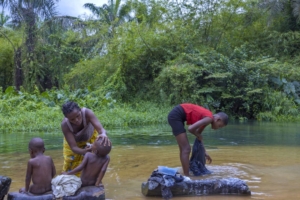
In November 2018, Nigeria’s President Mohammadu Buhari declared a state of emergency in the country’s WASH (water, sanitation and hygiene) sector. Sub-Saharan Africa ranks as having the most limited access to clean water and sanitation and the region is most significantly influenced by the situation in Nigeria. These 10 facts about sanitation in Nigeria explore the impact of poor living conditions and the current efforts it is making to improve WASH conditions.
10 Facts About Sanitation in Nigeria
- Access to Clean Water: Currently, only about 26.5 percent of the Nigerian population has access to improved drinking water sources and WASH services. The lack of access to clean water and sanitation facilities is at the root of numerous issues such as diseases, malnutrition and poverty. Poor sanitation hinders development while exacerbating health inequalities and poverty.
- Contamination and Disease: Contaminated water gives rise to waterborne diseases such as diarrhea, cholera and typhoid fever. Limited access to clean water and sanitation is one of the most significant contributing factors to high mortality rates in children under 5 years old. Seventy thousand children under 5 years old die annually in Nigeria because of waterborne diseases and 73 percent of diarrhea and enteric disease cases in Nigeria are due to limited access to clean water and sanitation.
- Lack of Sewer Systems: Except for certain areas of Lagos, there are very little infrastructure and services to manage waste disposal. Seventy-one percent of Nigeria’s population does not have access to a sanitary toilet and disparities concentrate in rural areas. This means that often people will defecate in plastic bags, roadsides, railway tracks or bushes surrounding their communities for lack of a better option.
- Open Defecation: Currently, about 23.5 percent of the population in Nigeria defecates in the open. Open defecation is one of the main causes of water contamination. Because of the lack of governmental infrastructure, managing waste disposal is up to communities and individual families.
- Hospitals: The lack of sanitation in Nigeria directly impacts health care services. For example, 29 percent of hospitals and clinics in Nigeria do not have access to clean water or safe toilets. Patients’ immune systems are already weak, and poor sanitation significantly increases the risk of infection and complications.
- Lack of Political Infrastructure: One of the largest obstacles to increasing access to adequate WASH services in Nigeria is the lack of a unified government or political body. This makes it very difficult to mobilize communities and organize efforts. Issues such as the war on Boko Haram and corruption take priority for the Nigerian government because of the urgent safety threats that they pose. Investing in sanitation, however, is crucial for development and growth in the future.
- Economic Repercussions of Poor Sanitation: The Nigeria Water and Sanitation Program estimates that poor sanitation costs Nigeria $3 billion annually. This loss is primarily the result of premature deaths and sanitation access time. Estimates determine that each person loses 2.5 days each year trying to find a private location to defecate. The economic costs that result from poor sanitation disproportionately impact Nigeria’s poor, perpetuating a cycle of inequality and socio-economic disparity.
- Government Action: Currently, a disproportionately large amount of funding goes towards urban areas. In addition to the lack of financial resources, skilled workers rarely work in rural areas. Following the declaration of a state of emergency in 2018, the Nigerian government and the Federal Ministry of Water Resources launched the National Action Plan (NAP). This outlined a proposal for increasing coverage of WASH services in both rural and urban areas, as well as in schools and health facilities, by 2030.
- Sustainable Total Sanitation (STS) Nigeria project: With funding from the Bill and Melinda Gates Foundation, WaterAid led the STS Nigeria Project to improve access to sanitation in the states of Ekiti and Enugu. This project included the development of the Water Easy Toilet (WET), an affordable and durable product. This is an example of SanMark (Sanitation Marketing field), which attempts to meet the demand for affordable sanitary products. SanMark is one of the main aims of the STS Nigeria project in order to increase access to sanitation technologies. The WET toilet can directly decrease open defecation rates and work towards improving WASH conditions in Nigeria.
- Community-led Total Sanitation (CLTS): Along with SanMark, CLTS is one of the main interventions within the STS Nigeria project, aimed at educating communities about the negative impact of poor sanitation and open defecation. Both of these interventions target open defecation and try to offer alternatives or come up with solutions for specific communities. CLTS is a method that engages communities to analyze practices such as open defecation on their own. The reasoning behind CLTS is that communities need to understand the negative impacts that open defecation can cause because simply providing communities with toilets does not guarantee that they will use them. In Nigeria, CLTS has shown to reduce rates of open defecation in the poorest communities.
Improving sanitation in Nigeria is crucial to making progress in health and allowing for economic development. These 10 facts about sanitation in Nigeria illustrate the severity of the current situation and the many ways in which progress is possible. While access to WASH services in Nigeria has decreased since 1990, new technologies and projects such as the WET toilet and CLTS are working towards improving sanitation in Nigeria. Despite the political instability in Nigeria, the National Action Plan that the government launched shows initiative and potential for stronger political action toward universal access. Educating and engaging the communities themselves can influence change and encourage governmental action.
– Maia Cullen
Photo: UNICEF
