• Link to X
  • Link to Facebook
  • Link to Instagram
  • Link to TikTok
  • Link to Youtube
  • About
    • About Us
      • President
      • Board of Directors
      • Board of Advisors
      • Financials
      • Our Methodology
      • Success Tracker
      • Contact
  • Act Now
    • 30 Ways to Help
      • Email Congress
      • Call Congress
      • Volunteer
      • Courses & Certificates
      • Be a Donor
    • Internships
      • In-Office Internships
      • Remote Internships
    • Legislation
      • Politics 101
  • The Blog
  • The Podcast
  • Magazine
  • Donate
  • Click to open the search input field Click to open the search input field Search
  • Menu Menu

Archive for category: Water Sanitation

Developing Countries, Global Poverty, Sanitation, Water Sanitation

10 Facts About Sanitation in Colombia

Sanitation in Colombia
Colombia is a fast-growing country with a population of 49 million. In the last 10 years alone, the population has increased by 5 million people. As a result of the added pressure on the country’s infrastructure, many citizens may not have access to basic water, sanitation and hygiene (WASH) facilities. In recent years, Colombia has been working to increase its population’s access to WASH facilities. The country continues to develop initiatives on how to increase this accessibility. Here are 10 facts about sanitation in Colombia.

10 Facts About Sanitation in Colombia

  1. Access to Clean Water: Exactly 1.4 million citizens do not have access to clean drinking water. This accounts for around 3% of the population. There is a large discrepancy between urban and rural populations and their access to clean water. In fact, 100% of the urban population has access to basic drinking water. In the rural population, however, only 86% have access to basic drinking water.
  2. Increase in Water Access: Colombia has seen an increase in the population that has access to basic drinking water services from 90% in 2000 to 97% in 2015. The Colombian government plans to increase water accessibility to rural regions such as La Guajira by 2024. Additionally, in 2019, over 8,000 indigenous people living in rural Colombia gained access to basic water facilities through the development of reservoirs and ancillary infrastructure.
  3. Rural Water Usage: Around 19% of the rural population use water from rivers, lakes or wetlands for drinking, washing and cooking. Colombia has over 514,800 sites where farmers raise livestock. Unfortunately, the animals easily contaminate water from natural resources such as lakes and rivers. This can lead to illness and disease in these rural areas. 
  4. Rural and Urban Water Management: There is currently a discrepancy between the access to clean water between rural and urban communities. In 2017, 81% of water access in urban areas had a designation of safely managed while 19% had basic water management status. In comparison, rural areas only had 40% of their water with a safely managed label and 46% had basic water management.
  5. Health Implications: Due to poor access to WASH facilities, 2% of the national GDP goes toward health-related costs. In 2016, there were 366 deaths due to the poor sanitation and water conditions in Colombia. In 2012, there were 119 deaths in children under 5-years-old due to inadequate access to water and sanitation. 
  6. Toilet Access: Currently, 4.9 million people do not have access to a toilet in Colombia. In rural areas, three in 10 people do not have access to safe toileting facilities. Tierra Grata is an organization that is helping rural communities by installing waterless eco-toilets. These eco-toilets aim to decrease the pollution of natural water-ways and increase the population’s health and well-being.
  7. Household Hygiene: Out of a population of 49 million, only 28 million people in urban communities and 3.3 million people in rural communities have access to basic hygiene services. Basic hygiene includes access to bathing facilities and the ability to wash hands prior to food preparation and after toileting. Between both rural and urban communities, there are 14 million citizens who are without access to hygiene facilities.
  8. Hygiene at School: UNICEF identified the issues that prevented student hygiene as an inconsistent water supply, poor sanitation systems and lack of hand-washing facilities. Only one in five schools had both soap and toilet paper available for student use. The School Sanitation project was able to improve school hygiene and decrease diarrhea-related absences by 30%.
  9. Sanitation Improvement: In 2000, 12% of urban sanitation was managed safely and 66% had basic management. In 2017, this number had risen to 15% having safe management and 77% having basic management. In rural areas, open defecation decreased from 25% in 2000 to 13% in 2017.
  10. Water Recycling: El Salitre wastewater treatment plant is on the Bogotá River. The river collects wastewater from 10 million people. The plant is currently treating and recycling the river water to provide for safe water access to millions of households. Studies show that water treatment plants increase both public and environmental health. 

Despite the improvements, there is still a large number of Colombia’s population that do not have access to safe or basic WASH services, especially when considering the country’s rural communities. Luckily, with the government and organizations continuing to work to improve sanitation in Colombia, a brighter, cleaner future is on the horizon. 

– Laura Embry 
Photo: Flickr

May 19, 2020
https://borgenproject.org/wp-content/uploads/borgen-project-logo.svg 0 0 Kim Thelwell https://borgenproject.org/wp-content/uploads/borgen-project-logo.svg Kim Thelwell2020-05-19 14:46:302024-06-04 01:17:5610 Facts About Sanitation in Colombia
Global Poverty, Water Sanitation

9 Facts About Sanitation in Eritrea

9 Facts About Sanitation in Eritrea
The land that encompasses the modern-day state of Eritrea is vast and old. The country itself, however, is one of the youngest countries on the African continent. After winning its independence from neighboring Ethiopia in a 30-year-long war of liberation, Eritrea emerged on the world stage as an underdeveloped and rural nation. While Eritrea has dealt with more than its fair share of struggles in its first 30 years of independence, sanitation and water usage continue to challenge communities. Many consider sanitation to be a gateway to development and modernization, and subsequently, Eritrea is taking steps to address this rising national issue. Here are nine facts about sanitation in Eritrea.

9 Facts About Sanitation in Eritrea

  1. As of June 2019, Eritreans have received encouragement to ration water, reduce flushing and prepare for more drastic water limitations. This reactionary measure was in response to the nationwide water shortages that mismanagement and intense drought caused. Most Eritreans live in rural or semi-rural areas where seasonal rivers run dry for most of the summer. They rely on wells and government-supplied tankers for their daily water. As these water supplies dwindle, the rural inhabitants often do not have a reliable water source. Some people have even begun to migrate to different areas of the country in search of new water sources.
  2. Community-led endeavors make up most of the efforts currently combating a lack of sanitation in Eritrea. In late 2007, the Eritrean government adopted a new initiative called Community-Led Total Sanitation (CLTS). Through this program, villages appointed hygiene promoters to assess the sanitation needs of approximately 20 homes and advocate for new community measures. One significant breakthrough came when the 2008 pilot village of Adi Habteslus achieved 100% of households having and using a toilet, after the implementation of CLTS in 2007. A conference on community-led sanitation in December 2018 established an initiative to end open defecation by 2022. Thus far, the results have been promising, with a total of 163 villages declared open-defecation-free. This translates to around 135,109 people across Eritrea gaining access to established latrines. This progress is due in part to the widespread initiative of the Ministry of Health to establish CLTS in communities across Eritrea, not just in villages in close proximity to the capital.
  3. Community-implemented fines have had a positive impact on community health. For example, in late 2019 the U.N. volunteers reported that after implementing a penalty of 100 Nfk (equivalent to $7) for open defecation, a village in Anseba is now reporting “a significant decrease in the diarrheal diseases.” Today, Eritrea is still on track to meet the goal of declaring an open-defecation-free state by 2022, thanks in part to the continued success of CLTS.
  4. Community activists are also organizing the construction of latrines at their own cost to promote cleaner sanitation habits. In a program meant to reduce and even eliminate open defecation, many rural Eritreans are constructing communal latrines without any subsidies and using locally available materials. One woman, Amna Abdela Mussa, age 45 from the Emberemi Village, benefited greatly after constructing her own latrine, saying that it was empowering to give back to her community and improve her own sanitation.
  5. Poor sanitation in Eritrea disproportionately impacts women and girls. It is a long-standing cultural expectation that women and girls in rural and urban Eritrea are responsible for overseeing the water collection and usage in each household. As the main users of water, women have also been playing a decisive role in the planning, implementation and operation of sanitation projects. Yirgalem Solomon is one of these women. She is currently spearheading a project to introduce an open dialogue in Eritrean middle schools about menstruation and sanitation to “break the taboo and help the girls address the many challenges they face.”
  6. Waste disposal still proves to be a difficult issue to manage, as many rural areas have no sanitary facilities. Open defecation is not the only cause of this. Additionally, latrines without proper sewage allow human waste to go back into the soil. This, combined with flash flooding that deforestation and mismanaged agricultural practices intensified, increases the chance of water pollution and eutrophication. Unfortunately, there are no large-scale projects yet to oversee the development of sanitation facilities.
  7. Consistent infrastructure, like the Khashm el-Girba Dam, is in jeopardy in response to water shortages. Many rivers in Eritrea are seasonal, however, the Setit River flows all year and forms a small reservoir at the base of the Khashm el-Girba Dam. Through proper irrigation, the dam allowed for steady water supply until recently. Due to the prolonged drought, there are more than 500,000 people seeking shelter in refugee camps neighboring the dam. This influx of improper usage is making it difficult to keep the water clean.
  8. Japan is collaborating with the Eritrean government to lessen the effects of the drought. The small town of Dbarwa proved to be a valuable example of this outreach. The drought heavily impacted this rural community and caused it to lose all assurance of well- and tanker- supplied water. However, the Japan International Cooperation Agency assisted in drilling five boreholes for the town, providing water to almost 30,000 inhabitants.
  9. The most effective way to ensure a path towards equal sanitation is to promote sustainable habits that keep water clean and available. Current projections estimate a temperature increase of 46.4 degrees Fahrenheit (8 degrees Celsius) by 2050 and increasing variability in rainfall, making clean water more difficult to obtain. Eritrea is trying to combat this through the United Nations Development Program (UNDP). This program has already led to advancements in irrigation and soil erosion reduction through an emphasis on the adaptive capacity to climate change.

These nine facts about sanitation in Eritrea provide a glimpse into the current modernization techniques that the country is pursuing. While Eritrea still has plenty of work to do, thanks to the participation of rural and urban communities alike, sanitation across the country is increasing both in quality and reach.

– Elizabeth Price
Photo: Flickr

May 19, 2020
https://borgenproject.org/wp-content/uploads/borgen-project-logo.svg 0 0 Jennifer Philipp https://borgenproject.org/wp-content/uploads/borgen-project-logo.svg Jennifer Philipp2020-05-19 12:09:002024-05-29 23:17:269 Facts About Sanitation in Eritrea
Global Poverty, Sanitation, Water Sanitation

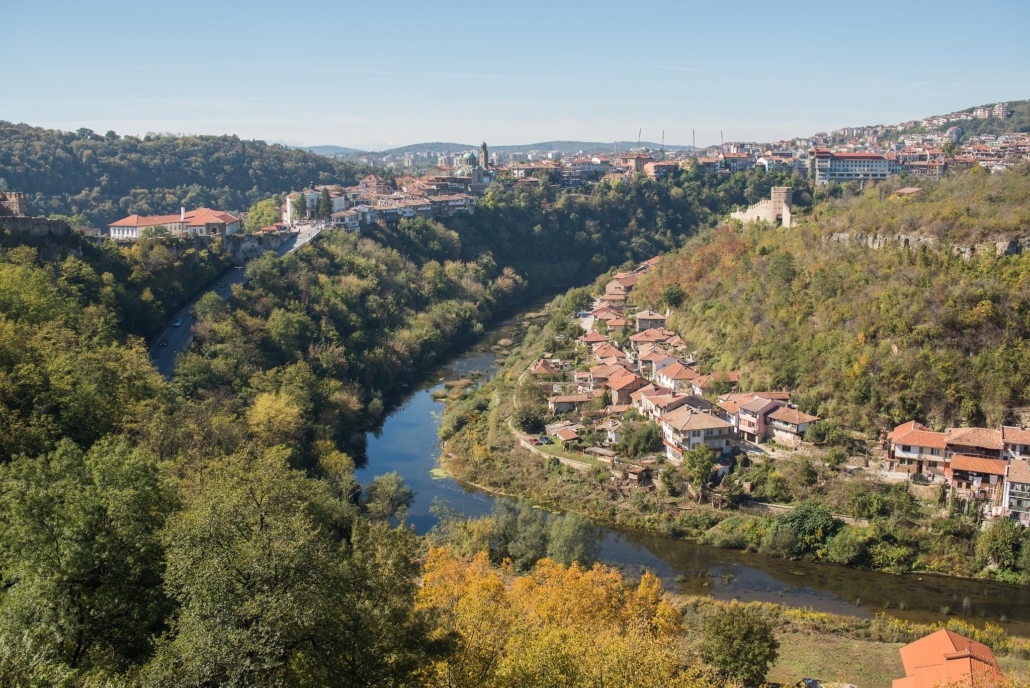
10 Facts About Sanitation in Bulgaria

Sanitation in Bulgaria
Situated on the west coast of the Black Sea, Bulgaria has continually struggled to secure basic services for its people. An improvement came when Bulgaria entered the European Union in 2007. Amid this positive step, however, it became clear that Bulgaria’s wastewater treatment and sanitation system was below E.U. standards. The latest situational analysis on equal access to water sanitation in Bulgaria shows that there are 10 significant areas for improvement. Bulgaria must address these issues in order to ensure pure water and high-quality sanitation to the entire country. Here are 10 facts about sanitation in Bulgaria.

10 Facts About Sanitation in Bulgaria

  1. The water and sanitation network in Bulgaria is decades old. Iskar is the largest reservoir in Bulgaria. Located near the country’s capital, Sofia, it collects about 675 million cubic meters of water. Built in 1954, it is one of the oldest reservoirs. Bulgaria built most of its water network between the 50s and the late 80s. In 1990, however, the political regime changed from communism to democracy and the new government abandoned all infrastructure projects. As a result, one-third of Bulgarians suddenly lacked a reliable water supply and sewage network.
  2. Bulgaria does not recycle its wastewater. Even though two-thirds of the Bulgarian population has access to a wastewater network, only 57 percent possess access to a wastewater treatment plant. This means that large amounts of household water do not receive treatment and households reuse it. In other words, Bulgaria does not engage in the recycling of wastewater. This is not the case in other European countries such as Germany, Belgium and Spain, where recycled water goes towards agriculture, groundwater recharge and ecological enhancement.
  3. Bulgaria’s water supply pipes contain asbestos-cement. The World Bank reports that Bulgaria’s existing water network is extremely outdated. On average, water supply pipes in Bulgaria are 36 years old and most comprise of asbestos-cement. The majority of developed countries have discontinued the use of asbestos in building materials, due to its cancer-causing properties. Several developing countries, however, continue to use asbestos-containing materials. Moreover, Bulgaria’s non-revenue water rate—water that is produced and then lost or unaccounted for before it reaches the desired target— is close to 60 percent, resulting in an even more unstable water supply network.
  4. People suffer from water rationing. As a result of outdated water networks, lack of strategic wastewater collection and expenditure in treatment systems, a significant number of people suffer from seasonal water rationing and lack of sanitation. The people in the North-East regions of Bulgaria suffer the most. They experience frequent water rationing throughout the year and high prices of water supply and sanitation. Additionally, 37 percent of the population does not have access to wastewater treatment. Furthermore, 24 percent of the population lives in areas with no wastewater collection systems at all. These staggering statistics require significant funding to ensure that water quality and sanitation services comply with the requirements of the E.U. directives.
  5. Most Bulgarians in rural areas do not have access to sanitation. According to the National Statistical Institute, 25 percent of Bulgarians, the majority of whom live in rural areas, do not have access to sanitation. These areas spread to 81 percent of the country’s territory and 39 percent (as of 2014) of the population, meaning that most of these regions also lack adequate sewage disposal. The Special Accession Program for Agricultural and Rural Development (SAPARD), the Instrument for Structural Policies for Pre-Accession (ISPA) and the Operational program for rural development funded centralized sewerage systems in a number of rural areas. While considered a positive step, the funding ultimately only benefited villages with municipal centers.
  6. Roma communities suffer the most from the lack of proper sanitation. Bulgaria’s compliance with the E.U. standards proved a difficult task in 2007 and, unfortunately, this challenge still continues today. The overall lack of balance between living conditions in rural and urban areas, as well as a lack of public policies regarding living conditions, enhance the challenge. For example, Bulgaria does not possess a national policy for addressing illegal neighborhoods (ghettos). These mostly Roma-populated neighborhoods do not possess access to centralized sewerage systems, water treatment plants 0r wastewater tanks. The National Strategy of the Republic of Bulgaria on Roma Inclusion (2012-2020), a document that Bulgaria implemented from 2012 to 2020, seeks to improve the quality of life of vulnerable groups and promote their full inclusion in society. While the document grants Roma families access to public social housing, the measure falls short of solving the problem in its entirety. It ultimately leaves more than 400,000 people in Roma ghettos.
  7. Masterplans for water and sanitation services are corrupt. A situational analysis on equal access to water and sanitation in Bulgaria states that: “Financial mechanisms have been subject to significant trade in influence and corruption, so the investments have achieved very low efficiency.” Experts from the Earth Forever Foundation made a comparative analysis of the validity of the data used in the masterplans for sustainable water and sanitation services in three villages in Central Bulgaria. The analysis revealed that the regional plans provide inadequate wastewater removal. Furthermore, the regional plans utilize treatment measures that not only fail to comply with legislation but also stubbornly remain unaffordable for the general population.
  8. Bulgaria and the World Bank are collaborating to solve water supply and sanitation problems. To tackle these problem areas, the government voted on a new ambitious plan regarding the water supply and sanitation issues. In 2016, the Bulgarian government and the World Bank worked together on the Country Partnership Framework for Bulgaria. The document focuses on the quality, efficiency and effectiveness of essential public service delivery, including improved water supply and sanitation.
  9. Approximately 99 percent of Bulgarians have access to a clean water supply. Thanks to the collaborative efforts, Bulgaria now shows significant improvements. According to the latest report from the Ministry of Regional Development, centralized water supply now spans 99 percent of Bulgaria. At present, a centralized water supply covers 5,000 towns and villages. Currently, only two areas do not receive full coverage from the central water supply. In response to those two areas, the government has created a strategy to cover the needs of the outstanding 1 percent. A new law, part of the next strategic plan (2024-2033), seeks to further improve the country’s sanitation network.
  10. Bulgarian schools teach clean water supply and sanitation. To educate the new generations, Regulation No. 13 of 21.09.2016 on Civil, Health, Environmental and Intercultural Education included new topics in Bulgarian public school curriculum. Subjects added include healthy lifestyles, water usage and conservation, waste/water waste management and composting. Designed to help students recognize the importance of nature conservation, these subjects focus on water pollution reduction, clean water preservation and recycling.

Over the last 13 years, Bulgaria has exhibited slow, yet promising progress towards achieving the U.N. goals for universal access to water and sanitation. The country continues to strive to comply with the E.U. standards for clean water supplies and wastewater treatment. The new challenge for Bulgaria is to establish baseline measures for the fairness of access to water and sanitation through the Equitable Access Score-Card, a process of self-assessment. This self-assessment focuses on “universal and equitable access to safe and affordable drinking water for all” and “access to adequate and equitable sanitation and hygiene for all and end open defecation, paying special attention to the needs of women and girls and those in vulnerable situations” by 2030.

– Olga Uzunova
Photo: Flickr

April 28, 2020
https://borgenproject.org/wp-content/uploads/borgen-project-logo.svg 0 0 Jennifer Philipp https://borgenproject.org/wp-content/uploads/borgen-project-logo.svg Jennifer Philipp2020-04-28 11:31:212024-05-29 23:15:4910 Facts About Sanitation in Bulgaria
Global Poverty, Sanitation, Water Sanitation

6 Facts About Sanitation Conditions in Cyprus

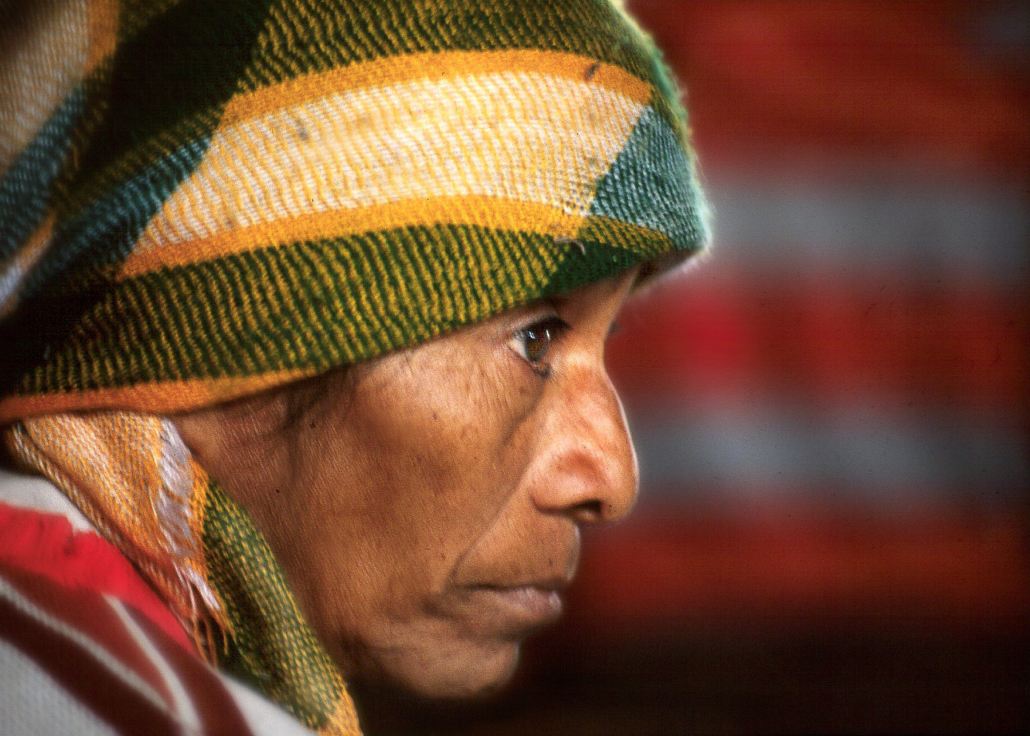
Sanitation conditions in CyprusCyprus is an island country in the Eastern Mediterranean with a rich history. Over the years, the island has sought to develop safe sanitation facilities that would greatly improve the way of life for much of its rural population. More and more measures are being taken to encourage higher hygiene levels by providing the right supplies such as proper sewer systems, latrines, septic tanks and composting toilets. Cyprus has also begun to address clean water measures throughout the country. These rapid developments have promoted economic growth and decreased high rates of poverty. Here are the top six facts about sanitation conditions in Cyprus.
6 Facts About Sanitation Conditions in Cyprus

  1. Due to the depletion of groundwater resources, the Ministry of Agriculture, National Resources and the Environment had to resort to non-conventional water resources such as desalination, using low-quality water and reusing wastewater. They have used these techniques since 1997. In fact, a desalination plant near Larnaca Airport produces about 33 million cubic meters of water per year, helping to improve sanitation conditions in Cyprus.
  2. The government implemented a harmonization program in 2012 to develop strategies that would improve water and environmental outcomes, which would improve sanitation conditions in Cyprus. It installed central sewage systems in four areas across Cyprus, including Nicosia, Larnaca, Limassol and Paphos.
  3. The irrigated agricultural sector makes up about 70 percent of the entire water use in Cyprus. The domestic sector, tourism and amenities make up the rest of it. Each year, Cyprus’ water demand equals to 265,9 million cubic meters. It is projected to rise to 313,7 meters in 2020 due to an increase in tourism and the use of domestic water sources.
  4. Currently, there is a domestic water supply project in progress to improve water and sanitation conditions in Cyprus. It will focus on the city of Nicosia and the surrounding areas in the western province of the city. The Vasilikos to Western Nicosia Conveyer Water Supply Project is financially backed by the European Investment Bank and the Kokkinokremmos Water Supply Project. It will construct necessary infrastructure including pumping stations, a pipeline and water storage facilities. The project cost around $66 million. The government of Cyprus was able to obtain a loan for almost $44 million.
  5. Due to the water shortage, many farmers face high costs today. Most of their income loss comes from competition within the agricultural sector. Insufficient surface water resources, deeper groundwater pumping and droughts can impact water availability, which then compromises water demand.
  6. According to a graph by the World Bank, the number of people using basic sanitation services in Cyprus has remained consistent from 2000 to 2016. In 2000, reports showed 99.7 percent of people had basic sanitation. In 2016, it had only decreased to 99.5 percent.

Sanitation conditions in Cyprus are readily improving with new development that has strengthened water supplies throughout the country’s regions. Water shortages compromise the livelihoods of much of the population on the island, which severely impacts the rate of global poverty as a whole. These six facts about sanitation conditions in Cyprus are therefore important in understanding how poverty in Cyprus is continuously shifting.

– Brittany Adames
Photo: Flickr

April 16, 2020
https://borgenproject.org/wp-content/uploads/borgen-project-logo.svg 0 0 Lynsey Alexander https://borgenproject.org/wp-content/uploads/borgen-project-logo.svg Lynsey Alexander2020-04-16 01:30:022024-05-29 23:15:366 Facts About Sanitation Conditions in Cyprus
Global Poverty, Sanitation, Water, Water Sanitation

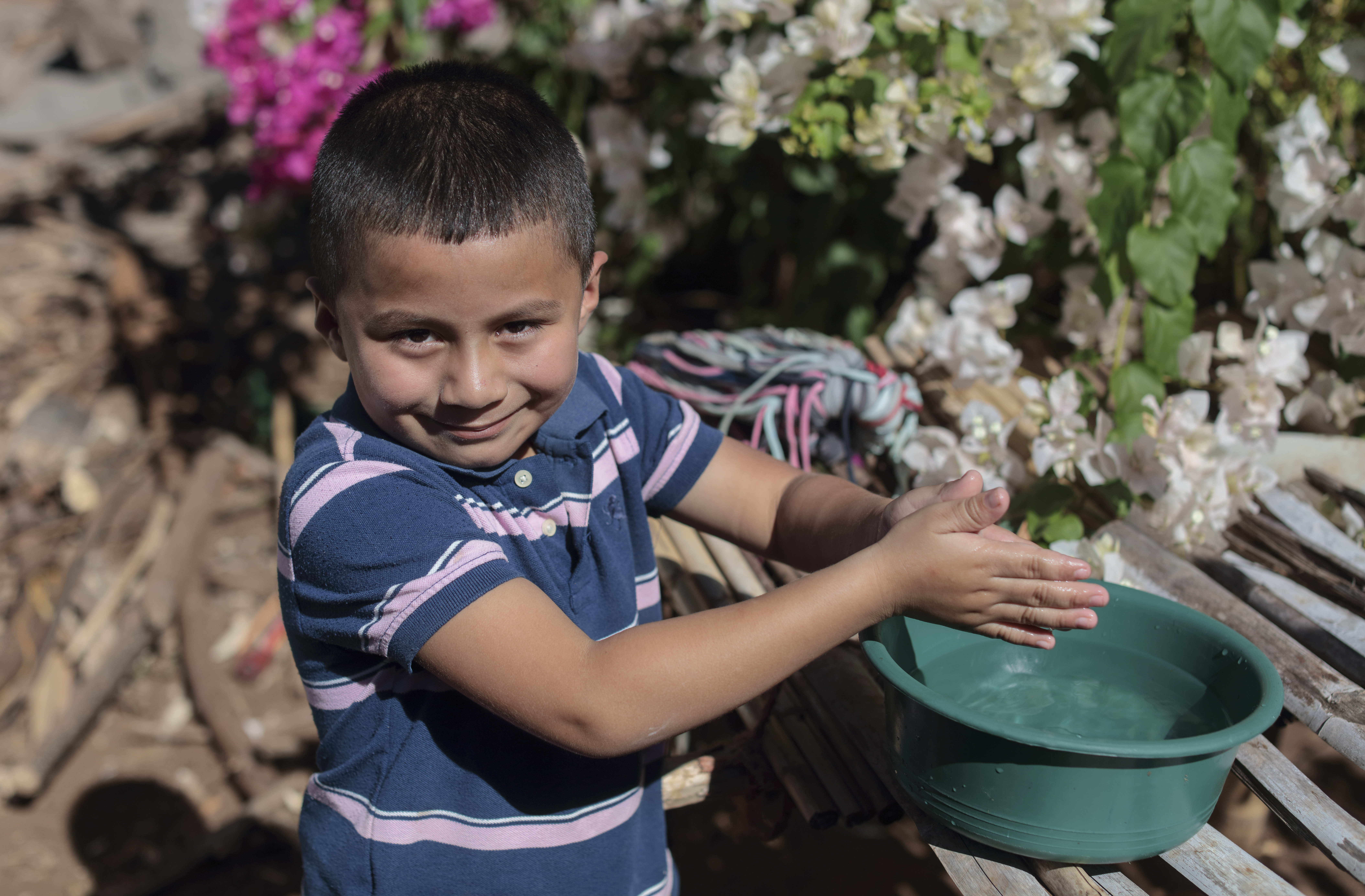
10 Facts About Sanitation in El Salvador

10 Facts About Sanitation in El Salvador
Both water and sanitation are crucial to survival and a decent life. The water crisis has affected many countries and millions of people, but El Salvador, home to 6.1 million people, is dangerously close to running out of water. El Salvador’s abundant water resources are also grossly polluted, with only 10 percent of surface water safe to drink. Here are 10 facts about sanitation in El Salvador.

10 Facts About Sanitation in El Salvador

  1. Environmental degradation is a constant threat to the quality of water. El Salvador is prone to natural disasters like hurricanes and droughts, simply because of its geological location. But deforestation and animal migration also impact water sources, leaving the poorest inhabitants with contaminated water.
  2. The Cérron Grande is El Salvador’s largest body of freshwater and is one of the most contaminated in all of Central America. An investigation conducted by the Salvadoran Association of Human Aid Pro-Vida showed high levels of heavy metals, banned insecticides, cyanide and toxic algae. In addition, more than 8.5 million pounds of feces are deposited into the Cérron. This medley of contagions causes algal blooms and eutrophication. The National Service of Territorial Studies reports that only 20 percent of national rivers are safe to drink from.
  3. Residents fiercely oppose the privatization of water. In recent years, the government has attempted to implement a water tax, further limiting access to water. Academic and religious institutions, environmental organizations and community forums push legislatures to protect their water sources. The leftist political party Farabundo Martí National Liberation Front also fights for the protection of water rights and equitable distribution.
  4. Historically, water management is controlled by big businesses. Examples are industrial plantations, luxury housing developments and bottling companies. In fact, a subsidiary of ABInBev called La Constancia fills thousands of Coca Cola cartons a day.  Situated on top of a major aquifer in Nejapa, over a decade of industrial waste has severely polluted the San Antonio water source. 30,000 residents rely on San Antonio for drinking, hygiene and cooking.
  5. Mining heavy metals had a drastic consequence. In 2010, it was estimated 12 million ounces of gold and 78 million ounces of silver were available to mine. According to the International Ecological Engineering Society, 950 tons of cyanide and roughly 22 million liters of water are required daily for extraction. Protesters say “No to mining, yes to life,”  demanding a ban on mining due to the contaminate risks to the waterbeds and the industrial use of such large quantities of water. In 2017, El Salvador banned mining, but the pollution left behind permanently tainted the quality of water.
  6. Experts predict El Salvador will be uninhabitable in 80 years. The water crisis continues to worsen for low-income and extremely poor households. The downward environmental trajectory in tandem with growing economic instability leads to young Salvadorans joining gangs to gain access to water. There are an estimated 60,000 gang members in El Salvador and water sources are often located between combating territories. Access to water is extremely controlled and many women and children risk their lives to collect it.
  7. Regulating water through legislation is the first defense against distribution inequality. The General Water Law, first introduced in 2006, defines, and therefore protects, access to water as a human right. It also promotes universal access to water sources. Most importantly, it implements community consultation in national decision-making regarding water and sanitation.
  8. Millennium Challenge Corp. committed to a 5-year investment compact with El Salvador in the amount of USD $449.6 million. The Water and Sanitation Sub-Activity was created to target the poorest parts of the Northern Zone and increase access to regulated water and sanitation systems. The Sub-Activity also provided technical assistance for maintenance and system sustainability which consequently lead to employment opportunities. Through the MCC, Compact Water and Sanitation Sub-Activity installed new or upgraded pre-existing pipelines in more than 7,500 homes.
  9. Ride4Water dedicates bike riding to raising money for clean water. Founder of Ride4Water Ryan Delameter uses the proceeds gained from long-distance riding to improve the access and quality of water. Ride4Water has installed Hollow Fiber Membrane Filtration Systems across three regions and 60 homes. The filtration system traps any harmful bacteria and microorganisms contaminating the water.
  10. Companion Community Development Alternatives, a non-profit organization dedicated to making potable water distribution a reality, uses solar power to bring clean water to villages. The solar retrofit was completed in 2019 and has reduced bills, operation and maintenance of water systems by $250-300 per month, lowering the overall expenses for families. By utilizing the sun, water is pumped 300 meters (~984 feet) from a spring and stored in a water tower. Chlorinated water is then distributed directly into homes. These solar-powered water systems belong to the people and can never be privatized.

Sanitation and water accessibility are often connected issues. In El Salvador, water is disappearing, compromising sanitation and health. These 10 facts about sanitation in El Salvador bring awareness to this very serious issue. With continued efforts by non-profits and other humanitarian organizations, however, water access and sanitation in El Salvador will hopefully improve.

– Marissa Taylor
Photo: Flickr

April 8, 2020
https://borgenproject.org/wp-content/uploads/borgen-project-logo.svg 0 0 Lynsey Alexander https://borgenproject.org/wp-content/uploads/borgen-project-logo.svg Lynsey Alexander2020-04-08 13:00:342024-06-11 23:17:1710 Facts About Sanitation in El Salvador
Sanitation, Water, Water Sanitation

10 Facts About Sanitation in Honduras

10 Facts About Sanitation in Honduras
After decades of military rule, Honduras established a freely-elected civilian government in 1982. Honduras remains the second-poorest country in South America, however. Much of the country’s economy still depends on U.S. trade and remittance. The CIA estimates that about 15 percent of investing in Honduras is direct foreign investments from U.S. firms. Honduras’s GDP is on a constant rise, but it also reflects the unequal distribution of wealth. This unequal distribution of wealth contributes to the state of sanitation in Honduras. Here are 10 facts about sanitation in Honduras.

10 Facts About Sanitation in Honduras

  1. A total of 91.2 percent of Honduras’ population has access to an improved drinking water source. However, access to an improved water source is more limited in rural areas where most of the country’s impoverished populace lives. An estimated 63 percent of the rural population lives in poverty.
  2. People in rural communities rely on unprotected sources. The rural populace, which does not have access to improved water facilities and infrastructures, is forced to rely on small springs and wells that are not protected. This reliance on natural water sources means that access to water for the rural populace can be difficult during the dry season.
  3. Decentralizing water and sanitation services helped sanitation in Honduras. In 2003, Honduras passed the Drinking Water and Sanitation Sector Framework Law, which decentralized the water and sanitation services. The World Bank reported that this decentralization improved water services for approximately 108,000 families and sanitation services for 3,786 families. 
  4. The World Bank is contributing to decentralizing water and sanitation in Honduras. Through this project, the World Bank is helping to establish autonomous municipal water and sanitation service providers, thereby increasing sanitation coverage in Honduras.
  5. In 2015, 80 percent of the population had access to basic sanitation services. Similar to access to improved water sources, access to improved sanitation facilities is higher in urban areas than in rural areas. Those who do not have access to basic sanitation services are more likely to contract diseases such as diarrhea, cholera and typhoid.
  6. New technologies help produce clean water for Honduras. Working with the Pentair Foundation, the Water Missions International (WMI) was able to provide water filtration machines in the Honduran district of Colon. The machine uses filtration and chemical disinfection to produce 1,000 gallons of water for less than 75 cents. WMI also established microenterprises in Colon, where local communities obtain ownership over their community’s filtration machine.
  7. Agua de Honduras program aims to provide local communities with data about their water source. Agua de Honduras provides communities, especially in the dry western regions of Honduras, with data on hydrology, soil properties, water demands and future climate scenarios to local communities. The USAID supports this program from 2016 to 2018 with an investment of $800,000.
  8. Mining in Honduras poses a danger to the quality and quantity of water in Honduras. Mining is a lucrative industry in Honduras. In 2016, mining contributed one percent to the country’s GDP and made up five percent of the country’s exports. However, there are reports of local mines in Honduras contaminating the local water source with heavy metals. Furthermore, the water demand from mining operations can lead to water scarcity for the local community.
  9. Environmental activists and communities in Honduras are in danger of violence and death threats. Honduras is one of the most dangerous countries for environmental activism. In 2017, for example, people of the Pajuiles community fought against the construction of a dam that polluted their community’s water source. When the community set up road-blocks to prevent heavy machinery from getting to the construction sights, armed police force and swat teams forcefully removed them from the roadblocks. A protester in the same group was later murdered by a police officer.
  10. Climate change threatens Honduras’s access to water. Inside Climate News’s 2019 interview with the small rural community of El Rosario included a discussion of the effects of climate change for the people of Honduras. Residents of El Rosario reported that the prolonged dry season is hurting their crops and their livelihood. Some experts suggest that this lack of water could lead to further destabilization of Honduras’s political, economic and social climate. As many people will be forced to migrate from the effects of climate change, experts also suggest that there could be nearly 4 million climate migrants by 2050.

These 10 facts about sanitation in Honduras highlight the progress that has been made, as well as the continuing struggles. Moving forward, it is essential that the government and other humanitarian organizations continue to make sanitation in Honduras a priority.

– YongJin Yi
Photo: Flickr

April 7, 2020
https://borgenproject.org/wp-content/uploads/borgen-project-logo.svg 0 0 Lynsey Alexander https://borgenproject.org/wp-content/uploads/borgen-project-logo.svg Lynsey Alexander2020-04-07 10:00:472024-05-29 23:15:2910 Facts About Sanitation in Honduras
Global Poverty, Sanitation, Water Sanitation

10 Facts About Sanitation in Croatia

Facts About Sanitation in Croatia
The Republic of Croatia is a country in Southeast Europe. After declaring independence from Yugoslavia, Croatia went through a period of bitter conflict. Under U.N. supervision, Croatia entered NATO in April 2009 and the E.U. in July 2013. Situated next to the Adriatic Sea, Croatia is one of the most popular tourist destinations in Europe. Croatia has abundant but unevenly distributed sources of water. Here are 10 facts about sanitation in Croatia.

10 Facts About Sanitation in Croatia

  1. Currently, 99.6 percent of people in Croatia have access to improved drinking water. The majority of the Croatians have access to public water infrastructure. The Croatian Ministry of Health monitors the country’s water infrastructure.
  2. Some Croatian islands can procure their own water supply. Croatia has over 1,000 islands as part of its territory. Croatian islanders sometimes procure their own water by building private wells, harvesting rainwater and water slimming. Some islands also have their own water infrastructure such as desalination plants or water pumping stations near a water source.
  3. The World Bank aided in improving sanitation in Croatia. In 2018, the World Bank stated that the six-year-long project, which the World Bank funded, improved sanitation in Croatia. After the conclusion of its $87.5 million project, the World Bank stated that the country eradicated the practice of discharging untreated sewage into the ocean.
  4. Coastal water contamination is an issue that needs attention. People know Croatia for its beautiful beaches. This contributes to Croatia’s booming tourism industry, which constituted about 20 percent of the country’s GDP in 2016. This makes it especially important for Croatia to maintain the swimming water quality of its coasts. Recognizing this importance the Croatian government requested project support from the World Bank. The project, which lasted from 2009 to 2015, strengthened water supply and sanitation services across 23 municipalities. The World Bank reports that this project benefited over 230,000 people.
  5. The European Union’s Cohesion Fund is further supporting the modernization of sanitation in Croatia. On March 1, 2020, the E.U. approved the investment of more than 128 million Euros (143,143,808 USD) from the Cohesion Fund to improve sanitation in Croatia. The supported project aims to give access to high-quality drinking water and wastewater treatment to more than 29,000 people.
  6. There are concerns over possible pharmaceutical pollution in the Sava River. Located 15 kilometers upstream from Zagreb, the capital city of Croatia, there are concerns over possible contamination of the city’s water source. Nikolina Udikovic Kolic, a microbiologist who raised this concern, reported that bacteria in the Sava River are possibly developing antimicrobial resistance. This is problematic since this means that there is a chance that a superbug could develop from this river which can resist anti-bacterial chemicals. Kolic suggested that a factory that Pliva owns, which is Croatia’s biggest drugmaker, might be responsible for polluting the waterways.
  7. Around 97 percent of people in Croatia have access to improved sanitation facilities. The percentage of people without basic sanitary facilities decreased since 2012. Compared to 2012, when 1.9 percent of the population lacked access to basic sanitary facilities, the conditions improved to only 1.1 percent of the population in 2018.
  8. While access to flush toilets in rural areas is nearly universal, people have limited access to sewerage services. A 2018 study found that 94 percent of rural areas had access to flush toilets. Nearly 93 percent of flush toilet users had on-site fecal sludge containment facilities. However, among the interviewed households, only 12 percent of them had access to sewerage services.
  9. People in the poorest wealth quintile are the ones who lack access to piped water access and flush toilets. The same 2018 study stated that 25 percent of the rural Croatian population relies on self-supplied water and sanitation facilities. The main reason these houses were not connected to the public system was that these houses’ were physically not able to connect to the network.
  10. Climate change poses multiple threats to sanitation in Croatia. A 2012 study that the E.U. and other organizations conducted studied the impact that climate change could bring to Croatia. Experts suggest that the potential decrease in precipitation can diminish groundwater levels, which will affect the supply of drinking water in Croatia.

These facts about sanitation in Croatia show that it maintains adequate service quality and access to service. The wide availability of sanitation facilities and water facilities is making life better for many Croatians. However, for the residents of rural communities in Croatia, the need for improvement is apparent. The Croatian government and many other international organizations are addressing this need. Organizations such as the World Bank are working with the Croatian government to improve sanitation in Croatia. With all the dangers that climate change poses, the need for sustainable development is also paramount. With all this assistance, better sanitary conditions are coming for the people of Croatia.

– YongJin Yi
Photo: Flickr

April 1, 2020
https://borgenproject.org/wp-content/uploads/borgen-project-logo.svg 0 0 Lynsey Alexander https://borgenproject.org/wp-content/uploads/borgen-project-logo.svg Lynsey Alexander2020-04-01 01:30:092024-05-29 23:15:3610 Facts About Sanitation in Croatia
Sanitation, Water, Water Sanitation

10 Facts About Sanitation in Kuwait

Sanitation in Kuwait
Kuwait, or the State of Kuwait, is a country between Iraq and Saudi Arabia. After obtaining its independence from Britain in 1961, Kuwait was invaded by Iraq in Aug. 1990. In Feb. 1991, a U.S.-led U.N. coalition liberated Kuwait in four days. After their liberation from Iraq, Kuwait’s many tribal groups staged protests demanding their political rights. The oppositionists, mainly composed of Sunni Islamists, tribal populists and liberals, won nearly half of the seats in the national assembly in the 2016 election. Here are 10 facts about sanitation in Kuwait.

10 Facts About Sanitation in Kuwait

  1. There are no permanent rivers or lakes in Kuwait. While there aren’t any permanent water sources in Kuwait, there are Wadis, also known as desert basins. These basins fill with water during winter rains, which occur from Dec. to March. However the low amount of rainfall, which is about 121mm per year, and the high evaporation rate of water in Kuwait’s climate make rainfall an unreliable source of water.
  2. In 2015, Kuwait was on the World Resources Institute’s (WRI) list of countries with the highest water risk by 2040. Countries such as Bahrain, Palestine, Qatar, UAE, Israel, Saudi Arabia, Oman and Lebanon were on the same list. The WRI pointed to the Middle-East’s already limited water supply and climate change as criteria for their country rankings.
  3. In Kuwait, 99 percent of people have access to improved drinking water. Kuwait also has a well-developed water infrastructure. However, the country’s rapidly growing population since 2000 is putting a toll on Kuwait’s water supply. Even as early as 1946, Kuwait was importing 80,000 gallons of fresh water per day.
  4. Kuwait’s over-reliance on groundwater led to its reliance on desalinization for drinking water. Even during the early 20th century, the shallow wells that collected rainwater were drying out. According to the 2019 U.N. report, these desalination plants produce around 93 percent of Kuwait’s drinking water.
  5. Desalination is expensive. While some might think that desalination plants are the answer to Kuwait’s water supply problem, the cost of operating desalination plants can’t be ignored. Per cubic meter, desalinated water can cost up to $1.04. Adding on to this the price of energy, which accounts for three-fourths of the cost, and transportation, it is easy to see how expensive desalination is.
  6. In 2017 and 2018, the WHO recognized the excellent water quality in Kuwait. This recognition is a testament to the Kuwait government’s commitment to water quality in its country. However, the Director of Water Resources Development Center emphasized the importance of landlords, who are responsible for the quality of water for their buildings, in keeping water storage tanks free of bacterial infection.
  7. The Water Resources Development Center (WRDC) uses real-time GIS (Geographic Information System) to monitor water quality and sanitation in Kuwait. While desalination plants produce clean water, multiple factors such as damaged water pipes or an aging water infrastructure can lead to water contamination. The GIS allows WRDC to collect and process water data from numerous sensors throughout Kuwait in real-time.
  8. The CIA estimated in 2015 that 100 percent of the Kuwait population has access to improved sanitation facilities. This reflects the Kuwait government’s commitment to public health and sanitation. In 2013, for example, Kuwait invested $5.28 billion in its water sector. Water treatment plants received the highest investment of $3.4 billion.
  9. Kuwait is expanding its sewage treatment facilities. In 2018, a German-Kuwait consortium closed a $1.6 billion contract to expand Kuwait’s Umm Al Hayman (UAH) sewage treatment plant. When the facility’s expansion finishes, experts estimate that the new plant will process 700,000 cubic meters of sewage per day, compared to the original capacity of 500,000 cubic meters.
  10. Kuwait is working on more efficient usage of water. In 2011, the Kuwait Institute for Scientific Research (KISR) stated that Kuwait had the highest water consumption in the world. UNDP’s 2019 report indicates that efficient usage of water in Kuwait rose from zero percent in 2012 to 15.1 percent in 2016. MOEW (Ministry of Electricity and Water) achieved this by conducting community awareness-raising activities or building water tanks and wells to ensure long-term water conservation.

These 10 facts about sanitation in Kuwait highlight the success the nation has had in maintaining and providing sanitary water. However, Kuwait must now turn its attention toward securing stable sources of water. With the ever-looming threat of climate change, the UNDP recommends that Kuwait focus on sustainable development.

– YongJin Yi
Photo: Flickr

March 31, 2020
https://borgenproject.org/wp-content/uploads/borgen-project-logo.svg 0 0 Lynsey Alexander https://borgenproject.org/wp-content/uploads/borgen-project-logo.svg Lynsey Alexander2020-03-31 09:30:122024-05-29 22:27:1010 Facts About Sanitation in Kuwait
Global Poverty, Water, Water Sanitation

How WATSAN in Rural India is Providing Clean Water

WATSAN in rural India
India utilizes underground water more than any other country in the world. In fact, nearly 25 percent of all water that the globe extracts is in India. Within this, 90 percent of those residing in rural areas use this groundwater as the sole source of replenishment. Problems such as open defecation and the high cost of filtered water lead to a lack of sanitation and access to clean drinking water in rural India. One company, WATSAN in rural India, is targeting this through the creation of a clay-based water purification system.

What is WATSAN?

Chandrasekaran Jayaraman founded WATSAN in India in 2009. A portmanteau of the words ‘water’ and ‘sanitation,’ WATSAN is working to provide clean water and sanitation systems through low, cost-effective methods to locations in rural and urban India. Its water purification devices have successfully fulfilled the U.N. Sustainable Development Goal 6 and has further progressed the mission to provide potable water to all.

The Filtration System 

WATSAN’s water filtration system, the ‘CPO Natural Terafil Water Filter,’ works in a simple yet complex way.  WATSAN’s filters do not use chemicals to purify the water; instead, they rely on natural materials to do the job. Built from nano-clay particles, the Terafil candle contains pores that are smaller than harmful bacteria and microbes. When polluted water pours through the candle, the harmful bacteria and iron particles remain on top while the clean water continues passing through the filter.

WATSAN in rural India has installed unique water filters for those that fall below the poverty line. This ensures that everyone has access to their filter without any complicated assembly. WATSAN’s design also allows for easy storage, ensuring that their filters take up a minimal amount of space.

The Impact

Due to the continued consumption of polluted water, a multitude of waterborne illnesses infects many people living in rural India. WATSAN has crafted a specific formula to alleviate these issues. With its filtration system, WATSAN in rural India has been able to deliver clean drinking water to over 16,000 homes in just a single year. This has effectively eliminated the number of people who waterborne illnesses affect.

Specifically, 25 million people across India have been living with no option but to consume fluoride-saturated water over the accepted parts per million, leaving many susceptible to several illnesses. The Terafil Water Filter filters minerals such as fluoride out and ensures that the water people consume contains the necessary parts per million and prevents diseases such as skeletal fluorosis and severe diarrhea. This exemplifies how simple solutions can dissolve large-scale issues.

WATSAN alone has provided products to over 2.15 million households in over 18 states in rural India. Going forward, WATSAN has committed itself to providing over 100 million rural families with its products over the next three years. Overall, WATSAN is just one of many innovative companies giving back to communities in rural India through its commitment to sanitation and potable water. Although access to clean resources in India is a persistent problem, effective work is combatting this. The Terafil Water Filter is a perfect example of a simple solution with the ability to create change.

– Laurel Sonneby 

Photo: Pixabay

March 28, 2020
https://borgenproject.org/wp-content/uploads/borgen-project-logo.svg 0 0 Lynsey Alexander https://borgenproject.org/wp-content/uploads/borgen-project-logo.svg Lynsey Alexander2020-03-28 18:33:552024-05-29 23:15:39How WATSAN in Rural India is Providing Clean Water
Global Poverty, Sanitation, Water Sanitation

10 Facts About Sanitation in Pakistan 

Sanitation in Pakistan
Pakistan had a population of 210 million people as of 2017 and is the world’s fifth-most populous country. Further, it is surprising that Pakistan’s GDP has grown 3.3 percent in a single year considering that 24 percent of its population lives below the national poverty line. Poverty has contributed to citizens’ ongoing struggle with inadequate sanitation. Here are 10 facts about sanitation in Pakistan.

10 Facts About Sanitation in Pakistan

  1. Pakistan is among the top 10 countries in the world that lack access to clean water. The nonprofit organization WaterAid conducted a study revealing that 21 million people out of the country’s total population lack access to clean water. Out of Pakistan’s total population, 79.2 percent of the rural poor have access to clean water. On the other hand, 98 percent of Pakistan’s rich have access to clean water. 
  2. Seventy-nine million people in Pakistan do not have access to a proper toilet. According to WaterAid.org, every two out of five people, or the majority of people living in poor rural areas, do not have access to a toilet. The lack of adequate facilities can create additional problems for citizens, such as bacterial infection or diarrhea. In fact, 16,800 children under the age of 5 die from diarrhea each year. WaterAid is currently working to combat the sanitation issue in Pakistan by working with government and local officials to provide proper toilet facilities throughout disadvantaged communities.
  3. Pakistan’s women and young girls often stay at home rather than partaking in normal activities, due to a lack of menstruation supplies and proper facilities. According to the United Nations International Children’s Emergency Fund (UNICEF), 75 percent of women stay at home during menstruation. Due to a lack of resources and cleaning facilities, many girls have no choice but to use unsanitary methods for managing menstruation, such as homemade sanitary pads. Further, these methods are prone to cause vaginal infections as a result of reuse. 
  4. Improper sanitation and food storage are some of the major sanitation issues in Pakistan. The National Center for Biotechnology Information (NCBI) reveals the prevalence of illness from improper food care. Contamination of food due to washing it in unsanitary water sources can cause bacteria like E. Coli, salmonella and other pathogens to enter the human body, causing severe illness.
  5. Waterborne diseases are prevalent as a result of untreated drinking water. According to the Pakistan Council of Research in Water Resources (PCRWR), 62 percent of the urban population and 84 percent of the rural population of Pakistan do not treat their drinking water to prevent waterborne diseases. The United Nations Educational, Scientific and Cultural Organization (UNESCO) estimates that 40 percent of all diseases in Pakistan are due to unsanitary drinking water.
  6. Stunted growth due to unsanitary conditions affects 38 percent of children in Pakistan. The United Nations International Children’s Emergency Fund (UNICEF) found that unsanitary conditions like drinking and bathing in unsanitary water stunt growth. In the state of Sindh, stunted growth affects 50 percent of children, which can also cause cognitive development stunting. The consequences of stunting are irreversible, causing lifelong implications for the child into adulthood. Working with these communities, the United States Agency for International Development (USAID) has begun a stunting reduction program to work with families to provide children with clean water and facilities to fight against poor sanitation in Pakistan.
  7. The misuse of pesticides in Pakistan’s agricultural fields results in an annual death rate of 10,000 people per year from agrochemical poisoning. Around 500,000 people fall ill annually as a result, although most are fortunate to recover. When people do not properly use pesticides, they can persist through rain and flooding, eventually entering water sources. People drink these water sources, in turn causing illness. Training is crucial for agricultural workers to properly prevent water contamination.
  8. The population growth rate has been climbing since the late 1900s. According to the United Nations, the total population of the country will reach 220 million people by mid-2020. A researcher with the Sustainable Development Policy Institute (SDPI) stresses that millions of people still live without access to clean drinking water, which includes large metropolitan cities where drinking water is scarce. The Sustainable Development Policy Institute (SDPI) recommendation for government intervention to bring clean water to overpopulated areas should help improve sanitation in Pakistan.
  9. The lack of proper toilet facilities is a part of 41 million people’s lives in Pakistan. According to The United Nations International Emergency Children’s Fund (UNICEF), the lack of toilets leaves people with no choice but to practice open defecation, which can lead to the spread of diseases among communities. Pakistan is the third-largest country where people practice open defecation. UNICEF is working with the government to help build toilet facilities for communities that need them to ultimately improve sanitation in Pakistan. These facilities are especially important for girls to protect them against assault, which happens often during open defecation.
  10. Only two cities in Pakistan — Islamabad and Karachi — have biological waste facilities. These facilities clean only about 8 percent of wastewater due to limited functioning, even with the already limited number of facilities to filter wastewater. Industrial waste also pollutes water in Pakistan. Out of 6,000 of the country’s registered businesses, 1,228 have “highly polluted” water sources. Government officials are working towards improving water treatment centers. Pakistan established the National Water Policy (NWP) to ensure that the country applies 10 percent of national funding to the development and repair of water infrastructure.

Pakistan’s impoverished citizens experience sanitation issues the most. The solutions are fairly simple but Pakistan’s acceptance of outside support will be a substantial step. If one considers the progress that Pakistan is already making to change the lives of people facing sanitation challenges in Pakistan, it is clear that the country should be able to implement real change and help communities thrive for years to come.

– Amelia Sharma
Photo: Flickr

March 21, 2020
https://borgenproject.org/wp-content/uploads/borgen-project-logo.svg 0 0 Lynsey Alexander https://borgenproject.org/wp-content/uploads/borgen-project-logo.svg Lynsey Alexander2020-03-21 07:30:482024-06-05 02:12:2210 Facts About Sanitation in Pakistan 
Page 8 of 16«‹678910›»

Get Smarter

  • Global Poverty 101
  • Global Poverty… The Good News
  • Global Poverty & U.S. Jobs
  • Global Poverty and National Security
  • Innovative Solutions to Poverty
  • Global Poverty & Aid FAQ’s
Search Search

Take Action

  • Call Congress
  • Email Congress
  • Donate
  • 30 Ways to Help
  • Volunteer Ops
  • Internships
  • Courses & Certificates
  • The Podcast
Borgen Project

“The Borgen Project is an incredible nonprofit organization that is addressing poverty and hunger and working towards ending them.”

-The Huffington Post

Inside The Borgen Project

  • Contact
  • About
  • Financials
  • President
  • Board of Directors
  • Board of Advisors

International Links

  • UK Email Parliament
  • UK Donate
  • Canada Email Parliament

Get Smarter

  • Global Poverty 101
  • Global Poverty… The Good News
  • Global Poverty & U.S. Jobs
  • Global Poverty and National Security
  • Innovative Solutions to Poverty
  • Global Poverty & Aid FAQ’s

Ways to Help

  • Call Congress
  • Email Congress
  • Donate
  • 30 Ways to Help
  • Volunteer Ops
  • Internships
  • Courses & Certificates
  • The Podcast
Scroll to top Scroll to top Scroll to top