• Link to X
  • Link to Facebook
  • Link to Instagram
  • Link to TikTok
  • Link to Youtube
  • About
    • About Us
      • President
      • Board of Directors
      • Board of Advisors
      • Financials
      • Our Methodology
      • Success Tracker
      • Contact
  • Act Now
    • 30 Ways to Help
      • Email Congress
      • Call Congress
      • Volunteer
      • Courses & Certificates
      • Be a Donor
    • Internships
      • In-Office Internships
      • Remote Internships
    • Legislation
      • Politics 101
  • The Blog
  • The Podcast
  • Magazine
  • Donate
  • Click to open the search input field Click to open the search input field Search
  • Menu Menu

Archive for category: Technology

Information and stories about technology news.

Clean Water Access, Global Health, Global Poverty, Poverty Reduction, Technology

3 Ways Nanotechnology is Alleviating Poverty

Nanotechnology is Alleviating PovertyIn its most basic sense, the concepts behind nanotechnology were formulated by acclaimed physicist Richard Feynman in 1959. Over the past four decades, nanotechnology has made significant advancements and research is expanding as costs are falling. Because of these innovations, nanotechnology is alleviating poverty worldwide.

Using Nanosensors for Water Management in Agriculture

Whether mechanical or chemical, nanosensors use tools to detect minor changes in chemical composition and relay information to change the dynamics of whatever they are monitoring. Nanosensors use artificial intelligence and computing to make adjustments as soon as any predicaments arise. Because of their sensitivity and small scale, nanosensors can detect problems well before other outdated instruments.

In a study for sustainable agriculture, the Organisation for Economic Co-operation and Development (OECD) asserts nanotechnology is alleviating poverty issues such as food insecurity. The OECD study concluded that nanosensors effectively detect changes in moisture across fields of crops. They then automatically adjust the disbursement of water and eliminate water waste while preventing crop losses. Farm machines outfitted with nanosensors detect moisture levels in different crops and suggest better-suited areas for specific crops allowing farmers to change planting patterns or change water allocations to other land plots.

Nanofiltration Membranes Provide Clean Drinking Water

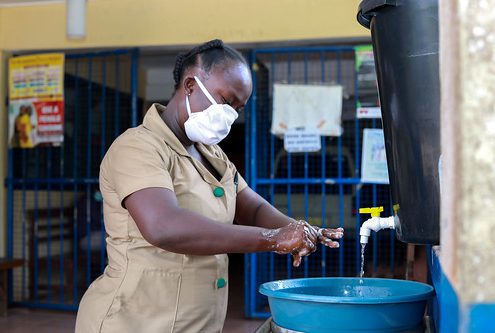
Access to clean water is a crisis that many developing countries face. Usually, the first issue dealt with when fighting poverty is economic development so regulations are not often in place to protect against pollution. In some countries, scarcity of clean groundwater becomes problematic too. However, nanotechnology is alleviating poverty in these areas by providing clean drinking water.

Ghana was the center of a study on the effectiveness of nanofiltration membranes conducted by the International Water Association (IWA) and members of the Indian Institute of Science. The IWA chose to test Ghana’s groundwater due to the high level of pollutants present. During the study, it tested the levels of contaminants, bacteria and natural materials that render water non-potable before and after utilizing nanofiltration membranes.

The results of the IWA study were impressive. Not only did the study determine that nanofiltration reduces pollutants to potable levels, but executed efficiently enough, rural areas could produce enough water for more than 100 households. Ultimately, the conclusion was that nanofiltration was a low-cost solution for drinking water access and production in impoverished rural regions worldwide.

Nanotechnology to Fight Infectious Disease

Most original concepts of nanotechnology’s usefulness focused on medical care. The World Health Organization (WHO) has long been fond of utilizing nanotechnology in health care and fighting infectious diseases. The WHO now recognizes that nanotechnology is alleviating poverty in developing nations through scientific medical breakthroughs.

The first need for nanotechnology to address in developing countries is the diagnosis of disease. Nanobiotechnology allows for an inexpensive option to find multiple dangerous microbes using a single test. These technologies have improved over time and are being used in developing nations to detect most viral and bacterial infections, including tuberculosis.

The COVID-19 vaccine development shows the importance of nanotechnology in the prevention of disease too. The Pfizer and Moderna vaccines use a nanocarrier system designed to activate the immune system to fight COVID-19 by assisting antibody production. The distribution of the vaccine to developing nations is now underway.

The Future of Nanotechnology for Poverty Reduction

Nanotechnology is alleviating poverty in developing nations, and with continued scientific inquiry and advancements in nanotechnology, new applications for poverty reduction will improve. Nanotechnology’s cost-effectiveness and versatility make it one of the most viable technologies to assist in the struggle against poverty.

– Zachary Kunze
Photo: Flickr

February 5, 2021
https://borgenproject.org/wp-content/uploads/borgen-project-logo.svg 0 0 Kim Thelwell https://borgenproject.org/wp-content/uploads/borgen-project-logo.svg Kim Thelwell2021-02-05 01:30:192024-05-30 07:56:043 Ways Nanotechnology is Alleviating Poverty
Developing Countries, Global Poverty, Technology

Mobile Technology in Kenya Helps Farmers

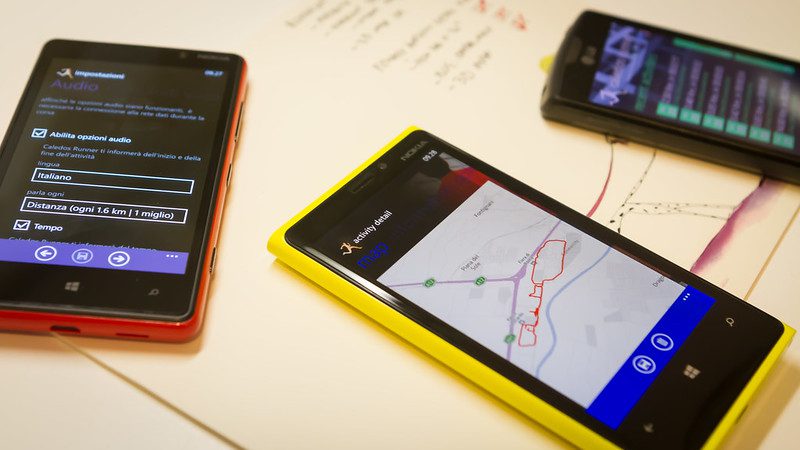
Mobile Technology in KenyaAround 75% of working Kenyans make their living through agriculture. Being the largest industry in the country, the ability of Kenyan farmers to produce crops is essential for both economic and food security reasons. Agriculture provides food and money to the many farmers and their communities. This vital sector is in danger, with unpredictable climate conditions and the emergence of pests that can decimate entire crops. Artificial intelligence (AI) and mobile smartphones are new resources being used to save the produce of these farmers and the livelihoods of millions of Kenyans. Mobile technology in Kenya has great potential to increase the production of the valuable agricultural sector, keeping millions above the poverty line.

Cellphone and Internet Acess in Kenya

The mobile phone industry has been steadily growing in Kenya. According to a survey of 577 farming households, 98% of respondents own a mobile phone. The increasing affordability of cellphones and internet access in the country has opened the door to bring new forms of aid to the farmers who produce more than a third of the country’s GDP.

Project FARM

Mobile apps that machine learning powers have emerged to help farmers all over the world make as much from their crops as they can. In Kenya, which has been experiencing unpredictable levels of rainfall each season, a mobile app is working to consolidate data to help determine the best course of action for the farmers during changing weather conditions. Project FARM (Financial and Agricultural Recommendation Models) is a program that can take into account weather, temperature, strains of crops and success rates from other farms in order to determine what actions will produce the largest yield. FARM sends notifications to farmers via text so that they can be readily alerted of any danger as heavy rain can occur suddenly and damage entire fields. Farmers can operate the program from their cellphones so they can easily access and implement the resources. After just one year using FARM, on average, a single farmer increased their yield from six 90kg bags of maize to nine bags.

AI Apps as an Educational Resource

Programs like this also work in conjunction with resources that seek to educate farmers about ways to sell their products as well as how to maximize efficiency and yield. These resources are free and greatly help those who could not afford to hire an agronomist to inspect their farm. This combination helps farmers produce more and know how to manage more products so that they can sell them in the most efficient way possible.

Apps for Crop Pest Control

AI also helps farmers by giving them valuable information about crop-decimating pests. Pests pose a grave threat to African farms and estimates have determined that Africa loses around 50% of all crops each year due to pests and diseases. The Fall Armyworm (FAW) is a type of caterpillar that has recently plagued East Africa and is capable of ruining huge amounts of produce. The Farmers Companion App is a program that AI powers which is capable of determining which crops are infested and the stage of the lifecycle of the pest. This will allow farmers to take the best possible steps to contain the spread. Another app, PlantVillage Nuru, is capable of diagnosing crop diseases without an internet connection.

Mobile Technology in Kenya Helps Agriculture

Mobile technology in Kenya is an important step to help farmers deal with the evolving problems of the 21st century. With agriculture being such an important industry in Kenya and with so much of the produce at risk each year, it is vital for the economy and wellbeing of the country that crops are protected and that yields are produced at an effective rate. These types of developments in AI and mobile technologies have the potential to significantly help the livelihoods of millions of farmers in Kenya and other countries too.

– Jackson Bramhall
Photo: Flickr

January 27, 2021
https://borgenproject.org/wp-content/uploads/borgen-project-logo.svg 0 0 Yuki https://borgenproject.org/wp-content/uploads/borgen-project-logo.svg Yuki2021-01-27 01:30:472021-01-29 08:16:20Mobile Technology in Kenya Helps Farmers
Global Poverty, Technology

New Farming Technology to End Agricultural Poverty

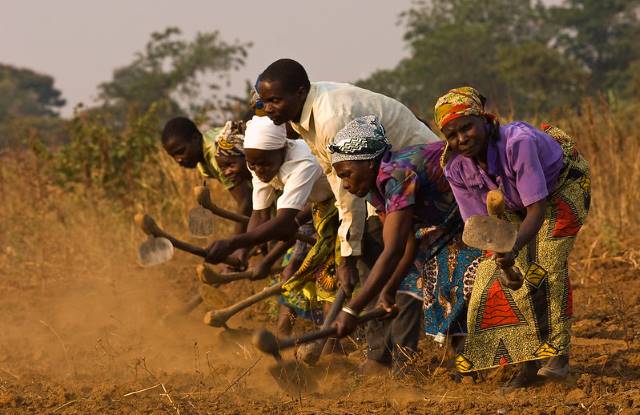
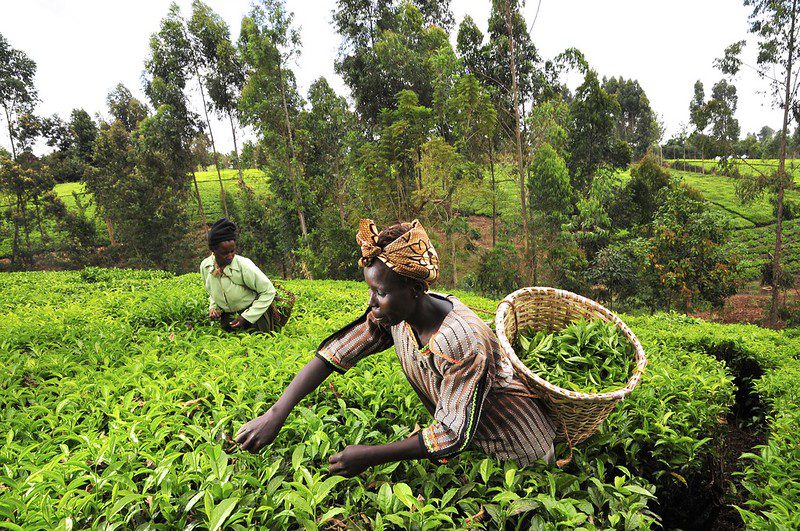
New Farming Technology to End Agricultural PovertyThe most common occupations in impoverished nations are in the agricultural sector. Inventors and mechanics around the world have developed new farming technology that will create sustainable agriculture, thereby saving the jobs of millions of subsistence farmers. This will bring an end to global poverty as impoverished communities will be able to increase their income and contribute to local and national economies.

Building Sustainable Agricultures

Agriculture involves cultivating soil to grow crops and rearing animals for the provision of food, wool and other products. These are some of the most vital commodities in terms of creating profits and the sustainability of mankind.

Many believe farming is a simple profession due to the alleged sustainability of agriculture. This is not the case because the farmlands face many challenges that make them unsustainable. Our food supply relies on the extraction of natural resources, and the methods behind this are what lead to soil erosion. These methods include the utilization of fertilizers and the tilling of the soil.

The implementation of fertilizer is meant to eradicate harmful weeds, insects and fungi that will inevitably grow and spread on all grounds and ruin all the farmers’ hard work. The fertilizer chemicals are known to be the cause of dead zones. These are collapsed aquatic ecosystems that are created when chemical runoff goes to the ocean and creates an excess of nutrients. The nutrients create algae that generate low oxygen and this harms aquatic life. The tilling of the soil puts more oxygen and nutrients that deplete organic matter. This creates a loose soil structure that increases soil erosion and when water washes away the soil the lands are unfit for agriculture.

This unsustainability is why farmers need new technology to move forward.

Drone Technology

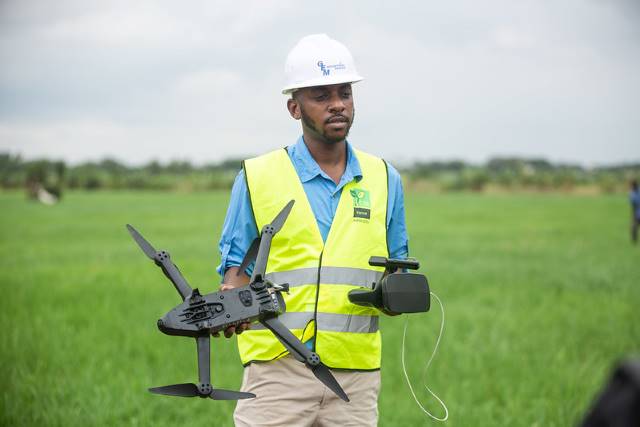
Drone technology is one of the solutions for farmers to enhance resource management when the demands of food production rise. These unmanned aerial vehicles use vigorous data analytics to receive successful cognizance in the crops by using GPS coordination. The drones scan large areas of farmland and the scanning determines the proper seeding instructions by taking into account the elevation, slope and improved crop models.

Data collected by the drones can determine the fertility of crops, permitting farmers to reduce wastage and plan irrigation systems. In the event of a natural disaster, the drones can assess the damage in ways that cannot be done manually. This technology’s effectiveness has been proven when drone technology reduced 52% of herbicide use on a soybean farm in Brazil.

The senseFly eBee X maps 1,200 acres of fields with precise images that are analyzed to find weed infestations and thresholds in a matter of hours. The detailed results decide the amount of herbicide needed, thereby preventing overuse. Drone technology is only one of the automatic farming technologies.

AutoCarts

AutoCarts have become the next generation of farmers. Labor shortages that contribute to global poverty can be combated with autonomous farming technology. Operating the tractors and grain carts can be challenging when the help available is the inexperienced and elderly. This is where the AutoCart comes in.

When it is time to empty the grain bin, the self-sufficient tractor is called from an app on a smart device. The tractor controller is reached through a cellular signal with a range of a 900 megahertz radio. Once the tractor comes in range it is placed in “sync mode” with a wifi signal so that the tractor and grain cart can copy the combine’s field maneuvers. After the combine dumps, the tractor and grain cart returns to the origin point.

The technology is meant to autonomously unload while the operator continues to have control. AutoCarts are meant to have a simple function with a switch that toggles between manual and autonomous and the complete kit will have safety systems, equipment hardware and installation instructions.

The new farming technology will make labor simpler, enabling the world’s poor to lift themselves out of poverty. Impoverished nations worldwide are left with no other occupation other than farming and with the limited resources they have, they will need all the help they can get. Traditional farming has its drawbacks with the herbicides harming the environment and the soil becoming unsuitable for farm use. Technological solutions like the GPS-guided drones and automated tractors address these drawbacks by analyzing the acres for genuine planting areas and aiding farmers with hard labor. Through the advancement of new farming technology, agricultural poverty and challenges can be overcome.

– Shalman Ahmed
Photo: Flickr

January 17, 2021
https://borgenproject.org/wp-content/uploads/borgen-project-logo.svg 0 0 Yuki https://borgenproject.org/wp-content/uploads/borgen-project-logo.svg Yuki2021-01-17 01:30:122021-01-15 11:34:08New Farming Technology to End Agricultural Poverty
Developing Countries, Education, Global Poverty, Technology

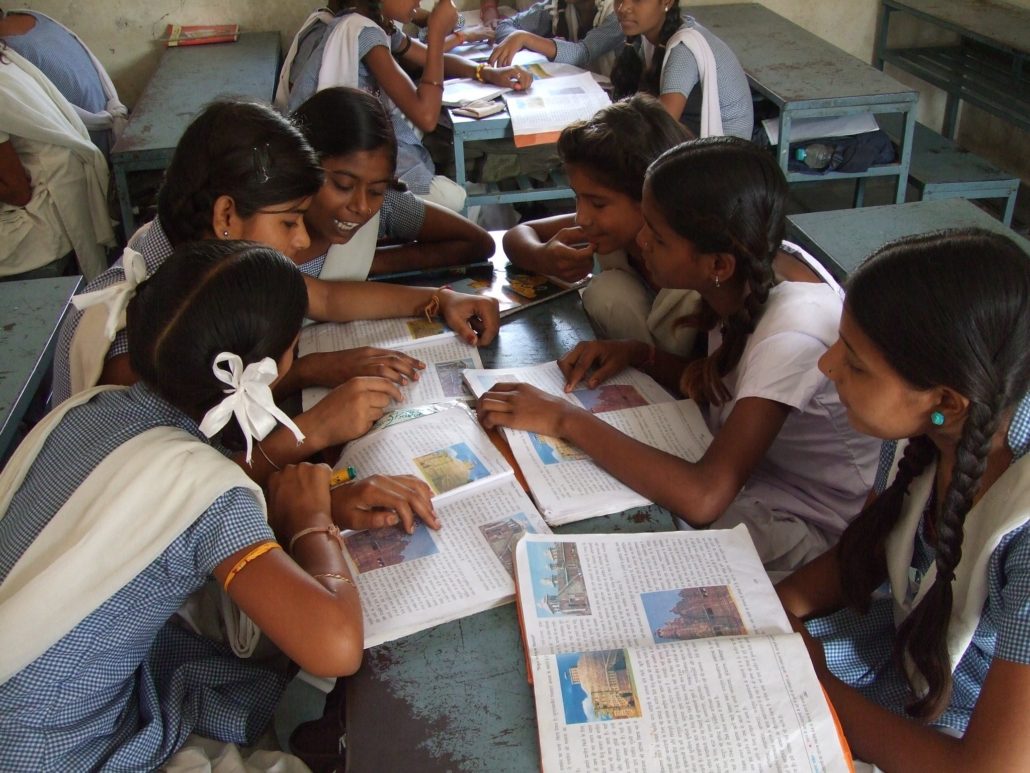
9 Successful Distance Learning Programs in Developing Nations

Distance Learning Programs
As a result of the pandemic, world leaders are rethinking how education is delivered to an estimated 2.2 billion children. The speed of internet connections, online infrastructure and security all pose unique obstacles in expanding distance learning programs. Here are nine successful distance learning programs in developing nations that can serve as a model for other countries.

9 Successful Distance Learning Programs in Developing Nations

  1. Bangladeshi Television (BTV) broadcasts lessons daily to students grades 6 to 10. It is currently expanding to other mediums such as radio, cell phones and online lessons like BTV’s YouTube Channel in order to educate children consistently. UNICEF cites alternatives to physical classrooms as helping local students further their education. “The longer children stay away from school, the less likely they are to ever return,” says Tomoo Hozumi, UNICEF Country Representative in Bangladesh.
  2. The Colombian Ministry of Education implemented new online programming and educational resources in March 2020. Programs are also broadcast through radio and public television programs to maximize accessibility. For families without internet access, At-Home Learning Kits provide the necessary educational materials.
  3. Cote D’ Ivoire launched My School at Home (Mon école à la Maison) for elementary school through high school students. Educational resources are available for all grade levels and for technical and vocational courses. My School at Home obtained a $70,000 grant in March 2020 through UNICEF’s Global Partnership for Education to launch television and radio distance learning courses.
  4. Broadband Commission for Sustainable Development is helping distance learning programs in developing nations around the world. The organization was originally developed to bring access to broadband to underserved areas worldwide by 2030. In response to COVID-19, the commission is participating in high-level advocacy to bring “resilient connectivity, affordable access and safe use of online services” to developing countries.
  5. Moodle is an open-source learning platform that has been in operation for over a decade. Collaborating with more than 80 partners, Moodle provides an intuitive, multi-lingual learning environment to more than 213 million users in 120 languages. Moodle’s modular design and ease of use allow for applications in all types of education, but it’s the belief that technological access empowers the world that sets this pioneering company apart.
  6. Founded in 2004, Pratham InfoTec Foundation (PIF) aims to expand access to technological advancements in India. The plan is to use these technological advancements to bridge the educational divides experienced by impoverished youth. In response to the COVID-19 global health crisis, PIF has launched the Digital Sakshar Initiative, a collection of over 30 courses and thousands of free videos, available online and as an app.
  7. Trees of Knowledge provides repositories of educational content throughout rural areas in Africa. Developed by William Sachiti, the idea is to install wireless hubs preloaded with digital content into large trees. In addition to providing a school experience to remote villages, Tree of Knowledge learning hubs also have first aid and hygiene information. The technology is published as open-source, meaning anyone can improve a child’s quality of life by establishing remote learning in developing countries that is convenient and safe.
  8. edX is a global nonprofit working to increase access to post-secondary education worldwide. Founded in 2012, edX partners with more than 120 institutions, including Harvard and MIT, to provide high-quality education. The platform that powers edX courses is open-source and therefore can be utilized by other institutions and educators.
  9. Rumie and its development partners use their software to create and host 10-minute long micro-learning courses called Bytes. It also releases videos, MP3s and PDFs, most of which can be made available offline. Rumie’s mission is to provide free educational materials to underserved communities around the world. The organization also recently released a collection of COVID-19 related learning resources.

The pioneering programs listed above have an emphasis on equitable learning opportunities, emerging technological advances and passionate leaders. This puts them at the forefront of bringing quality education to millions of students now learning from home. Moving forward, these programs will likely become even more widely used, as digital learning transforms the future of education.

– Katrina Hall
Photo: Flickr

January 15, 2021
https://borgenproject.org/wp-content/uploads/borgen-project-logo.svg 0 0 Kim Thelwell https://borgenproject.org/wp-content/uploads/borgen-project-logo.svg Kim Thelwell2021-01-15 10:04:502024-05-30 07:55:379 Successful Distance Learning Programs in Developing Nations
Charity, Global Poverty, Poverty Eradication, Technology

Play Games, Save Lives: France’s Z Event

Z EventEven though the world is more connected than ever, poverty remains a large problem as many people are left behind. Fortunately, people are using the internet as a platform for change, resulting in unprecedented awareness of global poverty. One example of this is Z Event, a French charity project hosted annually on the live streaming website Twitch. Z Event started with just two people wanting global change. The video gaming event is shattering world records while raising millions of dollars for charity.

Twitch Live Stream Platform

Z Event would not be possible without the rise of the Twitch platform. Twitch is a website that people can use for live streaming. This means that whatever viewers are watching is happening in real-time. This creates a new world of interactivity. While Twitch was originally created for live streaming video games, the website has now expanded into other genres like art, music and chess. Twitch now has a massive following, with more than 140 million monthly users.

It was only a matter of time before content creators used Twitch as a platform to raise money for charity. In July 2013, Summer Games Done Quick raised $257,181 for Doctors Without Borders in a charity stream on Twitch. As Twitch started growing in popularity, charity streams became even more popular. In 2019, Twitch streamer “DrLupo” raised more than $2.3 million for St. Jude Children’s Research Hospital in 24 hours.

Video Gaming: Z Event

With the success of charity streams in the past and the increasing global presence of Twitch, the time was right for Z Event. In March 2016, a charity stream called “Avengers Project” raised €170,000 for Save the Children. The goal of the project was to gather every popular French streamer to raise awareness for certain issues. While the project began small, the annual event grew considerably. In 2017, the now named “Z Event” raised €500,000. Z Event is the annual charity event by French streamers ZeratoR and Dach. As the project grew larger, more popular French streamers joined the event. In 2020, 41 Twitch streamers participated in the event.

Video Gaming for a Cause

While each individual streamer is popular on their own, their platform increases exponentially when combined. In 2020, the event had an average of 248,000 viewers with a peak of nearly 700,000 viewers. This large amount of awareness led to large sums of money raised for charity. In 2019, Z Event hit the world record for the most money raised in a charity stream on Twitch — more than €3.5 million. In 2020, Z Event shattered its own record, raising more than €5.7 million, which is approximately $6.7 million.

Each year, the event raises money for a different cause. The money raised in 2019 was for the Pasteur Institute, a nonprofit organization that researches diseases. In 2020, Z Event raised money for Amnesty International, an organization focused on global human rights.

Video Gamers Uniting for Charity

These efforts have been applauded by many. Mark Hamill supported Z Event on Twitter and President of France, Emmanuel Macron has also commended the project.

While poverty remains a problem in the world today, the growing platform of the internet, along with websites like Twitch, shows significant promise. Millions of dollars have been raised for charity to fight poverty. France’s Z Event shows that when people come together, the impact is substantial.

– Evan Weber
Photo: Flickr

January 14, 2021
https://borgenproject.org/wp-content/uploads/borgen-project-logo.svg 0 0 Yuki https://borgenproject.org/wp-content/uploads/borgen-project-logo.svg Yuki2021-01-14 04:59:032022-04-22 09:07:37Play Games, Save Lives: France’s Z Event
Food Security, Global Poverty, Technology

Poverty Reduction: Farming Innovations in Japan

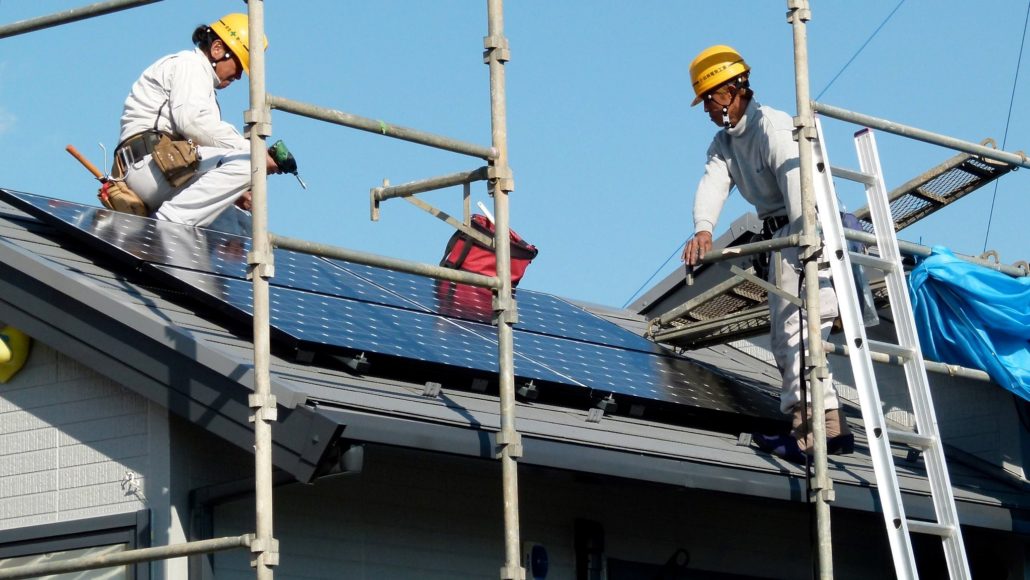
Farming Innovations in JapanAgri-tech, a growing term used to describe Japan’s digital farming technology has greatly advanced farming systems in the country in order to combat a potential water shortage by 2030. Both experienced and inexperienced farmers in Japan are using new technologies to limit the overuse of water and fertilizer, which in turn, is fighting food insecurity and poverty for the entire population. Professor Kiyoshi Ozawa, from Meiji University Kurokawa Field Science Center, summarizes the system, “instead of spraying a large amount of water with sprinklers or the like, fertigation uses narrow pipes to place drops of water and fertilizer at the roots of the growing crops.” Farming innovations in Japan aim to reduce overall poverty in the country.

Farming Innovations in Japan

There are several innovations to take note of that have eased the labor intensity and climate impact of farming in Japan, such as heat-resistant varieties, delayed transplanting and specialized application of fertilizers, to combat both climate change and poverty in the face of a potentially grave water and food shortages.

Japan Today, an esteemed magazine based in Japan, also highlights the main goal of this growing agri-tech business as a collaboration between experts, advanced farmers and younger generations to create permanent, sustainable solutions and share knowledge about the most efficient farming techniques. “The valuable experience and techniques of veteran farmers could also be more accessible to newer farmers via the web,” explains writer Allen Croft, “such as learning resources about harvesting times with databases and photos.”

Factors Affecting Farming in Japan

Not only do these farming innovations in Japan help to alleviate poverty in vulnerable communities but they also fight climate change issues by directly limiting water and fertilizer usage and combatting overproduction. Climate change has caused tension in the agricultural world of Japan, as unpredictable water levels cause heightened food prices, specifically in terms of rice production. Several other factors are contributing to pressure on Japan’s farming industry, including a decline in labor force participation as fewer young people are becoming farmers as well as Japan’s reliance on food imports.

These new technological farming innovations in Japan are working to alleviate the problems outlined above and are bringing new uses to AI and loT technology in a way the farming communities have never seen before. Through data analysis and observation of traditional farming structures, farmers can maintain exact water measurements and maximize soil fertility in order to maintain consistent crop growth. The main goal of these digital solutions to farming in Japan is to create permanently sustainable agricultural practices for generations to come.

The Japan Social Development Fund

Specifically from the standpoint of poverty alleviation, the World Bank has implemented a project, the Japan Social Development Fund, that aids impoverished communities while focusing on education, adaptation to climate change, health and sanitation services as well as environmentally sustainable agricultural practices. While most vulnerable communities in Japan do not have access to the digital technology innovations that farmers have developed, a social shift towards awareness of water usage has allowed farmers with limited resources to implement certain practices.

The Future of Digital Agriculture

There are a variety of growing measures set in place to make the agriculture business in Japan more sustainable in the face of both climate change and poverty. Digital agriculture is growing at an immense rate and it is predicted that the global market, specifically for agricultural robots, will reach $73.9 billion by 2024, which will vastly change the structure of food production and the labor force. The scope of digital farming innovations in Japan is broad and could potentially create a basis for agriculture in other countries struggling with water and food shortages as well.

– Caroline Pierce
Photo: Flickr

January 13, 2021
https://borgenproject.org/wp-content/uploads/borgen-project-logo.svg 0 0 Kim Thelwell https://borgenproject.org/wp-content/uploads/borgen-project-logo.svg Kim Thelwell2021-01-13 01:30:482024-05-30 07:55:39Poverty Reduction: Farming Innovations in Japan
Developing Countries, Gender Equality, Global Poverty, Technology, Women's Empowerment

Bridging the Digital Gender Gap

Digital Gender GapAs the world becomes more technologically advanced and digitally connected, access to technology remains an issue, especially in developing countries. More so, the digital gap between women and men continues to expand, with 300 million fewer women than men using mobile internet, creating a 20% gap. The lack of access to digital devices for these women means being denied essential services including employment opportunities, financial resources, educational resources and medical information. There are several global initiatives trying to bridge the digital gender gap between women and men.

Safaricom

In Kenya, women are 39% less likely than men to have access to mobile internet despite women making up 51% of the Kenyan population. Safaricom, a mobile network in Kenya, therefore created a partnership with Google to offer an affordable smartphone, the Neon Kicka with Android GO, compromising 500 megabytes of free data for the first month. The mobile network believes that empowering a woman empowers an entire community and focuses on the following three barriers: affordability, relevance and digital skills. The company ensured that the price point was the lowest it could be and featured important content including access to health information and educational content to highlight the smartphone’s daily relevance for women. Safaricom recognizes that many women are not familiar with Gmail accounts and therefore developed a guide covering the basics of smartphone use.

Novissi

Togo, a country in West Africa currently run by its first female prime minister, launched a digital cash transfer program called Novissi. Its goal is to provide aid to informal workers during the COVID-19 pandemic, covering residents of three urban areas under lockdown. Many underserved women tend to be excluded from COVID-19 relief digital cash transfer programs launched by governments since they either do not have access to digital bank accounts or are uninformed. Through Novissi, women receive a monthly sum of $20, whereas men receive $17, to support the cost of food, communication services, power and water. The three additional dollars allocated to women account for the fact that women are more likely to be informal workers and take care of a family’s nutritional needs.

Wave Money

In Myanmar, Wave Money has become the number one mobile financial service, with 89% of the country benefiting from its agents. Since Wave Money deals with 85% of rural areas in the country, money enters and leaves from nearly every state and facilitates familiarity with the service. The financial service created a partnership with GSMA Connected Women to allow greater access to financial services for women. Through this partnership, women are encouraged to run Wave Money shops in Myanmar, providing them with extra income even if they live in very remote areas of the country.

Telesom Simple KYC Account

It can be challenging for women to acquire the identity documents necessary to open accounts with service providers. In Somaliland, Telesom created a simplified know-your-customer (KYC) account, allowing women that do not possess an ID to sign up for mobile money services. The service solely requires a name, date of birth, image and contact details, favoring accessibility and reducing the digital gap between women and men.

Equal Access International Partnership with Local Radio Station

In Nigeria, women and girls are denied access to technology due to the fear of moral decline that accompanies the widespread culture. Equal Access International recognizes the need to address societal norms for women and amplify women and girls’ voices. In an effort to do so, Equal Access International partnered with a local radio station in order to create a show that tackled cultural taboos and promoted women and girls using digital technologies. The episodes last 30 minutes and cover weekly themes including common misconceptions about the internet, internet safety and moral arguments regarding women and the internet.

Closing the Digital Gender Gap

Despite a digital gender gap that exists between women and men, organizations around the world are making an effort to foster a sense of inclusion and empowerment for women and girls to become familiar and encouraged to take on the digital world that is constantly emerging.

– Sarah Frances
Photo: Flickr

January 13, 2021
https://borgenproject.org/wp-content/uploads/borgen-project-logo.svg 0 0 Lynsey Alexander https://borgenproject.org/wp-content/uploads/borgen-project-logo.svg Lynsey Alexander2021-01-13 01:30:442024-06-07 05:08:11Bridging the Digital Gender Gap
Developing Countries, Education, Global Poverty, Health, Poverty Reduction, Technology

BACE API: Identity Verification Helps Poverty in Africa

BACE API:Charlette N’Guessan, a 26-year-old Ivorian and CEO of the BACE Group based in Ghana, is the first woman to win the United Kingdom’s Royal Academy of Engineering’s Africa Prize for Engineering Innovation. N’Guessan and her team earned £25,000 ($32,000) with the 2020 award for their BACE API digital verification software.

BACE API Facial Recognition Software

BACE API verifies identities remotely and instantaneously using artificial intelligence (AI) and facial recognition by matching the live photo of the user to the image on their official documents. This use of live images and video rather than still images is unique to BACE API and improves the success rate in matching faces and verifying that the images are of real people rather than preexisting photos. Judges for the Africa Prize stated that facial recognition software in Africa is becoming increasingly important and BACE API is just the beginning.

Issues in Identity Verification for Africans

Most facial recognition tools on the market use white faces in their dataset, which leads to higher rates of misidentification of black faces. BACE API, however, was designed with the express intention of improving the design of facial recognition software in Africa. The algorithm of BACE API is designed to draw from a more diverse data set to address racial bias and bolster its accuracy.

Moreover, N’Guessan stated that she created the BACE API tool to address high rates of identity fraud and cybercrime in Ghanian banks. Financial institutions in Ghana spend approximately $400 million per year identifying their users. Not only is BACE API more functionally accurate but it is also convenient as no special hardware is needed and the software can be combined with existing identification apps. So far, the software is being used in two financial institutions for identity verification and one event platform to manage attendee registration.

Identity Verification and Poverty

Facial recognition software in Africa has recently become an important tool to address poverty. There are approximately 1.1 billion people worldwide who lack an official ID, 500 million of whom live in sub-Saharan Africa and 40% of whom are under the age of 18. Women are disproportionately more likely to lack identity documents compared to men. The population of people without an official ID are unable to access basic socio-economic and legal rights, including healthcare, education, voting and legal protection in court. Moreover, people without identity documents are barred from entering the formal economy, for example, starting a business or gaining official employment. The widespread lack of official identification is largely due to the difficulties, inconveniences and expense of registering for an ID, including the common requirement for multiple forms of ID for different functions.

Digital technology, however, is leading the charge to address unequal access to ID’s and basic services, and BACE API is a unique solution to this issue by serving as a one-stop-shop for remote identification. After verifying their identity through the program, users gain access to necessary financial services, education and voting rights.

BACE API’s Benefits During COVID-19

During COVID-19, BACE API is a viable alternative to the in-person verification processes used by most such as fingerprints or personal appearances. Companies and organizations can now remotely authenticate and onboard people without ever meeting them.

Moreover, the demand for healthcare and welfare programs has skyrocketed in the wake of the widespread economic downturn. With BACE API, governments are relieved of the burden of identity verification and can operate more efficiently to provide essential services to people struggling during COVID-19.

– Neval Mulaomerovic
Photo: Flickr

January 13, 2021
https://borgenproject.org/wp-content/uploads/borgen-project-logo.svg 0 0 Jennifer Philipp https://borgenproject.org/wp-content/uploads/borgen-project-logo.svg Jennifer Philipp2021-01-13 01:30:042021-01-13 02:34:29BACE API: Identity Verification Helps Poverty in Africa
Global Poverty, Technology

The Good News: Greek Startups Are Helping the Economy

Greek startups are helpingEntrepreneurs in Greece are finding ways to battle the financial crisis that has crippled its economy. While entrepreneurship in Greece has predictably prospered in the tourism sector, many new startups are finding success in technology, science and engineering. In 2018, Greece was named the European Capital of Innovation by the European Union and ranked 11 in the world by the Global Innovation Index for science and engineering graduates. Via innovative ideas, Greek startups are helping the economy by creating jobs and stimulating economic development.

Augmenta

Founded in 2016, Augmenta has been helping farmers decrease their costs while increasing production. The video device uses machine learning to analyze tractor movements, increasing yields by 15%, reducing chemical field inputs by 20% and improving field end production by 15%. Another advantage of this innovative technology is that the more the farmer uses the device, the more data will become available to the other farmers. Augmenta’s benefits are promising for farmers and the agricultural industry as a whole.

Neos Beyond Payments

With the increasing demand for contactless payment due to COVID-19, Greek startup Neos Beyond Payments is finding its place in the economic market. The wearable device has now taken off in the European market and continues to expand into Scandanavian markets as well. In partnership with a Swedish technology firm, Fidesmo, Neos makes it possible for you to tap and pay on any contactless terminal, the same way you do with your payment card, by using the Neos wearable bracelet. With more demands for contactless payment options, the Neos wearable device will be useful in all markets.

Inagros

Inagros is another one of the Greek startups helping the economy by creating innovative technologies for farmers and agronomists. Inagros’ innovative web platform delivers data through satellites and sensors to enhance crop production and reduce the consumption of water, fertilizer and energy. This new technology is expected to be a pillar in the development of the smart farming revolution, with innovations expected to significantly impact automatization and sustainable management in particular.

Rebuilding the Greek Economy

The bailout in 2010 was just the beginning of the collapse of Greece’s’ financial economy. By 2015, the country had borrowed more than €289 billion, the largest bailout a country has ever received. As a result of which, entrepreneurs, scientists and professionals fled due to the dying economy. Entrepreneurs in Greece that persisted during these years created momentum and paved a path for future entrepreneurs to continue to contribute to rebuilding the fallen economy. While Greece continues to fight through financial barriers, a booming economy may be on the horizon, with Greek startups helping the economy by creating innovative market opportunities that steadily bring life back into a fragile economy.

– Brandi Hale
Photo: Flickr

January 10, 2021
https://borgenproject.org/wp-content/uploads/borgen-project-logo.svg 0 0 Kim Thelwell https://borgenproject.org/wp-content/uploads/borgen-project-logo.svg Kim Thelwell2021-01-10 01:30:182021-01-10 23:45:07The Good News: Greek Startups Are Helping the Economy
Global Poverty, Technology, Water Quality

Water Purification Technology In India Is Saving Lives

Water Purification Technology in India
India has one of the highest poverty rates in the world, with more than two-thirds of its population living in extreme rural poverty. Although India has one of the fastest-growing economies, millions remain confined to impoverished villages and slums. To exacerbate the issue, 163 million Indian residents have long been plagued with an inability to access safe drinking water. Recently, new technologies and regulations have been put into place to improve water standards in the region and prevent the transmission of several waterborne diseases. Here are three ways that water purification technology in India is saving lives.

3 Ways Water Purification Technology in India is Saving Lives

  1. Low-cost water purifiers: India is a top contender for the clean water market. In recent years, residents in India now have more readily available access to low-cost point-of-use water purifiers. These purifiers make use of technologies like nano-filtration, ultra-filtration and ultraviolet systems to ensure cleaner water for their users. Commercial companies such as Havells and Tata, the major manufacturers of these water purifiers, specifically target the 75% of the rural population that lives in poverty. These communities often have little to no access to clean water. Most notably, Tata’s Tata Swach only costs around 21 dollars and can function without electricity or running water. The device is effective and sustainable, able to support a family of five for up to 200 days.
  2. Large-scale water purification: Unclean and unpurified water in India has led to the spread of cholera, diarrhea, malaria and typhoid, among others. Indeed, waterborne diseases affect more than 37 million Indian natives and kill more than 1 million children per year. The problem owes itself to fluoride contamination that disproportionately affects rural populations in the country. However, efforts of water purification on a larger scale have begun to turn the tide. Research estimates from India’s Central Bureau of Health Intelligence report that more than 85% of the country has water infrastructures in place today. Furthermore, the transmission of certain waterborne diseases has maintained a relatively similar level as in past years due in large part to such changes.
  3. Efforts to ensure water safety: India’s water supply remains largely unchecked and free of governmental oversight. Only around 30% of dirty water from Indian cities is properly treated; the rest often seeps into the ground and contaminates other groundwater sources. Fortunately, NGOs like WaterAid India have taken matters into their own hands to ensure equal access to safe water in several rural regions of the country. They have expanded into areas of Bihar, Delhi, Jal Chaupal and Jharkhand, providing each site with water testing toolkits, pond sand filters and water ATMs.

Water purification technology in India is just beginning to bloom into a concerted effort to increase standards of living and elevate rural life to a higher level. Moving forward, the work of NGOs like WaterAid India must continue; however, the government must also make water safety a priority of its efforts. This will help ensure that India is able to provide more equitable livelihoods for all its citizens in the future.

– Mihir Gokhale
Photo: Flickr

January 7, 2021
https://borgenproject.org/wp-content/uploads/borgen-project-logo.svg 0 0 Yuki https://borgenproject.org/wp-content/uploads/borgen-project-logo.svg Yuki2021-01-07 14:03:232024-05-30 07:55:31Water Purification Technology In India Is Saving Lives
Page 31 of 89«‹2930313233›»

Get Smarter

  • Global Poverty 101
  • Global Poverty… The Good News
  • Global Poverty & U.S. Jobs
  • Global Poverty and National Security
  • Innovative Solutions to Poverty
  • Global Poverty & Aid FAQ’s
Search Search

Take Action

  • Call Congress
  • Email Congress
  • Donate
  • 30 Ways to Help
  • Volunteer Ops
  • Internships
  • Courses & Certificates
  • The Podcast
Borgen Project

“The Borgen Project is an incredible nonprofit organization that is addressing poverty and hunger and working towards ending them.”

-The Huffington Post

Inside The Borgen Project

  • Contact
  • About
  • Financials
  • President
  • Board of Directors
  • Board of Advisors

International Links

  • UK Email Parliament
  • UK Donate
  • Canada Email Parliament

Get Smarter

  • Global Poverty 101
  • Global Poverty… The Good News
  • Global Poverty & U.S. Jobs
  • Global Poverty and National Security
  • Innovative Solutions to Poverty
  • Global Poverty & Aid FAQ’s

Ways to Help

  • Call Congress
  • Email Congress
  • Donate
  • 30 Ways to Help
  • Volunteer Ops
  • Internships
  • Courses & Certificates
  • The Podcast
Scroll to top Scroll to top Scroll to top