• Link to X
  • Link to Facebook
  • Link to Instagram
  • Link to TikTok
  • Link to Youtube
  • About
    • About Us
      • President
      • Board of Directors
      • Board of Advisors
      • Financials
      • Our Methodology
      • Success Tracker
      • Contact
  • Act Now
    • 30 Ways to Help
      • Email Congress
      • Call Congress
      • Volunteer
      • Courses & Certificates
      • Be a Donor
    • Internships
      • In-Office Internships
      • Remote Internships
    • Legislation
      • Politics 101
  • The Blog
  • The Podcast
  • Magazine
  • Donate
  • Click to open the search input field Click to open the search input field Search
  • Menu Menu

Archive for category: Technology

Information and stories about technology news.

Education, Technology

Smartphones in Madagascar are Bridging the Gap

Smartphones in Madagascar
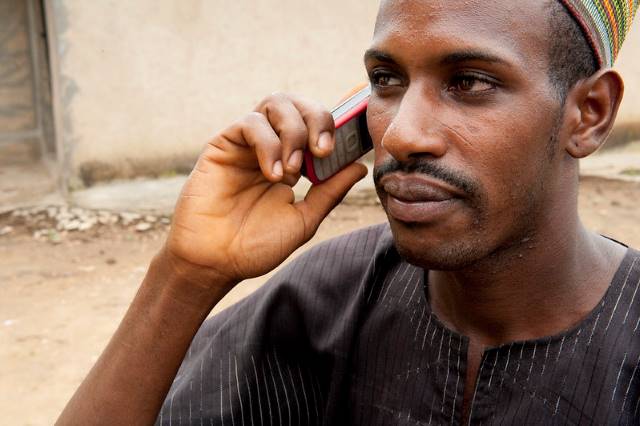
Madagascar is one of the world’s fifth-largest islands located off the east coast of Africa. Its population consists of more than 22 million people. Many of these people live in rural, impoverished areas. Additionally, many families cannot afford basic needs such as food, shelter or transportation. However, some people have found a way to find work through telecommunication. Here are some examples of how smartphones in Madagascar are bridging the wealth gap.

Madagascar’s Economy

Cell phones are efficient, fast and reliable in times of crisis. Currently, 96% of Americans own a cell phone. Now, villages in Madagascar are benefitting from telephone access as well. Since 2008, the International Finance Corporation (IFC) has been doing business with Zain, a telecommunications company. IFC and Zain launched Village Phone, a campaign that helps bring change to local communities. This campaign creates jobs and promotes entrepreneurship by allowing small companies to sell mobile air time. Moreover, it helps people gain experience in areas like finance, information technology and business.

This knowledge is crucial to sustaining Madagascar’s economic future. The nation’s economy is largely based on agriculture, fishing and tourism. The economy now provides around 74% of the GDP, with 26.2% coming from the agriculture sector alone. The influx of technology will help strengthen Madagascar’s employment by enabling residents to improve in their respective fields.

Literacy Rate

Smartphones in Madagascar are also improving the literacy rate. In 2005, Madagascar’s literacy rate was at 58.4%. Meanwhile, in 2018, it climbed to 74.8%, an immense growth that rarely occurs in reality.

The relationship between growing literacy rates and texting is strong. Texting is a process that involves typing out letters, numbers and composing sentences. Thus, texting helps children gain more exposure to the written word. Greater exposure to the written word has a link to better reading skills.

Improved Education

Smartphones in Madagascar are accelerating the rate at which people receive information. Furthermore, smartphones help promote and improve access to education. Children who learn to read at an early age often become more capable of understanding syntax, grammar and literature. However, COVID-19 has caused many setbacks for students. Many schools closed in March 2020 due to the pandemic. A young mother expressed concern by saying, “It does not make me happy that my children are no longer going to school. Years don’t wait for them. They have already lost a lot.”

Thankfully, alternative options for learning are now available. Radio, television and smartphones are the main pipelines that support distance learning. Most recently, CISCO, a telephone company, and the Ministry of National Education and Technical and Vocational Education (MENETP) have launched a support platform to help with limited internet access to ensure learning continues.

Smartphones in Madagascar have proven to be especially useful for informing people of the COVID-19 infection rate and teaching children to wash their hands properly. Furthermore, this technology is providing hope in creating a more sustainable future for people.

– Nancy Taguiam
Photo: Flickr

March 31, 2021
https://borgenproject.org/wp-content/uploads/borgen-project-logo.svg 0 0 Kim Thelwell https://borgenproject.org/wp-content/uploads/borgen-project-logo.svg Kim Thelwell2021-03-31 07:30:072021-03-29 16:17:45Smartphones in Madagascar are Bridging the Gap
Global Poverty, Technology

Kopernik: Integrating Technology

Integrating Technology
In 2010, Toshi Nakamura and Ewa Wojkowska created Kopernik, an NGO dedicated to providing proper living standards by integrating technology within rural villages. Toshi and Ewa were former UN workers who researched tribes existing within Thailand, Timor-Leste, Indonesia and Sierra Leone. The organization currently has four divisions that coordinate donations, financial consulting and technology. Each section is divided between locations in New York, Indonesia and Japan. During the COVID-19 pandemic, Kopernik continued its pre-planned projects for tribes in financial distress. This shows how lucrative and dedicated the organization has become.

Partnerships and Projects

Kopernik realizes that changing the world requires collaboration, and proudly announces partnerships whenever a new project undergoes initiation. In March 2020, Kopernik and the Malaysian Administrative Modernization and Management Planning Unit (MAMPU), collaborated to introduce Cirebon, Indonesia to digital resources. A businesswoman named Kurian, who owns a 12-person furniture manufacturing business in Cirebon, received help from Kopernik and MAMPU to reach more lucrative digital markets and develop her online marketing skills; Kurian was able to double her profits and reach markets as far as Mexico. MAMPU and Kopernik have historically helped many women-owned micro-businesses develop, despite poverty-stricken circumstances. Kopernik’s Indonesia headquarters runs a Wonder Woman program that empowers female entrepreneurs to learn about business strategies and cleantech resources. The organization trains local women on the technical use of solar panels, mobile phone chargers and biomass stoves that are a low price.

The Canada Fund for Local Initiatives (CFLI)

In February 2021, the Canada Fund for Local Initiatives (CFLI) partnered with the ecstatic Kopernik. They collaborated on the development of “the Waste for Water: Creating A Community-Led Water Desalination Business to Provide Clean Drinking Water to Coastal Villages in Indonesia” project. In 2016, Kopernik flirted with a similar idea by selling the Carocell 3000 water purifier. It tested the experiment within Likotuden, East Flores. The purifier was able to produce 10 liters of freshwater per day, and safely distilled seawater, groundwater and overall contaminated/polluted liquids from local reservoirs. However, the project showed that 10 liters were not enough to provide for the community.

The two NGOs decided to start their project of integrating technology in the coastal villages within Nusa Penida, Bali and partnered with Wujudkan. They wanted to create a community-operated desalination plant that produced up to 3,000 liters daily. The last part of the project is an information campaign that shared guidelines for safe drinking water, water purification and the importance of preserving and sustaining water management.

Technology

Kopernik’s biggest achievement has been integrating solar technology in Indonesia’s “last mile.” By the end of 2020, Kopernik fostered funding support from the Abu Dhabi government to provide 3,600 solar lanterns and 1,000 mobile charging solar lanterns to the southeastern of Borneo. D.Light, a U.S.-based technology company that sells products for as low as $7, develops the solar lanterns. It also develops solar systems that people can purchase through micropayments.

Kopernik also paired with Greenlight Planet, which offers 6kW solar system installation to people in Sumba for $3.60 per month for a three-year period; Sumba Sustainable Solutions (3S) is a company that partnered with Kopernik to enact similar strategies and resources for solar solutions. During the COVID-19 pandemic, Sumba faced a financial hit from the decreasing tourism industry. 3S devised solutions for boosting revenue in Sumba’s agriculture section. 3S provided a solar-powered corn and rice mill to help farmers create higher sales prices within the crop market. Also, 3S founder Sarah Hobgen claimed that “[instead] of grinding corn manually with stones or pounding rice in a wooden tube, we lend them the mills for just IDR 500, or $0.03 per kilogram.” Both Kopernik and 3S have received international prizes for their support.

Agricultural Work

In September 2020, Kopernik initiated the Good Agriculture Practice (GAP) program in Papua. The program intended to teach agricultural regulations through interactive modules, videos and field practices. This GAP program helped farmers in Papua develop enhanced skills in farm production and post-production. It taught safe techniques to harvest food and agriculture products while including economic, social and environmental sustainability. GAP had farmers focus on the production of cacao, a plant used to make chocolate and cacao butter, by focusing attention on proper plant drying techniques. Kopernik introduced the idea for a solar dryer, which the organization has been blueprinting since 2016.

Kopernik and Papua farmers finalized the dryer within a remote village called Berab. Building a solar dryer involves ventilation and space between the cacao plant. In previous designs, racks were 12.5 cm apart. However, the on-site production showed that 30 cm enabled more ventilation and space for farmers to stir the beans. Due to limited resources, UV plastics replaced the polycarbonate feature, which captures solar light transmission, to capture the right amount of light energy. Additionally, instead of using iron for the framing, the farmers insisted on wood because of familiarity with the resource. Despite the challenges, the farmers finished construction within five days. The device cut the drying process from five days to three.

The Future of Kopernik

Kopernik continues to develop innovative projects, bring together lucrative business partners and work toward integrating technology. The year 2021 is seeing more digital solutions within the company as support for ending poverty increases for Kopernik.

– Matthew Martinez
Photo: Flickr

March 24, 2021
https://borgenproject.org/wp-content/uploads/borgen-project-logo.svg 0 0 Kim Thelwell https://borgenproject.org/wp-content/uploads/borgen-project-logo.svg Kim Thelwell2021-03-24 10:55:302021-05-11 10:55:45Kopernik: Integrating Technology
Global Poverty, Technology

Ghanaian Man Invents Solar-Powered Sink

solar-powered sink
The Ghanaian government was quite successful in controlling the spread of the coronavirus. Some individuals took on innovative measures to combat the spread of the virus as well, such as how a man in Ghana created a solar-powered sink.

When Ghana reported its first cases of COVID-19 on March 12, 2020, Ghanian president Akufo-Addo was quick to announce the relief plan that would go on to make Ghana one of the most well-adapted countries to fight the pandemic. This relief plan included containing the virus spread, implementing lockdowns, mitigating social and economic impacts of the pandemic and expanding medical facilities. The country paired this quick response to the virus outbreak with efficient testing and contact tracing. It featured pooled testing, a method where samples from multiple individuals undergo testing together to expand testing abilities. In addition, his plan used contact tracing apps to using drones to transport COVID-19 samples.

COVID-19 in Ghana

However, as the first peak of COVID-19 cases came and went and Ghana lifted safety guidelines, cases rose again. In turn, the Ghanaian government implemented the original relief plan. This brought about a short respite in the major Ghanaian cities. Yet, it was unlike the first bout of COVID-19 cases that infected the cities in the early summer of 2020. This new influx of cases largely afflicted the remote and rural parts of the country. In these regions, populations neither had access to the medical resources present in the large cities nor the economic means to quarantine away from their jobs. Consequently, cases in remote areas have soared. President Akufo-Addo explained how Ghana “treatment centers have gone from having zero patient to now being full because of the upsurge in infections,” and how the influx has resulted in the healthcare facilities being overwhelmed.

Sustainable Solutions

To combat the rapid spread of COVID-19 in the vulnerable, rural regions of Ghana, one young man took action. He saw a lack of accessibility to basic hygiene care and an ever-increasing amount of land pollution in his rural village. As a result, Richard Kwarteng Aning decided to solve two issues with one sustainable solution. By gathering used metal barrels, recycled plumbing materials and motion sensors, Mr. Aning was able to invent a solar-powered sink! His invention allowed those without hygiene necessities to cleanse their hands, destroy bacteria and mitigate the spread of COVID-19. This invention hugely benefited Ghanaians living in rural areas who would otherwise not be able to have proper cleaning resources. Anning invented his solar-powered handwashing sink to “help solve the COVID-19 problem.” He believed that the sink “will attract people to wash their hands” because placing sinks throughout villages makes them easily accessible to all.

How it Works

Anning’s solar-powered sink ingeniously solved both a need to combat the pandemic and a need to be more sustainable. He composed the sink out of solely recycled supplies and solar energy materials. The sink receives power through a solar panel disk located at the top of the sink; meanwhile, motion sensors control it. When the motion sensor detects a nearby hand, the first of two taps releases antibacterial soap. Seconds later, an alarm alerts the user that water will soon come out at a constant rate for 25 seconds. Since the sun powers the sink and people can handle it without any direct contact, the sink further mitigates any surface spread of the virus.

Government Support

Anning’s solar-powered sink quickly drew the attention of the Ghanian government and Ghana’s Ministry of Environment, Science, Technology and Innovation offices. They patented the invention so that people can produce and sell it throughout Ghana and all of West Africa. President Akufo-Addo acclaimed the invention as stating that the “Ghanaian sense of enterprise and innovation is beginning to be felt” as a result of Anning’s hard work.

– Caroline Largoza
Photo: Flickr

March 22, 2021
https://borgenproject.org/wp-content/uploads/borgen-project-logo.svg 0 0 Kim Thelwell https://borgenproject.org/wp-content/uploads/borgen-project-logo.svg Kim Thelwell2021-03-22 01:30:102021-03-21 06:07:53Ghanaian Man Invents Solar-Powered Sink
Aid, Health, Technology

Prosthetic Innovation Aids African Amputees

Prosthetic Innovation Gives a Hand to African Amputees
A McKinsey report states that prosthetic innovation will improve global health by 2040. Innovative 3D-printed, robotic prosthetic limbs provide African amputees with an affordable and high-quality alternative in comparison to conventional prostheses.

The most common prostheses are artificial limbs. Only a small fraction of amputees living in low and middle-income countries have access to suitable prosthetic services. Thus, prosthetic innovation is particularly important in impoverished areas.

In 2017, there were 16 million amputees in Africa, making up 24.6% of global amputees. Expectations have determined that these numbers will increase due to a rise in illnesses and diseases.  Furthermore, deteriorating roads and increased urbanization will lead to more traffic accidents.

Devastating Effects of Losing a Limb

It is difficult for amputees to work and prosper without proper medical assistance. Additionally, amputees are more vulnerable to accidents, infections, diabetes, poor medical care and injury due to war or natural disasters. Furthermore, prostheses and rehabilitation services typically cost thousands of dollars. In many lower-income communities, prostheses are simply unaffordable.

Amputees are unable to use poorly fitted prostheses due to pain. Specially trained prosthetists need to assess patients before fitting them. Also, patients need to visit a clinic several times for physical therapy before effectively using prosthetic limbs.

Providing Prosthetic Services

Governments in lower-income nations do not invest in prosthetics due to the lack of data and economic benefit. International and local NGOs provide most prosthetic services in impoverished countries. Without government and donor support in prosthetic innovation, access to these services will remain low.

The 3D Revolution in Prosthetics

Within the last decade, 3D printing has entered the prostheses market in Africa. Now, 3D designs are free, editable and available online for beginners to maneuver. Furthermore, a 3D-printed hand costs around $50. In recent years, the World Health Organization (WHO), governments and other organizations have spurred prosthetic innovation throughout Africa.

Nigerian Tech Lovers Launch 3D Lab for Victims of Violence

Muhammed Jafar is a 25-year-old member of a vigilante group in northeastern Nigeria. He lost his left hand while helping rescue a teenager who a gang had kidnapped. Now he is working as a tailor with a 3D-printed prosthetic arm he received from the Northeastern Humanitarian and Innovation Lab. The Nigerian government helped a group of tech enthusiasts launch a tech hub in 2018. Furthermore, the Northeastern Humanitarian and Innovation Lab print limbs and add robotics to improve functionality. Also, the cost of the 3D limbs is significantly less than conventionally manufactured prostheses. The Northeastern Humanitarian and Innovation Lab is a great example of how government investment in local volunteer groups can change the lives of those in need.

South African Post-Grads Launch Robotic Prosthetics Company

In 2017, Drew Van der Riet created the world’s most advanced low-cost “Touch Hand” prosthetic hand with his engineering team. This new prosthetic hand provides unique sensory feedback so that users can pick up delicate and irregular objects. Van Der Riet was shocked to discover that most hand amputees had to use basic “claws.” Furthermore, robotic hands similar to the “Touch Hand” are 10 times more expensive.

Van der Riet launched Touch Prosthetics in Durban in an attempt to keep prosthetic innovation on top. Additionally, the organization aims to develop simple, affordable upgrades for amputees. Fortunately, Touch Prosthetics was able to secure government and business support and has already developed Touch Hand II. However, Van der Riet notes that often strong university projects do not make it to market due to a lack of capital and marketing savvy.

As the Northeast Humanitarian and Innovation Lab in Nigeria and Touch Prosthetics in South Africa exemplified, the 3D revolution has inspired African prosthetic innovation to improve the lives of amputees. By amplifying aid for these efforts, more African amputees will be able to support themselves with ease.

– Shelly Saltzman
Photo: Flickr

March 19, 2021
https://borgenproject.org/wp-content/uploads/borgen-project-logo.svg 0 0 Kim Thelwell https://borgenproject.org/wp-content/uploads/borgen-project-logo.svg Kim Thelwell2021-03-19 07:30:052024-05-30 07:56:46Prosthetic Innovation Aids African Amputees
Global Poverty, Technology

What Serbia’s Technology Industry can do for its Economic Situation

Serbia's Technology Industry
Serbia’s technology industry is growing, and recently it received a ranking of the 40th globally in exporting software. The growth of this sector has improved the country’s economy. Additionally, students receive encouragement to participate in higher education, especially in computer sciences and engineering. The hope is that an increase of startup companies in the technology sector will continue to stimulate local economies and boost Serbia’s position globally.

Employment in Serbia

In 2018, Serbia had an unemployment rate of 14.8%, an increase from the past years. Furthermore, in 2016, the Serbian Statistical Office recorded a total youth unemployment rate of 44.2%. One of the reasons for these high rates is the education system. Despite having nearly a 90% graduation rate from high school, Serbia’s education does not provide the workforce with the proper tools to meet its economic needs.

These factors led to the National Employment Action Plan for 2020, which concentrated on youth employment and workers with lower educational levels. However, Serbia’s technology sector requires a significant number of highly skilled and educated professionals to further technological advances through knowledge and inventions. Since this sector is the most important in the country, the government is currently focusing on higher education in Serbia to produce more highly skilled workers, specifically software engineers.

The Education System

To support Serbia’s technology sector, the government has dedicated nearly $80 million to science and technology centers. Additionally, it plans to provide schools in Serbia with almost $85 million in funding for better internet connections and equipment such as computers and software.

The education system has already received credit for producing many software engineers in Serbia. Children start programming early, with computer science classes starting in fifth grade and continuing into high school. Also, students who wish to pursue an education in STEM have the opportunity to attend one of the 80 high schools in Serbia that specialize in computer science and electrical engineering. Every year, more than 3,300 software engineering students graduate from colleges in the country, and the number of graduates is increasing every year.

In 2019, Serbia’s economy grew by more than 4% but stagnated in 2020 due to the COVID-19 crisis. Serbia’s technology industry had more than 2,000 firms in 2017, a large increase from 700 in 2006. Furthermore, the industry revenue nearly doubled during that period. Google has started supporting Serbia by using its Google Developer Launchpad, which helps technology communities and startups in countries aiming to develop further.

Serbian Startups

Nordeus, a self-funded game developer, began in Belgrade, Serbia. Soon after, the company gained recognition for producing one of the most popular online sports games, which took in a yearly amount of $75 million. In addition, the startup Seven Bridge Genomics has raised more than $100 million and is bringing together scientists who research on finding therapies in order to cure cancers. The company employs the largest number of bioinformaticians in the world within the private sector. Additionally, the crowd-funded startup Strawberry Energy invented smart benches which provide Wi-Fi as well as outlets to charge your phone. Strawberry Energy started with benches in Belgrade but has already expanded into 17 countries.

Serbia’s technology industry has the potential to fight the country’s economic stagnation. Therefore, the government is supporting the technology and startup community with investments and improvements in the education system. Due to these measures, Serbia hopes to see a rise in employment and economic growth rates, hoping to lift people out of poverty in the country.

– Sarah Kirchner
Photo: Pexels

March 12, 2021
https://borgenproject.org/wp-content/uploads/borgen-project-logo.svg 0 0 Jennifer Philipp https://borgenproject.org/wp-content/uploads/borgen-project-logo.svg Jennifer Philipp2021-03-12 07:30:342024-05-30 07:56:32What Serbia’s Technology Industry can do for its Economic Situation
Global Poverty, Technology

Reversing the sub-Saharan Africa Digital Divide

Sub-Saharan Africa Digital Divide
Sub-Saharan Africa is home to some of the world’s poorest and most marginalized people. More than 1 billion people, constituting more than 14% of the world’s population, live in extreme poverty in the region. A multitude of problems plague sub-Saharan Africa, ranging from disease to malnourishment and violence. The crux of the matter lies in its deep history of a developing nation hindered by imperialistic roots. Through the progression of time, it has become clear that there is one major obstacle in the region’s way to betterment – technology. In other words, a stark digital divide in sub-Saharan Africa exists.

Reversing the Digital Divide

As technology spreads over the developed world at a record rate, lesser developed and developing countries fall behind. Tech giants like Apple, Google and Microsoft only cater to major markets in the United States, China, Europe and India. As a result, the 14% of the world population in sub-Saharan Africa that can barely afford a basic cell phone, much less a smartphone, usually cannot access these technologies. Around 90% of children in sub-Saharan Africa do not have access to a computer and around 80% do not enjoy a basic internet connection. Thus, the sub-Saharan Africa digital divide has emerged as a major source of its current predicament.

To make matters worse, the global COVID-19 pandemic has only exacerbated the issue and revealed new technological problems. However, hope is on the horizon. New nonprofit companies and the aid of notable philanthropists around the world are hard at work to eradicate the sub-Saharan Africa digital divide. Due to this, the field of STEM is heating up as a hot prospect for economic and developmental opportunities. Here are three strategies that sub-Saharan Africa has implemented and can work to implement to industrialize and develop the region.

3 Strategies For Reversing the Digital Divide in Sub-Saharan Africa

  1. Making investments for a digital future. Investing money into digital-based infrastructure in sub-Saharan Africa is a future-proof way of bettering the region. Specifically, the distribution of technologies like phones, computers, cell towers and adequate internet connections continues to be a major priority for organizations based in the region. A survey revealed that only one in 100 people on average have access to television in sub-Saharan Africa. In contrast, this rate becomes only one in three when the sample size focuses on cities. The results of this survey unequivocally show that industrializing the region holds many positive results. In recent years, organizations such as the Bill and Melinda Gates Foundation and Computers 4 Africa have donated more to fuel this purpose. Computer drops for schools and other university institutions have also been a major part of this concerted effort. The results are showing. Since the early 2000s, internet penetration in the region has grown by a factor of 10. This increase shows the region drawing closer to bridging the gap of the sub-Saharan Africa digital divide.
  2. Creating new jobs in the Information Technology (IT) sector. Increasing employment opportunities in the IT sector is a major way to boost sub-Saharan African economies. In an interview with The Borgen Project, Jaishree Mahalingam, current project manager for AIG and former IT professional for Toyota in Dallas, said that “in the future, IT will have far more importance…[translating to] greater social mobility for many people who are interested in STEM.” For critics who argue against the viability of a proper university education system in computer science and IT, Mahalingam goes on to state that higher degrees like a Ph.D. are not necessary for a sufficient education. Instead, “a Master’s degree [is] more than sufficient in progressing in a career.” However, Mahalingam does acknowledge that there should be a balance in the education system, encouraging its teaching outside of high school because doing so allows “greater exposure to the field.”As for finding new solutions to address the digital divide, Mahalingam recommends “greater government investment into STEM schools and digitalization through banking and other mechanisms to help expand the IT field.”
  3. Tackling the finance sector through technology. As cell phone use expands in sub-Saharan Africa, more and more individuals look to the future of the financial industry. Now, banking applications that are common in the United States must transition over to another continent. Enter FinTech: the newest player in revolutionizing African financial technology. Currently, only around one-third of the sub-Saharan African population holds bank accounts. However, the ongoing mobile revolution has led to an increased demand for an easier money transaction system. FinTech allows for easy financial exchanges across countries in the region through a mobile platform. Additionally, it is not the only one of its kind. Startup companies like 22Seven, Nomanini, Cellulant and GetBucks are all growing in Africa as easy money-transfer digital networks. Collectively, they serve more than 45 million customers in Africa and hope to greatly expand beyond that figure. Mahalingam agrees that “expanding things like access to bank accounts would greatly add to the interest of millions.”

Sub-Saharan Africa is slowly digging its way out of the digital divide it faces today. With the help of several organizations, more emphasis on economic growth through STEM and new financial-based breakthroughs, the region is constantly facing more opportunities for improvement. By catalyzing a technological revolution in sub-Saharan Africa, the world is ensuring that its inhabitants lead more enriching, productive and prosperous lives for years to come. Technology drives the future; sub-Saharan Africa is taking one large step to embrace it.

– Mihir Gokhale
Photo: Flickr

March 11, 2021
https://borgenproject.org/wp-content/uploads/borgen-project-logo.svg 0 0 Lynsey Alexander https://borgenproject.org/wp-content/uploads/borgen-project-logo.svg Lynsey Alexander2021-03-11 01:30:412021-03-08 13:34:19Reversing the sub-Saharan Africa Digital Divide
Developing Countries, Poverty Reduction, Technology

4 Ways Digital Farming Increases Productivity

Digital FarmingThe expansion of the digital age catapults the world into new methods of productivity. Utilized in the sectors of farming and agriculture, technology increases capabilities. Primarily, the introduction of mobile phones for digital farming heightens this change. Expanding internet and digital connection in the developing world has the potential to bring about positive outcomes that will help reduce poverty.

4 Ways Digital Farming Increases Productivity

  1. Network Building: Digital technology increases productivity by integrating mobile phones and internet services into the daily practices of farmers. Mobile technology builds networks through which farmers share information about improved practices and ecological data. In Africa, the price of mobile internet dropped by 30% since 2015, allowing more of the general public to utilize these new methods. This increase also required government involvement to establish national strategies and manage communications.
  2. Job Opportunities for Women: In regard to farm production, giving women more access to mobile technology allows productivity to grow by 4%, leveling the playing field between men and women. This provides women with access to knowledge and information regarding the detailed aspects of farming that at one point remained out of reach.
  3. Data Sharing: Implementing new farming technologies requires a commitment to the progression of change. Nations must look long-term to prepare for these changes in production to yield viable results. The costs necessary for production and distribution will decrease through the utilization of networking, where farmers gain the ability to make decisions that are well informed. Higher levels of data available fuel these improvements and streamline investments toward international food production.
  4. Increased Efficiency: Mobile technology will support the growth of efficiency and accuracy through a connected network of farmers. Data indicates that when a developing nation’s internet access increases by 10%, the GDP of this nation may increase by 1.35%, improving the economy. Rwanda has been praised for its work to improve the digital penetration of the economy. Rwanda helped 93% of its population gain access to a 3G network and is one of the fastest-growing African economies.

The Future of Digital Farming

Mobile technologies offer lasting improvements in the agricultural sector but risks still exist. The World Bank acknowledges these risks, such as a lack of cybersecurity, a concentration of service providers and potential job loss because positions will shift. However, the benefits of digital farming in developing countries seem to outweigh the risks. As a result, farmers are able to expand their knowledge and improve their farms. This in turn improves their yields, addresses food security, and most importantly, alleviates poverty. The World Bank states that digital technology should not be seen as the answer to all problems, however. Investments for road improvements, uninterrupted electricity and post-harvest storage facilities are also crucial and should not be overlooked.

– Kate Lucht
Photo: Flickr

March 10, 2021
https://borgenproject.org/wp-content/uploads/borgen-project-logo.svg 0 0 Kim Thelwell https://borgenproject.org/wp-content/uploads/borgen-project-logo.svg Kim Thelwell2021-03-10 00:08:162021-03-10 00:08:164 Ways Digital Farming Increases Productivity
Global Poverty, Technology

Technology in the Amazon Empowers the Indigenous

Technology in the Amazon
The Amazon rainforest in Ecuador is an extremely biodiverse ecosystem vital to the survival of more than 70 indigenous communities. Alianza Ceibo is an organization that unites these communities in the Ecuadorian rainforest. Four different indigenous groups run it with the purpose of improving their people’s livelihoods and protecting over 20,000 square kilometers of the rainforest from environmental degradation. This article will examine how technology in the Amazon empowers these indigenous communities.

About Alianza Ceibo

The Alliance received the 2020 United Nations Development Program (UNDP) Equator Prize for its efforts to support women entrepreneurs and connect remote communities with solar energy and clean drinking water. The Alliance also provides lawyers to represent the individual communities in land rights cases. As for the use of technology in the Amazon, the Alliance advocates for mapping systems to document indigenous stewardship of the rainforest, and monitoring systems to hold illegal trespassers accountable. The specific technology Alianza Ceibo and other organizations are using includes mapping technology, such as the Global Positioning System (GPS), drones, satellites and blockchain.

Mapping Technology

In the Amazon rainforest in northern Ecuador, the four indigenous ethnic groups that founded the Alianza Ceibo — the Siona, Waorani, Kofan and Secoya — use mapping technology to fight illegal development on their land. Mapping applications can document native plants, important cultural sites, near-extinct animals and geographical spots vital to the community’s well-being. The use of mapping technology in the Amazon’s indigenous communities demonstrates how the indigenous people’s culture, land and livelihoods inextricably link.

The Counter-Mapping Project

The Waorani indigenous group uses mapping technology for its counter-mapping project in the village Amisacho. Digital Democracy, a nonprofit based in California, supports this technology. The work of the counter-mapping project aims to provide an alternative map to the typical government maps only showing square footage and natural resources. The Waorani’s map documents the rich history and cultural significance of the rainforest that they and other indigenous ethnic groups call home. Indigenous leaders of the Waorani, leaders of the Kofan, Secoya and Siona and international activists have all worked together to provide the most accurate representation of the link between people and land.

In a Sierra magazine article, the counter-mapping project’s leader Opi Nenquimo said “Our map shows all of the things that don’t have a price…Building it we also build our communities.” The Waorani do not just use maps to show outsiders the significance of their land. They also use it to teach their younger generations to honor and steward land which their ancestors have defended since the Inca. Using technology in the Amazon’s remote communities can be very useful and empowering, but it is not a replacement for indigenous knowledge and practices that members of the indigenous community passed down through generations.

In 2018, the Waorani used data gathered on Digital Democracy’s mapping application Mapeo, to sue the Ecuadorian government for not asking consent to begin a drilling project. The Waorani, with support from Digital Democracy and Amazon Frontlines, won the case in April 2019. It set an important precedent for future land rights cases in Ecuador and around the world.

Drones and Satellites

Drones that can take satellite images or videos illustrate another effective type of technology being employed in the Amazon rainforest. Drone technology allows people to monitor vast swaths of land in a short amount of time, and to hover over areas that may be difficult to reach on foot. Technicians monitor footage derived from the drones and then contact the relevant indigenous group. With their knowledge, understanding and presence in the forest, indigenous people can make the best decision on how to deal with a potential threat.

Indigenous groups protect nearly a quarter of the Amazon and deforestation affects most of them, which is why it is so important that they are at the forefront of environmental efforts. Speaking to the importance of supporting the communities that live in the rainforest, Suzanne Pelletier, director of the Rainforest Foundation U.S. (RFUS) said, “These are not just trees, these are not just lands, it’s such a virtual part of their culture, it’s how they maintain their health and wellbeing.” To destroy the rainforest is to destroy indigenous people’s livelihood.

RFUS is another nonprofit supporting the use of technology in the Amazon. The organization works directly with indigenous communities, focused in Panama, Guayana, Peru and Brazil. RFUS employs drones and, most recently, blockchain technology.

Blockchain Technology

Blockchain is a public digital registry that timestamps and records transactions, providing the opportunity to make real-time financial transactions without having to go through banks or other institutions. At this point, many still consider blockchain experimental, but the promise of transparency, complete digitization and worldwide access are driving its implementation. This form of technology in the Amazon is new, but for RFUS, it is full of promise.

RFUS uses a blockchain that the Regen Network, a computing and technology development group, developed. RFUS’s pilot program is in the indigenous Ticuna community of Buen Jardin de Callarú in Peru, but the organization hopes to expand the use of this registry across the Amazon. The pilot group agreed to protect 1,000 hectares of forest. In the first year, it plans to save 70 hectares and plant at least 7,000 trees. The group will receive compensation for its work using blockchain technology.

A big problem in forest conservation has been how to support the people actually doing the work on the ground, the same people deforestation most harms. Blockchain offers a possible solution and RFUS has been successful in utilizing it in Peru. In June 2020, RUFUS reported that the Buen Jardin De Callarú community and others working with it were able to reduce the deforestation rate from 10% annually to zero between 2018 and 2020, and obtained pay for their work with blockchain.

These three different technological innovations have demonstrated how indigenous communities in the Amazon are able to fight modern threats with modern technology. The Amazon rainforest and indigenous communities link together, dependent on each other for a healthy and long life. The use of technology in the Amazon empowers indigenous groups to effectively protect the rainforest and thereby also their livelihoods.

– Caitlin Harjes
Photo: Flickr

March 5, 2021
https://borgenproject.org/wp-content/uploads/borgen-project-logo.svg 0 0 Jennifer Philipp https://borgenproject.org/wp-content/uploads/borgen-project-logo.svg Jennifer Philipp2021-03-05 15:46:352024-05-30 07:56:46Technology in the Amazon Empowers the Indigenous
COVID-19, Global Poverty, Technology, Women

ICTs: Amplifying Voices of Women During COVID-19

ICTsIn recent years, studies have shown that Information and Communication Technologies (ICTs) have proven to be helpful for vulnerable communities on many different fronts. Since the start of the COVID-19 pandemic, it has been observed that women have increasingly used ICTs, especially those in developing countries.

Hear Her Voice Project

Hear Her Voice is a research project that stemmed from the pandemic itself, allowing 25 girls from five different countries, Bangladesh, India, Malawi, Nigeria and the United States, to share their experiences during COVID-19. These firsthand narratives are insightful as they vlog their daily lives from various different technological platforms. These intimate conversations equip the women with the tools to better educate the public on the struggles they face with menstrual health, relationships, mental health, isolation and livelihoods during COVID-19.

The platform showcased the struggles women had when it came to Sexual and Reproductive Health and Rights (SRHR), especially in Jaipur and Munger. One of the Technology Enabled Girl Ambassadors (TEGA) is Carol, a 23-year-old woman from Munger, India, who shared her struggles with obtaining sanitary pads due to restricted mobility. When she first got her period during the lockdown, she was unable to obtain pads in time and was therefore left with no feminine hygiene products whatsoever.

Women Disproportionately Affected by COVID-19

A study done by the U.N. found that women’s economic resources in Asia and the Pacific are being hit the most. The pandemic has made gender inequalities more prevalent than ever, with the discrepancy highest in family businesses, remittances, property and savings. On top of this, it has been found that COVID-19 governmental aid is not as readily available to women as they are for men. The report stated 84% of women outside of formal employment lack social protections like unemployment support or government financial help. Women are suffering more than men all across the charts: 61% saw decreases in their income, savings and investments; 66% saw their mental health plummeting and  63% saw increased time spent doing unpaid domestic work.

Similar Scenarios During Ebola and Zika

During the 2014 Ebola outbreak in West Africa, women had consistently been the sole caretakers and health care providers, putting them at a higher risk of contracting these highly contagious viruses. The Zika virus in Latin America displayed how reproductive health services were limited and overlooked due to health care services allocating all of their resources into combating the epidemic. These unequal gendered patterns are yet again repeating themselves with COVID-19, the disadvantages being most pronounced for women.

The Impact of ICTs

Overall, information and communication technologies have been utilized by vulnerable minority groups ever since the rise of their prevalence in recent years. These innovative technological modes of communication are reshaping and expanding the uses of social media. The Hear Her Voice project is one of the many initiatives that have been using ICTs in the wake of a pandemic, to give a voice to women and the unique challenges they face and bring global awareness, support and assistance.

Additionally, ICTs provide helplines, applications, resource centers and more, so that women so can access the help and support they require. These platforms are transforming lives by amplifying and uplifting the voices of women during COVID-19.

– Mina Kim
Photo: Flickr

February 14, 2021
https://borgenproject.org/wp-content/uploads/borgen-project-logo.svg 0 0 Kim Thelwell https://borgenproject.org/wp-content/uploads/borgen-project-logo.svg Kim Thelwell2021-02-14 07:30:402021-02-11 02:03:18ICTs: Amplifying Voices of Women During COVID-19
Developing Countries, Global Poverty, Poverty, Poverty Reduction, Technology

Poverty: The Potential of Video Games in Africa

Video Games in AfricaThe global video game industry is valued at $140 billion and Africa is primed to take a piece of the action. Between 2014 and 2018, the number of African gamers rose from 23 million to a staggering 500 million, opening up a lucrative opportunity for the African gaming industry to become a major player. Video games in Africa have the potential to transform poverty in the continent.

Video Gaming Industry in Africa

Every year, the African gaming industry grows by more than 8%, with new gaming companies opening frequently. The Festival of Electronics and Video Games of Abidjan (FEJA), is a video gaming event in Africa with the main aim of creating jobs in the industry. The event’s organizers see the three-day event as an opportunity to exemplify the immense potential the industry has in Africa.

Although there are already innovative African gaming companies such as Work’d and Paradise Game, video games in Africa are often overlooked. However, Paradise Game founder and CEO, Sidick Bakayoko, predicts that by 2025, West Africa alone will have room to create over one million jobs in the gaming sector and the continent as a whole could create five million jobs.

Urgent Evoke Video Game

A game designer named Jane McGonigal has developed a game specifically promoted to African gamers called “Urgent Evoke”. The game exists both online and in the real world. To progress in the game, players must complete real-life activism such as reaching out to government leaders, researching environmental solutions, contributing time to alleviate poverty and other acts of contribution. Players must document these actions and submit them to advance in the game.

McGonigal’s goal with “Urgent Evoke” is to empower Africans to become active problem-solvers and tackle poverty and other issues in their communities. In addition to promoting and requiring activism, the game awards prizes to winners, including mentorships, scholarships, internships and startup money to foster entrepreneurship.

Video Games and Perception

Game developers like McGonigal and Bakayoko aim to use video games in Africa to change the way Africans view themselves and their continent as well as change how the world views Africa. The continent is often seen as a dangerous place filled with hunger and war. By creating games set in Africa led by positive African characters, developers can change perceptions and help Africans see themselves through a more confident, leadership lens.

These games have the power to reduce prejudice toward poverty and help people understand impoverished nations and join the fight to help them. Many hold the false belief that poverty is something self-inflicted or personally controllable. Cultivation theory states that the media that people absorb affects the way they perceive the world.

Video games in Africa have the influence to create a more accepting and representative industry. Games such as “Urgent Evoke” change perceptions, allowing African gamers to be their own heroes both online and in the real world.

Potential for Poverty Reduction in Africa

The growing industry of video games in Africa has created a plethora of jobs but there is a lack of skilled labor. Unfortunately, many Africans have not realized the immense potential that video games in Africa have for the continent.

Most parents do not see video games as a lucrative skill-building task. For the video game industry in Africa to truly flourish, the younger generation must have access to coding and tech education.

This is not yet at the forefront of mainstream education, but the continent, especially South Africa, is abundant with resources to educate Africans in the gaming industry. Even without money for a proper university, coding boot camps or proximity to a city, Africans can take online coding courses to get their foot into the tech industry and contribute to Africa’s immense gaming growth.

– Veronica Booth
Photo: Unsplash

February 5, 2021
https://borgenproject.org/wp-content/uploads/borgen-project-logo.svg 0 0 Yuki https://borgenproject.org/wp-content/uploads/borgen-project-logo.svg Yuki2021-02-05 01:50:022024-05-30 07:56:18Poverty: The Potential of Video Games in Africa
Page 30 of 89«‹2829303132›»

Get Smarter

  • Global Poverty 101
  • Global Poverty… The Good News
  • Global Poverty & U.S. Jobs
  • Global Poverty and National Security
  • Innovative Solutions to Poverty
  • Global Poverty & Aid FAQ’s
Search Search

Take Action

  • Call Congress
  • Email Congress
  • Donate
  • 30 Ways to Help
  • Volunteer Ops
  • Internships
  • Courses & Certificates
  • The Podcast
Borgen Project

“The Borgen Project is an incredible nonprofit organization that is addressing poverty and hunger and working towards ending them.”

-The Huffington Post

Inside The Borgen Project

  • Contact
  • About
  • Financials
  • President
  • Board of Directors
  • Board of Advisors

International Links

  • UK Email Parliament
  • UK Donate
  • Canada Email Parliament

Get Smarter

  • Global Poverty 101
  • Global Poverty… The Good News
  • Global Poverty & U.S. Jobs
  • Global Poverty and National Security
  • Innovative Solutions to Poverty
  • Global Poverty & Aid FAQ’s

Ways to Help

  • Call Congress
  • Email Congress
  • Donate
  • 30 Ways to Help
  • Volunteer Ops
  • Internships
  • Courses & Certificates
  • The Podcast
Scroll to top Scroll to top Scroll to top