Healthcare in Brazil
After the end of a 20-year military dictatorship, significant action began to take place regarding healthcare in Brazil. As a result of the long political struggle, healthcare as a right became enshrined in the Constitution in 1988. The Sistema Único de Saúde is the name of the public healthcare system in Brazil. Decentralized in its nature, both state and federal governments finance the system.

After a major reform in 1996, nearly 70% of the Brazilian population uses this system. The people who need it the most are those who cannot afford private health insurance, which tends to be the lower middle class, especially those who live in impoverished areas like the favelas. According to James Macinko, an associate professor of public health, the reform resulted in “Brazil [having] the lowest rate of catastrophic health expenditures (2.2 percent) of nearly any other country in the region.”

How the System Works

The system’s promise is providing equitable healthcare in Brazil, regardless of one’s socioeconomic background. As a result, many people of lower socioeconomic backgrounds received healthcare. In 1994, the government started an initiative called the Family Health Strategy. The program intended to provide healthcare services in people’s homes. While the intention of the program was not to strictly target the poor, those who reaped the greatest benefits were people of low income and living in impoverished areas.

The program was a medical success. It improved data accuracy regarding mortality, increased immunization rates to 100% and reduced unnecessary hospitalization for chronic diseases. However, most critically, it reduced the inequity in access and utilization of healthcare services. The government also created a program called Mais Medicos in 2013 which resulted in many foreign doctors (mainly from Cuba) arriving in Brazil and being placed in marginalized communities that lacked much-needed medical care.

Recurring Issues

The situation of healthcare in Brazil does raise a lot of concerns. For one, it is still sensitive to political and economic pressures. An example of this occurred in 2014 when Brazil experienced a deep recession. This resulted in the government taking austerity policies after failing to improve the economy through other means. These other means include price controls and stimulus packages. This led to lower tax revenues and significant cuts in healthcare during 2015.

On the political side, there is a recent example of Prime Minister Jair Bolsonaro capitalizing on the unpopularity of Cuban doctors by the Brazilian medical community. In the process, he made offensive accusations against the foreign professionals, required the doctors to take examinations to practice medicine in Brazil, forbade the Cuban government from taking away 75% of the doctors’ wages and mandated the doctors to have their families move to Brazil. This series of actions have alienated both the Cuban government as well as the Cuban medical practitioners which resulted in many leaving the country. This created a hole and vacuum that the government has tried yet failed to fill using Brazilian doctors. As of January 2019, 1,533 positions remain unfilled. The people who suffer most are the marginalized communities who desperately need those doctors.

Brazil’s Healthcare and Technology

Strong suggestions have emerged that one way to make Brazilian healthcare more resilient is by adding more investments to the existing infrastructure in order to make it more adequate. When it comes to making healthcare in Brazil more efficient, the leading solution providers are tech startups. They hone the power of technological innovation to address the inefficiencies in the system. One example is the startup iClinic, a Software as a Service that helps doctors with visitor management, organization of electronic records and remote telehealth consultations. It has had 22,000 customers which represent 7.5% of the market share.

On the mobile front, there are apps like Dieta e Saude. This has helped over a million and a half people make better choices regarding their dietary and exercise routines. When it comes to prescriptions, Memed is a startup that has emerged to fill the dire need for e-prescription management. It provides its services to more than 50,000 doctors. Errors occur in over 77% of prescriptions due to a lack of digitization. E-prescription management services help by reducing those errors through the use of scanning.

These are just some of the examples that make healthcare in Brazil more efficient, cost-effective and less dependent on the public healthcare system. As a result of these factors, public healthcare in Brazil will be in less need of government spending and less sensitive to political and economic pressures.

– Mustafa Ali
Photo: Pixabay

Medicine in Africa
54gene, an Africa-based research project, is reshaping medicine in Africa. It emerged in 2019 with the monumental goal of developing a database of African genomes that researchers could use to generate new vaccines for diseases unique to Africa. The organization’s targeted research focuses on genomic studies of non-communicable diseases, like cancer and sickle cell disease, and infectious diseases, like bacteria and parasites. To develop a genome reflecting Africa’s genetically diverse population, the 54gene biobank in Nigeria contains biological samples from the surrounding area.

The Need for African Genome Research

Currently, Caucasians are the most genetically researched, despite being a minority in the world population. At the time of 54gene’s launch, it had collected only 3% of genetic testing from Africa. The organization’s African genome research creates an opportunity to develop medicine unique to the African population. With technological advances, genetic testing is creating more precise and personalized medicine. It is 54gene’s mission to create a more equitable research pool and to include Africans in medical advances.

54gene’s recent funding has brought the project over $19 million, expanding its lab capabilities. The project received $4.5 million in seed funding and another $15 million in Series A funding. The cash flow into the project demonstrates the importance of their research the potential impact of this medical discovery. By funding this research, there is an acknowledgment of the gap in genetic testing and a means to address the disparity. The significant growth of the company is an investment in African healthcare and a phenomenon in global health advancements.

The Benefits of Genetic Mapping in Africa

The genotypes of Africans are the most genetically diverse in the entire world, and 54gene’s research has the potential for massive breakthroughs in developing new drugs tailored to their genome. The exclusion of Africans from genetic research has resulted in the exclusion of an entire continent from personalized medication. Fortunately, 54gene’s genetic mapping uses collected DNA samples to build drugs tailored to specific populations. The project has the potential of revolutionizing healthcare in Africa, with its long-term value increasing with technological advances in the medical field.

The organization aims to create research and co-develop drugs for diseases that disproportionately affect Africans. For example, records have determined that 92% of the world’s malaria cases occur in Africa. Customized medicine could lessen the effects malaria has on future generations of Africans. 54gene aims to not only produce research and drug trials but to also make it affordable. Its founder has a commitment to balancing the for-profit side of the business with the need to enhance medicine in Africa. Since the arrival of the pandemic, 54gene has also directed efforts to COVID-19 testing and screening for more immediate needs.

54gene is addressing major issues of inequality in the medical field and improving medicine in Africa. The organization’s African genome research is making strides in African healthcare. Its research has the potential to target non-communicable and infectious diseases that affect the African population on a larger scale. Not only is this research imperative, but it is a movement towards leveling the quality of medical treatment on a global scale.

Eva Pound
Photo: Flickr

4 innovative solutions that are helping refugees

In the world today, there are nearly 26 million refugees who have been forced to flee their homes due to persecution and ongoing conflict. Refugees are among the world’s most vulnerable populations and are at risk of severe physical and mental health repercussions. Despite the limited access to resources and the substandard conditions that refugees face daily, advancements and innovations in refugee camps have eased these burdens. In times of strife and hardship, people can create something extraordinary and beneficial for society. Here are four innovative solutions that are helping refugees manage life in refugee camps.

4 Innovative Solutions Aiding Refugees

  1. Last Mile Mobile Solutions (LMMS), a World Vision program, was created to improve efficacy and accountability in humanitarian service delivery. This innovative technological solution ensures that aid recipients are tracked without error, rations are precisely calculated and dispensed and online reports are immediately accessible for stakeholders and donors who are at the base of key operations. LMMS also helps address issues affecting aid deliverance, including prolonged wait times, inaccurate tracking of supplies and inventory and errors in allotments to families. This program has been established in more than 30 countries by 20 different humanitarian groups, registering more than 10 million aid recipients.
  2. In Jordan’s Za’atari camp, Syrian refugees are converting caravans into serviceable facilities, such as shops, homes and furniture. A 2014 study asserts that nearly 64% of Za’atari’s businesses work from caravans. It is also estimated that approximately 10% of women in Za’atari are operating craft-making and other businesses from these adaptable vehicles. Most of the shops’ shelving, signs, and general household items are made from the same wood paneling that comes from these caravans’ flooring. Through the conversion and adaptive use of caravans, Syrian refugees have shown that there are creative ways to use the resources available to them to obtain a higher quality of life.
  3. Community kitchens in camps such as the Kutupalong refugee camp are equipped with gas stoves, allowing many refugee mothers to feed their families nutritious food and minimizing the dangers of cooking with an open fire. This innovative solution is a frugal choice when it comes to getting daily meals. Because of its implementation, refugees do not have to buy firewood and can better allocate their money toward food and other necessities. Beyond this, community kitchens are much more than safe areas to cook and affordable cooking alternatives. These are places where women get together and empower each other to become leaders in their communities, help each other solve problems and make informed decisions for their families’ well-being.
  4. Hand-made dynamos have changed the tides in Kenya’s Kakuma camp. Kakuma is not connected to the national power grid, so homes and businesses depend on solar power and generators to generate electricity daily. William, a Burundian installation expert, has been the go-to mechanic for dozens of business owners who need electricity in the camp. He once used an old treadmill to build a dynamo and has been redesigning the devices based upon the accessibility of resources, including fans and condensers from trashed air conditioners. In his workshops, William trains refugees so they can bring a set of general skills to meet the challenges in refugee camps.

Refugees and allied partners have shown their resourcefulness and resilience when placed in challenging situations. Many refugees do not allow the substandard living conditions they must reside in to hold back their desire to change the unfavorable systems and their circumstances. Refugees have demonstrated that innovative solutions come in many forms and that building community is key to improving refugees’ quality of life.

—Sarah Uddin
Photo: Flickr

Conflict-Free Diamonds
Twenty years after the international push to ban all conflict diamonds or blood diamonds, they still exist. Conflict diamonds often have a link to rebel insurgencies in diamond-producing countries. Even without the presence of these rebel groups, however, diamond mining and trade remain unethical. Fortunately, alternatives exist, such as conflict-free and ethically sourced diamonds.

The Kimberley Process Certification Scheme (KPCS)

The Kimberley Process Certification Scheme (KPCS), popularly known as the Kimberley Process, began in 2000 in Kimberley, South Africa when diamond-producing states met to discuss the total elimination of conflict diamonds.  This effort occurred with the hopes that rebel groups would not sell diamonds to finance their movements. In 2003, the United Nations adopted the resolution to expand the scheme’s reach to the diamond industry internationally.

Today, the scheme has 81 signatories, with 52 nations having ratified the scheme. Countries that cannot prove their diamonds are conflict-free could receive a suspension from the international diamond trade.

The Challenges of KPCS

Many politicians, investigative journalists and diamond traders have expressed that KPCS is a step forward in ending conflict-free diamond trading. The certification, however, contains many loopholes for blood diamonds to mix in with legitimately mined and traded diamonds. For instance, according to The Next Web news site, which did an extensive report on the legitimacy of conflict-free diamonds, “no legitimate company willingly buys diamonds from conflict regions, at least not anymore.” This is a step in the right direction, but is it enough to guarantee a conflict-free diamond? The watchdog group Human Rights Watch wrote in 2018, “The Kimberley Process is narrowly focused on curbing the trade of diamonds whose sales benefit armed groups—not abusive governments or their armed forces.” Thus civilian harassment, child labor and human rights abuses still go unchecked.

There also remains the question of who is creating the conflict. In recent years, the local Zimbabwean government of the Marange mining village has become notorious for creating conflict in their diamond mining villages. The intimidation of the residents with threats and weapons has characterized this conflict, enforcing unethical labor practices, and the like.

Thus, at the very minimum when buying diamonds, the jeweler should be able to state where the diamond came from and if it has KPCS certification. But the buyer will have to do more to ensure the diamond in question is completely conflict-free.

6 Ways to Ensure a Conflict-Free Diamond

Because the systems in place are inconsistent, it is up to the consumer to do extra research. Thankfully, legitimate ways exist to ensure these criteria.

  1. Check for Certification: A visit to the actual jeweler requires questioning. A reliable jeweler should be willing to state the diamond’s history and origin and provide certification such as the KPCS and Systems of Warranties statements to ensure that the diamond is completely conflict-free. The caveat, however, is that the consumer may not know whether the diamond is ethically mined.
  2. Buy Canadian: The safest bet in purchasing a diamond that is conflict-free with ethical mining practices is to purchase from Canada. The Canadian Diamond Code of Conduct ensures that diamonds come from sustainable and ethical mining.
  3. Check for the CanadaMark Standard: Many regard CanadaMark as the “highest standard” of ethical diamonds, specifically diamonds which “are carefully tracked from the moment they’re mined in Northwest Canada to the moment they’re polished.” Both of CanadaMark’s mines have a partnership that invests in the well-being of local communities such as local aboriginal peoples to protect the surrounding land, air, water and wildlife. James Allen, a popular engagement ring retailer, is the exclusive online retailer of CanadaMark.
  4. Buy from Committed Retailers: Online retailers such as James Allen, Brilliant Earth* and Blue Nile specialize in conflict-free and ethically sourced diamonds. Brilliant Earth, for example, sources diamonds from Canada, and 5% of its profits go to a fund to benefit local African communities that the diamond industry has harmed.
  5. Purchase Lab Created Stones: Synthetic diamonds do not come from the earth but rather a lab. These diamonds have the same sparkle as a mined diamond without the baggage of human rights abuses, child labor and unfair trade. Another benefit of lab-created diamonds is that they are often cheaper than traditional diamonds.
  6. Repurposing Vintage Stones: One of the best ways to ensure that a diamond comes from a conflict-free and ethical source is to buy a used or vintage diamond. Although online retailers specialize in vintage jewelry, one can also re-purpose a passed-down family diamond and have it recut to reflect modern designs.

Concluding Thoughts

While it can be challenging to ensure that a diamond emerged from ethical practices, the above steps are an excellent starting point. By knowing where a diamond comes from as well and whether it has the appropriate certification, one can be sure they are purchasing a diamond that is conflict-free.

– Vicki Colbert
Photo: Flickr

Podcasts Bringing Attention to Foreign Policy
Over the years, there has been a shift in popularity from traditional media to mass media outlets—specifically podcasts. Whether for entertainment or education, podcasts help leave listeners with engaging and insightful information. Here are five podcasts bringing attention to foreign policy and international relations in the United States.

5 Podcasts Bringing Attention to Foreign Policy

  1. Fault Lines: The National Security Institute’s (NSI) “Fault Lines” explores hard-hitting national security and foreign policy issues with guests representing both sides of the political spectrum. This foreign policy podcast features four recurring hosts; NSI Founder and Executive Director Jamil N. Jaffer, NSI Senior Fellow and former Staff Director of the Senate Foreign Relations Committee Lester Munson, Former Staff Director of the Senate Foreign Relations Committee Jod Herman and Former Senior Democratic Staffer for the Middle East on the Senate Foreign Relations Committee Dana Stroul. With over 40 episodes, the podcast covers topics some topics including attempted coups and virus crackdowns in Latin America; the United States’ approach to international agreements and treaties; and U.S.-Iran relations. Some episodes to check out related to foreign aid are episode 14, “Can the U.S. solve foreign crises before they start?” and episode 19, “Aid in the time of COVID.”
  2. Global Dispatches: One of the podcasts bringing attention to foreign policy is “Global Dispatches.” This show is hosted by Mark Leon Goldberg. He is the editor of the United Nations global affairs blog “UN Dispatch.” He invites guests ranging from journalists to Nobel Peace Prize winners to discuss minimally covered global issues. This foreign policy podcast is committed to having an equal number and men and women appear as guests. Examples of guests include journalist Robin Wright, political policymaker U.S. Senator Chris Murphy and scholar Joseph Nye. This podcast features episodes dating back to 2013. It covers topics like the “girl effect” in international development. It also talks about the impact of energy poverty on job growth in the developing world and the consequences of others excluding women from peace talks. An episode to listen to related to foreign aid and global poverty is episode 235, “How better data can fight global hunger.” One could also listen to episode 283, “New trends in global trade are changing how women work in developing countries.”
  3. Pod Save the World: “Pod Save the World” is another one of the podcasts bringing attention to foreign policy. This weekly podcast breaks down the latest developments in international news and foreign policy. Former member of President Obama’s National Security Council Tommy Vietor and former Deputy National Security Advisor Ben Rhodes host “Pod Save the World,” interviewing experts on foreign policy issues as well as witnesses of major political decisions. With weekly episodes airing since January 2017, this podcast has covered a variety of topics with numerous guests. One notable episode addressing women’s involvement in foreign affairs is episode six, titled “Running the state department with Heather Higginbottom.” This talk discusses Higginbottom’s journey to becoming the first woman to serve as Deputy Secretary of State for Management and Resources. It also contains topics like refugee vetting, pandemic response and current women in foreign policy.
  4. The President’s Inbox: Sponsored by the Council on Foreign Relations, host James M. Lindsay delves into a variety of foreign policy challenges facing U.S. President Donald J. Trump during his time in office. Each week, Lindsay invites two experts on a specific foreign policy issue to discuss their opinions on how to solve it. This foreign policy podcast is recorded and uploaded until the week of the Iowa caucuses. Topics covered include the effects of the coronavirus in the Middle East, the challenging landscape of domestic terrorism and the impact of women in political power. A few episodes to check out relating to the United States’ involvement with developing countries include episode five, “Should the United States do Less Overseas?” and episode 27, “U.S. Global Leadership Amid the Coronavirus Pandemic.”
  5. Foreign Podicy: Host Cliff May discusses U.S. national security and foreign policy on his podcast “Foreign Podicy.” May is also the founder and president of the Foundation for Defense of Democracies, a nonpartisan policy institute created after 9/11 dedicated to national security. This podcast offers over 60 episodes covering regions like the Middle East, South America and Central Asia as well as issues such as the use of military power, extremism and socialism. A few episodes related to developing countries include episode 28, “The Uses of Military Power,” episode 39, “Syria’s Sorrow and Pity,” and episode 59, “The Failing State of Lebanon.”

With the popularity of podcasts continually rising, the topics they cover are endless. With the help of these podcasts bringing attention to foreign policy, listeners gain unique perspectives on issues all over the world.

– Sara Holm
Photo: Pixabay

Ride-Sharing Apps
The inability to access or drive a car can be a critical reason why many individuals remain in poverty. The costs of gas, insurance, monthly installments and upkeep can be too high even for individuals who live in rural areas, where cars are a necessity. Lacking a reliable means of independent transportation can prove to be a barrier to potential employment. Many tout transit systems as a significant source of assistance for low-income individuals; however, this system is not accessible for those in rural areas. Ride-sharing apps provide considerable potential for resolving this issue and ultimately improving the lives of thousands.

Saving Gas Money

The costs of commuting can make specific job opportunities prohibitive for low-income people. However, with the global rise of carpool services like UberPOOL and LyftLine, individuals who usually would not be able to afford a long commute may be able to do so. A ride shared with four people can prove significantly cheaper than a tank of gas.

Reducing Pollution and Natural Disasters

Car emissions are not the most significant contributor to pollution. However, carbon dioxide and other noxious chemical emissions created by cars still produce a considerable dent. A study by MIT concluded that ride-sharing could reduce the number of vehicles on the road by at least 33%.

In addition to reducing greenhouse gas emissions, ride-sharing apps could also help reduce the severity of impacts following weather-related disasters. Bangladesh and Pakistan, for instance, are currently dealing with unprecedented flooding. Many low-income individuals in these countries do not have the funds to relocate or repair their homes. Ride-sharing could have the ripple effect of mitigating natural disasters by aiding in this process, which could ultimately become pivotal for communities living in poverty.

Commuting Without Car Payments

Based on global averages, car payments cost the equivalent of $300-$500, except for in countries where luxury cars are standard. Additionally, factors like loan size and credit requirements can make car investments unattainable for many individuals. However, one ride using a ride-sharing app costs less than a gas tank. The amount of money saved by avoiding individual car payments can be incredibly beneficial by enabling individuals to allocate more funds to their family’s needs including food, housing and education.

Providing Opportunities for Employment

For car owners, providing shared rides can function as a source of income. While Uber and Lyft have several limiting requirements, many other popular ride-sharing apps worldwide have less restrictive rules. Such services include Gett, Bolt, Cabify and Didi. The ability to attain full-time work with only a small initial cost may be inaccessible for people living in severe poverty. Still, it could become a useful means of bridging the income gap for individuals who can afford a car payment.

A Work in Progress

Ride-sharing apps must apply to users requesting similar routes to function correctly. Apps are regularly updated to allow inquiries to reach specific vehicles, ultimately facilitating an efficient process. Continuous algorithm improvement means that there is potential for ride-sharing apps to extend their influence outside of major cities and into the rural areas where low-income individuals need them the most. Additionally, ride-sharing apps currently depend on driver input; with self-driving cars on the horizon, it may soon become possible for the impoverished in rural areas to have greater access to transportation through ride-sharing apps.

Ride-sharing apps are also struggling with a lack of regulations and safety measures for drivers and passengers. However, further rules and restrictions are gradually being implemented to handle these issues.

Ride-sharing has the fantastic potential to provide people across the globe with the myriad benefits of transportation. For low-income individuals struggling to reach their destinations through predetermined public transit routes, ride-sharing offers a feasible and relatively affordable alternative. Additionally, the implementation of vetting processes will mitigate many safety issues currently present in the industry. Ride-sharing has already proven to improve the convenience of life for many, but this system has the power to leave an incredibly positive impact on low-income individuals.

– Hannah Bratton
Photo: Flickr

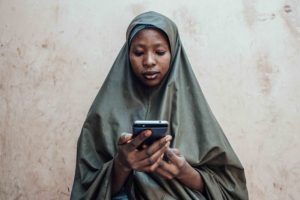
Video Advocacy in AfricaWITNESS Media Lab, a nonprofit based in the Brooklyn neighborhood of New York City, protects human rights. How? By providing victims of social injustice with technology resources, verification platforms and video curation methods. Global internet users have increased by approximately three billion between 2005 and 2019 due to increasing access to mobile technology. Video advocacy in Africa is now being used to expose gross injustices, across the continent.

Platforms like WITNESS extend human rights advocacy toward the field of technology. WITNESS uses film footage to publicize global crimes against humanity. Also, impoverished communities reach a large audience through film resources that help contextualize and disseminate eyewitness documentation.

The Borgen Project spoke with Adebayo Okeowo, WITNESS Africa Program Manager and human rights lawyer, to gain insight on WITNESS’s involvement in Africa. In 2017, internet access in sub-Saharan Africa increased to 25%, providing approximately 25% of the population with access to online, human rights resources.

A Digitized Form of Advocacy

Video advocacy is film footage used to publicize humanitarian issues that require international attention. WITNESS provides resources on video production and curation, allowing documented forms of injustice to reach a wider audience. Once issues of injustice receive global attention, influential policymakers and human rights lawyers are more likely to intervene.

According to The World Bank, “eight of the ten most unequal countries in the world, when looking at the Gini coefficient, are in sub-Saharan Africa.” Socioeconomic conditions such as income inequality, government corruption and inequitable tax systems lead to high levels of disparity in impoverished African nations. As inequality rises in Africa, remote villages face an increased likelihood of war and violence. Here, video advocacy in Africa holds great potential for change. WITNESS helps reduce inequality by assisting in the publication and preservation of videos that expose injustices.

Capturing Global Attention

Although internet access has risen in sub-Saharan Africa, remote communities face challenges in bringing global awareness to humanitarian issues. For instance, inadequate IT infrastructure and poor Wi-Fi connection can lead to a decline in internet access. This, in turn, decreases the number of users who document and publicize acts of injustice. This presents a challenge for video advocacy in Africa. Furthermore, rural African communities lack global attention, to begin with. This, in turn, makes it difficult for humanitarian crises to gain traction in the media.

Okeowo stated that when the 2015 Baga massacre occurred in the same week as the Charlie Hebdo attack in Paris, hashtags like #JeSuisCharlie trended on Twitter while the mass killing of approximately 2,000 Nigerians failed to reach global news. Okeowo told The Borgen Project that “we must double our efforts in prioritizing interventions in every corner where there is injustice, but more especially in the forgotten places.”

Justice for Child Soldiers in the Democratic Republic of the Congo (DRC)

In 2012, WITNESS partnered with AJEDI-Ka, a local nonprofit in the eastern Democratic Republic of Congo (DRC). The aim was to assist in the conviction of militia leader Thomas Lubanga Dyilo. WITNESS and AJEDI-Ka presented two films comprising video documentation of Lubanga recruiting child soldiers to the International Criminal Court (ICC). As a result, the ICC sentenced Lubanga to 14 years in prison for the war crime of enlisting child soldiers under the age of 15.

The video documentation, ranging back to 2003, initiated an ICC investigation by providing general information on Lubanga’s war crimes. WITNESS, AJEDI-Ka and the ICC protected the human rights of potential child soldiers by holding Lubanga accountable for breaking international law. The 2012 ICC verdict and the 2014 upheld conviction signaled a warning to future militia leaders planning to recruit children for military purposes.

Okeowo told The Borgen Project that film publication “is not so much about how many eyes see the video, but that the right set of eyes see the video.” WITNESS is one of the leading organizations using video documentation to bring justice to impoverished areas, representing approximately 135 countries globally.

– Madeline Zuzevich
Photo: Wikimedia Commons