• Link to X
  • Link to Facebook
  • Link to Instagram
  • Link to TikTok
  • Link to Youtube
  • About
    • About Us
      • President
      • Board of Directors
      • Board of Advisors
      • Financials
      • Our Methodology
      • Success Tracker
      • Contact
  • Act Now
    • 30 Ways to Help
      • Email Congress
      • Call Congress
      • Volunteer
      • Courses & Certificates
      • Be a Donor
    • Internships
      • In-Office Internships
      • Remote Internships
    • Legislation
      • Politics 101
  • The Blog
  • The Podcast
  • Magazine
  • Donate
  • Click to open the search input field Click to open the search input field Search
  • Menu Menu

Archive for category: Technology

Information and stories about technology news.

Global Poverty, Health, Technology

Poverty and Mobile Health Technologies in Djibouti

Poverty and Mobile Health Technologies in Djibouti The World Health Organization (WHO) introduced the concept of mobile health (mHealth) to enhance health care systems delivery globally. mHealth utilizes information and communication technology to provide health care services. In Djibouti, where vast arid landscapes and limited clinical facilities pose significant challenges, mHealth spearheads transformative health care solutions. The country, struggling with infectious diseases and inadequate health care infrastructure, increasingly relies on mobile apps, telemedicine platforms and SMS-based interventions. By harnessing the potential of mHealth, Djibouti is making significant strides in improving health care delivery and advancing toward universal health care coverage.

Enhancing Access to Health Care Services

Many barriers to health access persist in Djibouti, exacerbated by poverty and geographical disparities. The World Bank reports that about 58% of Djibouti’s population lives below the poverty line, struggling to afford basic medical care. Mobile health technologies, however, are providing a vital bridge. Telemedicine platforms such as BaboCare and TelmedDjib enable remote consultations with health providers, effectively connecting patients with medical professionals, especially in rural areas where health care facilities are scarce. These platforms have reported a success rate of more than 70% in consultations conducted via telemedicine.

Empowering through Health Education

Health education is crucial for empowering individuals to make informed decisions about their health. Traditional methods of disseminating health information face significant challenges in Djibouti, where illiteracy rates are about 50%, according to the 2022 UNICEF report. Mobile health technologies offer a scalable and accessible solution to these challenges. Apps like AfyaDjib and Sehaty provide targeted health messages and educational content on topics from maternal and child health to infectious disease prevention. These apps have garnered widespread attention and have reportedly increased health literacy among users by 80%.

Disease Prevention Strategies

Disease prevention emerges as a crucial solution to reduce the burden of illness, especially in resource-limited settings like Djibouti. This country, grappling with a high prevalence of communicable diseases such as malaria and tuberculosis, struggles partly due to inadequate health care infrastructure. An effective and cost-efficient prevention strategy in Djibouti includes SMS-based interventions. For instance, the United to Beat Malaria campaign disseminates information on preventive measures like using bed nets and indoor residual spraying. According to the organization, this program has protected more than 40 million people from malaria in 61 countries and raised more than $75 million to combat the disease.

Challenges and Future Directions

While mobile health technologies hold great promise, challenges persist in their broad use and sustainability. These services often remain inaccessible to marginalized populations, particularly due to poor internet connectivity in rural areas. Ensuring that mHealth interventions respect cultural norms and include linguistic diversity is equally important. Therefore, future collaborations among government entities, nonprofit organizations and private sector stakeholders are crucial. These partnerships could address these challenges and fully realize the potential of mHealth technologies to improve health care delivery in Djibouti.

Looking Ahead

Djibouti’s commitment to expanding mobile health technologies promises to further revolutionize its health care landscape. As partnerships between governmental bodies, NGOs and private sectors strengthen, these collaborative efforts are set to enhance the accessibility and effectiveness of health services across the nation. With continuous innovation and strategic implementation, mHealth has the potential to significantly reduce health disparities and lead Djibouti toward achieving sustainable universal health care coverage.

– Honorine Lanka Perera

Honorine is based in Highland, NY, USA and focuses on Technology and Global Health for The Borgen Project.

Photo: Flickr

May 28, 2024
https://borgenproject.org/wp-content/uploads/borgen-project-logo.svg 0 0 Precious Sheidu https://borgenproject.org/wp-content/uploads/borgen-project-logo.svg Precious Sheidu2024-05-28 07:30:462024-05-30 01:18:47Poverty and Mobile Health Technologies in Djibouti
Child Poverty, Developing Countries, Global Poverty, Technology

Helping Schoolchildren in Uganda Using Simple Technology

Schoolchildren in UgandaIn 2014, South Korean Park Joong-Ryeol created a small company in Uganda. He aimed to alleviate the problems that schoolchildren in Uganda face while traveling for water. This company is Jerrybag. It makes lightweight but sturdy bags to make transporting water more accessible and safer. Since its inception, the company has donated more than 18,000 Jerrycan bags to 30 schools in Africa.

Water Problems in Uganda

In Uganda, water is a scarce resource. In rural areas, it is difficult for citizens to get any water. Some estimates state that one in four people lack access to clean water. Women and children usually travel long distances to collect water for themselves and their families to survive. On average, they trek six kilometers and spend two hours each day getting water.

This grueling task deprives children of education, as they must prioritize fetching water over schooling and poses serious health risks. Schoolchildren in Uganda burdened with transporting heavy 10-kilogram jerrycans of water unaided suffer from spinal pain, with a study revealing that 62% of them experience such discomfort.

Moreover, the lack of paved sidewalks on rural roads exacerbates the dangers faced by these children. Forced to walk alongside cars, they are constantly at risk, with statistics highlighting the alarming rate of fatalities due to road accidents. In Uganda, for instance, an average of 12 people per day lost their lives in car accidents in 2022, compared to five per day in Britain during the same period. The unsafe conditions of these roads further compound the challenges encountered by children in their daily lives.

Jerrycan Bags

The Jerrycan bag is a waterproof backpack that fits a Jerrycan. It eases the burden for kids while they are transporting water. The bag features a reflective “SLOW DOWN” sign to notify drivers to combat the dangerous roads. Jerrybag adopts a holistic approach by empowering local women in Kampala through employment opportunities. By hiring these women to produce the bags, the company not only improves the lives of children but also contributes to economic empowerment in the community.

In recognition of its impactful work, Jerrybag received the prestigious Seoul Design Award in 2023. The award is given to projects that create sustainable solutions to everyday problems, underscoring the significance of Jerrybag’s work. Funding its operations in Uganda through its South Korea website, Jerrybag sustains its mission by selling merchandise and allocating a portion of the proceeds to its studio in Uganda. As the company’s popularity grows, it can scale up production to provide more bags for children in need. Jerrybag currently produces more than 400 bags monthly, exemplifying its commitment to making a tangible difference in the lives of children and communities in Uganda.

Jerrybag’s impact extends beyond providing water-carrying solutions in Uganda; the company has also played a significant role in supporting the nation during the COVID-19 pandemic. Demonstrating its commitment to community welfare, Jerrybag generously donated 4,870 hygiene kits and 14,160 masks, aiding the country’s efforts to combat the spread of the virus. Furthermore, Jerrybag engages in initiatives to empower disadvantaged children through design workshops, fostering creativity and skill development.

Final Remark

Jerrybag is a simple but creative solution to the struggle schoolchildren in Uganda face. The company’s success shows how basic changes like a new backpack can make a difference.

– Richard Sartor

Richard is based in London, UK and focuses on Technology and Solutions for The Borgen Project.

Photo: Wikimedia Commons

May 16, 2024
https://borgenproject.org/wp-content/uploads/borgen-project-logo.svg 0 0 Hemant Gupta https://borgenproject.org/wp-content/uploads/borgen-project-logo.svg Hemant Gupta2024-05-16 07:30:482024-05-15 22:40:12Helping Schoolchildren in Uganda Using Simple Technology
Development, Global Poverty, Technology

Comic Republic: A New Comic Book Landscape

Comic RepublicBatman, Wonder Woman and Spider-Man have inspired children and adults alike for decades, grossing billions of dollars in film, TV, video games and comic book sales. Often compared to modern-day myths, these heroes embody enduring values that have transcended centuries. Despite their textual and metatextual differences, these iconic characters all share one common denominator: their origins in the United States of America (USA).

The USA is considered the birthplace of modern comic books. Although many influential comics originate from other nations, Europe and America dominate the comic book and graphic novel landscape. However, some creators and publishers are striving to diversify this art form by incorporating African myths, sensibilities and art styles.

Comic Republic: Pioneering African Comics

Comic Republic, a Nigerian comic book publisher and multimedia company, has been creating characters that resonate globally for seven years. The company has produced dozens of characters featured in hundreds of stories and has collaborated with major corporations like BBC, Samsung and Wakanow to create characters and marketing materials. Committed to reshaping global perceptions of Africa through art and culture, Comic Republic offers all its books for free download on its website. Additionally, Comic Republic is collaborating with Emagine Content and JackieBoy Entertainment to produce a film based on their character Ireti. Announced in 2021, the project has not yet progressed, but future developments are still possible.

YouNeek: Building an African Comic Universe

YouNeek is a rising African comic studio dedicated to transforming African myths and culture into formats that appeal globally, such as comics and animation. Unlike other studios that create various worlds for their characters, YouNeek focuses on developing a shared universe of comic book superheroes, aiming for cross-medium expansion akin to Marvel Studios’ MCU. Roye Okupe, the owner and creative director of YouNeek, leads these efforts. Known for his ambition to build a multimedia empire, Roye has been making significant strides toward this goal. “Malika,” one of YouNeek’s projects, features a 15-minute animated pilot available on YouTube. In 2020, Roye secured a ten-book deal with Dark Horse Comics, a major player in the international independent comic book market and has been actively working on this commitment.

Looking Ahead

Comic Republic and YouNeek exemplify the indomitable spirit long associated with the comic book industry. Icons like Joe Shuster, Jerry Siegel, Bill Finger, Stan Lee, R. Crumb and Will Eisner have harnessed the power of comics to spark the imaginations of millions across all ages. Historically dominated by Western nations, the comic book industry is witnessing a transformative contribution from artists around the world, demonstrating that diverse nations and cultures have much to offer through the beloved artistic medium.

– Charlie McFadden

Charlie is based in Glasgow, Scotland and focuses on Business and Good News for The Borgen Project.

Photo: Unsplash

May 14, 2024
https://borgenproject.org/wp-content/uploads/borgen-project-logo.svg 0 0 Precious Sheidu https://borgenproject.org/wp-content/uploads/borgen-project-logo.svg Precious Sheidu2024-05-14 01:30:312024-12-13 18:03:10Comic Republic: A New Comic Book Landscape
Global Poverty, Technology, USAID

5 Ways Cell Phones Transform Fishing in the Pacific Islands

5 Ways Cell Phones Transform Fishing in the Pacific Islands Fish are a valuable commodity in the Pacific Islands, making up to 90% of animal protein consumption and a significant portion of income generation in coastal villages. In terms of income generation, the advent of widespread cell phone coverage presents a promising opportunity for the region’s efforts toward poverty alleviation and economic advancement through fishing activities. However, only 38% of Pacific Islanders have access to a mobile phone subscription, contributing to poverty rates as high as 52.2% in Papua New Guinea. The following is an outline of five key ways that increasing mobile phone subscriptions could aid poverty alleviation through fishing in the Pacific Islands.

Access to Market Information

Facilitating access to market information is one of the most pivotal avenues through which phone coverage enhances fishing in the Pacific Islands. This assertion is strongly supported by Robert Jensen’s seminal research paper “The Digital Provide.” Jensen’s study, conducted in the densely populated fishing region of Kerala, India, revealed that with the adoption of cell phones, approximately one-third of fishermen expanded their market reach beyond their local catchment area.

This expansion coincided with a significant reduction in fish wastage, plummeting from 8% to 0%. The change was caused by newfound access to real-time market data afforded by mobile phones, enabling fishermen to stay abreast of supply and demand dynamics in nearby markets. Consequently, Jensen’s study underscored a tangible increase in fishermen’s profits, catalyzed by expanding cell phone coverage.

These findings suggest that similar benefits could accrue in the Pacific Islands, where increased cell phone access could enhance food production, expand economic opportunities in fishing and reduce food poverty. By leveraging existing infrastructure, such as the Western Pacific Fisheries Information Network Data Portal, fishermen can explore new markets, augmenting overall productivity and mitigating financial poverty and food insecurity.

Communication with Buyers

The expansion of cell phone access equips fishermen with a direct and streamlined communication channel to engage with individual buyers. Multiple studies underscore the significance of digital marketing in fish sales, highlighting its cost-effectiveness in reaching a broader array of potential consumers. Moreover, fostering personal connections with clients significantly enhances customer satisfaction and drives referrals. Through regular communication via cell phone with consumers, fishermen can broaden their network, facilitating waste reduction and boosting income. Consequently, this enhanced financial capacity enables investment in modern fishing equipment, thereby further optimizing operations and catalyzing economic growth and poverty reduction.

Weather Monitoring

Fishing, particularly in economically disadvantaged nations, poses significant risks due to unpredictable weather patterns and tidal fluctuations, with an estimated 100,000 fishermen losing their lives annually at sea. The expansion of cell phone coverage presents an opportunity to substantially diminish this staggering toll, primarily by granting access to real-time weather updates. This access notably reduces the likelihood of fishermen encountering perilous sailing conditions. For instance, the National Disaster Management Office of Vanuatu has pioneered an emergency SMS system to notify fishermen about impending natural disasters – a cost-effective, low-tech solution that profoundly enhances safety at sea. Moreover, temperature directly influences fish behavior and productivity.

Cell phone coverage grants fishermen access to both long-term climate forecasts and short-term weather trends, empowering them to adapt by acquiring suitable equipment for changing conditions or relocating to other catchment areas with higher yields. As a result, fishing in the Pacific Islands transforms into a safer, more profitable industry, fostering increased food production and incomes.

Access to Financial Services

Fishermen in rural or remote islands frequently encounter challenges accessing banking services, which are crucial for obtaining loans to initiate or expand fishing operations. The expansion of cell phone coverage facilitates access to online banking and microfinance institutions, offering avenues for business expansion with minimal collateral requirements. Notably, in China, microfinance initiatives within the aquaculture sector have demonstrated efficacy in poverty alleviation while also proving profitable for the firms involved. Additionally, in Haiti, mobile phone expansion resulted in a 30% increase in people gaining access to financial institutions. Extrapolating from this data, it is reasonable to anticipate similar benefits for Pacific island communities with expanded mobile phone coverage.

Government Oversight and Compliance

Illegal fishing in the Pacific accounted for the illicit harvesting of nearly 200,000 tons of tuna, valued at more than $300 million, between 2017 and 2019. Such alarming trends transcend species boundaries, jeopardizing the survival of marine populations, intensifying food insecurity and undermining the efforts of licensed purveyors. However, with the advent of mobile internet connectivity, surveillance and communication with governmental authorities are streamlined, empowering fishermen to report suspicious activities effectively.

The tangible benefits of cell phone coverage in combatting illegal fishing have already been observed in the Solomon Islands. By curbing overfishing and unsustainable practices, cell phones play a consequential role in safeguarding fishing productivity for future generations, thereby ensuring the long-term sustainability of the industry. This proactive approach not only mitigates poverty and food insecurity concerns but also fosters a more resilient and prosperous fishing sector.

Ongoing Initiatives

Despite persistently low mobile subscriber penetration among Pacific Islanders, projections indicate a rapid increase, with an estimated 50% adoption by 2030. However, this rate still falls significantly below the global average of 73%. To improve penetration rates among fishermen in the region, concerted efforts from local policymakers and international investors could be crucial. Initiatives such as the Pacific Digital Connectivity and Cybersecurity Partnership (DCCP) by USAID aim to enhance internet connectivity throughout Oceania. USAID-funded mobile applications, such as Hapi Fis and Hapi Pipol! (Happy Fish, Happy People!) in the Solomon Islands, provide fishermen and communities with real-time fishery management information and solutions.

Looking Ahead

The potential for mobile technology to transform the fishing industry in the Pacific Islands is vast and promising. By increasing access to market information, enhancing safety with weather updates and improving financial services, mobile phones could significantly uplift the economic status of fishermen and their communities. As coverage expands, these technologies are poised to make a profound impact on reducing poverty and increasing food security across the region.

– Matthew Candau

Matthew is based in St. Andrews, Scotland and focuses on Technology and Politics for The Borgen Project.

Photo: Flickr

May 9, 2024
https://borgenproject.org/wp-content/uploads/borgen-project-logo.svg 0 0 Precious Sheidu https://borgenproject.org/wp-content/uploads/borgen-project-logo.svg Precious Sheidu2024-05-09 07:30:292024-05-09 01:33:575 Ways Cell Phones Transform Fishing in the Pacific Islands
Entrepreneurship and Business, Global Poverty, Technology

Social Media Entrepreneurs in Nigeria

How Social Media Empowers Entrepreneurs in NigeriaNigeria is witnessing a remarkable surge in entrepreneurial spirit, with small and medium-sized enterprises (SMEs) playing a significant role in the economy. As of December 2021, Nigeria hosted at least 39,654,385 micro, small and medium enterprises. These businesses generate 48% of Nigeria’s Gross Domestic Product (GDP), comprise 96% of all businesses and provide 84% of employment. The SME sector and social media are crucial in alleviating poverty and creating jobs in Nigeria. The country’s fintech sector is attracting significant investment, highlighted by OPay securing a record $400 million in 2022, with most of the funding coming from Asia, particularly China. This trend emphasizes the critical role social media and entrepreneurs play in driving Nigeria’s economic growth.

Overcoming Marketing Barriers

The entrepreneurial boom in Nigeria faces challenges with limited market access. Traditional marketing channels such as newspapers and billboards can be costly for startups. Additionally, entrepreneurs often serve only their local customer base due to geographical constraints, which stifles growth and economic progress.

Social media is revolutionizing market access for Nigerian entrepreneurs and playing a crucial role in poverty reduction efforts. As of January 2023, Nigeria boasted 31.60 million social media users, representing 14.3% of its total population.

Empowering Businesses Through Social Media

Social media platforms empower Nigerian entrepreneurs by offering a space to connect with customers, market products and build brand awareness. Entrepreneurs like Mustapha Aishat, who founded @mairachamp.ng, use Instagram to attract customers and offer brand packages. This approach highlights the innovative ways entrepreneurs use social media to expand their business reach.

Recent statistics indicate that 28% of all business activity now occurs online, underscoring the growing importance of the internet in the current business landscape. Consumers increasingly prefer the convenience of online transactions, prompting businesses to expand their online presence to capitalize on this trend.

A January 2024 Forbes report reveals that 4.02 billion people worldwide or 53% of the global population use the internet. Additionally, social media users account for 3.2 billion or 42% of the world’s inhabitants. These figures highlight the presence and growth potential of social media, which empowers entrepreneurs in several ways:

  • Cost-effective Marketing. Social media platforms provide free or low-cost marketing avenues. Entrepreneurs can reach a wider audience compared to traditional advertising’s high costs. This allows them to build brand awareness and attract customers without breaking the bank.
  • Direct Customer Engagement. Unlike traditional advertising, social media supports two-way communication. Entrepreneurs can directly interact with their customers, understand their needs and preferences and build stronger brand loyalty. This valuable feedback allows them to refine their business strategies and offerings to better meet customer demands.
  • Targeted Outreach. Social media advertising empowers entrepreneurs to target specific demographics and reach a broader audience across Nigeria. This ensures their marketing efforts are more efficient and effective. Therefore, maximizing their return on investment.
  • Direct Sales Platform. Social media platforms like Facebook Marketplace and Instagram Shopping enable entrepreneurs to sell products directly to customers across the country and even internationally. This eliminates the need for intermediaries, reduces costs and opens doors to new markets.
  • Real-Time Customer Feedback. Social media interactions provide valuable insights in real time. Entrepreneurs can use this feedback to adapt their products and services, identify areas for improvement and make informed business decisions.

Government Policies Supporting Social Media Entrepreneurship

The Nigerian government recognizes social media’s potential as a catalyst for economic growth and has introduced policies to support entrepreneurs in the digital space. Key policies include:

  • National Broadband Plan 2020-2025. This plan aims to expand broadband access across Nigeria, making it easier and more affordable for entrepreneurs to leverage social media platforms for their businesses.
  • Digital Literacy Programs. The Nigerian government, in collaboration with NGOs and private institutions, promotes digital literacy programs to equip entrepreneurs with the digital skills like social media marketing, needed to leverage social media to drive business growth.
  • NITDA Code of Practice. The NITDA Code of Practice for social media operations guides the activities of platforms like Twitter, Facebook and Instagram within the country. This code aims to protect users while ensuring that platforms act responsibly and support lawful content. It thereby creates a safe environment for entrepreneurs to thrive.
  • National Broadcasting Commission (NBC) Act. The proposed legislation to repeal and reenact the National Broadcasting Commission (NBC) Act reflects the government’s commitment to regulate and oversee digital platforms. The Act ensures that entrepreneurs contribute positively to the nation’s socio-economic development.

Social Media: A Catalyst for Poverty Reduction

Social media directly contributes to poverty reduction in Nigeria by empowering entrepreneurs in the following ways:

  • Creating Income Generation Opportunities. Social media platforms provide new avenues for marketing and sales. It opens doors to new income streams for entrepreneurs. This financial independence is crucial for lifting individuals and families out of poverty.
  • Facilitating SME Growth. The success of social media in empowering entrepreneurs leads to the growth of small and medium-sized enterprises (SMEs). This growth translates to job creation, a critical factor in economic stability and poverty reduction.
  • Supporting Women Entrepreneurs. Social media levels the playing field for women entrepreneurs who may face additional barriers in traditional business settings. By providing a platform where talent and innovation take center stage, social media fosters gender equality and economic inclusion.
  • Expanding Market Reach. Social media removes geographical limitations and provides entrepreneurs the potential to reach a global audience and access larger markets. It also opens doors to larger markets,  increases sales potential and creates new growth opportunities.

Challenges

Although social media offers immense potential, several challenges need addressing. Some of them are as follows:

  • Digital Divide. Limited internet access and digital literacy skills can hinder some entrepreneurs from fully utilizing social media platforms.
  • Online Safety. Educating entrepreneurs about online scams and misinformation is vital for a safe and secure online business environment.
  • Adaptability. The changing nature of social media platforms demands continuous learning and adaptation from entrepreneurs.

Looking Ahead

The trajectory for Nigerian entrepreneurs is increasingly digital, promising greater economic inclusivity and sustainability. Moreover, as social media continues to redefine market dynamics, its role in fostering economic empowerment and reducing poverty could become more pivotal than ever.

– Prince Adewale Adewumi

Prince is based in Akure, Nigeria and focuses on Technology and Solutions for The Borgen Project.

Photo: Unsplash

May 1, 2024
https://borgenproject.org/wp-content/uploads/borgen-project-logo.svg 0 0 Precious Sheidu https://borgenproject.org/wp-content/uploads/borgen-project-logo.svg Precious Sheidu2024-05-01 01:30:472024-05-05 02:51:19Social Media Entrepreneurs in Nigeria
Global Poverty, Technology, Water

Private Sector Is Driving Water Solutions in Sub-Saharan Africa

Water in Sub-Saharan AfricaThe continent of Africa boasts extensive geographical and biological diversity. With this heterogeneity, it is critical to tackle poverty from a multidimensional lens. This article focuses on using solar technology in Sub-Saharan Africa to provide clean water and access to water for farming and health facilities, addressing resource poverty.

The Sub-Saharan countries alone have 1.2 billion citizens and projections by the World Bank indicate that this number will increase to 2.7 billion by 2060. The International Institute for Applied Systems Analysis states that an unpredictable and erratic rainfall pattern is a major contributor to low productivity and food insecurity in Africa. This is further compounded by a low degree of mechanization, which reinforces a persistent poverty trap. Cyclical famines triggered by these factors pose a significant threat to local development opportunities.

Startups and established solar tech companies in the region are using solar energy-powered systems to tackle water scarcity. By doing so, they are setting an example for the future of farming development. This approach produces positive economic outcomes that have a ripple effect on the health and well-being of citizens and the global economy as a whole.

Blazing the Trail for Progress

Although the continent receives “60% of the world’s solar resources, Africa has only 1% of solar generation capacity.” This is largely due to economic constraints caused by reverberations from the global pandemic and the war in Ukraine. Filling in the gaps, partnerships between governments and the private sector are increasingly opening up opportunities for citizens to harness solar energy to power irrigation systems.

SunCulture is one example of the many companies and startups funding development projects in countries experiencing the highest levels of water scarcity, including but not limited to Ethiopia, Kenya, Morocco, Namibia, Nigeria, Rwanda, Senegal, South Africa, Tanzania and Uganda. SunCulture alone has raised more than “40 million to equip rural farmers with solar-powered irrigation systems.” Rural farmers previously relied on rainfall or oil power to produce the water necessary for production.

Now, with help from SunCulture, they have access to cheap and renewable energy to run irrigation systems that require “minimal maintenance.” Put simply by SunCulture’s chief of staff, Mikayla Czajkowski, solar energy offers “positive environmental impact, job creation potential and economic development potential.”

The potential for harnessing solar power is extensive. One foreign company leading the charge is Business Finland, which introduced the SolarRO 1500 desalination system in the village of Tseikuru, Kenya. Many communities living rurally or in city “slums” in Kenya have historically relied on contaminated water as the only available resource.

SolarRO utilizes solar energy to operate reverse osmosis systems. This empowers communities to clean the existing water resources without the costs that come with drilling and building irrigation systems. While irrigation systems are best for farming development, reverse osmosis offers a simpler solution to the prevalence of contaminated water, with the reliance on solar (renewable) energy being a key aspect of a cost-efficient implementation.

High Hopes and High Rewards

A SunCulture impact survey found that “89% of smallholder farmers experienced a boost in their quality of life, 90% increased their production and 87% enhanced their earnings.” The success of these projects revolves around the sustainable and efficient nature of implementation. With roughly 36.7% of the population of sub-Saharan countries living on $2.15 a day, costs present a slight challenge.

While many companies have developed solutions based on grants and funds raised, the future and sustainability of these water solutions require a structured water industry all over Sub-Saharan Africa. As communities are given access to water, impact analyses show that production capacities increase and, with it, the quality of life. By investing in solar energy solutions now, the economic and health sectors will see positive, sustainable change in the future.

As the world strives to achieve the Sustainable Development Goals, initiatives like the solar-powered water project serve as beacons of hope. They demonstrate that sustainable solutions to poverty are within reach. By leveraging renewable energy and community-driven approaches, there is the potential for clean water to catalyze positive change and create a brighter future for generations to come in rural Africa and beyond.

– Kiera Gorman

Kiera is based in Santa Cruz, CA, USA and focuses on Good News for The Borgen Project.

Photo: Pexels

April 19, 2024
https://borgenproject.org/wp-content/uploads/borgen-project-logo.svg 0 0 Hemant Gupta https://borgenproject.org/wp-content/uploads/borgen-project-logo.svg Hemant Gupta2024-04-19 07:30:522024-04-18 05:45:03Private Sector Is Driving Water Solutions in Sub-Saharan Africa
Development, Global Poverty, Nonprofit Organizations and NGOs, Technology

Digital Innovation Empowering Rural Entrepreneurs

Empowering Rural EntrepreneursIn the face of rapid digital advancement, innovative solutions are emerging as powerful tools for alleviating poverty worldwide. The development sector is increasingly utilizing digital innovation to support rural entrepreneurs, thereby forging a path toward sustainable poverty reduction through technology. This article examines the transformative impact of online commerce and direct cash transfers by organizations like GiveDirectly and GiveWell on empowering rural entrepreneurs and sparking economic development in underserved areas.

The Power of Direct Cash Transfer

As technological advancements gain popularity in urban settings, rural communities are not left behind, due to aid from organizations like GiveDirectly. This organization equips people in rural areas with phones, enabling contributors to send funds directly to those in greatest need. GiveWell and GiveDirectly have demonstrated the success and sustainability of grants over loans in reducing poverty, through tracking and analyzing cash transfers. These grants, with few or no strings attached, have not only shown a proven track record of success but also represent the most ethical giving method, granting recipients complete control over their paths out of poverty.

Microloans vs. Unconditional Wealth Transfer

Assuming impoverished people cannot manage their finances overlooks the structural and systemic nature of poverty. This perspective has fueled the popularity of microloans as a poverty reduction strategy. When donating to an organization, contributions often cover staff salaries, outreach costs and more, stretching funds to support not only the target populations but also the organization’s sustainability. Meanwhile, loans risk entrenching people in a cycle of poverty, with the burden of repayment potentially falling on their children if the parents fail to pay off the debt.

For this reason, GiveWell has invested in the analysis of GiveDirectly, a study that compares microloans to unconditional cash transfers. According to GiveWell, “It requires far more overhead to run a microlending operation than to run a cash transfer operation.” Additionally, many microloan agencies operate as for-profit businesses rather than humanitarian nonprofits like GiveDirectly. This distinction often means there’s less incentive for them to avoid indebting the people they aim to assist

The Case for Direct Cash Transfers

Organizations have rigorously studied cash transfers, finding strong evidence they reduce monetary poverty. A 2016 report from the Department for International Development highlights cash transfers as among the most thoroughly researched development interventions. However, only 2% of major government funding goes toward direct cash transfers.

Global Market Access for Rural Artisans

Technological innovation, particularly online marketplaces, is advancing global development by opening access to the global market. People in low-income, rural areas often create sought-after artisanal products, but traditionally they could sell them only to tourists at local prices. For-profit and nonprofit companies are emerging to offer entrepreneurs technology access and digital business strategies. These initiatives empower rural women’s groups to develop websites or use existing platforms to sell their products at fair prices, reflecting the hours of labor invested in their creation. Digital platforms connect rural producers directly with consumers and markets, eliminating intermediaries and ensuring fair prices for their products. The ongoing trends show that collaborating through websites fosters community-led development.

The Future of Technology in Development

Digital innovation and solutions, such as direct cash transfers and global market access, are reshaping the landscape of poverty alleviation, empowering rural entrepreneurs to take charge of their economic futures. These advancements promise a sustainable pathway out of poverty, leveraging technology to bridge gaps and foster inclusive growth.

– Kiera Gorman

Kiera is based in Santa Cruz, CA, USA and focuses on Technology and Solutions for The Borgen Project.

Photo: Flickr
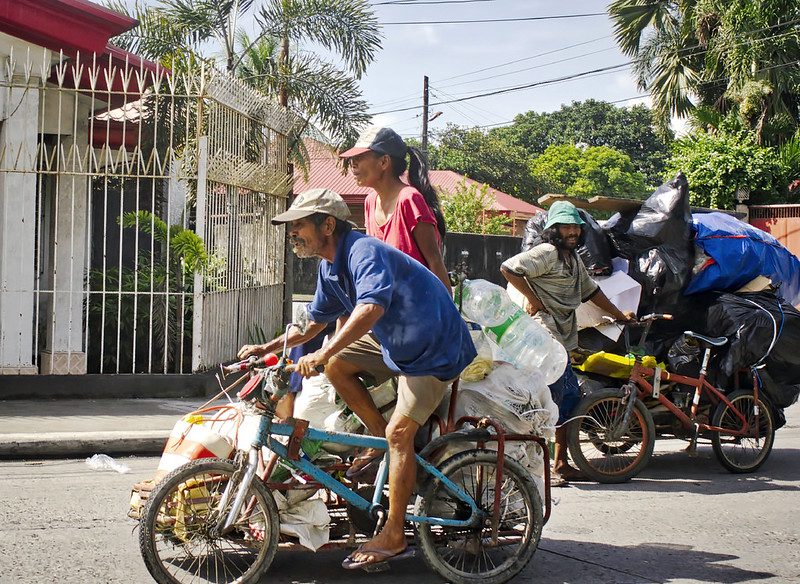
April 6, 2024
https://borgenproject.org/wp-content/uploads/borgen-project-logo.svg 0 0 Precious Sheidu https://borgenproject.org/wp-content/uploads/borgen-project-logo.svg Precious Sheidu2024-04-06 01:30:562024-04-05 02:31:57Digital Innovation Empowering Rural Entrepreneurs
Africa, Developing Countries, Development, Global Poverty, Technology

Gaming in Africa: Human Development Benchmark

Gaming in Africa: Human Development BenchmarkIn 2009, Beth Kolko and Cynthia Putnam proposed the United Nations (U.N.) recognize video gaming, both creation and play, as a human development benchmark. The proposal, though initially seen as radical, has gained scientific support over time. Gaming in Africa is a significant aspect of this discussion.

Kolko and Putnam argue that gaming fosters the spread of computer technologies in areas and among groups that might otherwise lack access. They claim that “games constitute a significant portion of the ICT (information and communication technologies) ecology in developing regions and provide a pathway to people’s ‘first touch’ of a computer.” Understanding and utilizing technology in developing countries opens up local and international employment opportunities while educating communities. These opportunities are crucial for transitioning developing nations into developed ones capable of competing on the global stage.

Proliferation of Gaming in Developing Regions

Unfortunately, the 2009 proposal was denied and the matter has not been revisited by the U.N., but the scientific and social studies that have been done since have reinforced the concept of games as a benchmark of human development. The idea of gaming as an important step in the artistic and social development of a nation has not only been adopted by academics but also by nations all over the developing world.

Elevating Gaming in Africa

The Pan African Gaming Group (PAGG), an international collective of video game developers across Africa, aims to enhance the status of gamers and developers on the continent. In developing nations, gamers often find game consoles and high-end computers hard to access, prompting a shift to more affordable technology. Mobile gaming has engaged more than 186 million people throughout Africa, a demographic PAGG serves by collaborating with studios across the continent to create games that reflect African life.

Gaming’s Economic Potential

In a statement on its website, PAGG states “We believe that if games are culturally relevant to the local communities that we serve… create positive impacts in the lives of Africans and their community.” The group aims to foster a gaming community in Africa with the potential to become a significant force in the international market, a goal that appears to be bearing fruit.

Gam3s predicts that gaming in Africa will be a billion-dollar industry by the end of 2024. Key factors include wider internet access and more affordable cell phones, but Africa’s adaptation to modern gaming markets involves more complex strategies.

African Developers

Companies like Microsoft, Apple and EA rely heavily on credit card transactions for game purchases and subscriptions. However, with Africa’s credit card usage at only 2.7%, accessing games from major companies poses a challenge. Despite this, gaming in Africa continues to grow, due to innovative solutions tailored for the local market. These solutions include OPay, a digital bank based out of Nigeria and the sale of game vouchers in local stores and supermarkets, making gaming more accessible to a broader audience.

Innovations have paved the way for African developers like Leit Arts, Kayfo Games and Digital Mania to gain recognition. With strong local support and growing interest from international gamers, these companies could transform Africa into a key player in online creation, gaming and community building in the digital world.

– Charles McFadden

Charles is based in Glasgow, Scotland and focuses on Technology and Solutions for The Borgen Project.

Photo: Unsplash

April 5, 2024
https://borgenproject.org/wp-content/uploads/borgen-project-logo.svg 0 0 Precious Sheidu https://borgenproject.org/wp-content/uploads/borgen-project-logo.svg Precious Sheidu2024-04-05 07:30:382024-04-04 08:38:16Gaming in Africa: Human Development Benchmark
Agriculture, Global Poverty, Technology

Cacao Pods: Repurposed to Alleviate Poverty in Africa

Cacao Pods: Repurposed to Alleviate Poverty in AfricaThe cocoa industry holds the promise of becoming a source of clean energy, enhancing agricultural output and lessening poverty among farmers. According to the World Resource Institute, approximately 75% of the cacao pod is discarded during cultivation, harvesting and consumption of cocoa beans, as the beans, used for making chocolate and cocoa butter, are the most valuable parts. This practice leads to soil degradation and contributes to deforestation, diminishing the availability of fertile land for farming. Research from Wageningen University shows that smallholder cocoa farmers in Ivory Coast and Ghana earn about $1 per person a day, insufficient to meet basic needs.

Sustainable Utilization of Cacao Pods

Collecting and repurposing the husk, pulp and shell of cacao pods results in several uses. For instance, the pulp can be processed into a nutritious and delicious beverage, creating new market opportunities within the chocolate industry. Additionally, cocoa bean shells can be transformed into cocoa flour, a healthy, gluten-free alternative to traditional flour. These innovative uses of cacao pod byproducts provides farmers with additional products to sell beyond chocolate, as well as, enhance their profits, diversify their produce and also enjoy environmental benefits. Cocoa bean shells can be used as fertilizer and mulch, helping to suppress weeds and retain soil moisture, thus improving soil health. Moreover, enhanced soil quality supports increased production and helps farmers achieve larger yields, contributing to poverty alleviation among cocoa farmers.

Animal Feed and Soil Health Improvement

Repurposing cacao pods not only helps reduce soil degradation, providing farmers with more reusable land for crop planting but also serves as a cost-effective animal feed source. This dual benefit enhances agricultural productivity and contributes to reducing poverty among cocoa farmers by lowering animal husbandry expenses.

Cacao Pods for Clean Energy Production

A study identified cacao pod husks as a viable source for electricity generation in Uganda. Methods such as direct combustion, gasification, pyrolysis, anaerobic digestion and hydrothermal carbonization can convert these husks into energy. Utilizing cacao pods for power could significantly benefit rural areas in Uganda by providing electrification. This shift has the potential to reduce deforestation, mitigate climate change and preserve biodiversity, transforming the socio-economic landscape of these communities.

Innovative Projects for Cacao Pod Waste Repurposing

The Circular Economy Cocoa: From Bean to Bar Project and the Cote d’Ivoire Biomass Electricity Production initiative are pioneering new methods to repurpose cacao pod waste for more sustainable production. The Cote d’Ivoire initiative focuses on a power plant that uses cacao pod waste to generate clean energy, as outlined by the Private Financing Advisory Network (PFAN). Meanwhile, the Circular Economy Cocoa program in Helvetas Vietnam aims to transform Vietnam’s cocoa production into a renewable sector. This transformation involves recycling cocoa waste as an energy source, eliminating harmful chemicals in manufacturing, reducing the intensity of resource production and introducing eco-friendly packaging solutions.

Looking Forward

Embracing innovative approaches to repurpose cacao pod waste marks a promising step toward sustainable agriculture and energy production, offering cocoa farmers in regions like Ivory Coast, Ghana and Uganda a brighter future. These initiatives not only aim to elevate farmers’ livelihoods but also set a precedent for environmental stewardship in the cocoa industry, steering toward a more sustainable and prosperous path for all involved.

– Erika David

Erika is based in Union, NJ, USA and focuses on World News for The Borgen Project.

Photo: Unsplash

April 4, 2024
https://borgenproject.org/wp-content/uploads/borgen-project-logo.svg 0 0 Precious Sheidu https://borgenproject.org/wp-content/uploads/borgen-project-logo.svg Precious Sheidu2024-04-04 07:30:492024-04-03 14:27:34Cacao Pods: Repurposed to Alleviate Poverty in Africa
Global Poverty, Innovations, Technology

Navigating the Nuclear Battery Promise

Nuclear BatteryThe recent buzz surrounding Betavolt’s nuclear battery has ignited excitement about a potential clean energy revolution. However, it’s crucial to approach this development with a balanced perspective, acknowledging its potential and the significant challenges. The Borgen Project aims to provide a comprehensive analysis, separating hype from hope by exploring this technology’s science, safety, feasibility and responsible development. Here, continued research and development efforts are crucial to fully understand the potential of nuclear batteries and their role in the future energy mix. 

Nuclear Battery: Potential and Hurdles

Nuclear batteries, like those developed by Betavolt, utilize the decay of radioactive isotopes to generate electricity for extended periods. Proponents highlight their potential for long-lasting, clean energy in remote locations or applications requiring consistent power, like medical devices or spacecraft. However, significant hurdles remain.

Firstly, regulatory approval is a complex and lengthy process. Nuclear technology faces stringent safety regulations and navigating these hurdles can be time-consuming and expensive. Additionally, the long-term management of radioactive waste generated by these batteries needs careful consideration and robust infrastructure, ensuring responsible disposal and environmental protection.

It’s important to note that advancements in areas like waste minimization and recycling could play a significant role in overcoming these challenges and paving the way for the wider adoption of nuclear batteries.

The Proven Path of Renewables

While nuclear batteries hold promise for specific applications, it’s crucial to recognize the established and rapidly advancing field of renewable energy. Solar, wind and other renewable sources offer a proven path towards a clean energy future, with significant advantages over nuclear technology in the near term. Continued investment and strategic policies are vital in accelerating the widespread adoption of renewables.

Success stories like the dramatic cost reduction of solar panels and the increasing efficiency of wind turbines demonstrate the immense potential of this sector. Additionally, innovative solutions like energy storage technologies address intermittency concerns, paving the way for a reliable and sustainable energy future powered by the sun, wind and human ingenuity. Beyond these established technologies, promising avenues exist to explore within the renewable energy sector. Research into advancements like geothermal, tidal and even algae-based biofuels can further diversify the clean energy portfolio.

Building Trust in Renewables

Investors play a crucial role in scaling up renewable energy solutions. By showcasing successful case studies, highlighting renewables’ economic and environmental benefits and fostering transparency in project development, we can build trust and attract investments crucial for accelerating the transition towards a clean energy future.

Focusing on the Future

Nuclear batteries may hold promise for niche applications in the distant future. However, for the immediate and foreseeable future, focusing on proven and rapidly advancing renewable energy solutions offers a more realistic and achievable path toward a sustainable and clean energy future. By harnessing the power of innovation, fostering responsible development and building trust in established technologies, we can collectively chart a clear course toward a brighter tomorrow powered by clean energy.

– Vincenzo Marino
Photo: Wikipedia Commons

March 26, 2024
https://borgenproject.org/wp-content/uploads/borgen-project-logo.svg 0 0 Hemant Gupta https://borgenproject.org/wp-content/uploads/borgen-project-logo.svg Hemant Gupta2024-03-26 07:30:382024-03-25 05:21:30Navigating the Nuclear Battery Promise
Page 19 of 89«‹1718192021›»

Get Smarter

  • Global Poverty 101
  • Global Poverty… The Good News
  • Global Poverty & U.S. Jobs
  • Global Poverty and National Security
  • Innovative Solutions to Poverty
  • Global Poverty & Aid FAQ’s
Search Search

Take Action

  • Call Congress
  • Email Congress
  • Donate
  • 30 Ways to Help
  • Volunteer Ops
  • Internships
  • Courses & Certificates
  • The Podcast
Borgen Project

“The Borgen Project is an incredible nonprofit organization that is addressing poverty and hunger and working towards ending them.”

-The Huffington Post

Inside The Borgen Project

  • Contact
  • About
  • Financials
  • President
  • Board of Directors
  • Board of Advisors

International Links

  • UK Email Parliament
  • UK Donate
  • Canada Email Parliament

Get Smarter

  • Global Poverty 101
  • Global Poverty… The Good News
  • Global Poverty & U.S. Jobs
  • Global Poverty and National Security
  • Innovative Solutions to Poverty
  • Global Poverty & Aid FAQ’s

Ways to Help

  • Call Congress
  • Email Congress
  • Donate
  • 30 Ways to Help
  • Volunteer Ops
  • Internships
  • Courses & Certificates
  • The Podcast
Scroll to top Scroll to top Scroll to top