• Link to X
  • Link to Facebook
  • Link to Instagram
  • Link to TikTok
  • Link to Youtube
  • About
    • About Us
      • President
      • Board of Directors
      • Board of Advisors
      • Financials
      • Our Methodology
      • Success Tracker
      • Contact
  • Act Now
    • 30 Ways to Help
      • Email Congress
      • Call Congress
      • Volunteer
      • Courses & Certificates
      • Be a Donor
    • Internships
      • In-Office Internships
      • Remote Internships
    • Legislation
      • Politics 101
  • The Blog
  • The Podcast
  • Magazine
  • Donate
  • Click to open the search input field Click to open the search input field Search
  • Menu Menu

Archive for category: Technology

Information and stories about technology news.

Agriculture, Global Poverty, Technology

Supporting Cambodian Farmers With Drone Technology

Cambodian FarmersCambodia, famed for its ancient temples, rich history and vibrant culture, offers unique natural beauty and historical importance. Located in Southeast Asia, its landscape spans the Mekong Delta, which has been an important source of vitality for its surrounding countries for centuries. The lower Mekong basin runs through the East of Cambodia, providing a livelihood for Cambodian farmers. More than 90% of total production in Cambodia along the Mekong basin is attributed to paddy production.

Furthermore, more than 50% of total agricultural production in Cambodia is attributed to rice production. Due to its proportion of national production, the development of this sector can bring great returns to Cambodians. The agricultural sector needs reforming to support the crop’s commercialization in the region, a process encouraged due to its export value. If the government’s aim to make the country a “rice basket” (a major rice exporter) is to be fulfilled, using new technology can aid this endeavor.

The Economic Situation

Cambodia is both one of the most impoverished countries and one of the fastest-growing economies in Southeast Asia. The genocide from 1975 to 1979, which saw the killing of almost one-quarter of the population, has undoubtedly left its mark on the people of Cambodia and the economic health of the country. About 16.6% of Cambodians are multidimensionally poor, meaning they suffer from multiple aspects of poverty beyond monetary means.

One legacy of the genocide is seen in the poverty rate of areas near where the atrocities took place. Villages nearer mass grave sites suffered an increased 4% poverty rate in a study done in 2023. Agriculture is a huge proportion of Cambodia’s production. It is an area where the country can focus on improving to compete further in the export market. Its status as a less-developed nation in the region makes it an attractive prospect for investors, especially investment in the agricultural industry. This makes Cambodia’s agriculture industry a prime sector for increasing overall wealth and reducing poverty.

Cambodia’s Paddy Problems

Paddy production increased by 2.9 million tons from 2012 to 2020, sitting at 10.9 million tons in 2020. Cambodia’s capacity for paddy production is clear. However, it is vulnerable to climatic conditions and the export market is strict about the type of rice seed it accepts.

Varying climatic conditions threaten to lower rice yields as both flooding and shortages of water can reduce the total rice yield for the year depending on the type of rice seed. To make Cambodia’s paddy production sustainable, investing in new technologies can aid the commercialization of the crop and its climate-resistant capabilities.

Drones Can Be a Solution

Drone usage is an example of a technological innovation that can help the government and individual farmers achieve greater efficiency in paddy production. Particular drones can be used for aerial fertilization, saving time during a typically time-consuming part of the production and increasing the safety of administering pesticides and insecticides.

The Cambodian Agriculture and Research Institute (CARDI) has partnered with Queensland University to develop the technology and to deliver training to Cambodian farmers and government officials on how these drones can be used.  A woman in Battambang province has been providing spraying services to farmers in her province for two years already, proving to be a profitable and reliable business venture. She is among a group of women who have invested in drone technology to provide this service, which is guaranteed to use less water than traditional methods.

Another type of drone has been used in the Siem Reap province to sow rice. The community in Siem Reap has successfully used drones to sow the Neang Ang rice seed, covering 70 hectares of rice per day. This is a huge proportion of ground covered, improving the livelihood of Cambodian farmers and providing food security to the community.

Looking Ahead

The successful case of drone usage and the current partnership between CARDI and Queensland University spell optimism for the development of Cambodia’s rice seed systems. The greater efficiency provided by drones can be used to produce greater yields of climate-resistant rice suited to the export market.

This innovative technology can simultaneously improve farmers’ livelihoods and make Cambodia’s export market more sustainable in the face of adverse climatic conditions. Innovation and investment in agricultural technology can be the key to achieving sustainable growth and subsequently reducing poverty in Cambodia. 

– Lauren Alkhalil

Lauren is based in London, UK and focuses on Technology and Solutions for The Borgen Project.

Photo: Unsplash

June 29, 2024
https://borgenproject.org/wp-content/uploads/borgen-project-logo.svg 0 0 Hemant Gupta https://borgenproject.org/wp-content/uploads/borgen-project-logo.svg Hemant Gupta2024-06-29 07:30:582024-06-28 09:44:37Supporting Cambodian Farmers With Drone Technology
Food Security, Global Poverty, Technology

Kuza Freezer and Its Impact on Kenya’s Fishing Industry

Kuza Freezer and Its Impact on Kenya's Fishing Industry Founded in 2021, Kuza Freezer based in Mombasa, Kenya, aims to boost local fishing industries by providing solar-powered cold storage refrigeration. The fishing industry plays a vital role in the lives of many Kenyans, offering them employment and income as well as contributing toward poverty reduction, minimizing food insecurity and expanding the country’s economy through foreign exports. According to Kenya’s National Bureau of Statistics, agriculture, forestry and fishing contributed approximately 22% to the country’s gross domestic product (GDP) and was the largest employer with more than 20 million workers in 2023, marking a 2% increase. 

Challenges and Innovations in Fish Storage

Proper storage can keep fish fresh for up to three months after catching, but many developing countries lack necessary refrigeration, leading to a much shorter shelf life of just a few hours. This increases the risk of foodborne illnesses such as cholera, diarrhea and typhoid. Despite fish products accounting for approximately 30% of all reported foodborne illnesses, a variety of fish, including tilapia, carp, eel and bass remain popular in Kenyan markets, where locals prefer fresh fish. Fisheries also face significant profit losses due to mass spoilage, often resorting to reprocessing wasted fish as feed rather than selling it.

Technological Advancements and Community Impact

Kuza Freezer provides a sustainable solution with its portable cold boxes that maintain fish at optimal temperatures for up to 30 days. These freezers, lightweight and easy to transport by car or bike, operate on solar energy with battery life lasting up to eight hours. Constructed from recycled plastics sourced from local communities, the cold boxes can reach temperatures as low as -18 degrees Celsius. In Kenya’s fishing industry, these solar-powered units are favored for their affordability and low maintenance, offering a practical alternative to conventional freezers and ice.

Kuza Freezer also markets its emissions-free Kuza Freezer Trike, a combination mobile bicycle cart and freezer, designed for customers requiring enhanced mobility. The company offers training to its customers, along with flexible payment plans and support for repairs to ensure sustainability. Additionally, Kuza Freezer facilitates direct deliveries through its Soka Express App, which conveniently brings fish directly to customers, enhancing the service’s accessibility and efficiency.

Expansion and Broader Applications

Kuza Freezer has achieved significant milestones by delivering more than 350 products, boosting customer incomes by 60%. A study revealed that 99% of fishers reported profit increases with the aid of a cold storage system. Moreover, the benefits of Kuza Freezer’s products extend beyond the fishing industry to encompass dairy, produce and even medical sectors, demonstrating the broad utility and impact of reliable refrigeration solutions.

Looking Ahead

Kuza Freezer’s solar-powered cold storage technology is transforming Kenya’s fishing industry by reducing spoilage and enhancing product quality, which leads to increased incomes for local fishers. The company’s innovative approach to refrigeration has the potential to expand beyond the fishing industry, impacting agriculture and health care by providing reliable cold storage solutions. As Kuza Freezer continues to grow, its technology could play a crucial role in supporting economic development and improving food security in Kenya and beyond.

– Tanita Love

Tanita is based in Chicago. IL, USA and focuses on Technology and Solutions for The Borgen Project.

Photo: Unsplash

June 27, 2024
https://borgenproject.org/wp-content/uploads/borgen-project-logo.svg 0 0 Precious Sheidu https://borgenproject.org/wp-content/uploads/borgen-project-logo.svg Precious Sheidu2024-06-27 07:30:012024-06-25 04:59:19Kuza Freezer and Its Impact on Kenya’s Fishing Industry
Gender Wage Inequality, Global Poverty, Technology

How Digital Jobs Could Reduce the Gender Wage Gap in Albania

Gender Wage Gap in AlbaniaAlbania emerged from a 50-year dictatorship in the early 1990s as the poorest country in Europe. Over time it has transformed itself into what the World Bank describes as an upper-middle-income country. However, despite rising wages, the gender wage gap in Albania remains an issue that needs addressing. However, the Digital Jobs Albania initiative from the World Bank could offer women in the country opportunities that can help shrink the gap.

Albania is one of the countries with “the highest proportion of women in government cabinets” in the world. Furthermore, according to the Institute of Statistics, women in Albania are, on average, better educated than their male counterparts. In Albania, 21.3% of women in the country have completed higher education compared to 18.2% of men. But, despite women being better educated and represented in government, they continue to be paid less than men across the majority of professions. What’s more, the gender wage gap in Albania is actually increasing over time, rather than decreasing.

Why Does the Gender Pay Gap Keep Growing?

According to Euronews, the average working individual in Albania was paid 61,898 lek gross per month in 2022, which is an increase of 8.2% from the previous year. Euronews’ research shows that it is the difference in the speed and size of salary increases between men and women that has likely led to the gender wage gap in Albania widening over time, despite women’s increased education and presence in government.

For men, the average salary of 63,773 lek was an increase of 9.2% from the year before. For women on the other hand, the average salary of 59,773 lek was only 7.3% more than the previous year. So, the gap between men’s and women’s pay in Albania increased from 4.2% in 2021, to 6.2% in 2022 thanks to men’s wages increasing faster than their female counterparts, Euronews reports.

Are Digital Jobs the Solution?

The European Institute for Gender Equality has been working with Albania to build its capacity for gender equality since 2013 and the Gender Equality Index that the country released in January 2020 scored 60.4 points. Its score in the Domain of Power of 60.9 was higher than the European Average of 47.6 points. This was primarily due to the aforementioned high levels of women working in government.

However, the index also shows that Albania’s score within the domain of money, which covers gender inequalities in financial resources and the economic situation in which men and women live, is 20.8 points lower than the EU-28 average. This means that women in Albania are more likely to be at risk of poverty than men within the country.

To work to combat the gender wage gap in Albania, the Digital Jobs Albania initiative offers opportunities to help them gain better access opportunities for work online, and so better connection to the global economy.

Digital Jobs Albania offers a three-month intensive training program in digital skills for women aged 16 to 35 aiming to encourage them to connect with rapidly growing industries that specialize in online freelance work, such as graphic design, digital marketing and web development.

Shrinking the Gender Wage Gap

The flexible working hours and the ability to work from home that these careers offer can help more women in Albania stay in the labor market and gain financial independence, therefore shrinking the gender wage gap in Albania.

Between September 2021 and May 2022, the project had already produced results with more than 5,000 women expressing interest in joining the training initiative. This was far more individuals than spots available and demonstrated just how unmet women’s work demands are in the country. Furthermore, the initiative has appealed to young people in the country, with more than 500 enrolling in the initiative.

– Kristina Grant

Kristina is based in Scotland, UK and focuses on Business and Technology for The Borgen Project.

Photo: Pexels

June 27, 2024
https://borgenproject.org/wp-content/uploads/borgen-project-logo.svg 0 0 Jennifer Philipp https://borgenproject.org/wp-content/uploads/borgen-project-logo.svg Jennifer Philipp2024-06-27 01:30:532024-06-25 04:45:02How Digital Jobs Could Reduce the Gender Wage Gap in Albania
Education, Global Poverty, Technology

Global Engineering Is Helping Impoverished Communities

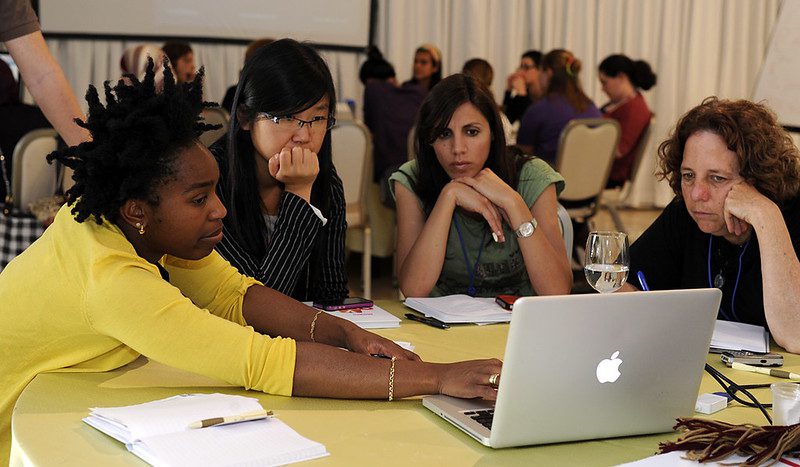
Global Engineering Is Helping Impoverished CommunitiesThe field of Global Engineering is helping impoverished communities and making significant strides in addressing global poverty at two major U.S. research institutions. In May 2024, the Mortenson Center in Global Engineering and Resilience (MCGER) at the University of Colorado Boulder partnered with the U.S. Agency for International Development (USAID) to visit Armenia in West Asia. The goal of the visit was to improve water management and resources in impoverished Armenian communities.

Additionally, the Massachusetts Institute of Technology (MIT) recently established the K. Lisa Yang Global Engineering and Research (GEAR) Center, thanks to a $28 million donation from philanthropist Lisa Yang. The GEAR Center focuses on applying engineering research to benefit resource-strained communities.

What Is Global Engineering?

Research Universities like the University of Colorado Boulder believe that global engineering is the application of engineering tools and technology to provide equitable access to safe water, sanitation, energy, food, shelter and infrastructure. The university’s ongoing research projects have included delivering cookstoves and water filters to households in Rwanda to prevent disease and providing research analysis on the safety of reconstructed shelters for hurricane disaster relief in the Philippines and Puerto Rico.

Furthermore, in May 2024, the university visited Yerevan, the capital city of Armenia, to communicate and train with the Government of Armenia, local communities, students and faculty at Yerevan University on modern water management. University of Colorado Boulder also provided a program for Armenian students to understand water resource management, simulation modeling and data analytics.

Engineering is helping address the fact that billions of people worldwide face threats to their health due to poverty. At MIT’s new GEAR Center, a team of MIT researchers and engineers plan to utilize new technologies and science to face real-world global health issues. The team has already visited the Middle East and North Africa, providing water-saving and solar-powered irrigation solutions through exploratory field research.

The Future of Global Engineering?

The global engineering program at the University of Colorado wants to continue to evolve engineering education to adapt to the changing world. The program wants to train future engineers not just in science and technology but also in global development and equity. An interdisciplinary approach to the field of engineering means knowing how engineers can help global poverty reduction and improve the livelihood of people on a global scale.

At MIT, global engineering is helping a new generation of engineers apply research and design strategies to help impoverished communities and meet global challenges. “These talented young students, postdocs and staff have the potential to reach across disciplines — and across the globe — to truly transform the impact engineering can have in the future,” said Dean of Engineering Anantha Chandrakasan.

– Jacob Buckner

Jacob is based in Raleigh, NC, USA and focuses on Technology and Solutions for The Borgen Project.

Photo: Flickr
June 26, 2024
https://borgenproject.org/wp-content/uploads/borgen-project-logo.svg 0 0 Hemant Gupta https://borgenproject.org/wp-content/uploads/borgen-project-logo.svg Hemant Gupta2024-06-26 03:00:212024-06-25 04:15:47Global Engineering Is Helping Impoverished Communities
Developing Countries, Global Poverty, Technology

Cyber Technology Reduces Poverty in the Dominican Republic

.Poverty in the Dominican RepublicArtificial Intelligence (AI) could help alleviate global poverty. Parts of Africa and Latin America are already using cyber technology to boost agriculture and their economy. Agriculture remains one of the key industries across the Caribbean. Around one-fifth of the Dominican Republic’s workers work in agriculture and the country exports valuable goods, including sugar, bananas, cocoa and rice. Demands for wheat have also accelerated, especially from Haiti, following the uprising crisis. This has paved the way to assist in the reduction of poverty in the Dominican Republic.

About Extreme Poverty in the Dominican Republic

Rates of extreme poverty fell by 10% between 2015 and 2019 but jumped again when the pandemic arrived in 2020. Greater tourism and increased trade with other nations mean that, both internally and externally, poverty in the Dominican Republic has been reduced. The country now has more surplus money to invest in emerging technologies.

AI could come in handy in this area. In Africa, for instance, drones are already being used to detect and prevent poachers. They deliver medical aid and support the conservation of wildlife. Satellites are also being used to improve agricultural yields by understanding shortcomings and adapting plans for farmers to fill these gaps.

Lessons To Be Learned

Since many farmers need more training in advanced agricultural practices, machine learning will eventually come in handy. Cyber technology not only helps to quickly calculate complicated equations but also improves the ease of communication between developing and developed countries. With AI speeding up these processes, less money goes into agricultural work and more funding enters the economy.

The barrier comes in the provision and funding of these technologies. The Dominican Republic has proven itself willing to engage with the next generation of tech by using AI. However, the costs will be high and require greater communication and support from nations with high Human Development Index (HDI) ratings. Embracing e-learning platforms will allow this.

Networking

AI is already being used to boost customer relationships and experiences in the banking sector under the “know your customer” initiative. This process tailors support to the specific needs of customers to provide them with the most relevant support possible. Eight “multiple banks” currently employ AI-generated systems.

A developing ecosystem across the Caribbean is also currently sharing data between multiple economies to overcome generic technological and scientific obstacles. None of this could have been achieved without the benefits of machine learning. With agriculture being such a profitable sector, a growth in exports would create a flourishing economy for the country. Increased connections with other nations would match an accelerated connection to local people.

The Weather Creates Significant Obstacles

Machine learning also warns of volatile weather conditions to help farmers be best informed about how to overcome climate issues. Tackling natural disasters has already been proven a government priority with the Caribbean Catastrophe Risk Insurance Facility. The facility provides insurance for natural disasters such as earthquakes, cyclones and excessive rainfalls.

Pangu-Weather, the AI model developed by Huawei Cloud in 2023, offers weather forecasts and predictions for the paths of tropical cyclones. This would come in handy in the Dominican Republic, where unpredictable weather conditions often undermine the hard work of agriculturalists. Alternatively, Google has offered a 10-day forecast called GraphCast, which it could roll out to the international market for greater availability.

The way forward is using drones to gather sensor data. This data analyzes natural nutrient levels to understand how quickly crops will grow compared to how quickly they need to grow. Drones can also deliver 3D mapping, warnings of irrigation leaks and a consistent tracker of livestock health.

Final Remark

Impoverished nations have some lessons to learn from Latin America. The Dominican Republic is in control of its cyber technology. It has the highest regional rating on the National Cyber Security Index and a defense system against cyber attacks. This development is the first step to a bright future, where progress has already been made in tackling poverty through cyber technology and can continue to expand the prosperous agricultural sector across the region.

– Lewis Eyre

Lewis is based in Bournemouth, UK and focuses on Technology and Solutions for The Borgen Project.

Photo: Unsplash

June 22, 2024
https://borgenproject.org/wp-content/uploads/borgen-project-logo.svg 0 0 Hemant Gupta https://borgenproject.org/wp-content/uploads/borgen-project-logo.svg Hemant Gupta2024-06-22 07:30:082024-06-21 08:37:09Cyber Technology Reduces Poverty in the Dominican Republic
Artificial Intelligence (AI), Global Poverty, Technology

The Role of AI in Reducing Poverty

 Role of AI in Reducing PovertyThe fight against global poverty is breaking new ground with the help of artificial intelligence. Artificial Intelligence (AI) is an amoral tool that is equally capable of both harm and help. However, there are many noteworthy ways in which it contributes to global poverty reduction. The emerging tool has already helped improve access to health care and education. Additionally, it has assisted in disaster response mitigation, particularly in regions where access is otherwise limited. For example, let’s consider the role of AI in reducing poverty in Brazil, Kenya and Bangladesh.

Health Care in Brazil

AI-based diagnostic systems can provide timely and remote access to health care> It can reduce the burden of preventable disease and improve overall health outcomes. These systems can bridge the gap between people and essential resources in remote or marginalized places.

In Brazil, AI is currently being used to improve health care access. One example is ViBe Saúde, a Brazilian telemedicine startup that uses AI algorithms to facilitate consultations between medical professionals and patients. The initiative has proven especially beneficial in rural regions where access to health care services is limited.

Education in Kenya

AI-powered educational systems can adapt to offer personalized learning experiences, which is particularly helpful in regions with limited educational resources. In Kenya, Bridge International Academies, a company that provides for-profit education, is using AI-powered digital learning platforms to help disadvantaged populations break the cycle of poverty.

Remarkably, since 2015, Bridge students who have sat for the Kenya Certificate of Primary Education (KCPE) exam have consistently scored above the national average. Furthermore, its alumni are now in top universities in Kenya and the United States (U.S.).

Disaster Response in Bangladesh

Climate AI’s predictive analysis and relief coordination capacities can help mitigate the impact in disaster-prone regions and reduce their socioeconomic impact. Bangladesh, for instance, is highly susceptible to cyclones, floods and landslides, which can devastatingly impact vulnerable populations. AI-powered chatbots provide real-time information and enable timely evacuation and response efforts, further aiding in disaster management.

The Bangladesh government has used AI to enhance preparedness and response efforts. For example, the Bangladesh Meteorological Department uses AI algorithms for disaster risk management (DRM) to analyze weather data and issue early flood and cyclone warnings. “DRM is constantly upgraded through machine learning and artificial intelligence,” writes Abdullah Shibli, a reporter at The Daily Star.

Unemployment (And Re-Employment) in Bangladesh

While celebrating the accomplishments of the role of AI in reducing global poverty, it is also crucial to acknowledge its potential to exacerbate it. An epitomic example of this is AI’s capacity to automate the manufacturing sector. In Bangladesh, garment manufacturing is a significant source of employment and economic growth. As with many cases of hyper-industrialization, automation would cause underemployment in Bangladesh.

However, rather than exclusively displacing workers, AI also has the capacity to create more job opportunities. According to the World Economic Forum, by 2025, “approximately 85 million employees are anticipated to lose their jobs, while 97 million new roles may emerge.” This example illustrates the nuanced truth underlying robotics: AI’s capacity to promote harm or help is dependent on how we choose to use it. There is no reason to fear AI, as the future of its potential is a matter of our responsibility.

– Sheridan Smith

Sheridan is based in New York, NY, USA and focuses on Business and Technology for The Borgen Project.

Photo: Pexels

June 20, 2024
https://borgenproject.org/wp-content/uploads/borgen-project-logo.svg 0 0 Hemant Gupta https://borgenproject.org/wp-content/uploads/borgen-project-logo.svg Hemant Gupta2024-06-20 07:30:182024-06-19 13:08:04The Role of AI in Reducing Poverty
Global Health, Global Poverty, Technology

How Paper Technology is Supporting Postural Care in Kenya

How Paper Technology is Supporting Postural Care in KenyaIn Kenya, the joint partnership between APT for Social Development (APT4SD) and The Potters House has been instrumental in providing bespoke postural support devices for people with disabilities. APT4SD secured a grant of £14,232.00 from the Wales and Africa Grant Scheme in 2022-23 to carry out this work. In addition to its activities in Kenya, the charity also conducts workshops in Wales to teach Appropriate Paper Technology (APT) skills for mental health and emotional wellbeing. The training in Kenya focuses on enabling nurses to identify children needing postural care and training artisans to create customized furniture, which also helps fund the project by selling household items.

Understanding Appropriate Paper Technology (APT)

Appropriate Paper Technology (APT) offers an affordable solution by recycling materials like cardboard, paper and nylon tights into sturdy, lightweight support devices. At the Potters House CBO workshop, the construction process involves layering thick cardboard with a flour and water mixture and reinforcing it with used nylon tights. These support devices are then covered with old newspapers or paper bags and decorated. This method not only provides essential support to children in need but also facilitates financial support for their families through employment in device production.

Impact and Outreach of the Project

The project’s impact is significant, with 145 support devices created and 721 children and adults benefiting from the services. The project has established new APT workshops and trained 17 Kenyan therapists in postural care. These ongoing initiatives demonstrate the project’s commitment to providing immediate aid and promoting sustainable development through education and skill-building.

NHS Education for Scotland highlights the importance of postural care in preventing complications in various body parts such as hips, knees, spine and pelvis. Without appropriate care, individuals can suffer from severe physical deformities and health issues, impacting their ability to perform daily functions and reducing their quality of life.

Poverty Alleviation

The importance of postural care in Kenya extends beyond individual health to address broader socioeconomic challenges. According to UNICEF’s 2022 report, more than half of Kenyans face multidimensional poverty, with even higher rates among children with cerebral palsy. The efforts of APT4SD and The Potters House play a vital role in supporting impoverished families, illustrating the critical link between health care interventions and poverty alleviation.

Looking Ahead

The innovative approach of Appropriate Paper Technology (APT) promises to expand its impact, offering sustainable postural support and livelihood opportunities across Kenya. Continued collaboration between local and international partners could be crucial to enhance the scope and reach of these empowering projects. Moreover, by addressing the intertwined challenges of health and poverty, APT4SD and The Potters House are paving the way for a more inclusive and supportive future for individuals with disabilities.

– Rachael Denton-Snape

Rachael is based in High Wycombe, UK and focuses on Technology and Global Health for The Borgen Project.

Photo: Pixabay

June 17, 2024
https://borgenproject.org/wp-content/uploads/borgen-project-logo.svg 0 0 Precious Sheidu https://borgenproject.org/wp-content/uploads/borgen-project-logo.svg Precious Sheidu2024-06-17 07:30:182024-06-17 01:58:38How Paper Technology is Supporting Postural Care in Kenya
Global Poverty, Health, Technology

Portable Ultrasound Machines Are Changing Health Care in Kenya

Portable Ultrasound MachinesPortable ultrasound machines in Kenya are improving health care in Kenya, which has long proven to be a challenge for remote areas of the country. Low-income communities are hit especially hard as expecting women must commute to the mainland or more urban areas to receive treatment. This is not always possible for those who cannot afford these travel costs. Thus, many women only return to specialists to deliver their babies, risking health complications since they do not receive ultrasounds or check-ups throughout their pregnancy.

In emergencies, it is also not realistic for women in rural communities to travel several hours to care centers that have the equipment necessary to have them. As a result of the inaccessible costs of Kenya’s maternal health care system, only about 50% of deliveries in Kenya occur in actual medical facilities, which can prove dangerous for mothers and babies.

Portable Ultrasound Technology

Created by the medical equipment company Philips, the Lumify Probe is a portable ultrasound machine that has revolutionized health care in Kenya for pregnant women. Implementation programs begin with training for midwives on how to use the Lumify Probe. Health care centers in remote villages of Kenya then received one of the devices, increasing the reach and accessibility of ultrasound and obstetrics in Kenya.

The device itself has many important applications. Most importantly, it can give midwives and mothers information on the viability of the pregnancy, show the number of fetuses and show the position of the fetus. With this information, midwives can better advise their patients and spot potential complications like breech positions or multiple pregnancies earlier.

Incorporating Artificial Intelligence

With the rise in artificial intelligence (AI) in recent years, efforts have been made to use the new technology for ultrasounds. AI could help simplify the process of obtaining obstetric measures and provide information to midwives and mothers earlier in the pregnancy. A pilot program in Kenya has already shown promise and there is hope of expanding the initiative to more countries in Africa.

The Bill and Melinda Gates Foundation has funded these efforts for several years now, even increasing a grant for Philips to $60 million for its research into AI-powered ultrasound technology.

The Impact of Portable Ultrasound Machines

Portable ultrasound machines will increase access to obstetric care in Kenya and eventually other countries as programs to implement the devices expand. Midwives can travel to their patients’ homes and conduct community visits to reach even more people. Moreover, the new machines are more cost-effective for low-income families who can’t afford to travel to centers in larger cities or the mainland.

Whereas ultrasounds at specialist facilities may cost around Ksh 1,000 or 1,500, portable ones are only around Ksh 500 (this is $10 to $15 versus just $5). While the World Health Organization (WHO) advises that mothers receive “at least one obstetric screen, done before 24 weeks of gestation,” many mothers could not do so before these pilot programs for portable ultrasound machines.

However, since their introduction, more than 2,500 mothers have been screened in Kenya and the number is only increasing. Ultimately, portable ultrasound machines like the Philips Lumify Probe will save countless lives as mothers become more informed about the conditions of their pregnancies and maternal health care in Kenya improves.

– Hannah Hipólito

Hannah is based in Tampa, FL, USA and focuses on Good News and Politics for The Borgen Project.

Photo: Flickr
June 10, 2024
https://borgenproject.org/wp-content/uploads/borgen-project-logo.svg 0 0 Hemant Gupta https://borgenproject.org/wp-content/uploads/borgen-project-logo.svg Hemant Gupta2024-06-10 07:30:412024-06-09 09:25:58Portable Ultrasound Machines Are Changing Health Care in Kenya
Global Health, Global Poverty, Technology

Princeton’s Breakthrough Solar-Powered Water Purification Gel

Princeton's Breakthrough Solar-Powered Water Purification GelAccording to the World Bank, about two billion people around the world lack access to safely managed drinking water services. Among them, 771 million people cannot access even basic drinking water services. Researchers at Princeton University have developed a solar-powered gel that cleans water, potentially addressing the global clean water crisis. This gel marks an advancement in technology initially developed in 2021. Xiaohui Xu, a post-doctoral fellow at Princeton, led the development in his lab. Xu collaborated with Nehemie Guillimaitre, a graduate student in chemical and biological engineering, to author the initial study.

New Water Purification Technology

The solar-powered gel, known as a hydrogel, features a sponge-like structure that absorbs dirty water and filters out harmful contaminants such as bacteria, oils, salts and microplastics. This hydrogel comprises polymers—long chains of molecules that repel pollutants from its surface. Structurally, the hydrogel’s internal threadlike molecules mimic the interconnected fibers of a loofah fruit, a common kitchen scrubbing sponge. It efficiently absorbs, filters and releases water, cleaning a gallon in less than 10 minutes.

Testing and Efficacy of the Gel

While previous water purification devices required significant energy, this solar-powered gel stands out as low-cost, accessible and efficient, relying solely on sunshine for power. The warmer the temperature, the faster the gel releases water, due to the weakening grip of the gel’s molecules. At temperatures of 33 degrees Celsius or higher, the gel can release more than 70% of the absorbed water in under 10 minutes. This sponge-like technology’s fibrous structure enables its remarkable filtration and absorption speed.

Xu and her research team tested the gel’s effectiveness by placing it in water contaminated with E. coli, a bacteria that can cause life-threatening illnesses. Upon removal from the tainted water, the solar-powered gel successfully repelled all bacteria.

Ongoing Development and Broader Implications

Researchers believe the low-cost and easy-to-use solar absorber gel could be implemented globally to aid poverty-stricken areas where access to clean water is unreliable. Dirty water causes over 1.5 million deaths annually. The Princeton team is continuing to develop household prototypes and believes the gel could also be beneficial in emergency situations.

The gel’s capacity to shrink in warmth and expand in cool temperatures could enhance robotics by enabling machines to move and conform in various ways. Additionally, this gel could dehydrate liquids like milk or orange juice, simplifying shipping processes and it could extract water from blood for simpler storage.

Researchers aim to develop and modify the design of the solar-powered gel, finding new ways to enhance the technology. “Through our work, we have been able to show that fundamental research may have a significant impact on society,” Guillomaitre stated. “Ideally, this technology could one day be used by anyone concerned about their water quality, regardless of where they live.”

Looking Forward

The development of solar-powered gel technology at Princeton University holds transformative potential for global water purification efforts. As this innovation progresses toward wider adoption, it promises to significantly improve access to clean water in underserved communities worldwide. The continued refinement and application of this technology could herald a new era of sustainability and health.

– Jacob Buckner

Jacob is based in Raleigh, NC, USA and focuses on Technology and Solutions for The Borgen Project.

Photo: Unsplash

June 6, 2024
https://borgenproject.org/wp-content/uploads/borgen-project-logo.svg 0 0 Precious Sheidu https://borgenproject.org/wp-content/uploads/borgen-project-logo.svg Precious Sheidu2024-06-06 07:30:142024-06-05 12:56:39Princeton’s Breakthrough Solar-Powered Water Purification Gel
Electricity and Power, Global Poverty, Technology

Renewable Energy in Sudan

Renewable Energy in SudanSudan is a developing nation in Northeast Africa with a population of around 47 million people. The World Bank report from 2023 shows 15.3% of the population living under the international poverty rate ($2.15), 49.7% living under the lower middle-income poverty rate ($3.65) and 86.2% living under the upper middle-income rate ($6.85). While these figures make for grim reading, there are many positives that things are and could continue to get better soon for people due to the further incorporation of renewable energy in Sudan. Renewable energy resources are already improving people’s lives by helping to bring clean water and solar-powered energy to towns and villages.

Providing Clean Water

Renewable energy is energy from natural resources which are “replenished at a higher rate than consumed” such as wind, solar and geothermal. These types of resources are also currently playing a major role in helping to improve people’s lives in Sudan and will play an even bigger role in the future. 

Through improved technology and investment, renewable energy in Sudan is improving people’s lives and lifting many out of poverty. UNICEF highlighted how in 2023, funding built a solar-powered mini water yard for a small, remote village Gelhanty in eastern Sudan giving communities a safe water source. The water source brought reliable and clean water to around 1,500 people, meaning that women and children in this area no longer had to trek long distances to collect water from unsafe streams.   

The new source allows villages water for domestic use such as drinking, cleaning and agricultural purposes. The water yard also prevents women and children from carrying the burden of long trips for unclean water that can cause water-borne diseases. 

Solar Panel System for a Hospital

Another success story of renewable energy in Sudan comes from a UNFPA program that piloted a renewable energy program in Abu Jebiha. Partnering with global aid, the program installed a solar panel system at Abu Jebiha Hospital. 

Before the installation of the solar panels, the hospitals’ electricity would often be cut out, meaning people could not get the treatment they needed, including women in the maternal ward, which decreased the chances of babies surviving. Now, however, this renewable-powered electricity is seeing great results. Hospital facilities now operate 24/7 including in the maternity ward, operation rooms, blood bank refrigerators, administration offices, incubators and medicine storage. 

Previously due to the lack of electricity, the hospital could not operate at capacity as the power would only last for two to three hours a day and patients often had to provide their power source. This successful solar power story means the project is expanding to cover more health facilities. 

The Future

These examples show the great work that aid agencies are doing in Sudan to bring essential resources such as water and health care to the communities in the country. However, despite all the successful work, there is a lot more to do and this is just the start of Sudan’s renewable energy program. 

Sudan is a country with plenty of renewable and natural energy resources. According to AFSIC, “Sudan has abundant resources for renewable energy, including solar, wind and hydro power. The country has one of the highest solar radiation rates in the world, with the potential to generate up to 15 GW of solar energy.” For reference, 1 GW of energy, equivalent to 1 billion watts, is enough to power up to 750,000 homes. 

Sudan has already made major progress towards its renewable energy program, with many large-scale projects to bring a better life for communities already under way. One example of this is government’s plans for the building of a 100 MW solar panel farm in the city of Dongola and a 50 MW wind farm in the Red Sea state, according to AFSIC. The Sudanese government also aims to achieve a total of 5 GW of renewable energy by 2030. 

Sudan’s blessing of renewable energy is good news for a country that is still struggling with poverty, however, for things to further improve more investment is needed to put new infrastructure in place so that success stories such as clean water yard and solar power supplying a hospital with reliable electricity becomes more commonplace and widespread throughout the country. 

– Lachlan Wellington

Lachlan is based in Fareham, UK and focuses on Technology and Global Health for The Borgen Project.

Photo: Unsplash

May 31, 2024
https://borgenproject.org/wp-content/uploads/borgen-project-logo.svg 0 0 Jennifer Philipp https://borgenproject.org/wp-content/uploads/borgen-project-logo.svg Jennifer Philipp2024-05-31 01:30:092024-05-29 09:06:06Renewable Energy in Sudan
Page 18 of 89«‹1617181920›»

Get Smarter

  • Global Poverty 101
  • Global Poverty… The Good News
  • Global Poverty & U.S. Jobs
  • Global Poverty and National Security
  • Innovative Solutions to Poverty
  • Global Poverty & Aid FAQ’s
Search Search

Take Action

  • Call Congress
  • Email Congress
  • Donate
  • 30 Ways to Help
  • Volunteer Ops
  • Internships
  • Courses & Certificates
  • The Podcast
Borgen Project

“The Borgen Project is an incredible nonprofit organization that is addressing poverty and hunger and working towards ending them.”

-The Huffington Post

Inside The Borgen Project

  • Contact
  • About
  • Financials
  • President
  • Board of Directors
  • Board of Advisors

International Links

  • UK Email Parliament
  • UK Donate
  • Canada Email Parliament

Get Smarter

  • Global Poverty 101
  • Global Poverty… The Good News
  • Global Poverty & U.S. Jobs
  • Global Poverty and National Security
  • Innovative Solutions to Poverty
  • Global Poverty & Aid FAQ’s

Ways to Help

  • Call Congress
  • Email Congress
  • Donate
  • 30 Ways to Help
  • Volunteer Ops
  • Internships
  • Courses & Certificates
  • The Podcast
Scroll to top Scroll to top Scroll to top