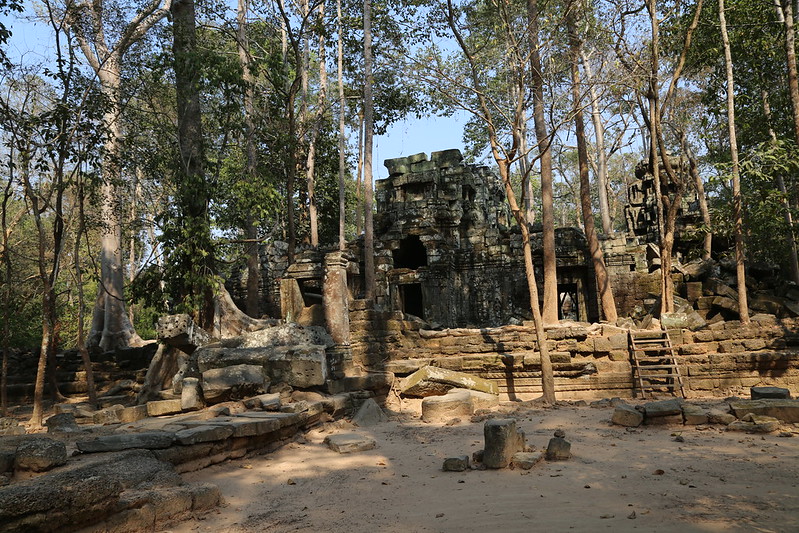
How the MOBILIST Programme Promotes Sustainable Development
The Mobilising Institutional Capital Through Listed Product Structures (MOBILIST) program connects global investors to investment products that promote sustainable development in developing countries.
In February 2025, the United Kingdom (U.K.) announced up to an additional £100 million in funding for the program. This funding expands the program’s ability to mobilize more investment and strengthen its partnerships with entities such as Thai Credit Bank and InfraCredit.

The MOBILIST Program

The U.K.’s MOBILIST program promotes sustainable development by identifying investment products that align with the Sustainable Development Goals (SDGs) and removing obstacles that prevent those products from listing on public exchanges. MOBILIST helps overcome these challenges by offering expertise, hands-on assistance and government backing. This approach improves investor confidence and funding access for SDG-aligned ventures.

The SDGs, adopted by the United Nations (U.N.) in 2015, are a set of 17, wide-ranging targets that aim to achieve long-lasting progress. The SDGs operate on the premise that goals such as ending poverty must align with other objectives, including economic growth and gender equality. By supporting investment solutions that promote the SDGs, MOBILIST brings these products more funding, widening their impact.

The U.K. expects its £100 million funding pledge to attract between £400 million and £600 million in investments. Since its 2021 launch, the MOBILIST program has assisted the public listing of investment products such as the Thai Credit Bank and InfraCredit. 

The Thai Credit Bank

On Feb. 9, 2024, the Thai Credit Bank completed its public listing with support from the MOBILIST program. The bank provides loans to micro, small and medium enterprises (MSMEs). These enterprises are crucial to Thailand’s economy but have difficulty obtaining the funding necessary to grow. Through funding MSMEs, the bank supports the SDG of economic growth, therefore decreasing poverty and raising standards of living.

The Thai Credit Bank will use the profit from its public listing to further finance MSMEs, specifically focusing on businesses in rural areas and those owned by women. As an essential investor, MOBILIST was key in making the IPO possible. The expansion of this SDG-promoting product is an example of how the program promotes sustainable development. 

Infracredit in Nigeria

The Nigerian-based company, InfraCredit, de-risks investing in Nigerian infrastructure projects by providing credit guarantees to investors. Nigeria needs more than $2.3 trillion from 2021 to 2043 to close its infrastructure gap. InfraCredit’s model supports job creation, infrastructure development and clean energy growth, aligning with multiple SDGs.

On April 14, 2025, MOBILIST announced its investment of $6 million to support InfraCredit’s public listing on NASD. The listing attracted local institutional investors, including pension funds. Subsequently, InfraCredit obtained two investments from pension funds since its NASD listing.  

MOBILIST’s investment also supports InfraCredit’s movement toward investing in renewable energy. Its focus on promoting infrastructure, creating jobs, increasing quality of life and its green movement reflects the SDG of clean energy.

Looking Ahead

MOBILIST’s support for Thai Credit Bank and InfraCredit has strengthened their financial reach and visibility. With the U.K.’s additional investment, more companies that align with the SDGs could gain access to capital markets. The program continues to widen its impact by helping sustainable development-focused businesses scale across emerging economies.

– Madison Fetch

Madison is based in Glasgow, Scotland and focuses on Business and Politics for The Borgen Project.

Photo: Flickr
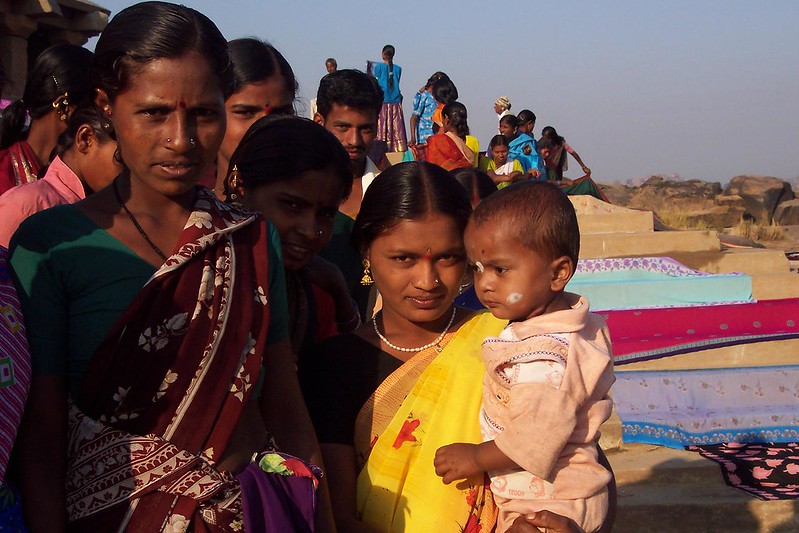
Poshan AbhiyaanIndia — known for its vibrant culture and Holi festivals — continues to make progress on the 17 Sustainable Development Goals (SDGs) under the United Nations’ 2030 Agenda. The country improved its SDG Index score from 57 in 2018 to 66 in 2020–21 and reached a score of 71 out of 100 in 2023–24.

Closing Gaps in Health Care

Health care coverage remains a core focus in India’s SDG efforts. In April 2025, the country experienced a health care affordability crisis that impacted many low- and middle-income citizens. Rising medical costs led a significant number of individuals to postpone or decline treatment. India conducted a report surveying citizens to call for any insurance reforms that need to be addressed. According to the India Fit Report 2025, one in five citizens reported denying medical care due to high costs. The same report noted a 3.84% gender gap in access, with many Indian women facing greater health challenges, including diabetes, high blood pressure and cholesterol. While 40% of indian men also reported experiencing some of these conditions.

To address these inequalities, the Indian government introduced the Ayushman Bharat Pradhan Mantri Jan Arogya Yojana (AB PM-JAY) on Sept. 23, 2018. By 2025, the program expanded its reach, offering free health insurance to citizens living in poverty. It focused on supporting women and children by providing diagnostic and treatment services. The policy enrolled more than 120 million people and helped reduce the financial burden of health care. Although the initiative made measurable progress, challenges such as financial protection and full utilization still require attention in underserved areas.

Poshan Abhiyaan

India established the National Nutrition Mission or Poshan Abhiyaan in 2018 to improve nutrition among children under age 6, adolescent girls and expectant or nursing mothers. The program aimed to reduce child malnourishment, low birth weights and anemia. Malnutrition continues to affect around 13% of the population, with an estimated 195 million citizens affected in mid-2024. Children represent a significant portion of this crisis, with 35.5% experiencing stunted growth. To strengthen food access, the government also enacted the National Food Security Act. In 2023–24, the program reached 99% of qualified recipients. Together, these nutrition initiatives support healthier outcomes in high-poverty districts and contribute to long-term development goals.

The Clean India Mission

Efforts to improve clean water access and reduce waste have become a critical part of India’s sustainable development strategy. Improper waste disposal has led to the spread of waterborne illnesses. More than 377 million Indians live in areas where waste, including hazardous, plastic and biomedical materials, remains poorly managed. Projections reveal national waste levels could reach 165 million tonnes by 2030.

The Swachh Bharat (Clean India) Mission, launched in 2014, introduced new sanitation policies. The government constructed toilets in public areas and ran nationwide campaigns encouraging safe hygiene practices. These efforts reduced open defecation, improved women’s access to private sanitation and supported public health improvements.

Looking Ahead

India’s efforts in health care, nutrition and sanitation reflect meaningful progress toward achieving the SDGs. Programs such as AB PM-JAY, Poshan Abhiyaan and Swachh Bharat have addressed core poverty-related challenges. Continued investment and community engagement could help the country reach its 2030 targets and improve the quality of life for its citizens.

– Janae Bayford

Janae is based in Centennial, CO, USA and focuses on Global Health for The Borgen Project.

Photo: Flickr
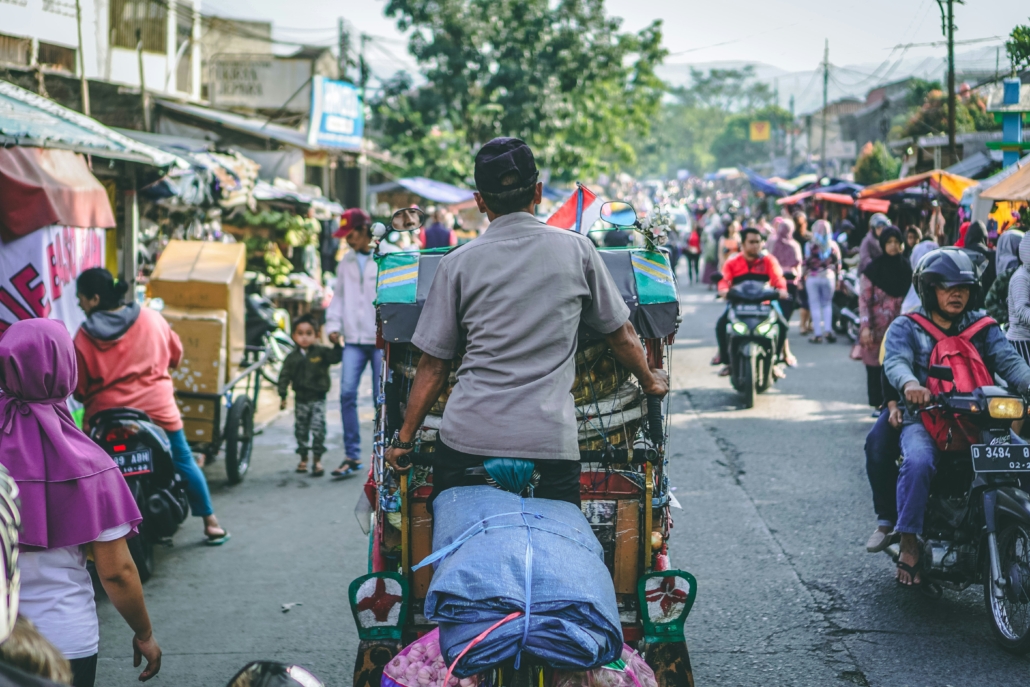
SDG 9 in IndonesiaFunding plays a key component in achieving the Sustainable Development Goals (SDGs). The United Nations created the SDGs in 2015 as a set of goals aiming to build a more sustainable future through tackling global issues from climate change to inequality. As the target deadline of 2030 nears, financing initiatives have significantly aided Indonesia’s pursuit of the goals through increasing funds. This article will explore updates on SDG 9 in Indonesia, which aims to create sustainable industry, innovation and resilient infrastructure.

Indonesia’s Progress in Industry and Infrastructure  

Indonesia, a highly populated nation becoming a prominent tourism hub, has quickly industrialized since the 1960s. Strides in telecommunications, electricity, ports and railways have increased infrastructure . Industry has boomed, with some fluctuation during financial crises, with Indonesia’s GDP going from $5.67 billion in 1967 to 1.37 trillion in 2023.

Indonesia’s growth has led to major strides in other SDG areas. SDG 1, which aims to eliminate poverty, has particularly benefited. From 1990 to 2023, Indonesians living below the extreme poverty line significantly decreased, going from 62.8% to 1.9% of the population. Yet, to achieve the SDGs by 2030, Indonesia needs significantly more funding. The following finance programs are filling this funding gap, particularly aiding sustainable industry and infrastructure.

SDG Indonesia One

The Indonesian Ministry of Finance and PT Sarana Multi Infrastruktur (PT SMT) established SDO Indonesia One (SIO) in 2018. PT SMT is a state-owned business which aims to fuel sustainable development in Indonesia through financing. Together, PT SMT and the Indonesian government mobilize public and private funds for development.

One initiative that SIO leads is the SDG Indonesia One-Green Finance Facility (SIO-GFF). This investment platform provides funds for environmentally friendly infrastructure projects which fit with the SDGs and the Paris Agreement. The Asian Development Bank (ADB) plays a key role in SIO-GFF, an example of how SIO facilitates partnerships with external organizations to mobilize funds. In 2022, the Asian Development Bank approved a $150 million loan to assist Indonesia in achieving the SDGs.

At its launch in 2018, SIO had already raised $2.3 billion, with initiatives like SIO-GFF playing a key role in advancing the SDGs. Specifically, in regards to SDG 9, SIO has funded sustainable industrialization and resilient infrastructure. SIO has invested in projects such as hospitals, renewable energy power plants and rebuilding infrastructure damaged from natural disasters.

Accelerating SDGs Investments in Indonesia

Another update to SDG 9 in Indonesia is the creation of the Accelerating SDGs Investments in Indonesia (ASSIST) in 2021. ASSIST is an U.N. established financing initiative joining the efforts of four U.N. agencies–UNEP, UNICEF, UNIDO and UNDP–to help Indonesia achieve its SDG targets by 2030. 

Similarly to SIO, ASSIST promotes increased public and private investment into SDG-related initiatives. ASSIST has done this by issuing government bonds, increasing SDG-linked loans and in the creation of the Operationalized Indonesia Impact Fund (IIF) which invests in startups contributing to the SDGs. On top of financing, ASSIST has strengthened the skills of government officials and entrepreneurs to increase the capacity of Indonesian institutions and businesses to achieve the SDGs on their own.

As of June 2024, ASSIST has raised more than $3.2 billion for SDG achievement, benefitting more than 48 million people. These funds are contributing to Indonesia’s achievement of SDG 9. Particularly, capacity building and investing in startups construct resilient infrastructure and foster innovation. 

Looking Ahead

While Indonesia has made significant strides in industry and infrastructure in the past 40 years, the country still needs funding to achieve SDG 9. Financing initiatives have mobilized funds to fill this gap. Updates on SDG 9 in Indonesia, such as ASSIST and SIO, are constructing sustainable industry and resilient infrastructure, and fostering innovation, making Indonesia one step closer to achieving their SDG targets. 

– Madison Fetch

Madison is based in Glasgow, Scotland and focuses on Business and Politics for The Borgen Project.

Photo: Unsplash

Hunger in the NetherlandsAs a high-income European country and one of the most substantial influencers in agricultural viability, as well as one of the foremost exporters of agricultural products throughout the globe, the Netherlands is not a country that the world would easily associate with hunger.

1940s Hunger Winter

Yet, 80 years ago, the Netherlands faced a food scarcity experience that left an indelible stamp on its history. This was the Dutch famine of 1944-45, remembered as the “Hunger Winter,” and was one of the major European famines of World War II. The famine occurred in late 1944 and early 1945 in the urban west of the country, after the southern part of the country had been liberated by the Allies. And it affected “probably the wealthiest, best educated and most mobile victims of any famine in history.” Although mortality was relatively low, the long-term effects were significant. Perhaps it was this experience that has framed today’s approach to hunger by the Dutch. 

Poverty and Hunger Today

Since 2018, poverty has decreased in the Netherlands, from 7.1% to 5.1%. This decrease was due to COVID-19 support, compensation for higher energy prices, and an increase in the minimum wage. Nevertheless, in 2023, a third of the poor were in long-term poverty.

The Global Food Security Index 2022 reports that the Netherlands is in the top 5 of 113 countries: affordability (3rd), availability (14th), quality and safety (12th), sustainability and adaptation (13th). Similarly, the Global Nutrition Report indicates that the country is on course for most targets, but off course for childhood overweight and men’s and women’s obesity, and shows no progress or worsening for low birth weight and for anemia for women of reproductive age. 

So, although poverty and hunger are not severe in the country, they still must be addressed.

Local Attention to Hunger

In 2002, a small garage-based initiative to address both food waste and poverty began in Rotterdam and has since grown into the Netherlands’ largest volunteer organization, Voedselbanken Nederland, with 14,000 volunteers supporting 178 local food banks. October 2024 was the Week of the Food Banks—coinciding with World Poverty Day and World Food Day. Voedselbanken Nederland estimates that it needs to reach approximately 400,000 more people who are eligible for assistance but have not yet gotten to a food bank. This is an activity of Schuttelaar & Partners, a corporation dedicated to a healthy and more sustainable agrifood system and food choices, and to accelerating the energy transition. 

The Netherlands and Global Hunger and Health Initiatives

  • Seed Valley. One outgrowth of the Hunger Winter and its loss of over 20,000 lives, was the Netherlands’ investment in agricultural subsidies, industrialization and rural infrastructure with the goal of growing twice as much food with half the resources. This is personified in “Seed Valley,” not actually a valley, but an area of some of the world’s largest seed conglomerates, located an hour north of Amsterdam. The country now produces 6% of Europe’s food on 1% of the continent’s farmland, with a focus on sustainability, including dietary change. The innovations of Seed Valley are aimed at the challenges of climate change and food insecurity on a global level, to rectify the harms of agricultural intensification. 
  • Global Health Hub. In September 2023, the Ministry of Health, Welfare and Sport and the Ministry of Foreign Affairs joined more than 20 parties in the Dutch Global Health Pact, to improve public health worldwide. The global health strategy includes strengthening national health systems, improving global pandemic preparedness,and addressing the mutual impacts between public health and climate change. 
  • Optimal Nutritional Care for All (ONCA). ONCA is a European campaign focused on implementing nutritional risk screening and optimal nutritional care in participating countries. The Netherlands is one of 20 participating countries and one of 16 countries that participated in the 2024 Malnutrition Awareness Week (November 11-25). Several online activities include fact sheets and guidelines, a nutrition day, a long-term malnutrition campaign, a campaign to combat malnutrition in older adults and special podcasts. 
  • 2nd Global Harmonization Initiative World Congress. The 2nd GHI World Congress will be held in Rotterdam, NL June 25-27, 2025. Challenges to be addressed include food security, safety, health and sustainability, as well as disparities in access to safe food, rising hunger, unaffordable healthy diets, adequate dietary intake and diseases and mortality. The role of science and technology will be prominent. 

The Netherlands has thus built on its horrific WWII struggle with hunger to become a local and global force for change for food security.

– Staff Reports
Photo: Pixabay

SDG 10 in Costa RicaIn many respects, Costa Rica has been able to boast about serious accomplishments: curbing deforestation, democratic balance, foreign investment and trade freedom. However, while there has been success, there has also been increasing economic inequality and steady poverty rates. SDG 10 in Costa Rica is experiencing some setbacks. The U.N. created the Sustainable Development Goals (SDGs) to bring attention and action to economic woes, along with environmental and social safeguards. Each SDG tackles a different issue; SDG 10 deals with inequality.

Inequality and Social Investment

Since the mid 20th century, Costa Rica has invested heavily in social programs. A 2016 World Bank report shows how Costa Rica’s abolition of the army freed up capital for “education, health and social security.” In the 2000s, investment in social and public services became more than 20% of the GDP.

Experts say these factors helped Costa Rica gradually improve the quality of life for many people. For example, according to a former Costa Rican president, Luis Guillermo Solís, “… the consolidation of social reforms allowed the construction of a society with a strong predominance of the middle class,” ReVista reports.

Despite these successes, poverty is not reducing at an ideal rate, and inequality is increasing. Although the poverty rate in Costa Rica is one of the lowest in Latin America, it has been steady “at around 20% for almost two decades.” Some attribute these problems to Costa Rica’s changing policies on social programs.  The former president of the Inter-American Court of Justice, Elizabeth Odio, says, “The country has had improvements in the fiscal balance, but this has been done at the expense of social issues. We are deteriorating two fundamental pillars: health and education,” ReVista reports.

Workers

There have been less opportunities for less-educated workers in recent years, and an aging population puts pressure on households. Also, groups such as migrants, indigenous people, and single mothers are continuing to struggle. Meanwhile, educated workers are in an improving situation, and prices continue to rise. It seems that this dynamic is widening the disparity and worsening SDG 10 in Costa Rica.

One group that is being negatively affected by inequality is Nicaraguan refugees and migrants. This group makes 7% of the Costa Rican population. Sadly, “Nicaraguans in Costa Rica are overall poorer, tend to be less educated and earn less,” according to UNHCR. Also, they tend to work “informally,” resulting in them getting fewer social transfers than locals.

According to UNHCR, studies suggest that “improving employment conditions, social inclusion, and access to services” would help Costa Rica and Nicaraguan migrants. Many migrants could contribute more to Costa Rica if they were more included in the social system.

Crime

Costa Rica has also experienced an uptick in crime. This can be attributed to drug trafficking becoming a worse problem in recent years. Because of Costa Rica’s coastlines, it is an advantageous port for drug traffickers, and it has become the largest shipment point for cocaine going to the U.S. and Europe.

Murders have risen while the price of cocaine has dropped, causing an increase in addiction. These factors compounded with high inflation have perpetuated poverty and inequality. To make matters worse, drug trafficking has created violent gangs that strain the system even further, GlobalPost reports.

As a result of the pandemic and a lack of opportunities, many young people have dropped out of school and are joining gangs.  Also, the rise in crime is deterring tourists from visiting, which is hurting the tourist industry; tourism is “7.1% of the country’s labor force.”  This strains poor communities even further, contributes to inequality and weakens SDG 10 in Costa Rica.

In response to crime, the Costa Rican government hired 1,500 more police officers, and they have installed cargo drug scanners on the coasts.  Also, “the Ministry of Public Security grew by $40 million,” according to The Costa Rican Times. The U.S. has contributed scanners and $40.5 million to fight crime and drug trafficking.

Solutions

Organizations like CEPIA are working to address issues like lack of education and lack of skills in the job market. CEPIA provides after-school programs, care for families living in vulnerable circumstances, professional training and employment, legal orientation and more.

CEPIA supports “over 1,000 children, teenagers and their families from poor backgrounds.” If a contributor to inequality is lack of education and opportunities for less skilled workers, CEPIA has many services to fill that gap. Hundreds of poor children receive school supplies. Those students can also participate in sports along with psychological counseling. In addition, 600 adults participate in the programs as well.

Along with CEPIA, SOS Children’s Villages is working to help children in need. They report that one in three children live in poverty in Costa Rica. As a result, this organization “has worked with other non-governmental organizations and companies to improve youth employability.” It also “created a digital platform called YouthLinks which connects young people with mentors in the country and region.”

SOS Children’s Village supports disadvantaged people around the world, and they have worked in Costa Rica Since 1972. It has schools, which strive to improve the lives of disadvantaged children. There are 190 children learning at their kindergartens, 300 children grow up in their care and 70 young people are given assistance as they work to become independent.

Although Costa Rica is a country moving on an upward trajectory, SDG 10 in Costa Rica has been struggling. Still, the country continues to fight for a better future.

– Michael Messina

Michael is based in Newburyport, MA, USA and focuses on Technology and Politics for The Borgen Project.

Photo: Flickr
Sex Trafficking in BangladeshResearch from 2016 estimated that between 10,000 and 20,000 women and children were trafficked for sex in Bangladesh. Victims were either exploited within the country or trafficked to other parts of South Asia and the Middle East. The Bangladeshi government has made limited progress in combating trafficking.

Sex Trafficking in Bangladesh

Bangladesh is a South Asian country bordered by India, Myanmar and the Bay of Bengal. It is a densely populated country with a population of roughly 174 million people. Poverty in Bangladesh stands at a rate of 18.7%, with women suffering the most. In 2022, Concern Worldwide reported that the unemployment rate for women in Bangladesh was double that of men, with 6.7% of women unemployed compared to 3.3% of men. Despite this disparity, Bangladesh ranked among the top South Asian countries advancing toward gender equality.

One form of work women in Bangladesh can find rather easily and often involuntarily is sex work. Research from 2016 conducted by Asad Islam and Russell Smyth suggests that there are currently between 150,000 and 200,000 female sex workers in Bangladesh. Many of them started working as teenagers. In a poll conducted by the pair, 283 sex workers were interviewed and less than 10% reported entering sex work by choice. Many of them were driven into the profession due to poverty in Bangladesh. With 14 official brothels and 18 red-light districts, if the survey is representative of the broader population, it suggests a significant number of women and children are subjected to forced sexual labor.

Bangladesh’s Red-Light Districts

Daulatdia is one of Bangladesh’s largest brothels, resembling the size of a village. It houses more than 2,000 sex workers in 2,300 single-story rooms and serves nearly 3,000 customers daily. Children are also exposed to this environment, with almost 300 living in the brothel with their mothers. Across Bangladesh, close to 20,000 children reside in brothels and red-light districts, many of whom are groomed to take on the same roles as their mothers eventually. The conditions in Bangladesh’s brothels and red-light districts are dire. The Guardian reported that poverty is rampant in these areas. In the article “The Living Hell of Young Girls Living in Bangladesh’s Brothels,” one woman shared her experience of living in a room with four other girls, where only small sheets separated them from one another.

Efforts and Aid

The United States Department of State has reported that Bangladesh remains lax in its efforts to eliminate trafficking. However, efforts to combat the issue have increased, particularly in law enforcement. Despite these efforts, the involvement of police in trafficking has not been adequately addressed. Convictions and prosecutions of traffickers increased, but most of the time, the courts would sentence offenders to fines instead of jail time. This has resulted in a weakened deterrence from the crime, thus allowing it to continue. Protection of victims also remains insufficient, housing and shelter services remain unstable and government aid to victims remains low.

There are positive developments, particularly in the attitude toward girls’ education. According to the Asian Development Bank, in 2004, an equal number of girls and boys were enrolled in primary school. By 2022, it was reported that 77% of girls were enrolled in school. Another positive news is that in September 2024, the U.S. voted to provide Bangladesh with $202 million in aid. This funding is part of the U.S.’s ongoing support for the Rohingya refugee crisis and efforts to uplift the country and alleviate poverty in Bangladesh.

Final Remark

Efforts to stop sex trafficking in Bangladesh are increasing. According to the United Nations (U.N.), in 2006, the poverty rate in Bangladesh stood at 41.5%; the number has significantly decreased to just 18.7% in 2022. Poverty in Bangladesh has been on the decline in the last 20 years. The trend only continues.

– Maya Renfro

Maya is based in Chicago, IL, USA and focuses on Good News for The Borgen Project.

Photo: Flickr
SDG 2 in RwandaFood insecurity and malnutrition are persistent issues in Rwanda, a small but growing East African nation striving for middle-income status. In 2021, 20.6% of Rwanda’s population was food insecure, with 1.8% considered severely food insecure. That same year, only 32.8% of children ages 6 to 23 months received meals at the recommended minimum frequency. Consequently, 32.4% of children younger than 5 were stunted, meaning they were shorter than average for their age due to poor nutrition.

SDG 2 in Rwanda: Beacon of Progress

Despite Rwanda’s strides toward the United Nations’ Sustainable Development Goal 2 being impacted by the COVID-19 pandemic, the country remains a beacon of progress. Rwanda’s score in the 2024 Global Hunger Index (GHI) is at 25.2, better than the regional average. This is also a significant improvement from the country’s GHI score in 2015, which was at 30.2 and in 2000, at 49.6, which was considered extremely alarming.

These successes are made possible by numerous initiatives in Rwanda that provide access to healthy and adequate food for vulnerable populations, especially youth. This includes government-led nutrition programs supplying food to early childhood development centers and initiatives such as “One Cup of Milk per Child.” Through targeted agricultural policies, investments in rural development and community-led programs to combat malnutrition, Rwanda has demonstrated that strategic and collaborative efforts can yield meaningful reductions in hunger, even amid global and regional challenges.

SMART Project

Furthermore, in partnership with the World Food Programme (WFP) and other development agencies, Rwanda has been striving for food security through nationwide programs that empower and educate farmers. One such initiative is Rwanda’s Sustainable Market Alliance and Assets Creation for Resilient Communities and Gender Transformation (SMART) project, which is geared toward strengthening agricultural productivity and promoting better harvesting practices.

By providing farmers with access to training and resources, SMART encourages resilience in the face of climate emergencies, equips local farmers, especially women, with skills to increase crop yields and fosters gender equality within the agricultural sector.

A Future With Zero Hunger

Achieving SDG 2 by 2030 might be ambitious, but the steadfast commitment of Rwanda to sustainable and impactful solutions paints a positive outlook. With food security as a central pillar, Rwanda is not only addressing immediate nutritional needs but also laying the groundwork for broader socioeconomic development, a critical step toward attaining middle-income status. Achieving this milestone will not only transform Rwanda but could set a powerful example for the entire region, showcasing the potential of innovative, community-driven initiatives.

However, current world events have been a significant setback for all SDG targets across the globe. These setbacks underscore the need for a stable global economy and strong international cooperation, which are crucial for achieving the U.N.’s ambitious goals. The success of Rwanda will require support from regional and global partners to overcome these challenges, ensuring that efforts to achieve SDG 2 remain on track and continue to inspire progress across the continent.

– Tessah Keza

Tessah is based in Ottawa, ON, Canada and focuses on Good News and Politics for The Borgen Project.

Photo: Flickr

Energy Poverty in CambodiaAccording to the World Bank, only 9.5% of Cambodians had access to electricity in 2001. As of 2023, that number is now more than 92%. This remarkable accomplishment results from international and local efforts. Furthermore, the initiatives are prominently supported by Sustainable Development Goal 7 (SDG 7). SDG 7 is a United Nations (U.N.) initiative dedicated to “ensuring access to affordable, reliable, sustainable and modern energy for all.” The Southeast Asian Kingdom is in the final stretch of completing this goal. Energy poverty in Cambodia is close to being completely eradicated.

The Impact of SDG 7

Energy poverty is the “lack of adequate, affordable, reliable, quality, safe and environmentally sound energy services to support development.” Energy poverty and normal poverty are strongly interwoven. Furthermore, inadequate access to energy exacerbates malnutrition, unsanitary living environments and lack of access to jobs and education. Recognizing this, every member of the U.N. came together in 2015 and adopted 17 SDGs to be completed by 2030.

The seventh of these (SDG 7) was directed at ending energy poverty worldwide. This does not only mean providing energy to communities off the grid but also upgrading current grids to increase reliability and reduce cost. Indeed, implementing green energy into the mix and improving the rate of energy efficiency, are also part of the goal. From 2010 to 2021, the global number of people without electricity declined from more than a billion to around 675 million. Asia saw the greatest change, with 425 million people gaining access to power.

The Fastest Electrifying Country

Cambodia’s progress has been remarkable. Since the creation of SDG 7, the Kingdom has increased energy access by 30%, bringing electricity to more than five million people. Between 2010 and 2017, “Cambodia electrified at a rate of 8.3% annually,” making it one of the fastest in the world. The U.N. has worked closely with communities, nongovernmental organizations (NGOs) and the private sector to end energy poverty in Cambodia.

Additionally, in cities, 97% of this power comes from the national grid instead of imported electricity from neighboring countries or independent mini-grids. In rural areas, 67% comes from the national grid. In hard-to-reach areas that cannot be connected to the main grid, the U.N. implemented solar-powered mini-grids. The grids are self-sustaining and easy to maintain.

The Final Mile

As of 2022, the Electric Authority of Cambodia reported that 350 Cambodian villages are still without power. The government plans to bring electricity to 170 of them before the 2030 SDG deadline. Reaching the remaining 180 towns and eradicating energy poverty is the most difficult task. Many of these communities are beyond distribution networks’ reach, lack roads, are in flood zones or are floating in the sea. Furthermore, nearly two-thirds of homes connected to the grid experience power outages.

In response, the Japanese government pledged to support the fight to end energy poverty in Cambodia. Through the U.N., it has committed to providing power to 1,300 households (some 6,000 people) by establishing solar-powered mini-grids. It is also set to strengthen and expand the local community-owned corporations that oversee the electric systems. Recently, the U.N. enlisted the International Cooperation of Cambodia, a local NGO, to build community trust and accelerate the implementation process. While many challenges remain, the U.N. and those involved with SDG 7 are working diligently to help Cambodia achieve 100% electrification.

– Mason Borden

Mason is based in New York, NY, USA and focuses on Technology and Solutions for The Borgen Project.

Photo: Flickr

End to Global PovertyThe United Nations (U.N.) banded together in September 2015 to solve global problems through the Sustainable Development Agenda. This agenda created a universal call to action to end global poverty while simultaneously promoting peace and prosperity. The U.N.’s Sustainable Development Goal (SDG) list is long. Now, almost nine years later, it begs the question of whether it will meet its goal of ending poverty in all of its forms by 2030.

Good News for Global Problems

The 2030 Agenda for Sustainable Development is not solely focused on ending global poverty. In fact, of the 17 goals of the U.N.’s Sustainable Development, only goals 1 (no poverty), 7 (affordable and clean energy) and 8 (decent work and economic growth) aim to end global poverty and promote good economic decisions specifically. In general, the U.N. Sustainable Development Agenda aims to help countries worldwide achieve peace and financial stability. Renewable energy, wind power and crop rotation are examples of sustainable development practices used around the world. Sustainable development is a critical part of poverty reduction because it ensures longevity in developing countries.

The UN’s Sustainable Development Agenda

The U.N. is an international organization focused on relief and humanitarian aid. Since October 24, 1945, the U.N. has provided philanthropic assistance and promoted international peace. Sustainable Development originated in 1972 at the U.N. Conference on the Human Environment, led by Maurice Strong. The 1987 Brundtland Report, “Our Common Future,” and the Earth Summit Conference in 1992 sparked interest in Sustainable Development. Predictably, when the Sustainable Development Agenda was introduced, it was unanimously adopted by every U.N. Member State back in 2015. Sustainable Development combines the idea of environmentally and economically safe Development for developing countries.

Reaching Sustainable Development Goals

The U.N. has been committed to addressing global poverty through sustainable development despite unaccounted-for economic fragility, climate and health emergencies. Despite these setbacks, sustainable development has improved in the past nine years, with critical improvements in access to electricity and clean water and increased immunity to certain diseases. Notably, global access to electricity rose to more than 90% in 2021 from 87% in 2015. Similarly, 74% of the world’s population has access to safely managed drinking water, compared to only 70% in 2015.

Although progress on the goals stalled, the U.N., through the 2023 SDG Summit, has reignited hope and optimism in member states about achieving the 2030 Agenda. The summit served as a crucial platform for renewing commitments, sharing innovative strategies and fostering international cooperation to overcome the challenges impeding progress. By bringing together diverse stakeholders, including governments, nongovernmental organizations and the private sector, the U.N. aims to accelerate actions and ensure that the ambitious targets of the SDGs are met.

– Audrey Deras

Audrey is based in Clayton, NC, USA and focuses on Good News and Global Health for The Borgen Project.

Photo: Flickr

Poverty and Wildlife Conservation in CambodiaIn Cambodia, one of the most biodiverse countries on Earth, poverty and wildlife conservation presents a significant challenge. The rich flora and fauna attract conservationists and researchers, but pervasive poverty threatens both human livelihoods and ecosystem health as Cambodia grapples with illegal logging, poaching and land encroachment.

Community-Based Conservation Initiatives

The integration of sustainable livelihood activities into conservation programs is one promising approach. Empowering local communities through ecologically friendly income-generating activities, such as sustainable agriculture, ecotourism ventures and harvesting nontimber forest products, can alleviate poverty and reduce dependence on destructive practices. Central to these ongoing efforts is community-based conservation, which places local stakeholder involvement at the core of decision-making and resource management. In Cambodia, initiatives like the Community Protected Area concept have succeeded by granting communities rights and responsibilities over specific conservation areas. This approach not only protects biodiversity but also supports sustainable economic development in communities burdened by poverty.

KEO SEIMA REDD+ Project

The KEO SEIMA REDD+ project actively supports biodiversity and communities in the Keo Seima Wildlife Sanctuary, which is one of many forests that collectively make up 40% of Cambodia’s territory. The Wildlife Conservation Society describes REDD+ as an innovative approach designed to cut emissions from deforestation and forest degradation, thus decreasing CO₂ emissions that result from clearing and exploiting forests.

Since its founding in 1895, the Wildlife Conservation Society has partnered with the Royal Government of Cambodia’s Ministry of Environment. In Cambodia, 65% of the population relies on forest resources for their livelihoods. The Keo Seima Wildlife Sanctuary hosts more than 1,000 wild species, including 85 globally threatened ones and serves as both the ancestral and current home of the Indigenous Bunong people. Their unique culture and beliefs are deeply intertwined with the forest. With more than 13 years of protection and support, the program has safeguarded 166,000 hectares and prevented 21 million tons of carbon dioxide emissions.

Enhancing Conservation

New partnerships among conservation organizations, government agencies and private enterprises could enhance the scale and effectiveness of poverty-reduction efforts linked to conservation achievements. Projects like payment for ecosystem services and sustainable tourism enable various stakeholders to collaborate on solutions that benefit both people and wildlife. Moreover, adopting technologies such as remote sensing and data analytics can potentially bolster monitoring and enforcement efforts, thereby reducing illegal activities that threaten biodiversity and human well-being.

Supportive policy frameworks play a crucial role in promoting sustainable development and conservation outcomes. During the implementation of the Cooperation Framework, the United Nations and the Royal Government of Cambodia will engage in annual discussions, co-chaired by the U.N. Resident Coordinator and the Prime Minister of Cambodia. These discussions will provide a crucial platform for the United Nations and the Cambodian Government to identify areas for support and to enhance and broaden their collaboration, aiming to expedite progress towards achieving the Sustainable Development Goals (SDGs) by 2030.

Looking Forward

Cambodia’s commitment to community-based conservation and sustainable development practices promises a brighter future for both its people and its rich biodiversity. Strengthening partnerships and adopting advanced technologies could enhance conservation efforts, including wildlife conservation in Cambodia and bolster economic growth. By aligning these ongoing initiatives with global sustainable development goals, Cambodia aims to achieve a balance between environmental protection and poverty alleviation.

– Honorine Lanka Perera

Honorine is based in Highland, NY, USA and focuses on Good News and Politics for The Borgen Project.

Photo: Flickr