• Link to X
  • Link to Facebook
  • Link to Instagram
  • Link to TikTok
  • Link to Youtube
  • About
    • About Us
      • President
      • Board of Directors
      • Board of Advisors
      • Financials
      • Our Methodology
      • Success Tracker
      • Contact
  • Act Now
    • 30 Ways to Help
      • Email Congress
      • Call Congress
      • Volunteer
      • Courses & Certificates
      • Be a Donor
    • Internships
      • In-Office Internships
      • Remote Internships
    • Legislation
      • Politics 101
  • The Blog
  • The Podcast
  • Magazine
  • Donate
  • Click to open the search input field Click to open the search input field Search
  • Menu Menu

Archive for category: Sustainable Development Goals

Food Security, Global Poverty, Sustainable Development Goals

SDG 14 in South Africa: Fisheries and Sustainability

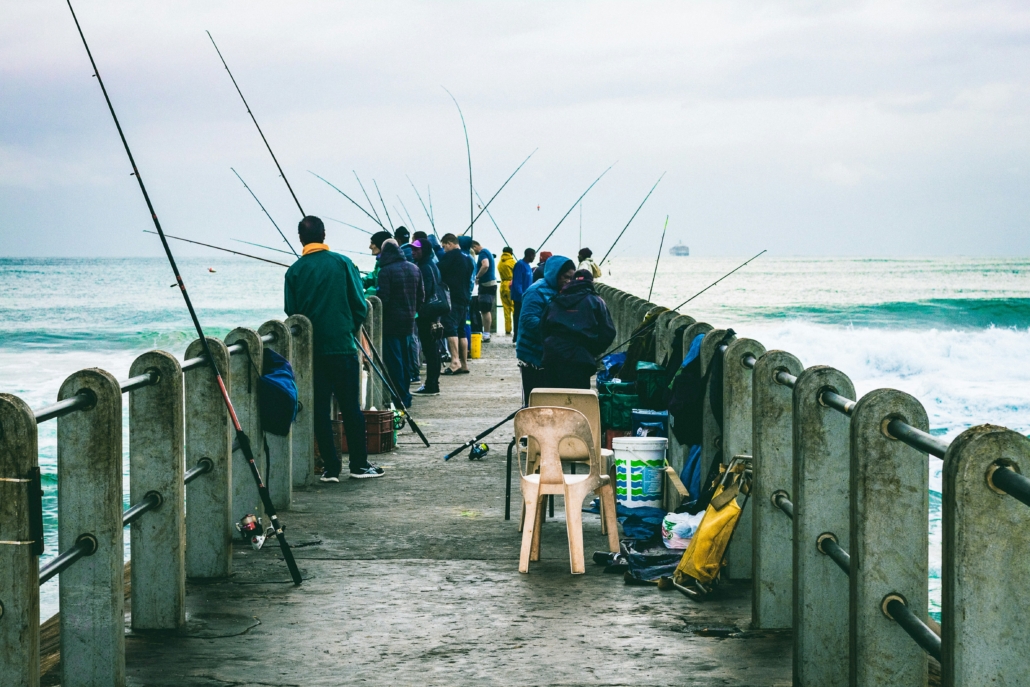
SDG 14 in South AfricaMore than 3 billion people depend on the ocean for food and work. Nearly 60 million people have direct employment in fisheries and millions more work in processing and distribution. Fish and seafood account for more than 20% of the dietary protein intake for more than 3 billion people worldwide. Protecting these marine resources is the primary focus of Life below water (SDG 14), one of the United Nations’ 17 goals in the 2030 Agenda.

In South Africa, where unemployment rates are among the highest globally and poverty rates remain widespread, the health of marine ecosystems provides an undeniable economic opportunity. Efforts to protect life below water and reach SDG 14 in South Africa have not only become environmental priorities, but a broader strategy to support livelihoods for all generations.

Marine Resource Management Challenges

South Africa’s marine environment continues to face growing pressure through the exploitation of marine resources, changing weather patterns and plastic pollution. Overfishing remains one of the most significant threats to ocean ecosystems, with 34% of South Africa’s fish stocks either depleted or heavily depleted. Nearly half of South Africa’s marine sources are already fully exploited with another 15% overexploited, putting substantial pressure on key economic species like rock lobster and tuna. Local marine ecosystems are being reshaped along the country’s expansive coastline, driven by changing weather patterns. Fisheries are highly dependent on ecosystem health as the food web drives biodiversity and biomass.

Sardines play a crucial role in the region’s marine food web supporting a large portion of the country’s pelagic fishing industry. However, sardine biomass declined 25% of its historical maximum since 2004 along South Africa’s west coast, significantly impacting fish stocks up the food chain. As populations decline, annual catch quotas are reduced with significant decreases in employment opportunities in fisheries, processing plants and export sectors.

Only 46% of South Africa’s 122 million tons of plastic waste is recycled, leaving an estimated 79,000 tons every year to enter rivers, oceans and the environment. This makes South Africa one of the largest contributors of land-based marine plastic pollution. Beyond plastics, 86% of sewage treatment did not meet safety standards and continues to release effluent contaminants into rivers. These environmental pressures have consequences beyond biodiversity by threatening coastal economies that rely heavily on ocean resources. With unemployment in South Africa reaching around 32%, fisheries and marine tourism provide important sources of income.

How SDG 14 Initiatives Are Combating Challenges

In response to SDG 14, South Africa continues to invest in research and collaboration efforts to improve scientific understanding, expand marine protection efforts, and promote sustainable resource management. Most notably, South Africa has increased marine protected areas from 0.4% to 5.4% of its Exclusive Economic Zone, protecting more than 1.5 million hectares of marine critical habitat. 

Researchers at the University of Cape Town play a key role in this effort by tracking ocean conditions to inform fisheries policies. One major initiative is the Marine and Antarctic Research for Innovation and Sustainability (MARIS) program. The Benguela Current system alone supports fisheries valued at more than $1 billion annually, highlighting the importance of research programs such as MARIS in guiding sustainable marine policy. Another key focus is the implementation of ecosystem-based fisheries management in the Benguela Large Marine Ecosystem through three primary objectives:

  1. Capacity and skills for research, management and compliance
  2. Sufficient finances for research, management and monitoring 
  3. Effective data management between the monitoring and legal enforcement teams

The nutrient-rich Benguela current supports hundreds of thousands of livelihoods across southern Africa. To ensure sustainable fisheries policies and regulations within the marine park is critical. As Melrus managing director Tomas Kjelgaard states: “It’s very important for us to have a long-term business. If we overfish like they have done in many places during the last 20 years, then we don’t have a business the day after tomorrow.” To protect the livelihoods of future fishermen, continued cooperation between government agencies, local stakeholders and neighboring countries such as Namibia and Angola is essential.

Government-led education campaigns continue to spearhead community-driven initiatives in South Africa. Particularly, coastal cleanup programs removed 111.85 tonnes of waste from beaches and waterways during volunteer cleanup campaigns in 2024 and has employed more than 200,000 volunteers across the country. Additionally, academic programs such as SEAmester have helped train more than 500 students from 15 institutions, supporting next generation of marine scientists and securing employability across the sector.

The Future of South Africa’s Life Below Water

As South Africa continues to strive towards reaching the SDG 14, oceanic health and prosperity are becoming increasingly important toward reducing poverty and supporting sustainable economic development in South Africa. Despite universal challenges of overfishing, the changing climate and pollution, ongoing targeted research, informed policy decisions and community initiatives show that progress is possible. With expanding marine protected areas, stronger fisheries management, and education programs training the next generation of ocean stewards, South Africa is charting a course toward a healthier ocean and stronger coastal communities.

– Alyssa Forget

Alyssa is based in Dundas, Ontario, Canada and focuses on Good News for The Borgen Project.

Photo: Unsplash

April 1, 2026
https://borgenproject.org/wp-content/uploads/borgen-project-logo.svg 0 0 Jennifer Philipp https://borgenproject.org/wp-content/uploads/borgen-project-logo.svg Jennifer Philipp2026-04-01 01:30:322026-03-31 12:22:24SDG 14 in South Africa: Fisheries and Sustainability
Education, Global Poverty, Sustainable Development Goals

SDG 4 in Haiti: Global Partnerships Advancing Education 

SDG 4 in Haiti

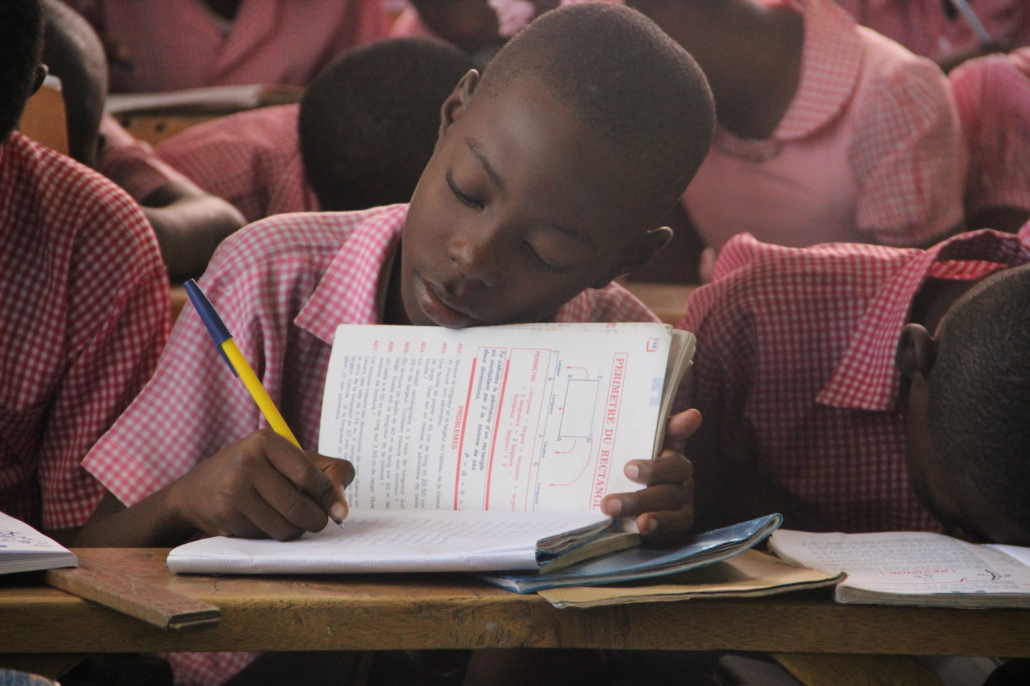
Across Haiti, school closures, language barriers and chronic underfunding continue to disrupt education for millions of students. The UN’s fourth Sustainable Development Goal (SDG) focuses on “ensuring inclusive and equitable quality education and promoting lifelong learning opportunities for all” by 2030. In a country like Haiti, achieving this goal is especially urgent as the population continues to face extreme levels of poverty, violence and repeated school disruptions. In recent years, however, efforts have emerged to create a more robust system that will support the overall growth of Haitian youth. International organizations and local partners play an important role in supporting progress toward SDG 4 in Haiti.

Barriers To Achieving SDG 4 in Haiti

Years of political instability and the rise of gang violence have long impacted Haiti’s education system. As of May 2025, more than 1,600 schools across four departments shut down, largely due to the escalating insecurity. In addition to these safety concerns, education is severely underfunded. Less than one-quarter of schools are public institutions. In fact, approximately 80% of primary schools are privately run. Many families do not have the necessary resources to pay for a proper education, while the government does not provide them with the adequate tools to do so.

There are also key systemic issues that hinder learning outcomes. Haiti has two official languages: French and Haitian Creole. However, in reality, only a small minority of Haitians are bilingual, with around 90% of the population only speaking Haitian Creole. Despite this reality, French remains the official language of instruction, which creates an additional barrier for the majority of monolingual students. Educational materials in Haitian Creole remain limited, further complicating classroom learning.

Proper instructor training is another ongoing concern. Many teachers do not have the proper training or qualifications needed to deliver high-quality instruction. To add on to that, classrooms are often overcrowded and lack basic resources. Millions of students lack the proper support and tools needed to succeed, making progress toward SDG 4 in Haiti particularly challenging.

UNESCO Supports Curriculum Reform in Haiti

Despite these many obstacles, international actors continue to create initiatives that aim to strengthen Haiti’s education system. UNESCO has been a major player in Haiti’s pursuit of higher quality education. The Ministry of National Education of Haiti and the UNESCO’s International Bureau of Education recently signed a $6.8 million agreement to support curriculum reform and development in the country.

This project aims to create a better system by understanding and addressing the root causes of issues. Rather than focusing solely on classroom content, it aims to address why education is delivered the way it is and who it serves. Self-described as an “endogenous” education, it aims to completely reform the way in which Haitians perceive education to a more holistic view of it, understanding the power of their environment, their culture and their realities. This approach integrates Haiti’s cultural and social context into the curriculum through a more interactive process that involves the students and their input.

The project will unfold in three phases. The program began with a diagnostic phase from 2022 to 2024. Its conclusions revealed the system’s most glaring issues including overloaded curricula, a discrepancy in teacher training, learning assessment and content, and issues surrounding the use of the language of learning. Phases II (2025-2027) and III (2026-2029) both involve an integration of the newly developed curriculum into schools, including experimentation in classrooms. The final phase will develop digital educational resources that students can access both online and offline. This is especially important in the context of Haiti today, where electricity and internet access can be inconsistent. In addition, the program will train teachers, inspectors and pedagogical advisers who will help implement and monitor the new curriculum as it is gradually rolled out nationwide.

While UNESCO’s initiative represents only one component of broader reform efforts, it is a great example of how international partnerships are helping move SDG 4 in Haiti forward.

Programs Supporting Students Beyond the Classroom

A student’s ability to focus and succeed in school is also contingent on their well-being outside of the classroom. The improvement of education outcomes therefore requires addressing broader challenges that students face such as nutrition, stability and access to basic resources among other factors. Hunger and financial hardship often reduce attendance and academic performance significantly. 

Organizations such as the World Food Programme (WFP) work to address issues surrounding nutrition. WFP helps to provide daily meals to around 420,000 students all over the country. Hunger reduces overall focus and energy, making it difficult for students to be fully present in class. On the other hand, school meal programs improve nutrition and serve as an incentive for families to keep their children enrolled in school.

Other organizations, including UNICEF, have developed programs that address emotional and stability barriers to learning. For example, UNICEF’s EDUPOL provides psychosocial care for more than 200,000 children affected by gang violence and displacement. The program also provided financial assistance to around 18,000 households and supported 33,062 students across 129 schools through water, sanitation and hygiene (WASH) services designed to improve health and well-being.

By addressing these out-of-classroom challenges, these programs help create the conditions necessary for students to succeed academically. Education improvements require addressing both classroom and societal challenges.

Looking Ahead: The Future of Education in Haiti

Haiti continues to face numerous challenges that inevitably affect the education of all students. However, educators, policymakers and international actors increasingly recognize the need for a more robust education system. Different initiatives have already improved the lives of countless students. Sustained collaboration between these different entities will be essential for these efforts to continue to expand. By addressing both systemic education barriers and the broader social challenges students face, these initiatives can help build a more resilient education system and expand opportunities for Haiti’s next generation, advancing progress toward SDG 4 in Haiti.

– Chloe Bonnefil

Chloe is based in Miami, FL, USA and focuses on Technology and Solutions for The Borgen Project.

Photo: Flickr
March 20, 2026
https://borgenproject.org/wp-content/uploads/borgen-project-logo.svg 0 0 Jennifer Philipp https://borgenproject.org/wp-content/uploads/borgen-project-logo.svg Jennifer Philipp2026-03-20 03:00:122026-03-20 01:19:44SDG 4 in Haiti: Global Partnerships Advancing Education 
Electricity and Power, Global Poverty, Sustainable Development Goals

Renewable Energy in Africa: Startups Driving Sustainable Growth

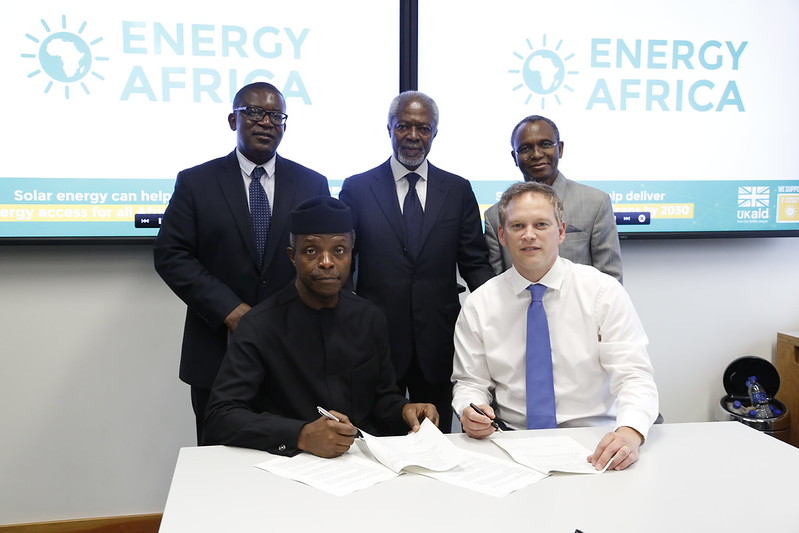
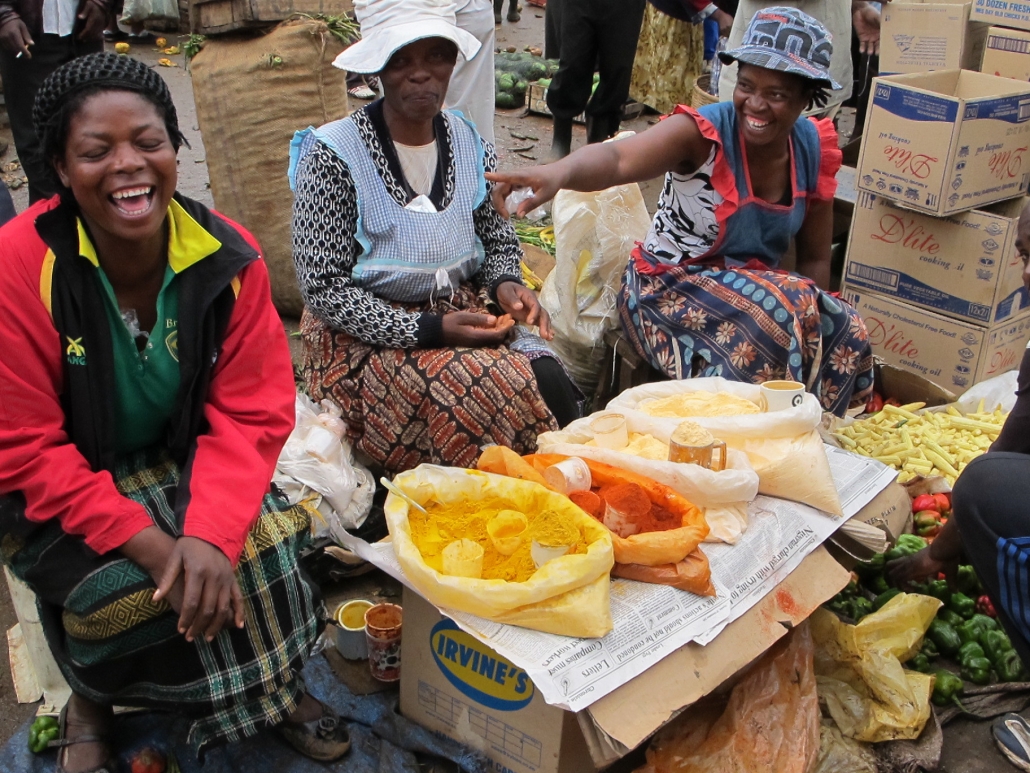
Renewable Energy in Africa: Startups Driving Sustainable GrowthRenewable energy in Africa is transforming markets, communities and the environment as innovative companies expand access to clean, affordable power across the continent. While roughly 600 million Africans still lack access to electricity, particularly in parts of West and Central Africa, a range of startups and business ventures are stepping in with technology-driven solutions that improve lives and create economic opportunities.

The Energy Challenge and Opportunity

Despite Africa’s enormous renewable potential, it holds about 60% of the world’s best solar resources, and the continent has historically received a small share of global clean energy investment. Renewables accounted for around 14% of total energy supply in 2020, and Africa received 2% of global clean energy funding in recent years.

Currently, energy access remains a development priority. Nearly half of the population in sub-Saharan Africa lives without reliable electricity, limiting business growth, health services and education. However, the growth in renewable energy, especially solar, signals a shift toward long-term, sustainable infrastructure across both urban and rural communities.

Startups Powering Progress

Several startups are leading the charge in delivering renewable solutions that expand access to power and stimulate local economies:

  • Sun King. Sun King operates a pay-as-you-go solar model that provides clean energy systems to households and small businesses. Its products, including solar lanterns and home kits, have reached millions of users across East Africa, helping households reduce dependence on expensive and polluting kerosene lighting while increasing productivity after dark.
  • M-KOPA. M-KOPA has pioneered affordable solar energy through digital micro-payments. Offering flexible payment plans, M-KOPA enables low-income households in countries such as Kenya, Uganda, Nigeria and Ghana to access solar systems without high upfront costs. The company has served millions of households and facilitated broader financial inclusion in underserved regions.
  • Bboxx. Bboxx provides pay-as-you-go solar power and smart energy solutions across multiple African countries. Bboxx not only supplies solar equipment but also integrates technologies such as batteries and enabled management systems that help users monitor and pay for energy more efficiently. With operations in more than 10 countries, Bboxx aims to expand its reach in the coming years.

Business, Health and Social Benefits

The spread of renewable energy in Africa is not only an environmental benefit; it is also a business and social solution. Consistent electricity enables small enterprises to scale, increases educational opportunities by providing light for study after dark and powers clinics and refrigeration for vaccines. Solar power investment also creates jobs, from installation technicians to business service providers, boosting local economies and workforce development.

Looking Ahead

Investors are taking notice, with grid and clean energy ventures attracting hundreds of millions in funding in recent years, showing growing confidence in Africa’s renewable energy market. Indeed, with continued innovation and investment, the region is positioned to make renewable energy a cornerstone of sustainable economic growth and climate resilience. Renewable energy in Africa is not just a technical solution; it is reshaping markets, supporting communities and helping build a cleaner future for millions.

– Nishanth Pothapragada

Nishanth is based in London, Ontario, Canada and focuses on Business and Global Health for The Borgen Project.

Photo: Flickr
March 6, 2026
https://borgenproject.org/wp-content/uploads/borgen-project-logo.svg 0 0 Precious Sheidu https://borgenproject.org/wp-content/uploads/borgen-project-logo.svg Precious Sheidu2026-03-06 07:30:172026-03-06 03:50:44Renewable Energy in Africa: Startups Driving Sustainable Growth
Global Poverty, Sustainable Development Goals, Water

Updates on SDG 6 in Burkina Faso

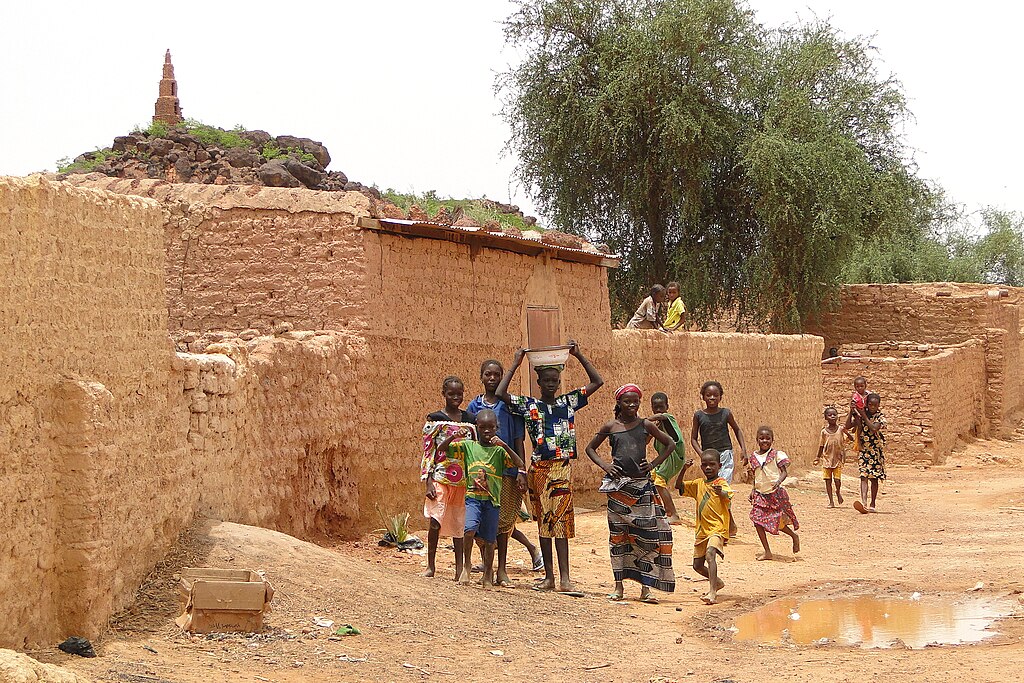
SDG 6 in Burkina FasoBordering the Sahara Desert, Burkina Faso is a West African nation within one of the fastest heating climates in the world. Burkinabe people in rural areas are especially vulnerable to reduced water access with as many as two thirds unable to access clean drinking water reliably. The sweeping reforms current administration leader Captain Ibrahim Traoré made have prioritized the donation of machinery, vehicles and equipment to local rural communities. With the added donation of training and construction supplies, Faso Mêbo is a government program that is expanding access to clean drinking water in Burkina Faso and aims to empower rural communities to keep change sustainable. These reforms mark important updates on SDG 6 in Burkina Faso, particularly in relation to rural water access and public infrastructure development.

Water Access in Burkina Faso

Between 2000 and 2022, Burkina Faso was the only West African nation where the proportion of people with access to clean drinking water decreased.  The United Nations aims to end global poverty through shared targets for 17 key factors. The Sustainable Development Goals (SDG), SDG 6 sets out targets for Clean Water and Sanitation. Recent updates on SDG 6 in Burkina Faso show that one cannot separate water access from security, governance and climate pressures.

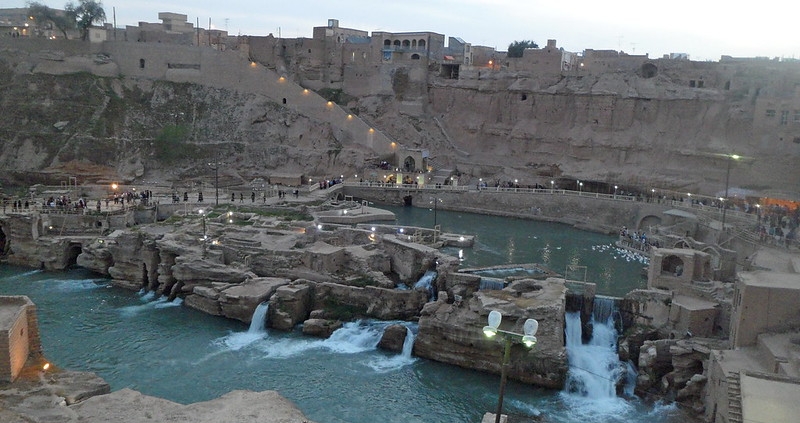
Since armed conflict with insurgent forces began in 2016, access to clean drinking water in Burkina Faso has deep ties to security. The militant group JNIM in particular has been ramping up attacks against water infrastructure, such as water transport trucks and village water pumps, since 2022. Researchers Zoltán Ködmön and Júlia Szőke for Clean Technologies and Environmental Policy (2025) show evidence of a strong geographical link between water facilities hit by militants and regions where communities accessing cannot access clean drinking water on a regular basis, indicating that solving this crisis has to be multifaceted. They argue that “sustainable water security can only be achieved to a certain extent, as the work, the money spent over many years and the results achieved can be destroyed by armed groups in no time.”

A general reduction in rainfall, hotter weather and crops failing due to sudden temperature changes characterize an increasingly volatile West African climate. As the climate crisis worsens, rural communities become more reliant on often expensive irrigation reforms to survive. Traoré’s initiative to restore water storage infrastructure to its previous capacity shows a commitment to the United Nations’ Sustainable Development Goals (SDGs).

Addressing SDG 6 in Burkina Faso

A recent trend of government policy sees local communities undertake the construction of water reforms across Burkina Faso using materials and vehicles the administration donated for irrigation and hydro-agriculture. This is a departure that signals an increased willingness to cooperate with rural groups the Compaoré administration had alienated in the decades prior and align with Ködmön and Szőke’s recommendation that “decentralizing water governance and building local institutional capacities—particularly in conflict affected areas—[is] essential for improving long-term resilience.”

An increased focus on water development in the North is essential to the well-being of the poorest in Burkina Faso. The African Development Bank (ADB), since the 2015 change from Millennium Development Goals to Sustainable Development Goals, has funded more projects in the Nord and Sahel provinces but the imbalance of funding still remains.

Looking Ahead

Updates on SDG 6 in Burkina Faso imply that clean water access is a technical and environmental challenge and also a question of class, security, and sovereignty. The Traoré administration’s turn toward public ownership, decentralized governance and mass participation represents a rupture with neoliberal development models that have ultimately failed the rural poor in Burkina Faso in the past. By placing infrastructure, training and decision-making power directly in the hands of communities, Faso Mêbo demonstrates that collective ownership and international co-operation can achieve sustainable development.

– Zoey Cruz

Zoey is based in Bedfordshire, UK and focuses on Technology and Global Health for The Borgen Project.

Photo: Wikimedia Commons

February 26, 2026
https://borgenproject.org/wp-content/uploads/borgen-project-logo.svg 0 0 Jennifer Philipp https://borgenproject.org/wp-content/uploads/borgen-project-logo.svg Jennifer Philipp2026-02-26 07:30:232026-02-26 00:17:22Updates on SDG 6 in Burkina Faso
Development, Food Security, Global Poverty, Poverty Reduction, Sustainable Development Goals

How Landmine Clearance and Food Security

How Landmine Clearance and Food Security Support Development in IndonesiaLandmines, cluster munitions and improvised explosive devices continue to threaten civilian lives and block economic progress long after conflicts end, making land unsafe for farming, travel or everyday life. These explosive remnants of war can lie hidden for decades and prevent people from safely accessing land for food production, shelter or infrastructure. They are one reason communities often cannot rebuild after conflict. At least 58 states and territories remain contaminated by these explosive hazards — 29 with cluster munition remnants and more than 60 with improvised explosive devices (IEDs) — endangering millions of people and limiting economic opportunities.

Because contaminated land is unsafe, farmers often cannot grow food where they once did, which reduces food production and household income and slows community recovery. This weakens food security and forces families to rely on outside support instead of producing their own food. Mine clearance makes land safe again so families can plant crops, raise animals and support their own food supplies — a key part of strengthening landmine clearance and food security and promoting long-term community well-being.

Clearing Land for Food and Growth

Mine action — the process of surveying, mapping, detecting and removing landmines and explosive remnants of war — does more than save lives. As teams clear contaminated land and certify it safe, farmers can return to productive use, reinforcing landmine clearance and food security. This work also supports broader improvements such as irrigation systems, water access points and improved roads, which help sustain agricultural productivity and support community development.

Clearing landmines also reopens roads and paths that were once too dangerous to use, allowing children to go to school, families to access health care and goods to be traded at markets. Safe infrastructure supports local economies and helps communities rebuild and connect with broader development opportunities.

Indonesia’s Role in Mine Action and Food Security

Indonesia frames mine action as both a humanitarian obligation and a development priority, particularly through its participation in international disarmament and peacebuilding frameworks. As a state party to the Ottawa Treaty, also known as the Anti-Personnel Mine Ban Convention, Indonesia links mine action to civilian protection, post-conflict recovery and long-term development, including food security.

While Indonesia is not among the most heavily contaminated countries, it plays a role in international mine action assistance through peacekeeping operations, South-South cooperation and regional leadership in Southeast Asia.

Indonesia has also expressed concern about the growing global threat posed by explosive remnants of war, particularly as climate change increases flooding and extreme weather, causing unexploded ordnance to move into previously cleared agricultural areas. These risks further undermine food production in climate-vulnerable regions and highlight the need for sustained international cooperation and innovation in mine action.

The Importance of Funding for Mine Action

Funding is essential for mine action because clearing landmines and supporting affected communities requires long-term investment. The United Nations Mine Action Service (UNMAS) receives support through assessed contributions when mine action is part of peacekeeping or other United Nations missions and through extra-budgetary resources provided by member states to the United Nations Voluntary Trust Fund for Assistance in Mine Action. The fund helps finance surveys, clearance, risk education and victim assistance.

Indonesia has repeatedly warned within the Fourth Committee of the United Nations General Assembly that declining voluntary funding threatens the sustainability of mine action programs worldwide, especially as global military expenditures continue to rise. Continued funding is needed to sustain clearance operations, support survivors, expand risk education and integrate mine action with broader humanitarian and development programming.

Indonesia and International Support

Indonesia supports international efforts to remove landmines and participates in global frameworks that encourage civilian protection and post-conflict recovery. Agreements such as the Mine Ban Treaty have led to widespread destruction of landmines and mobilized international cooperation to help countries and communities address contamination, including through risk education and assistance to survivors.

Mine action is not only about physical clearance. It also includes risk education, which teaches people how to recognize and avoid explosive hazards, and victim assistance, which helps those injured regain independence and participate in community life. These programs help communities rebuild confidence, participate in economic activity and focus on education and work rather than fear of unexploded weapons, though challenges remain as some regions recover more slowly.

Food Security and the Future

The relationship between landmine clearance and food security plays a critical role in helping communities rebuild after conflict and invest in long-term development. When land is cleared of explosive hazards, farmers can grow more food, households can invest in farming and other income-producing activities and communities can reduce poverty. Safe land also encourages investment in infrastructure such as irrigation, roads and local markets, strengthening resilience in agricultural communities and fostering economic growth.

Indonesia emphasizes that mine action directly supports global development goals such as ending hunger (SDG 2), promoting peace (SDG 16) and improving human security. Although progress can be uneven across regions, continued international support and cooperation help mine action reach more people, make communities safer and contribute to long-term development outcomes in Indonesia and around the world.

– Anaisha Kundu

Anaisha is based in Skillman, NJ, USA and focuses on Global Health and Politics for The Borgen Project.

Photo: Unsplash

February 20, 2026
https://borgenproject.org/wp-content/uploads/borgen-project-logo.svg 0 0 Precious Sheidu https://borgenproject.org/wp-content/uploads/borgen-project-logo.svg Precious Sheidu2026-02-20 03:00:552026-02-20 02:43:30How Landmine Clearance and Food Security
Global Poverty, Sustainable Development Goals

Updates on SDG 1 in Mongolia

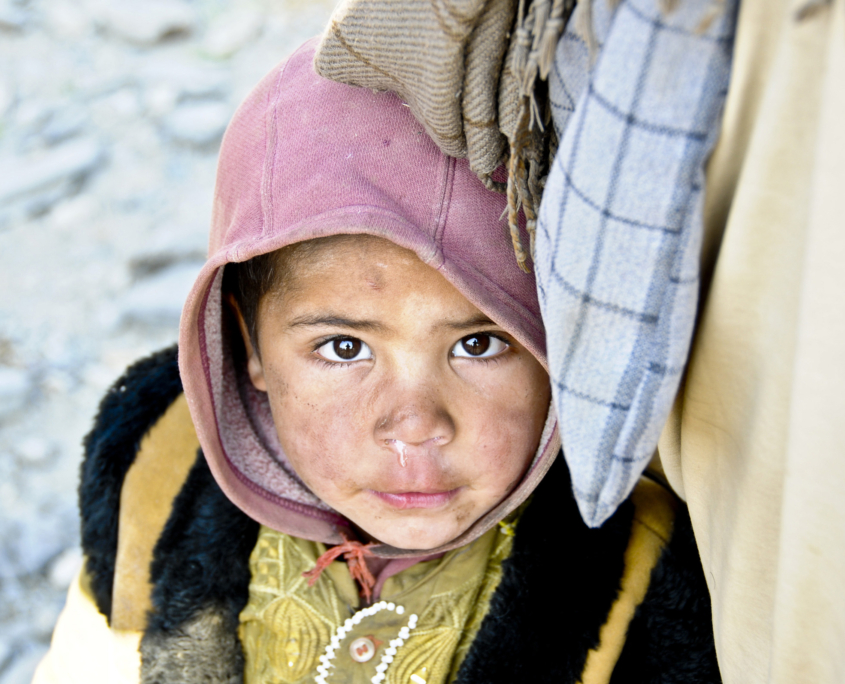
SDG 1 in MongoliaSustainable Development Goal 1 (SDG 1) is one of the 17 United Nations Sustainable Development Goals the UN adopted in 2015. The goals are part of the UN 2030 Agenda for Sustainable Development, with the aim of achieving “peace and prosperity for people and the planet by 2030.” SDG 1 is the broadest and most-encompassing of all the goals: to “end poverty in all its forms everywhere.” The poverty rate in Mongolia was 27.1% in 2022; more than a quarter of Mongolians still live in poverty. However, there are currently many NGOs acting in Mongolia to reduce the poverty rate. Here is an update on SDG 1 in Mongolia.

UNICEF’s Role in Fulfilling SDG 1 in Mongolia

NGOs are playing a crucial role in relieving poverty in Mongolia. UNICEF has been active in Mongolia since the 1960s. Currently, the majority of UNICEF’s funding in Mongolia is directed towards health programs. In 2023, UNICEF helped to launch a program to screen all school children for the bacterial infection that causes strep throat, a disease which when left untreated, can increase the risk of cardiovascular disease in later life. Poor nutrition is another prevalent issue amongst children, with many experiencing vitamin and mineral deficiencies. UNICEF is training school chefs, helping to greatly improve the quality of school meals, as well as promoting healthy diets and eating habits throughout local communities.

The UN

The UN is helping to fulfill SDG 1 in Mongolia by aiding farming communities. The dzud is a disaster unique to Mongolia. Dzuds are extreme winters, characterized by frozen ground, heavy snowfall and freezing temperatures. Many herders suffer great losses to their livestock during these periods; the winter of 2023-2024 saw a loss of 7.4 million Mongolian herd animals. The UN is leading the Humanitarian Country Team in Mongolia, which managed to raise $10.6 million in 2024. The team has worked to mitigate the effects of the dzud, providing hay and fodder for animals, education for farming groups and cash support for the farmers worst affected.

The International Organization for Migration (IOM)

The International Organization for Migration (IOM) has implemented the ‘Addressing Climate Change-Induced Human Mobility in Mongolia’ since 2024. The project aims to increase the resilience of government agencies and local communities to the impacts of changing weather, chiefly migration challenges and natural disasters. The IOM is working to ensure that rural communities have increased access to resources, education and support to negate the impact of climate-related disasters, with a special emphasis placed on the education of women and children. Furthermore, as of October 2025, the IOM has provided livelihood support for climate migrants across 21 provinces and nine districts.

People in Need (PIN)

People in Need (PIN) has been active in Mongolia since 2008, establishing a permanent Mongolian office in 2011. Since 2011, PIN has run around 30 individual aid projects, helping people in both rural and urban settings across 19 different provinces. The aims of these projects have varied greatly, respectively concerning emergency response, gender and social inclusion, change and sustainable livelihoods and civil society empowerment. More recently, PIN has supported both state authorities and civil society organizations in the adoption of digital technology, and has aided with media literacy. PIN also supports local NGOs in accessing international funds and global political expertise.

Looking Forward

Overall, although the Mongolian poverty rate is still relatively high, many NGOs are making great efforts to reduce it through a large variety of aid strategies. The future is positive for Mongolia. The poverty rate decreased by 2.5% between 2016 and 2022. Through the hard work of NGOs and government aid, the poverty rate is set to decrease in the coming years, making SDG1 in Mongolia seem more achievable than ever.

– Arthur Horsey

Arthur is based in Hampshire, UK and focuses on Business and Politics for The Borgen Project.

Photo: Flickr
January 29, 2026
https://borgenproject.org/wp-content/uploads/borgen-project-logo.svg 0 0 Jennifer Philipp https://borgenproject.org/wp-content/uploads/borgen-project-logo.svg Jennifer Philipp2026-01-29 03:00:042026-01-28 01:29:07Updates on SDG 1 in Mongolia
Global Poverty, Inequality, Sustainable Development Goals

Commitment to SDG10: Reducing Inequality in South Africa

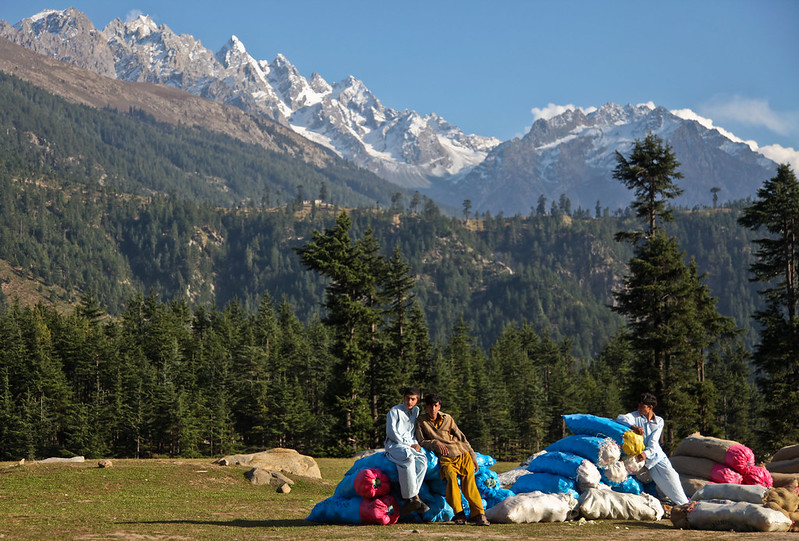
Reducing Inequality in South AfricaRace remains the largest driver of inequality in South Africa, shaped by a legacy that has remained largely unchanged. The effects of apartheid continue to undermine progress toward equality. For decades, the World Bank has ranked South Africa as the most unequal country in the world.

This inequality continues to limit social mobility, reinforcing a cycle of wealth and poverty. Many individuals are effectively assigned a future of either “rags or riches” at birth. While Sustainable Development Goal 10 aims to reduce inequality, high income and opportunity gaps persist due to long-standing structural injustices.

Inequality in South Africa can largely be traced to three key factors: pre-income distribution, unequal access to education and wage disparities.

Pre-Income Distribution

Pre-income distribution refers to factors that influence wealth and opportunity before income is earned. These include land ownership, inheritance and race, all of which are “born into” factors that cannot be changed, giving individuals a natural advantage or disadvantage from birth.

In South Africa, the Gini coefficient remains at 0.63, with the top 20% of the population accounting for nearly 70% of income. In comparison, the bottom 20% is left with less than 5%. Race remains the most dominant determining factor in pre-income distribution. Fifty years after apartheid, its impact is still evident, leaving lasting reminders of the grip it once had on the country.

Some progress has been made toward transparency in income inequality. Recent Companies Act amendments now require firms to disclose CEO-to-worker pay ratios. The Labor Research Service reports that the current average across the JSE Top 40 companies is approximately 1,270:1. This aspect of inequality has been addressed most effectively through social grants.

With one of the largest social grant systems in the world, South Africa has reached millions of vulnerable citizens. These grants have been widely commended. By 2011, the number of grant recipients had increased by 13.6 million since 1998. Although the Gini coefficient still indicates significant inequality, social grants have helped stabilize the incomes of some of the country’s most impoverished households, preventing inequality levels from rising even further.

Wage Inequality

Even after overcoming barriers to employment, many South Africans continue to face inequality. On average, women in South Africa earn 12% less than their male counterparts. Almost half of this gap (45%) is attributed to women’s disproportionate employment in lower-paying firms.

Structural unemployment is another significant contributor to wage inequality. With the economy in a state of stagnation, the job market is suffering. With jobs themselves hard to come by and few in number, this is a significant driver of inequality.

In recent years, youth unemployment has risen to more than 46%, contributing to poverty and reinforcing the country’s slow economic growth. This has created another major barrier to reducing inequality in South Africa.

Access to Education

Schools in South Africa face significant resource constraints, resulting in wide gaps in students’ fundamental skills. This was highlighted in 2021, when it was found that approximately 80% of Grade 4 learners could not read for meaning, unable to comprehend or extract information from text. This outcome stems from a broader lack of resources.

Infrastructure and qualified teachers remain in short supply, particularly in poorer, rural communities. Still grappling with the consequences of its past, spatial inequality continues to limit access to education. “The legacy of colonialism and apartheid, rooted in racial and spatial segregation, continues to reinforce inequality,” United Nations Human Rights Office.

Spatial inequality was influenced greatly by the Group Areas Act of 1950. The initiative removed black families from urban areas, relocating them to underdeveloped, rural towns. As families were forced to settle in these new designated areas, generations later, spatial segregation persisted.

Lacking infrastructure, these areas were burdened with numerous encumbrances, allowing families living there to fall behind their thriving suburban peers. This stark contrast remains, most notably in the suburbs and townships of Johannesburg.

Conclusion

Pervasive structural injustices left over from apartheid still linger, despite staggering progress in reducing inequality in South Africa. The nation has nonetheless made impressive strides toward achieving SDG 10. These include social grants and legislative amendments that demand transparency on wage disparities, thereby perpetuating pressure and accountability.

– Maya Hollick

Maya Hollick is based in the United Kingdom and focuses on Politics for The Borgen Project.

Photo: Flickr
January 28, 2026
https://borgenproject.org/wp-content/uploads/borgen-project-logo.svg 0 0 Hemant Gupta https://borgenproject.org/wp-content/uploads/borgen-project-logo.svg Hemant Gupta2026-01-28 03:00:202026-01-25 23:34:45Commitment to SDG10: Reducing Inequality in South Africa
Food Security, Global Poverty, Sustainable Development Goals

Local2030 Islands Network: SDGs in Developing Island States

Local2030 Islands Network: Scaling up SDGs in Developing Island States The world’s small island territories and nations face unique development challenges and are collectively identified as Small Island Developing States by the United Nations (U.N.). These islands commonly experience high costs of living, limited financial opportunities, import dependence and climate vulnerability. Together, these factors create conditions for undiversified and vulnerable economies, contributing to high levels of poverty among island populations. With frequent climate hazards, these challenges become further exacerbated, disrupting both livelihoods and ecosystems that are essential for long-term island sustainability and income generation. The U.N. has emphasized the importance of advancing the Sustainable Development Goals (SDGs) in developing island states, as these states are at the forefront of making sustainable transitions.

The Local2030 Islands Network

To help address these issues, the Local2030 Islands Network was developed as the first island-to-island network dedicated to locally scaling up the SDGs in developing island states. This network emphasizes implementing goals in ways that reflect the realities of individual island communities. Launched in 2019, the network facilitates cooperation between island governments, organizations and local leaders to scale up sustainable development. As of 2025, 28 island states have joined the network, and many more have engaged in planning efforts and identifying localized solutions. The network serves as a platform where islands can share experiences and best practices, identify local priorities and develop actionable plans.

With the network’s support, island members commit to four key objectives to help execute development agendas. These commitments include advancing political leadership to support climate resilience, strengthening public-private partnerships, transparently measuring SDG progress and implementing concrete initiatives that address local goals. The network also includes “communities of practice” (CoP) that focus on priority island-related issues such as sustainable income generation and climate resilience. These CoP serve as digital platforms that bring together experts, civil society members, stakeholders and community representatives to utilize a combination of technical assistance, Indigenous knowledge and modern technology to address multiple challenges and areas of focus.

Guam Green Growth Initiative

One of the network’s recently implemented projects is taking shape in Guam, a United States (U.S.) territory located in the western Pacific Ocean. Known as the Guam Green Growth Initiative (G3), it is part of the island’s 10-year plan for scaling up local SDGs. This plan includes a framework for addressing local goals related to creating circular economies, expanding opportunities in green jobs and building food system resilience.

Recent assessments of Guam’s poverty rate suggest that one in five residents live below the poverty line, a figure that is double that of the U.S.

As part of G3, decision-makers are combining conservation and economic opportunity to address this issue with long-term solutions, with efforts underway to transition the island to a diversified, circular economy that offers greater financial opportunities for residents. This work includes multiple skills development and job preparation programs, as well as efforts to enhance local cottage industries. One skills development program, known as the Conservation Corps, offers paid training for individuals to learn a wide range of skills within the green jobs sector, supporting the island’s transition to a green economy.

Additional programs support the development of small businesses and cottage industries. The G3 Makerspace and Innovation Hub facilitates cottage industry growth by providing local entrepreneurs and businesses with access to specialized tools, technologies and training for sustainable business practices.

G3 also strengthens partnerships with local organizations, including Guam Unique Merchandise and Art, a local nonprofit that provides small businesses with training and grants to help them grow. This support creates additional small-business employment opportunities and reduces reliance on imported products.

Strengthening Food Security and Local Resilience

G3 promotes social and economic protections by enhancing local food security. Guam imports a large portion of its food, resulting in high prices and increased vulnerability to global supply shocks. G3 addresses this issue by supporting local agriculture, aquaculture and community garden projects. The G3 community gardens offer cost-efficient and sustainable solutions that promote local food security, contribute to food banks and support food access for vulnerable populations facing homelessness and poverty.

A focus on agriculture, aquaculture and aquaponics also contributes to food sovereignty and security in Guam. Through partnerships with local nonprofits such as Guåhan Sustainable Culture, G3 provides workforce development and resources for small-scale farmers.

Additionally, five aquaculture and aquaponics projects have been implemented on the island, providing resources for sustainable, year-round crop and fish production. Through educational initiatives, community members learn to manage these systems, building capacity for the expansion of local aquafarms.

Looking Ahead

The Guam Green Growth Initiative demonstrates how locally driven approaches can advance the SDGs in developing island states. By integrating economic diversification and sustainable food systems, Guam moves toward a more resilient future. As challenges persist for island communities, the Local2030 Islands Network continues to support initiatives such as G3, which offer lessons for other islands to replicate and adapt. Continued collaboration and locally based solutions remain vital to building sustainable futures for island communities.

– Quinlan Bohannon

Quinlan is based in Portland, OR, USA and focuses on Good News for The Borgen Project.

Photo: Pexels

January 10, 2026
https://borgenproject.org/wp-content/uploads/borgen-project-logo.svg 0 0 Precious Sheidu https://borgenproject.org/wp-content/uploads/borgen-project-logo.svg Precious Sheidu2026-01-10 07:30:012026-01-09 10:43:38Local2030 Islands Network: SDGs in Developing Island States
Global Poverty, Refugees and Displaced Persons, Sustainable Development Goals

Advancing SDG 1 in Lebanon: Building Livelihoods

SDG 1 in LebanonWith nine out of 10 Syrian refugees in Lebanon unable to meet their basic needs, eight out of 10 Palestinian refugees in Lebanon living in poverty and almost a million citizens internally displaced, sweeping international aid cuts in 2025 threaten to plunge hundreds of thousands deeper into destitution. The U.N. Refugee Agency (UNHCR) reports a 74% funding shortfall for its Lebanon operation, forcing severe reductions in health, shelter and cash assistance programs. As the world pursues Sustainable Development Goal (SDG) 1, the mission of ending poverty in all its forms, the current crisis in Lebanon serves as a poignant reminder that emergency aid alone cannot break the cycle. In response to this reality, innovative programs are pivoting to build sustainable refugee livelihoods in Lebanon, creating economic stepping stones for the most vulnerable while fortifying fractured local communities. Here is information about SDG 1 in Lebanon.

A Multilayered Crisis for Refugees

Lebanon hosts more than 660,000 registered Syrian refugees and around 450,000 Palestinian refugees, a population whose acute vulnerability is layered upon the host country’s own profound economic collapse, ranked among the world’s worst since the 19th century. A 2025 socio-economic assessment by the International Rescue Committee (IRC) found that 90% of Syrian refugees in Lebanon now live in extreme poverty, while a U.N. Relief and Works Agency (UNRWA) report found that more than 80% of their Palestinian counterparts to be in similar circumstances of pauperism.

On top of this economic devastation, the war with Israel which began in late 2023 has compounded the plight of the most vulnerable immensely with Israeli hostilities still ongoing despite an official ceasefire. As of late 2024, the warfare has displaced more than 878,000 people within Lebanon, damaged vital infrastructure like water facilities and schools and further constricted the already narrow space for economic activity, particularly in southern border regions.

The Systemic Barriers to Livelihoods

For refugees and the undocumented internally displaced, legal and systemic barriers obstruct the path to a secure livelihood in Lebanon. Restrictive work permit policies and the collapse of formal labor markets has pushed refugees into informal, precarious and often exploitative work. This reality traps families in a cycle of aid dependency, just as that aid is being withdrawn, while impeding any viable path toward real economic recovery. The humanitarian sector itself faces internal challenges in fostering sustainable solutions. Research from the Norwegian Refugee Council (NRC) highlights that despite commitments to “localization”—the effort to empower national and community-based organizations—funding and decision-making authority often remain centralized within large international agencies. This disconnect has hindered the development of responsive, culturally attuned livelihood programs that are integrated into local economic ecosystems.

A Model for Empowerment: The IRC’s Social Recovery Project

A concrete example of an approach designed to overcome these barriers is the Support for Social Recovery Needs of Vulnerable Groups Phase II (SRP2) project, a $5.6 million initiative that the World Bank funded and the IRC implemented. Through a strategy designed to pivot away from the conventional myopic, top-down, stop-gap unilateral relief funding that perpetuates cycles of dependency, the project finances a network of Lebanese NGOs to deliver integrated capacity-building interventions. This includes critical support services such as case management for gender-based violence survivors and mental health counselling, which address the profound psychosocial distress that can prevent individuals from seeking or maintaining employment.

The project explicitly links recovery services to long-term economic empowerment through a design that integrates vocational training, digital skills development and job placement support directly into its recovery framework. Increased access to and improved quality of services for its target groups—including GBV survivors, individuals with mental health challenges and persons with disabilities—measure its success. For instance, a survivor of violence receiving psychosocial support can also access market-relevant skills training, breaking the isolation of trauma and building practical avenues to income. By channeling World Bank funds through the IRC to local NGO partners, the model actively builds in-country organizational resilience. This “graduation” approach to partnership seeks to foster stronger, self-reliant local institutions, directly addressing the localization gap identified in sectoral research.

The Imperative for Strategic Investment

Broader humanitarian planning reflects the strategic shift towards livelihoods. The International Organization for Migration’s (IOM) 2025 Crisis Response Plan for Lebanon allocates $12.6 million specifically for “livelihoods and economic recovery” operating on the rationale that investing in people’s economic agency is a cornerstone of stability. IRC research has found that NGOs run nearly 70% of primary healthcare centers in Lebanon, corroborating the sector’s pivotal role where state capacity is still limited. Supporting these local actors to deliver economic programs is not only a natural extension of their work, but also a prudent use of already established and experienced local networks.

The Path Forward for SDG 1 in Lebanon

Achieving SDG 1 in Lebanon demands a layered, forward-looking strategy to confront the livelihood crisis for refugees and the internally displaced. Immediate humanitarian support remains critical to prevent a catastrophic deterioration in living standards, making the current funding shortfall an urgent priority. Concurrently, donors and implementers must strategically and significantly scale up investments in sustainable refugee livelihoods and rebuilding efforts. This means funding integrated programs that pair protection services with skills training, advocating for policies that expand legal work rights, and, most importantly, following through on localization commitments by providing flexible, direct funding to native organizations with the community knowledge to run effective programs. A durable cessation of Israeli military aggression in the south remains a fundamental prerequisite for stability and economic recovery.

Programs like SRP2 demonstrate that by intentionally linking recovery to economic opportunity and by strengthening local partners, international aid can transition from sustaining dependence to fostering self-reliance. For SDG 1 to move from aspiration to reality in Lebanon, enabling the displaced to resettle and empowering refugees to build their own sustainable livelihoods is an indispensable approach.

– Georgio Moussa

Georgio is based in London, UK and focuses on Good News and Politics for The Borgen Project.

Photo: Wikimedia Commons

December 13, 2025
https://borgenproject.org/wp-content/uploads/borgen-project-logo.svg 0 0 Jennifer Philipp https://borgenproject.org/wp-content/uploads/borgen-project-logo.svg Jennifer Philipp2025-12-13 01:30:522025-12-13 01:29:41Advancing SDG 1 in Lebanon: Building Livelihoods
Global Poverty, Hunger, Sustainable Development Goals

Updates on SDG 2 in Sudan: The Battle Against Hunger

SDG 2 in SudanIn 2015, all U.N. member states adopted the 2030 Agenda for Sustainable Development. The agenda revolved around commitment to 17 Sustainable Development Goals (SDGs), a call to action for all developed and developing countries to commit to a unified approach to ending poverty and other global deprivations, with the U.N. Secretary General presenting annual SDG Progress Reports.

António Guterres presented the latest SDG Progress Report this year, which noted that global hunger and food, while having declined in recent history, are still above the figures from before the COVID-19 pandemic. With SDG 2 being the goal to attain levels of zero hunger, here are all the updates on SDG 2 in Sudan, including both the situation on the ground as well as the progress that is underway to combat rampant hunger in Sudan, as the African nation currently experiences a catastrophic famine.

Violence and Its Impact on Hunger

After three years of violence due to the conflict between the Rapid Support Forces (RSF) and the Sudanese Military, UNICEF reports that the conflict has affected 30 million people —  half of them children —  with violence such as summary executions, starvation, rape and bombardment displacing at least 10 million, which U.N. reports claim fit the 2008 U.N. Security Council definition for war crimes, crimes against humanity and genocide.

The Food and Agriculture Organization of the United Nations (FAO) estimates that 21.2 million people — nearly half of the population — are experiencing high levels of acute food insecurity, as conflict areas such as El Fasher and Kadugli have confirmed famine conditions. Restricted access due to violent conflict, as well as inflated food prices, strenuous journeys to receive aid, starving mothers’ reduced ability to breastfeed and funding cuts for said aid have driven the country to experience high levels of food insecurity.

UNICEF also reports that in the state of South Kordofan, where Kadugli is the capital, 10,000 children are suffering from severe acute malnutrition, while more than 70% of hospitals in areas experiencing violence are non-operational. Hospitals in safer areas are overwhelmed with limited resources and staff not receiving pay, severely limiting any safety net for families caught in a cycle of malnutrition.

Efforts on the Ground

As previously mentioned, funding cuts for relief organizations have limited the on-the-ground support for SDG 2 in Sudan. However, the latest Integrated Food Security Phase Classification (IPC) Special Snapshot reveals that as of September 2025, acute food insecurity had slightly improved with an estimated 3.4 million people no longer falling into the same category level of hunger, being IPC phase 3 or above, that they had from December 2024 to May 2035, the previous period of analysis. Furthermore, the IPC states that it expects food security conditions to improve between October 2025 and January 2026 with the arrival of the harvest season, though these harvest gains will be limited in some violence-ridden regions.

These incremental gains for SDG 2 in Sudan reflect the persistence of agencies like FAO, UNICEF and the World Food Programme (WFP).

  • FAO is focusing on providing emergency livestock, fishery supplies and veterinary services for animals deemed vital sources of protein and nutrition to strengthen local food systems. In the summer of 2024, FAO and its partners distributed 5,000 MT of seeds, reaching around 2.7 million people.
  • Between January and November 2024, UNICEF screened 6.7 million children under 5 for malnutrition and more than 415,772 children suffering from severe acute malnutrition were treated. UNICEF recently regained access to South Kordofan, delivering convoys of essential medicines and ready-to-use therapeutic food — a nutrient-rich peanut paste that can save children suffering from acute malnutrition. For parents like Zahra, whose three-year-old daughter Tahir was suffering from malnutrition, this convoy was the first real sign of relief and survival for her child in many months.
  • WFP delivers both food aid and cash assistance through its Food Assistance for Assets program, while distributing its micronutrient-rich product “VITAMINO” to children under 5, as well as pregnant and nursing mothers. As of December 2024, WFP had delivered food assistance to more than 800,000 Sudanese at risk of famine.

In addition, both UNICEF and the WFP offer vocational training for adolescents and adults, respectively, to provide greater access to livelihood opportunities as a safeguard against multigenerational poverty and hunger.

Looking Ahead

Despite encouraging signs that progress has occurred towards SDG 2 in Sudan has not completely ceased as famine in Sudan remains one of the most urgent humanitarian crises in the world with UNICEF stating that advocacy is crucial in the desire for greater humanitarian access across conflict lines both to provide more aid and to collect more data, increased foreign aid, mainly in the form of flexible spending, as well as a cessation of hostilities, the latter of which both UNICEF and the WFP deem vital in containing food insecurity and malnutrition.

With the FAO stating its need for $156.7 million for 2025 to assist 14.2 million people, UNICEF also urges the international community, including U.S. Congress and other donor governments, to increase flexible funding that allows rapid allocation to the most vulnerable.

Despite the dire circumstances, the persistence of local farmers, aid workers and global partners continues to plant the seeds of hope that sustain SDG 2’s mission. Each harvest supported, each child treated for malnutrition and each family trained for self-reliance moves Sudan — however slowly — closer to the promise of zero hunger.

– Luca Hanlon

Luca is based in Brooklyn, NY, USA and focuses on Good News and Politics for The Borgen Project.

Photo: Wikimedia Commons

November 27, 2025
https://borgenproject.org/wp-content/uploads/borgen-project-logo.svg 0 0 Jennifer Philipp https://borgenproject.org/wp-content/uploads/borgen-project-logo.svg Jennifer Philipp2025-11-27 07:30:202025-12-17 07:18:25Updates on SDG 2 in Sudan: The Battle Against Hunger
Page 2 of 16‹1234›»

Get Smarter

  • Global Poverty 101
  • Global Poverty… The Good News
  • Global Poverty & U.S. Jobs
  • Global Poverty and National Security
  • Innovative Solutions to Poverty
  • Global Poverty & Aid FAQ’s
Search Search

Take Action

  • Call Congress
  • Email Congress
  • Donate
  • 30 Ways to Help
  • Volunteer Ops
  • Internships
  • Courses & Certificates
  • The Podcast
Borgen Project

“The Borgen Project is an incredible nonprofit organization that is addressing poverty and hunger and working towards ending them.”

-The Huffington Post

Inside The Borgen Project

  • Contact
  • About
  • Financials
  • President
  • Board of Directors
  • Board of Advisors

International Links

  • UK Email Parliament
  • UK Donate
  • Canada Email Parliament

Get Smarter

  • Global Poverty 101
  • Global Poverty… The Good News
  • Global Poverty & U.S. Jobs
  • Global Poverty and National Security
  • Innovative Solutions to Poverty
  • Global Poverty & Aid FAQ’s

Ways to Help

  • Call Congress
  • Email Congress
  • Donate
  • 30 Ways to Help
  • Volunteer Ops
  • Internships
  • Courses & Certificates
  • The Podcast
Scroll to top Scroll to top Scroll to top