 Haiti is a small country located on the island of Hispaniola with the Dominican Republic, surrounded by the Caribbean Sea, carrying a population of 11.72 million. Many problems are actively eroding the country’s prosperity, including poverty, poor health care and malnutrition. UNICEF reports that only 41% of Haitians live above the poverty line and malnutrition affects approximately 25% of children living in the capital. Amid all this anguish, many non-profits have started up in Haiti to help its citizens prosper and flourish. One in particular is Zanmi Lasante, a sister organization of the multi-national NGO Partners In Health, which operates in 11 countries and employs 18,000 workers worldwide.
Zanmi Lasante: HIV Initaitives
Established in the 1980s, Zanmi Lasante has impacted many Haitians. It supports many causes including HIV/AIDS reduction, mental health, nutrition and water sanitation.
In 1990, Zanmi Lasante created an HIV Equity Narrative to supply antiretroviral drugs to poor, rural areas. Patients who have been diagnosed with HIV early on can receive these drugs to prevent its replication. The organization also employs many community workers who distribute medicine to patients and care for them at home. The program also holds screening programs to detect the virus. So far, the program has tested more than 100,000 for HIV this year and an estimated 15,000 people have received antiretroviral drugs during the same period.
Mental Health
Zanmi Lasante expanded its range in 2005 and started focusing on alleviating mental health issues in Haiti; it improved its services in 2012 and now employs community health workers, nurses and psychologists who support patients with depression, epilepsy, psychotic disorders and children with psychological issues. The organization has also created the Zanmi Lasante Depression Symptom Inventory, which is a depression assessment tool manual written in Haitian Creole.
Zanmi Lasante held more than 9,000 therapy visits annually. From July 2023 to June 2024, it held 385 community outreach programs and 408 learning seminars regarding psychological issues.
Malnutrition and Hygiene
Furthermore, since 2013, Zanmi Lasante has been producing the food item Nourimaba, which is an extremely nutritious paste that it distributes for free among Haitians suffering from malnutrition. The organization makes Nourimaba from peanuts, milk powder, canola oil, sugar and vitamins. Consuming this for less than two months consistently can restore a severely malnourished child to health. Today, Zanmi Lasante successfully produces more than 120 metric tons of Nourimaba each year.
In order to improve Haiti’s water sanitation, the NGO provides soap to numerous hand-washing areas and improves old plumbing infrastructure by putting in newer pipes that connect to pure water reserves. The organization targets more than 50,000 people with these activities per year.
Partners In Health and Zanmi Lasante are making big changes in Haiti and increasing the country’s living standards daily. This non-profit’s work is likely to make even more improvements for Haitians and drastically reduce poverty, hunger, and sickness rates in the future.
– Mustafa Tareen
Mustafa is based in Lahore, Punjab, Pakistan and focuses on Global Health and Celebs for The Borgen Project.
Photo: Unsplash
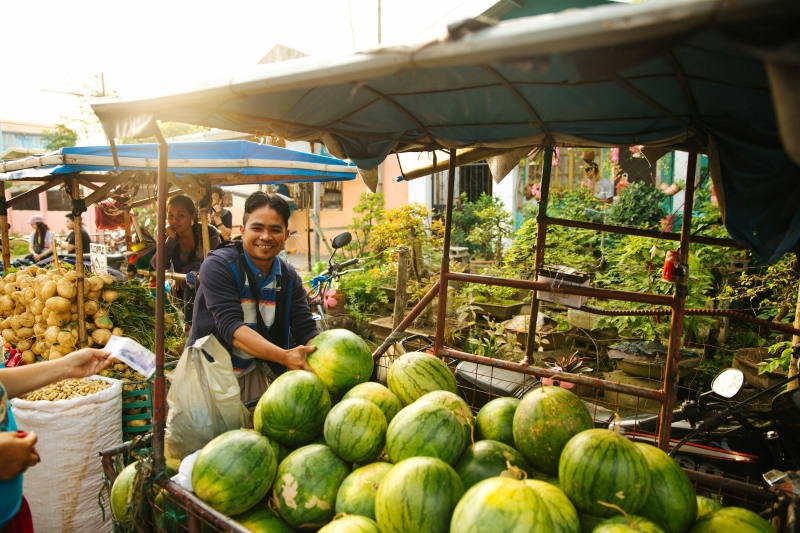
 Gardening in conflict offers a vital antidote; the planting of seeds is analogous to the transformation of lives uprooted by destruction. Gardens offer both symbolic relief and tangible rewards for citizens as they grapple with the reality of environmental devastation and displacement.
  Inequality is a key barrier to success for many residents of the
 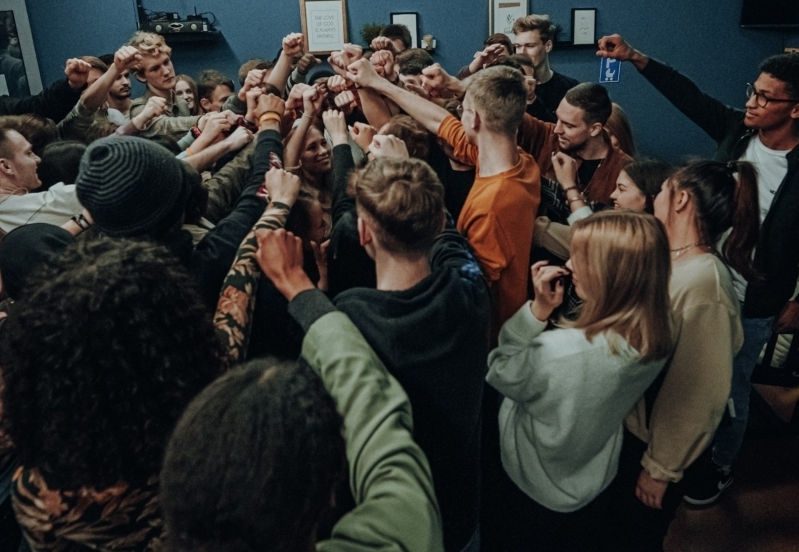 The voices of young people have often been dismissed leaving many feeling powerless in the face of global challenges. Young people are frequently told they are too young to understand or affect meaningful change. Despite these barriers, youth activism is gaining momentum. Young people are driving change and their fresh perspectives have proven instrumental in driving progress on global issues, such as poverty. Youth activism is essential to amplify the voices of the marginalized and create long-lasting, transformative change. Here are five young leaders from around the world who are making significant strides towards combating global poverty.
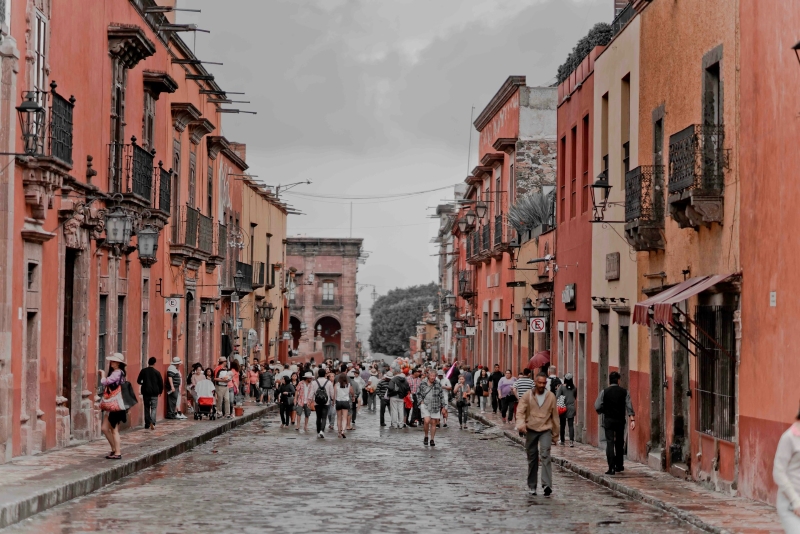 In Mexico, drug trafficking endangers civilians of all ages through increasing crime and violence. Rampant cartel activity
 Kelly Osbourne, daughter of actress Sharon Osbourne and musician Ozzy Osbourne, is a triple-threat entertainer, singer, model and fashion designer. She is better known for her impactful discussion when she stars on talk shows and reality TV. The public listens to what she says on The View, Australia’s Got Talent, Big Brother, E! News Fashion Police, and Project Runway. During the past decade, she has successfully intertwined her passion for fashion with her passion for educating people about global issues. Kelly Osbourne has used this large platform to enhance global awareness issues.
 Domestic violence is a global issue affecting
 Women’s rights activist
 Connecticut Senators Chris Murphy (D-CT) and Richard Blumenthal (D-CT) have long been advocates for aid-based foreign policy. Frequently, they try to increase the presence of the United States on the global stage. As a member of the Foreign Relations Committee, Murphy has a clear vision of progressive U.S. foreign policy, while Blumenthal has a similar vision of foreign involvement and humanitarian assistance.