• Link to X
  • Link to Facebook
  • Link to Instagram
  • Link to TikTok
  • Link to Youtube
  • About
    • About Us
      • President
      • Board of Directors
      • Board of Advisors
      • Financials
      • Our Methodology
      • Success Tracker
      • Contact
  • Act Now
    • 30 Ways to Help
      • Email Congress
      • Call Congress
      • Volunteer
      • Courses & Certificates
      • Be a Donor
    • Internships
      • In-Office Internships
      • Remote Internships
    • Legislation
      • Politics 101
  • The Blog
  • The Podcast
  • Magazine
  • Donate
  • Click to open the search input field Click to open the search input field Search
  • Menu Menu

Archive for category: Sanitation

Global Poverty, Sanitation

10 Facts About Sanitation in Costa Rica

Facts About Sanitation in Costa Rica
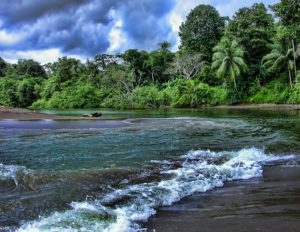
Costa Rica is a truly unique place; it contains 5 percent of the world’s biodiversity and people categorize it as one of the happiest countries in the world. Its economy is stable, showing a little more than a 3 percent yearly growth rate. Costa Rica has had some challenges with sanitation but is working to improve it throughout the country. Below are 10 facts about sanitation in Costa Rica.

10 Facts About Sanitation in Costa Rica

  1. Around 99 percent of the population has access to a water source, but only 82 percent have continued access to a reliable water drinking source. This number has improved since 2015 when only 92.4 percent of people had access to a clean water source. Moreover, clean water access is continuing to improve with community and public-based programs such as Acueductos y Alcantarillados (AyA), an organization that works to raise funding to expedite current projects to provide nationwide access to water.
  2. Costa Rica’s unpredictable climate and susceptibility to natural disasters are its biggest hurdles to developing better infrastructure for water sanitation. For example, a drought in Costa Rica from 2014 to 2016 caused by El Niño drastically hindered the construction of new infrastructure to expand water access in the country. A study by the Inter-American Development Bank predicts that Costa Rica’s water supply will reduce by half by 2050, despite increasing demand.
  3. The Integrated Water Supply Programme for Guanacaste (PIAAG) works with other organizations to implement fixed and long-lasting solutions to water sanitation. Proposed solutions to improving water sanitation include irrigation, drainage and drinking water projects. More institutions developed a plan from 2018-2030 to maintain ecosystems while improving water sanitation and access.
  4. Pollution of water sources, mainly through human activity and inefficient land usage, also drastically affects the availability of water to citizens. In order to fix the problem of water pollution, Costa Rica provides incentives to clean up water sources. The National Water Laboratory monitors the use of agricultural pesticides and their runoff.
  5. Costa Rica currently treats only 14 percent of wastewater before releasing it to the public, but Costa Rica is trying to fix this problem. The National Wastewater Sanitation Plan emerged in 2017, and it hopes to safely manage all wastewater by the year 2045. The organization allocated $3.6 million to expand access to water in urban areas and $2.5 million to increase water access and quality in rural areas. The National Wastewater Sanitation Plan became public policy in 2017.
  6. Across the country, several projects to clean sewage are taking place, including eight projects in tourist areas and 10 to improve the conditions of existing sewage plants. For example, the Administrations Associations of the Systems of the Aqueducts and Communal Sewers (ASADAS) works to build, monitor, operate and maintain rural water aqueducts. Water sanitation projects in Costa Rica receive funding from inside the country and from foreign countries, like Germany, which funded eight coastal projects.
  7. The fast population growth and desire of citizens to live in urban areas of the country, rather than rural areas, has further complicated the sewage problem. This, in some cases, leaves inadequate sewage in the overcrowded cities. In the most populated cities, only 19.4 percent of sewage receives treatment. Many regulations in Costa Rica, such as “Ley General de Salud” (General Health Law), have emerged to establish basic requirements for water sewage in Costa Rica.
  8. Costa Rica’s Ministry of Health is an important organization that works to provide people improved access to sanitation. For example, the Ministry of Health controls the National Observatory of Human Resources in Health. It establishes academic and research institutions to study the causes and effects of poor sanitation, along with social government organizations that advocate for government action through public policy.
  9. During Hurricane Otto in 2016, waterborne viruses such as Zika and dengue spread among the population, and the Ministry of Health sent workers to help control the outbreak. Soon after, President Luis Guillermo Solís stated that the government would build more toilets, showers and water fountains for residents. The Ministry of Health also sends garbage trucks to pick up trash around especially populated urban areas.
  10. The last of the 10 facts about sanitation in Costa Rica discusses child mortality in Costa Rica, which has decreased greatly over the past few decades, going from 68 per 1,000 live births in 1970 to about 8.8 per 1,000 live births in 2018. One can attribute the decrease to an extension of health care programs to rural and communal areas.

While Costa Rica still has far to go in improving its sanitation, the overall sanitation of the country has improved greatly over the past few decades. These 10 facts about sanitation in Costa Rica demonstrate Costa Rica’s planned pathway to improving sanitation, and overall, Costa Rica’s future is looking bright.

– Shveta Shah
Photo: Flickr
February 25, 2020
https://borgenproject.org/wp-content/uploads/borgen-project-logo.svg 0 0 Lynsey Alexander https://borgenproject.org/wp-content/uploads/borgen-project-logo.svg Lynsey Alexander2020-02-25 01:30:402024-05-29 23:15:0610 Facts About Sanitation in Costa Rica
Global Poverty, Sanitation, Water, Water Sanitation

10 facts about sanitation in Nigeria

Facts about Sanitation in Nicaragua
In November 2018, Nigeria’s President Mohammadu Buhari declared a state of emergency in the country’s WASH (water, sanitation and hygiene) sector. Sub-Saharan Africa ranks as having the most limited access to clean water and sanitation and the region is most significantly influenced by the situation in Nigeria. These 10 facts about sanitation in Nigeria explore the impact of poor living conditions and the current efforts it is making to improve WASH conditions.

10 Facts About Sanitation in Nigeria

  1. Access to Clean Water: Currently, only about 26.5 percent of the Nigerian population has access to improved drinking water sources and WASH services. The lack of access to clean water and sanitation facilities is at the root of numerous issues such as diseases, malnutrition and poverty. Poor sanitation hinders development while exacerbating health inequalities and poverty.
  2. Contamination and Disease: Contaminated water gives rise to waterborne diseases such as diarrhea, cholera and typhoid fever. Limited access to clean water and sanitation is one of the most significant contributing factors to high mortality rates in children under 5 years old. Seventy thousand children under 5 years old die annually in Nigeria because of waterborne diseases and 73 percent of diarrhea and enteric disease cases in Nigeria are due to limited access to clean water and sanitation.
  3. Lack of Sewer Systems: Except for certain areas of Lagos, there are very little infrastructure and services to manage waste disposal. Seventy-one percent of Nigeria’s population does not have access to a sanitary toilet and disparities concentrate in rural areas. This means that often people will defecate in plastic bags, roadsides, railway tracks or bushes surrounding their communities for lack of a better option.
  4. Open Defecation: Currently, about 23.5 percent of the population in Nigeria defecates in the open. Open defecation is one of the main causes of water contamination. Because of the lack of governmental infrastructure, managing waste disposal is up to communities and individual families.
  5. Hospitals: The lack of sanitation in Nigeria directly impacts health care services. For example, 29 percent of hospitals and clinics in Nigeria do not have access to clean water or safe toilets. Patients’ immune systems are already weak, and poor sanitation significantly increases the risk of infection and complications.
  6. Lack of Political Infrastructure: One of the largest obstacles to increasing access to adequate WASH services in Nigeria is the lack of a unified government or political body. This makes it very difficult to mobilize communities and organize efforts. Issues such as the war on Boko Haram and corruption take priority for the Nigerian government because of the urgent safety threats that they pose. Investing in sanitation, however, is crucial for development and growth in the future.
  7. Economic Repercussions of Poor Sanitation: The Nigeria Water and Sanitation Program estimates that poor sanitation costs Nigeria $3 billion annually. This loss is primarily the result of premature deaths and sanitation access time. Estimates determine that each person loses 2.5 days each year trying to find a private location to defecate. The economic costs that result from poor sanitation disproportionately impact Nigeria’s poor, perpetuating a cycle of inequality and socio-economic disparity.
  8. Government Action: Currently, a disproportionately large amount of funding goes towards urban areas. In addition to the lack of financial resources, skilled workers rarely work in rural areas. Following the declaration of a state of emergency in 2018, the Nigerian government and the Federal Ministry of Water Resources launched the National Action Plan (NAP). This outlined a proposal for increasing coverage of WASH services in both rural and urban areas, as well as in schools and health facilities, by 2030.
  9. Sustainable Total Sanitation (STS) Nigeria project: With funding from the Bill and Melinda Gates Foundation, WaterAid led the STS Nigeria Project to improve access to sanitation in the states of Ekiti and Enugu. This project included the development of the Water Easy Toilet (WET), an affordable and durable product. This is an example of SanMark (Sanitation Marketing field), which attempts to meet the demand for affordable sanitary products. SanMark is one of the main aims of the STS Nigeria project in order to increase access to sanitation technologies. The WET toilet can directly decrease open defecation rates and work towards improving WASH conditions in Nigeria.
  10. Community-led Total Sanitation (CLTS): Along with SanMark, CLTS is one of the main interventions within the STS Nigeria project, aimed at educating communities about the negative impact of poor sanitation and open defecation. Both of these interventions target open defecation and try to offer alternatives or come up with solutions for specific communities. CLTS is a method that engages communities to analyze practices such as open defecation on their own. The reasoning behind CLTS is that communities need to understand the negative impacts that open defecation can cause because simply providing communities with toilets does not guarantee that they will use them. In Nigeria, CLTS has shown to reduce rates of open defecation in the poorest communities.

Improving sanitation in Nigeria is crucial to making progress in health and allowing for economic development. These 10 facts about sanitation in Nigeria illustrate the severity of the current situation and the many ways in which progress is possible. While access to WASH services in Nigeria has decreased since 1990, new technologies and projects such as the WET toilet and CLTS are working towards improving sanitation in Nigeria. Despite the political instability in Nigeria, the National Action Plan that the government launched shows initiative and potential for stronger political action toward universal access. Educating and engaging the communities themselves can influence change and encourage governmental action.

 – Maia Cullen
Photo: UNICEF

February 24, 2020
https://borgenproject.org/wp-content/uploads/borgen-project-logo.svg 0 0 Lynsey Alexander https://borgenproject.org/wp-content/uploads/borgen-project-logo.svg Lynsey Alexander2020-02-24 07:30:452024-05-29 23:15:0310 facts about sanitation in Nigeria
Global Poverty, Sanitation, Water Sanitation

10 Facts about Sanitation in South Africa

facts about sanitation in South Africa
South Africa, the southernmost country in Africa, is home to over 58 million people and recognizes 11 official languages. People also often refer to it as the “rainbow nation” for its wide diversity in culture. Today, people often link South Africa to its challenges with water supply and sanitation, and conversely, its recent achievements in both categories. Here are 10 facts about sanitation in South Africa.

10 Facts About Sanitation in South Africa

  1. Access to clean water is scarce. Droughts, infrequent rainfall and a shortage of resources are all causes of South Africa’s water crisis. In 2008, 5 million South Africans reported lacking access to safe, drinkable water. While this number has steadily declined over the years, with an improved 88.8 percent of households having access to piped water in 2016, some rural regions must rely on groundwater alone to meet their needs.
  2. Sanitation is slowly improving. While the rate of improving sanitation is still slow, about 82 percent of households recorded having access to either flush toilets or ventilated pits in 2017. This is a 20 percent increase since 2002, meaning lives are improving. Thanks to the volunteer work and successful methods of several NGO projects like AMREF and WaterAid, more and more people are gaining access to clean water and reliable toilets.
  3. Rural areas suffer the greatest lack of water. Dams supply a majority of the water in South Africa’s urban cities; however, rural areas often have to depend on rainfall that is becoming increasingly sporadic. Lack of water facilities has caused 74 percent of rural South Africans to be entirely dependent on groundwater that is often unclean. Additionally, the growing rural population is causing even more strain on the water crisis; 19 percent of people did not have a reliable source of clean water in 2006.
  4. Poor sanitation compromises clean water. Several major rivers stretch through South Africa, but sewage waste often contaminates its waters. Outdated infrastructure, poor management and lack of resources contribute to the contamination, rendering the water undrinkable and a public health risk. Contact with the contaminated water could lead to waterborne illness or death.
  5. Waterborne illnesses are still a threat. With large amounts of water contaminated with effluent, the risk of contracting a waterborne disease remains high. Waterborne illnesses affected 60 percent of the country’s rural regions in 2005. In 2008, high volumes of deadly bacteria, including E. Coli, were in the water supply on the southern coast, most likely caused by human waste contamination. However, through improving infrastructure and allowing better access to safe, drinkable water, organizations like AMREF have decreased the rate of child mortality due to waterborne illnesses.
  6. There is a Free Basic Water Access policy. South Africa is one of the few countries to explicitly state in its constitution that every citizen has an entitlement to a certain amount of free water. The Free Basic Water Access policy that is currently in place highlights this constitutional right, yet the South African Department of Water Affairs and Forestry does not properly monitor water usage and the country loses well over 20 percent of all available water supply due to damaged or broken pipes.
  7. Shared toilet facilities can be unsafe. Households that use shared toilet facilities often face unsafe conditions. Sixteen percent of households reported having their physical safety threatened in these facilities, and 24 percent complained of poor, unsafe lighting. Poor hygiene, lack of water and lack of maintenance in these shared facilities only attribute to the health risks of communities.
  8. There was a water crisis in Cape Town. The Cape Town Water Crisis was an extreme water shortage from 2017-2018 that caused the South African government to place water restrictions on citizens in an effort to conserve water supply. The term ‘Day Zero’ shocked the world when Cape Town officials declared that the city of 4 million people would be completely out of water in just three short months. Fortunately, through the allocation of water, tariffs and stricter enforcement, the South African city was able to pull itself out of the crisis and change its ways to avoid another ‘Day Zero’ in the future.
  9. Poor facilities are compromising girls’ education. Many South African girls and women find themselves unable to manage their menstruation in a safe, private place. Often times, school-aged girls miss out on their education because of the lack of clean, private restrooms at school. Out of 130 schools, 82 percent of students said the school facilities were not sufficiently private. This means that girls are missing school because of the humiliating conditions. In an effort to combat this dilemma, organizations like WaterAid are installing decent, private toilets in schools so girls can better manage their periods.
  10. NGO projects, like WaterAid, are helping. There are many nonprofits that are striving to improve the country’s situation. WaterAid, founded in 1981, is working to help solve South Africa’s sanitation issue. WaterAid teams with other projects to implement clean water, flush toilets and increased hygiene across the country. In 2016, WaterAid was able to provide 24.9 million people access to clean water, 24 million with safe toilets and 16.7 million with increased sanitation.

While these 10 facts about sanitation in South Africa show that the country still has several measures to make in terms of upholding human dignity, cleanliness and safety, its government and several organizations are taking action. With the help of these projects, improvements are happening every day as the country continues to take steps towards a cleaner, safer future.

– Hadley West
Photo: Flickr

February 23, 2020
https://borgenproject.org/wp-content/uploads/borgen-project-logo.svg 0 0 Lynsey Alexander https://borgenproject.org/wp-content/uploads/borgen-project-logo.svg Lynsey Alexander2020-02-23 07:30:072024-05-29 23:14:5810 Facts about Sanitation in South Africa
Global Poverty, Sanitation

10 Facts About Sanitation in Indonesia

Facts about Sanitation in Indonesia
With 264 million inhabitants, Indonesia is one of the world’s most populous countries. It is also the largest economy in Southeast Asia, with average income levels dramatically increasing in the last 20 years. Nevertheless, millions of Indonesians lack safe water and continue to live with sub-standard sanitation facilities. These 10 facts about sanitation in Indonesia will give a brief overview of the water, sanitation and hygiene (WASH) sector in this nation.

10 Facts about Sanitation in Indonesia

  1. Open defecation: Almost 25 million Indonesians do not use toilets. Instead, they defecate in open spaces, which can contaminate water sources and expose others to diarrheal diseases. One out of four Indonesian children under the age of 5 suffers from diarrhea, making it the leading cause of child mortality in the country.
  2. Low-quality water: Only 7 percent of wastewater is treated in Indonesia. A 2017 survey in a rich urban center in Java found that nearly 90 percent of water sources and 67 percent of household drinking water were contaminated with fecal bacteria. Another survey conducted by the Indonesia Infrastructure Initiative found that 38 percent of 7,000 households across 22 Indonesian provinces reported issues with their water quality.
  3. Improved water supply access: Indonesia has made moderate but steady progress in improving access to improved water for its population. Around 84 percent of the population had access to improved water supply in 2011, a commendable increase from 70 percent in 1990. While access in urban areas changed very little during this period, from 90 percent to 93 percent, the rural population enjoyed most of the increased access, where the rates increased from 61 percent in 1990 to 76 percent in 2011.
  4. Improved sanitation access: The rate of access to improved sanitation grew at 6.5 percent annually from 2006 to 2015. However, nearly 100 million people were still living without improved sanitation in 2015, the majority of them from rural areas. While three out of four people in urban areas have access to improved sanitation, less than half of the rural population has such access.
  5. USAID’s effort: USAID is committed to ending preventable child and maternal deaths worldwide by expanding and improving WASH services. In addition to funding innovative microfinance programs, USAID also trained and developed small-scale construction contractors to ensure access to sustainable and safe toilets for these communities. In 2015, USAID has helped more than 2.2 million Indonesians gain access to improved water supply and more than 250,000 people with improved sanitation services.
  6. Economic cost: Approximately $6.3 billion, the equivalent of 2.3 percent of national GDP in Indonesia, is lost due to health and water-related issues. Poor sanitation caused at least 120 million cases of disease and 50,000 premature deaths in Indonesia, costing the nation $3.3 billion annually. The economic costs of polluted water also exceed $1.5 billion per year.
  7. Remote island communities: Remote coastal communities are most affected by the lack of clean water and sanitation services. These communities heavily rely on spring and rainwater, which are inadequate sources in dry seasons, and thus they are forced to use contaminated standing water and seawater. SurfAid, an NGO supported by the Australian government, has partnered with these coastal communities to construct clean water facilities as well as to organize educational campaigns to promote handwashing behaviors and sanitation. The organization has successfully increased access to clean water and sanitation coverage in Nias from 10 percent to 95 percent.
  8. The Citarum River: Around 35 million people residing in the Bandung metropolitan area and the greater Jakarta region heavily depend on the Citarum River for agriculture, water and electricity. However, the water quality of the river has decreased dramatically over the past two decades, making it one of the world’s most polluted rivers with severe pollution from lead, aluminum, manganese and iron. With $500 million in funding from the International Monetary Fund and the Inter-American Development Bank, the Indonesian government declared a seven-year Citarum cleansing program, committing to making Citarum water drinkable by 2025.
  9. Menstrual hygiene: In Indonesia, inadequate water, sanitation and hygiene at schools can present great challenges for adolescent girls, especially during menstruation. A survey in 2013 found that most girls never change menstrual pads or cloths at school due to ill-equipped facilities and inadequate water. Only 9 percent of the latrines accessible to girls in urban schools are considered functional, clean and light, posing excessive encumbrance for menstruating girls in the remaining schools. Almost one in seven girls had missed at least one school day during their last period.
  10. Handwashing: The Ministry of Health estimated that only 12 percent of children between the age of 5 and 14 wash their hands with soap after defecating, 14 percent wash their hands with soap before eating and 35 percent wash their hands with soap after eating. Realizing the importance of hygiene promotion in children, Red Cross organizes campaigns in schools that teach basic hygiene principles through different activities such as hygiene kits distribution, drama and operetta performance to deliver the messages effectively to children.

These 10 facts about sanitation in Indonesia highlight some of the commendable progress that the government and different NGOs have made in the WASH sector and also describe some challenges that need to be addressed urgently. Ensuring universal access to clean water and improved sanitation should be one of the priorities for Indonesia, as it is a basic human right and vital for the socio-economic development of the nation.

– Minh-Ha La
Photo: Flickr

February 22, 2020
https://borgenproject.org/wp-content/uploads/borgen-project-logo.svg 0 0 Lynsey Alexander https://borgenproject.org/wp-content/uploads/borgen-project-logo.svg Lynsey Alexander2020-02-22 12:06:152024-05-29 23:15:0210 Facts About Sanitation in Indonesia
Health, Sanitation, Water

8 Facts About Sanitation in Bolivia

8 Facts About Sanitation in Bolivia
A small landlocked country bordering Brazil in South America, The Plurinational State of Bolivia has a population of approximately 11 million people. In the past 10 years, despite the drought in 2017 that left even the country’s elite without water, both the government and international organizations have made great strides towards improving sanitation in the country. Here are eight facts about sanitation in Bolivia.

8 Facts About Sanitation in Bolivia

  1. In the 2009 constitution, the Bolivian government determined that access to water and sanitation in the country is a fundamental human right. This law provides legal and governmental acknowledgment and support for people lacking proper sanitary services. After the implementation of this law, the government tried different solutions to see which would produce the most comprehensive results. There was a “big-system” water allocation using large piping systems in urban areas. In the meantime, rural areas used “small-systems” focused on community-run structures. This was all in a governmental effort to show devotion for better sanitation in Bolivia.
  2. International organizations such as Water for People provide Bolivians with water and sanitation services. Water for People has been implementing sanitation in Bolivia since 1997. The organization promotes the construction of handwashing stations at schools and provides small loans to purchase materials such as toilets. In addition, it provides sinks for better sanitation practices in households. This organization alone has given 78 percent of households access to clean water in Bolivia.
  3. The elimination of public defecation is a huge goal of the United Nations. Public defecation causes disease and water pollution. According to the U.N. Progress report, there has been an approximate 20 percent decrease in public defecation since 2000 in Bolivia. However, in rural areas, the public defecation rate still remains at around 38 percent as of 2017. To address these issues, organizations are building private toilets to keep drinking water and sewage water separate.
  4. Clean water is essential to proper hygiene and sanitation. In 2017, Bolivia achieved almost 100 percent of basic clean water in urban areas. Additionally, the rural regions have 78 percent of drinking water available. The ability to wash hands, take showers, drink safely, brush teeth and clean vegetables are all possibilities with access to clean water.
  5. Schools and households have strengthened sanitation in Bolivia with the creation of community handwashing stations. However, the state has stations readily available for only approximately 25 percent of its people. In efforts to raise these numbers, the government is working with international organizations such as UNICEF. Together, they want to raise awareness of the necessity of these facilities and the need for implementation. In 2010, UNICEF and the Ministry of Environment and Water began a Water and Sanitation and Hygiene (WASH) program in two regions. They also did this in 10 schools aiming to teach children about hygiene and sanitation in Bolivia. Doing so raises awareness on issues like the harmful effects of open defecation and the importance of clean water sources. The findings showed that schools did not always provide maintenance and extras like locks.
  6. Along with the construction of sanitation sites, there needs to be a plan for long-term management and maintenance of the facilities. According to the World Health Organization, there is a lack of information from the health sector and rural areas still have a shortfall in resource availability. Due to these factors, it is difficult to see a clear picture of progress. In the future, it will be important for Bolivian officials to release all information available so the country can reach further solutions.
  7. There are many innovative sanitation methods in the country. Educating the public about sanitary habits and improving governmental guidelines are vital methods. Another innovative method is starting community-run projects to build and maintain sanitation services. Also, encouraging gender equality to avoid gender-based violence regarding sanitation and water will also help the country. Efforts by UNICEF and other organizations, after using these approaches, have improved sanitation in Bolivia to 32 percent in rural areas and 82 percent in urban areas
  8. Menstrual health is a key component missing from sanitation in Bolivia. A study that UNICEF conducted in 2012 found that girls stay home from school because of menstruation. This is because others might tease them because of odor, stains, lack of proper materials or cramps that accompany girls during puberty. There is a theme of shame and embarrassment that arises because of the lack of menstrual education, and such a natural process often confuses and scares girls. In the 10 schools that the study observed, all 10 began offering menstrual education. In contrast, none had sanitary napkins available. Due to the average of 1.2 toilets and 0.5 handwashing stations per school, it is very rare that sanitary napkins are available to girls in rural areas considering the lack of resources. Because of this, UNICEF continues to spread awareness and funds to bring menstrual education and sanitary napkins to schools.

Despite the progress to provide citizens with basic necessities, there is still substantial inequalities between rural and urban communities regarding management and access to sanitation in Bolivia. The trend in multiple charts and studies has been that urban areas receive higher amounts of resource allocation than rural counterparts. To address these inconsistencies, international organizations like Water for People and UNICEF have focused on rural populations to curb the inequalities in sanitation.

– Ashleigh Litcofsky
Photo: UNICEF

February 20, 2020
https://borgenproject.org/wp-content/uploads/borgen-project-logo.svg 0 0 Lynsey Alexander https://borgenproject.org/wp-content/uploads/borgen-project-logo.svg Lynsey Alexander2020-02-20 10:30:122024-06-06 00:32:518 Facts About Sanitation in Bolivia
Global Poverty, Health, Sanitation, Water

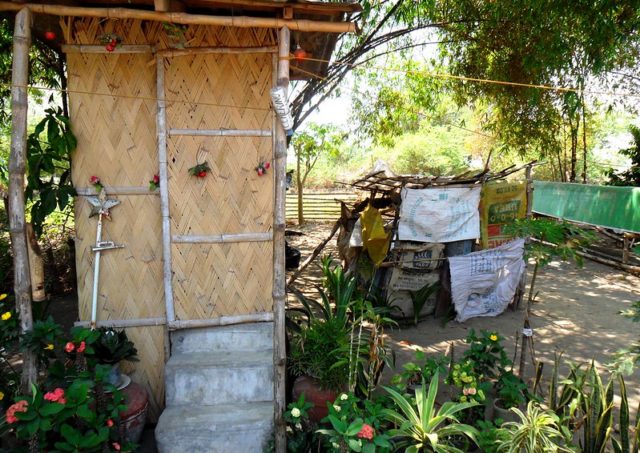
10 Facts About Sanitation in Nepal

Facts about Sanitation in Nepal
Clean water and a clean environment are the foundations of a healthy life. Polluted water and poor sanitation can make anyone sick, regardless of nationality or geographic location. That is why it is so important to place global attention on the issues of water quality, hygiene and sanitation. Nepal has emerged as an example of how attention can lead to improved sanitation. Though challenges still exist, including drinking water functionality and regional disparities in development, Nepal has made significant progress. Here are 10 facts about sanitation in Nepal.

10 Facts About Sanitation in Nepal

  1. Water supply and sanitation have been a government priority since 1981. The International Water Supply and Sanitation Decade (1981-90) saw increased investment in improving Nepal’s sanitation. For example, UNICEF and UNDP funded developments in water quality, hygiene and sanitation. The Nepalese government also expanded policies and programs in the sector. Among other initiatives, the Department of Water Supply and Sewerage developed a rural water supply project and a commission formed to evaluate water supply and sanitation practices.
  2. Nepal has made significant progress in water supply, sanitation and hygiene practices. In the last 25 years, a significant portion of the population—2.6 billion people—has gained access to clean drinking water and sanitation facilities. In 1990, estimates determined that only 36 percent of the population had access to a water supply facility. As of 2016, 95 percent of households were using improved drinking water.
  3. Nepal is open defecation free. As of September 2019, all 77 districts announced the elimination of open defecation. A 2009 cholera epidemic caused a public health disaster and prompted a new wave of efforts to improve national sanitation practices. The government collaborated with NGOs and local leaders to execute a plan to create an open defecation free nation. This included adopting a no-subsidy arrangement as the basis for sanitation implementation and the construction of improved sanitation facilities.
  4. Drinking water quality is now the primary concern. Estimates show that access to safely managed drinking water is only 27 percent. Bacterial contamination and water pollution are highly prevalent and exacerbate the risk of illness. Many consider poor drinking water quality to be a leading cause of disease outbreaks, such as cholera. To address this issue, UNICEF is partnering with Nepal’s Ministry of Water Supply and Sanitation to implement water safety plans and increase community awareness on household-level water treatment.
  5. Drinking water functionality poses problems. Of Nepal’s water supply systems, only 25 percent consistently function properly. Thirty-six percent require minor repairs and 39 percent require either major repair, rehabilitation or reconstruction. Poorly functioning systems result in an unreliable, insufficient or unsafe water supply. UNICEF’s New Country Programme is aiding Nepal in tackling this challenge and has emphasized improving water functionality as a priority.
  6. Regional disparities persist in access to water supply facilities and sanitation coverage. Terai, a low-land region characterized by steams, springs and wetlands, has higher coverage of improved drinking water sources compared with the mountain and hill belts. However, the mountain and hill belts have greater access to sanitation facilities compared with the Terai region. Geographic heterogeneity links to differences in capital, technology and environmental resources.
  7. Poor people are more likely to use unimproved water sources and sanitation facilities. Households from lower quintiles are less likely to be able to afford a piped water connection. Therefore, inequity persists in the use of improved water sources and sanitation facilities among socioeconomic groups. In these 10 facts about sanitation in Nepal, it is important to note the wide influence of the distribution of resources across different economic levels on access to sanitation.
  8. Issues with water quality related to contamination are more often chemical than bacterial. According to The Water Project, a nonprofit primarily based on clean water access in Sub-Saharan Africa, the largest contaminants in the Kathmandu valley and Terai regions are lead and arsenic. This influx of chemicals comes mainly from industrial practices but the regions’ sedimentary layers of gravel deposits interlocked with flood plains magnifies it.
  9. Nepal aims to ensure clean water and sanitation for all by 2030. The government’s specific targets are basic water supply coverage for 99 percent of households, piped water supply to 90 percent of households and the elimination of open defecation. Achievements in water, sanitation and hygiene will contribute to a number of other goals, including those in public health, nutrition and poverty.
  10. UNICEF is working in collaboration with Nepal to achieve these goals. UNICEF, in collaboration with the Nepal government and other non-governmental organizations, has set forth strategies for Nepal to expand access to drinking water quality and improved sanitation facilities. These strategies include expanding water quality monitoring, increasing education about best sanitation practices and engaging with the private sector for the construction of affordable, low-cost toilets in households and institutions.

These 10 facts about sanitation in Nepal showcase the progress that Nepal has made since the International Water Supply and Sanitation Decade. With continued attention, Nepal should be able to continue its improvements into the future.

– Kayleigh Rubin
Photo: Flickr

February 20, 2020
https://borgenproject.org/wp-content/uploads/borgen-project-logo.svg 0 0 Lynsey Alexander https://borgenproject.org/wp-content/uploads/borgen-project-logo.svg Lynsey Alexander2020-02-20 06:30:052024-05-29 23:15:0610 Facts About Sanitation in Nepal
Global Poverty, Health, Sanitation, Water, Water Sanitation

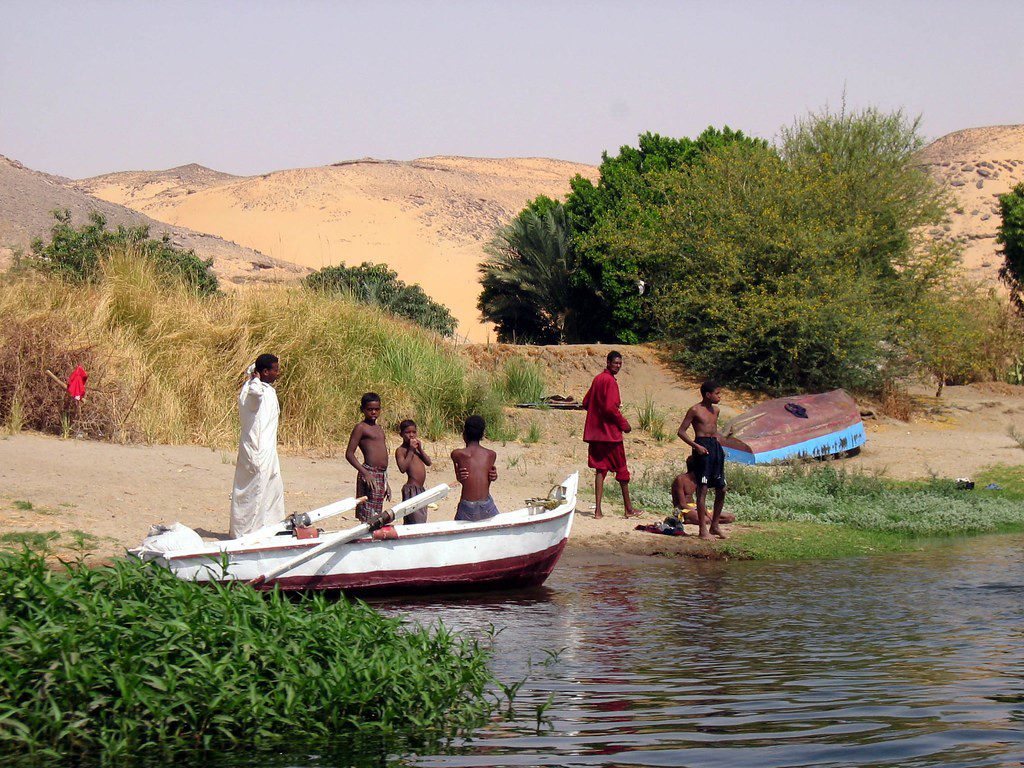
10 Facts About Sanitation in Egypt

Facts About Sanitation in Egypt
In Egypt, approximately 8.4 million people do not have access to good sanitation, but the country has made many attempts throughout the years to improve sanitary conditions. As a result, many people and young children are enjoying a better quality of life. Here are 10 facts about sanitation in Egypt.

10 Facts About Sanitation in Egypt

  1. USAID Reforms: USAID has invested $3.5 billion to bring portable water and sanitation to Egypt. Starting in 1978, the organization has helped advance wastewater systems in Cairo, Alexandria and the three Suez Canal cities. This provided clean water to 25 million Egyptians.
  2. Health Impact: Drinking contaminated water can lead to very serious illnesses and, in some cases, death. In Egypt, diarrhea is the second-leading cause of death. This can be especially problematic for children under the age of 5. Statistics even show that about 3,500-4,000 children under 5 die each year.
  3. The Water Crisis: Recently, water has become very scarce in Egypt. This is due to uneven water distribution and the mismanagement of resources. The pollution of the Nile River, the main source of water and agriculture, is also a big issue for water sanitation.
  4. Population Growth: Since the 1990s, Egypt has seen a 41 percent population growth, meaning that more and more people are crowding around water sources like the Nile River. Dr. El- Zanfaly with the American Institute of Science wrote that the crowding directly links to the “contemporary rural sanitation problem.”
  5. Toilet Troubles: Another sanitation issue for Egypt is access to clean toilets. The majority of the Egyptian people have toilets that either has bidet tubes or are squat toilets. With squat toilets, users require a hose and bucket to flush and wash their hands. Both types can become very unsanitary, especially public toilets.
  6. Sustainable Rural Sanitation Services Program: On September 21, 2018, The World Bank announced that it granted a $300 million loan to Egypt. The loan was to improve access to rural sanitation. As a result of the program, 833,000 Egyptians have gained access to local water and sanitation companies and additional financing will help 892,000 people in 178,000 households.
  7. North Sinai Initiative: USAID partnered with the Holding Company for Water and Wastewater. They work together to improve water sources by digging deep regulated wells and constructing desalination plants, reservoirs and portable water transmissions. Estimates determined that by 2019, the initiative should have provided clean drinking water to 300,000 of the 450,000 people living in the area. The total cost of the project was $50 million.
  8. Menstrual Hygiene: The lack of clean water can especially impact women. NCBI conducted a study with 664 girls aged 14-18. In this study, it found that on average the typical female Egyptian adolescent cannot bathe nor change her sanitary pad as frequently as she should. Not maintaining menstrual hygiene can cause frequent rashes and yeast infections. Unfortunately, there are little to no actions in place to fix these issues.
  9. Ancient Times: The Ancient Egyptians had revolutionary methods of staying hygienic and clean with in-home bathrooms and communal dumps. They would gather water from the Nile to do laundry and bathe. The communal dumps or irrigation canals caused vermin and diseases to grow and spread. As technology and resources evolved, so did Egyptian methods of sanitization.
  10. Impact on Schools: One in five schools in Egypt are unfit because of sanitation and contamination problems. Programs like the water, sanitation, hygiene interventions or WASH spread knowledge to teachers and students.

These 10 facts about sanitation in Egypt show that the country has made many attempts to better the quality of life of its people. With time and further resources, Egypt should increase the prevention of sanitation issues and reduce the spread of diseases.

– Sarah Mobarak
Photo: Flickr

February 20, 2020
https://borgenproject.org/wp-content/uploads/borgen-project-logo.svg 0 0 Lynsey Alexander https://borgenproject.org/wp-content/uploads/borgen-project-logo.svg Lynsey Alexander2020-02-20 04:30:522020-02-27 15:37:2010 Facts About Sanitation in Egypt
Clean Water Access, Global Poverty, Sanitation, Water, Water Sanitation

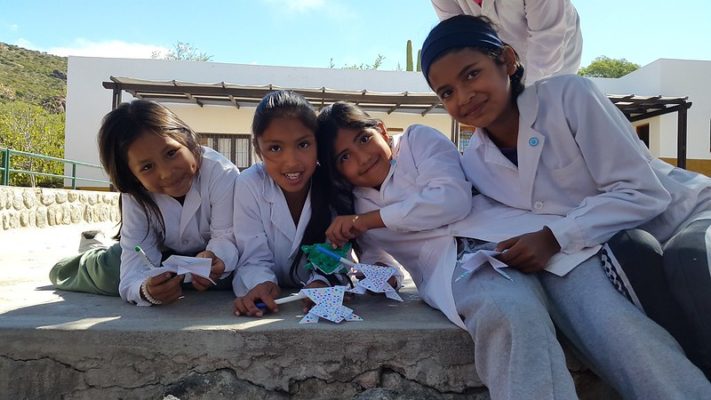
10 Facts about Sanitation in Argentina

Sanitation in Argentina
Sanitation has been an ongoing issue in Argentina. In the last two decades, more citizens have gained access to running water and sewage than ever before. This is partially due to ongoing work by the United Nations, as well as an increase in national infrastructure. This article will provide a list of discussions around sanitation in Argentina, including causes, pollution and how the local governments are creating change.

10 Facts About Sanitation in Argentina

  1. Fracking damages natural water supplies. In September 2019, in Argentina’s Neuquén province, a fire burned for 24 days until professionals were finally able to stop the blaze. It was one of the many accidents that fracking caused in the country. In addition, oil leaking into the local water supply is one of the most common problems with fracking. These issues impact some of the most vulnerable communities, such as low-income areas, families with children, the elderly and disabled and local indigenous people.
  2. Low-income neighborhoods regularly struggle for clean drinking water. In the last three decades, Argentina has made strides to increase the amount of clean drinking water throughout Argentina. However, low-income areas and rural parts of the country remain without properly sanitized water for much of the year. In neighborhoods such as Villa La Cava, just outside of the capital Buenos Aires, it has become common practice for people to create their own makeshift water filters. People have also put small amounts of bleach in containers in an effort to clean their water.
  3. The United Nations has committed itself to sanitation in Argentia. In the summer of 2010, the United Nations General Assembly declared clean drinking water and sanitation human rights. The U.N. revealed during 2010 that the city of Córdoba was without access to public water distribution networks. A report showed that the city relied on heavily polluted groundwater and wells. At the time, the U.N. required local authorities to provide each household in the city with 200 liters of clean water per day until public water services were fully accessible.
  4. Argentina set a goal to provide sewage to 75 percent of the population. Water professionals and government officials met in 2017 to discuss solutions for better access to sanitation. During the meeting, Argentina announced a new goal of providing sewage access to 75 percent of the population.
  5. About 90 percent of the population currently has access to sewage.  The national government’s 2017 goal has proven to be successful. As of 2020, approximately 90 percent of the population has access to a sewage system. Much of this is due to the recent construction of a sewage pipe, which the Argentinian government has called “the most important one in 70 years.” The pipe cost $1.2 billion to make and runs 40 kilometers underground. These efforts have successfully increased the overall sanitation in Argentina.
  6. Proper sanitation in Argentina requires more infrastructure. Argentina received a loan of $320 million to improve the infrastructure in the Buenos Aires area. The money will go towards making much-needed improvements for sewage filtrations, renovating existing water treatment plants and 130 kilometers of water treatment pipes and expanding already-existing sewers. The loan specifically targets the infrastructure in the Buenos Aires region. While this is the most populated part of Argentina, much of the country still requires significant sanitation infrastructure.
  7. Regulation of public water utilities has grown in the last decade. Due to the involvement of the United Nations and a push from the public, government officials have become more focused on the regulation of public water utilities. Since the increasingly strict regulation of public waterways, the country’s overall sanitation has improved. This has led to a better quality of water not only in households but also in restaurants and schools.
  8. Water consumption in Argentina is among the highest in the world. ResearchGate reports that Argentina’s national water use is approximately 387 liters of water per person per day. This is some of the highest in the world. In Buenos Aires specifically, the water use is higher at 500 liters and people use it for personal use, hygiene, cleaning and drinking. In contrast, the Water Footprint Organization predicts that the average worldwide water consumption is 157 liters per person per day.
  9. The majority of water usage goes towards agriculture. Argentina uses most of its clean water for agriculture and farming. Because the country has such a vast variety of soil and tropics, farmers can grow many different types of crops to export throughout the world. Argentina is the largest international supplier of soybean meal and the third-largest supplier for corn. Pollution can be damaging to millions of these crops if water is not sanitary, resulting in lost time and money.
  10. Drier areas sometimes lack access to safely treated water. Because of Argentina’s varying climates, certain areas across the country are drier. These places are generally more rural and the people are less connected to the main pipes of larger cities. This can be dangerous because inhabitants often depend on rainwater collection for the ability to cook food and shower. When rain is scarce, people have to travel to lakes and rivers for water, making it difficult for Argentines to ensure that their water is safe to drink.

Sanitation in Argentina continues to be an ongoing challenge in rural areas, according to local townspeople. When the United Nations declared drinking water a human right in 2010, the Argentinian government began adding new infrastructure including pipes, sewage systems, water filtration tanks and water purification systems. While current efforts demonstrate that the level of sanitation in Argentina can undergo a major transformation, many areas throughout the country still struggle for clean drinking water each day.

– Asha Swann
Photo: Flickr


February 19, 2020
https://borgenproject.org/wp-content/uploads/borgen-project-logo.svg 0 0 Lynsey Alexander https://borgenproject.org/wp-content/uploads/borgen-project-logo.svg Lynsey Alexander2020-02-19 06:30:522024-05-29 23:14:5610 Facts about Sanitation in Argentina
Global Poverty, Sanitation, Water, Water Sanitation

10 Facts About Sanitation in the Philippines

10 Facts About Sanitation in the Philippines
Sanitation in the Philippines is a major issue with more than 24 million people living without improved sanitation. With one-third of the population living in poverty, access to clean water and sanitation is essential to improving conditions. Here are 10 facts about sanitation in the Philippines.

10 Facts About Sanitation in the Philippines

  1. Access to Clean Water and Sanitation: The Philippines has a higher percentage of areas and people without access to clean water and sanitation systems than the national average of 7 percent.
  2. Septic Systems and Piped Sewer Systems: Many people do not have septic systems in the Philippines. Further, only 10 percent of the country has access to a piped sewer system and 8 percent have no access to sanitation facilities at all. For those who can dispose of their waste, they use plastic bags for garbage trucks to collect. This can often lead to animals breaking in, furthering contamination.
  3. Diseases: According to the country’s National Sewerage and Septage Management Program (NSSMP), around 55 people die every day from diseases related to inconsistent treatment of sewage. The contamination, as a result, leads to outbreaks of bacterial diseases such as meningitis and diarrhea.
  4. Impact of a Growing Population: The growing population will place a further strain on the limited clean water resources of the Philippines. Despite the vast improvements that the Philippines has made, an estimated additional 2 million people required access to clean water each year as of 2008.
  5. Contamination: Water is in further demand due to a contaminated water supply that unimproved sanitation in the Philippines caused. Most of the waste goes directly into bodies of water. As of 2011, 58 percent of groundwater suffered contamination. Further, over 60 percent of the country’s rivers exceeded the limits for potability.
  6. The NSSMP: The National Sewerage and Septage Management Program (NSSMP) is making strides towards completing the U.N.’s Sustainable Development Goals for 2030. By increasing reliable sanitation infrastructure in the Philippines, the country seeks to eliminate public defecation, especially for women and girls.
  7. Importance of Sanitation: Improving sanitation also improves the global water situation. Water is a finite resource. With the continuous transformation into gray water and the return to the ocean, potable water becomes further limited. As society improves at effectively utilizing water, this leads to preservation for future generations.
  8. Sanitation in Urban Areas: Sanitation in the Philippines is best in urban areas where people have recently added sewerage and water piping systems. For instance, the eastern area of metro Manila benefited from updates in 2012 that focused on improving treatment facilities and installing water connections. These improvements reduced the spread of waterborne diseases in the area and gave over 3 million people regular access to clean water.
  9. Improving Clean Water Access: Access to clean water has greatly improved as sanitation has. The organization Water.org has been providing small loans to people to receive water connections; this will reduce the amount of time people spend looking for water. Since 2015, Water.org has distributed over 810,000 loans, bringing clean water to more than 3 million people.
  10. Educational Programs: Educational programs to inform the public about water management and sustainability have become increasingly popular. For instance, the Manila Water Enterprise offers tours for stakeholders and the public that show the steps of the water lifecycle in the sanitation world.

These 10 facts about sanitation in the Philippines show that the Philippines and sanitation have had a fraught relationship. However, with increased efforts from both the national government and nonprofit organizations, more people gain access to water and sanitation systems every year. As aid increases, there is no doubt that the effectiveness of sanitation in the Philippines will improve as well.

– Anna Sarah Langlois
Photo: Flickr

February 7, 2020
https://borgenproject.org/wp-content/uploads/borgen-project-logo.svg 0 0 Kim Thelwell https://borgenproject.org/wp-content/uploads/borgen-project-logo.svg Kim Thelwell2020-02-07 07:30:382024-05-29 23:14:2810 Facts About Sanitation in the Philippines
Global Poverty, Sanitation, Water Quality, Water Sanitation

Water Quality in Thailand

Water Quality in ThailandSanitation and hygiene have improved in the past 20 years for the nearly 70 million people that live in the Kingdom of Thailand. Prior to the year 2000, many people lived without access to basic hygiene necessities or clean drinking water. Left untreated the domestic water could pose the risk of infectious disease. In some areas, this surface and groundwater is the primary source of water despite its contamination. Irregular flood and drought patterns could continue to pose a threat to Thailand’s future in terms of water scarcity. This is both a domestic and global issue that needs to be addressed before water resources are endangered any further. These five factors that affect water quality in Thailand highlight the country’s progress with regard to sanitation quality and practices as well as the problems they continue to face.

Water Quality and Scarcity

The Thai government’s Pollution Control Department (PCD) has monitored the state of water quality since 1990. Overall, the trends in water quality in Thailand between 1993 and 2003 were average and stabilizing. With both agricultural and industrial pollution at play, poor water quality was reported in certain bodies of water including the Chao Phraya River, the Tha Chin River, the Lam Takhong River and Songkhla Lake. The following decade’s rise in population size and economic development is now causing a strain on the availability of water resources.

Waterborne diseases can be contracted through eating or drinking contaminated substances from the local economy. Hepatitis A, Hepatitis E and Typhoid fever are the three leading infectious diseases in Thailand. All three are viral infections that can easily spread in areas of poor sanitation.

Droughts and Flooding

Thailand’s water resources have diminished over the years due to disappearing wetlands, corroding watersheds and pollution. The climate in Thailand was not always erratic, but now intense flooding during the wet season and droughts during the dry season are commonplace. Wetlands used to be abundant, but today only 2 percent of the original wetlands still exist. Thailand has lost nearly 96 percent of its wetlands. Unless water resource management is improved, water shortages remain a potential threat to Thailand’s future.

Flooding has been just as detrimental to Thailand’s water supply as have repetitive droughts. Standing water from floods poses serious threats. Contaminated floodwater contains many unknown threats that can be harmful to health, causing symptoms like rashes, infections and illness. Severe flooding has left countless dead and thousands displaced. In September 2019, Thailand experienced extreme floods, resulting in 19 deaths. Although an assessment of the total is ongoing, floods have affected more than 150,000 households. The water quality in Thailand is heavily impacted by the continual irregular weather patterns that have taken over Thailand’s climate.

Legislation

Sustainability in terms of water development and sanitation has been a part of Thailand’s legislative value since 1980. The nation continues to support and attempt to improve sustainable natural resource management and environmental protection. It believes both are vital tools for the sustainable development of resources. Legislation has also placed value on addressing sanitation inequality by recognizing proper sanitation and water access as a human right. In addition to laws and efforts on Thailand’s part, the U.S. has dedicated resources to improving sanitation in countries around the world as part of their Millennium Development Goals

Sanitation and access to clean water have a profound impact on the quality of life, especially in more impoverished areas. It has been shown that United States money that is invested in sanitation in developing countries is reintegrated at a rate of more than five times the original value since people are more likely to be happy, healthy and able to work. Promoting investment in global sanitation will help improve the quality of water in Thailand and have a lasting impact on Thai citizens’ lives.

– Helen Schwie
Photo: Wikimedia Commons

February 5, 2020
https://borgenproject.org/wp-content/uploads/borgen-project-logo.svg 0 0 Jennifer Philipp https://borgenproject.org/wp-content/uploads/borgen-project-logo.svg Jennifer Philipp2020-02-05 01:30:182024-05-29 23:13:40Water Quality in Thailand
Page 15 of 29«‹1314151617›»

Get Smarter

  • Global Poverty 101
  • Global Poverty… The Good News
  • Global Poverty & U.S. Jobs
  • Global Poverty and National Security
  • Innovative Solutions to Poverty
  • Global Poverty & Aid FAQ’s
Search Search

Take Action

  • Call Congress
  • Email Congress
  • Donate
  • 30 Ways to Help
  • Volunteer Ops
  • Internships
  • Courses & Certificates
  • The Podcast
Borgen Project

“The Borgen Project is an incredible nonprofit organization that is addressing poverty and hunger and working towards ending them.”

-The Huffington Post

Inside The Borgen Project

  • Contact
  • About
  • Financials
  • President
  • Board of Directors
  • Board of Advisors

International Links

  • UK Email Parliament
  • UK Donate
  • Canada Email Parliament

Get Smarter

  • Global Poverty 101
  • Global Poverty… The Good News
  • Global Poverty & U.S. Jobs
  • Global Poverty and National Security
  • Innovative Solutions to Poverty
  • Global Poverty & Aid FAQ’s

Ways to Help

  • Call Congress
  • Email Congress
  • Donate
  • 30 Ways to Help
  • Volunteer Ops
  • Internships
  • Courses & Certificates
  • The Podcast
Scroll to top Scroll to top Scroll to top