• Link to X
  • Link to Facebook
  • Link to Instagram
  • Link to TikTok
  • Link to Youtube
  • About
    • About Us
      • President
      • Board of Directors
      • Board of Advisors
      • Financials
      • Our Methodology
      • Success Tracker
      • Contact
  • Act Now
    • 30 Ways to Help
      • Email Congress
      • Call Congress
      • Volunteer
      • Courses & Certificates
      • Be a Donor
    • Internships
      • In-Office Internships
      • Remote Internships
    • Legislation
      • Politics 101
  • The Blog
  • The Podcast
  • Magazine
  • Donate
  • Click to open the search input field Click to open the search input field Search
  • Menu Menu

Archive for category: Sanitation

Global Poverty, Sanitation, Water Sanitation

10 Facts About Sanitation in Chile

10 Facts about Sanitation in Chile
Running along the thin stretch of land between the Andes and South America’s Pacific coast, Chile has grown to be one of the region’s most prosperous countries. Challenges remain ahead, however, as a drying climate and expanding urban build-up threatens the nation’s ability to supply clean water for its growing population. Here are 10 facts about sanitation in Chile.

10 Facts About Sanitation in Chile

  1. Chile just experienced its driest decade in history. Ecologists have labeled the past 10 years as a mega-drought, which has seen rainfall deficits as high as 70 percent in the Metropolitan region, leading the Chilean government to implement agricultural emergency zones in over one-third of the nation’s provinces. Furthermore, as temperatures rise and annual rates of precipitation continue to drop, many expect Chile to experience the greatest water stress of any in the western hemisphere over the next 40 years, placing much of the country’s population at risk of water insecurity.
  2. Everyone has access to basic sanitation. In 2016, Chile became the first Latin American country to achieve 100 percent basic sanitation coverage for its population, a major feat. Compounding this good news is that, as of 2017, roughly 77 percent of the Chilean population now has access to safely managed sanitation, a coverage rate that even surpasses that of Norway (76.32 percent). This comes only 40 years after the establishment of SENDOS, Chile’s first national sanitation and water company. Its involvement in the Chilean utility landscape got the ball rolling on increased public investments in sanitation coverage from 1977 to 1988.
  3. Chile’s water code grants free water rights to private corporations. Chile’s Water Code, which Gen. Augusto Pinochet’s dictatorship enacted in 1981, empowers governmental authorities to grant permanent water titles to private owners, free of charge. As a consequence, private corporations own and operate 27 of Chile’s 28 water utilities, limiting the ability of the central government to regulate the management and distribution of the nation’s water supply.
  4. Santiago is growing, but so are its water needs. The Santiago Metropolitan Region, located in drought-prone central Chile, is currently home to 7 million people, a number that experts only expect to grow in the coming decades, placing further strain on the region’s diminishing water resources. In an effort to combat water scarcity in Chile’s capital, organizations such as the National Resources Defense Council have identified several priorities in managing the growing water deficit, including tackling inefficient agricultural practices and developing green infrastructure to meet Santiago’s needs.
  5. Glaciers provide Chile with much of its water, but they are in danger of disappearing. Chile currently possesses one of the largest freshwater reserves in the world, due in large part to runoff from glaciers located high up in the southern Andes mountain range. That supply is dwindling, however, as rates of precipitation decline and extensive mining of the copper deposits beneath many glacial areas continues. Researchers estimate that if Chile does not take steps to preserve the nation’s glaciers, by the end of the century, half of the total ice volume will have melted, depriving Chile of its major source of freshwater.
  6. Legal hurdles are compromising water access in central Chile. Experts expect water flows from the Maípo River Basin, which provides central Chile with 80 percent of its potable water and 90 percent of the water used for agriculture, to shrink by 40 percent over the next 50 years, spurred on by glacial retreat and an over-allocation of the river basin’s aquifers. Part of the issue lies in the Chilean Water Code’s division of the river basin into three distinct administrative sections, none of which are legally required to cooperate when it comes to handling water rights, leading many to seek legal reform as a potential remedy.
  7. In the north, water access is often a source of conflict. The Atacama Desert, a desert so dry that researchers use it to model conditions on other planets, covers Chile’s four northernmost provinces and hosts around 1.5 million people. As most of the groundwater available is fossil water, non-renewable water left over from the Atacama’s prehistoric past, there is concern that over-extraction of the region’s water supply will lead to its permanent depletion. This could lead to conflicts between the region’s mining companies and its indigenous inhabitants, who already must contend with the lowest household water usage rates in the country.
  8. Chilean companies are investing in “smart water” technology. As of 2017, 98.64 percent of the Chilean population possesses access to clean, household water, one of the highest coverage rates in Latin America. Despite these successes, over 30 percent of Chile’s potable water is still what experts consider “non-revenue water” or water that never manages to reach the consumer, thanks to a combination of theft, technical errors and leaks from broken and corroded pipes. To help combat this issue, many of Chile’s private water utilities have begun investing in “smart water” technology, which will allow companies to more efficiently monitor for potential leaks and breakdowns in the piping systems.
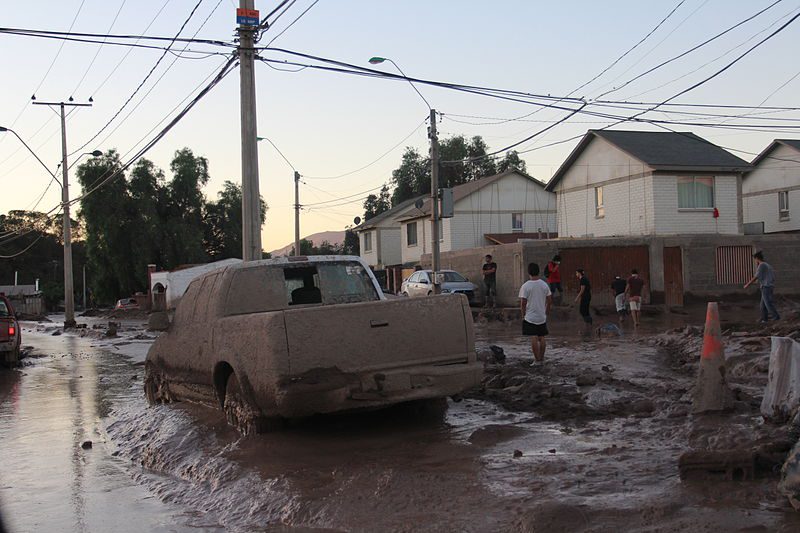
  9. Natural disasters are impeding access to water. The past two decades in Chile have seen a marked rise in the frequency and intensity of natural disasters, such as in the case of 2017, when surging floods in the capital Santiago left millions of Chileans suddenly without access to clean drinking water. Many attribute Chile’s heightened susceptibility to floods in particular to the rapid expansion of urban development and the loss of green spaces within the country, which has resulted in increased surface water run-off in populated areas, leaving water nowhere to go during storms.
  10. Sanitation-related illnesses have declined sharply. Thanks to the country’s efforts in increasing sanitation coverage, only .2 percent of the mortality rate is now attributable to unsafe water and sanitation in Chile, the same percentage as that of the U.S. This also has helped to lower the overall child mortality rate to 7.2 per 1,000 live births, well under the Latin American average.

Although the country faces many unique hurdles to overcome in the days ahead, these 10 facts about sanitation in Chile demonstrate a nation that is consistently striving to meet the needs of its people, blazing a trail for other Latin American nations to follow in the process.

– James Roark
Photo: Wikipedia
March 17, 2020
https://borgenproject.org/wp-content/uploads/borgen-project-logo.svg 0 0 Lynsey Alexander https://borgenproject.org/wp-content/uploads/borgen-project-logo.svg Lynsey Alexander2020-03-17 07:30:522020-03-18 10:58:0710 Facts About Sanitation in Chile
Global Poverty, Sanitation

8 Facts About Sanitation in Madagascar

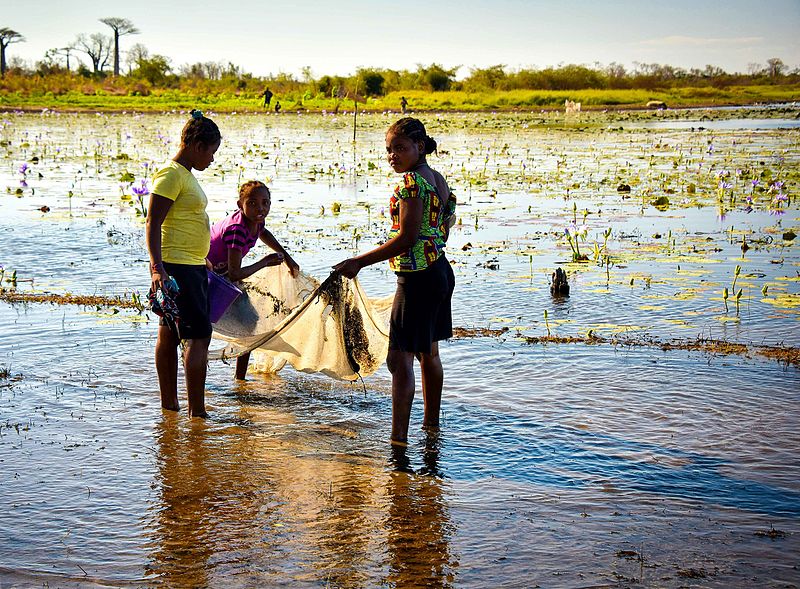
10 Facts About Sanitation in MadagascarOn the island of Madagascar, only 10 percent of the population utilizes proper sanitation. Fortunately, a number of humanitarian organizations are restoring hope for millions by providing improved services to underprivileged communities. Keep reading to learn more about the top eight facts about sanitation in Madagascar.
8 Facts About Sanitation in Madagascar

  1. UNICEF determined that to boost effectiveness, the best approach to providing sanitation is inter-sectoral solutions. This means that each community takes the solutions into its own hands. Communities are encouraged to build latrines in public places and use water from a centralized water kiosk. Water systems such as pumps and boreholes are some of the instruments that individual communities constructed. Such water equipment has provided 570,000 people in Madagascar with safe drinking water. In addition, 2.5 million people now have access to proper toilets, significantly reducing the rate of open defecation in the country.
  2. Water and Sanitation for the Urban Poor (WSUP) is a group that works to improve sanitation. Through a consistent effort to form strong partnerships with the national government and national water utility, WSUP was able to make a significant change. WSUP reports that 1.16 million people now have improved access to water, 1.35 million people have better access to sanitation and 2.83 million people received hygiene training.
  3. In 2018, WSUP started the Water and Development Alliance (WADA) with support from the Coca-Cola Foundation and USAID. The WADA project focuses on constructing sufficient facilities and institutions to deliver and administer sanitation services and water adequately. So far, the initiative has raised $5.3 million and counting.
  4. charity: water has worked in Madagascar since 2017, funding large, piped systems in the Menebe and Analamanga regions. To date, the group has improved clean water access for 104,598 people in Madagascar.
  5. In 2018, one-third of schools in Madagascar did not have working toilets. UNICEF is working to install toilets in a number of schools, with separate facilities for girls and boys. This is critical to ensure that more girls stay in school when they are menstruating. The organization has also built water points at schools, promoting clean handwashing among students.
  6. WaterAid reports that more than 8,000 children die from diarrhea annually due to unsafe water. Along with these losses, 1.8 million Malagasy children face stunted growth due to a lack of necessary nutrients in the drinking water.
  7. USAID reports that 58 percent of Madagascar inhabitants lack immediate access to potable water. Meanwhile, 50 percent of all Malagasy families survive with inadequate sanitation facilities.
  8. WAGGGS provided a group of 25 girls in Antananarivo, Madagascar, the opportunity to attend an advocacy workshop. After attending the workshop, the women are now better equipped to improve their communities and advocate their learned skills to others throughout the area. With this valuable information, these women can teach others and help provide access to proper sanitation.

These eight facts about sanitation in Madagascar highlight the need for improved access to clean water as well as toilet facilities to improve the well-being of citizens across the country. However, with help from the international community and aid organizations, progress is on the horizon.

– Cleveland Lewis III
Photo: Wikimedia Commons


March 13, 2020
https://borgenproject.org/wp-content/uploads/borgen-project-logo.svg 0 0 Lynsey Alexander https://borgenproject.org/wp-content/uploads/borgen-project-logo.svg Lynsey Alexander2020-03-13 09:12:072024-05-29 23:15:288 Facts About Sanitation in Madagascar
Global Poverty, Sanitation, Water Sanitation

10 Facts About Sanitation in Zimbabwe

Sanitation in Zimbabwe
Zimbabwe is a landlocked country in southern Africa that lies between the Limpopo and Zambezi Rivers with a population of 14.86 million. In the 20th century, Zimbabwe’s sanitation infrastructure was quite stable, but due to economic collapse resulting from the loss of public sector and donor investments in the early 2000s, the country’s sanitation development came to a halt and it began to degrade. Thousands of people living in Zimbabwe’s urban and rural areas lost access to not only clean drinking water, but also proper sanitation. Zimbabwe’s constitution states that every person has the right to “safe, clean, and potable water,” but the country still has a lot of work to do to make that statement come true. Here are 10 facts about sanitation in Zimbabwe.

10 Facts About Sanitation in Zimbabwe

  1. Water coverage has been increasing since Zimbabwe’s independence in 1980. Water coverage has increased from 32 percent to 56 percent in the 20 years after the nation gained independence. This increase in coverage has also directly improved overall sanitation access, from 28 percent to 56 percent. Two main elements propelled the growth of the country’s sanitation infrastructure: interest in urban and commercial farming and implementation of innovative technologies by the Integrated Rural Water Supply and Sanitation Program (IRWSSP). Both endeavors helped drive urban sanitation coverage to 90 percent up until the late 1990s when the economic crisis caused the coverage to decline.
  2. The rural sanitation infrastructure is still vastly underdeveloped. When comparing the rural system to the urban infrastructure of sanitation in Zimbabwe, flushing toilets, running water and access to clean drinking water is uncommon in rural areas. The World Health Organization (WHO) shows that 66 percent of the population in more affluent areas of Zimbabwe has access to basic sanitation, while only 13 percent of the population in poor areas has basic sanitation access. Further, while Zimbabwe’s population does receive a small number of subsidies from the government to improve sanitation, 80 percent goes to the urban, more wealthy areas.
  3. Studies prove sanitation in Zimbabwe’s rural areas is significantly worse. According to a 2017 report by the Zimbabwe National Statistics Agency (ZIMSTAT), 91.5 percent of urban households have properly flushing toilets, while just 36.8 percent of households in rural areas are without toilets. These rural areas do not have reliable access to water pipelines, and therefore, most of the population relies on open defecation. A Multiple Indicator Cluster Survey study estimated that 42 percent of the rural population in Zimbabwe still uses open defecation. In order to bring the rural areas up to the standards of the urban areas, the government would need to spend $90 million per year on sanitation hardware.
  4. In 2010, the Zimbabwe National Action Committee created its Water Sanitation and Hygiene (WASH) Sector. WASH has helped to combine Zimbabwe’s urban and rural sanitization efforts to gain a more organized action plan on how to improve sanitation, restore leadership throughout urban and rural areas, institutionalize government responsibilities and support sector development. So far, WASH has aided in the doubling of water production in 14 small towns, worked with UNICEF to drill boreholes, creating access to more water. The WASH program has also worked on the Participatory Health and Hygiene Education (PHHE) initiative, supporting 432 sanitation action groups and 388 health clubs.
  5. Sanitation in Zimbabwe currently aims to align with the Sustainable Development Goals (SDGs). The government recently approved a gender-sensitive Sanitation and Hygiene Policy that aims to ensure Zimbabwe is defecation free by 2030. To achieve this goal, the Sanitation Focused on Participatory Health and Hygiene Education (SafPHHE) has been implemented throughout 45 rural districts in Zimbabwe. SafPHHE will produce a framework to improve sustainable and reliable sanitation services. By spreading awareness of good hygiene behavior and increasing sanitation coverage, open defecation rates should reduce in accordance with the SDGs.
  6. Australian aid has been supporting efforts to improve sanitation in Zimbabwe. CARE, an Australian-based international aid organization, works around the world but is also helping communities in Zimbabwe to build toilets and hand-washing facilities. About 6,671 students now have access to 2,870 new toilets with handwashing facilities in schools and villages in Zimbabwe.
  7. Feminine hygiene and sanitation in Zimbabwe are sub-par. Many girls and women in Zimbabwe, ages 15 to 29 years old, do not have access to proper sanitary wear, or Menstrual Hygiene Management (MHM). This lack of feminine hygiene poses health risks not only to women but also to their communities. Girls miss four to five days of school because of menstrual cycles, according to CARE. According to an article published by Jamba, MHM is clouded in cultural taboos, constraints and unhygienic practices that further cause health-related dangers for women and girls. 
  8. Households in Zimbabwe rely on donor-drilled boreholes for the water supply. While these boreholes do supply water, they are typically highly unsanitary. Specifically, cholera broke out in 2018, killing 30 people. Further, people sometimes use the boreholes as extortion for financial gain, or otherwise access the water.
  9. Local and national corruption further exacerbate the issue of sanitation in Zimbabwe. In the capital city of Harare, the water management system charges residents for water even though the water does not run properly and is contaminated. Further, the government admits that it does not use the revenue to maintain and improve the quality of the water. The Export-Import Bank of China provided Zimbabwe’s government a $144 million loan with no results in sanitation improvements. According to the Human Rights Watch, solutions include the government using a sliding-scale for the residents’ water supply cost and investing in sanitation and water strategies, such as building toilets, pit latrines and uncontaminated boreholes.
  10. In 2014, Zimbabwe’s government made a public pledge to create and sustain a sanitation and hygiene policy. The government anticipates improvements aligned with the SDGs by keeping rural water supply functioning long-term, improving the reliability of the urban water supply, rehabilitating public latrines, emptying the latrines when they are full and reusing wastewater. It was the plan to achieve the goals by 2015, but with clear corruption and without proper funding, it may take some time for Zimbabwe to reach its goals.

Zimbabwe has an intense need for sanitation improvements in both urban and rural areas of the country. These 10 facts outline the current reality of sanitation in Zimbabwe. In aiming to achieve the SDGs and more, the country can change in a way to allow people to lead healthy and safe lives.

– Marlee Septak
Photo: Unsplash

March 13, 2020
https://borgenproject.org/wp-content/uploads/borgen-project-logo.svg 0 0 Lynsey Alexander https://borgenproject.org/wp-content/uploads/borgen-project-logo.svg Lynsey Alexander2020-03-13 05:00:442024-06-06 00:32:5210 Facts About Sanitation in Zimbabwe
Global Poverty, Sanitation

8 Facts About Sanitation in Ghana

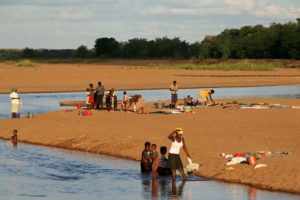
Facts About Sanitation in GhanaGhana is one of the most urbanized countries in Africa and has an increasing population of 29 million people. Despite its urbanization effort, there is still a lack of access to basic sanitation services in many areas. A significant portion of the people in Kumasi depend on public restroom facilities, and in low-income areas, there is little to no access to water. This is a large drawback of Ghana’s rapid urbanization. Here are eight facts about sanitation in Ghana.
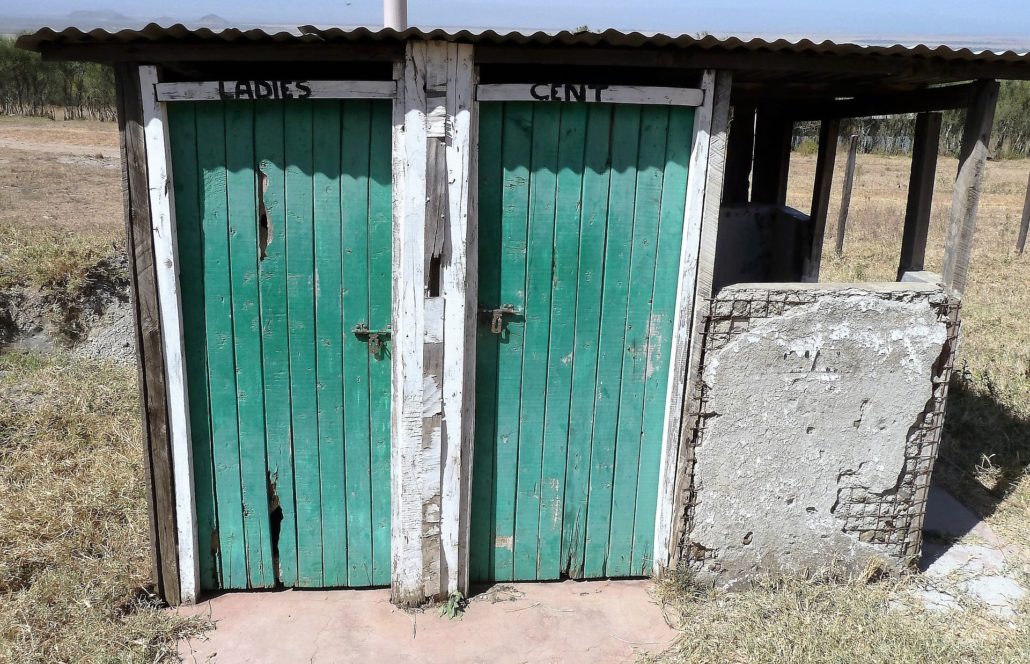
8 Facts About Sanitation in Ghana

  1. WSUP Water Utilities: The Water and Sanitation for the Urban Poor (WSUP) has been working with the Ghana Water Company to help advise and facilitate ways to provide water to low-income districts. WSUP has encouraged local communities to contribute to the success of the service so that the result ends in proper water access to the residents. WSUP’s initiative attempts to close the gap between poor water and sanitation access and the socio-economic development and political position of women. The support of WSUP has resulted in more than 100,000 residents in low-income communities gaining access to water services.
  2. Clean Team: A project called “Clean Team” was set up by WSUP in Ghana in 2012, and works using container-based toilet systems. Residents who use Clean Team are charged a low monthly fee to access the system. Clean Team won USAID’s Digital Innovation Award in 2017 following the success of this program. WSUP was able to achieve this win after partnering with MTN to allow customers to use mobile banking to pay their fees instead of cash.
  3. UNICEF Rural and Urban Sanitation: Ghana’s open defecation rate was reported at 18.06 percent in 2017. UNICEF has been encouraging and promoting behavior changes through the Rural Sanitation Model and Strategy in Ghana to tackle this problem. The main aim is ending open defecation and advocating for the construction of household waste facilities. UNICEF has also partnered with charities that provide loans to help community members build toilets and practice cleaner and safer habits. At the end of 2018, UNICEF launched the Basic Sanitation Fund together with Apex Bank, the Ministry of Sanitation and Water Resources and the Embassy of the Netherlands. The loan program is targeted at developing more products to improve sanitation conditions in households.
  4. Water.org WaterCredit: Water.org has partnered with three Ghanaian micro-finance institutions for its WaterCredit program. So far it has succeeded in reaching more than 380,000 people and provided more than $2.4 million in loans. The program is aimed at providing communities with credit to invest in the construction of wells, latrines and rainwater harvesting equipment, all in an effort to reduce the cost and restrictions of clean water.
  5. School Toilet Blocks: More than 7,000 public schools in Ghana are without basic toilet facilities. WSUP is working with the Ghanaian Ministry of Education to provide schools in Accra and Kumasi with toilet facilities for children specifically, as well as hand washing blocks extensively available for both students and teachers. Of note, the Kumasi Metropolitan Assembly (KMA) has received support from WSUP and managed to provide toilet facilities in seven schools. The KMA hopes that this initiative acts as a model for other schools to improve their sanitation positions.
  6. Urban Sanitation Research Initiative Ghana: This initiative is a 2017 to 2020 program aimed at extensive research work around sanitation in three countries including Ghana. Led by WSUP, the program’s goal is to encourage sector changes surrounding sanitation and gather evidence that will allow the country to receive aid and funding to improve its conditions. The research exercises are only the first but very vital step in achieving success to improve Ghana’s sanitation plight.
  7. Sanitation Surcharges: Effective January 2017, a sanitation surcharge was introduced in Ga West Municipal Assembly. WSUP supported this innovation to be included with property tax in an effort to remove any heavy dependence Ghana has on donor funds to help solve its sanitation problem. The surcharge policy has been successful in that the revenue generated at the end of 2018 was over 30,000 GHS. Several similar approaches are being conceived in the country with the same aim.
  8. Health Rank: In 2015, Ghana was ranked the seventh dirtiest country by sanitation standards by the WHO with over 7,000 children dying every year from conditions such as cholera and diarrhea. Today WSUP has managed to extend hygiene training to over 2 million people. These types of approaches are ongoing to battle the links between poor sanitation and poor health.

These eight facts about sanitation in Ghana show that the country remains in disparity while experiencing progress. With the help of global institutions and non-governmental organizations, the country can be set in a position to experience a safe and sanitary future.

– Regina-Lee Dowden
Photo: Wikimedia Commons

March 11, 2020
https://borgenproject.org/wp-content/uploads/borgen-project-logo.svg 0 0 Lynsey Alexander https://borgenproject.org/wp-content/uploads/borgen-project-logo.svg Lynsey Alexander2020-03-11 07:03:542024-05-29 23:15:268 Facts About Sanitation in Ghana
Global Health, Global Poverty, Sanitation, Water Sanitation

The Salvation Army’s Efforts in Zimbabwe

The Salvation Army's Efforts in Zimbabwe
For generations, the Salvation Army has been an international movement of evangelism, goodwill and charity. As part of the Protestant denomination in Christianity, the organization holds more than 1.6 million members throughout 109 countries around the world. Originating in the U.K., there are over 800 parishes, 1,500 ordained ministers and 54,000 members in England. Motivated by the love of God, the organization’s mission is to preach the gospel of Jesus Christ and meet the needs of humans whom hardships have struck. Most recently, The Salvation has been working in Zimbabwe. The Salvation Army’s efforts in Zimbabwe have involved providing communities and schools with proper sanitation.

In 1865, pastor William Booth and his wife, Catherine, began preaching to London’s neglected poor. William’s dynamic presence of natural leadership and charismatic oration grabbed the attention of the congregation. At the same time, Catherine pioneered advocacy for women’s rights in the Christian community. Subsequently, the couple embraced the Christian Mission and quickly offered the destitute meals, clothes and lodging. When others joined the Booths to assist with their corporal works, the Christian Mission became an almost overnight success. In 1878, this success transformed into the organization known today as the Salvation Army.

The Salvation Army Expansion

With substantial growth in motion, there was a militant approach to the newfound identity, like integrating uniforms for ministers and members. In addition, the Salvation Army began introducing flags and employee rankings. This gave the members an opportunity to embrace the “spiritual warfare” mentality.

As a result of the militarization-like growth, the organization began to spread to the United States in 1880, where the first branch opened in Pennsylvania. Through time, the Salvation Army played a pivotal role in the lives of the misfortunate, especially during the Great Depression.

Branches began opening around the world to establish evangelical centers, substance abuse programs, social work and community centers. The organization even opened used goods stores and recreation facilities to support community welfare.

International Impact

Currently, The Salvation Army supports emergency response initiatives throughout underprivileged countries in South America, Southeast Asia and Africa. Most recent works include providing food, water and materials to rebuild homes in Zimbabwe after flooding in Tshelanyamba Lubhangwe.

Additionally, it has launched a new plan to aid issues with water and sanitation in Zimbabwe. With nearly 20 percent of the world’s population lacking access to clean water and one out of every three people without basic sanitation needs, obtaining clean drinking water can be challenging in Zimbabwe. More than half of the water supply systems do not function properly and as a result, many boreholes and wells contain water that is unsafe to drink, making them nonpotable for villagers and farmers. People are experiencing outbreaks of diseases that have led to avoidable deaths due to unclean water and sanitation in Zimbabwe, and/or little knowledge of self-sanitation care. Some schools are even on the verge of closing due to the posing health threat to Zimbabwe’s youth.

WASH Initiative in Zimbabwe

The Salvation Army adopted the WASH project to improve health and nutrition in 12 communities by advancing water and sanitation in Zimbabwe. WASH, which stands for Water, Sanitation and Health, supports more than 50,000 people living in Zimbabwe, including more than 11,000 children attending school. Introducing accountability for the intertwining relationships of water, sewage, nutrition and health, Zimbabwe now has access to sustainable water and sanitation facilities.

The Salvation Army’s efforts in Zimbabwe have stretched to installing toilets, sinks and clean water in schools, allowing them to remain open. Furthermore, school hygiene committees have visited schools to give teachers the proper training about hygiene, health care and clean food. Each of these 12 communities have also set up farm gardens and irrigation systems. This has allowed areas to take back autonomy over food sources and will ultimately reduce the chances of consuming contaminated food, leading to foodborne illness.

UNICEF Joins the Salvation Army in Zimbabwe

The United Nations Children Fund (UNICEF) has also joined the Salvation Army’s efforts in Zimbabwe to help people access water and sanitation by drilling boreholes and pipe schemes for water systems. In addition, the WASH program saw vast improvements in repairing the sewer systems in 14 communities followed by the sustainability of those systems through the strength and development of its national public-private strategic framework.

UNICEF has also supported the improvement of water and sanitation in Zimbabwe through approval of hygiene and sanitation policy with the focus of ending open defecation in the country by the year 2030, specifically for gender-sensitive citizens. Efforts like policy implementation directly align with the Sustainable Development Goals. Moreover, UNICEF has supported the Sanitation Focused Participatory Health and Hygiene Education (SafPHHE) in over 40 rural districts in Zimbabwe to accomplish the end of open defecation.

The Salvation Army has aimed to improve the quality of life for the underprivileged with the message of a strong belief in God and that every individual should have access to basic human rights. The Salvation Army’s efforts in Zimbabwe and around the world have provided aid through consistent outreach to the less fortunate. The organization started out with the motivation to save souls and has grown to steer the directionless down a path to righteousness and out of poverty. With endeavors like improving water and sanitation in Zimbabwe, organizations like the Salvation Army and UNICEF have greatly improved lives throughout poor countries.

– Tom Cintula
Photo: Flickr

March 5, 2020
https://borgenproject.org/wp-content/uploads/borgen-project-logo.svg 0 0 Lynsey Alexander https://borgenproject.org/wp-content/uploads/borgen-project-logo.svg Lynsey Alexander2020-03-05 08:30:132024-05-29 23:15:16The Salvation Army’s Efforts in Zimbabwe
Global Poverty, Sanitation

10 Facts About Sanitation in Africa

Sanitation In Africa
Sub-Saharan Africa has 52 countries, all of which have large swaths of their population’s using toilets that encourage disease, or worse, relying on open defecation as the only way to dispose of waste. With 1.094 billion people on the continent, there is plenty of room for improvement. Here are 10 facts about sanitation in Africa.

10 Facts About Sanitation in Africa

  1. Socioeconomic Status: sub-Saharan Africa’s sanitation issues correlate with an individual’s socioeconomic status. Essentially, the poorest individuals are 18 times more likely to practice open defecation, which amounted to over 220 million people in 2015.
  2. Improved Sanitation in Uganda: In Uganda, 45 percent of the rural population and 27 percent of the urban population need to walk over 1 km to access an improved sanitation facility. Improved sanitation facilities include “flush or pour-flush to a piped sewer system, septic tank, pit latrine; ventilated improved pit (VIP) latrine, pit latrine with slab, [or] composting toilet.”
  3. The Millenium Development Goal (MDG) for Sanitation: Western Africa, Eastern Africa, Southern Africa and Central Africa were not on track to meet the Millennium Development Goal for sanitation in 2008. In fact, out of 52 countries in Sub-Saharan Africa, only one allocated 0.5 percent of its GDP to sanitation measures. Budgets have 0.5 percent as the minimum for sanitation. Goal 7 of the Millennium Development Goals was to ensure environmental sustainability, and that included climate change aspects in conjunction with improved drinking water access and improved sanitation access. When looking at the sustainable development goals, out of the 52 counties, the vast majority are reaching stagnation. Reaching goal 6, which is for clean water and sanitation, will require internal mobilization and increased funding from external sources to meet the 2030 deadline.
  4. Return on Sanitation: When governments allocate funding for improved sanitation options, it tends to be lower than necessary because they do not consider it an economic venture that will have a monetary return. This is especially the case for developing countries because they often want as much money as possible for investments to receive large returns and get the most value from their dollars. The World Health Organization estimates that the return on sanitation spending is 550 percent or in other words, $5.50 for every $1 that a government invests in improved sanitation methods in Africa.
  5. The Loowatt Toilet: Loowatt provides a toilet made of horse dung that is perfect for use in developing countries. It is a waterless system, which is fantastic for drought-stricken countries and regions. Additionally, it turns human waste into energy biofuel at a reliable rate if people use it regularly. The best part is that it has a low cost of 12 Euros as a deposit and a 3 Euro monthly service fee. In the country of Madagascar, it went beyond proof of concept, and the company was maintaining over 100 toilets that serviced over 800 people in 2017. Since then, over 100,000 customers in both the U.K. and Madagascar have used Loowatt toilets.
  6. South Africa: South Africa determined that access to water is a right in 2002 and it set the supply to 25 l/c/d or 6 kiloliters per connection a month. However, South Africa has just recently made the transition from supply to sanitation access. For both rural and urban sanitation, over 50 percent of the annual and per capita investment requirements are unavailable due to a lack of ability to provide the full $1.218 billion the country requires.
  7. Ghana and Open Defecation: No district in Ghana has a 0 percent open defecation status, and three out of 10 rural households practiced open defecation. Over 81 percent of the Ghanaian population lack access to improved sanitation. Organizations are trying to bridge the gap between the people who cannot pay upfront to build the improved sanitation facilities by providing WaterCredit. WaterCredit is essentially a way for the poor to get water and sanitation loans. Currently, Water.org has facilitated $2.4 million through its partners in microloans for water and sanitation purposes in Ghana.
  8. Peepoo: With the creation of the Peepoo, those with communicable toilets can access safe sanitation and prevent others from getting the disease they may be infected with. Peepoo is a biodegradable bag that sanitizes human feces and allows it to become fertilizer in about a month. It attacks the problem of sanitization at the source by giving an alternative to open defecation that does not require a sizable investment to build a toilet. Peepoo sales have mainly occurred in Kenya, where the company continues to do research and build the foundation for easier use. A study that Peepoo conducted with a grant examined 37 schools with about 6,500 students to determine the effectiveness of Peepoo sanitation and deworming, both independently and combined. The results in 2016 included improved attendance and overall improved health due to the reduction in diarrheal diseases in the school children.
  9. Open Defecation in Urban Areas: The number of those practicing open defecation is increasing in urban areas due to the rapid size increase of the overall area, without proper permits for building or a focus on providing latrines and washrooms. Additionally, including cost as a factor, urban slums are sometimes cheap and an affordable option for the poorest individuals. In particular, open defecation in the Kampala Slum is at about 28 percent while estimates determine that 1 percent of Uganda’s urban population openly defecates.
  10. The Leave No One Behind Pledge: The Sustainable Development Goals emerged to replace the Millennium Development Goals, and goal 6 of providing clean water and sanitation aims to “Ensure availability and sustainable management of water and sanitation for all.” These goals also focus on helping those furthest behind first through the Leave No One Behind pledge. The pledge itself is a way to ensure that those facing the worst of poverty end up at the forefront of progress by confronting the inequalities as a method of reducing the number of individuals living in extreme poverty. This pledge is an overarching goal for all of the sustainable development goals and encompasses the fact that those worst off should be a primary focus in order to achieve the goal at hand. Even with this pledge, it is likely that about 60 percent of the countries will not reach the target of full implementation by 2030. However, Uganda is a leading example of the potential countries that may achieve goal 6, thanks to its national development plan which includes policy in line with the sustainable development goals but with adaptations to reflect cultural and national contexts.

Sanitation in Africa, specifically Sub-Saharan Africa, is still vastly below the goals, although the continent is making progress. With the continuing improvements and government’s investments into sanitation, African nations could see increased levels of productivity and return on their investments. Northern Africa had met the Millennium Development Goals and continues to increase its standard of sanitation. As the world progresses towards 2030, it can expect to see dramatic sanitation improvements after the completion of thorough research regarding the investments and implementation of sanitation techniques.

– Cassiday Moriarity
Photo: Pixabay

February 28, 2020
https://borgenproject.org/wp-content/uploads/borgen-project-logo.svg 0 0 Lynsey Alexander https://borgenproject.org/wp-content/uploads/borgen-project-logo.svg Lynsey Alexander2020-02-28 07:30:252024-06-10 03:12:0210 Facts About Sanitation in Africa
Global Poverty, Sanitation, Water Quality

10 Facts about Sanitation in American Samoa

10 Facts about Sanitation in American SamoaAmerican Samoa refers to the seven South Pacific islands and atolls that have belonged to the U.S. since 1900. The U.S. Navy governed the islands until 1951 after the deed of cession in which the local chiefs of the Tutuila ceded the island. Today, American Samoa has an elected, nonvoting representative in the U.S. House of Representatives. Like many island nations in the pacific, sanitation is one of the major challenges that American Samoa faces every year. Here are 10 facts about sanitation in American Samoa.

10 Facts about Sanitation in American Samoa

  1. Groundwater resources in American Samoa are limited. The islands that create American Samoa face the same challenges as any island nation. Underground water sources of many island nations are located near the salty seawater. In practice, this means that there’s only a limited amount of water people can draw from and limited space for people to drill wells underground. The fresh water that is accessible on the island is the source of nearly all public drinking water.
  2. Tap water is not drinkable in American Samoa. American Samoa has general access to improved drinking-water that is protected from outside contamination through pipes and sanitation processes. However, the water quality of local streams and rivers is still poor. Visitors are warned to drink bottled water when on the islands.
  3. Rapid urbanization contributed to water pollution. Previously, many villages in American Samoa relied on their local streams and rivers as a source of freshwater. Rapid urbanization, which happened from 1960 to 2004 in American Samoa contributed to the degradation of sanitation in American Samoa. The rapid urbanization and the lack of proper waste disposal polluted the natural water sources near cities. Unchecked development of the islands, such as deforestation to build plantations and housing, also alters the natural flow of local rivers and streams.
  4. Local pig farms contribute to water pollution. Pigs are an important part of culture and food in American Samoa. According to the EPA, there are 2,700 pig farms on Tutuila Island and many more on the six other islands of American Samoa. The majority of the pig farmers operate small-scale pig farms, consisting of anywhere from one to 20 pigs in their backyards. Many pig farmers simply use pressurized water to clean out their pig pens, which leads to polluted water seeping into local rivers and water sources.
  5. In July of 2003, American Samoa received full approval for the pollution control program. This approved program helped the American Samoa government to conduct facility inspections and improve environmental regulations. The American Samoa government worked with landowners to build walls and other structures to contain and direct runoff from pig waste. The program also moved more than 100 pigs away from streams and rivers. This resulted in a 91 percent decrease in average E. coli concentration in the streams.
  6. The Keep American Samoa Beautiful (KASB) program is reducing pollution. KASB encourages the general public to help improve sanitation in American Samoa. There are multiple programs that encourage the people of American Samoa to reduce littering. This kind of program is important for American Samoa since litter, garbage and pollution attract mosquitoes. Diseases such as dengue fever and elephantiasis are some of the diseases that constantly plague the people of American Samoa.
  7. In 2016, the United States EPA awarded $8.9 million to American Samoa. The government of American Samoa will use this awarded money to ensure access to safe drinking water and to improve the general sanitation of American Samoa. Some of the projects include connecting new wells to drinking water systems, a new water storage tank at Upper Pago Pago and a sewer line extension to Aua village.
  8. ASEPA faces a few challenges in future plans for the quality and supply of fresh water. Lack of data prior to 2000 poses a challenge for improving the quality of water and sanitation in American Samoa. First, the lack of data makes it difficult to identify historical trends. Second, it makes anticipating possible water quality problems in the future difficult. This is more important than ever because of climate change.
  9. Cyclones and hurricanes are a major threat to sanitation in American Samoa. American Samoa often faces tropical cyclones and hurricanes. In 2018, cyclone Gita left a trail of devastation in American Samoa. Cyclones can be a major source of pollution in local water supplies for a variety of reasons. The rain from hurricanes and cyclones often contains undrinkable salt water. Flooding caused by events can pick up chemicals and other hazards that can contaminate the local water sources.
  10. The tuna industry is contributing to water pollution. American Samoa is asking tuna cannery industries in American Samoa to contribute to conserving water. Tuna canneries are one of the biggest industries in American Samoa. As a result, there were elevated phosphorous levels in local watersheds. The Pacific Regional Integrated Sciences and Assessments Program recommends the tuna canning industries monitor and improve water usage.

These 10 facts about sanitation in American Samoa reveal many challenges. However, it is clear that there are efforts to further improve the conditions in American Samoa. The U.S. government awarding funds for projects that improve water quality. Furthermore, the American Samoa government is also collecting environmental data to prepare themselves for potential challenges in the future. With these improvements, a cleaner American Samoa awaits for all of its inhabitants.

– YongJin Yi
Photo: Flickr

February 27, 2020
https://borgenproject.org/wp-content/uploads/borgen-project-logo.svg 0 0 Kim Thelwell https://borgenproject.org/wp-content/uploads/borgen-project-logo.svg Kim Thelwell2020-02-27 01:30:002024-12-13 18:02:0210 Facts about Sanitation in American Samoa
Global Poverty, Sanitation

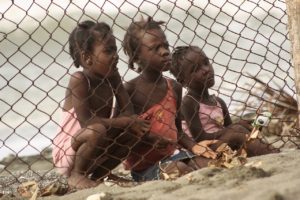
The Progress of CDC Intervention in Haiti

CDC Intervention in Haiti
Haiti is the poorest country in the western hemisphere with a UNDP national poverty index ranking of 68th. The country is also home to one of the world’s most populated cities without a centralized sewage system –  Port-Au-Prince. Although the developing country is vibrant, Haiti is still struggling. Since the initial destruction that the 7.0 magnitude earthquake in 2010 brought, cholera and HIV have ravaged the nation. However, as a direct result of the CDC intervention in Haiti, the nation has not fallen. The CDC has provided financial and technical assistance to the Government of Haiti (GOH) since 2002. In the 2010 earthquake’s aftermath, the CDC refocused on both immediate health necessities and public health systems within days of the U.N.’s arrival. CDC intervention in Haiti assisted the GOH in developing disease surveillance systems and establishing a competent public health force aimed to aid Haiti in developing a proper disease outbreak response.

This past decade, Haiti has not seen much progress due to reform efforts growing stagnant. Subsequently, the changes the country has seen thus far have turned out to be unsustainable and/or have been ill-fitted solutions to Haiti’s unique predicament. Fortunately, CDC intervention in Haiti has been critical to the continued survival of many, and the number of people saved will hopefully continue to grow.

Haiti’s Cholera Epidemic and the CDC

The GOH and the CDC have also been collaborating to devise a longterm plan to eliminate cholera. CDC intervention in Haiti has increased patient case surveillance, laboratory capacity, oral cholera vaccine (OCV) administration and clean water and sanitation access in efforts to curb cholera’s spread. 

One of these efforts includes the Haitian Ministry of Health (MOH) building the National Cholera Surveillance System (NCSS) in conjunction with the CDC support. The platform is a rapid identifier of concentrated outbreaks, providing critical guidance to further prevent future outbreaks. Thanks to these efforts, along with others, incidence rates dropped from 112 cases per every 100,000 in 2017 to 25.5 cases for every 100,000 in 2018.

The CDC’s “Foot-Soldiers” in the Battle Against Cholera

Through the design of training programs, protocols and supplemental assistance, the CDC has created an entirely new workforce titled TEPACs or officially the Techniciens en Eau Potable et Assainissement pour les Communes. Having been key in Haiti’s disease prevention, these “foot-soldiers” ensure the safety of water sources, improve sanitation standards and routinely assess communal water systems and sources for free chlorine. They also performed Haiti’s first inventory of those sources; inventory of resources provide valuable information to donation/volunteering groups. Alongside the efforts of the CDC, TEPACs has launched the WASH initiative – coordinated work in the area of water, sanitation and hygiene – in a supplemental effort to eradicate cholera from Haiti.

CDC Impact On the AIDS Crisis

It is estimated that 150,000 people living in Haiti have HIV/AIDS. CDC intervention in Haiti is achieving more control over the AIDS epidemic. Outlining the concern of the epidemic and the impact of CDC support, 98 percent of all pregnant women and 100 percent of TB patients that CDC clinics saw received tests for HIV. Further, all TB patients that tested positive for HIV also received antiretroviral therapy (ART) in 2018. 

The CDC and the President’s Emergency Plan For AIDS Relief (PEPFAR) have sought to better medical treatment, fortify health care systems, improve laboratory information networks and cover medical fees. The development of information-sharing systems to track data of HIV patients has saved countless lives.

CDC Provides Household Water Treatment and Storage

The CDC also implemented household water treatment and storage (HWTS) to support adequate sanitary conditions for Haitians. HWTS has the potential to provide safe drinking water in primarily rural households. CDC intervention in Haiti has offered HWTS product certification developmental protocols and a national strategy for HWTS programs and product evaluation. The Direction Nationale de l’Eau Potable et de l’Assainissement (DINEPA) intends these programs to support disease prevention and treatment in Haiti.

A Solution to the Underlying Sanitation Problem

While recovery has been slow, CDC intervention in Haiti has been an immensely influential factor in public health. One aspect of public sanitation the CDC does not have a direct influence on is the waste that litters Haiti.

Today, the capital, Port-Au-Prince, is still without central sewage. With every rainfall, a potentially lethal flood of human fecal matter, urine and other harmful substances accompany the water. 

The country is in dire need of infrastructure reforms specifically for the needs of Haiti and its people. The CDC has dedicated itself to controlling and minimizing epidemics, but it has yet to address flooding latrines and a lack of proper sewage disposal systems despite their inflammatory influence on disease.

Flaure Dubois has a potential solution to Haiti’s flood problem. Dubois proposes the Haitian government hire those working to clean latrines, called Bayakous, to create jobs for Haitian citizens. Officializing the Bayakou occupation would bring a wage increase and higher public esteem. If the GOH and the CDC work in conjunction with Bayakous to educate citizens about the dangers of raw sewage, people might be more willing to pay for Bayakou services. Further, it would encourage the sewage shipment to treatment plants, rather than it going into canals. A larger influx of latrine waste enables Haiti’s one functional plant to operate at peak performance and support economic growth in the sanitation sector.

Government-funded Bayakous provide a basis to expand Haiti’s waste-management industry, eventually increasing aptitudes for efficient waste treatment/disposal methods. Expansion of this industry could result in a higher degree of sanitation and a lower rate of disease transmission.

The GOH or the CDC’s involvement in waste management would lead to superior safety and higher circulation of information for Haitian citizens and workers in the sanitation industry. Employing Bayakous has the potential to sponsor the country’s most important pillar in ensuring safe water sources and sanitation. By offering better equipment, methods and working conditions CDC intervention in Haiti can support sustaining health improvements. Haiti needs a sustainable solution to the root of its sanitation problem before it can begin to have lasting-recovery.

– Hana Burson
Photo: Pixabay

February 26, 2020
https://borgenproject.org/wp-content/uploads/borgen-project-logo.svg 0 0 Lynsey Alexander https://borgenproject.org/wp-content/uploads/borgen-project-logo.svg Lynsey Alexander2020-02-26 07:30:312024-05-29 23:15:05The Progress of CDC Intervention in Haiti
Global Poverty, Sanitation

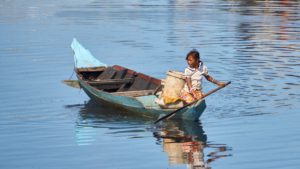
10 Facts About Sanitation in Cambodia

sanitation in Cambodia
Despite experiencing robust economic growth in recent years, GDP per capita in Cambodia remains low. While urban Cambodians are now able to enjoy increased sanitation services and access to clean water, the majority of the population resides in rural areas where the living conditions are sub-standard. Below are the top 10 facts about sanitation in Cambodia.

10 Facts About Sanitation in Cambodia

  1. Access to Clean Water and Sanitation: Approximately 50 percent of the population has access to improved sanitation and basic water supply, but only a quarter has safely managed water. More than 2 million people, or about 13 percent of the population, are still living without clean water and 6 million do not have access to safe sanitation.
  2. Increased Access to Improved Sanitation: The total number of people with access to improved facilities increased from 3 percent in 1990 to 42 percent in 2015. Cambodia has eradicated open defecation in urban areas and 88 percent of urban Cambodians have access to improved facilities. The progress is even remarkable among the poorest urban households with 82 percent now having access to improved sanitation, up from 0 percent in 1990.
  3. Open Defecation: Cambodia has the highest rate of open defecation in the region with 80 percent of the poorest rural Cambodians defecating in the open. This unsafe practice contaminates the land and water sources, exposing the population to dangerous waterborne infectious diseases and causing preventable deaths. Cambodia is working towards its national target of eliminating open defecation by 2025.
  4. Disparities Between Urban and Rural Areas: Forty percent of Cambodians in rural areas do not have access to hand-washing facilities compared to only 12 percent of the urban population. Almost 90 percent of the urban population has access to improved latrines while only 40 percent of the people living in rural areas do.
  5. Economic Costs: Lack of sanitation costs Cambodia up to $448 million annually, which is equivalent to 7.2 percent of the nation’s GDP. Health-related losses are some of the largest contributors to this economic impact, which account for 42 percent of the impact, or $187 million. Costs of accessing cleaner water, welfare and time losses and tourism loss due to poor sanitation also contribute to the high economic impact.
  6. Asian Development Bank (ADB): To support financing Cambodia’s goal of providing universal access to improved water supply and sanitation services by 2025, the ADB has approved $49 million in funding. Since 2005, more than 1 million people in Tonle Sap Lake have received benefits from ADB-supported water supply and sanitation services projects. The new project will benefit more than 400,000 people in at least 400 Cambodian villages.
  7. Plan International Cambodia: Since 2006, the program by Plan International has helped to promote the adoption of clean water consumption, hygiene and sanitation practice in hundreds of Cambodian villages. Using the community-led total sanitation approach, the program has helped 750 villages achieve the open defecation free status, as well as construct and install 130 wells, 65 water purifying systems and 700 sanitation facilities at schools.
  8. Latrine Access: Cambodia is making steady progress in increasing latrine access in the population, doubling the coverage rate in rural households from 23 to 46 percent in five years. Production costs have plunged, making latrines accessible and affordable to an increasing proportion of the population. The director of the Department of Rural Health Care estimates that 80 percent of Cambodians can now afford latrines.
  9. Cambodia Rural Sanitation: iDE, or previously International Development Enterprises, has announced a $10 million Development Impact Bond (DIB) to support Cambodia’s sanitation initiatives in partnership with USAID and the Stone Family Foundation. It is the world’s first DIB developed for the WASH sector, aiming to eradicate open defecation in 1,600 villages in six provinces by 2023. The impact bond will support iDE’s Sanitation Marketing Scale-up Program, which delivers affordable latrines to 10s of thousands of households annually and has successfully increased sanitation coverage from 29 percent in 2009 to 67 percent in 2018.
  10. Sanitation Marketing: Traditional programs focusing on education may be successful in raising awareness, but do not always translate to purchases of hygienic toilets. Sanitation Marketing is a market-based approach that aims to increase both the capacity to supply and the demand for sanitation by making owning a toilet more appealing and desirable for families. iDE and WaterSHED implemented this new approach and focused on the rural Cambodian areas, and both have been successful in enabling the sale of more than 260,000 toilets and increasing improved sanitation coverage in Cambodia’s rural communities considerably.

These 10 facts about sanitation in Cambodia give a brief overview of the challenges and progress the country is making regarding the WASH sector. Cambodia is making improving the quality of water and sanitation a priority, which not only ensures the basic rights of people and protects human dignity but also indirectly and directly benefits Cambodia’s socio-economic development. Despite facing many challenges, with support from different international and local NGOs, the government of Cambodia has committed itself to the achievement of its goal of providing universal access to clean water and sanitation services by 2025.

– Minh-Ha La
Photo: Flickr

February 25, 2020
https://borgenproject.org/wp-content/uploads/borgen-project-logo.svg 0 0 Lynsey Alexander https://borgenproject.org/wp-content/uploads/borgen-project-logo.svg Lynsey Alexander2020-02-25 03:30:252024-05-29 23:14:5310 Facts About Sanitation in Cambodia
Global Poverty, Sanitation, Water

How Swarovski Waterschool Combats Poverty

Swarovski Waterschool
People best know Swarovski as a producer of extravagant crystals. The mountain rivers of Austria originally powered the company, providing a close connection and reliance on the water resource since the company’s founding in 1895. This connection was the eventual inspiration for the creation of the Swarovski Waterschool in 2000.

Water Challenges

  • Water scarcity affects more than 40 percent of the global population and predictions determine that this rate will continue to rise.
  • Estimates determine that 2.4 billion people lack access to basic sanitation services such as toilets or latrines.
  • Every day, approximately 1,000 children die as a result of preventable water-related or sanitation-related diseases.
  • Moreover, 70 percent of all deaths from natural disasters are from floods and other water-related disasters.
  • Gender disparity in water collection is a major issue. Women and girls are responsible for water collection in 80 percent of the households without access nearby.

The Three Pillars

Swarovski Waterschool helps communities overcome these challenges through the implementation of its three-pillar approach:

  1. Access to Safe Water: Working with local partners, the Swarovski Waterschool implements short and long-term solutions to provide schools and communities with access to clean drinking water.

  2. Water Education: The organization has developed its own curriculum, which it teaches local educators and works with them so they can integrate it into their lesson plans. The curriculum focuses on educating children on the importance of sanitation and the relationship between their community and their local water source. This pillar comes with an emphasis on ensuring that women and girls receive proper training and education to become leaders in the movement toward sustainability in their communities.

  3. Access to Sanitation Facilities: Swarovski Waterschool emphasizes handwashing and keeping rivers clean to promote healthy and sustainable living.

Reach and Impact

As of 2017, the organization estimates that it has educated 500,000 children, trained 10,000 teachers and interacted with 1.5 million community members across 2,500 schools. These schools are in seven countries spread across five continents. Its pilot program started close to its headquarters in Austria, but the projects have since spread to other communities and countries in greater need of education and resources. This includes communities in:

  • Brazil: The organization began its efforts in Brazil in 2014 alongside the Earth Child Institute and the Sustainable Amazonas Foundation. Its work here has focused on preserving the rainforest and providing sanitation facilities and rainwater tanks to villages in the state of Pará, one of the poorer regions in the country.
  • China: In China, the organization has reached over 100 schools across four river basins since 2008. Here, the focus has been on academics and developing projects that get the students collecting samples and information from their local water sources to learn more about them. The organization has also involved Chinese politicians to create greater awareness and enact change toward more sustainable living.
  • Uganda: Since 2009, the organization has supplied 30 schools with rainwater tanks and sanitary facilities. Swarovski Waterschool has also opened water supply systems for 20 villages, 20 water boiling facilities across several schools and installed 40 new and improved latrines with increased sanitation and hygiene.

Water and Poverty

From 1990 to 2010, global poverty halved. In the same time period, the percentage of people without sustainable access to safe drinking water also halved. This shows a clear connection between the two issues.

Additionally, a lack of access to clean water often leads to sick children, meaning missed school days. This especially affects the education of girls because they are often the ones retrieving the water. Some must walk miles to a controlled water source only available for a few hours every day. Lack of proper hygiene for young girls is also a major issue, often causing them to miss days of school and even to drop out.

Uganda is one country that has struggled to retain girls in its schools due to a lack of proper hygiene facilities. With all these disruptions in education, women and girls lose opportunities and become stuck in an impoverished life. Swarovski Waterschool has directed its work toward this issue in Uganda and elsewhere through the installment of new latrines and hand-washing stations which meet the needs of girls and allow them to stay in school.

Another major issue that the least developed countries face is the extraction of their resources to make products to ship all around the globe. Ninety percent of freshwater withdrawal in rural areas in the least developed countries is for the purpose of irrigation. Food and fiber production uses much of this water of which companies ship products internationally. The Swarovski Waterschool invests in local projects to improve the direct consumption and use of water.

Through its educational programs, installation of latrines, washing stations and water collection tanks and its work with local organizations and leaders, Swarovski Waterschool has been able to have a meaningful impact on the lives of those living in poverty. To learn more, watch its documentary “Waterschool” on Netflix which premiered at the Sundance Film Festival and the World Economic Forum in January 2018.

– Scott Boyce
Photo: Flickr

February 25, 2020
https://borgenproject.org/wp-content/uploads/borgen-project-logo.svg 0 0 Lynsey Alexander https://borgenproject.org/wp-content/uploads/borgen-project-logo.svg Lynsey Alexander2020-02-25 02:30:132020-02-25 12:23:55How Swarovski Waterschool Combats Poverty
Page 14 of 29«‹1213141516›»

Get Smarter

  • Global Poverty 101
  • Global Poverty… The Good News
  • Global Poverty & U.S. Jobs
  • Global Poverty and National Security
  • Innovative Solutions to Poverty
  • Global Poverty & Aid FAQ’s
Search Search

Take Action

  • Call Congress
  • Email Congress
  • Donate
  • 30 Ways to Help
  • Volunteer Ops
  • Internships
  • Courses & Certificates
  • The Podcast
Borgen Project

“The Borgen Project is an incredible nonprofit organization that is addressing poverty and hunger and working towards ending them.”

-The Huffington Post

Inside The Borgen Project

  • Contact
  • About
  • Financials
  • President
  • Board of Directors
  • Board of Advisors

International Links

  • UK Email Parliament
  • UK Donate
  • Canada Email Parliament

Get Smarter

  • Global Poverty 101
  • Global Poverty… The Good News
  • Global Poverty & U.S. Jobs
  • Global Poverty and National Security
  • Innovative Solutions to Poverty
  • Global Poverty & Aid FAQ’s

Ways to Help

  • Call Congress
  • Email Congress
  • Donate
  • 30 Ways to Help
  • Volunteer Ops
  • Internships
  • Courses & Certificates
  • The Podcast
Scroll to top Scroll to top Scroll to top