The Danish Refugee Council’s Humanitarian Aid Efforts In Lebanon
 The Danish Refugee Council (DRC) is an esteemed non-governmental organization that focuses on offering aid and safeguarding the rights of refugees and internally displaced persons (IDPs). Since its establishment in 1956, the DRC currently operates in 40 countries, and its ultimate mission revolves around fostering long-lasting solutions for individuals forcibly uprooted from their homes, including its humanitarian aid efforts in Lebanon.
Crisis in Lebanon
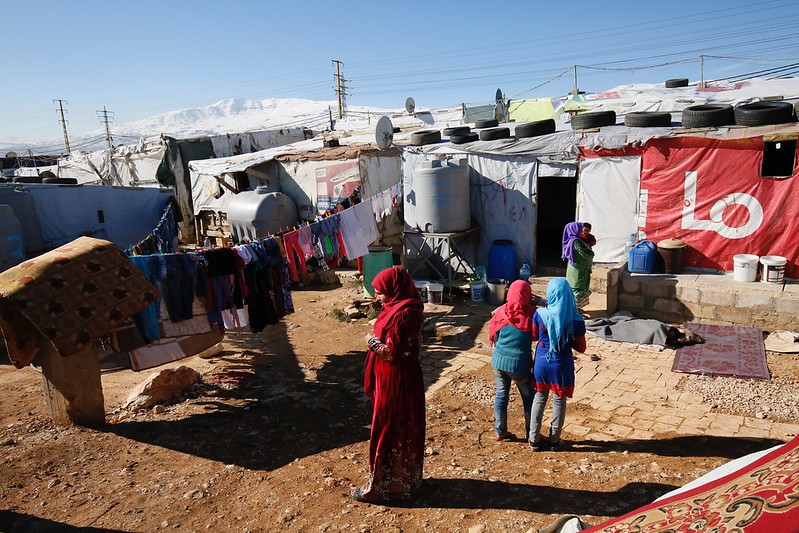
The DRC is providing humanitarian aid efforts in Lebanon because the ongoing refugee crisis in the region heavily affects the Middle Eastern nation. Despite its small size, it plays host to a large number of refugees in proportion to its population, with around 1.5 million Syrian refugees seeking shelter. Ever since the onset of the Syrian conflict in 2011, Lebanon has witnessed a substantial influx of Syrian refugees. Furthermore, the country already accommodates a significant number of Palestinian refugees who have been struggling with displacement since long before the outbreak of this conflict.
Lebanon is also currently grappling with one of the most severe economic catastrophes. By 2023, the Lebanese currency has lost 98% of its value. This significant decline has caused a distressing rise in poverty levels, leading to the closure of several businesses and a surge in unemployment rates. Consequently, the prices of basic goods have skyrocketed, making it difficult for people to afford basic necessities such as food, shelter and health care.
The refugees face many significant challenges, including the lack of access to adequate housing and health care. Many live in overcrowded settlements or informal tented settlements, which only puts them at risk of further exploitation and marginalization.
Humanitarian Aid Efforts In Lebanon
DRC has been distributing humanitarian aid efforts in Lebanon since 2004, working closely with local communities, government authorities, such as the U.S. Department of State and other humanitarian agencies to address the needs of refugees and displaced people. Its presence and expertise provide rapid and effective assistance to those most in need. One of the ways this is done is through the CHASE program.
The Capable, Hopeful, Accepted, Safe and Engaged (CHASE) youth empowerment program aims to enhance social and economic empowerment and foster self-reliance among young Syrian refugees and other youths who feel the impacts of conflict. Before creating this program, the DRC conducted a study and found that Lebanese and Syrian youth are facing widespread feelings of hopelessness due to limited opportunities for further education and decent employment, leading to a lack of optimism for the future.
The program employs a holistic approach to support communities, incorporating activities such as skills training, capacity building, awareness campaigns and advocacy efforts.
Economic Recovery Programming
The DRC’s Economic Recovery Programming is a program that aims to support individuals and their households in rebuilding their financial stability after a crisis or shock. Its main focus is to empower individuals to sustain themselves through self-production for income generation in a secure manner. Within this program, there are three sub-sectors: Food Security, Financial Inclusion and Decent Livelihoods.
- Food security initiatives work to guarantee that people and families have the necessary resources to access an adequate amount of safe and high-quality food through various interventions that enhance their ability to fulfill their essential food requirements. By providing economic support and facilitating access to markets, these efforts ensure that individuals have both the financial means and physical access necessary to acquire the food they need.
- Financial inclusion initiatives aim to provide individuals and businesses with access to affordable and tailored financial products and services, delivered responsibly and sustainably. This may involve educating and assisting individuals, households and communities in understanding and utilizing these financial tools, such as through financial literacy workshops.
- Decent livelihood activities aim to ensure that individuals and households have the resources necessary to meet their needs by offering a variety of income opportunities from sustainable work. These activities involve providing employment assistance to individuals and households by improving life and technical skills, social connections and hands-on experiences. They also help give access to important assets such as natural resources and tools, which are essential for participating in both agricultural and non-agricultural labor markets either as wage earners or self-employment.
Supporting Refugees and IDPs
The DRC’s humanitarian aid efforts in Lebanon demonstrate its commitment to supporting refugees and IDPs. Through a comprehensive range of services, the DRC empowers displaced individuals to rebuild their lives. With a focus on long-term solutions and advocacy, the DRC contributes significantly to humanitarian efforts in Lebanon.
– Sara Hatab
Photo: Flickr
