• Link to X
  • Link to Facebook
  • Link to Instagram
  • Link to TikTok
  • Link to Youtube
  • About
    • About Us
      • President
      • Board of Directors
      • Board of Advisors
      • Financials
      • Our Methodology
      • Success Tracker
      • Contact
  • Act Now
    • 30 Ways to Help
      • Email Congress
      • Call Congress
      • Volunteer
      • Courses & Certificates
      • Be a Donor
    • Internships
      • In-Office Internships
      • Remote Internships
    • Legislation
      • Politics 101
  • The Blog
  • The Podcast
  • Magazine
  • Donate
  • Click to open the search input field Click to open the search input field Search
  • Menu Menu

Archive for category: Poverty Eradication

Africa, Global Poverty, Poverty Eradication

Being Poor in Nigeria

Being Poor in NigeriaNigeria is a multiethnic and culturally diverse federation with 36 autonomous states and the Federal Capital Territory. The ruling All Progressives Congress party (APC) partially dominate the political landscape, which controls the executive branch of government and holds a majority of seats in the Senate and House of Representatives in parliament as well as a majority of the states. Nigeria has a sizable population and a thriving economy, making it the largest in the West African sub-region. The oil industry produced a third of GDP, 85% of foreign exchange earnings and 95% of export income. Nigeria’s abundant resource reserves make it a prospective market for foreign businesses looking to create a thriving economy, combat poverty and deliver basic services.

Poverty in Nigeria

Most people would wonder why Nigeria still faces the prospect of poverty even though it is known as the nation with the greatest economy in the West African sub-region. Because its population has few opportunities, poverty is a problem for the government. The World Bank has stated that “Nigerians born in 2020 are only 36% as productive as they could be if they had access to health and education,” and their country has the seventh-lowest human capital index in the world. Many workers emigrate as a result of poor job creation and entrepreneurial opportunities.

In 2023, 87 million Nigerians were living below the poverty level, representing a 38.9% poverty rate. The best-performing regions are compared to upper-middle-income nations, demonstrating the persistence of spatial inequality. Insecurity and violence are pervasive, state capacity is inadequate and service delivery is constrained. Inadequate infrastructure impedes domestic economic integration and limits access to electricity. These difficulties are made more difficult by newly emerging issues like extreme weather events.

What Does It Mean to Be Poor in Nigeria?

Nigeria is facing a wave of violence, including kidnappings, clashes, terrorist attacks, brutal murders, food insecurity, inadequate health care and a disproportionate increase in living costs.

Residents of a refugee camp in Zamfara state in northwest Nigeria said “We are suffering greatly. We have almost nothing to eat and for more than four years we have not been able to dedicate ourselves to agriculture because the bandits have driven us out of our communities. We urgently need the government’s support.”

More than 2.2 million people in Nigeria have experienced displacement.  Many of them are now living in congested, resource-poor camps. In the northeast, continuous battles are also impacting food production and agriculture. Families are afraid to grow outside of military cities. Being poor in Nigeria has led to some families eating cassava husks to survive because food shortages are so bad. As a result of poverty in Nigeria, the Nigerian government introduced the National Multisectoral Action Plan for Food and Nutrition in 2020, a 2021–2025 initiative to address malnutrition and food security. However, this initiative has received enough funding.

More than 30% of Nigeria’s workforce is employed in the agriculture sector, which contributes 24% of the country’s GDP. Yet support for this sector is still below the 10% goal that the African Union established in the 2003 Maputo Declaration. With 32% of children under five suffering from childhood stunting, Nigeria has one of the highest rates in the world.

The Path to Economic Stability and Poverty Reduction

Since May 2023, Nigeria has implemented significant measures aimed at reestablishing macroeconomic stability. There is now a single, better-regulated, and market-reflective official exchange rate as a result of the government’s shift to market-based gasoline pricing and significant FX policy reforms. Nevertheless, this has increased the strain already placed on businesses and people. Although the macroeconomic environment is getting better, further steps are necessary to guarantee long-term deflation and better policy communication. Four main fiscal priorities can lower debt risks and free up funds for pro-poor and development investment. Wage jobs, macro fiscal stability, growth, private sector development and human capital creation are all necessary for long-term poverty reduction.

While higher-paying jobs are unavailable, short- and medium-term initiatives to increase production in household businesses, both farm and non-farm, can offer assistance. Youth and women’s policy measures can also increase the labor market’s capacity to reduce poverty.

The World Bank’s Efforts

To prevent the threat of being poor in Nigeria, the World Bank approved two operations on Wednesday, June 13, 2024: $750 million for the Nigeria Accelerating Resource Mobilization Reforms (ARMOR) Program-for-Results (PforR) and $1.5 billion for the Nigeria Reforms for Economic Stabilization to Enable Transformation (RESET) Development Policy Financing Program (DPF). Nigeria’s pressing attempts to stabilize the economy and increase aid for the poor and most economically vulnerable are immediately supported financially and technically by this $2.25 billion package. It also backs Nigeria’s multi-year, ambitious plan to protect oil income and increase non-oil revenues in order to foster fiscal sustainability and provide enough funding for high-quality public services.

– Abdulhameed Olanrewaju

Abdulhameed is based in Exeter, UK and focuses on Technology and Global Health for The Borgen Project.

Photo: Flickr

March 3, 2025
https://borgenproject.org/wp-content/uploads/borgen-project-logo.svg 0 0 Jennifer Philipp https://borgenproject.org/wp-content/uploads/borgen-project-logo.svg Jennifer Philipp2025-03-03 07:30:102025-03-03 01:15:15Being Poor in Nigeria
Global Poverty, Human Trafficking, Poverty Eradication

Being Poor in Nepal

Being Poor in NepalNepal is a country known for its breathtaking views of Mount Everest along with the birthplace of Buddha. Before COVID-19 and after the pandemic in 2023, at least a million visitors would come to Nepal to check out the scenery, try out the food including momos and dal bhat, and celebrate famous Hindu holidays like Teej and Dashain. While Nepal brings in at least a million tourists a year, there is an unfortunate side of the country where about 20% of the population lives in poverty. Here is information about being poor in Nepal.

The Impact of Natural Disasters in Nepal

During 1996-2006, a Civil War took place along with an earthquake in 2015 which both still impact the economy today. The devastating earthquake that took place on Saturday, April 25th, 2015 killed about 9,000 people and left more than three million people homeless. The magnitude of the quake was 7.9.

China and India border Nepal. The fact it is landlocked makes it difficult to obtain shipments of goods from other nations. However, India and Nepal do share an open border.

The state of locals living in the country living in poverty is due to frequent natural disasters including earthquakes, floods and mudslides, caste-based discrimination, the aftermath of the civil war, and limited access to health care and education. Many houses in Nepal do not have plumbing or electricity.

Education and Water Access in Nepal  

Many parents struggle to afford schooling for their children, leading to many kids having no access to learning. With children lacking education, it is extremely difficult to obtain better opportunities for them.  

Many rural Nepali homes do not have running water, resulting in people having to find the nearest pond to bathe in and leading to a spread in disease. Many people who live in the rural parts of Nepal do not have access to transportation to go to a hospital. Additionally, in many instances, health care is not available, so many rely on home remedies or just hoping that their sickness is not serious and that time will eventually heal it.

Being Poor in Nepal

About 42% of Nepal’s population was living below the poverty line in 1995 but it dropped to 20% in 2022. Though this made a drastic difference over 27 years, 20% is still a significant amount to be living in poverty. Fortunately, some organizations are addressing poverty in Nepal.

The American Himalayan Foundation

The American Himalayan Foundation started in 1981 and is based in San Francisco, California. It addresses several challenges in Nepal, such as human trafficking prevention, and improving education and health care.

Human trafficking is a global issue that many people especially women and children are victims of. According to the American Himalayan Foundation, they have concluded that more than 20,000 young girls from poorer parts of Nepal are taken away from their families. These girls and their families were tricked into believing they were going to receive better opportunities but instead, traffickers forced them into working in areas like factories and brothels. 

The American Himalayan Foundation has come up with strategies to prevent more girls from being trafficked and how they can save girls who have already fallen victim to it.  The organization builds schools as a location to keep girls safe, making trips to these schools four times a year to see how children are doing and providing them school essentials like backpacks and pencils. It has educated families on the dangers of human trafficking including how it happens and its effects on the children. 

About 27% of Nepalis under the age of 15 suffer from different types of disabilities. For little or no cost, the American Himalayan Foundation has funded a world-class orthopedic hospital to treat patients with disabilities. 

Outreach International

Outreach International is just one of the organizations that has been helping reduce poverty Nepal, especially during catastrophic events. The company originated in 1979 and it currently works in 10 countries including Nepal, India, the Philippines, Cambodia and Malawi.

Outreach International has brought clean water, nutritional meal options and health care to communities in Nepal. “When people gain the knowledge to improve the conditions of their lives, all of Nepal can move toward a more prosperous and equitable future.”   

Looking Ahead

While Nepal is a country known for its unique natural landscape and the founder of Buddhism, being poor in Nepal has many challenges. However, fortunately, multiple organizations are doing their best to address the circumstances of poverty in Nepal and will hopefully reduce it moving forward.

– Cheyenne Kitchel

Cheyenne is based in Akron, OH, USA and focuses on Global Health for The Borgen Project.

Photo: Pexels

March 2, 2025
https://borgenproject.org/wp-content/uploads/borgen-project-logo.svg 0 0 Jennifer Philipp https://borgenproject.org/wp-content/uploads/borgen-project-logo.svg Jennifer Philipp2025-03-02 01:30:562025-03-02 00:54:06Being Poor in Nepal
Disability, Global Poverty, Poverty Eradication

Disability and Poverty in Spain 

Disability and Poverty in SpainThe UN defines a disability as a long-term impairment that can limit a person’s ability to participate in society. It also defines poverty as an individual living off less than $2.15 per person per day. It is no secret that those with disabilities are at higher risk of issues like lack of security, low income, dependence and overall insecurity; those suffering from disability and poverty in Spain are no different. With the two often linked, those who experience one are often susceptible to experiencing the other, meaning those suffering from disabilities may experience multidimensional poverty. Multidimensional poverty refers to the various ways in which poverty itself is measured including health, education, security, infrastructure and more.

The examples shown above are ways in which individuals may experience many limitations, not just health-related ones. This not only makes it difficult for them to find their way out of poverty but also places those with disabilities in more vulnerable situations when it comes to quality of life.

Living With Both Disability and Poverty in Spain

In order to tackle both these issues head-on in Spain, the Spanish National Institute of Statistics conducted a survey to better understand its people in both 2021 and 2022. During this period, findings showed that by 2022, 18.1% of individuals aged 16-64 stated they had some sort of disability and were only able to work part-time. One should note that individuals with disabilities are more likely to face social exclusion at a rate of 92.6% compared to those without. This is without the added factor of poverty and how their disability has affected their economic standing. With the unemployment rate in 2022 standing at 21.4% in the disabled category, women and young women aged 16-65 held the lowest percentage.

Efforts continuously occur in an attempt to lower these numbers, especially after they hit a slight rise following the onset of COVID-19, which led to a rise in poverty and food insecurity once more. With programs like Ingreso Mínimo Vital (IMV), created in 2020 by royal decree-law, the goal is to prevent poverty and other forms of social exclusion from spreading further while also supporting those already affected. By 2024, it was shown in Spain’s social security statistics that Ingreso Mínimo Vital had already benefited 2,050,000 people living in 674,000 households total. With a monthly benefit of 658.81 euros per individual, the efforts made have proven highly effective for the people of Spain, and today, those same plans continue to move forward.

Solutions

The Disability Strategy 2022-2030 originated in 2022. This strategy takes into account those with disabilities, incorporating perspectives on women and children. Spain then started the European Child Guarantee program aimed at ensuring there is no exclusion among children and to support the children of Spain. The National ECG Plan has dedicated itself to ensuring that every child and adolescent has access to essential, inclusive and high-quality services. 

By working closely with public administrations, society and other partners, the plan promotes opportunities for early childhood education and care (ECPI), extracurricular activities, quality health care, nutritious meals and safe comfortable housing in the hopes of helping every child thrive. Right now, communities like Aragon have started early care and disability preventative programs for rural areas, while others like La Rioja have begun to grant financial assistance to children aged 0-6 while they are on a waiting list to receive universal care. Madrid also has a similar program giving grants to those from 0-3 years of age. Spain is doing all of this with the goal of universal access and 100% coverage.

Financial assistance like this through the extension of coverage and scholarships is important because it helps to give children access to vital life-saving treatments for things like communication disorders, motor disorders or learning disorders, just to name a few. This is especially important for those in the early preventative programs as this allows for outpatient or home-level care in rural areas through the assistance of nonprofits. Not only does this help with the children who originally did not have access to treatments, but this also helps to promote positive parenting, allowing parents to build positive family dynamics within their communities.

Looking Ahead

When further addressing the Spanish Disability Strategy 2022-2030, Isabel Rodríguez stated, “The minister also indicated that the initiative is a response to other cross-cutting challenges included in the 2030 Agenda for Sustainable Development, such as the climate emergency and the demographic challenge. The strategy also has an impact on rural areas, small towns, and the countryside, where people with disabilities also live and need to be listened to, accompanied, and cared for.” Providing things like jobs, housing and better educational opportunities for people with disabilities could significantly reduce their vulnerability.

In areas with high poverty rates, the risks go beyond just financial hardships. While these communities may experience higher crime and violence rates, it is important to recognize that despite the challenges Spain overall has faced, it remains one of the safest countries in Europe regarding violent crime. This resilience provides a solid foundation for continued progress in accessibility and inclusion, slowly but surely making headway when it comes to disability and poverty in Spain, paving the way for an exceptionally bright future for all!

– Imani Ambers

Imani is based in Cleveland, Ohio, USA and focuses on Good News and Celebs for The Borgen Project.

Photo: Unsplash

February 28, 2025
https://borgenproject.org/wp-content/uploads/borgen-project-logo.svg 0 0 Jennifer Philipp https://borgenproject.org/wp-content/uploads/borgen-project-logo.svg Jennifer Philipp2025-02-28 07:30:102025-02-28 06:34:18Disability and Poverty in Spain 
elderly poverty, Global Poverty, Poverty Eradication

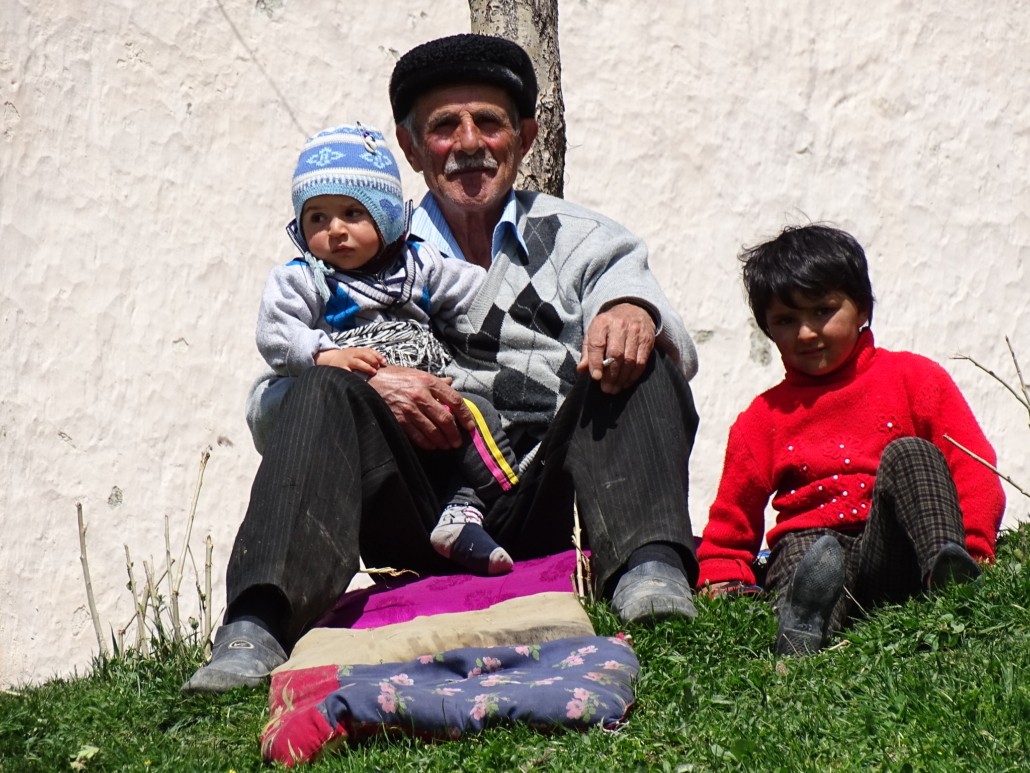
Addressing Elderly Poverty in Azerbaijan

Elderly Poverty in Azerbaijan
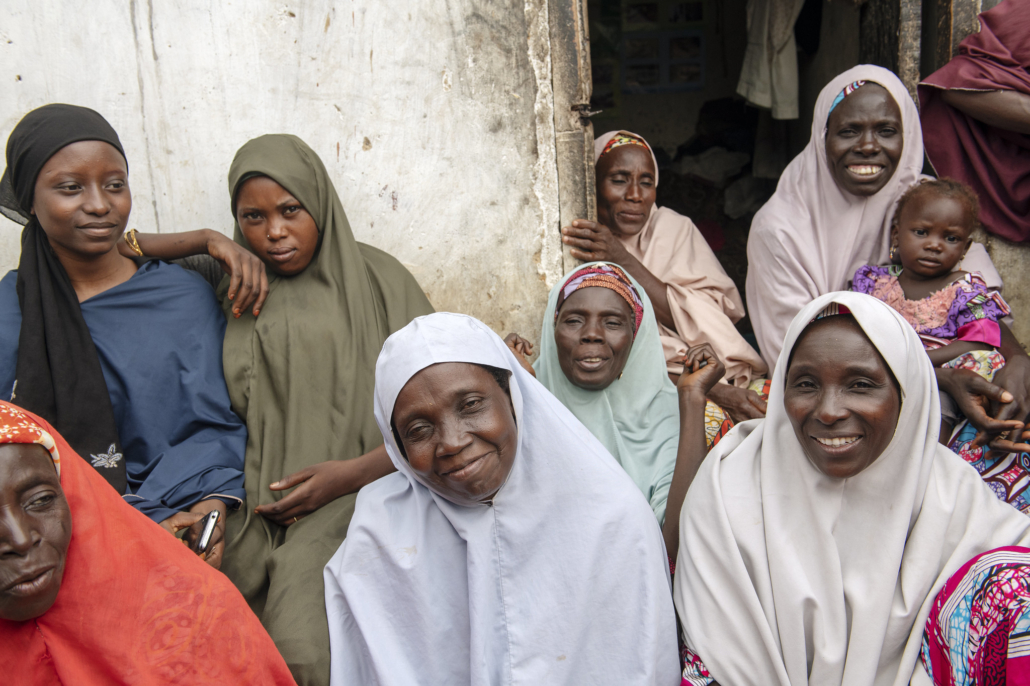
Azerbaijan’s government and international initiatives are reducing elderly poverty in Azerbaijan, but the world still needs to take more action to fight it. The Asian Development Bank estimated that Azerbaijan’s poverty rate was 5.5% in 2022, as opposed to the World Bank’s estimate of 49.6% in 2001, showing a significant decrease in poverty. However, it is not an uncommon sight to see elderly people working in manual labor well after their retirement age. Here is more information about elderly poverty in Azerbaijan including what is being done to address it.

Economy and Demography in Azerbaijan

Ever since gaining its independence in 1991, Azerbaijan has been experiencing gradual economic development efforts. Poverty rates have decreased steadily, and the country is slowly progressing into a position of economic stability despite economic challenges such as the economic crisis of 2009.

Azerbaijan’s population of 10 million is expected to increase by 8.8% by 2050 according to the World Health Organization (WHO). The International Monetary Fund (IMF) projects that Azerbaijan’s GDP will grow by 2.5% in 2025 which the IMF described as moderate growth. The percentage of those 60 years or older in Azerbaijan is 11.6% and the World Bank is expecting that the number of elderly to make up 25% of the population by 2050.

The WHO also estimated that Azerbaijan’s life expectancy has increased by 7.68 years in 2021 compared to 2000 which means that the average Azerbaijan today will live until 72.9 years rather than 65.  All of this threatens an increase in elderly poverty in Azerbaijan due to increased constraints on the pensions and benefits system.

The Pensions System and Working Age in Azerbaijan

Much of the progress that Azerbaijan has made in fighting poverty and elderly poverty in the 2000s is due to its rapid economic growth which led to reforms to the pensions system. Pensions increased from 42% of the subsistence level in 2001 to 95% in 2008, according to the European Commission for Employment, Social Affairs and Inclusion. This change led to a decrease in poor households. These changes were part of the reason for the elimination of poverty amongst retirees in Azerbaijan.

However, elderly poverty is still a problem in Azerbaijan despite these reforms with those 65 years-old or over and living alone among the most vulnerable groups for poverty and social exclusion according to the European Commission.

Azerbaijan continues to make progress in access to its pension system to fight elderly poverty such as the introduction of an automatic and electronic pension payment system in 2019, which led to easier access to pensions. For example, during the first eight months of 2021, authorities automatically appointed 16,299 people, representing 60.2% of all pension assignments.

The Dependency Ratio

The World Bank expects Azerbaijan’s dependency ratio to increase from 44 dependents per 100 working-age persons in 2010 to 54 dependents per 100 of the working population by 2050 with old-age being the main driver of this increase. The dependency ratio is a measure of those who work and contribute the pensions and benefits system compared to those who do not work and rely on pensions and benefits. Azerbaijan’s rising population is also primarily driven by old age and increased life expectancy with reforms to pensions being the main policy used to fight elderly poverty, meaning that Azerbaijan will need more help to ensure that its policies promote more employment in order to fight elderly poverty.

Looking Ahead

Azerbaijan has made significant strides in reducing elderly poverty, but challenges remain due to its aging population and growing dependency ratio. Economic growth and pension reforms have helped but continued efforts are still needed to ensure that Azerbaijan’s pensions system and growth plans are well-equipped for its expected demographic changes. For example, there are currently no big global NGO initiatives fighting elderly poverty in Azerbaijan.

– Takey Elbarky

Takey is based in the UK and focuses on Business and Good News for The Borgen Project.

Photo: Flickr
February 27, 2025
https://borgenproject.org/wp-content/uploads/borgen-project-logo.svg 0 0 Jennifer Philipp https://borgenproject.org/wp-content/uploads/borgen-project-logo.svg Jennifer Philipp2025-02-27 07:30:232025-02-27 00:44:32Addressing Elderly Poverty in Azerbaijan
Africa, Global Poverty, Poverty Eradication

Innovations in Poverty Eradication in Namibia

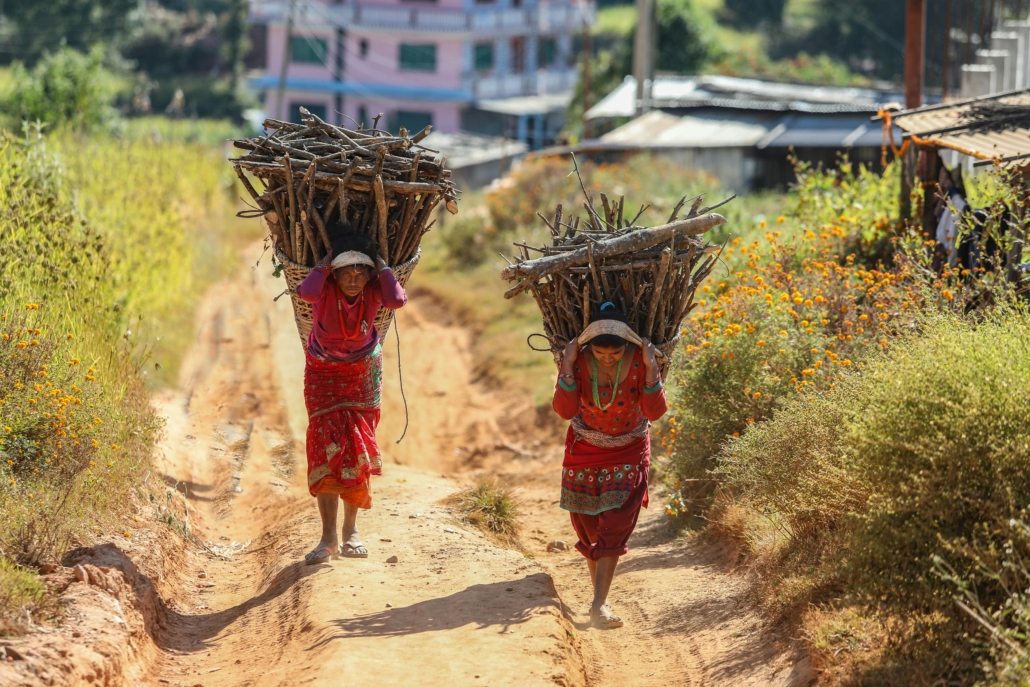
Innovations in Poverty Eradication in NamibiaThe Republic of Namibia is a country situated on the west coast of Southern Africa with a population of more than 3 million. The World Bank has ranked it as an upper middle-income country. According to the OPHI, more than 43.3% of Namibia’s population live in multidimensional poverty.

Namibia includes high rates of unemployment and a lack of basic necessities, especially in rural areas. Many are having difficulty in meeting their basic needs, such as access to quality health care, education and housing. Hence, since its independence from South Africa in 1990, various innovations in poverty eradication in Namibia have emerged to address the country’s socio-economic challenges. Their main focuses are on improving access to education, health care, income-generating opportunities and sustainable development. The Namibian government has set up a few programs under the Namibian Social Safety Net to work towards poverty eradication in Namibia.

Social Pension Program

Namibia is one of the only countries in Africa, alongside South Africa, Mauritius and Lesotho, that administers a social pension program for every person who reaches the age of 60. Every month after turning 60, each individual receives a pension of N$160 in the form of a cash transfer. This provides a way of securing long-term savings but also helps to alleviate poverty. One of the common redistributive practices in households with elderly people is grandparents spending their pension on the grandchildren’s school fees, which is a way to invest in the youth.

School Feeding Program (NSFP)

This program receives full funding from the Namibian government and the Ministry of Education, Arts and Culture (MoEAC) manages it. When it began, this program mainly helped orphaned or vulnerable children, but as of 2023, according to the Food and Agriculture Organization of the United Nations (FAO), approximately 466,860 schoolchildren benefitted from the program. Its primary goal is to improve access, retention and learning outcomes by providing timely access to diverse and nutritious food in schools, as well as to improve students’ nutrition and health. It also works as a link between the NSFP and smallholder producers, which further promotes local agriculture and helps alleviate poverty.

Basic Income Grant (BIG)

This is one of the most well-known pilot projects implemented in certain villages in Namibia to address poverty, with the intention of convincing the government to extend the scheme to the whole country. The main idea of BIG is to provide each citizen with a reliable and unconditional cash transfer of N$100 every month for a period of 2 years. This initiative was implemented to battle income inequality by giving each individual the opportunity to meet their basic needs, such as food, health care and housing. In the long term, this may reduce poverty by creating a more stable foundation for individuals and communities to thrive in.

National Employment Service

This government initiative, established in 2011 under the Employment Service Act no. 8, aims to connect job seekers with employers and promote employment opportunities. For example, in 2023, the Ministry of Labour, Industrial Relations and Employment Creation (MoLIREC) mandated that all companies employing more than 10 people post job openings with the ministry to ensure that job opportunities are available to the general public. Whoever fails to do so will face legal consequences. Namibia improves economic stability for individuals and families by increasing job access and connecting job seekers with job opportunities.

Looking Ahead

These are just a few of the many formal and informal innovations in poverty eradication in Namibia implemented by the government and the public. According to World Bank data, Namibia’s poverty rate has more than halved, with approximately 17.4% of Namibians living below the national poverty line in 2015/16, down from 28.7% in 2009/10 and 69.3% in 1993/94. However, poverty rates remain relatively high for an upper middle-income country. This is why continuous advocacy is crucial to implementing and sustaining initiatives that will further combat poverty.

– Zainab Saad Hassan

Zainab is based in Glasgow, Scotland and focuses on Business and Global Health for The Borgen Project.

Photo: Flickr
February 24, 2025
https://borgenproject.org/wp-content/uploads/borgen-project-logo.svg 0 0 Jennifer Philipp https://borgenproject.org/wp-content/uploads/borgen-project-logo.svg Jennifer Philipp2025-02-24 07:30:182025-02-24 00:23:53Innovations in Poverty Eradication in Namibia
Global Poverty, Innovations, Poverty Eradication

Innovations in Poverty Eradication in Honduras

Poverty Eradication in HondurasHonduras is the second poorest country in Central America. COVID-19 and multiple hurricanes in 2020 exacerbated Honduras’s already high poverty rates, taking the percentage of the population living below the national poverty line from 48.3% in 2018 to 60% in 2024. However, to tackle these rising numbers, recent innovations in poverty eradication in Honduras have focused on agricultural practices and production. 

Nearly a third of Hondurans work in the agricultural sector and nearly half of the population live in rural areas, where the poverty rate is around 75%. From enabling farmers to develop climate-resilient agricultural practices to connecting them with supply chains, here are some examples of agricultural innovations in poverty eradication in Honduras. 

Coffee Farming

The coffee industry is a vital part of Honduras’s rural economy. Indeed, Honduras is the largest coffee producer in Central America and the fifth largest globally, with coffee accounting for 5% of GDP and 23% of exports.

The non-profit organization TechnoServe launched the MOCCA project in 2018 with funding from the USDA. The project has trained more than 11,000 Honduran coffee and cacao farmers to develop climate-resilient agricultural practices. 

In September 2024, TechnoServe launched Avanza Café to build on MOCCA’s success and train 35,000 small producers in regenerative agricultural practices. The project aims to increase yields and household incomes by 25%, while reducing carbon emissions and ensuring that 40% of participants are women and young people. 

Sustainable Practices 

The MAS Project 2.0 works to increase productivity and facilitate access to better markets for Honduran coffee farmers. In 2017, trainers from the program visited the village of Subinara, inhabited by the Indigenous Pech people and located in the Río Plátano Biosphere Reserve, where coffee production is limited to protect the local environment. 

The trainers helped the farmers to establish “climate-smart” practices, such as planting shade trees, using coffee pulp as fertilizer and employing natural pest control solutions. These practices improved production by 200% and increased the community’s profits by 66%.

Access to Markets

The De Mi Tierra program enables farmers to gain direct access to markets, with training by the nonprofit Foundation of Rural Business Development (FUNDER) and distribution across the 46 stores of the La Colonia supermarket chain. 

In cutting out the middleman and enabling farmers, 70% of which are smallholders, to reach larger markets, the De Mi Tierra program improves farmers’ profits and forges domestic supply chains that reduce the need for importing products.

Looking Ahead

In October 2024, Reuters reported that Honduras’ coffee exports in the 2024/25 season were up 14.5% from the previous year, an achievement that Pedro Mendoza, head of IHCAFE, attributes to the fact that “The farms are better, farmers have given them more care this year.” The increased yield and export volume could well be due to climate-resilient techniques and the development of direct market links. 

If done right, the more coffee Honduras exports, the better for the country’s efforts to eradicate poverty. However, the EU might ban sales of coffee if companies cannot prove that the product hasn’t come from a deforested area. As Europe accounts for 55% of Honduras’ coffee exports, ensuring sustainable practices will be essential for maintaining and improving upon the successes already achieved by innovations in poverty eradication in Honduras.

– Oliver Tanner

Oliver is based in London, UK and focuses on Technology and Politics for The Borgen Project.

Photo: Flickr
February 22, 2025
https://borgenproject.org/wp-content/uploads/borgen-project-logo.svg 0 0 Jennifer Philipp https://borgenproject.org/wp-content/uploads/borgen-project-logo.svg Jennifer Philipp2025-02-22 01:30:312025-02-22 01:22:29Innovations in Poverty Eradication in Honduras
elderly poverty, Global Poverty, Poverty Eradication

Alleviating Elderly Poverty in Jordan

Elderly Poverty in Jordan
Jordan suffers from a pension system which is not high enough for the cost of living nor accessible enough to elderly people, particularly women or refugees. This issue has been exacerbated by economic conditions which have worsened since the COVID pandemic and the cost of living crisis – the poverty rate increasing from 13% in 2006 to 24.1% in 2022 – and may continue to worsen with the expected economic fall-out of the Gaza war.

The Issue

Jordan has an ageing population but with additional pressures on its social services from the influx of displaced people. In 2021, only 45.8% of the elderly population in Jordan received pensions and 66% of pensions were below the national poverty line. According to the 2018 HelpAge International survey, two-thirds of older Jordanian men and women had debts.

Older women and elderly refugees are particularly affected: only 16% of older women receive pensions and elderly refugees cannot receive their pensions from Syria, instead they rely on humanitarian assistance. As one older Syrian refugee said: “Having access to my pension would allow me to get back some dignity and live a dignified life. I wish for it every day,” according to HelpAge.

According to HelpAge International, 80% of women in Jordan had never been in official work and were reliant on their husbands’ pensions or provisions from their male children. Reliance on male relatives financially is not only a source of embarrassment for older women but is also insufficient: in 2017 (before the COVID pandemic and cost of living crisis) the annual food and non-food expenditures of a 1–2-member household in Jordan were double an individual annual pension. While employment among women under the age of 60 has increased in recent years, participation of women in the workforce in Jordan is among the lowest in the world, HelpAge International reports.

In addition, although there are positive features to the intergenerational model of “growing old,” this societal expectation stops the proliferation of care-homes and maintains the expectation for daughters and daughter-in-laws to fulfil hands-on caregiving duties, according to the 2021 article.

Syrian Refugees

Jordan is one of the countries which has been highly affected by the Syrian crisis and has absorbed the third highest number of Syrian refugees in the world. It has taken in more than 643,000 and is among the top five highest host countries for refugees per capita.

In 2018, 80% of Syrian refugees in Jordan lived below the poverty line. UNHCR considers old people as one of the most at-risk groups of displaced people.

With less capacity to work, limited access to health care and experiencing loneliness, elderly Syrian refugees cannot return to Syria to obtain the paperwork required for a pension. Even for refugees of working age, it is hard to contribute consistently to the voluntary pension scheme when they often participate in informal forms of work or not at all.

Governmental Efforts

Jordan spends more on social protection systems for the elderly than most countries in the Middle East, evidenced by its many and sometimes duplicated systems: National Aid Fund (NAF), National Zakat Fund (NZF) and Ministry of Social Development (MoSD) all provide emergency cash transfers for the vulnerable. Elderly people in Jordan experiencing poverty can receive the bread subsidy, monthly aid or winter aid programmes of the NAF and the MoSD pays for places in care homes for elderly Jordanians who cannot afford them.

The recent National Strategy for Senior Citizens (2018-2022) focuses on eradicating elderly poverty in Jordan, building a platform for elderly voices in decision-making, providing health care services and establishing care homes. Although its implementation requires reform, these reforms are the basis for a newly formed strategy for 2025-2030. The government also aims to achieve universal health coverage by 2030 and in the meantime has subsidized health care for more than 1.3 million Syrian refugees

These efforts prove the government’s commitment to supporting the vulnerable and elderly living in poverty but cannot replace a social pension which would provide for women, refugees and those who have not been in formal work and are therefore unable to make consistent payments.

NGOs

Jordanian NGO, Tkiyet Um Ali, founded by Princess Haya bint Al Hussein in 2003 is a shining example of a local initiative to eradicate hunger. Tkiyet Um Ali serves across every governate of Jordan those who live below the food poverty line and who do not receive any form of financial contribution. In 2023, it served more than 5 million food parcels and 500,000 hot meals. This is necessary aid and immediate relief for the elderly provided their income is below $19.95 a month, do not receive a pension, are not homeowners nor have an employable male relative over the age of 18 in their family.

HelpAge International provides financial support for the elderly, in cash payments and finding ways for elderly people to create income, particularly within the refugee community in Jordan. They advocate for the strengthening of Jordan’s pension system to a social pension system which does not require previous contributions.

Looking Forward

The good news is that there is a vision to alleviate elderly poverty in Jordan through long-term governmental strategies as well as immediate relief delivered by governmental and non-governmental bodies. These objectives aim to tackle a lot of needs and improvement and reform are paving the way. Strengthening Jordan’s pension system to a non-contributory system would provide necessary access to pensions for all elderly Jordanians, particularly women and refugees. This would be key in restoring dignity and independence in old age. Until then increasing the number of women and refugees in the formal workforce remains a gradual process but one that would lead them to receive pensions.

– Miriam Hulley

Miriam is based in Cheltenham, Gloucestershire, UK and focuses on Good News and Global Health for The Borgen Project.

Photo: Flickr
December 4, 2024
https://borgenproject.org/wp-content/uploads/borgen-project-logo.svg 0 0 Jennifer Philipp https://borgenproject.org/wp-content/uploads/borgen-project-logo.svg Jennifer Philipp2024-12-04 01:30:562025-05-09 09:28:09Alleviating Elderly Poverty in Jordan
Advocacy, Business, Development, Global Poverty, Poverty Eradication

How Supporting Poverty Eradication Benefits Global Business

How Supporting Poverty Eradication Benefits Global BusinessWith more than 700 million people worldwide living in extreme poverty—defined as surviving on less than $1.90 per day—poverty remains a pressing issue that impacts both individuals and economies on a global scale. Businesses have a unique opportunity to contribute to poverty eradication while simultaneously achieving significant benefits, including brand loyalty, sustainable growth and stronger, more resilient supply chains. Supporting poverty eradication is not only a moral imperative but also a sound business strategy that aligns with long-term corporate sustainability goals.

The Business Case for Supporting Poverty Eradication

Poverty reduction creates economic opportunities that benefit businesses in various ways. As incomes rise, more people can potentially afford goods and services, directly expanding the consumer base for companies. For instance, when businesses invest in fair wages and decent working conditions, they build a more reliable, engaged and productive workforce. Supporting poverty eradication also cultivates a positive brand reputation.

Companies actively working to reduce poverty attract consumers who value corporate responsibility, as studies reveal, consumers increasingly favor businesses aligned with social impact initiatives. Moreover, poverty eradication promotes social stability, which is essential for a thriving global economy. Poverty often correlates with social unrest, political instability and migration issues, all of which can disrupt business operations and supply chains. 

Strategies for Businesses to Support Poverty Eradication

Businesses could support poverty eradication through strategic actions focused on fair labor practices, community development and sustainable supply chains. Here are three effective strategies:

  1. Ensure Decent Work Conditions. An effective way for companies to support poverty eradication is to ensure decent work conditions within their organizations and supply chains. Decent work, as defined by the International Labour Organization (ILO), includes fair wages, safe work environments and equal opportunities for all. A business that provides fair wages and adequate social protections enables its employees to achieve a higher standard of living, which lifts entire communities out of poverty.
  2. Adopt Sustainable Procurement Practices. Businesses have considerable influence as buyers, particularly in sectors that rely on extensive supply chains. By adopting sustainable procurement practices, companies can prevent poverty-related issues within their supply chains. For instance, businesses can conduct human rights due diligence to identify potential poverty risks, such as child labor or exploitative wages and address them directly. Sustainable procurement also includes sourcing materials from ethical suppliers and prioritizing fair trade partners, which strengthens global supply chains and reduces poverty.
  3. Invest in Community Development and Education. Investing in community development programs and education can create lasting social and economic benefits. Companies that contribute to local infrastructure, health or educational initiatives improve the overall well-being of the communities where they operate. Programs that provide skills training and resources for entrepreneurship empower individuals to generate income and establish local businesses, creating a multiplier effect that stimulates the economy and alleviates poverty.

The Global Impact

The global impact of business support for poverty eradication extends far beyond individual companies or communities. When businesses commit to poverty eradication, they contribute to several Sustainable Development Goals (SDGs), including SDG 1: No Poverty. Such commitments promote economic inclusivity, gender equality and environmental sustainability, which are essential for a balanced global economy. As businesses align with the SDGs, they drive sustainable development and support the vision of a world where no one is left behind.

Supporting poverty eradication is also critical in addressing urgent global challenges such as climate change and migration. Poverty often forces people to rely on environmentally harmful practices like deforestation and overfishing, which exacerbate climate change. Additionally, poverty-driven migration can strain resources in neighboring regions, creating humanitarian crises. By helping eradicate poverty, businesses play a role in mitigating these interconnected issues, making a significant contribution to global stability and resilience.

A Sustainable Future Built on Poverty Eradication

Supporting poverty eradication is good for business and it fosters a sustainable future where companies, communities and economies can potentially thrive. Businesses that prioritize fair labor practices, ethical sourcing and community development enhance their reputation and build a loyal consumer base while contributing to global stability. By embracing these strategies, companies play a crucial role in creating an equitable world, ensuring a positive legacy that supports economic and social progress for generations to come.

– Olivia Barker

Olivia is based in Guildford, Surrey, UK and focuses on Business and New Markets for The Borgen Project.

Photo: Flickr

November 21, 2024
https://borgenproject.org/wp-content/uploads/borgen-project-logo.svg 0 0 Precious Sheidu https://borgenproject.org/wp-content/uploads/borgen-project-logo.svg Precious Sheidu2024-11-21 07:30:572024-11-21 00:16:24How Supporting Poverty Eradication Benefits Global Business
Developing Countries, Global Poverty, Nonprofit Organizations and NGOs, Poverty Eradication, Poverty Reduction

5 Poverty Fighting Nongovernmental Organizations Based in India

Nongovernmental Organizations Based in IndiaIndia is currently the fifth-largest economy globally, with a peak gross domestic product (GDP) of 8.4%. Despite this remarkable economic advancement, approximately 3.4 million civilians in India are still living in extreme poverty. Poverty in both rural and urban India has left millions of families without adequate drinking water and has led to persistent food insecurity. The deteriorating socioeconomic opportunities for families living below the poverty line have hindered their ability to achieve a decent standard of living. However, nongovernmental organizations (NGOs) based in India have shown dedication to alleviating the distress of impoverished families through empowerment programs and social support. These five grassroots organizations work to transform the lives of hundreds of communities burdened with socioeconomic disadvantages.

End Poverty

End Poverty (EP) is a civil society organization established in India in 2009. Its main goal is to mobilize rural communities to improve their socioeconomic well-being. Given that India’s rural population accounts for nearly 65% of the total population, EP is dedicated to enhancing rural infrastructures through various social interventions.

For instance, EP has endorsed the Holistic Rural Development Project (HRDP) alongside the HDFC bank to revitalize village area opportunities through educational services and agricultural skills training, such as multi-cropping techniques. The HRDP initiative has reached nearly 17 states across India and has triumphantly assisted more than 1,100.

Aarohan

Since its founding in 2005, Aarohan has been fulfilling its mission of supporting child-focused rights and protection. Through intensive research and surveys, the NGO has prioritized healthy development for impoverished children. The organization compartmentalizes multiple sustainable development goals (SDGs) while enforcing food security, health care access and efficient education in its projects.

In particular, Aaarohan’s “Education Program Approach” promoted academic stability for impoverished children in concurrence with nutritional consistency. It has also endorsed vocational training, such as computer skills and financial literacy. This ensures that all individuals who aspire to, can pursue further employment opportunities. This organization has positively influenced more than 7,000 children and has demonstrated a holistic approach to poverty relief through the integration of SDGs in its work.

Dilasa

This agricultural NGO was established in 1994 and is acknowledged for collaborating with 25 other NGOs based in India, working to alleviate poverty. Dilasa has taken on hands-on projects such as building and distributing temporary shelters, housing sheds and educational resources. These projects have touched the lives of more than 2,334 families across the villages of the Marathwada and Vidarbha regions.

Dilasa is also instrumental in its agency for farmer welfare. This organization has successfully set up a farmer support center in Mumbai that has aided women farmers. It has promoted agricultural techniques such as protective irrigation to store rainwater. By doing so, farmers can acquire a stable income that will maintain an adequate standard of living.

Vimochana

Vimochana is a women’s focused NGO based in India. This organization was established in 1979 and has dedicated its mission to establishing security for women who come from distressing environments for vulnerable women. Vimochana has supported women who have experienced societal injustices such as poverty, domestic violence and sexual exploitation. Through the force of advocacy, Vimochana has empowered more than 30,000 women.

Rainbow Homes Program

Formed in 2002 by the Rainbow Foundation India, the Rainbow Homes Program’s agenda is to protect the homeless children in urban India. With more than 18 million vulnerable children working on the streets of India, the nonprofit primarily focuses on caring for children who have been abandoned or forced to live on the streets in the country’s metropolitan cities.

The Rainbow Homes Program remains focused on creating community centers and children’s homes alongside the help of the public sector. This program has extended to approximately 5,601 children and adolescents across India.

These nongovernmental organizations based in India have demonstrated the resilience and effort needed to fight poverty and associated social injustices in the country.

– Abigail Lobo

Abigail is based in Mississauga, Ontario, Canada and focuses on Good News and Global Health for The Borgen Project.

Photo: Unsplash

June 13, 2024
https://borgenproject.org/wp-content/uploads/borgen-project-logo.svg 0 0 Hemant Gupta https://borgenproject.org/wp-content/uploads/borgen-project-logo.svg Hemant Gupta2024-06-13 01:30:322024-06-12 09:07:595 Poverty Fighting Nongovernmental Organizations Based in India
Developing Countries, Global Poverty, Poverty Eradication

Innovations in Poverty Eradication in Mozambique

Innovations in poverty eradication in MozambiqueMozambique is a land of contrasts where poverty and plenty coexist. While the continent is home to untapped natural resources, it also remains home to a very large poor population. Mozambique currently ranks sixth from the bottom on the UN’s Human Development Index. Approximately 68% of its population lives in extreme levels of poverty. Moreover, Mozambique is one of the world’s most climate-vulnerable countries, facing significant environmental challenges and the rapid population growth of the country, ranking third highest in Africa, is increasingly straining public services. However, GiveDirectly is working to change this by employing innovations in poverty eradication in Mozambique through direct cash transfers.

What Is GiveDirectly?

GiveDirectly is a non-profit organization that sends money to the world’s poorest households. By sending money by direct cash transfer, GiveDirectly immediately eliminates the need for intermediaries and significantly impacts global poverty.  

While GiveDirectly currently operates to alleviate poverty around the world; its work in Mozambique has seen them delivering cash to families on the frontline of climate disasters since 2021 and has placed GiveDirectly at the forefront of innovative poverty eradication in Mozambique. 

Innovations in Poverty Eradication in Mozambique

GiveDirectly is alleviating poverty in Mozambique by giving no-strings-attached cash to people living in extreme poverty across the country. In the last decade, GiveDirectly has delivered $900M+ to more than 1.48 million people across nine African countries. It is clear how cash transfers play a significant role in moving the needle of people living in poverty from one point to another. 

In Mozambique, GiveDirectly has made a significant impact, raising over $7.4 million. This funding has been directed towards crucial programs like Cash+ Resilient Agriculture and Livelihoods. These initiatives aim to reduce poverty by empowering households to invest in their farms, thereby improving their economic stability. Moreover, the Climate Disaster Recovery and Food Security program further aids poverty alleviation by enabling families to invest in their homes, businesses, education, and health. 

Benefits of Cash Transfer

Many individuals may be skeptical of a “no-strings-attached” cash, believing that unconditional cash is spent on “temptation goods” such as drugs and alcohol. In fact, there is little evidence to suggest better outcomes come with conditionality. Actually, there are many benefits to alleviating poverty through cash transfers. The main benefit is that a cash transfer enables people to achieve their own, personal goals. 

For instance, GiveDirectly points out how cash transfers to individuals in Mozambique allowed kids to go back to school, individuals to reinforce their houses and people moving away from elephant crop raids. What is innovative about the way GiveDirectly alleviates poverty is that they empower recipients to make their own decisions. 

GiveDirectly stands out in innovatively alleviating poverty in Mozambique through its evidence-based approach and its rigorous standards of evaluation when it comes to implementing its programs. GiveDirectly is a standout NGO that effectively combats poverty through its innovative and highly scalable approach. By utilizing mobile money, GiveDirectly can swiftly provide cash assistance to tens or even hundreds of thousands of people. This means the charity can deliver aid rapidly and efficiently, making a significant impact in eradicating poverty. 

– Lara Inglis-Jones
Photo: Wikimedia Commons

April 18, 2024
https://borgenproject.org/wp-content/uploads/borgen-project-logo.svg 0 0 Jennifer Philipp https://borgenproject.org/wp-content/uploads/borgen-project-logo.svg Jennifer Philipp2024-04-18 07:30:492024-04-17 10:14:22Innovations in Poverty Eradication in Mozambique
Page 2 of 10‹1234›»

Get Smarter

  • Global Poverty 101
  • Global Poverty… The Good News
  • Global Poverty & U.S. Jobs
  • Global Poverty and National Security
  • Innovative Solutions to Poverty
  • Global Poverty & Aid FAQ’s
Search Search

Take Action

  • Call Congress
  • Email Congress
  • Donate
  • 30 Ways to Help
  • Volunteer Ops
  • Internships
  • Courses & Certificates
  • The Podcast
Borgen Project

“The Borgen Project is an incredible nonprofit organization that is addressing poverty and hunger and working towards ending them.”

-The Huffington Post

Inside The Borgen Project

  • Contact
  • About
  • Financials
  • President
  • Board of Directors
  • Board of Advisors

International Links

  • UK Email Parliament
  • UK Donate
  • Canada Email Parliament

Get Smarter

  • Global Poverty 101
  • Global Poverty… The Good News
  • Global Poverty & U.S. Jobs
  • Global Poverty and National Security
  • Innovative Solutions to Poverty
  • Global Poverty & Aid FAQ’s

Ways to Help

  • Call Congress
  • Email Congress
  • Donate
  • 30 Ways to Help
  • Volunteer Ops
  • Internships
  • Courses & Certificates
  • The Podcast
Scroll to top Scroll to top Scroll to top