• Link to X
  • Link to Facebook
  • Link to Instagram
  • Link to TikTok
  • Link to Youtube
  • About
    • About Us
      • President
      • Board of Directors
      • Board of Advisors
      • Financials
      • Our Methodology
      • Success Tracker
      • Contact
  • Act Now
    • 30 Ways to Help
      • Email Congress
      • Call Congress
      • Volunteer
      • Courses & Certificates
      • Be a Donor
    • Internships
      • In-Office Internships
      • Remote Internships
    • Legislation
      • Politics 101
  • The Blog
  • The Podcast
  • Magazine
  • Donate
  • Click to open the search input field Click to open the search input field Search
  • Menu Menu

Archive for category: Poverty Eradication

Developing Countries, Global Poverty, NGOs, Poverty Eradication

Landesa: Breaking the Poverty Cycle Through Land Rights

LandesaOver the last few centuries, many Western political philosophers, such as John Stuart Mill, have argued that property security is essential for humankind to maximize its potential for liberty and productivity. While almost all land and property are now legally protected in the Global North, only 30% of the world’s population has a legally registered title to their land and property, stifling economic growth and perpetuating poverty and marginalization. This is where Seattle-based organization Landesa comes in. To learn more about the organization’s work, The Borgen Project was privileged to speak with Tyler Roush, the Communications Director at Landesa.

About Landesa

Established as the “Rural Development Institute,” Landesa is a unique nongovernmental organization (NGO) aiming to tackle poverty through the power of formally and legally recognized Land Rights for individuals in the Global South. Worldwide, its valued work has helped to secure land rights for hundreds of millions of families. The NGO is a true inspiration, setting exceptionally high standards for working with and understanding the regional contexts in which it operates.

Landesa in Liberia: Land Rights Act 2018

One case highlighting the lengthiness and success of Landesa’s work is Liberia and the Land Rights Act, described as “one of the most progressive pieces of land rights legislation on the African continent.” Landesa began work in 2010 and, eight years later, had helped garner support for the Act through approval and ratification, “working alongside Liberian civil society, NGOs and the government.”

The significance of the Act was multidimensional, granting land rights to all Liberians for the first time and including strong provisions for women’s land rights. This was hugely significant since Landesa finds that “when women have stronger rights to land, they have more access to household resources, the family budget and decision making both within the household and in their local community.”

Furthermore, “women have unique insights into how land can be sustainably managed based on the types of responsibilities that they have in farming and growing food.” A large body of literature from credible organizations worldwide supports the idea that more land rights provisions for women specifically lead to increased gender equality, improved living conditions, food security, economic empowerment and reduced rates of domestic violence.

Landesa in Liberia: Post-Reform Work

Landesa’s work does not end with the successful passing of groundbreaking legislation. In fact, “after the passage of the Land Rights bill, even more work begins because now the law is in place, it needs to be implemented.” In many developing countries, a lack of education and low literacy rates can hinder land rights. So, Landesa’s next task in Liberia was to raise awareness about the new law. The Amplio Talking Books program does exactly that.

The talking book is a “durable, handheld audio device technology, developed by a Seattle-based partner, that has pre-recorded messages in local languages,” containing information about the newly found land rights and how individuals can utilize these. Community members will use and share these devices for several weeks before Landesa returns to assess what individuals have learned and answer questions. The Talking Books are then collected and taken to the next community. They have become “a really successful way to educate communities about their new rights.”

Landesa’s comprehensive education and support methods help promote peace, stability and sustainable economic development that will benefit all Liberians. Beyond the Talking Books, the organization is “supporting community land formalization, offering ongoing technical assistance for law and policy reform, strengthening government and community implementation capacity and building an evidence base to disseminate lessons to broader stakeholders.”

Projects for the Future

Roush explained to The Borgen Project that Landesa is an optimistic and bold organization that goes above and beyond in multiple regions. Another exciting effort is the Coastal Livelihoods and Mangroves Project, which “strengthens coastal land rights and promotes policies in six countries to reduce overuse of mangrove resources and protect both community livelihoods and ecosystems indispensable to confronting climate change.”

The significance of these mangrove forests is clear for both locals and non-locals, with more than 120 million individuals depending on the highly productive ecosystems for their livelihoods. Additionally, the ecosystems act as natural carbon sinks and shoreline protection from natural disasters. Landesa’s initiative is building momentum, with the organization working alongside “six countries, as well as with the Association of Southeast Asian Nations (ASEAN), on improving law and policy around coastal access, coastal use rights for communities and helping to conserve and restore mangrove forests.”

Conclusion

Landesa is setting the standards of cultural understanding and sensitivity toward potentially divisive issues with a wholehearted commitment to the demanding work. The organization has assisted “720 million people in just the past five years.” With continued patience, hard work and long-term planning, there is no reason why the organization can’t help many more in the next five years.

– Arshiya Eslamdoust
Photo: Flickr

April 8, 2024
https://borgenproject.org/wp-content/uploads/borgen-project-logo.svg 0 0 Hemant Gupta https://borgenproject.org/wp-content/uploads/borgen-project-logo.svg Hemant Gupta2024-04-08 07:30:152024-04-07 14:00:33Landesa: Breaking the Poverty Cycle Through Land Rights
Economy, Global Poverty, Poverty Eradication

Why Solving Global Poverty Is Everyone’s Concern

Solving Global Poverty

In today’s world, which is filled with newfound technological advancement, widespread wealth and endless opportunities for many, it can be both confusing and distressing that millions still live in poverty. Therefore, while we tend to celebrate the advancements of the modern world, a significant portion of humanity struggles to meet their most basic needs.

In describing the consequences of widespread poverty, Regis University Professor tells The Borgen Project in an interview, “There are many negative consequences of poverty, both for individuals and for society at large. Poverty is not only associated with exploitation, lack of decent housing, lack of access to health care and lack of access to education, which all impact life expectancy and life satisfaction at the individual level, but it has huge impacts on whole societies. Poverty correlates with high criminality, criminal gang membership and recruitment, civil war onset, with various forms of radicalization and even some forms of gender-based violence.”

As a result, the persistence of global poverty is a challenge that demands immediate attention from every corner of the globe. This being said, here are further reasons why solving global poverty is everyone’s concern.

Moral Concerns

At its core, the fight against global poverty is an urgent moral concern. This is because every individual, regardless of their circumstances, deserves the right to live a life of security and equal opportunity. Nonetheless, widespread poverty continues to undermine these moral principles by depriving individuals of access to food, clean water, education and health care, all of which are essential human rights.

In expressing these inequalities, Regis University Professor tells The Borgen Project, “Of course, we should all care about poverty because it is a moral issue and we should strive for a more just world where people have access to their basic needs at the very least. It is important to point out too that we in rich countries should reflect more often on how our consumerism and choices perpetuate poverty and rely on the oppression of poor individuals in poorer nations.”

Adding to this statement, a report by the United Nations Development Programme (UNDP) emphasizes how poverty remains a significant obstacle to achieving basic human rights globally. For example, poverty often deprives individuals of access to fundamental necessities such as food, clean water, education and health care, all thereby impeding their ability to lead dignified lives. Finally, poverty can exacerbate existing inequalities and perpetuate systemic injustices, injustices we remain complicit in perpetuating if we fail to recognize why solving global poverty is everyone’s concern.

Global Interconnectedness

As our world becomes increasingly interconnected, the impacts of poverty also extend far beyond the communities where it is most prevalent. Poverty is something that breeds instability, perpetuates conflict, fuels migration across the globe and, as a Regis University professor tells The Borgen Project, “can be one variable explaining civil wars. Scholars have found, for example, that civil wars can spread to neighboring countries through the inflow of arms, ideas and combatants across borders. Thus, this is a very real way in which poverty can be a backdrop explaining civil war and the contagion of other neighboring countries, generating regional instability.” Therefore, the eradication of poverty is not only a matter of social justice but also a matter of global security and stability and it is a key reason why solving global poverty is everyone’s concern.

Economic Growth and Prosperity

Despite many traditional beliefs, poverty is not simply a consequence of underdevelopment. It also poses significant obstacles to all types of development. For example, poverty hinders economic growth by depriving communities of human capital and productive resources. Moreover, when individuals lack access to education and health care, their potential contributions to the economy can never be realized. In this way, poverty creates a cycle of hardships that leads families and communities into a state of continuous struggle.

Nonetheless, working to reduce poverty has the potential to break this cycle. The Department for International Development (DFID) highlights, for example, that “strong economic growth therefore advances human development, which, in turn, promotes economic growth.” Therefore, by contributing to poverty alleviation efforts and recognizing why solving global poverty is everyone’s concern, we are able to realize the economic potential of all people, leading to greater prosperity for society as a whole.

Environmental Sustainability

The alleviation of poverty is also inherently connected to environmental sustainability. Research conducted by the Intergovernmental Panel on Climate Change (IPCC) specifically describes this intricate relationship between poverty alleviation and environmental sustainability. The IPCC reports that poverty often compels individuals and communities to engage in unsustainable practices, such as deforestation and overexploitation of natural resources, as a means of survival.

These activities then contribute to environmental degradation, including habitat destruction and loss of biodiversity, intensifying the effects of climate change on the most vulnerable populations. As a result, impoverished communities are disproportionately affected by the negative impacts of poverty, such as extreme weather events and declining agricultural productivity. However, by helping to lift people out of poverty and providing them with paths to more prosperous livelihoods, we can promote sustainable practices that protect the planet for future generations.

Long-Term Stability

Finally, working to eradicate poverty is not merely a short-term fix. It is an investment in long-term stability and prosperity. Therefore, by realizing why solving global poverty is everyone’s concern and addressing the underlying structural factors that perpetuate it, we are able to create the conditions for sustainable development and lasting change. Improving education, health care and economic opportunities, for example, serve as platforms for societies to withstand future challenges relating to poverty.

In regard to creating these long-term solutions, Regis University Professor tells The Borgen Project, “As citizens in a democracy, we should recognize more fully the power we have to shape policy. We can form advocacy or lobbying groups, join social movements or create them and donate to international organizations that are credible in fighting poverty. We can also demand better policy-making around this area. In the United States (U.S.), a very tiny percentage of taxes are used for foreign aid through the USAID (U.S. Agency for International Development). We must demand more transparency on how funds are allocated and programs evaluated so we understand which projects and programs are more effective in poverty alleviation.” In these ways, we can lay the groundwork for a more equitable world that will prosper for years to come.

– Olivia Pitrof
Photo: Pexels

April 1, 2024
https://borgenproject.org/wp-content/uploads/borgen-project-logo.svg 0 0 Hemant Gupta https://borgenproject.org/wp-content/uploads/borgen-project-logo.svg Hemant Gupta2024-04-01 03:46:152024-04-04 08:33:29Why Solving Global Poverty Is Everyone’s Concern
Global Poverty, Poverty Eradication

Informal settlements and Slum Upgrading in the Philippines

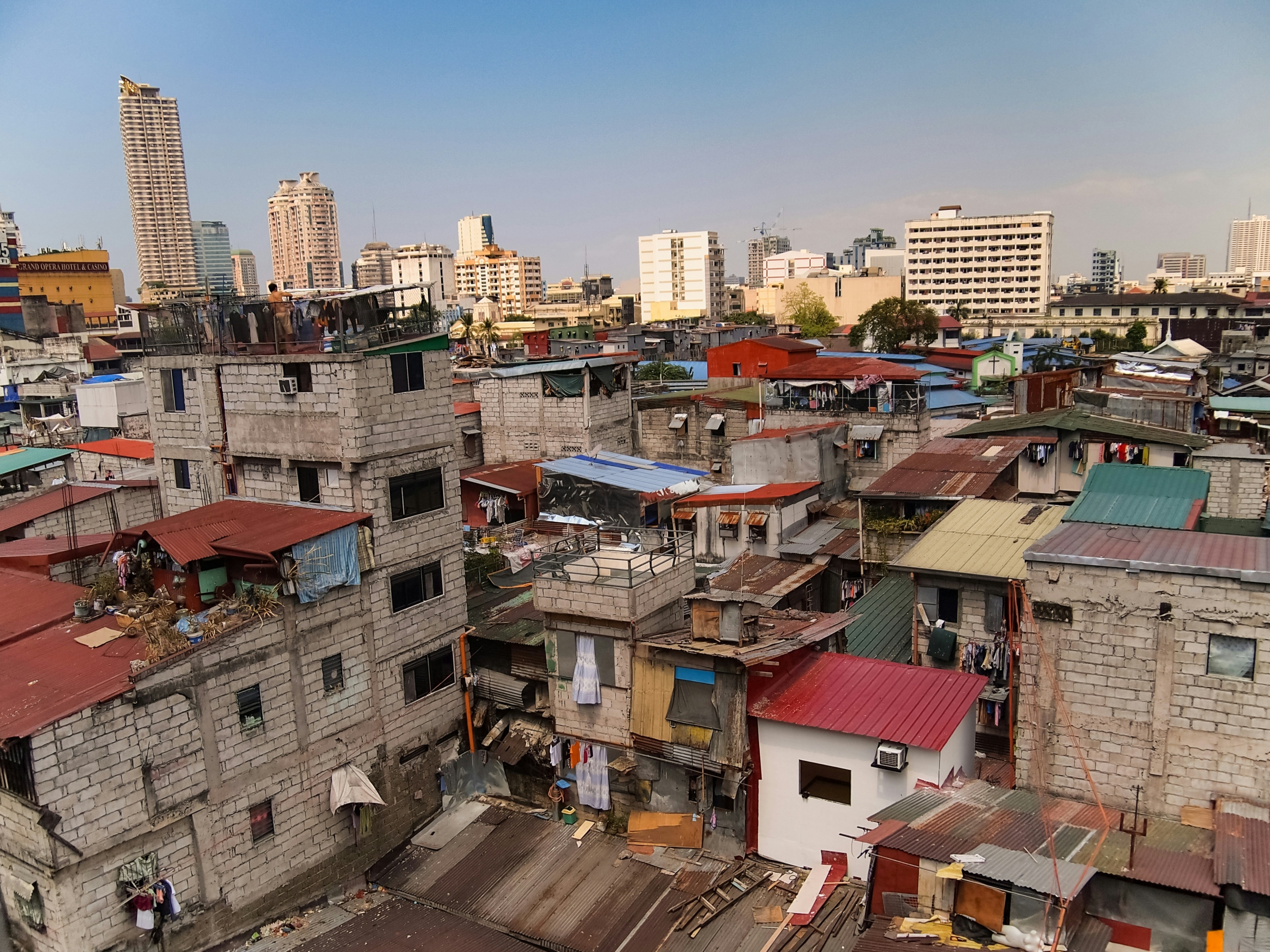
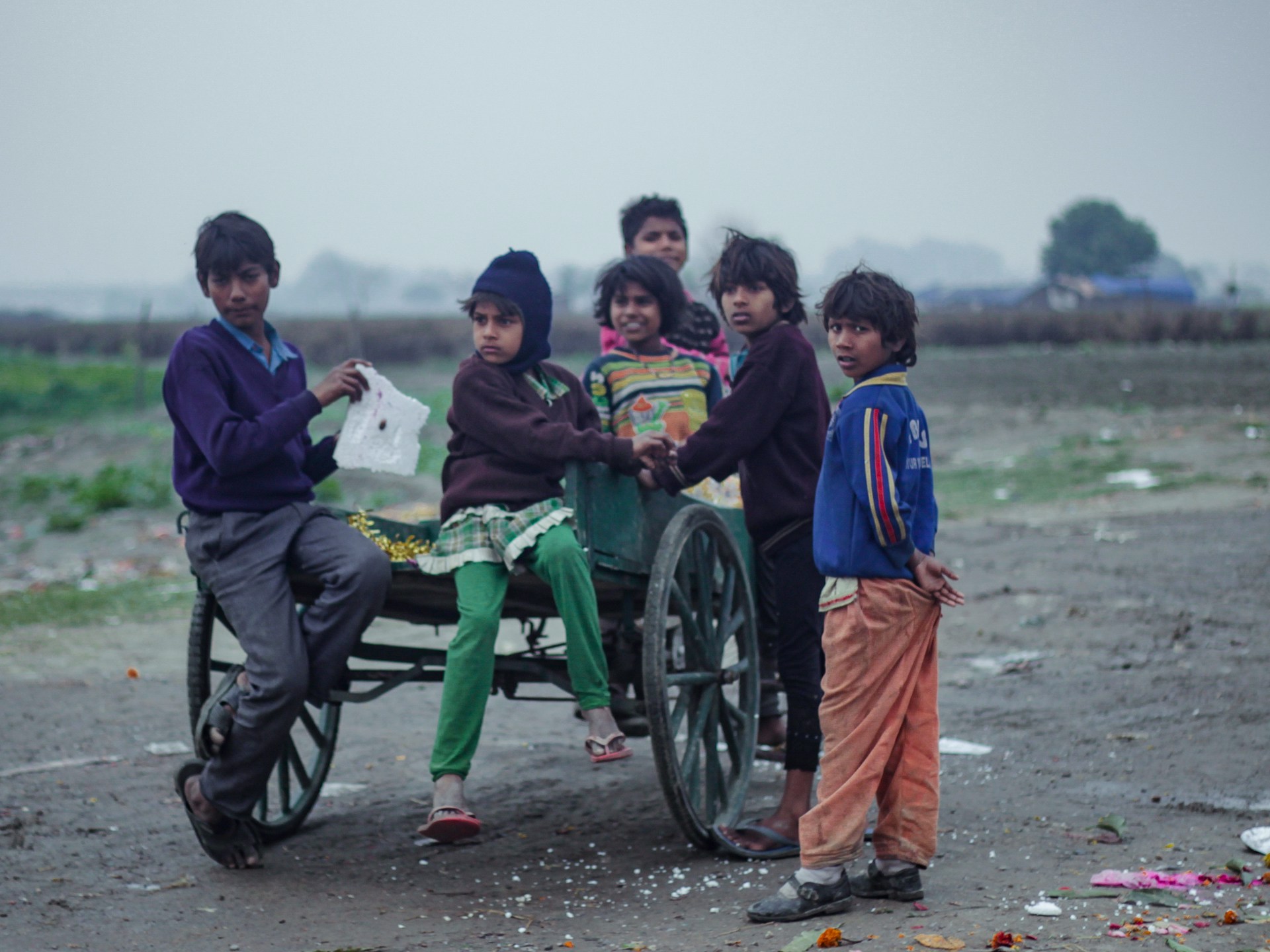
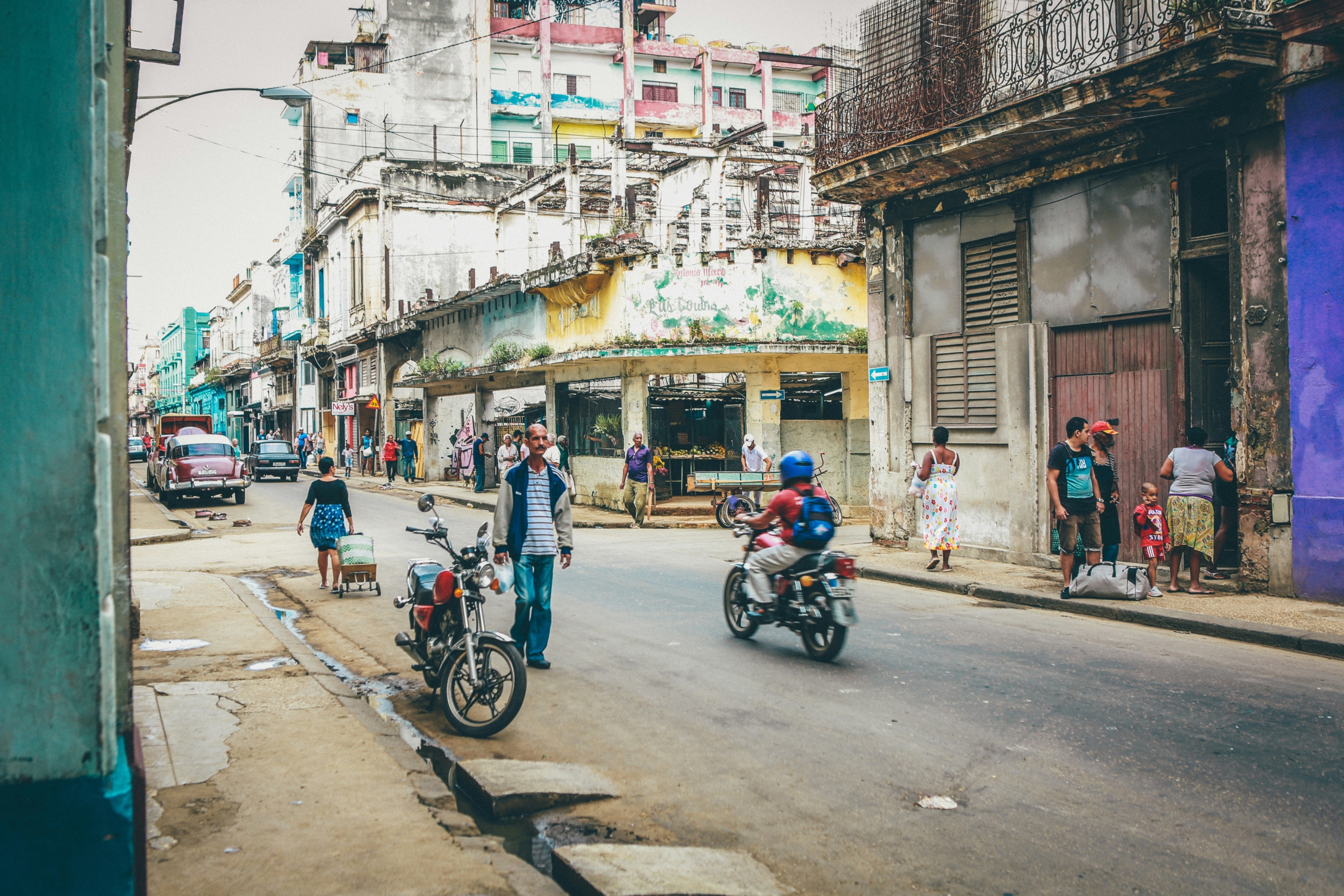
informal settlementsThe Philippines is an archipelagic country in Southeast Asia, about 500 miles off the coast of Vietnam. In 2018, almost 43% of the urban population lived in informal settlements. These slum communities endure cramped living spaces, insecure tenure and inadequate access to essential services such as water and sanitation.
President Marcos’ urban development initiative

In 2023, President Marcos launched a flagship urban development initiative. The ambitious project set out to construct six million housing units by 2028 to benefit 30 million Filipinos and generate employment opportunities. Demonstrating a commitment to collaborative efforts, the government has successfully entered into memorandums of understanding with 47 local government units to facilitate cooperation on this housing initiative. Ten months in, the Department of Human Settlement and Urban Development reported 1.2 million housing units built across the country, exceeding program targets.

Community-based development is effective

Poor urban populations that work with rather than receive aid from institutions have been successful in the Philippines. According to the World Resources Institute, one participatory housing program in Iloilo City relocated two-thirds of the population to safer areas without evictions. With the help of the local government’s community-based housing programs, 1,250 households in Iloilo could relocate to safer places. This 2022 approach became a model for programs in other parts of the Philippines and Asia.

Reliable data is lacking

About 4.5 million people are homeless or living in informal settlements in the Philippines. Three million of this population are in Metro Manila, “the capital region and largest metropolitan area of the Philippines.” Due to the consistent risk of eviction, occupants are unwilling to give information for surveys on informal settlements.

Residents do not have formal addresses and there is no consistent data collection method for recording the size of squatting communities. As a result, most statistics given are low estimates. Prominent studies highlight the lack of data on urban poverty, hindering effective policies for people experiencing poverty.

Half of the population lives in urban areas

Rural-to-urban migration patterns are rapid and driven by the need for work. In the Asia-Pacific region alone, 150,000 people migrate daily to cities. This migration is driven by economic opportunity, a lack of jobs in rural areas and the allure of a better lifestyle. Many Filipinos from rural regions relocate to urban centers like Metro Manila, Cebu City and Davao City in search of employment, education, health care and more.

Cities are only sometimes built to handle this constant influx from rural areas. Due to overcrowding in city centers, the government continues to encourage rural development. Urban migration has led to nearly 115,000 units of public housing lying empty in rural areas. Efforts to address this migration include initiatives to promote rural development, create job opportunities outside major cities and improve living conditions in rural and urban settings.

Housing affordability is key

According to the Philippines Institute for Development Studies, low-income households cannot afford housing priced at 30% of their income, while middle-income households can. Coupled with rapid urbanization, this results in a need for more affordable housing near jobs for lower-income populations.

When housing costs are too high, families may be forced to live in inadequate or unsafe conditions, compromising their health and overall quality of life. Moreover, high housing costs can lead to financial strain, limiting individuals’ ability to save, invest or spend on other essential needs. Addressing housing affordability is crucial for promoting social inclusion, reducing poverty and fostering sustainable economic development in the Philippines.

Up to 20 typhoons and 150 earthquakes each year

In addition to flooding and active volcanoes, the Philippines is highly susceptible to natural disasters. It is located along the Pacific Ring of Fire and in the path of typhoons. Coastal and low-lying areas are particularly prone. Additionally, the country’s many active volcanoes, such as Mayon and Taal, pose risks of eruptions.

Informal settlements are among the most vulnerable to natural disasters. However, nonprofits like Habitat for Humanity, Build Change and CARE Philippines are spearheading projects to replace informal settlements with typhoon-resistant housing units so that communities don’t have to spend months every year rebuilding their homes.

– Ava Johnson
Photo: Unsplash

March 6, 2024
https://borgenproject.org/wp-content/uploads/borgen-project-logo.svg 0 0 Hemant Gupta https://borgenproject.org/wp-content/uploads/borgen-project-logo.svg Hemant Gupta2024-03-06 03:00:512024-03-06 06:39:23Informal settlements and Slum Upgrading in the Philippines
Global Poverty, Poverty Eradication

Innovations in Poverty Eradication in El Salvador

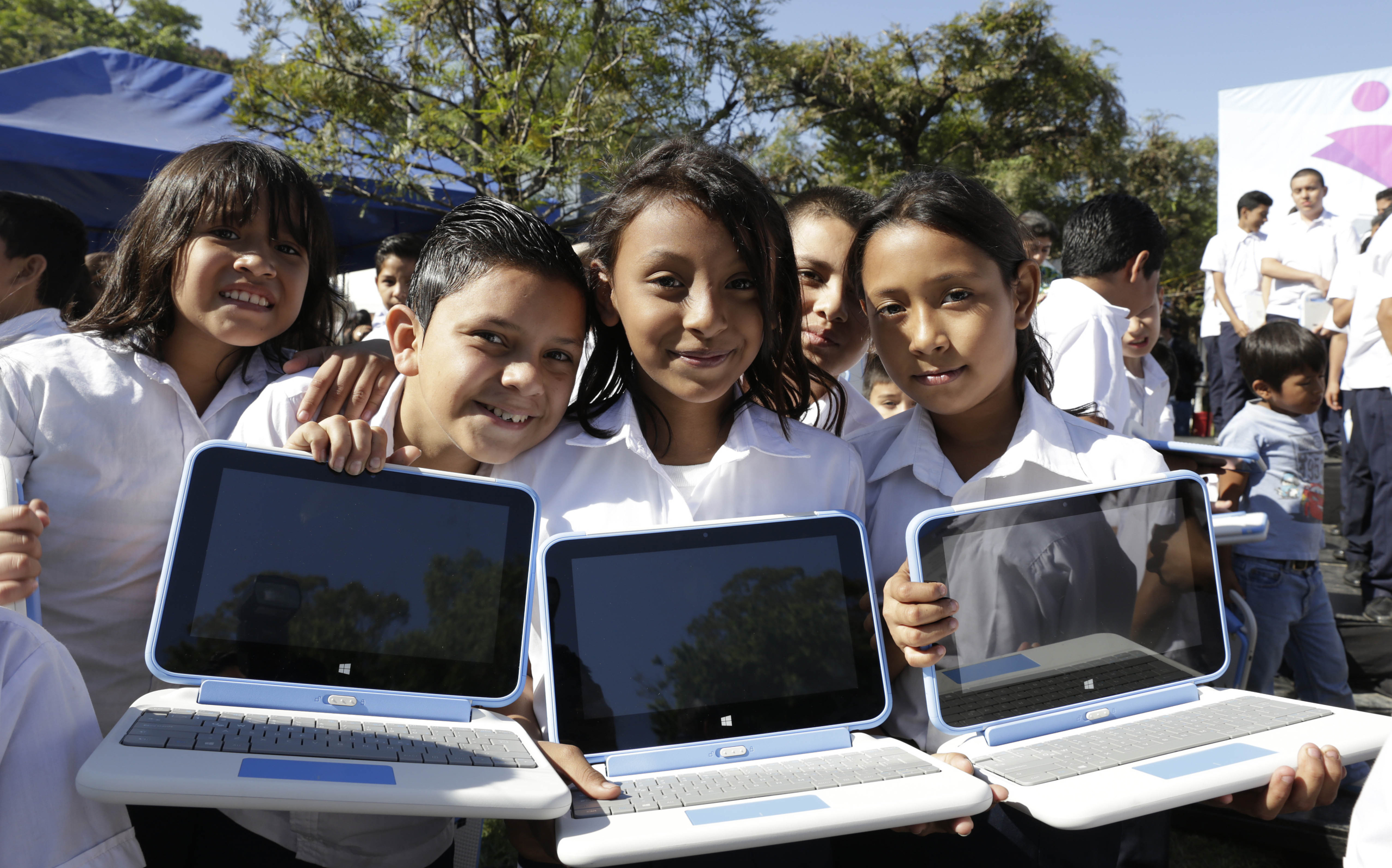
Poverty Eradication in El SalvadorCentral America’s smallest country, El Salvador, saw an increase in poverty following COVID-19’s global disruption, undoing years of progress in poverty reduction. The World Bank estimates the reversal at almost 4%. Despite this, efforts towards poverty eradication in El Salvador have recently seen economic growth with a spike of 11.2% in 2021 and a more moderate rate between 2.6% and 2.8% in the following years.
While poverty rates have not yet recovered to pre-pandemic levels, the economic growth has helped gradual progress with the most recent national rate settling at 27.5%. El Salvador made global headlines in 2021 by becoming the first and only nation to make bitcoin legal tender and presented ambitious plans surrounding the anticipated economic and commercial impacts. While progress has been slower than initially suggested, the country has still experienced economic growth and investment. This momentum has led to innovations in poverty eradication in El Salvador through digital transformation, geothermal energy and health care.

Digital Transformation

During Bitcoin’s launch as legal tender, the El Salvadoran government claimed that digital banking would improve accessibility to a larger portion of the population. Still, the adoption of digital banking has been slow, partly due to the lack of digital literacy. The government recognizes the challenges in digital literacy and produced the 2020-2030 Digital Agenda which identifies opportunities in digital transformation, particularly in innovation, education and competitiveness.

The Digital Economy for Latin America (DE4LAC) initiative is a part of the World Bank that aims to identify challenges and opportunities in the region. The initiative conducted a diagnostic in 2021 that provides further recommendations on improvement aligning with the government’s agenda. The increased focus on digital transformation received a boost in progress through Google entering an agreement with the nation in 2023. This partnership aims to drive innovation in government technology.

The public and private investments in digital transformation are continuing to create opportunities to boost the economy, create jobs and improve digital literacy as integral innovations in poverty eradication in El Salvador

Geothermal Energy

El Salvador has two geothermal energy plants that supply more than 25% of the nation’s electricity. The country’s innovation and commitment to this form of renewable energy has drawn support from the International Renewable Energy Agency (IRENA) which has provided technical guidance and funding for training facilities in the country. The state-owned company LaGeo owns both the Berlin and Ahuachapán plants and through its initiatives, it helps impoverished women by using geothermal energy to create and fuel their businesses and generate their income.

In addition to the publicly funded programs, Volcano Energy and Luxor Technology Corporation created a Bitcoin mining operation using the country’s natural resources. The 2023 agreement pledges that the companies will send 23% of their proceeds back to the El Salvadoran government. The increase in geothermal output is another example of innovations in poverty eradication in El Salvador and will make electricity more accessible to vulnerable populations, as well as elicit further financial support from the private and public sectors as the world continues to prioritize renewable energy sources.

Health Care

Health care accessibility is a challenge in El Salvador. The country achieved a major accomplishment in early 2023 as it reached 100% internet connectivity across hospitals. Overall accessibility is still an issue, but it is being addressed through the implementation of telemedicine. In September 2023, the Development Bank of Latin America and the Caribbean (CAF) provided a $77 million grant to create a telemedicine network benefiting 4 million El Salvadorans. This advancement in health care accessibility and broader investment in wellness are key innovations in poverty eradication in El Salvador.

El Salvador continues to have a large percentage of its population living in poverty, but its prioritization and investment in innovative solutions across different areas continue to create opportunities and combat the challenges facing its people.

– William Galante
Photo: Wikimedia Commons

February 28, 2024
https://borgenproject.org/wp-content/uploads/borgen-project-logo.svg 0 0 Kim Thelwell https://borgenproject.org/wp-content/uploads/borgen-project-logo.svg Kim Thelwell2024-02-28 15:00:542024-06-11 00:12:43Innovations in Poverty Eradication in El Salvador
Global Poverty, Poverty Eradication

Poverty Alleviation Coalition Took on 500,000 Households

Poverty Alleviation CoalitionThe Graduation Approach, formally referred to as the Targeting the Ultra-Poor Program, has helped almost 14 million people since its creation in 2002 by the Bangladesh Rural Advancement Committee (BRAC). The program is designed to thoroughly provide its participants with the support they need to graduate from poverty. Its original 75% success rate has led to over 100 organizations adopting the model. For instance, the Poverty Alleviation Coalition, a partnership between 18 organizations, has used the Graduation Approach in their five-year objective to graduate 500,000 households out of poverty.

Build up to the Coalition

Through the 2010s, an increase in refugees and depleting support structures lead to the 76% statistic of refugees living in developing countries. This pressing cause culminated in a unanimous United Nations Global Assembly support for the New York Declaration for Refugees and Migrants. The declaration expressed support and the need for the protection of refugees while addressing the necessity of support for the countries housing them, as encompassed in the Comprehensive Refugee Response Framework.

This framework was based on four objectives: 

  1. Easing the pressures on host countries and communities,
  2. Enhancing refugee self-reliance
  3. Expanding third-country solutions 
  4. Supporting conditions in countries of origin for return in safety and dignity.

As a result, the Global Compact on Refugees was formed on December 17, 2018, by the United Nations High Commissioner for Refugees (UNHCR). It outlined how international collaboration was the only route to an equitable and sustainable solution to refugee situations.

The Formation

The Poverty Alleviation Coalition was formed in July 2019 by the UNHCR and the World Bank Partnership for Economic Inclusion as a vector to support the Global Compact on Refugees. Along with several implementation partner organizations, such as BRAC, research partner Innovations for Poverty Action and many donors, the coalition uses the best of each member to combine technical, physical, political and financial support in their plan.

Regarding the specifics of the Poverty Alleviation Coalition’s goal, the group circled back to the Graduation Approach method in the hopes of graduating 500,000 refugee households out of poverty from 2020 to 2025. The organizations outlined 35 countries across Africa, Asia, Europe, the Middle East and Latin America and calculated the need for $1,400 per household, totaling $700 million over five years.

Progress by 2024

As the COVID-19 pandemic rose through the Poverty Alleviation Coalition’s launch, particularly affecting participant’s ability to find jobs, a significant step in the Graduation Approach. Yet, the Coalition triumphed. Different projects have been launched, such as with the organization World Vision Rwanda, which was able to attain grants to aid 5,000 households on their graduation from poverty.

As of July 2023, the Coalition has aided about 111,000 refugee households by securing $250 million. Even with about two years left to go, the Poverty Alleviation Coalition has demonstrated that by pooling together the assets of various organizations, ending global poverty is readily within humanity’s reach.

– Aria Desai
Photo: Unsplash

February 20, 2024
https://borgenproject.org/wp-content/uploads/borgen-project-logo.svg 0 0 Hemant Gupta https://borgenproject.org/wp-content/uploads/borgen-project-logo.svg Hemant Gupta2024-02-20 01:30:132024-02-19 04:27:40Poverty Alleviation Coalition Took on 500,000 Households
Global Poverty, Poverty Eradication

Poverty Innovations in Zambia

Poverty InnovationsZambia, a landlocked, sparsely populated country, defines “the poor” as members of society who cannot afford basic human needs based on their entire income and, therefore, experience consequences such as food insecurity. There have been several innovations in eradicating this poverty in recent years.

The Zambia Agribusiness and Trade Project (ZATP)

ZATP is an initiative with a focus on enhancing Zambia’s economy. This project provides financial aid through grants and business development services to make the country’s small-scale agriculture more competitive. It also aims to encourage partnerships between farmers and buyers. This allows smallholder farmers to have access to much larger markets. As of September 2023, the project has supported 98,000 beneficiaries directly, thus helping to eradicate poverty.

Availability of Safe Water and Sanitation

Out of Zambia’s population (19.6 million), 32% lack access to basic water services and 53% lack access to basic sanitation services. Hence, the United States Agency for International Development (USAID) investments aim to improve access to safe water, sanitation and hygiene. This is part of an initiative called “The First 1,000 Most Critical Days Program”, referring to the first 1,000 days of life after birth, where access to water and sanitation is most vital for physical and mental development. USAID supports the research of this project, providing financial aid to water supply and sanitation companies to improve the efficiency of their delivery and the extent of their reach as an initiative towards poverty eradication in Zambia.

Benefitting Girls and Women

The Girls’ Education and Women’s Empowerment and Livelihoods Project (GEWEL) promotes societal inclusion for women. It has received trust fund grants from Irish Aid, the U.K.’s Foreign, Common and Development Office and the Swedish International Development Cooperation Agency. The second phase of the project runs from 2020 to 2024 and has, thus far, benefitted 75,000 women in 51 Zambian districts, providing them with life and business skills as well as a cash grant. Additionally, GEWEL will expand bursary coverage from 14,000 girls in 27 districts to 43,000 girls in 39 districts to provide girls with access to secondary education, helping to set up the future of Zambia’s fight against poverty.

Household Energy Usage

The Zambian government, with the aid of the World Bank, introduced initiatives to improve access to electricity across the nation. The Electricity Service Access Project (ESAP) has been active since June 2018 and has been operational since June 2018 and is slated to continue for five years. The ESAP aims to benefit 22,000 low-income households and 1,000 rural Small Enterprises by subsidizing the cost of grid connection. As of January 10, 2022, the ESAP successfully connected 40,346 beneficiaries, helping to aid poverty innovations.

The Power Africa project, funded by USAID, increases access to clean energy sources in rural areas. Zambia often experiences national power blackouts because 85% of electricity comes from hydropower, which is often impacted by droughts and flooding. As a result, the Government of Zambia has set a goal of universal electricity access for all Zambians by 2030. Therefore, Power Africa encourages investment in other energy sectors, for instance, solar energy use in health clinics. This initiative has aided the development of 208 megawatts of electricity generation projects in the nation.

Health Care

The Southern Africa Tuberculosis and Health System Support Project was established as a regional center to help those suffering from occupational lung diseases. The project supports laboratories in meeting regional procedure standards, thereby improving the efficiency of monitoring Multi-Drug Resistant Tuberculosis. The project also gives case notifications, which have been particularly vital in recent years, when tuberculosis case notifications rose from 27,700 to 29,700 per year (2021) in targeted geographical locations.

Zambia’s poverty innovations have also focused on eradicating undernutrition, which is responsible for 20% of maternal deaths and 45% of child deaths. With support from USAID, the 1,000 Most Critical Days Project aims to advocate the importance of good nutrition and integrate food security and economic growth into all community activities. This program has made vital progress in health and nutrition, as well as supporting the production and consumption of food, which provides nutrition in all of the 42 districts of Zambia.

– Eva McMonigle
Photo: Flickr

February 11, 2024
https://borgenproject.org/wp-content/uploads/borgen-project-logo.svg 0 0 Hemant Gupta https://borgenproject.org/wp-content/uploads/borgen-project-logo.svg Hemant Gupta2024-02-11 07:30:462026-04-16 10:06:18Poverty Innovations in Zambia
Global Poverty, Poverty Eradication

2 Streaming Platforms Aiding the Global Poverty Crisis

Streaming PlatformsTelevision is a cherished modern-day global phenomenon. There is nothing like watching the next episode of a show lounging on a comfy recliner coach on a Friday evening. Whether it is Netflix, Prime Video, Hulu, Disney Plus or even AppleTV, these streaming platforms provide engaging entertainment.

However, apart from the entertainment prowess, these streaming platforms also make a major difference in global issues. These platforms have collaborated with nonprofits, charities and other organizations, as well as established vigorous company guidelines to aid in downsizing the world’s most formidable challenges. Among all these global issues, poverty has been a critical focus. Below are two streaming platforms that have made various prolific efforts against poverty.

Netflix

Netflix, the top streaming platform, prioritizes poverty awareness. Through its Employee Giving Program, it doubles employee donations to global charities, reinforcing its commitment to address and alleviate social issues. Additionally, in 2022, Netflix implemented a policy allowing employees to donate time by volunteering. As a result, Netflix donated a total of $34 million to more than 5,000 charities across the globe.

Disney Plus

Disney+, under The Walt Disney Company, contributes to the global poverty crisis. Investing in the Wildlife Conservation Society, Disney supports Cambodia’s Keo Seima forest, preserving cultural heritage for 2,500 Bunong households, ensuring access to essentials and improving water quality for more than 4,000 residents.

In 2020-2021, Disney provided funding to the FIRST initiative that helped the STEM program provide education to 318,000 underrepresented students globally. Additionally, its 2021 First Book donation program distributed 4.5 million books to children facing poverty. Disney’s commitment to energy efficiency is evident through initiatives like the Castaway Cay solar array, powering 70% of the island and Hong Kong Disneyland, the city’s largest solar panel site with more than 5,000 panels. Disney Parks’ $24 million investment in renewable energy over the last 15 years is also an example of the Group’s commitment to making energy more affordable and sustainable.

Disney and UNICEF

Nevertheless, Disney’s greatest impact on poverty lies in its perennial partnership with the United Nations International Children’s Emergency Fund (UNICEF). The partnership, which was formalized in 1990, is dedicated to creating a brighter future for underprivileged children worldwide. Over the years, Disney and UNICEF have successfully planned and executed many projects in light of this cause.

In 2014, these groups partnered with Entertainment and Sports Programming Network (ESPN) Brazil and Instituto Esporte and Educação (IEE) to support the Sports Caravan program in Brazil. This program allows underprivileged children and adolescents to get access to education and sports through the aid of coaches, athletes and local institutes/organizations. Disney donated more than $1.9 million over three years for 15 Brazilian communities to operate this program. Further, collaborative initiatives in countries like Vietnam, Bangladesh, Haiti and Mexico demonstrate Disney and UNICEF’s shared mission in uplifting impoverished children globally.

Join the Fight

Disney Plus and Netflix, along with other streaming platforms, go beyond entertainment. They are organizations with a mission to address global issues like poverty. While these companies alone cannot eliminate poverty, with the support of more parties, there is hope for achieving more progress.

– Sai Sidharth Kanyaboena
Photo: Unsplash

January 26, 2024
https://borgenproject.org/wp-content/uploads/borgen-project-logo.svg 0 0 Lynsey Alexander https://borgenproject.org/wp-content/uploads/borgen-project-logo.svg Lynsey Alexander2024-01-26 01:30:342024-01-26 04:02:202 Streaming Platforms Aiding the Global Poverty Crisis
Global Poverty, Poverty Eradication

3 Solutions for Ending Poverty in Somalia

Poverty in SomaliaThe cycle of poverty in Somalia has become an exceedingly difficult situation to escape and continues to affect future generations. Children make up nearly half of its entire population and 73% of children under 14 live in poverty. This becomes even harder to escape because of the lack of resources for children, such as education, sanitation, clean water, nutrition and even shelter.

Internally Displaced Persons Camps

Many children are forced to live in IDP (Internally Displaced Persons) camps, where poverty in Somalia is the most extreme. Nearly 80% of children in these areas are forced to live deprived of at least one necessary resource, such as education, sanitation or water. According to UNICEF, “water and sanitation conditions can also have a deep impact on health and productivity, and thus in income generation opportunities and future poverty status.” In these camps, less than half of the children can’t even drink water from pipes and must rely on finding other sources of water, which they are unlikely to treat before consuming. 

Shelter is also an issue in IDP camps, where half of the population lives with tin roofs, wood or dirt floors and walls made of plastic sheets. Multidimensional poverty in Somalia affects nearly 90% of these citizens, where the extreme need for education and access to water, sanitation and electricity hinders growth or progress. 

This area is also highly susceptible to natural disasters, including droughts, which decimate crops, livestock and water sources. People must leave their homes in search of lifesaving resources but are being pushed into famine by the widespread food scarcity. Droughts between 2015 and 2017 left 20% of the population vulnerable to food insecurity. According to a 2019 Somalia Poverty and Vulnerability Assessment, the poverty level hovered at 69% and 74% in areas of displaced citizens. 

Improvements

Solutions toward ending poverty in Somalia exist and are being implemented by the Somalian government. The first solution is reallocating resource budgets to increase health and education funding. With support from UNICEF, the government is putting social protection systems in place to address inaccessibility. Social sectors that benefit children received 8% of Somalia’s budget in 2019 and increased the education budget from 2 to 5%. They also doubled the health budget from 1 to 2%. While this is far below the national average, UNICEF and international finance institutions are working to increase Somalia’s ability to spend money on these essential social sectors that provide a necessary future for its citizens.

Another solution is the Social Protection Program, which was enacted in 2019. According to the World Bank, “social protection can address poverty and inequality across the country by providing poor and vulnerable households with support and access to socioeconomic opportunities.” Putting in place national social safety nets provides critical assistance to those who need it most. This Social Protection Program spurned a government-led safety net called Baxnaano, which allows the government to protect human capital and support fulfilling basic needs. Two-hundred thousand poor households, about 1.2 million people, have benefitted from nutrient-linked cash transfers, which allow them to supplement their diets with foods that have not been affected by extreme climate conditions. 

Finally, the “Education Cannot Wait” program is a crucial solution to helping Somalia escape the cycle of poverty. This program sees quality education for children and adults as the key to improving life for future generations. Almost half of the children in Somalia do not attend school due to having to help work at home, lack of teachers, illnesses and general lack of resources. With this program, however, families are given school supplies in addition to supplementary foods and safe drinking water. Partners in this program also provide incentives for teachers to give children a more significant opportunity for enrollment and rehabilitate classrooms. Eighteen thousand children have had access to education since 2019.

Looking Forward

Education is one key opportunity for enhancing accessibility to other necessary resources, but it is not the only way poverty in Somalia can be lessened. Assistance from organizations like UNICEF is helping Somalia take charge of the cycle of poverty by allowing citizens to receive essential, lifesaving resources as simple as clean water to help elevate them and educate them about how to better their futures. Future generations do not have to be swept up in this cycle as long as people are being educated and passing the information along to their children, as they control the future of their country.

– Jennifer Arias
Photo: Unsplash

November 10, 2023
https://borgenproject.org/wp-content/uploads/borgen-project-logo.svg 0 0 Yuki https://borgenproject.org/wp-content/uploads/borgen-project-logo.svg Yuki2023-11-10 03:00:172023-11-10 03:26:243 Solutions for Ending Poverty in Somalia
Global Poverty, Poverty Eradication

How Tony’s Chocolonely Is Reducing World Poverty

Tony’s ChocolonelyThe two biggest cocoa producers in 2022 were Côte d’Ivoire (Ivory Coast) and Ghana with 2.2 million tonnes and 800,000 tonnes respectively. To yield this impressive quantity of cocoa, the Ivory Coast and Ghana employ a significant portion of their population in agricultural work. In the Ivory Coast, more than 48% of its population in 2017 were employed in the agriculture sector. Meanwhile, in Ghana, an estimated 7.3 million people either owned a farm or operated a farm in 2020. The sheer importance of agriculture makes cocoa a crucial export commodity for the economies of the Ivory Coast and Ghana. These countries are also frequent production locations for many chocolate and coca-based multinational companies. 

One such company is Tony’s Chocolonely, a Dutch confectionery corporation. However, Tony’s Chocolonely differs in one important aspect. The company firmly believes that the profit-centric approach of the cocoa industry is the root cause of poverty and child labor in countries similar to the Ivory Coast. In a 2020 survey conducted by the company in Ghana and the Ivory Coast, 27.2% of farmers in Ghana and 44.9% of farmers in the Ivory Coast were considered to be poor by MPI (multidimensional poverty index) standards. Furthermore, in 2021, many West African farmers were further driven into poverty as cocoa prices fell a drastic 18.5%. To combat increasing poverty rates, the company has taken the initiative to support local farmers and has presented several outlets to escape the shackles of poverty. 

Tony’s Chocolonely’s Efforts

One of the company’s most effective strategies to reduce poverty has been through increased market prices. Specifically, Tony’s Chocolonely adheres to the Fairtrade Premium, an extra sum of money farmers can receive to improve their quality of life, and even maintains their own “Tony’s Premium.” By paying a premium price for cocoa, Tony’s Chocolonely has effectively protected local farmers. For example, in 2022, the cost of living in the Ivory Coast jumped 14% and threatened the livelihood of thousands of farmers. 

Fortunately, because Tony’s Chocolonely supports the Living Income Reference Price (LIRP) of the Fairtrade Premium, the price per ton of cocoa increased from $2200 to $2390. Additionally, the Tony’s Premium in the Ivory Coast rose significantly from $792 to $1096. The inflated market prices have enabled poor farmers to afford primary health care, educate their children and provide nutritional meals for their families. 

The second strategy Tony’s Chocolonely implements to decrease poverty is lowering child and forced labor rates. Unfortunately, in Ghana and the Ivory Coast, more than 2 million children are unethically employed to produce cocoa beans. An additional 30,000 people, confirmed by the 2018 Global Slavery Index study, were forced into the cocoa industry. Despite industry practices, Tony’s Chocolonely has made it its mission to create 100% exploitation-free chocolate. In Western African communities that Tony’s Chocolonely works with, child labor has declined to approximately 4.4%. This percentage of child labor is much lower compared to the industry standard of 46.5%. As fewer children are illegally employed, more children will have time for education, which can present them with greater opportunities to escape poverty. At the same time, ending child labor and forced labor can also improve the quality of work in the cocoa industry, thereby maximizing productivity. 

These strategies have outlined the emergence of Tony’s Chocolonely as a pioneer in reducing poverty within the cocoa industry. 

What’s Next?

As Tony’s Chocolonely grows as a major confectionery company, its vision to end poverty continues to benefit many West African communities. Tony’s Chocolonely serves as a paramount example for other companies, displaying how it’s possible to generate substantial profits while still protecting its workers from poverty. While there is still a lot of progress left to desire in the cocoa industry, Tony’s Chocolonely has proven that corporations can fight poverty.

– Manav Yarlagadda
Photo: Flickr

November 6, 2023
https://borgenproject.org/wp-content/uploads/borgen-project-logo.svg 0 0 Lynsey Alexander https://borgenproject.org/wp-content/uploads/borgen-project-logo.svg Lynsey Alexander2023-11-06 03:00:232023-11-05 23:30:34How Tony’s Chocolonely Is Reducing World Poverty
Global Poverty, Poverty Eradication

Being Poor in Kazakhstan

Being Poor in Kazakhstan
While many may associate Kazakhstan with “Borat,” the country could not be further from the way the film presents it or from Sacha Baron Cohen’s depiction of a citizen of the young nation that is Central Asia’s largest country – spanning a distance equivalent to London to Istanbul. While poverty may often go overlooked in the country, as it stands tall – the wealthiest nation in the region with a booming economy, many Kazakh families struggle with access to necessities and 15.5% of residents live below the poverty line. Here is an examination of being poor in Kazakhstan.

Kazakhstan’s Social Security System

In Kazakhstan, the government program Target Social Assistance (TSA) is the main line of defense in aiding to lift people out of poverty. However, residents still struggle to navigate life with the social security program, as it only covers a portion of families’ basic needs.

The lack of sufficient support that the social security program of Kazakhstan provides raises concern as Article 9 of the United Nations “International Covenant on Economic, Social and Cultural Rights” recognizes social security as a right everyone should have. Article 22 of the United Nations’ Universal Declaration of Human Rights mirrors Article 9 of the “International Covenant on Economic, Social and Cultural Rights,” stating that everyone has a right to Social Security.

The Director of the Europe & Central Asia Division of the Human Rights Watch, Hugh Williamson, reflects on Kazakhstan’s Target Social Assistance program: “A relatively prosperous country such as Kazakhstan should be able to step up and meet its human rights obligations to ensure that everyone has access to social security that offers an adequate standard of living.”

Alternative Government Assistance

While Kazakhstan’s social security program might not be able to meet the people’s needs, alternative government assistance presents itself as loan forgiveness. President Kassym-Jomart Tokayev has also started loan forgiveness for over “3 of 18 million.”

Aside from the Kazakh government’s support, NGOs like Niyet, established in 2017, provide increased support for children who face various challenges with being poor in Kazakhstan whether it be that they are orphans or they meet the poverty threshold by raising funds to provide financial assistance. These funds are redistributed in the form of a certificate that may be used to buy basic necessities including food and other items that children may make use of. Over a three-year period, Niyet has raised 406 Million Kazakh Tenge.

Outlook

This action from Kazakhstan’s President, along with Kazakhstan’s involvement in China’s Belt and Road Initiative (BRI), the World Bank Reports, is projected to increase the country’s GDP, though recognizes that the impact of the GDP growth won’t affect all regions to the same extent, which will still leave inquiry across the country.

Additionally, in a different report, the World Bank projects that Kazakhstan is to undergo “moderate growth” with an increase in GDP in 2024 of 4%. However, the projections face risk due to the conflict in Ukraine and Russia lying as the gatekeeper between Kazakhstan and the West.

While poverty is still a serious and pressing issue that Kazakhstan must navigate, Kazakhstan’s economic activities will continue to improve and benefit the country.

– Noah Marshall
Photo: Flickr

October 28, 2023
https://borgenproject.org/wp-content/uploads/borgen-project-logo.svg 0 0 Yuki https://borgenproject.org/wp-content/uploads/borgen-project-logo.svg Yuki2023-10-28 07:30:282024-06-11 00:17:57Being Poor in Kazakhstan
Page 3 of 10‹12345›»

Get Smarter

  • Global Poverty 101
  • Global Poverty… The Good News
  • Global Poverty & U.S. Jobs
  • Global Poverty and National Security
  • Innovative Solutions to Poverty
  • Global Poverty & Aid FAQ’s
Search Search

Take Action

  • Call Congress
  • Email Congress
  • Donate
  • 30 Ways to Help
  • Volunteer Ops
  • Internships
  • Courses & Certificates
  • The Podcast
Borgen Project

“The Borgen Project is an incredible nonprofit organization that is addressing poverty and hunger and working towards ending them.”

-The Huffington Post

Inside The Borgen Project

  • Contact
  • About
  • Financials
  • President
  • Board of Directors
  • Board of Advisors

International Links

  • UK Email Parliament
  • UK Donate
  • Canada Email Parliament

Get Smarter

  • Global Poverty 101
  • Global Poverty… The Good News
  • Global Poverty & U.S. Jobs
  • Global Poverty and National Security
  • Innovative Solutions to Poverty
  • Global Poverty & Aid FAQ’s

Ways to Help

  • Call Congress
  • Email Congress
  • Donate
  • 30 Ways to Help
  • Volunteer Ops
  • Internships
  • Courses & Certificates
  • The Podcast
Scroll to top Scroll to top Scroll to top