• Link to X
  • Link to Facebook
  • Link to Instagram
  • Link to TikTok
  • Link to Youtube
  • About
    • About Us
      • President
      • Board of Directors
      • Board of Advisors
      • Financials
      • Our Methodology
      • Success Tracker
      • Contact
  • Act Now
    • 30 Ways to Help
      • Email Congress
      • Call Congress
      • Volunteer
      • Courses & Certificates
      • Be a Donor
    • Internships
      • In-Office Internships
      • Remote Internships
    • Legislation
      • Politics 101
  • The Blog
  • The Podcast
  • Magazine
  • Donate
  • Click to open the search input field Click to open the search input field Search
  • Menu Menu

Archive for category: Migration

Global Poverty, Humanitarian Aid, Migration

Migration to Côte d’Ivoire

Migration to Côte d'IvoireTo many people’s surprise, migration in Africa generally consists of people staying within the continent, opting to move across regions instead of across oceans. Located on the Western coast of Africa, Côte d’Ivoire has long been a popular destination for migrants with its lush rainforests and urban center, attracting large groups of people throughout history for various reasons. When looking at the reasons why people are migrating to Côte d’Ivoire today, poverty has become a central factor behind migration to Côte d’Ivoire.

Historically 

Côte d’Ivoire was a French Colony until 1960, when the country gained independence and joined the United Nations (UN) in the same year. Since its independence, the country has experienced periods of political instability, however, despite its challenges the country remains resilient, fostering a strong sense of national identity that continually makes it an attractive destination for migrants in Western Africa.

Since gaining independence, Côte d’Ivoire experienced an economic boom encouraging migrants to come from the sub-region, representing the first migration country in the region. This allowed migrants to come in and contribute to the labor force, helping fuel the economic boom. 

Côte d’Ivoire is the main migration destination in West Africa and is the second most popular destination on the continent after South Africa, with the country taking in roughly 2.5 million migrants annually constituting just under 10% of their population. Looking more closely at where migrants are coming from, about 90% of migrants coming into Côte d’Ivoire are nationals of the Economic Community of West African States (ECOWAS), with the majority of them coming from Burkina Faso.

Why Côte d’Ivoire?

There are numerous reasons why people migrate to Côte d’Ivoire with the most popular being economical with the country offering better business and job opportunities as well as better education for children. 

There is a predominance of immigrants from Burkina Faso, when looking at migration to Côte d’Ivoire. Burkina Faso shares their southern border with Côte d’Ivoire and the country is currently facing a humanitarian crisis with more than 2 million internally displaced people, causing them to flee to neighboring countries, primarily Côte d’Ivoire. The situation in Burkina Faso has left large groups of people impoverished and without access to basic services, leading them to migrate south in search of better opportunities.

Migration to Côte d’Ivoire is not perfect as the country has experienced periods of instability. The country, however, works with numerous branches of the U.N. so that their ability to keep their borders open is not impacted. The number of refugees and asylum seekers from nearby regions has steadily increased since 2022, reaching just more than 55,000 in 2024, causing them to rely more heavily on support from international organizations.

Managing Migration

International Organizations have become a key factor in helping Côte d’Ivoire strengthen their infrastructure so that they can maintain their open borders as well as provide a smooth transition for immigrants coming in, as well as people returning to the country. Examples include the U.N. High Commissioner for Refugees (UNHCR), which focuses on strengthening protection for migrants when the enter the country, U.N. Development Programme (UNDP), who works to keep migrant children in schools while also working with Côte d’Ivoire’s government in overseeing projects that work within sustainable development goals (SDGs). Lastly the World Food Programme (WFP) helps provide school meals for kids throughout the year.

Since the country became a member of the International Organization for Migration (IOM) in 2000, which is a branch of the UN, it has helped manage migration flows into the country as well as protecting the dignity of migrants once inside the country. It does this by helping the government with projects aimed at the intersection of migration and development, counter-trafficking, reintegration measures and support for migrants.

The IOM focuses mainly on border management, working with migrants as they come into the country. These efforts include providing migrants the necessary information for them on safe and secure migration paths as they enter the country. It does work with the communities at the border in order to strengthen their capacity to support migrants as they come in, by developing programs aimed at peacebuilding, counter-trafficking and managing natural resources.

Looking Ahead

Côte d’Ivoire has become the most popular destination in Western Africa, taking in millions of migrants annually due to its attractive, growing economy, with most of the migrants to Côte d’Ivoire coming from neighboring countries like Burkina Faso. This is due to Burkina Faso experiencing a major refugee crisis, causing Burkinabe migrants to flee south in order to escape poverty. Due to the large number of migrants coming into Côte d’Ivoire, the country has relied on the help of international organizations, largely backed by the U.N., to help support the flow of people into the country, in order to create better conditions for migrants to help get them out of poverty.

– Olivia Peters

Olivia is based in Newport, RI, USA and focuses on Politics for The Borgen Project.

Photo: Unsplash

July 12, 2025
https://borgenproject.org/wp-content/uploads/borgen-project-logo.svg 0 0 Jennifer Philipp https://borgenproject.org/wp-content/uploads/borgen-project-logo.svg Jennifer Philipp2025-07-12 03:00:042025-07-11 11:47:27Migration to Côte d’Ivoire
Economy, Global Poverty, Migration

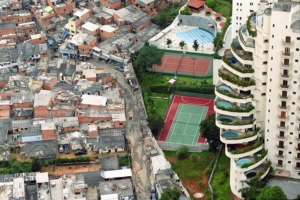
The Divide Between Wealth and Poverty in Abuja

poverty in abujaNigeria, Africa’s most populous nation, has one of the youngest populations in the world, with more than 50% of its citizens aged less than 30. However, survival is a daily struggle for the majority due to limited opportunities and weak job creation. Nigeria’s social and economic situations have made migration attractive to the youth, with more than 3.6 million Nigerians leaving the country between 2022 and 2023.

Similarly, internal migration has become a growing trend in Nigeria, as those without the means to move abroad relocate to urban centers in pursuit of greener pastures. According to the United Nations (U.N.), approximately 49% of Nigerians now live in urban areas compared to 16% in 1960, highlighting the significant shift toward urbanization over the decades.

Internal Migration to Abuja

With terrorism, banditry and kidnappings in the north, along with separatist agitations in the southeast, internal migration to Abuja has been on the rise, especially among those who prefer it over Lagos. Abuja, Nigeria’s capital, is often seen as a city of wealth and opportunity. Skyscrapers, luxury estates and high-end shopping malls paint a picture of prosperity. However, beyond this facade lies a harsh reality for many residents. While the city continues to grow economically, this growth benefits only a small fraction of the population.

Poverty in Abuja

For the majority, poverty in Abuja is a daily struggle. Following a change in administration in 2023, Nigeria’s government removed fuel subsidies and floated the currency, increasing the nation’s inflation rate to more than 30% in September 2024. The government announced a new minimum wage of $43 per month in July 2024 to ease the financial burden on its citizens. However, it has yet to be implemented for primary school teachers and nurses in the Federal Capital Territory (FCT).

Consequently, more than 50% of people living in Abuja experience poverty, according to the Global Data Lab. Low-income earners, including cleaners and security guards, are the most vulnerable. Housing costs are exorbitant, with rents for studio apartments in Abuja ranging from $1,000 to more than $1,300 per year. Meanwhile, the average Nigerian employee earns less than $1,000 annually, forcing many into overcrowded slums or makeshift housing.

Despite Abuja’s reputation as a thriving metropolis, its wealth remains concentrated in the hands of a few, leaving the rest to struggle to make ends meet.

No Middle Ground

Abuja’s wealth gap is striking. In upscale areas like Asokoro and Maitama, luxury cars ply smooth roads, while nearby communities like Mpape and Dakibiyu struggle with poor infrastructure, scarce clean water and unreliable electricity. This stark contrast reflects the deep economic divide, where prosperity is concentrated among the few while many struggle to make ends meet.

The wealthiest 20% of Nigerians control 42% of the national income, while the most impoverished 20% share a mere 7%. This imbalance suggests that economic opportunities are disproportionately accessible to the affluent, leaving a significant portion of the population struggling to ascend the economic ladder.

Increased inflation has reduced purchasing power, making necessities harder to afford. The financial strain has sparked public outcry, with protests in major cities, including Abuja, as citizens demand relief from soaring living costs.

Can Change Come?

The Federal Government of Nigeria has implemented several economic reforms, including devaluing the Naira to stabilize the economy. However, these measures have also contributed to increased living costs, prompting debates about their efficacy and impact on the vulnerable population, especially those in the informal sector.

Therefore, nongovernmental organizations (NGOs) like Oxfam have highlighted the urgency of implementing progressive taxation and increasing social investments to bridge the widening economic divide. In pursuit of this goal, Oxfam actively works to enhance livelihoods, promote gender equality, strengthen governance and deliver humanitarian aid, all while creating sustainable economic opportunities for vulnerable populations.

Another NGO, the Ambience of Hope Exceptional Foundation, launched Operation Feed Abuja Municipal Area Council in December 2023, targeting vulnerable people in the city. The foundation distributed food items, sewing machines, generators, wheelbarrows, hair dryers, grinding machines, and more to uplift residents. Similarly, in 2024, the World Bank committed $12.2 billion to Nigeria’s economy to drive diversified growth, job creation and social inclusion, focusing on youth, women and marginalized communities.

Conclusion

While Abuja stands as a symbol of Nigeria’s aspirations and growth, it also embodies the profound challenges of economic inequality. Observing the city’s dual realities underscores the pressing need for policies that foster inclusive growth, ensuring that prosperity is accessible to all residents, reducing poverty in Abuja.

– Staff Reports
Photo: Flickr

June 27, 2025
https://borgenproject.org/wp-content/uploads/borgen-project-logo.svg 0 0 Lynsey 2 https://borgenproject.org/wp-content/uploads/borgen-project-logo.svg Lynsey 22025-06-27 07:30:092025-06-27 02:30:57The Divide Between Wealth and Poverty in Abuja
Global Poverty, Migration, Refugees

Migrant Communities in Portugal: Gentrification and Deportation

Migrant Communities in PortugalGentrification in traditionally working-class neighborhoods in cities like Lisbon, Portugal, is increasing house prices. At the same time, the government’s recent plans to deport thousands of migrants are raising concerns. Together, these changes threaten multiethnic neighborhoods and immigrant identities across Portugal. However, many organizations are resisting this by empowering migrant communities in Portugal through a range of projects.

Deportation and the Rise of Populism

The recent rise in far-right populism and political strategy ahead of a general election has led to plans to deport 18,000 irregular migrants across Portugal. Luis Montenegro, leader of the center-right party Democratic Alliance and current Prime Minister, has faced criticism for announcing the deportation plans just before a snap election in May 2025 to gain voters. However, the Democratic Alliance didn’t win a majority. The head of the Socialist Party, Pedro Nuno Santos, resigned after winning the same number of seats as Chega, a relatively new far-right party rooted in anti-immigration rhetoric.

According to a Portuguese Migration and Home Affairs Office publication, attitudes toward immigrants among Portuguese people depend on their country of origin. Attitudes toward migrants from the Indian subcontinent, including countries such as India, Pakistan, Bangladesh and Nepal, are more negative. Moreover, 68% of the public believe Portugal’s immigration policies are too liberal. They also think that the presence of immigrants impacts their salaries, despite the country’s economic growth depending on sectors where most employees are migrants (such as agriculture and construction).

Gentrification and Touristification

Like many popular destinations, Portugal has become a victim of its success within the tourism industry. Lisbon had 5.6 million visitors in 2023 alone. Thanks to the rise of Airbnb, house prices are rapidly increasing while the availability of public housing is diminishing. In addition to touristification, digital nomads arriving in Portugal with higher salaries have contributed heavily to gentrification.

Although rent and house prices have risen by 120% in cities such as Lisbon, wage levels have remained stagnant. This means many people cannot afford to continue living in the neighborhoods where they grew up. Moreover, some of the neighborhoods most affected by gentrification are home to some of the most multicultural communities in Portugal, meaning that immigrants and working-class people are being pushed to the peripheries of their cities.

Organizations Empowering Migrant Communities

Despite the deportations of migrants and the cultural erosion of their neighborhoods, some grassroots organizations are stepping up. They support and empower migrant communities while resisting the effects of mass tourism, digital nomadism and far-right politics.

  1. The Lisbon Project. One of the most notable organizations empowering migrant communities in Portugal is the Lisbon Project. It is a nonprofit organization (NGO) founded in 2016 to strengthen migrant and refugee communities across Lisbon and make them feel a sense of belonging. The charity currently has 5,952 registered community members from 250 countries, with the top nationalities being Bangladesh, Nepal, India, Pakistan, Nigeria and Algeria.

    Focusing on integration and empowerment, the Lisbon Project operates across various domains, including community life, education, employability and social care. Some of its specific projects include the Benevolence Program, which provides free items such as furniture and home appliances to new arrivals). Others include the Portuguese Welcome Course and free Community Dinners, among many others. Despite currently only operating in Lisbon, the organization aims to expand into three hubs across Portugal by the end of 2030.

  2. Renovar a Mouraria Foundation. Renovar a Mouraria is another Lisbon-based NGO. However, it focuses its support on the multicultural Mouraria neighborhood, which has become a home to multiple immigrant and refugee communities in Lisbon. However, due to the neighborhood’s abandonment and marginalization, residents have been affected by drug trafficking, rising social tensions and gentrification.

    Working with various stakeholders, including the Lisbon City Council, Renovar a Mouraria has been coordinating community-strengthening services since 2008. These include integrated social support, migrant regularization, Portuguese language courses and vocational training. In addition to providing practical services, the NGO has fostered creativity and communication in the neighborhood. One example is Secondary Residence, a collaborative project where a group of residents produced a collective reflection. It was based on their interactions with local people and their experiences living in Mouraria.

  3. The Portuguese Refugee Council (CPR). Similarly, the CPR is empowering migrant communities in Portugal and addressing their marginalization by deconstructing myths about refugees. It is also providing designated spaces, including three Refugee Reception Centers.

    Operating since 1991, the CPR has supported 14,640 refugees and asylum seekers in Portugal through advocacy, legal support, international protection and training sessions. Moreover, the CPR runs multiple services and projects specifically supporting child refugees, such as the CPR daycare and the Shelter for Refugee Children.

Final Remarks

Multiculturalism and the rich history of working-class neighborhoods across Portuguese cities deserve celebration and preservation. Thanks to the amazing organizations empowering migrant communities in Portugal, resettled populations can continue to thrive and network, fostering creativity, cultural exchange and positive integration.

– Clodagh Dowson

Clodagh is based in Wiltshire, UK and focuses on Global Health and Politics for The Borgen Project.

Photo: Flickr

June 4, 2025
https://borgenproject.org/wp-content/uploads/borgen-project-logo.svg 0 0 Lynsey 2 https://borgenproject.org/wp-content/uploads/borgen-project-logo.svg Lynsey 22025-06-04 01:30:032025-06-04 00:29:18Migrant Communities in Portugal: Gentrification and Deportation
Global Poverty, Migration

Tajikistan Migration: Solutions for Families Left Behind

Tajikistan MigrationTajikistan is one of the most remittance-dependent countries in the world. Nearly one-third of the country’s gross domestic product (GDP) comes from its citizens working abroad, primarily in Russia. For many Tajik families, these remittances provide a financial lifeline. However, reliance on labor migration in Tajikistan has created long-term vulnerabilities, particularly for families left behind.

In response, international organizations and the Tajik government are shifting focus from emergency support to sustainable progress. They’re investing in programs that empower women, support children and help returning migrants reintegrate. These efforts mark a significant initiative in addressing Tajikistan’s migration and development.

Empowerment of Families Left Behind

According to the International Organization for Migration (IOM), women and children in Tajikistan often face increased emotional and economic hardship when male family members migrate for work. In rural areas, where formal employment opportunities are limited, women must take on new responsibilities, often without support or resources.

To address this, in August 2021, the United Nations (U.N.), in collaboration with the Government of Tajikistan, launched a Joint Program titled “Empowerment of Families Left Behind for Improved Migration Outcomes” in the Khatlon region. The program aimed to support families affected by labor migration, particularly in the Kulob and Dusti districts.

The program provided vocational training to 45 women, resulting in state-recognized diplomas and trained 80 social workers in child rights, case management and psychosocial support. Social services reached 200 children and 290 women, offering guidance and referrals. Women participating in the program reported increased confidence and independence, with some launching small businesses to support their households.

Furthermore, it helped establish more than 60 specialized agricultural schools, serving 300 women farmers and 851 children. These schools provide education and community support, giving children a sense of stability while promoting agricultural literacy in a country where farming remains a dominant livelihood. These solutions underscore a growing emphasis on sustainable Tajikistan migration and development strategies.

The 1+1 Approach

Similarly, the Food and Agriculture Organization (FAO) launched a matching grant initiative, encouraging migrants and their families to invest in agriculture. For every dollar a migrant contributes to a small enterprise, the program offers a matching grant. This 1+1 model supports returnees, women-led households and individuals seeking to transition from remittance dependency to independence. Business development and financial literacy training are core components of the initiative, ensuring participants are equipped for long-term success.

Reintegration

Reintegration remains a challenge for migrants returning to Tajikistan, especially when their journey ends due to deportation or economic strains abroad. The IOM offers various reintegration services, including entrepreneurship training, legal assistance and psychological support. These programs aim to turn a forced return into an opportunity for community reinvestment and stability, making them a key part of Tajikistan’s migration and development goals.

Final Thoughts

With international partners and local stakeholders collaborating, Tajikistan is beginning to transition from dependence on remittances to proactive development. By investing in the skills, well-being and resilience of migrants and their families, these programs offer a model for inclusive, community-based solutions to global labor migration challenges.

– Giovanni Garcia

Giovanni is based in Long Beach, CA, USA and focuses on Good News and Politics for The Borgen Project.

Photo: Wikimedia Commons

May 23, 2025
https://borgenproject.org/wp-content/uploads/borgen-project-logo.svg 0 0 Lynsey 2 https://borgenproject.org/wp-content/uploads/borgen-project-logo.svg Lynsey 22025-05-23 01:30:482025-05-22 09:23:44Tajikistan Migration: Solutions for Families Left Behind
Global Poverty, Humanitarian Aid, Migration

USAID Programs in Ecuador

USAID Programs in EcuadorEcuador is a small, diverse country in South America, bordering Colombia to the north, Peru to the south and east and the Pacific Ocean to the west. Despite its size, it ranks among the most biologically diverse countries in the world, with the Amazon rainforest, the Andes mountains, coastal plains and the Galápagos Islands shaping its rich ecosystems. While the country boasts beautiful cities and landscapes, many Ecuadorians face economic instability, limited job opportunities and displaced populations.

Ecuador’s rising violence, driven by drug cartels and organized crime, destabilizes the economy, deters investment and disrupts businesses. This worsens poverty by reducing job opportunities, increasing insecurity and straining public resources for civilians.

To address these issues, the United States Agency for International Development (USAID) has implemented key programs that aim to strengthen Ecuador’s development. From environmental conservation to economic growth and democratic governance, USAID programs in Ecuador have played a crucial role in the country’s stability and sustainability. Here are seven key initiatives shaping USAID’s efforts in Ecuador.

Strengthening Development and Resilience

Since 1961, USAID has worked with Ecuador to improve the quality of life. Programs have promoted sustainable economic growth, strengthened governance and protected the environment. USAID programs in Ecuador plays a crucial role in advancing the country’s development through key initiatives:

  1. Driving Economic Growth: Ecuador’s economy is vulnerable to shocks and macroeconomic instability due to its high reliance on the export of primary goods. More than 84% of “Ecuador’s farmers are small producers” with few opportunities to grow more crops. USAID has invested in the EDGE fund, which sought to narrow the gap between small-scale farmers and the markets that support them. These efforts support small businesses, increase employment opportunities and strengthen Ecuador’s economic foundation. Job growth reduces poverty, strengthens economic stability and improves quality of life.
  2. Advancing Environmental Conservation: Ecuador’s biodiversity remains one of its most valuable assets. It is home to many species and a variety of ecosystems. Between 2009 and 2014, USAID programs in Ecuador helped conserve 2.7 million hectares of biodiverse land in protected areas and Indigenous territories. This allowed the indigenous Cofán community to strengthen their culture, identity and ancestral knowledge. By funding sustainable land management practices and conservation programs, USAID helps Ecuador preserve its forests, rivers and wildlife for future generations.
  3. Strengthening Democratic Governance: Indigenous peoples in Ecuador possess a rich culture and a deep connection to their ancestral lands. However, they continue to face substantial challenges related to poverty, environmental threats and the preservation of their rights and heritage. An article by the International Fund for Agricultural Development stated, “Income inequality remains a problem, with almost half the rural population living in poverty compared to a third of people nationwide. The rates of extreme poverty in rural areas are double that of the total population.” USAID’s Amazon Indigenous Rights and Resources program strengthened Indigenous governance in Ecuador by promoting land rights, transparency and citizen participation. It improved resilience to climate change and empowered communities to work with government institutions on environmental and social challenges.
  4. Expanding Education and Workforce Development: Through programs like the Farmer-to-Farmer initiative, USAID connects experts with Ecuadorian farmers and business owners to share knowledge and improve agricultural practices. This will equip farmers with modern techniques to boost crop productivity, sustainability and economic resilience. It also strengthens the agricultural sector’s contribution to national economic growth.
  5. Improving Public Health Services: Ecuador has a small budget that is dedicated to their health system. As a result, the healthcare sector in the country experiences low numbers of medical personnel. Furthermore, there is a shortage of medicine, and outdated or lacking healthcare equipment. USAID plays a critical role in strengthening Ecuador’s health care system. Initiatives such as the Amazon Malaria Initiative focus on controlling and preventing malaria in Ecuador and neighboring countries. By improving disease prevention and health care infrastructure, USAID helps Ecuadorians, particularly those in rural and underserved communities, access better medical services.
  6. Delivering Humanitarian Aid and Disaster Relief: Ecuador faces frequent natural disasters, including earthquakes, floods and landslides. The Ecuador Building Resilience Program equips communities with technical assistance and training in seismic-resistant construction. By improving infrastructure, USAID helps Ecuadorians build safer homes and withstand natural disasters.
  7. Supporting Migrants and Displaced Populations: Ecuador has become a key destination for migrants and displaced populations seeking economic opportunities. USAID’s RADAR project strengthens solid waste management systems, creates business opportunities and supports communities. Many Venezuelan migrants are significantly involved in the informal recycling sector. The RECIPRI association in Priorato, Ecuador, was created by Venezuelan migrants to organize their recycling activities. This provides training and promotes entrepreneurship, while also enhancing social and economic inclusion.

USAID’s Lasting Impact in Ecuador

USAID programs in Ecuador are vital. They address challenges by improving governance, expanding job growth and supporting vulnerable communities. Programs like Farmer-to-Farmer boost agricultural productivity, while RADAR helps integrate migrants into the economy. By improving resilience and stability, USAID programs in Ecuador play a key role in improving livelihoods and establishing long-term stability in Ecuador.

– Giovanni Garcia

Giovanni is based in Long Beach, CA, USA and focuses on Good News and Politics for The Borgen Project.

Photo: Wikimedia Commons

April 5, 2025
https://borgenproject.org/wp-content/uploads/borgen-project-logo.svg 0 0 Jennifer Philipp https://borgenproject.org/wp-content/uploads/borgen-project-logo.svg Jennifer Philipp2025-04-05 04:05:522025-04-05 04:05:52USAID Programs in Ecuador
Global Poverty, Migration, Refugees

Migration to Pakistan and the Afghan Refugee Crisis

Migration to PakistanPakistan has been a longstanding host to Afghan refugees, providing asylum for over four decades. Migration to Pakistan continues to be a necessity for many Afghans seeking safety and stability.

About Migration to Pakistan

As of October 2024, Pakistan shelters approximately 1.35 million registered Afghan refugees, while the government estimates an additional 600,000 Afghans have entered the country since the Taliban’s return to power in 2021. This influx has placed immense pressure on Pakistan’s economic and social infrastructure, as the country struggles with rising inflation, political instability and security concerns.

Since October 2023, the Pakistani government has tightened its policies, announcing the Illegal Foreigners’ Repatriation Plan (IFRP), which aims to expel undocumented foreigners, primarily targeting Afghan refugees. Nearly 600,000 Afghans have already returned to Afghanistan, fearing arrest or deportation. The situation raises serious humanitarian concerns, as many returnees face poverty, unemployment and insecurity in Afghanistan.

Pakistan’s Role as a Host Country

Pakistan has been one of the largest refugee-hosting countries in the world. Afghan refugees migrated to Pakistan in multiple waves, beginning with the Soviet invasion in 1979, followed by the civil wars of the 1990s, and the U.S.-led war on terror in the 2000s. The most recent crisis emerged after the Taliban’s takeover in 2021, prompting many Afghans—particularly women, journalists and activists—to flee due to threats of persecution.

For decades, migration to Pakistan has been a safe refuge for Afghans escaping conflict and oppression in Afghanistan. Despite its economic struggles, Pakistan has facilitated education, health care and work opportunities for many Afghan refugees. Several international organizations, including the United Nations High Commissioner for Refugees (UNHCR), have collaborated with the Pakistani government under the Solutions Strategy for Afghan Refugees (SSAR) to provide legal protection, assistance and voluntary repatriation programs. Pakistan Poverty Alleviation Fund (PPAF) and the UNHCR launched the UNHCR-PPAF Empowerment Initiative in 2019. This program aims to support Afghan refugees in Pakistan by improving their livelihoods. Since its inception, the initiative has provided vocational training to more than 11,000 refugees and host community members, supported 900 Afghan refugee families through the Poverty Graduation Programme, and helped 2,000 refugee women develop artisanal skills. However, increasing domestic challenges have led Pakistan to reconsider its long-term refugee policies.

Deportation and Legal Complexities

Pakistan is not a signatory to the 1951 Refugee Convention or its 1967 Protocol, which means it has no legal obligation to grant asylum under international refugee law. However, the principle of non-refoulement, a core aspect of international humanitarian law, prohibits states from forcibly returning refugees to a country where they face persecution or harm.

The Pakistani government argues that security conditions in Afghanistan have stabilized, and many refugees do not face a “serious or credible” threat upon return. Additionally, Pakistan’s strained economy and security concerns—including the rise in cross-border terrorism—have contributed to harsher policies against undocumented Afghan nationals. This has led to mass deportations, which human rights organizations, including Amnesty International, have criticized as inhumane and unlawful.

Challenges That Afghan Refugees are Facing

Afghan refugees in Pakistan struggle with economic hardship, discrimination, and legal uncertainty. Many lack official documentation, making it difficult to access formal employment, education and health care. Women and children, in particular, face higher risks of exploitation and poverty.

As negative perceptions regarding refugees in Pakistan become more prevalent, fears of unforeseeable arrests and harassment by police are increasing among the Afghan refugees. Various reports suggest that under the threats of deportation, many refugees left for Afghanistan after selling their possessions at low prices, returning to a life of poverty and insecurity. While inadequacy of basic services in Afghanistan persists, forced repatriation in the absence of sustainable reintegration plans further debilitates Afghanistan’s humanitarian crisis.

International Response and the Way Forward

UNHCR and other humanitarian organizations have questioned Pakistan for its forced expulsion of the Afghan refugees. Voluntary repatriation and long-term integration policies have been the key aspects of UNHCR’s proposals, which offers economic and logistical assistance to both refugees and host populations.

Although the international community, inclusive of European Union and the United States, has partaken in the provision of financial assistance to the Afghan refugees in Pakistan and adjacent nations, the fundraising effort have been insufficient in meeting the actual funding requirements, restraining the success of the humanitarian efforts. In order to address the dire Afghan refugee situation mindfully, a regional scheme incorporating Pakistan, Afghanistan, and the international stakeholders is needed more than ever.

Conclusion

Even though Pakistan is increasingly challenged by its economic and security issues, tackling the Afghan migration to Pakistan situation humanely and diplomatically remains essential for its stability. Afghan refugees are more than uprooted individuals – they possess the skills and resilience to contribute to both their sponsoring nations and their native land.

With investment in education, labor force and legal channels, the regional and international stakeholders will likely be able to provide enduring solutions that improve the conditions of the refugees and the indigenous communities.

– Syeda Khadija Zafar

Syeda is based in Karachi, Sindh, Pakistan and focuses on Business and Technology for The Borgen Project.

Photo: Pixabay

March 6, 2025
https://borgenproject.org/wp-content/uploads/borgen-project-logo.svg 0 0 Jennifer Philipp https://borgenproject.org/wp-content/uploads/borgen-project-logo.svg Jennifer Philipp2025-03-06 01:30:372025-03-06 01:02:41Migration to Pakistan and the Afghan Refugee Crisis
Economy, Global Poverty, Migration

Migration to Brazil and Its Effects on the Economy

Migration to BrazilFrom 1870 to 1930, between two to three million immigrants resettled in Brazil. In the early days of migration to Brazil, most settlers were Europeans. However, toward the latter ’30s, Brazil saw a massive influx of Middle Eastern and Asian immigrants settle in various parts of the country. Due to the multiple types of settlers, Brazil has become known for its rich and diverse culture, which has spread across the country. With this, Brazil’s economy greatly benefited in the mid-2010s, seeing sizable economic growth. With fewer migrants coming in the 2020s, Brazil’s economy has dipped.

Economic Benefits

Immigration to Brazil has led to many economic benefits across the financial landscape. According to the Inter-American Development Bank (IADB), when Brazil sees an increase in immigration, it could see up to a 35% increase in total imports. The IADB concluded through a specialized study that an increase in the Haitian population led to a 6% increase in exports to Haiti.

Brazil has also been the relocation destination of more than 100,000 Venezuelan refugees. Through a government initiative, the country relocated them to the border of Roraima, where they received access to proper housing, food and jobs. A 2021 follow-up survey of 2,000 Venezuelans found they took advantage of education and housing opportunities during their relocation, with eight in 10 adults securing employment or starting businesses.

Migrant Challenges

While migration to Brazil has brought people from all over the world, many struggle not with reaching the country but building a sustainable life once they arrive. Due to inadequate asylum procedures and limited proficiency in Portuguese, many migrants face challenges in their early days in Brazil.

Recognizing the inequality of opportunity for migrants in the Brazilian workforce, foreign agencies such as the United Nations High Commissioner for Refugees (UNHCR) have looked to create initiatives in Brazil to immerse migrants into formal work.

Brazilians of Lebanese Descent

Home to the world’s largest Lebanese diaspora, Brazil is estimated to have between seven and 10 million people of descent, according to Brazil’s Ministry of Foreign Affairs. Migration from the Middle East, primarily Lebanon, began in 1870, deeply integrating Lebanese culture into Brazilian society. In August 2016, Michel Temer became Brazil’s first president of Lebanese ancestry. While many Lebanese migrants faced the same challenges and discrimination as today’s newcomers, at one point, 10% of the Brazilian Congress had Lebanese origins.

A Bright Future

Although migration to Brazil has been at a plateau in recent years, the previous and continued migration allows for the potential of a bright future for migrants and natives alike. Economic growth, along with migrants’ rights reform, opens the door for more migrants to enter Brazil. Despite challenges at the beginning of migrants’ journeys in Brazil, the work of government initiatives and foreign agencies gives hope for a bright future in Brazil.

– Naseem Rahman

Naseem is based in Staten Island, NY, USA and focuses on Business and Global Health for The Borgen Project.

Photo: Flickr

February 20, 2025
https://borgenproject.org/wp-content/uploads/borgen-project-logo.svg 0 0 Lynsey 2 https://borgenproject.org/wp-content/uploads/borgen-project-logo.svg Lynsey 22025-02-20 01:30:112025-02-20 00:57:36Migration to Brazil and Its Effects on the Economy
Global Poverty, Migration

Migration to Malta: Challenges and Opportunities

migration to maltaMigration to Malta has shaped the island’s social and economic landscape in recent years. As a small island nation in the Mediterranean, Malta has witnessed a significant influx of migrants, leading to profound demographic changes, economic shifts, and societal challenges. Understanding how these migration trends relate to poverty and access to essential resources, is crucial for shaping Malta’s future.

Migration Trends in Malta

According to official data, Malta’s population reached 563,443 at the end of 2023, reflecting a 4% increase from the previous year. Net migration predominantly drove this growth, with non-EU citizens accounting for 93.1% of new arrivals. Eurostat recorded Malta as having the highest immigration rate in the EU in 2022, with almost 66 migrants for every 1,000 residents.

This trend reflects a broader global context where nations across Europe face rising migration, driven by both economic disparities and humanitarian crises. According to the World Health Organization (WHO), Malta hosts more than 11,000 refugees and 2,000 asylum seekers who are mainly from Ukraine, Libya, Syria, Sudan and Bangladesh.

For Malta, migrants have contributed to a younger demographic profile compared to the aging local population. While the old-age dependency ratio for Maltese citizens has risen, migrants have helped offset this demographic challenge, as demonstrated by their declining old-age dependency ratio.

Migration and Poverty

According to WHO, Malta has limited resources coming from its small size, but it also offers seamless health care services to refugees and migrants from the moment they arrive, according to Dr Valeska Padovese, Special Advisor on Migrant Health Migration.

Malta has a complex relationship with poverty. Although poverty indicators are generally below the EU average, specific groups such as non-EU nationals and the elderly, particularly women are disproportionately affected. Moreover, migrants often experience unstable jobs, harsh conditions, and limited housing access.

Migration to Malta has undoubtedly placed a strain on the island’s infrastructure and social services. Over-construction, inflated housing prices and resource allocation are pressing issues that demand strategic planning and investment. Despite these difficulties, migration offers opportunities. Migrants contribute to the economy, offset demographic challenges and enrich Maltese society with cultural diversity.

Access to Water

As a water-scarce nation, Malta’s reliance on desalination and groundwater sources presents challenges in meeting the growing demand from an expanding population. According to the Energy and Water Agency, a governmental agency of Malta, freshwater resources are a long-standing challenge, compounded by the small size of the island and high population density.

Additionally, Euronews reported Malta’s scarce natural resources could worsen due to climate change and mass tourism over the years.

To tackle these issues, Malta follows the EU’s Water Framework Directive, which aims to ensure an adequate quantity and quality of water. This involves expanding the water supply through non-conventional methods like seawater desalination, wastewater reuse, and rainwater harvesting.

A Positive Note: Charitable Efforts

Amid these challenges, several charitable organizations are stepping up to support migrants and vulnerable populations. One notable example is the Jesuit Refugee Service (JRS) Malta, which provides legal assistance, psychological support and integration programs for refugees and asylum seekers.

Another organization, the Migrant Women Association Malta, focuses on empowering migrant women through skills training and community support. These efforts reflect a growing movement within Malta to address migration-related challenges with compassion and innovation.

Migration to Malta is a multifaceted issue, intertwining economic opportunities with social challenges. While it has brought significant demographic and economic benefits, addressing poverty and resource allocation is crucial for sustainable growth. With continued commitment from policymakers, community organisations, and society at large, Malta can turn these challenges into opportunities, building a more inclusive and resilient nation.

– Arianna Distefano

Arianna is based in London, UK and focuses on Politics for The Borgen Project.

Photo: Unsplash

February 17, 2025
https://borgenproject.org/wp-content/uploads/borgen-project-logo.svg 0 0 Naida Jahic https://borgenproject.org/wp-content/uploads/borgen-project-logo.svg Naida Jahic2025-02-17 01:30:092025-02-16 12:11:38Migration to Malta: Challenges and Opportunities
Employment, Global Poverty, Migration

Migrant Workers in the UAE

Migrant Workers in the UAEThe population of the United Arab Emirates (UAE) has rapidly grown alongside its economy in recent years. With a population of approximately 10 million, 87.9% of the UAE’s total population are international migrants as of July 2020. As the UAE has become a hub for tourism, real estate and more, migrants worldwide have relocated to the country. About 38% of migrants are from India, 10% from Bangladesh, 10% from Egypt, 9% from Pakistan and 6% from the Philippines.

Economic Dependency on Migrant Workers in the UAE

According to the Migration Policy Institute, the UAE “has become a popular destination for temporary labor migrants seeking employment opportunities and higher standards of living.” Attracting low and high-skilled workers, migrants make up more than 90% of the private workforce in the UAE. Government systems, like the Kafala Sponsorship System, have incentivized companies to hire international migrants. However, the Kafala Sponsorship System has been controversial, leading to the abuse of many migrant workers.

The Kafala Sponsorship System

The Kafala System allows migrant workers an opportunity for financial security in a new chapter of their lives in return for providing labor to an oil-driven economy. However, many private companies have used this to their advantage, becoming a stemming point for human rights abuses. With workers’ residential and employment status dependent upon their sponsor’s jurisdiction, workers have little power to move jobs, challenge unpaid wages and fight against unsafe workplace conditions.

With little mobility in their choice of work, quitting or resigning from a job is an offense that can lead to the termination of sponsorship and deportation. As a result, many domestic workers excluded from labor laws in the UAE become trapped in the Kafala System with no legal path out. In recent years, the UAE government has passed laws to address the flaws in the Kafala system. These new laws include prohibiting the confiscation of an employee’s documents and introducing wage protection measures. While human rights groups have found that work-right abuses are still vibrant, the potential for a flawless Kafala System has become a hope for the future.

Economic Benefit

The UAE has become a popular migration hub due to the economic opportunity the country presents. The country’s tax-friendly laws, such as no personal income tax, have made it attractive for everyone. With the extra money, many migrant workers can send remittances back to their families in their home country. Once financially able, families of migrants are relocated to the UAE to be reunited with family, furthering the UAE economy.

Conclusion on Migrant Workers in the UAE

Due to economic development, the rapid migration to the UAE has caused many migrant workers to be exploited under the UAE’s lack of labor laws. With major flaws in government systems, many migrant workers are stuck in inhuman situations that are at the discretion of their sponsoring company. The government is actively working to pass laws in hopes of reforming systems like the Kafala Sponsorship System. However, migration to the country has not slowed in recent years and many migrants risk employment imprisonment.

– Naseem Rahman

Naseem is based in Staten Island, NY, USA and focuses on Business and Global Health for The Borgen Project.

Photo: Wikimedia Commons

February 15, 2025
https://borgenproject.org/wp-content/uploads/borgen-project-logo.svg 0 0 Lynsey 2 https://borgenproject.org/wp-content/uploads/borgen-project-logo.svg Lynsey 22025-02-15 01:30:252025-02-14 02:55:48Migrant Workers in the UAE
Global Poverty, Migration, Refugees

Migration to Syria: The Challenges Migrating Syrians Face

Migration to Syria
More than 125,000 Syrians have migrated to Syria after 13 years of war. Many have come back to a country that destruction and death has devastated, a country which has endured the dictatorship of Bashar Al-Assad.

According to the Office of the UN High Commissioner for Human Rights (OHCHR), at least 580,000 people have died since the start of the war. Under the regime, many citizens and journalists have been kidnapped, injured or killed.

The fall of Assad has meant many Syrians have felt compelled to return to their home country, now it is free from his regime. These migrating Syrians face many challenges and must navigate multiple factors that influence their return, or whether they will return now or later. Here is more information about migration to Syria.

Host Countries are Eager to Facilitate Migration to Syria

Many host countries, such as Turkey respectively, are eagerly promoting Syrian migration. This has meant measures, such as Turkey reopening its Yayladagi border gate in order to “to prevent any congestion and ease traffic,” and make migration easier for most Syrians.

Humanitarian Emergency 

The main obstacles returning Syrians face are access to water, food and safe shelter. According to the UN, nearly 15 million Syrians require medical aid and 13 million are suffering through food insecurity. The war severely damaged essential infrastructure like hospitals, farmlands and shops. Mrinalini Santhanam from the WHO has said “Almost half of the hospitals in Syria are not functional.” However, there is still hope they can rebuild despite the current state of the country.  

The IOM has appealed for $73 million to assist the Syrian population. Since December 2024, the IOM has supplied 170,000 Syrians with clean water. The IOM aims to use the money to provide essential relief items to returning and displaced Syrians, like shelters, sanitation and health support. It also aims to apply its Displacement Tracking Matrix, a tool that analyzes data around displaced persons, in order to ensure that aid workers can provide more efficient and suitable support to Syrians.

According to the UNCHR, 90% of Syrians rely on humanitarian aid. Short term goals of providing aid will, in turn, support the long-term goal of rebuilding Syria into the thriving, beautiful country it once was. UNCHR is supporting this by providing shelters, cash and education programs for Syrians returning and those who the war displaced.

Overhauling Sanctions 

The global community can assist in achieving this goal of peace not only through providing aid but also in lifting sanctions. These sanctions had been placed upon Assad’s regime, not the current government. Therefore, they arguably are not providing any productive purpose.

Syrian Ambassador Koussay Aldahhak stated that “a smooth end to sanctions, appropriate action on designations too, and major funding” was necessary, claiming that such sanctions don’t apply to the current authority and impede the efforts to rebuild.

The EU has responded to this issue by agreeing to lift some sanctions. These include sanctions that had been placed on the “energy and […] financial institutions,” according to France’s Foreign Minister Jean-Noel Barrot. This gradual removal of sanctions may help catalyze Syria’s growth by aiding the economy.

Most people migrating back to Syria plan to overcome the issue of a stunted economy by subsisting on money earned in the neighboring countries they once lived in. The UNCHR has reported that increasingly the demographic of returning Syrians are women and children. Reports have said that some families plan to leave the breadwinner of the family in the host country. This would enable the breadwinner to work and earn money that the family can use to successfully readapt into Syrian society.

Cultural Reintegration

Another issue that returning Syrians may face is how their experiences in host countries will influence how well they adjust back to Syrian society. This especially applies to children of Syrians, children who may have had little to no knowledge of or attachment to the country their parents were born in. Muhammed Salih Ali, head of the Association for Solidarity with Syrian Refugees in Izmir, Turkey, said it would be “very difficult for this generation to return.” 

The Future 

Despite the numerous hurdles that Syria faces, the unbridled support from NGOs and the determination of its people will help restore the country and give peace to its citizens. The steady increase of migration to Syria clearly shows that Syrians are resolute to return home to a country they deeply care about. 

– Maryam Abdalla

Maryam is based in London, UK and focuses on Good News and Politics for The Borgen Project.

Photo: Pixabay

February 7, 2025
https://borgenproject.org/wp-content/uploads/borgen-project-logo.svg 0 0 Jennifer Philipp https://borgenproject.org/wp-content/uploads/borgen-project-logo.svg Jennifer Philipp2025-02-07 01:30:362025-02-07 01:33:03Migration to Syria: The Challenges Migrating Syrians Face
Page 4 of 15«‹23456›»

Get Smarter

  • Global Poverty 101
  • Global Poverty… The Good News
  • Global Poverty & U.S. Jobs
  • Global Poverty and National Security
  • Innovative Solutions to Poverty
  • Global Poverty & Aid FAQ’s
Search Search

Take Action

  • Call Congress
  • Email Congress
  • Donate
  • 30 Ways to Help
  • Volunteer Ops
  • Internships
  • Courses & Certificates
  • The Podcast
Borgen Project

“The Borgen Project is an incredible nonprofit organization that is addressing poverty and hunger and working towards ending them.”

-The Huffington Post

Inside The Borgen Project

  • Contact
  • About
  • Financials
  • President
  • Board of Directors
  • Board of Advisors

International Links

  • UK Email Parliament
  • UK Donate
  • Canada Email Parliament

Get Smarter

  • Global Poverty 101
  • Global Poverty… The Good News
  • Global Poverty & U.S. Jobs
  • Global Poverty and National Security
  • Innovative Solutions to Poverty
  • Global Poverty & Aid FAQ’s

Ways to Help

  • Call Congress
  • Email Congress
  • Donate
  • 30 Ways to Help
  • Volunteer Ops
  • Internships
  • Courses & Certificates
  • The Podcast
Scroll to top Scroll to top Scroll to top