• Link to X
  • Link to Facebook
  • Link to Instagram
  • Link to TikTok
  • Link to Youtube
  • About
    • About Us
      • President
      • Board of Directors
      • Board of Advisors
      • Financials
      • Our Methodology
      • Success Tracker
      • Contact
  • Act Now
    • 30 Ways to Help
      • Email Congress
      • Call Congress
      • Volunteer
      • Courses & Certificates
      • Be a Donor
    • Internships
      • In-Office Internships
      • Remote Internships
    • Legislation
      • Politics 101
  • The Blog
  • The Podcast
  • Magazine
  • Donate
  • Click to open the search input field Click to open the search input field Search
  • Menu Menu

Archive for category: Migration

Advocacy, Aid, Global Poverty, Humanitarian Aid, Migration, UNICEF

3 Ways the IOM is Addressing Somalia’s Humanitarian Crisis

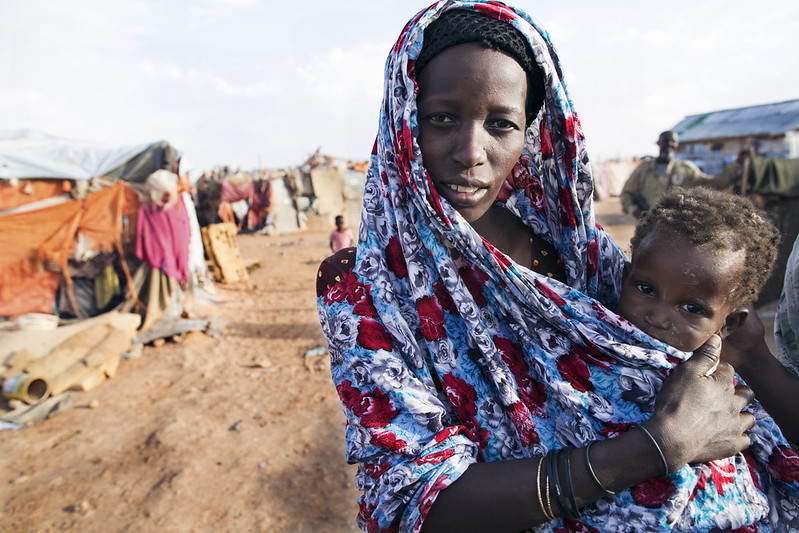
3 Ways the IOM is Addressing Humanitarian Crisis in SomaliaSomalia is a low-income country in the Horn of Africa. The country has suffered through four consecutive years of drought. This has caused the death of almost 4 million livestock between July 2021 and April 2022. A once-in-a-century flooding event during the latest rainy season worsened this grim situation. The paradoxical combination of drought and floods has resulted in failed harvests, decreased food security and displaced more than a million Somalians. Here are three ways the International Organization for Migration (IOM)—one of the largest humanitarian organizations in the country—is addressing Somalia’s humanitarian crisis.

3 Ways IOM Addresses Somalia’s Humanitarian Crisis

  1. New Mobile Clinics. In August 2023, IOM announced the opening of seven new mobile clinics in the city of Garowe, Somalia. The purpose of the clinics is to provide health and nutrition services to individuals affected by the drought. The clinics offer free malnutrition screenings, nutrition assistance, child immunizations and medical consultations to those in need, among other services. Despite receiving just 34% of the requested funding, IOM has impressively managed to reach 73% of Somalians targeted for health and nutrition assistance by the organization.
  2. Emergency Shelter. While plastic sheets may not seem like much in the way of shelter, they can be effective for temporarily patching roof holes in times of heavy rainfall and are a far cry better than no shelter at all. Recognizing this, IOM supplied 100,000 plastic sheets to flood-impacted regions of the country in Aug. 2023. Additionally, IOM provided more than 5,000 Somalian households with crucial emergency shelter materials in the same month. This program was subsequently scaled up to cover more than 7,000 households in the following month.
  3. Solar-Powered Wells. The prolonged drought in Somalia has resulted in many shallow wells and small reservoirs drying up, forcing thousands of rural Somalians to flee to urban areas or refugee camps. To combat this trend and improve access to clean water and sanitation, IOM is working on rehabilitating seven wells in the city of Baidoa, Somalia. While still in progress, the last two boreholes for the wells were completed in Aug. 2023. IOM is outfitting the wells with solar generators to guarantee their sustainability. In addition, the organization has cumulatively provided more than two million Somalians with water, sanitation and hygiene assistance as of Aug. 2023.

Looking Ahead

The IOM continues to play a critical role in addressing Somalia’s ongoing humanitarian crisis. Through the establishment of mobile clinics, the provision of emergency shelter materials and the rehabilitation of solar-powered wells, IOM has provided essential aid to millions of Somalians affected by drought and flooding. These ongoing efforts aim to improve health services, enhance living conditions and secure access to clean water, all of which are crucial in mitigating the severe impacts of the country’s climate challenges.

– Kipling Newman

Kipling is based in Denver, CO, USA and focuses on Good News and Global Health for The Borgen Project.

Photo: Flickr

August 13, 2024
https://borgenproject.org/wp-content/uploads/borgen-project-logo.svg 0 0 Precious Sheidu https://borgenproject.org/wp-content/uploads/borgen-project-logo.svg Precious Sheidu2024-08-13 03:00:582024-08-12 12:31:103 Ways the IOM is Addressing Somalia’s Humanitarian Crisis
Global Poverty, Human Trafficking, Migration

Human Trafficking in Libya Exploits the Vulnerable

Human Trafficking in Libya Exploits the VulnerableCurrently, the Global Organized Crime Index rates Libya as one of the worst places for human trafficking, with a high score of 8.5 out of 10. The country’s resilience score is also very low, indicating that little effective action is being taken to end this trafficking epidemic. The United States Department of State has reported that instability, conflict and lack of government oversight and capacity in Libya allow human trafficking crimes to persist and remain highly profitable for traffickers. Furthermore, the Department of State notes that the population suffers abuse not only from criminals but also from governmental and nonstate armed groups. This abuse includes physical, sexual and verbal assaults; abduction for ransom; extortion; arbitrary killings; inhumane detention; and child soldiering.

Poverty in Libya

In recent years, poverty levels in Libya have surged, raising significant concern among the Libyan government and NGOs. The Libyan News Agency reported in 2023 that the National Institution for Human Rights in Libya (NIHRL) found a 40% increase in poverty rates, nearly affecting half of Libya’s population. The NIHRL identified several critical factors contributing to this rise: escalating inflation, the depreciation of the local currency against foreign currencies, increased prices of basic goods and food items, higher costs for health services and lower income levels for families, particularly among the most vulnerable and needy groups.

International Aid and NGO Involvement

The political and economic climate in Libya struggles to protect its impoverished population from exploitation effectively. Despite these challenges, support from NGOs and international governments offers hope for improvement. Numerous organizations are actively working to enhance Libya’s welfare by combating poverty and violence and striving to secure basic human rights for its people. Prominent groups like Human Rights Watch and Amnesty International are at the forefront, diligently seeking solutions and fostering hope for a better future in Libya.

International Organization for Migration

The International Organization for Migration (IOM) is making significant strides in Libya, where its efforts are profoundly felt. As of 2023, the IOM has identified a total of 706,062 migrants from more than 44 nationalities across 100 Libyan municipalities. This substantial migrant presence has unfortunately increased trafficking activities, but the IOM’s assistance is a crucial step toward addressing these challenges. The organization collaborates with embassies, community leaders and humanitarian partners to enhance critical health care, including mental health and psychosocial support, for migrants and trafficking survivors. These vital collaborations form a multi-pronged approach that promises strategic solutions and hopeful outcomes in the fight against trafficking and poverty in Libya.

Looking Ahead

Libya’s ongoing crisis of human trafficking and poverty demands urgent and coordinated action. International organizations like the IOM and NGOs such as Human Rights Watch and Amnesty International are working to provide essential services and advocate for the rights of vulnerable populations. These ongoing efforts, alongside greater international support, could address the systemic issues and improve the lives of those affected by trafficking and poverty in Libya.

– Abigail Johnson

Abigail is based in Sapulpa, OK, USA and focuses on Good News and Politics for The Borgen Project.

Photo: Flickr

July 23, 2024
https://borgenproject.org/wp-content/uploads/borgen-project-logo.svg 0 0 Precious Sheidu https://borgenproject.org/wp-content/uploads/borgen-project-logo.svg Precious Sheidu2024-07-23 07:30:132024-07-23 03:56:29Human Trafficking in Libya Exploits the Vulnerable
Global Poverty, Humanitarian Aid, Migration, NGOs

Poverty among Migrant Workers in Singapore

Migrant Workers in SingaporeFor many people, dorm rooms evoke memories of sharing close quarters in college or the halcyon days of summer camp. However, in Singapore, dorm rooms mean something very different: the cramped and inhumane living conditions of the migrant workers who form the backbone of Singapore’s economy.

About Migrant Workers in Singapore

Migrant workers, primarily from China, Indonesia, the Philippines, India and Bangladesh, compose 38% of Singapore’s labor force and play a particularly crucial role in the construction, manufacturing, maritime and service industries. A particularly large contingent of these foreign workers are classified as migrant domestic workers (MDWs). These workers, who are predominantly female and make up 4.4% of Singapore’s population and 7.3% of its labor force, are particularly vulnerable to domestic abuse and overworking.

Unhealthy Living Conditions

Human Rights Watch has reported that up to 20 workers are packed into the same room and forced to share a single bathroom. These cramped living conditions are often unsanitary and proved particularly hazardous during COVID-19 when strict government lockdowns forced workers to remain in hot, crowded dorms that lacked proper ventilation. In the early days of the pandemic, 90% of Singapore’s COVID-19 cases were among migrant workers.

Migrant workers in Singapore often find themselves in precarious positions because their work permits and legal status in the country are tied to their employers. Foreign domestic workers are especially vulnerable to exploitation because they are excluded from many labor protections, including paid days off and limits on working hours. In addition, foreign workers are barred from organizing and taking part in labor unions.

The International Labor Organization (ILO) has also found a concerning decline in positive attitudes toward migrants, even toward the foreign domestic workers that many Singaporeans come into personal contact with every day.

Solutions

Despite the many challenges facing migrant workers in Singapore, various nongovernmental organizations (NGOs) are working to address these issues. Its Raining Raincoats is a charity focused on providing services for migrant workers in need, with the broader goal of ensuring that they are welcomed and integrated into Singaporean society. The charity runs various welfare programs that ensure migrants have access to dental and vision care and assist them with salary and employment issues. It also provides English language, financial literacy and first aid classes. In 2023, the charity raised more than $1.2 million for migrant workers and distributed more than 650,000 essential items, including meals, bikes, phones and glasses.

Additionally, the Migrant Workers’ Center, established in 2009 as a collaboration between the National Trades Union Congress and the Singapore National Employers Federation, is an NGO that advocates for the uniform application of fair employment practices. It provides free legal advice, humanitarian assistance and peer support networks, among other services. It also offers an associate membership for just $6 a year, which allows migrants to access critical health and disability insurance in addition to benefits.

Despite public opinion and the dearth of substantive government action, these NGOs are working to improve the lives of migrant workers in Singapore.

– Josephine Koch

Josephine is based in New York, NY, USA and focuses on Politics for The Borgen Project.

Photo: Flickr

July 8, 2024
https://borgenproject.org/wp-content/uploads/borgen-project-logo.svg 0 0 Hemant Gupta https://borgenproject.org/wp-content/uploads/borgen-project-logo.svg Hemant Gupta2024-07-08 07:30:152024-07-07 14:53:29Poverty among Migrant Workers in Singapore
Global Poverty, Migration, Poverty

Poverty Among Migrants in Northern Ireland 

Migrants in Northern IrelandAccording to the 2021 Census, the number of migrants in Northern Ireland, which the census measures in terms of residents of Northern Ireland who were born outside of the United Kingdom and Ireland, increased from 81,500 people (4.5% of the total population) to 124,300 people (6.5% of the population) between 2011 and 2021. By comparison, that figure was only 1.5% in 2001. Overall, the statistics reveal a general trend of increasing diversity across various metrics including ethnicity and national origin, with the percentage of census respondents who self-identified as “white” decreasing from 99.2% in 2001 to 98.2% in 2011.

Data from the 2021 Census indicates that most migrants were born in the EU or other non-EU European countries, comprising 57% of all those born outside the U.K. or Ireland, with the remaining migrants coming primarily from the Middle East and North Africa.

Poverty in Migrant Communities

The Joseph Rowntree Foundation (JRF), an advocacy group from the U.K. that works to end poverty in the country, has found that recent migrants and minority ethnic groups are employed primarily in poorly paid jobs, even though many migrants are skilled and highly qualified. As a result, in work and child poverty rates are particularly high among minority and migrant populations.

The JRF report also points out that there is currently a concerning lack of data on the poverty rates and living standards among migrant communities in Northern Ireland, making it difficult to determine the exact extent of the disparity. However, JRF was able to rely upon small-scale surveys to paint a general picture of the unique challenges that migrant communities in Northern Ireland are facing. Its findings indicate that minority ethnic groups tend to earn below the average wage, even when compared to other low-grade employees. Underemployment and lack of access to social security benefits are also challenges, and language barriers, racism and lack of training often pose barriers to career advancement.

Government Policies Addressing Migrant Poverty

Despite the challenges that migrant communities in Northern Ireland are facing, there have been important policies that have helped combat these issues. The 1970 Prevention of Incitement to Hatred Act imposes penalties for hate speech and the spreading of falsehoods that incite hatred on the basis of religion, race, ethnicity or national origin.

More recently, Northern Ireland has implemented its 2015 – 2025 Racial Equality Strategy, which establishes a framework for addressing economic inequalities for racial and ethnic minorities. While JFR has cautioned that these policy measures do little to concretely address the issues facing migrants and minorities, they do function as important awareness-raising mechanisms.

Non-Profit Efforts to Mitigate Migrant Poverty

The non-profit sector has also mobilized to provide support for migrants in Northern Ireland. Established in 2002, the Northern Ireland Community of Refugees and Asylum Seekers (NICRAS) is a refugee-led community coalition that seeks to support migrant communities by providing social services, educational opportunities and English classes. Other organizations, such as the Migrant Centre NI, established in 2010, focus on advocacy, lobbying and policy reform.

While migrants in Northern Ireland continue to face many challenges, a network of government and non-profit organizations are working to ensure that migrants have access to the resources, social services and economic opportunities that will allow them to make Northern Ireland their home.

– Josephine Koch

Josephine is based in New York, NY, USA and focuses on World News for The Borgen Project.

Photo: Flickr

June 28, 2024
https://borgenproject.org/wp-content/uploads/borgen-project-logo.svg 0 0 Jennifer Philipp https://borgenproject.org/wp-content/uploads/borgen-project-logo.svg Jennifer Philipp2024-06-28 01:30:182024-06-27 04:31:26Poverty Among Migrants in Northern Ireland 
Global Poverty, Migration, Somalia

Somali Diaspora: Hope For Change

Somali Diaspora: Hope For Change For decades, poverty and insecurity have drastically risen in Somalia due to prolonged conflict and extreme weather conditions, sparking a catastrophic humanitarian crisis. Since 2006, Al-Shabaab’s continuous mutiny has led to food insecurity, drought and widespread displacement, affecting more than 2.9 million people. Additionally, a significant lack of health care has exacerbated the crisis. According to the European Union (EU), as of 2024, about 6.9 million Somalians need life-saving humanitarian assistance. Recently, a severe drought affected 90% of the country, impacting more than 8 million people. Fortunately, the Somali diaspora, one of the most dispersed migrant groups plays a crucial role in providing support and resources to both their homeland

Pressing Needs

Since the 1990s, health care in Somalia has been profoundly scarce, with more than 11.5 million Somalians lacking health services due to the absence of a functional central government. Additionally, the prolonged conflict has devastated mental health care, leading to widespread trauma, social deprivation and substance abuse.

The emergence of the Somali diaspora in the early 1990s has been fundamental to Somalia’s economy. Somalians living abroad contribute significantly by sending remittances to their families and supporting essential humanitarian needs like education and health care. Some diasporans collaborate directly with organizations that deliver educational and health care services in Somalia.

In addition, education in Somalia is significantly inadequate, with more than three million children unable to attend school due to poverty. With 60% of the population under the age of 25, access to education is critical. In 2019, volunteers and organizations contributing to health care and education sent more than $2 million in remittances to Somalia. However, challenges persist. Health care costs remain high, prompting Somali diaspora organizations to tirelessly support humanitarian needs. Additionally, ongoing conflict and environmental instability continue to disrupt many Somalians’ lives, necessitating emergency support.

Contributing to the Economy

The Somali diaspora is a major contributor to economic development and livelihood in Somalia. Agriculture has been the main funding for Somalia for decades, however, due to flooding, extreme drought and ongoing conflict, this has resulted in nearly five million Somalians experiencing food insecurity. The Somali diaspora works by investing in businesses, creating job opportunities and promoting entrepreneurship. Statistics reveal that around 30%-40% of funding for major local businesses come from the diaspora. In addition, remittances represent around 23% of Somali household income. Remittances are crucial for many Somalians, with 25% of households relying on them as their primary source of income. They use this money to cover living expenses, education and health care.

Diaspora business engagement has been beneficial in multiple aspects. Business investments contribute to a wide range of businesses around Somalia including small-scale businesses such as telecommunication, construction, remittances and trade. Funding Somali businesses has created employment opportunities for many Somalians, improved the livelihoods of families and generated revenue for the government.

Looking Forward

The Somali diaspora’s contributions are essential in bridging gaps in education, health care and economic development in Somalia. The ongoing support and remittances play a pivotal role in stabilizing the country’s socio-economic landscape. By fostering entrepreneurship and investing in vital sectors, the Somali diaspora not only aids immediate needs but also builds a foundation for sustainable growth and recovery.

– Emily Whatley

Emily is based in Truro, UK and focuses on Good News and Global Health for The Borgen Project.

Photo: Flickr

May 1, 2024
https://borgenproject.org/wp-content/uploads/borgen-project-logo.svg 0 0 Precious Sheidu https://borgenproject.org/wp-content/uploads/borgen-project-logo.svg Precious Sheidu2024-05-01 13:37:032024-05-12 01:46:53Somali Diaspora: Hope For Change
Global Poverty, Government, Migration

The Venezuelan Exodus

The Venezuelan ExodusThe Venezuelan exodus represents one of the most notable mass migrations in recent history, with more than 7.5 million Venezuelans fleeing the country between 2015 and 2024 due to political repression and economic crises. These migrants leave their homeland to search for necessities such as food, safety, water, sanitation, hygiene and medical care, which are scarce in Venezuela. In their desperate and vulnerable state, many Venezuelans encounter abuse from armed groups, including sex trafficking and forced recruitment.

Colombia’s Role as a Host

Venezuela’s neighbor, Colombia, has historically experienced fluctuating relations with Venezuela and now stands at the center of the Venezuelan exodus. A World Bank report revealed that as of October 2022, Colombia hosted approximately 2.9 million Venezuelan migrants. The country addresses the challenges of mass immigration by implementing policies that integrate migrants into the broader Colombian population economically and socially. Colombia remains committed to ensuring migrants’ rights to work, live and integrate fully into society.

Institutional Support for Migrants

Colombia’s response to the increased amount of migration encompasses the establishment of a more solid legal and institutional framework to protect and facilitate the long-term integration of migrants in host regions. Central to this effort was the creation of the Presidential Border and Migration Management Office. This office issues necessary permits for the transit and stay of migrants within Colombia. They aim to regularize the migratory status of newcomers. Through the implementation of this office, more migrants gain access to vital markets and services they might otherwise lack. The services of the Migration Management Office include health care, education, social welfare, employment and housing. Other efforts have also been made to deploy services developed to protect vulnerable populations, such as initiatives for family reunification, child protection and aiding victims of human trafficking.

A Comprehensive Approach to Integration

Colombia has managed the Venezuelan exodus in three phases. Initially, in 2015, the country focused on humanitarian efforts for Colombian returnees and incoming Venezuelan migrants. It then shifted to a sustainable strategy aimed at ensuring migrants’ access to essential social services. The third phase involved a comprehensive, long-term approach, emphasizing mass regularization along with social and economic integration of Venezuelan migrants. Moreover, a key element of Colombia’s most recent phase is the Temporary Protected Status for Venezuelan Migrants (ETPV) launched in 2021. ETPV grants migrants permits to stay and work in Colombia for up to 10 years. The permits facilitate their integration into the host country and offer an escape from vulnerability and poverty.

Effective Migrant Integration Strategies in Colombia

Colombia’s clear and enduring regularization procedures enhance migrant integration. They drive positive development outcomes, leading to higher wages and employment rates. The adaptation of institutional frameworks, such as the Presidential Border and Migration Management Office, streamlines integration efforts at both national and local levels. Colombia’s ongoing response to the Venezuelan exodus establishes a significant standard for success that other countries might adopt.

– Ani Gonzalez Ward

Ani is based in Frances and focuses on Politics for The Borgen Project.

Photo: Flickr

April 3, 2024
https://borgenproject.org/wp-content/uploads/borgen-project-logo.svg 0 0 Precious Sheidu https://borgenproject.org/wp-content/uploads/borgen-project-logo.svg Precious Sheidu2024-04-03 07:30:202024-04-02 03:03:58The Venezuelan Exodus
Global Poverty, Migration

The Darién Gap: Everything You Need To Know

The Darién GapThe Darién Gap, known as the most dangerous place on earth, is an unpoliced region of jungle between Columbia and Panama, which many people cross to migrate north and escape situations of extreme poverty, crime and discrimination. In 2023, an unprecedented 500,000 people migrated north across the Darién Gap, with every one in four people a child. According to the U.N., this is one symptom of an “escalating humanitarian crisis,” but as the situation worsens, the more attention it gains from the international sphere.
Here is everything you need to know about the Darién Gap and the people working to keep the migrants safe.

People from all across the world access the Gap

Venezuelans are the largest nationality of migrants across the Darién Gap, with more than 440,000 people crossing since January 2022. People from other South American countries, such as Ecuador and Haiti, follow close behind. Many people also come from countries in Africa and Asia, such as Cameroon, Pakistan and China.

The terrain makes for a dangerous journey

The hostile environment of the Darién Gap is characterized by heavy rainfall, extreme humidity and muddied landscape. Migrants are often forced to leave behind any shelter they may have brought, such as a sleeping mat or tent, in favor of more dire necessities, such as food and water. Without sufficient resources, migrants are left at the mercy of the elements and experience severe illness during their journey.

Women and children are increasingly vulnerable

In 2023, more than 32,000 children crossed the Darién Gap, with more than half under 5 years old. Since the region of the Darién Gap does not have any strong rule of law, migrating families are at a higher risk of falling prey to an extreme threat of violence during their journey through the Gap. The potential dangers include exploitation, assault and trafficking, along with the innate risks posed by the jungle of the Darién Gap.

Of everything you need to know about the Darién Gap, the most important thing to recognize is that the extreme stress and danger associated with traveling through the Gap makes it a last resort for most. In their home countries, migrants are often exposed to situations of extreme violence, poverty and even persecution.

Action Against Hunger

With the lack of government intervention, several Non-governmental organizations (NGOs) have made it their mission to help the migrants in their journey across the Gap. Action Against Hunger (AAH) began its work within the region in September 2023 and has already provided 3,236 primary health consultations and 266 supplements to prevent malnutrition.

Although everything you need to know about the Darién Gap can be bleak, AAH is not alone in its work to help the migrants crossing. The nonprofit works with the Columbian Health Secretary, the Mayor’s Office and local organizations to ensure that the migrants crossing the Gap receive all the care they need to have a safe journey.

– Anjum Alam
Photo: Flickr

February 25, 2024
https://borgenproject.org/wp-content/uploads/borgen-project-logo.svg 0 0 Hemant Gupta https://borgenproject.org/wp-content/uploads/borgen-project-logo.svg Hemant Gupta2024-02-25 01:30:332024-02-25 00:00:27The Darién Gap: Everything You Need To Know
Global Poverty, Migration

Migration in Mongolia: Movement to Urban Slums

Migration in MongoliaA landlocked country prone to harsh conditions, Mongolia has a relatively small population of around 3 million. Renowned for its agriculture and, in particular, its nomadic herding, statistics collected over the past few years highlight the rapid mobilization of the Mongolian population toward urban centers. Migration toward cities with limited resources in Mongolia has resulted in unemployment and harsh living conditions. 

About Migration in Mongolia

An article by Bloomberg vividly portrays a persistent issue within Mongolia. Mass mobilization towards urban centers has resulted in a housing crisis as people search for a better life. 

The movement towards cities such as Ulaanbaatar has resulted in ger districts, which are communities of tents. Ger literally means “tent,” and is an older, more traditional style of a yurt. Collections of them form informal settlements around Ulaanbaatar and, of the 380,000 residents of the city, around 170,000 live within ger districts in the hills surrounding the urban center. Of the entire Mongolian population, a staggering one-third live in ger districts. This further demonstrates the importance of addressing the housing crisis due to migration in Mongolia.

The Situation

During the coldest months, residents must endure temperatures that can drop to as low as -20 degrees Celsius. The population is at risk from high pollution levels as fires are lit, and materials like rubber are burned to keep warm.

There is also the practical issue of the disconnect between city and suburb. The lack of access to public transport bars access to employment within the city as the task of commuting becomes nearly impossible for those without private transportation.

Threat to civilian health is imminent, and those living below the poverty line are at the greatest risk. With more people settling in the ger regions, increased exposure to pollution has caused a rise in respiratory problems. 

However, people living within these districts continually demonstrate self-determination to make a living and provide for themselves. In recent years, local communities have been providing ‘micro-enterprises,’ such as taxi services and sole trading, to provide jobs outside of the city center.

Familial networks have been vital in bridging the gap between ger districts and Ulaanbaatar as families produce and grow crops that are then transported to relatives in the city who are responsible for selling to larger businesses at a profit. 

This cooperation between the urban and rural is transformative and suggestive of a positive future in de-isolating ger districts. Improved roads and accessibility are indicative of the value of the initiative of farmers living within communities and improved job prospects and living conditions. 

GerHub

Projects like GerHub are paving the way for solutions to provide ger communities with a more comfortable way of life. For example, the Dulaan Ger initiative is an incredible project that combats poor living conditions. Migration in Mongolia and movement towards cities do not eradicate harsh living conditions such as freezing temperatures. However, this project, which literally translates to “a warm Ger,” is a transformative undertaking that educates community members such as handymen and seamstresses on ger insulation. This not only improves living conditions for communities but also provides additional income.

Other Initiatives

Organizations such as the UNICEF Mongolia Country Office and the UNICEF Office of Innovation have been vital in identifying the risk of pollution to people’s health within these communities. Working with brands such as The North Face and Arcteryx, prototype technology is being developed to prevent harmful gasses from entering through the door, floor and toono (crown) of the ger. These projects demonstrate the potential to alleviate poverty within ger communities through new technology and job opportunities.

– Sophie Butts
Photo: Flickr

December 3, 2023
https://borgenproject.org/wp-content/uploads/borgen-project-logo.svg 0 0 Yuki https://borgenproject.org/wp-content/uploads/borgen-project-logo.svg Yuki2023-12-03 07:30:232023-11-30 16:33:48Migration in Mongolia: Movement to Urban Slums
Advocacy, Global Poverty, Migration

College Students Fight Poverty in India

Poverty in IndiaNowadays college students are trying to make a difference in many different ways. One of them is fighting poverty. In India, college students want to fight poverty at the grassroots level. According to the United Nations Development Program, the number of people who are in poverty dropped to 16.4% this year from 55% in 2005. Despite this positive news, many people in India are still living in poverty. Here is some information about poverty in India and what graduate students are doing about it.

About Poverty in India

There are many reasons for India’s poverty problem. India’s population is constantly increasing, with at least 17 million people born each year. Combined with employment issues, these factors conspire together to keep people in poverty. 

Poverty is also defined as the lack of basic resources such as health care, sanitation and electricity. The lack of these basic necessities can negatively impact life expectancy. The reduction of poverty in many places around the world, including India, will improve health for the overall population of the world. Many of the diseases that people get come from those living in poverty so it is best to decrease that amount by helping people in poverty.

Graduate Students’ Efforts

In an attempt to take care of poverty related issues, more than 50 graduate students at Kristu Jayanti College went on a mission to make changes at the grassroots level. Wanting to carry out the understanding, initiating and advocating important conversations on demanding economic issues, these students challenged themselves to address the internal migrant problem in India. The International Organization for Migration states that ‘migrant’ is a blanket term that is not defined under international law, reflecting the common understanding of a person who moves away from their place of residence. This term has a multitude of categories of people such as migrant workers. 

“Labor migration is one of the defining features of the contemporary world of work and is integral to the process of India’s social and economic development,” states the Decent Work Country Programme for India 2023-2027. Not only in terms of numbers but economic relevance, internal migration is an important issue in this country. The students were able to combine advocacy, dialogue and research. 

The Results of the Study

“In our study, we examined, for example, the potability of drinking water, and the findings were quite concerning as in our initial tests, most water samples were contaminated,” claimed a microbiology student. In the next phase carried out by the college, students created awareness campaigns based on their own research. Through in-person demonstrations the students explained the use of each element and how they purify the water. Without these elements, many people do not have access to clean water. The journey that these students took shows how effective teamwork and vision can make a difference.

– Hailey Spencer
Photo: Flickr

December 3, 2023
https://borgenproject.org/wp-content/uploads/borgen-project-logo.svg 0 0 Yuki https://borgenproject.org/wp-content/uploads/borgen-project-logo.svg Yuki2023-12-03 07:30:092023-11-30 17:22:58College Students Fight Poverty in India
Child Poverty, Global Poverty, Migration

Child Migration in Latin America and the Caribbean

Child Migration in Latin America and the Caribbean
In the last three years, children moving through migration routes in Latin America and the Caribbean have reached a record-breaking number. Not only has the number increased, but the age range of these children has gotten even younger. The child migration journeys in Latin America and the Caribbean pose various challenges. 

Comparing the Numbers

The proportion of children in the migrant population for this region in 2019 was 19%; in 2023, the number stands at 25%. Around the world, children currently account for 13% of the migrant population, showing that child migration in Latin America and the Caribbean is higher than the global proportion. In addition, the age group of these child migrants is becoming increasingly younger, with around 69-91% of all the child migrants below the age of 11 years old. Many of these children need to leave their homes due to gang violence, poverty and climate change/natural disaster events, but the journey through Latin America and the Caribbean is only putting their lives at greater risk.

Impacts of These Migration Journeys

There are three major routes that the children are taking: the Darién jungle between Colombia and Panama, the Chile-Peru border point and at points in northern Central America and Mexico. The Darién jungle is an extremely popular route yet one of the most dangerous walks on earth; not only do the children walk through the whole forest, but the area is also roadless and includes many mountains. Similarly, migrating through the Chile-Peru border, northern Central America and Mexico involves crossing rivers, highways and railway lines. 

Children traveling these routes face significant risks. These dangers include injuries, diseases, human trafficking, abuse and separation from their families. In 2022, the number of children who died or went missing while migrating through this area reached an eight-year high, with at least 92 documented deaths. Many migrants are originating from distant regions, such as Asia and Africa, further increasing the likelihood of family separation, injuries and fatalities.

Other consequences the children face are not receiving education, protection and health care when they reach their destination. According to UNICEF, an assessment completed in 2022 revealed that “24% of Venezuelan children in Colombia aged 6 to 11 — and nearly 40% aged 12 to 17 — did not attend school.” It has also become evident that there are a lot of Haitian migrant families who cannot receive legal identification, limiting their opportunities for social benefits, health care and efficient housing.  

Ongoing Action

There are two organizations that are actively addressing the child migration crisis: UNICEF and Save the Children. UNICEF has been operating in these regions to provide critical support and protection to affected people. Despite its ongoing efforts for the past several months, UNICEF currently faces a funding shortfall of approximately $32.5 million since August 2023. Meeting these funding requirements is crucial as it would enable UNICEF to provide additional support for safe migration, establish organized migration pathways, protect children from violence during their journeys and ensure access to essential aid.

Save the Children operates in various countries, including Colombia, Peru, Venezuela, Mexico, Guatemala, El Salvador and Honduras, to improve living conditions. The organization directly assists children and women, addressing some of the factors that lead people to leave their homes. Recognizing the importance of education for child migrants, Save the Children is actively working to enhance the educational systems in these nations. In Mexico, Honduras and Guatemala, the organization has implemented peacebuilding initiatives in schools and provided training to students and teachers to create safe, violence-free learning environments.

Additionally, in South American countries, the organization supplies school kits and educational programs, ensuring that children can access education while on the move or during their stay in host communities.

Looking to the Future

As cases of child migration increase in Latin America and the Caribbean, so does the need to protect them. Many children are fleeing violence, natural disasters, poverty and instability, but their journey through Latin America and the Caribbean is perilous. Even upon reaching their destinations, these children and families often face harsh living conditions. While organizations such as UNICEF and Save the Children are actively supporting these children on the ground, there are still thousands of children struggling for survival along these migration routes.

– Jessica Wang
Photo: Flickr

October 27, 2023
https://borgenproject.org/wp-content/uploads/borgen-project-logo.svg 0 0 Jennifer Philipp https://borgenproject.org/wp-content/uploads/borgen-project-logo.svg Jennifer Philipp2023-10-27 01:30:252023-10-23 09:04:03Child Migration in Latin America and the Caribbean
Page 5 of 14«‹34567›»

Get Smarter

  • Global Poverty 101
  • Global Poverty… The Good News
  • Global Poverty & U.S. Jobs
  • Global Poverty and National Security
  • Innovative Solutions to Poverty
  • Global Poverty & Aid FAQ’s
Search Search

Take Action

  • Call Congress
  • Email Congress
  • Donate
  • 30 Ways to Help
  • Volunteer Ops
  • Internships
  • Courses & Certificates
  • The Podcast
Borgen Project

“The Borgen Project is an incredible nonprofit organization that is addressing poverty and hunger and working towards ending them.”

-The Huffington Post

Inside The Borgen Project

  • Contact
  • About
  • Financials
  • President
  • Board of Directors
  • Board of Advisors

International Links

  • UK Email Parliament
  • UK Donate
  • Canada Email Parliament

Get Smarter

  • Global Poverty 101
  • Global Poverty… The Good News
  • Global Poverty & U.S. Jobs
  • Global Poverty and National Security
  • Innovative Solutions to Poverty
  • Global Poverty & Aid FAQ’s

Ways to Help

  • Call Congress
  • Email Congress
  • Donate
  • 30 Ways to Help
  • Volunteer Ops
  • Internships
  • Courses & Certificates
  • The Podcast
Scroll to top Scroll to top Scroll to top