• Link to X
  • Link to Facebook
  • Link to Instagram
  • Link to TikTok
  • Link to Youtube
  • About
    • About Us
      • President
      • Board of Directors
      • Board of Advisors
      • Financials
      • Our Methodology
      • Success Tracker
      • Contact
  • Act Now
    • 30 Ways to Help
      • Email Congress
      • Call Congress
      • Volunteer
      • Courses & Certificates
      • Be a Donor
    • Internships
      • In-Office Internships
      • Remote Internships
    • Legislation
      • Politics 101
  • The Blog
  • The Podcast
  • Magazine
  • Donate
  • Click to open the search input field Click to open the search input field Search
  • Menu Menu

Archive for category: Hunger

Global Poverty, Hunger

Factors Contributing to Widespread Hunger in Africa

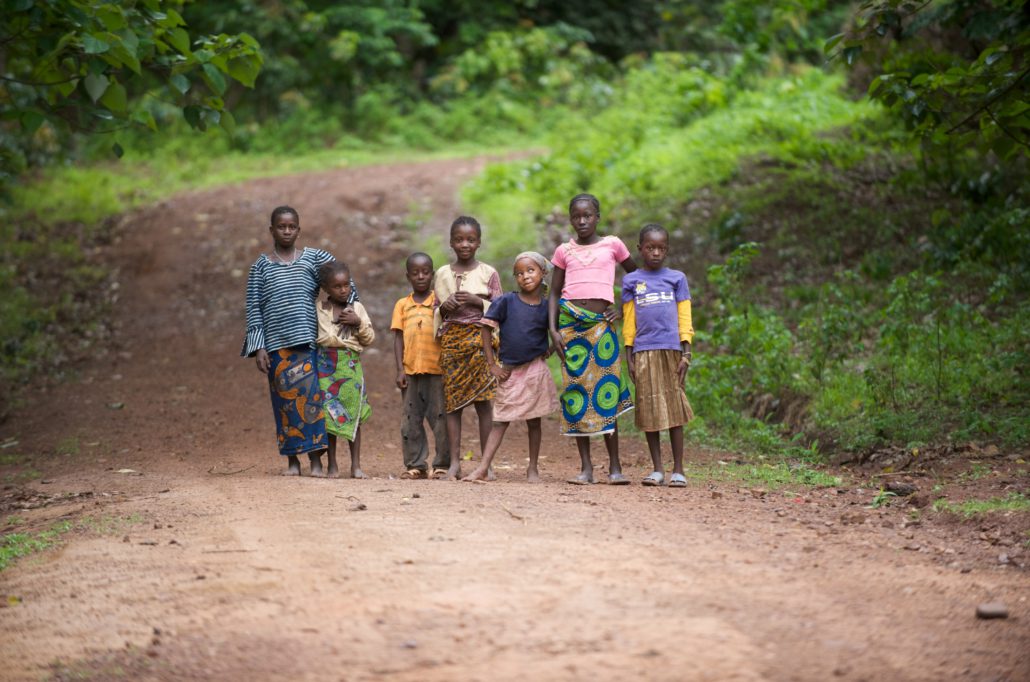
Hunger in AfricaSub-Saharan Africa is the region in the world that hunger affects the most. In fact, 319 million people experienced undernourishment in 2018. In sub-Saharan Africa, one in four suffers from hunger, and according to the Food and Agriculture Organization of the United Nations (FAO), 28 countries in Africa are dependent on food aid. Sub-Saharan Africa is a hotbed of chronic hunger largely due to its extreme poverty. However, poverty not only causes widespread hunger in Africa, but it also creates poverty. Malnutrition depletes nations of strength and productivity, effectively keeping the entire nation trapped in poverty. Africa will not escape poverty until it escapes hunger.
Chronic Hunger

Chronic hunger in Africa occurs when the daily energy intake is below what is necessary for a healthy and active life. The word “chronic” implies that it occurs for an extended period of time. While the current state of hunger in Africa may seem bleak, Africa has made progress. Malnutrition has declined by 4% between 2000 and 2014 due to economic growth and smart policies. However, malnutrition still remains a large issue in certain populations.

Hunger in Children

Children are most at risk for hunger in Africa and the hunger crisis particularly impacts them due to the fact that the first 1,000 days of a person’s life are critical in regards to nutrition. When a child does not receive proper food in the first 1,000 days, they can suffer physical and mental developmental delays, disorders, inability to fight disease and high infant mortality rates. Bill Gates noted his experience in African nations where people asked him to guess a child’s age based on their height. Children who Gates thought were 7 or 8 years old were in reality 12 or 13. This is due to the stunting that 28 million children in Africa experience. Malnutrition leads to stunting that not only impacts children’s height but also brain development. Stunted children are more likely to fall behind in school, miss critical reading and math milestones and go on to live a life in poverty.

Multiple Factors

Hunger in Africa is a complex crisis with many root causes. SOS Children’s Villages outlines some key causes of widespread hunger in Africa.

  1. The population continues to increase in sub-Saharan Africa and food production cannot keep up.
  2. Unfair trading structures lead to the European Union (E.U.) and the U.S. subsidizing domestic agriculture, resulting in farmers being unable to compete with cheap food imports.
  3. The high level of debt that characterizes many African nations, combined with poor governance and corruption, impede economic development. This consequently perpetuates mass poverty and hunger.
  4. The disease profile of Africa including AIDS and malaria creates an obstacle to individuals digesting their food properly. It also inhibits the productivity of the labor force leading to food scarcity.
  5. Conflict in Africa breeds economic instability, unproductivity and a growing refugee crisis.

However, the hunger crisis in Africa is not only complex due to its causes, but also because other issues largely interconnect with it and amplify it. For example, climate change creates weather patterns such as droughts that cause food insecurity. Zambia, Zimbabwe and Mozambique are all examples of nations facing successive crop failures and poor harvest due to drought, with Southern Africa experiencing its lowest rainfall since 1981.

A lack of access to clean water and sanitation leads to increased rates of disease that create another obstacle to nutrition. Poor health care infrastructure in Africa amplifies the obstacle of disease to malnutrition. A lack of health care stops children from getting vaccines such as the rotavirus vaccine that would lead to children having fewer bouts of diarrhea. Furthermore, health care can provide individuals with supplements and vitamins to make up for key gaps in their diets, as the nutrition strategy of the Bill and Melinda Gates Foundation shows.

Organizations Working to Aid Africa

The complexity of the hunger crisis makes it incredibly difficult to combat. Fundamentally, Africa needs more research and funding. Bill and Melinda Gates are two people who have done tremendous work in Africa, donating over $600,000 to their Alliance to End Hunger Program. Through his work, Gates recognizes the complexity of hunger and notes that if he had one wish, it would be for the world to better understand malnutrition and how to solve it.

However, the continent is making progress to reduce widespread hunger in Africa. For example, organizations such as the SOS Children’s Villages provide family strengthening programs that give short and long term aid including food, access to medical care, school supplies and support with financial and household management. SOS Children’s Villages also provides emergency relief for the hunger crisis and famine to countries including Somalia, Nigeria, South Sudan, Ethiopia and Malawi. SOS Children’s Villages is currently active in 46 African countries, providing aid to 147 villages that would otherwise be in acute danger of malnutrition or starvation. Programs such as these need to not only continue but also to experience amplification via increased funding and research.

– Lily Jones
Photo: Pixabay

July 10, 2020
https://borgenproject.org/wp-content/uploads/borgen-project-logo.svg 0 0 Jennifer Philipp https://borgenproject.org/wp-content/uploads/borgen-project-logo.svg Jennifer Philipp2020-07-10 16:43:402020-07-10 16:43:40Factors Contributing to Widespread Hunger in Africa
Food Insecurity, Global Poverty, Hunger

How to End Hunger in France

hunger in France
Recently, France has made consistent progress towards eliminating hunger within its borders, throughout the European Union and in developing nations. However, with worsening global health conditions as an added stressor to those who suffer from food insecurity, it is imperative to end hunger in France and around the world.

Who Does Hunger in France Affect?

The majority of France’s most food insecure are the 200,000 plus homeless and those living in the outskirts of Paris.

Globally, one in nine people go hungry every day, and global hunger is increasing. The United Nations Food and Agriculture Organization (FAO) estimates that around 10.7% of the world’s population suffers from chronic undernourishment. Additionally, over 26.4% of the world’s population is food insecure.

The standard of living in France is relatively high due to the country’s inclusive social security systems. Access to basic needs and services such as food, water, health care and education are mostly available to all. However, while many reap the benefits of this system, disenfranchised minorities and essential workers in some parts of France have lost their jobs and access to meals. For example, in the lower-income districts that surround Paris, residents in cities like Clichy-sous-Bois require the generosity of food banks to get by.

Why Does Hunger Persist Today?

In France and on the global scale, poverty, climate change, poor public policy and food waste drastically increase hunger. These factors manifest in several ways. Some communities, like Clichy-sous-Bois, do not have equal access to resources and become stuck in cycles of poverty. Environmental degradation from unsustainable agriculture and increasing natural disasters negatively impacts crop yields, access to and distribution of food. Food waste exacerbates climate change by releasing dangerous levels of methane in landfills. Furthermore, food waste also deprives hungry people of quality food.

Furthermore, estimates determine that by the year 2050, the world will need to produce enough food to feed over 10 billion people. The Ministry of Europe and Foreign Affairs stresses the need to transform the “agricultural and food systems” in France. According to the Ministry, “agriculture must be more sustainable and effective from economic, social and environmental perspectives to ensure food security and the health of individuals.”

The Strategy to End Hunger in France

Luckily, France has stepped up to reform the current food systems and agricultural practices that aggravate hunger and malnutrition locally and internationally. Through the Ministère de L’Europe et des Affaires Étrangères, France wrote the International Strategy for Food Security, Nutrition and Sustainable Agriculture. This strategy works out a five-point plan that France will carry out between 2019 and 2024. This plan tackles the causes of hunger and serves as a leader in ending hunger in Europe and the world.

The five points of the International Strategy for Food Security, Nutrition and Sustainable Agriculture are:

  1. To Strengthen the Global Governance of Food Security and Nutrition: France wishes to improve the effectiveness and coordination of international actors involved in the global governance of food security and nutrition.
  2. To Develop Sustainable Agriculture and Food Systems: Agriculture is currently a leading cause of climate change and biodiversity loss. As a result, France wishes to confront these issues by promoting sustainable agricultural practices.
  3. To Strengthen France’s Action on Nutrition: Multiple factors lead to undernutrition in young children, pregnant and/or breastfeeding women. These include access to quality food, clean water and conditions for good hygiene.
  4. To Support the Structuring of Sustainable Agri-food Chains to Promote the Creation of Jobs in Rural Areas: Targeted at younger generations and striving to be inclusive of family agriculture, agri-food chains are a good source of employment.
  5. To Enhance Food Assistance Actions to Improve the Resilience of Vulnerable Populations: The goal is to help struggling populations regain food autonomy in the face of recurring food crises.

More Solutions

In addition to this international plan, more immediate solutions in France aim to combat food waste locally. For example, Guillaume Garot, a member of Parliament in France, authored a food waste bill. This bill requires grocery stores to donate food that they would otherwise throw away. Additionally, this bill is the first of its kind, and the European Union quickly followed suit with similar goals.

The European Food Banks Federation (FEBA) works with the U.N. to use the 88 million tonnes of food that the E.U. wastes annually. A new set of sustainable development goals seek to “ensure sustainable consumption and production patterns” in France. As a result, FEBA transforms unnecessary food waste into vast quantities of food donations for the hungry.

FEBA builds connections with existing food banks and global partners to strengthen the food bank networks in France and across Europe and help mediate the donations. This organization works to alleviate food insecurity by distributing the equivalent of 4.3 million meals every day. That is 781,000 tonnes of food that it delivers to 9.3 million food-insecure people. In France, the Banque Alimentaires annually donates 73,000 tonnes of food products to those in need.

Through persistent actions like the International Strategy for Food Security, Nutrition and Sustainable Agriculture and food bank networks, the process to end hunger in France and worldwide is an ever more attainable goal.

– Rochelle Gluzman 
Photo: Flickr

July 10, 2020
https://borgenproject.org/wp-content/uploads/borgen-project-logo.svg 0 0 Jennifer Philipp https://borgenproject.org/wp-content/uploads/borgen-project-logo.svg Jennifer Philipp2020-07-10 14:54:382024-05-29 23:18:00How to End Hunger in France
Global Poverty, Hunger

5 Facts About Poverty in Serbia 

Facts About Poverty in Serbia
The Republic of Serbia, or simply Serbia, is a landlocked country in southeast Europe. Poverty in Serbia remains a persistent issue. During the 1990s, the region experienced war, internal displacement of populations and economic depression. Global and national reports indicate that despite the increase in coverage of infrastructure, unequal access to housing, adequate sanitation and education persists between rural and urban populations. Here are five facts about poverty in Serbia.

5 Facts About Poverty in Serbia

  1. In Serbia, deprivation of education is the largest contributor to the Multidimensional Poverty Index, a measure that looks at multidimensional poverty at an international level. This is especially true of Serbia’s minority populations, where primary and secondary school attendance is lower than the national average. This education disparity worsens social exclusion and reduces employment opportunities for vulnerable populations. On its path towards EU accession, Serbia must comply with the Europe 2020 Flagship Initiative, improving its educational system’s inclusion of all social groups, therefore facilitating their entry into the labor market.
  2. Poverty rates in Serbia are four times higher in the southeast than near the capital. The country is unevenly developed, with marked differences between rural and urban areas. This inequality stems from the vulnerability of Serbia’s agricultural regions, which face a combination of seasonal flooding, weakened infrastructure and a crop yield that changing weather has lowered.
  3. Serbia faces the highest percentage of citizens living below the national poverty line in the Balkan region. Estimates determine that this percentage has declined from 25.8% in 2015 to 18.9% in 2019, following Serbia’s emergence from economic and political isolation. Adequate conditions for implementing market reforms and sustainable development have only recently emerged.
  4. One-third of Serbians have inadequate health care. Women make up most of these cases at 33%. Unequal access to health care results from citizens’ financial status or proximity to health care facilities. Earlier this year, vulnerable Serbian medical centers received a 4.6 million Euro donation from the EU to purchase medical equipment to fight COVID-19. This donation contributed to the Serbian government’s renovation program as well, aiming to modernize the nation’s health care system to improve its efficiency.
  5. With an undernourishment rate of 5.7%, Serbia has the second-highest population living in hunger in Europe. This number has only decreased by 0.3% in the last 5 years. The U.N. is working to end malnutrition in Serbia by 2030 as a part of its Sustainable Development Goals (SDGs). This means increasing agricultural productivity and improving rural infrastructure to promote sustainable food sources.

Looking Ahead

While it is important to be aware of the conditions that these five facts about poverty in Serbia present, it is equally as important to consider the projections that some are making in regard to the country’s economy and growth. The containment of COVID-19 is taking a heavy toll on the Serbian economy, restricting growth. The economy will enter a recession due to lower tourism, transport activity, exports and investment.
The Serbian government introduced a 5.2 billion Euro stimulus program that received approval in late March 2020. The program aims to bolster employment and aid small and medium enterprises. If successful, these efforts, along with ongoing reform programs seeking to stabilize the economy, will allow for the creation of more secure jobs in vulnerable areas.

Economic recovery depends on international developments and the rate of change. It is critical to consider the longterm impacts of these projections on poverty in Serbia’s most vulnerable regions.

– Sylvie Antal
Photo: Flickr
July 10, 2020
https://borgenproject.org/wp-content/uploads/borgen-project-logo.svg 0 0 Jennifer Philipp https://borgenproject.org/wp-content/uploads/borgen-project-logo.svg Jennifer Philipp2020-07-10 12:38:042022-03-31 10:54:475 Facts About Poverty in Serbia 
Global Poverty, Hunger

5 Facts About Hunger in Colombia

Facts About Hunger in Colombia
The Republic of Colombia, colloquially known as Colombia, is located in South America’s northwestern region. With a GDP of nearly 363 billion, it boasts the fourth-largest economy in the continent. However, despite its relative macroeconomic stability, poverty remains a pervasive issue throughout the country – currently affecting 36.6% of the population. Correlated to this rate are high levels of food insecurity, which  are also prone to spikes due to a myriad of external shocks that often comprise the nation’s sociopolitical landscape. Despite these challenges, various global organizations are engaged in initiatives to build a pathway to eventual stability and prosperity. . Below are five facts that illustrate the causes and impact of hunger in Colombia.

5 Facts About Hunger in Colombia

  1. Climate: According to the World Bank, Colombia currently has the highest recurrence of extreme events in South America. With 84% of the population and 86% of its assets in regions exposed to at least two hazards, most Colombians are at high risk of infrastructure devastation and food shortages. Weather events caused by El Niño are directly responsible for creating significant impediments to agriculture and access to water resources. This phenomenon has notably crippled local and national food production systems, which has led to catastrophic repercussions including food inflation, reduced household food consumption and strained access to nutrient-dense foods. From the populations affected by these consequences, children and pregnant women are especially vulnerable to malnutrition and, in extreme cases, mortality.
  2. Armed Violence: Since 1964, the Colombian conflict – an internal civil war between leftist guerilla groups, right-wing paramilitaries, criminal organizations and the state – has jeopardized the safety of millions. Today, armed violence is the preeminent cause of internal displacement in Colombia, and has forced an estimated 5.1 million people to leave their traditional food sources and livelihoods. Without effective solutions offered by the state, internally displaced people (IDPs) frequently reside in informal settlements or shelters in the capital, where they suffer from overcrowding, lack of water and poor sanitation. Exacerbating these conditions are 2.8 million refugees from Venezuela, who are similarly fleeing political and socioeconomic instabilities. As of 2023, more than half of the migrant and refugee population in Colombia were subject to acute food insecurity, which is expected to increase in the coming years.
  3. Marginalization: Black and Indigenous people – as well as Afro-descendants – are historically subject to marginalization in Colombia. These groups are disproportionately targeted by criminal groups and vulnerable to human rights abuses including threats, confinement, kidnappings and killings. Additionally, according to the Colombian government’s National Development Plan of 2022 to 2026, Afro-Colombian, Raizal, Palenque and Indigenous children are also those most impacted by child poverty and malnutrition. Compared to the rest of the population, households led by these ethnic groups are largely excluded from employment opportunities and state support programs. Barred from essential resources by means of structural discrimination, black and Indigenous households in Colombia have higher levels of food insecurity than households where the head of household does not belong to a minority ethnic group.
  4. Health Care: Limited access to health care services has prevented hunger-related issues such as malnutrition from subsiding. Despite recent state reforms to improve the health industry, Colombia’s health care system remains inadequate. Factors largely limiting improvement include an increase in noncommunicable diseases, the persistence of infectious diseases caused by poor sanitation and the uneven distribution of health care workers throughout the country. Those suffering from malnutrition – in particular, children – are thus unlikely to receive any or adequate care before damage to the body becomes permanent. In 2023, acute malnutrition in children under 5 was reported to have increased by 33% from the previous year, predominantly affecting those indigenous communities.
  5. Advocacy Efforts: One of the leading organizations working to combat hunger in Colombia is the World Food Programme (WFP). Current areas of focus for their programs include fighting malnutrition and stunting, supplying schools with food and strengthening the state and local communities to become more resilient to external shocks. In 2023, WFP used cash-based transfers (CBT) to assist 772,029 disadvantaged individuals, including people with disabilities, survivors of gender-based violence and women-headed households. Working alongside local financial service providers, WFP was able to distribute 6,897 metric tons of locally procured food with this program, while maintaining food warehouses placed throughout the country to ensure timely distribution.

Impacted by external factors such as climate change and armed violence, hunger remains a concerning problem in Colombia that often disproportionately affects marginalized ethnic groups and vulnerable children. Although organizations such as the World Food Program have deployed both resources and funding to combat this issue, much work still lies ahead to eradicate food insecurity as a whole. Looking ahead, persistence and success by both these organizations and the state are crucial to helping hunger in Colombia reach an eventual end.

– Alondra Belford, Moon Jung Kim
Photo: Flickr

Updated: September 18, 2024

July 4, 2020
https://borgenproject.org/wp-content/uploads/borgen-project-logo.svg 0 0 Kim Thelwell https://borgenproject.org/wp-content/uploads/borgen-project-logo.svg Kim Thelwell2020-07-04 01:30:452024-09-18 11:07:445 Facts About Hunger in Colombia
Food Insecurity, Global Poverty, Hunger

4 Influences on Poverty in North Korea

Poverty in North Korea
Poverty in North Korea has been persistent for decades. North Korea is one of the most secluded countries in the world, both socially and economically. Since the Korean War in the 1950s, the nation has followed an ideology of self-reliance, called Juche in Korean. According to the official website of the North Korean government, Juche has three tenets: political independence, economic self-sufficiency and self-reliance in national defense. Adhering to these principles, North Korea withdrew from contact with other nations, gradually developing into the closed-off state it is today.

However, poor economic policies and the misallocation of resources have caused much of North Korea’s population to fall into poverty. One study estimates that the poverty rate of North Korea is around 60%, and another puts the percentage of undernourished North Koreans at 43%. The country suffers from chronic food shortages and has some of the worst income inequality in the world. Here are four influences on poverty in North Korea.

4 Influences on Poverty in North Korea

  1. Resource Misallocation: North Korea is notorious for its obsession with nuclear weapons and its military. The Korean War created high tensions between the country and its neighbors, leaving North Korea feeling threatened. As a result, North Korea funnels large amounts of resources into developing and maintaining weapons and the military, when it could better use those resources to fight famine and improve the economy.
  2. Environmental Collapse: To become self-reliant in food production, North Korea has employed intensive agricultural methods, using copious amounts of chemicals and cutting down forests to create farmland and increase crop yields. The loss of forests has led to erosion and flooding, costing the country much of its food supply. In addition, people chop down trees for firewood and eat wild animals to survive, leading to an imbalance in the ecosystem. With land growing less fertile, North Korea struggles to produce enough food for its people.
  3. Government Decisions: In 1995, the government cut supplies to the north of the country to provide more food for the North Korean capital, Pyongyang, to garner support for the regime there. This decision hurt the regime greatly. Farmers began hoarding food and selling it independently of the state. Citizen support for the regime fell, decreasing even further when the regime used force to maintain its power. The Juche ideology backfired, as the country had to rely on international aid during the famine.
  4. Decreased Foreign Aid: During the Cold War, North Korea received Soviet aid. However, the country refused to pay its debts to the USSR, which responded by withdrawing support for North Korea. The fall of the Soviet Union forced North Korea to rely more on China for imports. In the 1990s, however, China decreased its grain exports because its own population needed the crops. In response, North Korea condemned China as a traitor. Without foreign aid, poverty in North Korea has only worsened.

These four influences on poverty in North Korea show that it is the product of ill-advised governmental decisions. Fortunately, the global community has begun to take note of the country’s struggles, and other nations are offering help. China has been the most generous donor, sending over 200,000 tons of food in 2012 and $3 million in aid in 2016. South Korea has also been generous to its neighbor, pledging 50,000 tons of rice and $8 million in 2019. The U.N. asked donors for $120 million to give to North Korea, eliciting responses from countries like Denmark, Norway and Germany. Non-governmental organizations like the Red Cross and the World Food Programme (WFP) likewise commit to helping North Koreans in need. Hope remains for the people of North Korea.

– Alison Ding
Photo: Flickr

July 3, 2020
https://borgenproject.org/wp-content/uploads/borgen-project-logo.svg 0 0 Jennifer Philipp https://borgenproject.org/wp-content/uploads/borgen-project-logo.svg Jennifer Philipp2020-07-03 01:30:002024-05-29 23:18:004 Influences on Poverty in North Korea
Global Poverty, Health, Hunger

The Process of Ending Hunger in the DRC

Hunger in the DRC
The ongoing conflict in the Democratic Republic of Congo (DRC) has forced many people to abandon their livelihoods, preventing them from making a living to provide for themselves and their families. According to the World Food Program, the Democratic Republic of Congo ranks second in the list of countries facing the world’s worst hunger crisis. Approximately 15.6 million people are food insecure in the DRC our of a total population of 86 million. Additionally, hunger in the DRC is causing many children in the country to suffer from malnutrition. Approximately 3.4 million children are acutely malnourished.

The Situation

The current conflict in the Democratic Republic of Congo started in 1994 after some perpetrators of the Rwandan genocide escaped to the country to form their own rebel group. As a result, other armed groups saw an opportunity to begin rebelling against the government and a civil war began within the DRC in 1998.
Even after the war ended, the country continued to suffer conflicts between different armed groups, ethnic groups and inter-communal groups. If not for the ongoing conflict, the Democratic Republic of Congo would have the capability of feeding its country. According to WFP, this amounts to 2 billion people.
The country has 80 million hectares of arable farmland available. It also has half of Africa’s water resources along with the capacity to fish for 707,000 tons of fish.

Conflict Prevents Progress

But with the ongoing conflict in the Democratic Republic of Congo, many people are finding it difficult to find food for their next meal. In fact, 70% of those with employment in the DRC work in the agriculture sector. Currently, only about 10% of land in the Democratic Republic of Congo is cultivated. Families in the DRC are only producing 42% of the food that they need, so a lot of them, especially refugees from conflict regions, are dependent on aid.

Many children are suffering in the Democratic Republic of Congo from lack of food. Child malnutrition is one of the leading underlying causes of death among children under 5. The child mortality rate for those under 5 is 88.1 deaths per 1,000 live births. To help fight against malnourishment and hunger in the DRC, the World Bank is spending $502 million through credit and grants to help finance the Multisectoral Nutrition and Health project.

Organizations Helping During the Food Crisis

To help with hunger in the DRC, some organizations are working to train local farmers to help them produce more food. In 2020, a joint FAO, UNICEF and WFP project, which leverages the strength and expertise of each organization, aims to help farmers in the DRC. For example, the FAO will focus on supporting small farmers, while UNICEF will help reduce malnutrition and improve access to water and sanitation, while WFP will turn its attention to “commodity aggregation.” The goal of the project is to support farmers by helping them “strengthen their agricultural production and post-harvest management, diversify their income-generating activities, and improve nutrition and basic social services.”

The Democratic Republic of Congo is a country endowed with rich resources and good arable land. However, constant conflict in the region has made it difficult for families to make a living. Perhaps help in the form of money and humanitarian efforts will allow the DRC to take steps in the right direction.

– Joshua Meribole
Photo: Flickr

July 1, 2020
https://borgenproject.org/wp-content/uploads/borgen-project-logo.svg 0 0 Lynsey Alexander https://borgenproject.org/wp-content/uploads/borgen-project-logo.svg Lynsey Alexander2020-07-01 13:51:042020-12-18 13:51:16The Process of Ending Hunger in the DRC
Global Poverty, Hunger, Malnourishment

5 Facts About Hunger in Cambodia

Facts About Hunger in Cambodia
Hunger is an issue that plagues much of Southeast Asia — 9.8% of the population experiences undernourishment, which equates to 27.8 million people. Cambodia, a developing country between Thailand and Vietnam, remains one of the poorest nations in Southeast Asia. Although Cambodia has made considerable strides in diminishing poverty rates and growing the economy over the years, food insecurity is still an ongoing and serious issue. Here are five facts about hunger in Cambodia and what some, like the World Food Programme (WFP) and Action Against Hunger in Cambodia, are doing to eradicate it.

5 Facts About Hunger in Cambodia

  1. Political Instability: Political instability has been a major contributing factor to chronic hunger in Cambodia. The country has suffered many years of war, particularly the Khmer Rouge from 1975-1979, which depleted natural resources.
  2. Undernourishment: Around 15% of the country’s 16 million people suffer from undernourishment, according to the World Food Programme. This percentage amounts to more than 2 million people throughout the country. 
  3. Agriculture and Natural Disasters: Around 79% of the Cambodian population lives in rural areas, and 65% rely on agriculture, fisheries and forestry to survive. Natural disasters, like floods and droughts, often threaten the country and therefore are extremely damaging to the food system.
  4. Rice and Seasonal Shortages: Of the country’s 1.6 million households, two-thirds face seasonal shortages each year. Many Cambodians are rice farmers. In fact, rice alone accounts for as much as 30% of household spending. 
  5. Chronic Malnutrition and Stunting: About 40% of Cambodian children suffer from chronic malnutrition, which stunts the growth and cognitive development of 32% of Cambodian children under 5-years-old. This high statistic is mainly due to nutrient deficiency. According to World Vision, this stunting contributes to “increased child mortality as children are more vulnerable to infection and disease.” Additionally, 10% suffers from wasting, low weight to height ratio.

The World Food Programme

Since 1979, the year the Khmer Rouge ended, the World Food Programme has helped vulnerable Cambodians “meet their emergency needs and have access to nutritious, safe and diverse foods.” WFP also works toward enhancing long-term food and nutrition security for Cambodian families.

In order to meet its goal of terminating hunger in Cambodia by 2030, the WFP is working with the Royal Government of Cambodia to create programs that promote access to nutritious diets within the country and to strengthen systems to be nationally-owned. One example of this is the WFP-supported home-grown school feeding program. The WFP is working to transition the program to a “nationally-owned home-grown school meals model” that “sources ingredients from local farmers, incorporates food quality and safety, encourages community ownership, and supports local economies.” 

Action Against Hunger

Similar to the World Food Programme, Action Against Hunger is also working to end hunger in Cambodia. The organization has been serving the nation since 2013. In 2018, Action Against Hunger reached 11,291 children with lifesaving nutrition and health programs, provided 2,378 people with Water, Sanitation and Hygiene (WASH) interventions and supplied 27,568 people with food security and livelihoods programs. 

These five facts about hunger Cambodia show that though hunger is still an issue that plagues the nation, organizations like the World Food Programme and Action Against Hunger are helping to reduce it. Hopefully, with continued effort, hunger will continue to subside in the country.

– Emma Benson
Photo: Flickr

June 30, 2020
https://borgenproject.org/wp-content/uploads/borgen-project-logo.svg 0 0 Kim Thelwell https://borgenproject.org/wp-content/uploads/borgen-project-logo.svg Kim Thelwell2020-06-30 01:30:322024-05-29 23:18:075 Facts About Hunger in Cambodia
Global Poverty, Hunger

7 Facts About Hunger in Ethiopia

Though many areas of Africa are developing thoroughly and implementing infrastructure, food security still remains an issue. Internal displacement, environmental factors and price fluctuations in countries like Ethiopia can be devastating. Predictions from the Ethiopia Humanitarian Response Plan estimated that about 8.1 million people became victims of food insecurity in 2019. Additionally, although about 2.2 million people have been internally displaced in Ethiopia as of May 2019, government operations allowed for the return of approximately 1.8 million people to their areas of origin. These seven facts about hunger in Ethiopia will give an overview of both the issues facing the country and the measures being taken to provide a solution to the food shortages.

7 Facts Concerning Hunger in Ethiopia

  1. In 2019, there were about 8 million people in Ethiopia that needed some form of aid or assistance. Of that total, approximately 4.2 million were children. Not everyone could be reached, however. The aid supplied in 2019 was only projected to reach about 3.8 million people, 2 million of which were children.
  2. Seasonal rains are often delayed in the Ethiopian region, which can lead to drought. Much of the affected population are subsistence farmers and are, therefore, unable to grow crops during this time. Insufficient rainfall to meet standards for crops occurs often, and as recently as the 2017 rainy season. The BBC estimates that droughts can cause the yield for crops to decrease to only 10% of what is expected for a regular season.
  3. Cultural biases, including those towards males, make the challenges already faced by the general population heightened for women and children. Because resources are traditionally directed towards men first, approximately 370,000 women and children in Ethiopia are in need of dire aid due to issues like severe acute malnutrition.
  4. To cope with the hunger crisis in their country, many Ethiopians have been forced to sell some of their assets. Traditionally, respite for Ethiopians is found through selling cattle for a decent sum. However, due to the prices of cattle falling during a famine, families are forced to forfeit their houses, gold, and even their land.
  5. An estimated $124 million was required to adequately serve and protect Ethiopians from hunger and famine in 2019. Due to the novel coronavirus and other health issues arising, these numbers could rise in the wake of the pandemic. Serving the healthcare sector directly benefits the issue of hunger as well.
  6. Organizations like World Vision, Food for Peace (FFP) from USAID and Mercy Corps are acting throughout Ethiopia to provide the necessary resources for surmounting the famine. Investigations and studies of the government’s safety net are being conducted to ensure the safety of the citizens in the future should famines arise again. Additionally, consortiums are periodically being held to provide food assistance to those Ethiopians facing acute food insecurity.
  7. Mercy Corps specifically recognizes education as a barrier to effectively fight famine and poverty in general. The organization’s efforts are concentrated on diversifying the prospective methods of financial gain for Ethiopians so that droughts will not completely wipe out their only source of income. Additionally, the organization is working in health-related facilities around Ethiopia to educate workers on the treatment of malnutrition.

Though Ethiopia has struggled to meet the needs of its people with regards to food supply in the past, current aid and education from foreign nations are assisting in the ultimate goal to eradicate hunger and malnutrition. The issue of hunger in Ethiopia is an immense one to tackle, but with work to develop and improve agricultural techniques for individual farmers, the country can collectively improve the situation.

– Pratik Koppikar
Photo: World Vision

June 29, 2020
https://borgenproject.org/wp-content/uploads/borgen-project-logo.svg 0 0 Kim Thelwell https://borgenproject.org/wp-content/uploads/borgen-project-logo.svg Kim Thelwell2020-06-29 06:47:192024-05-29 23:17:547 Facts About Hunger in Ethiopia
Global Poverty, Hunger

The State of Hunger in Indonesia

Hunger in Indonesia
With the population estimated at over 250 million people, Indonesia is the fourth most populous country in the world. It has been enjoying strong economic growth in the past decades and it is the largest economy in the Association of Southeast Asian Nations (ASEAN). Despite the impressive economic growth, however, it is still a lower middle-income country. Hunger in Indonesia continues to be a significant issue.

Poverty and Hunger in Indonesia

Poverty is still concentrated in rural areas, with 14.3% of the rural population living in poverty in 2014, accounting for more than 60% of the total poor. Additionally, challenges of high food prices and unequal access to food remain unresolved, despite increasing trends in food production and availability. As a consequence of poverty and food scarcity, 19.4 million Indonesians are unable to meet their dietary needs.

A 2019 report by the Asian Development Bank (ADB) and the International Food Research Institute (IFPRI) found that about 22 million people suffered from chronic hunger in Indonesia between 2016 and 2018. Despite the strong growth that Indonesia has made in the agricultural sector, many families across the country still engage in traditional agricultural activities that are low-paid. This leads to hunger and stunting in children.

The Double Burden of Malnutrition

The impressive economic growth has brought about substantial improvements in many aspects of human development in Indonesia. The mortality rate of children under five has dropped from 85 out of 1000 births in 1990 to 31 in 2012. The prevalence of underweight children is also low at 5.4%.

However, the stunting rate in Indonesian children remains widespread. Approximately 37.4% of children under five in 2013 suffered from stunted growth. Stunting in children, a sign of chronic malnutrition, comes with lifelong consequences. It interferes with other development processes of the body, including brain development, which has damaging effects on intelligence, performance in school and productivity at work later in life.

Malnutrition can have detrimental effects very early on in life. When children receive inadequate nutrition in the womb, they become more prone to obesity when their body consumes more food. This in turn leaves them vulnerable to other non-communicable diseases such as diabetes and heart disease. This is the double burden of malnutrition that Indonesia faces. It is estimated that 8.9% of adult women and 4.8% of men are obese, while 8% of the women and 7.4% of men in Indonesia have diabetes. Additionally, more than 1 in 4 women of reproductive age suffer from anemia.

The negative effects of malnutrition are not only felt by the individuals suffering from them but also by society as a whole. It is estimated that losses due to stunting and malnutrition account for 2-3% of Indonesia’s gross domestic product (GDP).

Efforts to Decrease Hunger

In an effort to secure food for low-income households, the government of Indonesia set up a program called Raskin to deliver subsidized rice monthly to the most vulnerable households. Under this program, the eligible households could purchase 15kg of rice each month for a fifth of the market price. Each year, the government distributes 3.4 million tons of rice to a target population of 17.5 million people. With the annual budget of $1.5 billion, Raskin is Indonesia’s largest social support program.

The government also coordinates with nonprofit organizations globally to help combat hunger in Indonesia. Due to its size and geography, Indonesia is particularly vulnerable to natural disasters, which cause food security in many communities. The World Food Program (WFP) is working closely with the Indonesian government to improve nutrition and the quality of food. It also helps mitigate the effects of natural disasters on food security by providing policy advice and technical assistance.

Moving forward, it is essential that the government and other humanitarian organizations continue to make hunger in Indonesia a priority. With continued efforts, hopefully the nation will be successful in achieving Sustainable Development Goal 2: zero hunger in Indonesia.

– Minh-Ha La
Photo: Flickr

June 26, 2020
https://borgenproject.org/wp-content/uploads/borgen-project-logo.svg 0 0 Jennifer Philipp https://borgenproject.org/wp-content/uploads/borgen-project-logo.svg Jennifer Philipp2020-06-26 11:14:532020-06-25 11:27:05The State of Hunger in Indonesia
Food Insecurity, Global Poverty, Hunger

Food Systems and COVID-19

Food Systems and COVID-19
The Borgen Project has published this article and podcast episode, “Food Tank, Food Systems and COVID-19: A Conversation with Dani Nierenberg,” with permission from The World Food Program (WFP) USA. “Hacking Hunger” is the organization’s podcast that features stories of people around the world who are struggling with hunger and thought-provoking conversations with humanitarians who are working to solve it.


To say Danielle Nierenberg is passionate about food is an understatement. A world-renowned researcher, speaker and advocate, she’s spent her career fighting for food-systems change and is an expert on all things food and ag.

In 2013, Danielle co-founded Food Tank, a global community pushing for food systems change. Food Tank aims to educate and inspire and highlight solutions that will create change.

We’ve been curious to learn more about Danielle and her work for a while. And during this unprecedented time, we wanted to get her expert insight into how coronavirus will affect food systems as well. So, we dialed Danielle up to talk about her career, Food Tank and COVID-19.

Click below to listen to Danielle Nierenberg’s conversation about food systems and COVID-19.


World Food Program USA · Episode 44: Food Tank, Food Systems and COVID-19: A Conversation with Dani Nierenberg

Photo: Flickr

June 26, 2020
https://borgenproject.org/wp-content/uploads/borgen-project-logo.svg 0 0 Jennifer Philipp https://borgenproject.org/wp-content/uploads/borgen-project-logo.svg Jennifer Philipp2020-06-26 09:37:392020-06-26 09:37:39Food Systems and COVID-19
Page 32 of 71«‹3031323334›»

Get Smarter

  • Global Poverty 101
  • Global Poverty… The Good News
  • Global Poverty & U.S. Jobs
  • Global Poverty and National Security
  • Innovative Solutions to Poverty
  • Global Poverty & Aid FAQ’s
Search Search

Take Action

  • Call Congress
  • Email Congress
  • Donate
  • 30 Ways to Help
  • Volunteer Ops
  • Internships
  • Courses & Certificates
  • The Podcast
Borgen Project

“The Borgen Project is an incredible nonprofit organization that is addressing poverty and hunger and working towards ending them.”

-The Huffington Post

Inside The Borgen Project

  • Contact
  • About
  • Financials
  • President
  • Board of Directors
  • Board of Advisors

International Links

  • UK Email Parliament
  • UK Donate
  • Canada Email Parliament

Get Smarter

  • Global Poverty 101
  • Global Poverty… The Good News
  • Global Poverty & U.S. Jobs
  • Global Poverty and National Security
  • Innovative Solutions to Poverty
  • Global Poverty & Aid FAQ’s

Ways to Help

  • Call Congress
  • Email Congress
  • Donate
  • 30 Ways to Help
  • Volunteer Ops
  • Internships
  • Courses & Certificates
  • The Podcast
Scroll to top Scroll to top Scroll to top