6 Facts About Hunger in Ghana
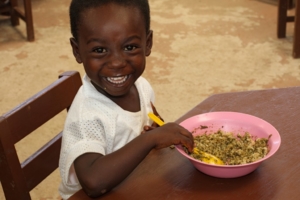 The Republic of Ghana is located on the West African Gulf of Guinea. Ghana is known for being a well-developed nation that is progressing more toward modernism every day. With a population of 28.8 million people, 24.2% or nearly 7 million people live below the poverty line. These are six facts about hunger in Ghana.
6 Facts About Hunger in Ghana
- Over the last 2 decades, Ghana has reduced hunger and poverty within its population. Poverty affects farmers in rural cities. In addition, most are living without clean water or access to healthcare. About 90% of families or 25.9 million citizens in Ghana rely solely on agriculture.
- Rural poverty is easily attributed to insufficient food systems. This is mostly due to Ghana being reliant on the rainy seasons. The south of Ghana gets two rainy seasons and the north only gets one. As a result of this, the north is often lacking in agricultural resources and goods more so than the south.
- Farmers in North Ghana tend to have unsustainable farming equipment. The equipment does not last from season to season. Poverty-stricken areas obviously struggle to sustain secure food supplies and often experience shortages, given all of the variables. Because of the food shortages, prices go up and the impoverished are in a harder spot than before to sell and purchase goods.
- The World Food Program (WFP) has been working to fight poverty and food insecurity in Ghana since 1963. Education, food security and sustainability training have been the main focuses of the WFP. Working alongside the Ministry of Agriculture, 1,500 farmers in small-scale areas have been able to participate in the Purchase for Progress program. Additionally, The Purchase for Progress program builds a sustainable future for rural farmers by building stronger markets. The program also brings communities out of poverty and contributing to the sustainability goals that will keep fewer people impoverished.
- While the numbers may seem grim, 4% of Ghanaians are at risk of being food insecure or undernourished. However, things seem more positive when you compare this to the entire African region, where 20% of citizens are at risk. In 2018, Feed the Future provided $9.3 million of loans to small businesses and farmers for quality equipment and supplies. Also, this keeps businesses from being unable to operate due to a lack of resources and funds.
- In 2018, Feed the Future supported the newly developed Ministry of Sanitation and Water Resources. This allows the delivery services of the aforementioned goods to reach the small and rural communities that needed it most. Clean water and sanitation resources were distributed to 110,000 households in 1,800 rural communities.
While hunger in Ghana has been a struggle, that will not always be the case. Over the last 20 years, Ghana has progressed past mass food insecurity and malnourishment. Sustainability and persistent progress have allowed for the capital, Accra, to become metropolitan. The modernized version of Ghana includes less impoverished families and less food insecure communities.
– Kim Elsey
Photo: Flickr
