• Link to X
  • Link to Facebook
  • Link to Instagram
  • Link to TikTok
  • Link to Youtube
  • About
    • About Us
      • President
      • Board of Directors
      • Board of Advisors
      • Financials
      • Our Methodology
      • Success Tracker
      • Contact
  • Act Now
    • 30 Ways to Help
      • Email Congress
      • Call Congress
      • Volunteer
      • Courses & Certificates
      • Be a Donor
    • Internships
      • In-Office Internships
      • Remote Internships
    • Legislation
      • Politics 101
  • The Blog
  • The Podcast
  • Magazine
  • Donate
  • Click to open the search input field Click to open the search input field Search
  • Menu Menu

Archive for category: Human Trafficking

Global Poverty, Human Trafficking

Eradicating Evil: Human Trafficking in Barbados

Human Trafficking in Barbados
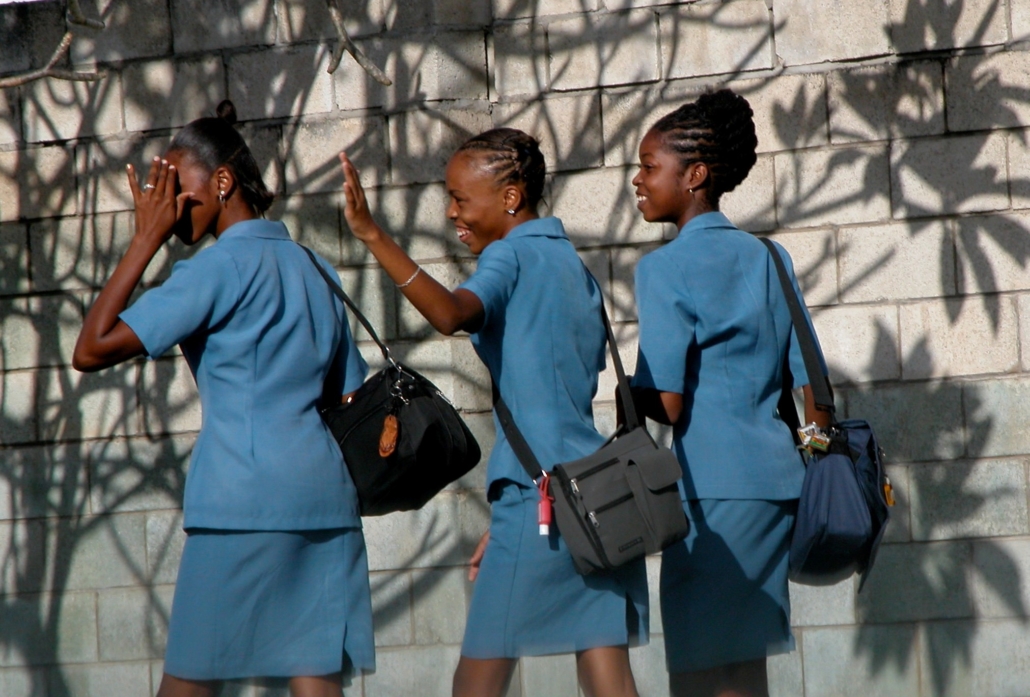
The word “pride” appears three times in the first eight lines of the Barbados national anthem and the country has much to be proud of. It gained its independence from the U.K. in 1966, became a republic in November 2021 and is the wealthiest island with the highest per capita income in the Eastern Caribbean. Barbadians may be less proud, though, of their government’s efforts to combat human trafficking. Here is some information about human trafficking in Barbados.

About Human Trafficking in Barbados

The U.S. Department of State’s country narrative on human trafficking in Barbados explains that often sex traffickers from Guyana partner with pimps from Barbados to place migrants into jobs quite different from what they expected. Migrant workers from Jamaica, Guyana and the Dominican Republic may come to the island anticipating agricultural work only to end up in a massage parlor or brothel. Sadly, children are not exempt from this. Traffickers force other migrants into indentured labor. Traffickers control these victims with physical violence, debt servitude and other forms of intimidation.

Assessing Barbados’ Attempts to End Trafficking

The U.S. Department of State designates Barbados as Tier 2, which means the island government’s efforts do not meet the minimum standards for combatting human trafficking. More locally, the Director of the Caribbean Anti Human-Trafficking Foundation Dr. Olivia Smith has indicated that she does not believe the Attorney General of Barbados is taking the problem seriously enough. Smith noted that while she has dealt with nearly 30 suspected trafficking cases since the end of 2020, the AG has investigated just three.

Barbados’ Plan to Deal with Trafficking

Smith’s comments come as the Barbados Office of the Attorney General and Legal Affairs unveiled the Barbados National Action Plan to Combat Human Trafficking, 2021-2023 in March 2021. The government has dedicated $125,000 to financing this plan. Integral to it are the 4Ps:

  • Prevention – As with many problems, prevention is key. Screening vulnerable individuals according to indicators, such as signs of abuse or disconnection from friends and family, prevents potential victimization. Barbados needs this as the number of people screened dropped by 50% during the two-year period from 2018 to 2020.
  • Protection – Traffickers separate their victims from their support system, making victims completely dependent on the trafficker for basic necessities. That is why a dedicated shelter for rescued victims is essential. Currently, Barbados does not have such shelters and those it uses lack appropriate resources.
  • Prosecution – Barbadians have a saying in the Bajan dialect: “Evah pig got he Saturday,” which means “Everyone will pay for his deeds at some point.” Currently, human trafficking laws in Barbados do not reflect that proverb. Barbadian law has a fine-only option for convicted traffickers, has not prosecuted anyone since 2016 and has never secured a conviction. If the “Prosecution” part of the government’s 4P plan has teeth, it will show traffickers that Barbados takes their crimes as seriously as other atrocities including rape.
  • Partnership – Human trafficking is never just a local problem. More transparency with international partners can help Barbados become part of the international fight against human trafficking.

The Barbados National Action Plan to Combat Human Trafficking is an encouraging step in the right direction. Perhaps the “pride” so pervasive in the lyrics of Barbados’ national anthem can soon apply to the country fulfilling the Ps in its plan to eradicate human trafficking.

— Vickie Melograno
Photo: Flickr

April 8, 2022
https://borgenproject.org/wp-content/uploads/borgen-project-logo.svg 0 0 Jennifer Philipp https://borgenproject.org/wp-content/uploads/borgen-project-logo.svg Jennifer Philipp2022-04-08 01:30:362022-04-02 03:18:19Eradicating Evil: Human Trafficking in Barbados
Global Poverty, Human Rights, Human Trafficking

The Issue of Human Trafficking in Paraguay

Human Trafficking in Paraguay
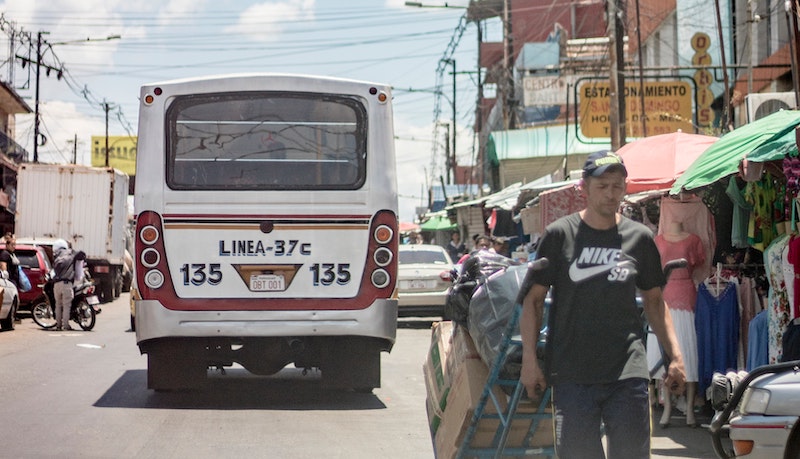
In the last few decades, human trafficking has become rampant in many Latin American countries. Landlocked by Argentina, Bolivia and Brazil, Paraguay finds itself grappling with this issue, putting many of its citizens at risk of becoming victims of trafficking. For the year 2021, the U.S. State Department ranks Paraguay at Tier 2 in regard to the nation’s handling of human trafficking. This ranking means that Paraguay does not meet the minimum requirements for combating trafficking as outlined in the Trafficking Victims Protection Act of 2000 but “is making significant efforts to do so.”

Victims of Trafficking in Paraguay

According to the Trafficking in Persons Report (TIP) of 2021, men, women and children are all susceptible to human trafficking in Paraguay. However, the most prevalent and concerning act of human trafficking in Paraguay involves the exploitation of children under a practice called “criadazgo,” which entails the exploitive labor of children as domestic workers.

A child, usually from an impoverished family, provides domestic work to middle and high-class families in exchange for “varying compensation that includes room, board, money, a small stipend or access to educational opportunities.” Estimates indicate that about 47,000 Paraguayan children work under this practice, often girls. However, this practice is a form of exploitation “similar to slavery.” In fact, many victims of criadazgo experience physical abuse and sexual abuse. Although officially outlawed in Paraguay due to child rights violations, the practice continues.

Barriers to Combating Human Trafficking in Paraguay

Law enforcement officials are often complicit in human trafficking crimes. Allegations include accepting bribes to overlook acts of trafficking in “massage parlors and brothels” and “issuing passports for Paraguayan trafficking victims exploited abroad.” According to the TIP, Paraguay’s national law against human trafficking does not “align with international law.” Furthermore, the official anti-trafficking unit lacks the resources to operate effectively. Considering the significant number of trafficking victims in Paraguay,  the nation does not have adequate services and infrastructure in place to adequately serve victims.

The Good News

Paraguay developed the Ministry of Adolescents and Children (MINNA), which “maintains a unit dedicated to fighting child trafficking and a hotline to report cases of human trafficking and commercial sexual exploitation of children.” This unit also offers “social services” to child victims of trafficking.

MINNA created Program Abrazo (Embrace Program) in 2005 to aid children within exploitative child labor by supplying the children and their family members “with health and education services, food deliveries and cash transfers conditioned on children’s school attendance and withdrawal from work.” In 2020, MINNA collaborated with “local institutions” to “open new Embrace Program attention centers for street children and to strengthen services at existing centers.”

In 2017, Paraguay created a child trafficking awareness initiative to reduce “child commercial sexual exploitation” within the tourism industry. The initiative made use of flyers, banners and stickers “at hotels, airports and places of mass circulation” in Ciudad del Este, the second-largest city in Paraguay, as well as the Paraguay border area.

Looking Ahead

These efforts are placing the country on the right path for Tier 1 categorization as a fully compliant nation. It is important to raise awareness of human trafficking to help eliminate it. Human trafficking can put any one of the 7.6 million people residing in Paraguay at risk. Most importantly, the vulnerable population, such as children and impoverished people, face this risk at a higher proportion than anyone else. Through continued efforts to combat human trafficking in Paraguay, the government can safeguard the well-being of vulnerable Paraguayans.

– Kler Teran
Photo: Unsplash

January 30, 2022
https://borgenproject.org/wp-content/uploads/borgen-project-logo.svg 0 0 Kim Thelwell https://borgenproject.org/wp-content/uploads/borgen-project-logo.svg Kim Thelwell2022-01-30 01:30:222022-01-18 14:41:22The Issue of Human Trafficking in Paraguay
Global Poverty, Human Trafficking

Human Trafficking in Turkmenistan

Human Trafficking in Turkmenistan
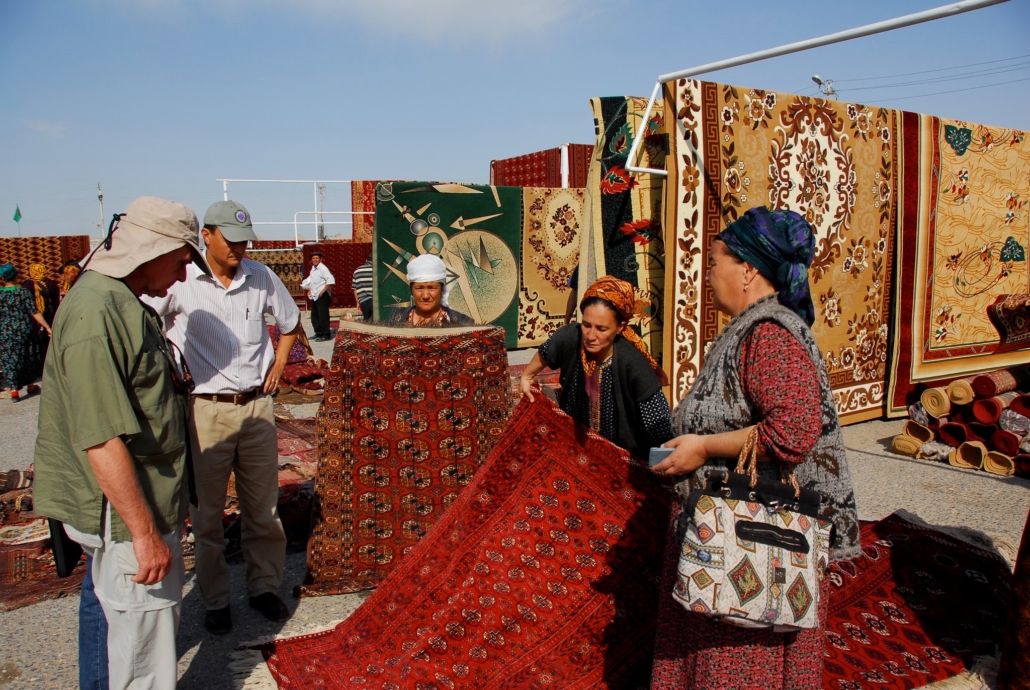
Turkmenistan is a country in Central Asia that shares borders with Kazakhstan, Uzbekistan, Iran and Afghanistan. It became independent after the Soviet Union’s fall in 1991. According to Human Rights Watch, Turkmenistan remains a country that is partially isolated from the rest of the world due to its political and geographical situation. Human trafficking in Turkmenistan is a critical issue that requires urgent attention.

About Human Trafficking in Turkmenistan

Unfortunately, Turkmenistan does not completely satisfy the minimum requirements to eliminate the practice of human trafficking. As such, the U.S. Department of State designates Turkmenistan a Tier 3 country in 2021. According to the U.S. State Department’s annual report on human trafficking, Turkmenistan is among the 22 worst countries in the world for human trafficking. There is no official data regarding the exact number of human trafficking cases in Turkmenistan, but according to the report, trafficking hotlines received close to 8,000 calls from victims in 2019. However, according to Turkmenistan’s government, there were no “formally identified” human trafficking victims that year.

To combat human trafficking in Turkmenistan, the government has tried to solve the problem by implementing a national action plan that runs from 2020 to 2022. This action plan involves the government’s participation in anti-trafficking awareness campaigns while collaborating with international organizations to fight human trafficking within the country.

Preventative Measures

Most of the measures that the state carried out in cooperation with other NGOs have not led to significant improvements in the human trafficking situation. These measures have not stopped the use of forced labor force during the cotton harvest or in public works. Turkmenistan wished to create an anti-human trafficking committee that has not come to fruition yet. While the country managed to reduce some areas of human trafficking, the demand for forced labor still exists.

The Ministry of Internal Affairs and the Turkmenistan government have carried out several campaigns in schools to raise awareness of human trafficking in the nation. Several organizations came together to assess the risk of human trafficking within the country. In addition, these organizations have also made efforts to monitor trafficking.

Measures to Protect Victims

The Turkmenistan government has been training officials in trafficking prevention and victim identification to ensure quicker and more efficient responses to incidents of trafficking. In addition, the government has allocated resources with the idea of eliminating the mobilization of children and adults for forced labor in the annual cotton harvest. The government has also launched several awareness campaigns to eliminate forced labor in other sectors.

Furthermore, the government funded the construction of shelters for trafficking victims, which the International Organization of Migration (IOM) operates. Although these measures have received several criticisms from international organizations for a lack of impact, the measures have served as a resource for local reintegration and job placement. In addition, the government and several NGOs put procedures in place to increase the efficacy and speed of victim identification.

How Victims Can Rebuild Their Lives

For victims, overcoming the trauma of human trafficking requires a lot of public support. Beginning in 2014, the United States Agency for International Development (USAID) has been cooperating with the IOM and other local NGOs to reintegrate victims of human trafficking back into Turkmenistan society through an organization called Yenme. To achieve this, Yenme takes on a comprehensive approach to social reintegration by providing psychological and medical support to the victims along with legal assistance. This helps victims to rebuild their lives with optimism and hope. Data shows that 90% of victims who receive this aid end up becoming self-employed. In addition, victims attend workshops to acquire new skills that are useful in their future work.

Looking Ahead

Even with the new measures that Turkmenistan’s government implemented and the cooperation with various international organizations and local NGOs, ongoing commitments of time and effort are necessary to alleviate human trafficking. Hopefully, through the continued work of Turkmenistan’s government and NGOs, human trafficking in Turkmenistan will one day be a matter of the past.

– Ander Moreno
Photo: Flickr

January 20, 2022
https://borgenproject.org/wp-content/uploads/borgen-project-logo.svg 0 0 Jennifer Philipp https://borgenproject.org/wp-content/uploads/borgen-project-logo.svg Jennifer Philipp2022-01-20 01:30:372022-01-26 04:43:02Human Trafficking in Turkmenistan
Children, Global Poverty, Human Trafficking, Women, Women's Rights

Human Trafficking in Honduras

Human trafficking in Honduras
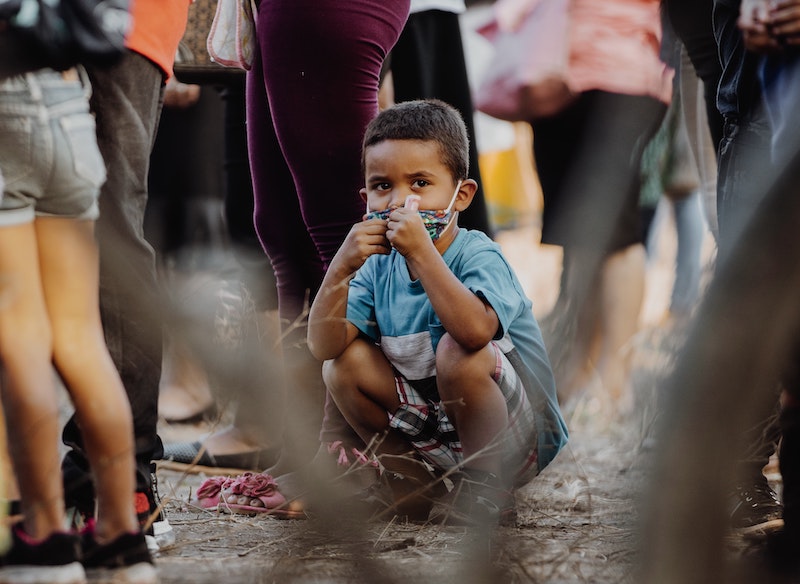
Human trafficking in Honduras is one of the most prominent human rights issues in the country. A 2020 report by the U.S. Department of State identifies Honduras as a Tier 2 country since it is making great strides in reducing human trafficking cases. However, the country still needs to meet the set baselines. With the new legislation, a new anti-trafficking plan and advocacy efforts by government-backed programs, Honduras is on its way to creating a safer society.

Causes of Human Trafficking in Honduras

The main causes of human trafficking in Honduras are unemployment, lack of economic opportunity and family issues. These issues leave people desperate to have a stable income and, unfortunately, make them more vulnerable to human trafficking. According to World Bank data, the unemployment rate in Honduras reached 10.98% in 2020, about a 5% increase from the unemployment rate of 5.7% in 2019. Often, traffickers lure victims to other countries with false promises of an escape from poverty and crime-ravaged areas, according to the 2021 report by the U.S. Department of State.

Honduras is primarily a source country for sex trafficking and forced labor. Oftentimes, traffickers exploit victims within their own communities and homes. Traffickers transport women and children, who are primarily victims of sex trafficking, abroad to experience exploitation in countries such as Mexico, Guatemala, El Salvador and the United States. Additionally, traffickers usually transport people for forced labor to Guatemala, Mexico and the United States.

As the U.S. Department of State reported, traffickers force their victims to beg on the streets, traffick drugs and work in the informal sector. Children have to work in dangerous occupations such as the agricultural, construction, manufacturing and mining industries. The U.S. Department of Labor statistics show that 9% of children from ages 5 to 14 in Honduras are working. Around 53% of these children work in the agricultural sector, 12.7% work in the industry sector (mining, construction and fireworks production, etc.) and 34% work in the services sector.

The COVID-19 pandemic exacerbated the situation, negatively impacting economic opportunity further. This has increased the vulnerability of people to human trafficking in Honduras, according to the 2021 report by the U.S. Department of State.

Government Initiatives

The previously mentioned report shows that the Honduran government is taking action to reduce cases of human trafficking in Honduras in the following ways:

  1. Increasing funding for Inter-institutional Commission to Combat Commercial Sexual Exploitation and Trafficking in Persons (CICESCT): In 2019, the Honduran government increased funding to 5.5 million lempiras (USD 221,400). CICESCT uses this funding to provide assistance to victims such as protection and therapy. In 2020, CICESCT’s immediate response team provided 67 victims with these services. Additionally, CICESCT works with other organizations and NGOs to provide further assistance to victims such as medical care.
  2. Identifying More Victims: Law enforcement and social service providers have certain procedures to follow to identify symptoms of human trafficking and refer suspected victims to the CICEST immediate response team.
  3. Enacting a New Penal Code Provision: The definition of trafficking is now as per international law. However, the new penal code lowered the penalty for trafficking, resulting in the crime not being on par with other serious misdemeanors.
  4. Implementing the 2016-2020 National Anti-Trafficking Plan: This plan includes measures such as providing anti-trafficking training to the public (virtually during the pandemic) and providing awareness-raising campaigns through social media. The Honduran government also formed a network of 32 government agencies and NGOs to help carry the plan out.

UNODC Campaign

In 2019, the Honduran government joined the United Nations Office on Drugs and Crime (UNODC) Blue Heart Campaign. The idea is to raise awareness about human trafficking in Honduras and to prevent these crimes. The Blue Heart Campaign focuses on advocacy and seeks to recruit others to help prevent human trafficking crimes by building political support to take more action against it. The campaign sends its donations to the United Nations Voluntary Trust Fund for Victims of Trafficking in Persons, whose goal is to aid other organizations and NGOs globally to assist victims. According to the UNODC, the campaign resulted in the rescuing of 194 people in 2019.

CICESCT

CICESCT is a Honduran government agency that aims to reduce the number of human trafficking cases and to provide care for victims. Since its formation in 2012, Honduras has increased funding for CICESCT. This allows for more aid and investigations into human trafficking cases. In 2018, more than 300 victims received aid, protection and services (mental health counseling, food, housing, legal care and medical care) to integrate back into society. Also, 28 people received prison sentences with time ranging from five to 15 years for human trafficking.

Moving Forward

There are still critical issues to resolve regarding human trafficking in Honduras. However, the country has made significant progress and is continuing to work on eradicating human trafficking from the country. If this level of progress and awareness continues, Honduras can achieve a trafficking-free society.

– Shikha Surupa
Photo: Unsplash

November 30, 2021
https://borgenproject.org/wp-content/uploads/borgen-project-logo.svg 0 0 Jennifer Philipp https://borgenproject.org/wp-content/uploads/borgen-project-logo.svg Jennifer Philipp2021-11-30 07:30:072024-05-30 22:25:31Human Trafficking in Honduras
Child Poverty, Global Poverty, Human Rights, Human Trafficking

Reducing Human Trafficking in Mali

Human Trafficking in Mali
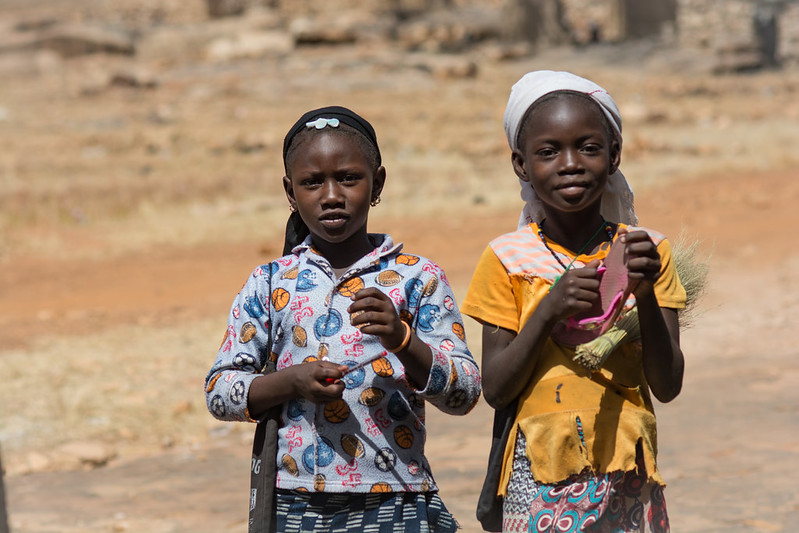
Mali is a country where human trafficking is widespread, according to the U.S. State Department. This suggests that the government of the western African country is failing to achieve the bare minimum for abolishing the practice. Instead, Mali has increased some of its prevention efforts — at least since 2017. Mali is not overlooking trafficking, according to many observers. In fact, the government is attempting to stop human trafficking in Mali.

The Situation in Mali

Despite its ranking, the Malian government is making strides to remedy its human trafficking conundrum. These initiatives include educating judges, prosecutors and law enforcement officers on human trafficking, as well as issuing a directive prohibiting minors from entering military installations.

Further actions aimed at combating human trafficking include government collaboration with international groups such as the Fodé and Yeguine Network for Action, and the Ministry of Women, Children and Families. In addition, the government has concentrated efforts amending an old anti-trafficking law as recently as 2019.

Mali’s justice minister has issued an order requiring judicial officials to give priority to cases brought under the original statute. Due to the absence of an integrated process to gather anti-trafficking statistics, law enforcement material previously was fragmentary and thereby challenging to access. The 2019 amendment sought to establish a unified strategy for data collection.

Mali is one of the poorest countries in the world, with more than 42% of its total population living below the poverty line, according to the World Bank. The coronavirus pandemic didn’t help, as a recession dropped Mali’s gross domestic product by nearly 2%. Additionally, nearly seven in 10 adults in Mali cannot read or write, indicating a scarcity of education.

The Correlation Between Malian Poverty and Human Trafficking

Mali has been beset by instability and violence since a 2012 military coup d’état and the capture of the northern territory. The country remains in a state of desperation due to its economic and social crises. The financial insecurity has made it simple — as many observers viewed — to fall victim to human trafficking practices.

Mali falls short of meeting the minimal benchmarks for the abolition of human trafficking. As a result, human traffickers can continue to exploit both internal and international victims. Many of these migrants are fleeing crisis zones in Mali, Nigeria and Senegal.

Mali is a supplier, route and destination country for international trafficking, according to the State Department. Lured to Mali with assurances of high-paying jobs, organizations, which include violent fundamentalists like Al-Qaeda “affiliates” abduct many of them. Job seekers also labor to “pay off” fictitious debts that the organizations that invited them to the country in the first place tell them they owe.

Why Mali?

Despite its poverty, Mali is rich in gold and oil. Yet, to benefit from those resources, Mali needs miners. This attracts refugees, women and children, who traffickers could ultimately coerce. Juvenile prostitution and child sex trafficking are common at mining sites. In fact, more than 12% of sex workers at these locations are as young as 15 and as old as 19, according to the U.N. Refugee Agency.

A disproportionate number of males work in certain mines, exposing them to the most heinous types of child labor, including physical, sexual and psychological abuse. “Children are being forced to fight by armed groups, trafficked, raped, sold, forced into sexual or domestic servitude or married off,” Gillian Triggs, the Refugee Agency’s assistant high commissioner for protection, told Reuters in December 2020.

Assistance to Mali

There are many human trafficking solutions, yet they are difficult to implement. Global attention and vigorous effort to alleviate Mali’s exploited and trafficked workers dilemma remain in initial phases. While the U.N., the State Department and a number of non-governmental organizations said they are aware of trafficking issues in Mali, the magnitude and precise volume of trafficking and coerced laborers continue to remain unclear.

To help with these issues, the Roman Catholic Church-affiliated Caritas Mali has assembled an international team to build an initiative alongside the International Catholic Migration Commission,  providing underprivileged individuals and children with alternative income and skill development opportunities.

Mali’s education system is deficient, and this new initiative may make fewer people desire to work in deplorable conditions. Many believe that human trafficking thrives on the instability that poverty creates. Thus, eliminating poverty could then, in turn, mitigate trafficking problems.

Many groups are attempting to assist those in poverty in Mali including Action Against Hunger. To date, it has helped more than 400,000 people gain access to nutrition and health programs, food security programs and sanitation programs. Another organization providing aid is the U.S. Agency for International Development’s Office of Food for Peace, which collaborates with the U.N. World Food Program to deliver financial assistance and meals to families that dislocation, violence, environmental catastrophes and other crises have impacted.

Save the Children is another organization helping nearly 1.5 million Malian children in 2020 by giving food and protection. The organization says it effectively raised 232,000 children out of poverty.

The work of Save the Children, Action Against Hunger and the U.S. Agency for International Development’s Office of Food for Peace are helping reduce the symptoms of poverty such as food insecurity and poor sanitation. These efforts should subsequently reduce people’s vulnerability and eliminate human trafficking in Mali.

– Tiffany Lewallyn
Photo: Flickr

November 29, 2021
https://borgenproject.org/wp-content/uploads/borgen-project-logo.svg 0 0 Jennifer Philipp https://borgenproject.org/wp-content/uploads/borgen-project-logo.svg Jennifer Philipp2021-11-29 07:30:292024-05-30 22:25:30Reducing Human Trafficking in Mali
Children, Global Poverty, Human Rights, Human Trafficking

Human Trafficking in Curaçao

Human Trafficking in CuracaoEfforts to address human trafficking are now more widespread, but the epidemic continues. Curaçao and other foreign governments are fighting to stop this crime — a consistent battle that requires consistent efforts to eradicate it. Human trafficking in Curaçao stands as a complex issue with no set solution but there is cause for optimism. Many organizations are directing their resources toward human trafficking task forces and prevention. Understanding human trafficking, its origin, prevention measures and progress are the first steps to becoming an advocate.

Human Trafficking: The Basics

More than 35% of the world’s population currently lives on less than $2.00 a day. There are “2.5 billion children, women and men are at risk of human trafficking.” Curaçao identified only three victims of trafficking in 2019 compared to 44 in 2018, indicating a backtrack in progress. The government of Curaçao can do more to identify and help victims of trafficking. Prosecution for traffickers is in place; however, without investigations to pinpoint perpetrators, few incidents reach prosecution.

Human trafficking is a form of modern-day slavery that uses force, coercion or fraud to exploit sex or labor from victims. The three most common types of human trafficking are sex trade, forced labor and domestic servitude. Any person is at risk of trafficking, yet women and children are disproportionately vulnerable to sex trafficking. In fact, “women and girls make up 80% of the people trafficked.”

How Trafficking Links to Poverty

Curaçao’s economy relies heavily on tourism, and therefore, faces fluctuations that explain the nation’s 25% poverty rate. This has become worse with the onset of COVID-19 and travel restrictions. This resulted in a 19.1% unemployment rate in 2020. Poverty is dangerous in itself and brings with it several threats to one’s safety and well-being.

Women and girls are the main targets of sex trafficking in Curaçao. According to the U.S. Department of State’s 2021 Trafficking in Persons Report, these female victims come from countries such as Venezuela, Curaçao and the Dominican Republic. “Bar owners recruit women and girls to work as waitresses or ‘trago girls,’ and subsequently, force them into commercial sex.” Individuals faced with poverty struggle to meet necessities, making them extremely vulnerable to human traffickers. Acknowledging poverty and its direct link to sex or labor trafficking vulnerability is the first step to dismantling it.

This Dutch Caribbean island, part of the Kingdom of the Netherlands, is on the Tier 2 Watchlist for human trafficking. This ranking shows that Curaçao is making efforts to alleviate human trafficking within its borders but is still not meeting the minimum standards of elimination. The primary reason for the country’s underperformance is a lack of funding since the implementation of its written plan would meet minimum standards. Curaçao’s government also lacks adequate protection, prosecution and prevention.

Trafficking affects locals and tourists in Curaçao. In 2019, displaced Venezuelans who were working illegally and overstaying their visas held a high risk of trafficking in Curaçao. The Kingdom of the Netherlands’ involvement is crucial for anti-trafficking efforts, which puts it in a position of leadership and funding. The Netherlands is responsible for foreign policy in Curaçao, Aruba and St. Maarten.

Combating Human Trafficking is a Global Effort

Countries should work together to fight human trafficking. Due to these crimes’ international occurrence, it is every country’s responsibility to do its part. Interpol, the global police organization, works exclusively to prevent international crime, making it a significant activist in the fight against trafficking.

Operation Libertad, coordinated by the Interpol Global Task Force on Human Trafficking, joined forces with 13 different countries, including Curaçao. It rescued nearly 350 victims of sexual and labor exploitation in 2018. Interpol exemplified how creating a platform is powerful. It has more than 500 participating police officers arresting traffickers. Efforts and projects like Operation Libertad are in progress around the world.

Other methods of improvement are underway, such as training and educational seminars. In 2021, the Dutch Caribbean Islands received training from the U.S. Department of Justice Human Trafficking Prosecution Unit, solidifying the communal cooperation to fight human trafficking. The Global Alliance Against Trafficking in Women (GAATW) pushes for legislation to combat trafficking with “more than 80 non-government organizations” and support from countries such as the Netherlands. Many more organizations exist and each plays an essential part in eliminating human trafficking in Curaçao.

Help End Human Trafficking in Curaçao

The U.S. Department of State gives 20 different ways one can help fight human trafficking. Human trafficking in Curaçao will improve with consistent efforts. Global efforts present a hopeful future for trafficking victims but stringent measures are the only ways to ensure such hope. Understanding human trafficking, its origin, prevention measures and progress are the first steps to becoming an advocate.

– Anna Montgomery
Photo: Flickr

November 28, 2021
https://borgenproject.org/wp-content/uploads/borgen-project-logo.svg 0 0 Jennifer Philipp https://borgenproject.org/wp-content/uploads/borgen-project-logo.svg Jennifer Philipp2021-11-28 01:30:272022-03-25 06:34:29Human Trafficking in Curaçao
Global Poverty, Human Trafficking, Women & Children

Maiti Nepal Tackles Human Trafficking in Nepal

Maiti Nepal
Nepal, landlocked between the global superpowers of China and India, is one of the most impoverished countries in South Asia, due in part to poor infrastructure, corruption and natural disasters. Staggering poverty rates and unemployment have created a crisis at the India-Nepal border, a hotspot for human trafficking. Women and girls are especially at risk of sex trafficking, especially girls in rural communities far from the capital city of Kathmandu. Maiti Nepal aims to address the growing issue of human trafficking in Nepal.

Women and Girls at Risk

Women and girls make up about “71% of modern slavery victims” worldwide. Illiteracy, poverty, unemployment and geography all contribute to the human trafficking crisis. Faced with few prospects, many girls are lured into the hands of traffickers with the promise of work and prosperity abroad.

Traffickers transport these girls to urban centers, either to Kathmandu or various cities in India. These girls must work in brothels, massage parlors, dance clubs, circuses and private homes. If the girls are lucky enough to make it back home, they then face additional discrimination and struggle to reintegrate into society.

COVID-19 Worsens the Trafficking Crisis

The COVID-19 pandemic is exacerbating the risks of human trafficking for girls. As unemployment rises, desperate families are more likely to believe traffickers can provide a better life for their children. In a society that views girls’ education as less important than boys’, extended school closures leave girls at heightened risk of falling victim to trafficking. It is imperative that global actors and the government of Nepal take immediate action to protect girls and women during the pandemic.

Neither India nor Nepal requires documentation for citizens to cross their shared border, allowing traffickers to move people across without detection. Dealing with the COVID-19 crisis has further depleted the resources and ability of anti-trafficking officials to adequately monitor border crossings. Estimates indicate that traffickers move 54 women and girls into India every day.

Maiti Nepal Spearheads Anti-Trafficking Efforts

Anuradha Koirala founded Maiti Nepal in 1993 with the goal of addressing the trafficking of women and children. Named a CNN Hero in 2010, Koirala has devoted the majority of her life to rehabilitating survivors of trafficking and implementing prevention efforts. Maiti Nepal recognizes that without improving conditions in Nepal, trafficking will continue to persist.

Though the Nepali government attempts to monitor the border, women and girls continue to slip through the cracks. Maiti Nepal supplements the government’s efforts to guard the busy border between India and Nepal. Volunteers directly intercept traffickers at the border and safely return the victims to their homes or a transit center. To date, Maiti Nepal has intercepted more than 42,000 girls at the border and convicted 1,620 human traffickers.

Maiti Nepal began as one rehabilitation home to house survivors. Now, its programs include prosecution and legal counseling, transit homes, education sponsorships, job training, advocacy efforts, rehabilitation and HIV/AIDS treatment programs, among others. Maiti has provided rehabilitation services to about 25,000 women and children. The nonprofit spearheads multiple efforts to provide direct aid as well as prevention and advocacy efforts throughout the country.

Looking Ahead

The continued efforts of Maiti Nepal and the Nepali government safeguard impoverished girls and women from the lures of human trafficking. Understanding the links between poverty and human trafficking, a broader focus on poverty reduction can accelerate efforts to combat human trafficking in Nepal.

– Elizabeth Long
Photo: Unsplash

November 10, 2021
https://borgenproject.org/wp-content/uploads/borgen-project-logo.svg 0 0 Jennifer Philipp https://borgenproject.org/wp-content/uploads/borgen-project-logo.svg Jennifer Philipp2021-11-10 01:30:292024-05-30 22:25:24Maiti Nepal Tackles Human Trafficking in Nepal
Child Poverty, Global Poverty, Human Trafficking

Human Trafficking in Albania: Escaping a Dark Past 

Human trafficking in Albania
Albania experienced greater prosperity than it ever had during its years as a Soviet satellite state, with its national income and standard of living skyrocketing as the country industrialized and urbanized. When the communist government lost power following the dissolution of the Soviet Union in 1991, political instability, government-backed pyramid schemes and civil war caused an economic disaster. As a result, many of Albania’s desperate poor, particularly women and children, became vulnerable to human traffickers, who significantly expanded their operations.

The Situation in Contemporary Albania

The Albanian government and the National Coalition of Anti-Trafficking Shelters identified 81 potential trafficking victims, with an additional five victims officially recognized in 2020. Of the 85 total victims, 58 were children and 62 were female. These figures are lower than in 2019, when there were 96 potential victims and seven confirmed victims, 80 of whom were female and 67 were minors. However, the number of victims is likely higher, and prosecutors did not convict any traffickers in 2020, whereas they did in 2019.

To compare, the state identified 134 total victims from 2005 through 2006, following the introduction of its first action plan for “trafficking in persons. Among the victims were 123 women, 77 children and 112 Albanians. In 2005, there were 49 convictions, and in 2006, there were 56. The country’s ability to identify victims has certainly improved, yet the complexity of trafficking cases has increased over the years, making convictions more difficult.

A Tier 2 source country, traffickers smuggle more people out of Albania than they bring in. The primary destinations of trafficked individuals are countries neighboring Albania such as Greece and Italy, as well as Western European countries like the United Kingdom, which had about 600 Albanian potential victims in 2015. In all, the number of Albanian victims abroad could be in the thousands. The Albanian government must fully comply with the minimum standards of the Trafficking Victims Protection Act of 2000 to become a Tier 1 country, the highest and best tier. Albania has held a Tier 2 position for many years because it continues to make significant efforts to meet the Act’s standards.

The Link Between Trafficking and Poverty

Human traffickers are most likely to prey on the poor and those living in rural areas because the poor are frequently desperate for work and people living in rural areas are more isolated than city dwellers. Women, children and migrants are also traffickers’ most common prey since they tend to be easier to entice and hold captive while engaging in sexual acts with the former two is in higher demand than with adult men. Though they are not prime targets, traffickers hold men captive as well, typically forcing them to perform farm or factory work in nearby Balkan countries.

In 2016, 33.90% of the population lived on less than $5.50 per day, compared to more than 55% in 2002. Similarly, the proportion of the population living in rural areas has decreased since the expansion of trafficking in Albania, from around 60% in the 1990s and early 2000s to 37.89% in 2021. Thus, the target demographic of human traffickers is shrinking.

Examining the Targets of Traffickers

Traffickers force children to sell small items on the street and beg for money, especially during tourist season, when traffickers know tourists are more vulnerable to these practices. Their captors make these children hand over most or all of the money they earn. Traffickers also solicit minors for the purpose of sex. The traffickers tend to force children of ethnic minorities and migrant groups such as the Romani into seasonal work. Stigmas against the Romani make them vulnerable to traffickers, less identifiable as victims and less likely to receive support.

Traffickers entice poor women to work as prostitutes by posting false job ads and posing as wealthy boyfriends. These women keep little to none of the money they earn, leaving them only with the trauma of their experiences. Captive women work in nail salons, factories and as domestic servants when not performing sex work. The attitudes of men toward women are also a component in women being targets.

Transiting migrants heading to Western Europe from Central Asia, the Middle East and Africa, are additional targets of human traffickers in Albania. The language barrier, the fact they are in an unfamiliar country and their desire to reach a wealthy nation make migrants susceptible to traffickers looking to exploit them.

The Albanian Government’s Response

The government is doing little to resolve law enforcement’s limited ability to screen and identify potential victims from migrant groups, children and sex workers. The Border and Migration Police have few interpreters, yet people speaking dozens of languages other than Albanian cross the border regularly. This language barrier exacerbates the difficulty of identifying and helping trafficking victims.

The lack of specialized experience prosecuting trafficking cases results in prosecutors convicting few criminals for human trafficking-related crimes. Instead, they often either convict the accused of a lesser crime, or the accused goes free. Furthermore, government employees are allegedly complicit in various human trafficking crimes. If true, corruption is contributing to human trafficking in Albania. The government claimed it would conduct an investigation but is not yet prosecuting anyone.

Government Investments to Reduce Trafficking

The government invested 29.3 million leks, the equivalent of $291,980, to the government-run specialized shelter for human trafficking victims. This is a massive increase to the 20.9 million leks or $208,270, it spent in 2019. While the government decided to reduce the funds it allocates to the salaries of support staff at NGO shelters, it spent more on food support. Delays in funding periodically undermined the efforts of shelters, however.

Additionally, the government moved 4.6 million leks ($45,840) to a fund of seized criminal assets designed for victims of human trafficking in Albania. The offices of the National Employment Services offered job priority to 60 of these victims. The government has also provided vocational training to 20 officially recognized victims and offered temporary residence permits to foreign victims.

Ending Human Trafficking in Albania

After the fall of the communist government, traffickers exploited the turmoil to expand their illegal trade, enriching themselves at the expense of their victims. However, the plague of human trafficking has undergone mitigation due to increased combined efforts of the Albanian government and NGOs. To eradicate human trafficking in Albania, the government must establish more robust social programs for the poor, expand job opportunities and improve access to support services; especially for people in rural areas. The government also needs to improve its screening of targeted groups, better train police in identification and prosecutors in dealing with trafficking cases, put greater emphasis on reintegration and fund NGO-run shelters consistently.

– Nate Ritchie
Photo: Flickr

November 3, 2021
https://borgenproject.org/wp-content/uploads/borgen-project-logo.svg 0 0 Jennifer Philipp https://borgenproject.org/wp-content/uploads/borgen-project-logo.svg Jennifer Philipp2021-11-03 07:30:402021-11-03 12:25:41Human Trafficking in Albania: Escaping a Dark Past 
Global Poverty, Human Trafficking

Raising Awareness of Human Trafficking in Panama

5 Progressive Steps Toward Raising Awareness of Human Trafficking in PanamaWithin the last five years, there have been many cases of human trafficking throughout Panama. Human trafficking refers to the use of fraud or coercion in order to obtain some type of labor or commercial sex act from a victim. Most trafficking victims in Panama are women from South and Central America, being exploited for sexual purposes. However, children and men are also victims.

Men from South and Central America, China and Vietnam are forced to work in construction, agriculture, mining and restaurants. Children are mainly used for domestic servitude and sexual exploitation. Tactics used include debt bondage, false promises and threats of reporting illegal immigration. In recent years, police have reported that some traffickers have even used illegal substances as a means to acquire victims. Below are five efforts to tackle the issues posed by human trafficking.

  1. UNODC: The UNODC, or the United Nations Office on Drugs and Crime, operates in Central America and the Caribbean to provide member states with technical assistance in the fight against serious and organized crime. In late January of 2020, the UNODC partnered with the General Secretariat of the National Commission against Trafficking in Persons to hold an informative breakfast in Panama to share its progress and challenges. The event also welcomed people to volunteer their support and funding through the Unit for the Identification and Care of Victims of Trafficking in Persons. There is hope that through events like this, the government of Panama will continue to make developments and advancements in putting an end to human trafficking. Hope remains that these efforts will also inspire more volunteering from those willing to work against the crime.
  2. National Secretariat for Childhood, Adolescence and Family: In 2019, Panama made efforts to reduce the likelihood and prominence of child labor throughout the country. One of these efforts included the implementation of the National Secretariat for Childhood, Adolescence and Family (SENNIAF). This agency conducts inspections to identify children living through child labor practices. Shelters for victims of trafficking, as well as care plans for children who were previously used as child laborers, are also available through this agency.
  3. Reforms in Law: In 2011, the government of Panama enacted Law 79. The law deals with trafficking in persons and related activities, thereby providing the legislative framework regarding human trafficking. The law aims to provide victims with respect in regard to their status. The initial step of this process requires public servants to immediately report to the police if they believe a person may be a victim of human trafficking, as outlined by Article 44. After a person is confirmed to be a victim of trafficking, Article 47 states that the person is allowed to stay in the country for at least 90 days in order for the victim to both physically and emotionally recover. Possibly, the most significant provision that the government has implemented is in Article 37. The portion asserts that no victim of human trafficking may be detained, accused or processed for entering the country illegally.
  4. International Organization for Migration: Headquartered in Panama, the IOM works to support the efforts of the government in Panama to develop and implement plans to prevent, investigate and prosecute trafficking crimes, while protecting victims. In line with the annual World Day Against Trafficking in Persons on July 30, 2021, the IOM held a panel on raising awareness, victim protection and crime prevention. The event was attended by government authorities and members of civil society. Its main goal was to analyze the advances and challenges associated with the issue of trafficking, as well as to develop a perspective of human rights for the protection of trafficking victims.
  5. Districts Free of Child Labor Initiatives: The government of Panama created anti-child labor agreements such as the SENNIAF listed above. Through efforts made by these agencies, Panama has experienced an increase in victim identifications, as well as training and awareness of the issue among its population.

Three Key Improvements

As a result of many of these efforts, the following improvements have taken place.

  • Child labor training was provided to 105 law enforcement officials, 55 prosecutors and 21 tourism authorities.
  • A local NGO identified 1,497 cases of child labor in 2019. Of the cases, 1,444 received care, scholarships and follow-ups from a program for 3 years in regard to academic work.

  • The Labor Inspectorate carried out 945 inspections for child labor.

The Road Ahead

Though much progress had been made in eliminating human trafficking within Panama, more work is required to see a definitive elimination in cases. A key way to work on eliminating the issue is by spreading awareness of the issue to others; human trafficking is no different. Through the work of many organizations and agencies, Panama has seen an increase in the knowledge of the matter, and the government keeps the hope that trafficking will no longer persist.

– Nia Hinson
Photo: Flickr

October 13, 2021
https://borgenproject.org/wp-content/uploads/borgen-project-logo.svg 0 0 Jennifer Philipp https://borgenproject.org/wp-content/uploads/borgen-project-logo.svg Jennifer Philipp2021-10-13 07:30:192024-06-11 23:16:53Raising Awareness of Human Trafficking in Panama
Global Poverty, Human Trafficking

4 Facts About Human Trafficking In Ireland


Human trafficking is a global problem. Unfortunately, human trafficking in Ireland worsened in the last few years. The U.S. Department of State ranks countries on a three-tier system when it comes to human trafficking. In 2020, Ireland dropped from Tier 1 to Tier 2 watchlist because the country does not meet the minimum standards. However, Ireland is making efforts to eliminate trafficking. Here are four facts about human trafficking in Ireland.

1. In Western Europe, Ireland is the Only Country on the Tier 2 Watchlist.

Ireland now stands with areas of the world like Hong Kong and Romania on the tiered system. In Ireland, the trafficking problem progressively worsened. In 2012, the An Garda Síochána (the Irish police) detected or reported 48 victims, “44 in 2013, 46 in 2014, 78 in 2015 and 95 in 2016.” However, while human trafficking in Ireland intensifies, the rest of Western Europe remains at a higher tier designation.

Additionally, the Irish government did not report on the victims. Yet, the U.S. State Department’s report pointed out that “traffickers subject Irish children to sex trafficking within the country.” Sr Kathleen Bryant, a charity worker, believes Ireland is in “denial” about sex trafficking. She speculates that Ireland cannot admit that Irish people are exploiting one another.

2. Sexual Exploitation Exists Within Human Trafficking in Ireland.

The majority of victims are women. Sadly, the majority of these victims experience sexual exploitation. The United Nations Office on Drugs and Crime observed that the majority of human trafficking victims in Ireland are victims of sexual exploitation.

Recently, authorities found two women in Ireland guilty of human trafficking. They ran a prostitution ring in Ireland, and their victims journeyed from Nigeria only to experience exploitation in Ireland. One victim described herself as a “sex machine.” Sexual exploitation is a large component of human trafficking in Ireland. The U.N. report shows that 194 victims suffer from sexual abuse by 2016. Additionally, 108 people were victims of forced labor.

3. Labor Trafficking Exists in Ireland.

Besides sex trafficking, labor trafficking is prevalent in Ireland as well. There are at least 8,000 people in Ireland working as slave labor. The traffickers coerce and manipulate people into traveling to Ireland. They work in “the restaurant industry, waste management, fishing, seasonal agriculture and car-washing services.” In particular, many accuse the fishing industry of exploiting migrant workers. The current system leaves migrants with only one employment option, consequently, leaving them vulnerable to exploitation.

4. Ruhama is Fighting Human Trafficking in Ireland.

NGOs are fighting to eliminate human trafficking in Ireland. For example, the NGO, Ruhama, is working to give support to victims of human sex trafficking. The U.S. State Department report mentions how the Irish government does a poor job of identifying and assisting victims of human trafficking. Ruhama fills that gap by providing free and confidential assistance to women who are victims of sex trafficking.

Additionally, Ruhama has been lobbying and campaigning to change the systems that allow sex trafficking to happen. Ruhama began in 1989, and it helps thousands of women stuck in prostitution and sex trafficking. Ruhama’s 2019 annual report revealed that Ruhama worked with 116 victims of sex trafficking. Ruhama implements casework, Education & Development Programme, Outreach, Counselling, Bridge to Work, Holistic Therapies and Policy Work to help these women. Ruhama also played a significant part in lobbying for the 2017 Sexual Offences Act which intends to help sex trafficking victims.

Western Europe is one of the wealthiest parts of the world. Yet, human trafficking in Ireland illustrates how poverty around the globe creates problems that spread to every corner of society. Through better government oversight and continued work from organizations like Ruhama, Ireland could eventually regain its Tier 1 status.

– Mike Messina
Photo: Flickr

October 5, 2021
https://borgenproject.org/wp-content/uploads/borgen-project-logo.svg 0 0 Kim Thelwell https://borgenproject.org/wp-content/uploads/borgen-project-logo.svg Kim Thelwell2021-10-05 01:30:032021-10-01 11:11:304 Facts About Human Trafficking In Ireland
Page 8 of 31«‹678910›»

Get Smarter

  • Global Poverty 101
  • Global Poverty… The Good News
  • Global Poverty & U.S. Jobs
  • Global Poverty and National Security
  • Innovative Solutions to Poverty
  • Global Poverty & Aid FAQ’s
Search Search

Take Action

  • Call Congress
  • Email Congress
  • Donate
  • 30 Ways to Help
  • Volunteer Ops
  • Internships
  • Courses & Certificates
  • The Podcast
Borgen Project

“The Borgen Project is an incredible nonprofit organization that is addressing poverty and hunger and working towards ending them.”

-The Huffington Post

Inside The Borgen Project

  • Contact
  • About
  • Financials
  • President
  • Board of Directors
  • Board of Advisors

International Links

  • UK Email Parliament
  • UK Donate
  • Canada Email Parliament

Get Smarter

  • Global Poverty 101
  • Global Poverty… The Good News
  • Global Poverty & U.S. Jobs
  • Global Poverty and National Security
  • Innovative Solutions to Poverty
  • Global Poverty & Aid FAQ’s

Ways to Help

  • Call Congress
  • Email Congress
  • Donate
  • 30 Ways to Help
  • Volunteer Ops
  • Internships
  • Courses & Certificates
  • The Podcast
Scroll to top Scroll to top Scroll to top