• Link to X
  • Link to Facebook
  • Link to Instagram
  • Link to TikTok
  • Link to Youtube
  • About
    • About Us
      • President
      • Board of Directors
      • Board of Advisors
      • Financials
      • Our Methodology
      • Success Tracker
      • Contact
  • Act Now
    • 30 Ways to Help
      • Email Congress
      • Call Congress
      • Volunteer
      • Courses & Certificates
      • Be a Donor
    • Internships
      • In-Office Internships
      • Remote Internships
    • Legislation
      • Politics 101
  • The Blog
  • The Podcast
  • Magazine
  • Donate
  • Click to open the search input field Click to open the search input field Search
  • Menu Menu

Archive for category: Human Trafficking

Global Poverty, Human Trafficking

Efforts to Tackle Human Trafficking in Benin

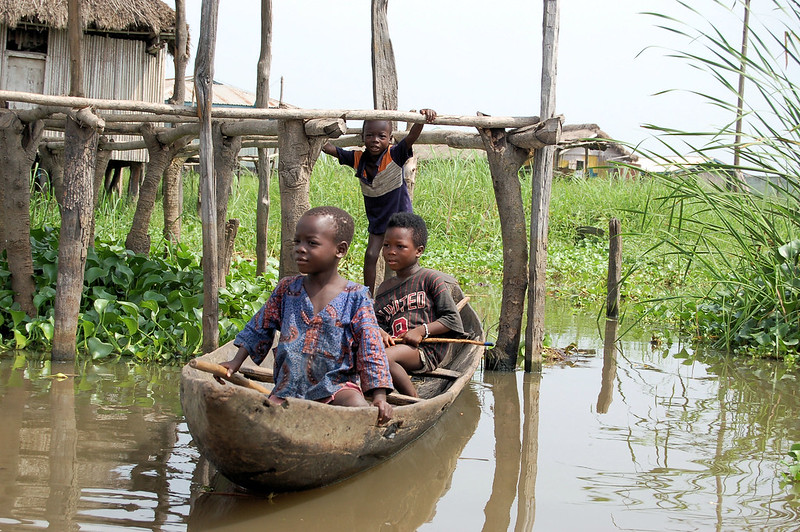
Human Trafficking in BeninBenin is a country in sub-Saharan Africa bordered by Togo to the west, Burkina Faso and Niger to the north, Nigeria to the east and the Atlantic Ocean to the south. It has a population of 12.12 million. While in the last 25 years, many intergovernmental and non-governmental organizations have made significant progress in fighting human trafficking, it remains a pressing issue in Benin and around the world. Here are the most important facts to know about human trafficking in Benin.
The Facts

The U.S. State Department ranks the Beninese government as tier 2 in its assessment of its anti-human trafficking efforts. It assigns these rankings based on the country’s level of compliance with the Trafficking Victims Protection Act (TVPA) minimum standards (tier 1 being in compliance, tier 2 out of compliance but making significant efforts to comply, and tier 3 being out of compliance and not demonstrating significant efforts to comply).

Because of insufficient identification and data collection, exact statistics on human trafficking in Benin are unknown. According to the U.S. State Department’s most recent estimate, however, the number of trafficking victims sourced or transported through Benin is 40,000 annually. Additionally, its central location makes it a common transit location in illicit trade routes throughout the region. The U.S. government estimates that criminals traffic 600,000 to 800,000 people annually across borders in West Africa.

Though some human trafficking victims in Benin are not Beninese citizens, the vast majority are. One UNICEF study estimated that 93% of Benin’s trafficking victims are internally sourced. Most trafficking victims in Benin are children. It is common for traffickers to leverage high levels of poverty and illiteracy as a way of coercing parents into sending their children away under the pretense of employment or education opportunities. However, traffickers also often involuntarily detain their victims under threat of violence. Traffickers in West Africa most often use victims for unpaid labor, but it is also common to use victims for sexual exploitation and warfare. UNICEF estimates that 46% of the Beninese youth population work and 86% of trafficking victims are underage girls, indicating a high level of sexual and labor exploitation in Benin.

Solutions and Progress

While human trafficking in Benin is still prevalent, the U.S. State Department reported that the Beninese government is increasing anti-trafficking efforts in the four most recent Trafficking in Persons reports. According to the 2021 report, it increased attempts to identify and protect child trafficking victims and made efforts to prevent trafficking in persons. Additionally, it created a child protection hotline, which provided more than 500 tips regarding child trafficking. Local Beninese people have also been indispensable in combating human trafficking by creating more than 700 “Village Committees” whose “function is to provide ‘social surveillance’ or social control of the activities and movement of the village’s children.”

However, it is crucial to remember the connection between rates of human trafficking and rates of poverty, illiteracy and the absence of adequate parental supervision. Reducing poverty and the amount of crime, and increasing the number of skilled laborers, may improve low-income parents’ abilities to send their children away for school and improve their livelihoods, which could subsequently help eliminate human trafficking. Some NGOs recognize this and are combating human trafficking in Benin by providing education, health care and employment opportunities to Beninese youth.

About Bornefonden

For example, Bornefonden, an NGO that runs Denmark, assists “60,000 children and youth in creating their own future in Togo, Mali, Cape Verde, Burkina Faso and Benin.” Its services include contributing to essential needs in Beninese communities such as constructing schools, facilitating contact between Beninese citizens and health care organizations and constructing wells in villages with water scarcity. Bornefonden’s goal is to provide long-term solutions and operates by “working in a community for a period of 15-20 years, after which all facilities will be handed over to the local authorities and citizens of the local community.” Terres des homes, another NGO operating in Benin, provided just under 1,000 children with vital health care operations in Benin in 2021, including psychological consultation.

Efforts like these, though not explicitly dealing with the issue, are instrumental in decreasing the rate of human trafficking in Benin.

– Xander Heiple
Photo: Flickr

October 26, 2022
https://borgenproject.org/wp-content/uploads/borgen-project-logo.svg 0 0 Jennifer Philipp https://borgenproject.org/wp-content/uploads/borgen-project-logo.svg Jennifer Philipp2022-10-26 07:30:192026-04-16 09:57:58Efforts to Tackle Human Trafficking in Benin
Global Poverty, Human Trafficking

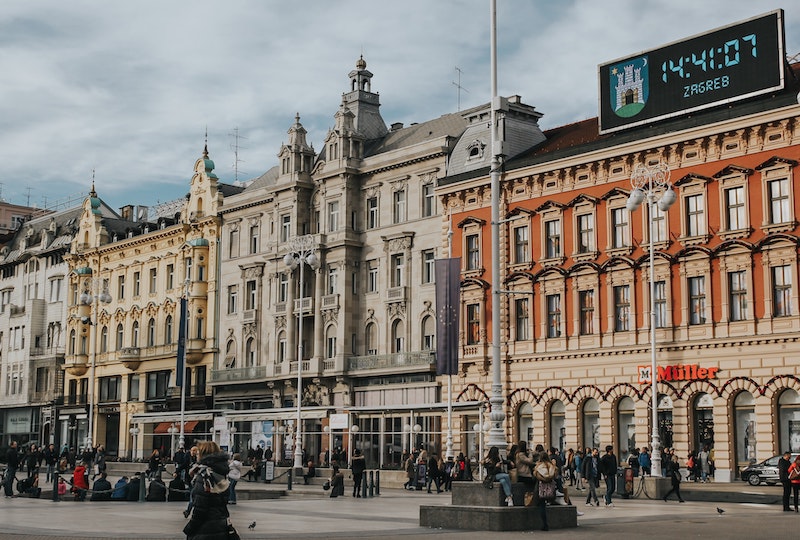
Human Trafficking in Croatia

Human Trafficking in Croatia
In 2017, the International Labour Organization (ILO) estimated that almost 25 million cases of human trafficking existed across the world. According to the United Nations Office on Drugs and Crime (UNODC), the most common form of human trafficking is sexual exploitation, mostly among girls and women. Southeastern Europe, which includes countries such as Croatia, Albania and Bulgaria, has a high prevalence of trafficking for purposes of sexual exploitation. In terms of human trafficking in Croatia, the 2022 Trafficking in Persons Report by the U.S. Department of State ranks Croatia as a Tier 2 country, meaning “Croatia does not fully meet the minimum standards for the elimination of trafficking but is making significant efforts to do so.”

The 2022 Trafficking in Persons Report

The government of Croatia created the Independent Monitoring Mechanism (IMM) to oversee the conduct of police authorities at the country’s borders and ensure that human rights are upheld at all times. The IMM “may help potential victims self-identify to authorities and reduce future opportunities for traffickers to exploit migrants and asylum-seekers,” the TIP 2022 report said.

However, Croatia had inadequate screening processes in place for undocumented migrants and asylum seekers. A few judges also required several testimonies from trafficking victims, leading to re-traumatization. Furthermore, the legal system charged some traffickers with less serious crimes.

Preventative Measures

The Croatian government has taken a series of steps to raise awareness of human trafficking and increase prevention measures.

  • Holding monthly virtual meetings to oversee the implementation of Croatia’s 2018-2021 national action plan (NAP) to combat trafficking.
  • Hosting awareness campaigns in high-risk areas and targeting at-risk groups.
  • Running an anti-trafficking hotline that received 678 phone calls, which led to six human trafficking investigations.
  • Croatia prompted labor inspectors to conduct inspections in several fields of work to ensure there are no legal infringements.
  • The law mandates that employers cannot charge recruitment fees to workers and implements fines in this regard.
  • Labor inspectors in Croatia are able to issue fines or impose criminal charges against employers who withhold salaries from workers.

The U.S. Department of State indicated that although efforts supporting the elimination of trafficking have increased, the government still falls short of meeting the minimum standards.

From the Perspective of Croatia’s Youth

The majority of the victims experiencing human trafficking in Croatia are women and children. Adolescents are susceptible to trafficking due to their vulnerabilities and lack of knowledge. A study led by Zora Raboteg-Šarić and others in 2007 utilized a survey to test the human trafficking knowledge of 950 students.

The results differed between different parts of the country. Students from larger towns had more knowledge of human trafficking than those from smaller towns. Slightly more than 50% of respondents believed that human trafficking in Croatia is not a major concern. Females and older students generally see human trafficking in Croatia as a more serious issue than males and younger students.

On the Right Track

Despite several setbacks in reducing human trafficking in Croatia, the Croatian government has made several efforts to improve. With commitments to raising awareness and supporting preventative efforts, the prevalence of human trafficking in Croatia can reduce.

– Madison Stivala
Photo: Unsplash

October 26, 2022
https://borgenproject.org/wp-content/uploads/borgen-project-logo.svg 0 0 Kim Thelwell https://borgenproject.org/wp-content/uploads/borgen-project-logo.svg Kim Thelwell2022-10-26 01:13:392022-10-26 08:24:52Human Trafficking in Croatia
Global Poverty, Human Trafficking

Human Trafficking in Tajikistan

Human Trafficking in Tajikistan
The U.N. Trafficking Protocol defines human trafficking as “the recruitment, transportation, transfer, harboring or receipt of persons, by means of threat or use of force or other forms of coercion, of abduction, of fraud, of deception, of the abuse of power or of a position of vulnerability or of the giving or receiving of payments or benefits to achieve the consent of a person having control over another person, for the purpose of exploitation.” Human trafficking in Tajikistan is a pertinent issue — The U.S. State Department’s Trafficking in Persons (TIP) report of 2021 lists Tajikistan as a Tier 2 country, joining the ranks of Saudi Arabia, Sierra Leone and Panama.

Tajikistan’s TIP Ranking

A Tier 2 ranking means “Tajikistan does not fully meet the minimum standards for the elimination of trafficking, but it is making significant efforts to do so.”

The TIP 2021 report highlights that instances of human trafficking in Tajikistan itself are less common. Rather, traffickers exploit Tajikastini people who have migrated to other countries for financial reasons. In particular, “Labor traffickers exploit Tajikistani men and women in agriculture and construction primarily in Russia, UAE, Kazakhstan and Saudi Arabia, as well as in other neighboring Central Asian countries, Turkey and Afghanistan,” the report said.

Additionally, women who lost their husbands to armed conflict and are struggling for money are more vulnerable to “coercive local marriages” containing elements of forced labor or sex trafficking. The onset of the COVID-19 pandemic led to widespread job losses and income cuts, exacerbating the financial stability of Tajikistani families and making them more vulnerable to the lure of traffickers.

In the 2021 report, Tajikistani “authorities identified 24 trafficking victims during the reporting period, compared with 53 in 2019.” However, authorities did not supply “information on victims’ nationalities, genders, ages, locations or types of exploitation.”

In terms of prevention efforts, while the government ran a 24-hour trafficking hotline for victims, the government did not note the number of phone calls that led to trafficking victim identifications.

In previous years, the police force has used a registry of names of sexual minorities to blackmail these individuals into “sex trafficking and forced informant roles.” While same-sex relationships are legal in Tajikistan, sexual minorities face discrimination and stigma from both the authorities and the public. Tajikistan created an “official list” of LGBTQI+ citizens in 2017.

The TIP report says that the government of Tajikistan has achieved “a significant increase in trafficking convictions” as well as provided “shelter to more victims than the previous year.” However, the report also highlights “allegations of possible official complicity in some localities” but Tajikistan did not report any investigations or arrests regarding the matter.

Creating Change

The report recommends creating “standard operating procedures for identifying trafficking victims and referring them to care.” It also encourages the government of Tajikistan to focus on vulnerable groups at risk of trafficking such as “LGBTQI+ individuals [and]foreign and returned Tajikistani migrant workers,” among others.

U.N. human rights expert Siobhán Mullally recommended that the Tajikistan government increase protections for refugees from Afghanistan, Iraq and Syria. Mullally also says the nation must address the stigma and discrimination that female sex trafficking victims face when seeking help.

The government should also provide financial support to female-headed households and female informal workers as these groups are more susceptible to trafficking due to their generally impoverished economic circumstances.

The International Organization for Migration (IOM) plays an important role in combating human trafficking in Tajikistan. In 2019, one day before World Anti-Trafficking Day (July 30), the IOM held a national youth debate tournament centering around human trafficking. This aims to raise awareness of human trafficking in Tajikistan. In 2019, the IOM also gave “direct assistance” to 17 human trafficking victims in Tajikistan and “prevented eight other cases of potential trafficking.”

While Tajikistan is progressing in the right direction in terms of efforts to reduce human trafficking, the government must make more concerted efforts to provide greater support to the most vulnerable groups.

– Priya Maiti
Photo: Flickr

October 6, 2022
https://borgenproject.org/wp-content/uploads/borgen-project-logo.svg 0 0 Jennifer Philipp https://borgenproject.org/wp-content/uploads/borgen-project-logo.svg Jennifer Philipp2022-10-06 01:30:302022-10-05 09:21:21Human Trafficking in Tajikistan
Global Poverty, Human Trafficking

Everything You Need to Know About Human Trafficking in Kazakhstan

Human Trafficking in KazakhstanAccording to the 2021 U.S. Department of State Trafficking in Persons Report on Kazakhstan, the country currently has a tier two trafficking rating. However, the government has shown a fair amount of effort in combating domestic and international human trafficking in Kazakhstan, working alongside non-governmental organizations (NGOs).

The Initial Abduction

All groups are at risk regardless of gender or age. Forced sex work, labor, coercion into criminal behavior and child adoption are the primary motivators for human trafficking in Kazakhstan, and the strategies these traffickers use are very organized. Strangers, acquaintances, friends, lovers, employers or family can be responsible for luring victims. Traffickers often lure victims in rural areas to large cities with promises of employment, only to deceive them once they reach their destination.

The offer of waitressing, modeling, or nanny work in the city for women and young girls is a ploy many sex traffickers will use before forcing them into commercial sexual exploitation.

Traffickers often coerce vulnerable men and women into labor and export them to countries like Russia and Brazil. Additionally, some adults and children perform criminal activities for their traffickers. At-risk children who do not end up in forced labor or sex work beg on the streets or are “sold” for adoption in other countries.

Amendments to Increase Criminal Penalties

An essential first step to combating human trafficking in Kazakhstan was the rescindment of article 68 of the criminal code which “allowed defendants to pursue settlements by paying monetary compensation to the victim in exchange for having the criminal case withdrawn.” In addition, laws at this time did not see aggravated circumstances such as force, fraud or coercion as significant elements in human trafficking.

With the implementation of six new articles to the penal code that criminalized sex trafficking and labor trafficking, human trafficking offenders now face more severe penalties. Human traffickers can face four to seven years in prison for adult trafficking, five to nine for child trafficking and five to seven years for related crimes. These penalties could increase to 18 years in prison, depending on the aggravated circumstances.

Improved Case Investigations

According to the U.S. Department of State, police in Kazakhstan evaluated 72 cases of human trafficking and continued to investigate 23 open cases in 2020. The government prosecuted 45 investigated cases in 2020, convicting 11 traffickers. There has been a lack of labor trafficking convictions, but the Kazakhstani government held three traffickers responsible for their labor crimes for the first time in three years. Overall, this represents progress in addressing human trafficking compared to 2019 when police investigated 45 human trafficking cases.

The Kazakhstani police have recently examined the organized crime activity of a transnational trafficking organization. Working with the Ministry of Internal Affairs, police forensics were able to link eight individuals who may be responsible for the trafficking of a group of Kazakhstani women to Bahrain. Additionally, police implemented “Stop Trafficking” operations to investigate human trafficking and close down commercial sex businesses and organizations such as brothels or pimps over a few days.

Developed Victim Identification Guidelines and Training

The Kazakhstani government has worked to strengthen their teams with guidelines and victim identification training. The Ministry of Internal Affairs Trafficking in Persons Training Center worked with 168 police officers regarding the investigation approaches to human trafficking cases in 2020. Police officers, judges, prosecutors and labor inspectors received training to identify and effectively persecute labor trafficking cases. Attorneys received training on proper legal protocol when assisting human trafficking victims. Labor inspectors’ responsibilities extended to include mandated reporting of identified victims of human trafficking to law enforcement. The government funded this training, whereas NGOs partially funded previous years’ training programs. The government administered training online due to the coronavirus pandemic.

NGOs’ Contribution

NGOs working to stop human trafficking in Kazakhstan believe the government must address the problem within the system. There are rarely investigations into government officials or police officers suspected of collusion with human traffickers. NGOs reported that traffickers would bribe officials to avoid persecution for their crimes, and some officials would facilitate labor and trafficking organizations.

NGOs play an essential role in the fight against human trafficking in Kazakhstan as they work to increase awareness of the issue. Organizations, such as the Sana Sezim Center, provide shelter, food and transportation for those who have escaped trafficking situations. The Sana Sezim Center has helped 208 victims of human trafficking find legal counsel through its “Safe Migration in Central Asia” program. Another NGO, Zhan Zholdas, offers psychological and medical help and safe sex education. Zabota, the Legal Center of Women’s Initiatives and Megapolise are a few other NGOs fighting human trafficking in Kazakhstan.

Looking Ahead

In July 2022, the Kazakhstani Ministry of Internal Affairs stated that a draft anti-trafficking law would be in development in April 2023. The government revisits and updates anti-trafficking prevention and response procedures every three years in an effort to be more proactive when it comes to tackling human trafficking in Kazakhstan.

– Mikada Green
Photo: Unsplash

September 30, 2022
https://borgenproject.org/wp-content/uploads/borgen-project-logo.svg 0 0 Jennifer Philipp https://borgenproject.org/wp-content/uploads/borgen-project-logo.svg Jennifer Philipp2022-09-30 14:52:322022-10-10 05:44:23Everything You Need to Know About Human Trafficking in Kazakhstan
Education, Global Poverty, Health, Human Trafficking

Human Trafficking in Oman

Human Trafficking in OmanHuman trafficking rates have grown significantly in the last decade. While rising global trends persist amid the COVID-19 pandemic, countries like Oman steadily reinforce its policies to combat human trafficking in Oman.

The Human Trafficking Epidemic

According to the United Nations Office on Drug and Crime (UNODC), human trafficking is defined as the “recruitment, transportation, transfer, harboring or receipt of people through force, fraud or deception, with the aim of exploiting them for profit.”

The involuntary movement of people occurs internationally and affects men, women and children. Human trafficking varies in scope and degree regarding its victims’ characteristics. The data shows most women and girls are sex trafficked; most men and boys are labor trafficked. Perpetrators include organized crime groups or individuals acting of their accord. UNODC highlights immigrants and the unemployed as more susceptible to trafficking, with the COVID-19 crisis likely to “expose more people to the risk of trafficking.”

Oman’s Policies on Human Trafficking

According to the U.S. Department of State, Oman ranks at “Tier Two,” indicating a country that lacks to meet the Trafficking Victim Protection Act’s basic requirements but shows substantial effort to meet those standards. Some areas where Oman struggled to fight against human trafficking include failing to prosecute, investigate or convict supposed traffickers. But, while there have been shortcomings, there have been great strides in tackling human trafficking in Oman.

To further develop victim detection and identify possible trafficking situations, the Omani Ministry of Labor and Royal Omani Police created counter-trafficking units. The units investigated over 20,000 labor disputes and monitored and inspected 312 recruiting agencies for possible trafficking scenarios, the U.S. Department of State reports.

Omani authorities also designated approximately $4.6 million in victim shelters and services such as legal support, rehabilitation, medical care and many others. In addition to the victim shelters, the Omani ministry implemented a labor law to better protect the rights of domestic and migrant workers to mitigate abusive labor relationships and boost victims to protective services.

Continuing The Fight Against Human Trafficking

In December 2020, Oman’s Foreign Affairs Ministry hosted a conference to acquire feedback on the National Action Plan to Combat Trafficking and evaluate Oman’s effectiveness in combating trafficking. Currently, Oman endorses the National Action Plan. It recognizes the issue of human trafficking and the severe repercussions trafficking has on the marginalized members of society; while stressing the importance of government(s) cooperation in fostering and enhancing anti-trafficking programs.

The Omani Ministry of Foreign Affairs continues to finance an expert advisor on international human trafficking and aids multi-national bodies in investigating, proposing new legislation and advancing data collection strategies.

Omanis have also begun to sponsor and host more national campaigns to inform the public about human trafficking in Oman, according to the U.S. Department of State. The campaign instructs its participants on how to correctly identify cases of human trafficking and how to report these crimes to both the authorities and hotline service.

During the 2021 Trafficking in Persons Report, the Sultanate of Oman disclosed its recognition of 29 female victims. This is an improvement from the previous year, where the Sultanate discovered only 25 victims, the U.S. Department of State reports. Out of the 29 victims, the trafficking hotline recovered three. Additionally, in June 2022, in cooperation with INTERPOL, Omani authorities successfully rescued six human trafficking victims.

The Omani Centre for Human Rights (formerly the Omani Monitor for Human Rights) is at the forefront of the observance and reporting of human rights matters, including human trafficking in Oman. Its primary objective is to record cases of violation and raise awareness in all public sectors through its team of researchers in the field. The organization coordinates with international bodies such as Amnesty International, Human Rights Watch, Reporters without Borders, MENA Rights Group and others, to mobilize international conferences on human rights.

While there is much work to be done, Oman is one of several countries gallantly stepping into the arena of combating human trafficking. The nation continues to revise, enhance and adopt new strategies to its policies to fight against human trafficking in Oman.

– Ricardo Silva
Photo: Flickr

August 2, 2022
https://borgenproject.org/wp-content/uploads/borgen-project-logo.svg 0 0 Kim Thelwell https://borgenproject.org/wp-content/uploads/borgen-project-logo.svg Kim Thelwell2022-08-02 01:30:072024-05-30 22:29:53Human Trafficking in Oman
Global Poverty, Human Trafficking

Human Trafficking in Latvia

Human Trafficking in Latvia
The U.S. Department of State produces an annual Trafficking in Persons Report to assess the progress of countries in steps taken to eliminate human trafficking in Latvia according to the standards of the Trafficking Victims Protection Act (TVPA). In terms of efforts to address human trafficking in Latvia, the 2021 Trafficking in Persons Report on Latvia ranks Latvia as a Tier 2 country, meaning “Latvia does not fully meet the minimum standards for the elimination of trafficking but is making significant efforts to do so.”

Human Trafficking Struggle in Latvia

Latvia has struggled with human trafficking for a long time and many Latvians have been victims of the cruel trade. Data from the International Organization for Migration (IOM) reveals that “every year approximately 2,000 people become victims of human trafficking in the Baltic.” Trafficking rings were even able to take advantage of the recent pandemic, preying on desperate people facing job losses and financial difficulties. Under the guise of job opportunities, traffickers lured Latvians desperate for work and income.

There are certain factors that complicate the counterattack against human trafficking rings, such as limited resources and education for identifying victims. It is also tough to follow where the money goes in the multinational networks of human trafficking.

But Latvia is doing its utmost to meet the standards set by the TVPA to protect more of its citizens from trafficking. The country is making efforts to keep its citizens safe: Latvia conducted more investigations into trafficking cases and the government amended the labor law to protect employees and worked to identify more trafficking victims, the Department of State reported.

Aid to the Cause

Even though efforts are underway to create a stronger fighting force against traffickers, trafficking is still prevalent. Statistics on human trafficking in Latvia come from reported incidents, however, many cases go unreported. But, fortunately, there are many organizations that are up to the test of tackling this problem head-on.

MARTA is a nonprofit organization that came about in 2000 and is the “only women’s rights advocacy institution in Latvia.” MARTA “provides professional, social, legal, psychological services to adult victims of violence and human trafficking, ensures assistance to women and their children in vulnerable life situations,” among other services.

Many of MARTA’s programs focus on upholding the rights of women and children while decreasing the prevalence of violence and providing training to educators.

In the period of up to 180 days, victims can receive specialist help in form of social workers, psychologists or legal help. Victims can also receive medical assistance, safe shelter and health check, among others, depending on their needs. Victims can receive support from MARTA for a longer period if they become witnesses in criminal proceedings. Latvia’s state budget covers all the costs of social rehabilitation services, therefore it is free of charge for the victims. According to its website, “To receive the service, you must register for a consultation at the MARTA Centre via phone call and write an application.”

Knowledge of human trafficking is valuable as it allows more people to protect themselves and prevents others from becoming victims. With ongoing efforts from organizations and the Latvian government, the prevalence of human trafficking in Latvia could reduce and Latvia could move closer to Tier 1 status.

– Kelsey Jensen
Photo: Flickr

July 28, 2022
https://borgenproject.org/wp-content/uploads/borgen-project-logo.svg 0 0 Kim Thelwell https://borgenproject.org/wp-content/uploads/borgen-project-logo.svg Kim Thelwell2022-07-28 07:30:492022-07-26 06:39:38Human Trafficking in Latvia
Global Poverty, Human Trafficking

Combating Human Trafficking in Myanmar

Human Trafficking in Myanmar
Human Trafficking In Myanmar and surrounding countries such as Thailand, China and Laos have historically struggled to contain trafficking throughout the region of Southeast Asia. This crisis has escalated since the Tatmadaw (Myanmar’s Army) overthrew the democratically elected members of the National League for Democracy party in early February 2021. As of 2022, the United Nations estimates there are 1.2 million refugees and asylum seekers in Myanmar, nearly half of whom are children.

Regional Instability

As the world watched in disbelief as the fabric of democracy fell apart within Myanmar, many overlooked an already serious problem that had plagued the country – human trafficking.

Human trafficking in Myanmar has always been a prevalent issue. However, the recent conflict has created thousands of desperate refugees giving human traffickers an abundant amount of targets. In fact, the United Nations estimates that there are some 440,000 internally displaced people since the coup took place.

According to the 2021 Trafficking in Persons Report by the U.S. Department of State, “The international monitor-verified use of children in labor and support roles by certain military battalions increased in conflict zones.” The report indicates that the coup combined with the COVID-19 pandemic has led to reporting far fewer trafficking cases making it difficult to estimate exact figures.

Globally human trafficking has become a booming business for criminals. Some estimates predict it has become one of the world’s most profitable organized crimes, bringing in more than $150 billion globally a year. According to the Walk Free Foundation’s Global Slavery Index, two-thirds of its victims are in East Asia and the Pacific.

Where Trafficking Victims Go

Human traffickers often deceive victims with the promises of high-paying jobs in surrounding countries in fields such as construction, agriculture and hospitality. Approximately 600,000 immigrants from Myanmar are legally registered to work in Thailand. However, many more are there working illegally in underpaid inhumane working conditions in industries such as fishing, factories, agriculture and sex work. Reports estimate that “out of 1 million illegal immigrants in Thailand, 75% are from Myanmar.”

Myanmar has been a hotbed for human trafficking for years due to political instability, natural disasters and internal ethnic infighting leading to a massive lack of opportunity for its populace. Since the coup took place, the number of individuals at risk of trafficking has skyrocketed. Despite this, there has been a notable decline in the population reporting trafficking cases due to the distrust between the populace and government forces.

Thailand is not the only country for the victims. Traffickers move many young women out of Myanmar and bring them to China where there is a large market for young women for the purposes of birth trafficking. Many of these women are from the Kachin State, a predominantly Muslim and Christian minority located in Myanmar’s northernmost regions bordering China. The practice of smuggling women to another country for the purpose of marriage and childbearing has become more common as experts point out how China’s “one-child policy” preference towards boys created a massive gender ratio gap resulting in millions of unmarried young men.

According to a report from John Hopkins Bloomberg School of Public Health that surveyed four northern districts in Myanmar, there are more than 7,400 victims of forced marriage in China. “Victims of forced marriage suffer a range of rights violations and exposure to physical and psychological risks,” said Courtland Robinson, Ph.D., associate professor in the Department of International Health at the Bloomberg School. The true number of Myanmarese women trafficked into China is likely far higher due to only four districts (out of 74) examined in the study as well as this study dating back to 2017 and 2018, three years prior to the military coup.

Causes

When examining the root of human trafficking in Myanmar, the two largest causes would be poverty and political instability. The recent conflict has only exacerbated the flood of refugees making it easier for traffickers to take advantage of desperate people. Military control over Myanmar’s government has resulted in the loss of practically all trust between the government and the populace, creating a need for NGOs and other nonprofits to step in and provide aid.

The International Rescue Committee (IRC) is an NGO that has been operating in Myanmar since 2008 and continues to provide aid such as health care, water and sanitation services, career training and support for community development projects.

The IRC primarily operates in Myanmar’s most at-risk and remote regions such as Rakhine, Chin and Shan states. Some strategies the IRC uses to bring stability to the region include; teaching farmers modern agricultural techniques and technologies, assisting communities in the development of projects such as schools and health care centers and operating women and girls’ centers to support survivors of trafficking violence. The IRC also provides aid to thousands of refugees located in nine camps across the Thai border. The International Rescue Committee’s goal in Myanmar is to eventually stabilize the region through implementing infrastructure assistance.

With no assistance from the government and minimal response from members of the international community, the importance of NGOs and nonprofits operating in Myanmar is huge. As regional instability increases and the armed conflict continues, more people in Myanmar become displaced and are at risk of becoming trafficking victims every day. However, with the support of NGOs and nonprofits that are taking proactive and reactive measures to stabilize Myanmar, human trafficking in Myanmar can reduce.

– Michael McShane
Photo: Flickr

July 17, 2022
https://borgenproject.org/wp-content/uploads/borgen-project-logo.svg 0 0 Kim Thelwell https://borgenproject.org/wp-content/uploads/borgen-project-logo.svg Kim Thelwell2022-07-17 07:30:412022-07-13 14:01:42Combating Human Trafficking in Myanmar
Child Marriage, Global Poverty, Human Trafficking

5 Causes of Human Trafficking in Malawi

Human Trafficking in Malawi“After feeling pity with my situation, my friend asked [me] to go where she works. Upon reaching there, I was disturbed to see that it was sex work. I could not object because I needed money.” According to the Voice of America (VOA), that was the reason 17-year-old Hilda became a victim of sex trafficking after the death of her parents. Unfortunately, the wish to escape poverty fuels human trafficking in Malawi.

Five Reasons for Human Trafficking in Malawi

Located in Southeastern Africa, Malawi spans over 45,000 square miles and has an estimated population of 19 million. Although the government passed the Trafficking in Persons Act in 2015, human trafficking in Malawi remains rampant for many reasons, including Malawi’s extreme poverty, cultural practices and lack of law enforcement. Of course, the effects of COVID-19 also exacerbate this problem. Here are five reasons why Malawi is a source of trafficking:

  1. Poverty fuels human trafficking. According to the World Bank, more than half of the Malawi population lives below the national poverty rate. In fact, as one of the poorest countries in the world, Malawi ranks 174 out of 189 countries on the United Nations’ Human Development Index. This is partly because, as a developing nation, Malawi’s main business and export continues to be agricultural products, making the nation particularly susceptible to weather shocks and climate changes.
  2. Food insecurity plagues Malawi. Despite record harvests, 1.1 million Malawians faced high-level acute food insecurity in 2021. The agricultural sector struggles with productivity, and there are few economic opportunities beyond farming. Together, this creates extensive rural unemployment. It also makes rural residents exceptionally vulnerable to promises of good work and pay in bigger cities—the most common ruse used for human trafficking.
  3. Cultural practices put girls at risk. Despite the fact it banned child marriage in 2017, Malawi still has a high child marriage rate. Long-established cultural practices drive the continuation of child marriage and sex trafficking. For example, families marry off young girls as payment for repaying debts or dowries. Another common custom called “kutomera” involves an older (and often wealthy) man choosing a young girl to be his future wife. After negotiating payment, the girl waits until she is sexually mature and then they take her to her designated husband. Also, sex traffickers recruit girls for “domestic service” but instead force the girls into marriages in which their husbands then force them into sex trafficking.
  4. Laws are often not enforced. In a giant step towards ending human trafficking in Malawi, the 2015 Trafficking in Persons Act criminalized human trafficking and prescribed punishments of up to 14 or 21 years in prison. The government also endorsed several international human rights treaties. These include the Maputo Protocol which obligates the government to protect women and girls from sex trafficking. Unfortunately, according to Equality Now, the Malawian government often fails to adequately enforce these laws. Furthermore, poverty fuels the high levels of corruption that still exist among numerous local officials. This means many human trafficking organizations operate without fear of the law.  Even in the rare case perpetrators are apprehended, many are not held accountable through prosecution.
  5. The effects of COVID-19. Human trafficking in Malawi has worsened since the start of the pandemic. Before COVID-19, PSGR saw around two to three cases a week. During the pandemic, the number increased to seven cases a week, with some weeks seeing up to 10 or 15. This is because the economic downturns created by COVID-19 have exacerbated unemployment. This, in turn, makes people even more desperate to escape chronic poverty and vulnerable to sex traffickers.

PSGR:  Combatting Human Trafficking

Although human trafficking in Malawi continues to be a huge issue, numerous social organizations are on the ground attempting to tackle the problem. In 2020, People Serving Girls at Risk (PSGR), a local NGO helping trafficking survivors, handled more than 600 cases of sex trafficking. Yet the Malawi Police Services only reported the arrest of 48 suspects and convicted only 30 of them. That’s one reason PSGR recently launched a six-year project to mentor sex workers to learn income-generating skills so they will become less vulnerable to sex trafficking. PSGR Team Leader Caleb Ng’omba said, “Our core purpose is to empower them with vocational and other skills that they could use to generate income to reduce their vulnerability to sex work, early marriages or child labour.”

The five causes of human trafficking listed above are no doubt serious hurdles that the Malawian government face, but the continuous effort of both the administration and the NGOs could result in significant progress in the near future.

-Emilie Zhang
Photo: Flickr

July 13, 2022
https://borgenproject.org/wp-content/uploads/borgen-project-logo.svg 0 0 Jennifer Philipp https://borgenproject.org/wp-content/uploads/borgen-project-logo.svg Jennifer Philipp2022-07-13 01:30:352022-07-10 16:59:005 Causes of Human Trafficking in Malawi
Global Poverty, Human Trafficking

Addressing Human Trafficking in Panama

Human Trafficking in PanamaIn 2019, in Panama, a country in Central America, authorities identified 61 potential human trafficking victims. Out of the 61 victims, sex trafficking victims accounted for 33, labor trafficking victims accounted for 26 and the remaining two victims endured exploitation in “other forms of trafficking.” In comparison, in 2020, authorities identified only six victims —  three sex trafficking victims, one labor trafficking victim and two victims of “slavery.” The U.S. Department of State provides insight into the steps the Panamanian government is taking to address human trafficking in Panama.

How Panama Compares to Other Countries

In 2016, the International Labour Organization (ILO) estimated that there were 24.9 million victims of human trafficking across the world.  Since then, the ILO has not followed up with new estimates, but it is likely that the number has increased, especially with the onset of the COVID-19 pandemic, which increased people’s economic vulnerabilities, resulting in higher susceptibility to exploitation. Traffickers target victims of all ages and genders for many reasons but the three most common types of human trafficking are for the purpose of sex work, debt bondage and forced labor.

The U.S. Department of State produces annual country-specific Trafficking in Persons Reports to assess the progress of countries in eliminating human trafficking. Countries that completely meet the minimum standards of the U.S. Trafficking Victims Protection Act (TVPA) are classified as Tier 1 countries. The standards assess steps taken to protect victims of trafficking, prevent instances of trafficking and prosecute traffickers.

The 2021 Trafficking in Persons Report on Panama classifies Panama as a Tier 2 country, meaning it is not completely meeting the minimum standards of the TVPA but is actively working toward that goal.

According to trafficking reports from the U.S. Department of State, human trafficking in Panama is most common in bars and brothels. However, official reports note an increase in human trafficking offenses taking place in beauty salons and spas as well as private residences and rented homes.

It is also very common for other Central Americans to be trafficked into Panama when passing through the Panama Canal. As of 2020, foreign women accounted for most identified human trafficking victims in Panama.

Panama’s Shortcomings

The most significant obstacles that prevent Panama from becoming a Tier 1 country in terms of human trafficking are Panama’s lack of prosecution against human traffickers and inadequate protection of trafficking victims. Article 456 of Panama’s Penal Code states that human trafficking is punishable by 15-20 years in jail and 20-30 years if the victim is a minor.

However, Panama’s human trafficking investigations can at times lack efficiency. In 2020, Panamanian authorities initiated 29 trafficking cases but only convicted three traffickers. Whereas, in 2019, authorities only initiated five investigations but convicted 13 traffickers. The rate at which Panama convicts human traffickers is not on par with Tier 1 countries.

In addition, after courts in Panama reopened following the COVID-19 pandemic, many trafficking cases proceeded at an even slower rate than before. Restrictions, such as closing commercial establishments, have hindered police from solving trafficking cases.

Panama is also not performing at its full potential in terms of victim protection. In 2020, “the government did not allocate funding specific to the anti-trafficking commission or victim services.” And, the government did not establish shelters for victims of human trafficking specifically.

Child victims are sometimes placed in designated shelters. However, within these shelters, there have been reported and confirmed cases of sexual abuse and mistreatment against children with disabilities.

Panama’s Fight against Human Trafficking

In terms of the three Ps, Panama has been the most effective in its prevention efforts for trafficking. Panama’s Anti-Trafficking Commission has focused its efforts on bringing awareness to human trafficking by organizing an anti-trafficking drawing contest for schoolchildren, raising awareness about trafficking through flyers, radio and television and running a trafficking hotline. The Commission is also conducting anti-trafficking seminars and held an awareness walk for human trafficking in Panama back in 2019.  In 2020, a victim who attended a seminar later called a hotline to identify as a human trafficking victim.

CONAPREDES

Panama’s National Commission for the Prevention of Sexual Exploitation Crimes (CONAPREDES), a governing body founded in 2004, aims to prevent sexual exploitation in Panama. A notable accomplishment of CONAPREDES is enacting the “National Plan for the Prevention of Elimination of Commercial Sexual Exploitation of Boys, Girls and Adolescents” in 2008. The plan has four main focal points: “prevention, attention to victims, investigations and sanctions for offenders.”

Funding for the National Plan under CONAPREDES comes from the government and a Sexual Exploitation Fund. The Fund’s finances come from taxes on foreigners leaving the Tocumen National Airport and taxes placed on film rental shops and theatres regarding the “sale, rental or exhibition of legal pornographic movies.”

Since early 2019, CONAPREDES has collaborated with the University of Panama to open an Observatory of Sexual Exploitation of Boys, Girls and Adolescents. The observatory allows for further research into the sexual exploitation of minors to assist CONAPREDES in its design of policies to combat these crimes and related human trafficking offenses.

Panama’s Tier 2 placement is promising. With more focus on the prosecution of traffickers and protection of human trafficking victims, Panama can reach the goal of Tier 1 placement.

– Luke Sherrill
Photo: Unsplash

July 13, 2022
https://borgenproject.org/wp-content/uploads/borgen-project-logo.svg 0 0 Kim Thelwell https://borgenproject.org/wp-content/uploads/borgen-project-logo.svg Kim Thelwell2022-07-13 01:30:072024-05-30 22:29:47Addressing Human Trafficking in Panama
Global Poverty, Human Trafficking

Efforts Against Human Trafficking in Seychelles

Human Trafficking in Seychelles
Despite being heavily isolated off the African coast, Seychelles is susceptible to human trafficking concerns. Documented cases of sex trafficking as well as trafficking for labor reflect this. The federal government has made several steps to combat human trafficking in Seychelles, most of which the U.S. Department of State documented.

The Prohibition of Trafficking in Persons Act

The Prohibition of Trafficking in Persons Act, adopted April 25, 2014, provides for the “prohibition, prevention and combating of trafficking in persons.” This law effectively criminalizes both sex trafficking and trafficking for labor within Seychelles.

For offenses involving adult victims, the punishment is set at a maximum of 14 years imprisonment with a fine of up to $35,457. For offenses involving children, there is a maximum punishment of 25 years imprisonment and a fine of up to $56,731. Conflicting statutes within the penal code created unclear regulations for the age of consent. The understood age of consent is 15 years, but the legal age for majority is 18 years.

The National Action Plan

In 2014, the International Organization for Migration (IOM) worked with the government to develop a National Action Plan against trafficking. This process involved developing a national referral mechanism for victims and establishing standard operating procedures for human trafficking cases. However, the Seychelles government did not implement the plan at the end of the 2021 reporting period.

Reports indicated that there were three cases of human trafficking in Seychelles within the 2021 reporting period. Two cases were labor and sex trafficking respectively while one was an instance of both. Eleven suspected traffickers were arrested in the 2021 reporting period. Twelve prosecutions of human traffickers also remain ongoing.

The government maintained two hotlines with the police, immigration and social services respectively to report various crimes including trafficking. The employment department also established a hotline for concerns about forced labor.

Additionally, the government collaborated with the Transnational Organised Crime, Illicit Trafficking and Terrorism Program (UNODC) to aid in the fight against human trafficking. This workshop occurred on July 6, 2021, and aimed to improve upon efforts to investigate and prosecute human traffickers.

Johan Kruger, the head of UNODC was present at this workshop. While speaking of the scope of human trafficking concerns, Kruger stated that “the fight against trafficking in persons and smuggling of migrants requires a multi-jurisdictional and transnational approach.”

Protection for Victims and Witnesses

In recent years, the government has improved its protection efforts for victims of human trafficking. In the year 2021, there were 14 reported victims of human trafficking in Seychelles (both labor and sex trafficking). These victims were all foreigners from India, Nepal and Kenya. Seychelles also reported that up to 80 men and women were either trafficked sexually or sexually abused.

In 2017, the government and an unspecified international organization drafted new regulations for the 2014 anti-trafficking law. These regulations aimed to provide new protections for trafficking victims in Seychelles. At the end of the 2021 reporting period, this legislation has still not had an introduction to the National Assembly.

The Child Law Reform Committee also introduced legislation that reportedly increases protections for victims of sex trafficking and increases the responsibility of law enforcement to investigate and prosecute child sex crimes.

Additionally, in 2019, the government began drafting an immigration bill that would require work permit cards for all citizens and foreign workers. The intention is for these cards to include anti-trafficking information as well as contact information for assistance. This bill was awaiting approval from the National Assembly at the end of the 2021 reporting period.

Victim Assistance and Raising Awareness

 There are several instances of victim assistance that are underway in Seychelles, in addition to efforts to raise awareness about human trafficking. These include:

  • The National Coordinating Committee on Trafficking in Persons (NCCTIP) met six times during the 2021 reporting period. This committee emerged to coordinate anti-trafficking efforts across the government and influence national policy decisions. The Committee received $84,075 to aid with victim assistance and other prevention efforts.
  • Nine victims of human trafficking in Seychelles received support for basic needs as well as shelter. The government also provided shelter to foreign nationals waiting to testify in a human trafficking trial.
  • The 2014 anti-trafficking law provided victims the option to testify via closed-circuit television to alleviate safety concerns. The law also allows for courtroom accommodations for the mental comfort of human trafficking victims.
  • The Ministry of Employment also inspected 573 work sites for possible indications of trafficking. However, it did not find labor victims or indications of trafficking at these sites.
  • One limiting factor for the Ministry of Employment was its lack of jurisdiction within the Seychelles International Trade Zone (SITZ). This ultimately hurt its ability to protect migrants and report trafficking concerns.
  • The government enhanced efforts to inform the public of the dangers of human trafficking in Seychelles. The government distributed about 1,500 pamphlets and leaflets on labor trafficking to airports, seaports, government agencies and employers of migrant workers. These pamphlets were available in both English and French to accommodate the varying demographics.

 Overall and despite much room for improvement, Seychelles has made progress in terms of dealing with human trafficking concerns. This progress should continue in order to serve victims of human trafficking as well as punish those responsible for it.

– Max Cole
Photo: Flickr

July 8, 2022
https://borgenproject.org/wp-content/uploads/borgen-project-logo.svg 0 0 Jennifer Philipp https://borgenproject.org/wp-content/uploads/borgen-project-logo.svg Jennifer Philipp2022-07-08 07:30:292022-06-28 14:11:29Efforts Against Human Trafficking in Seychelles
Page 6 of 31«‹45678›»

Get Smarter

  • Global Poverty 101
  • Global Poverty… The Good News
  • Global Poverty & U.S. Jobs
  • Global Poverty and National Security
  • Innovative Solutions to Poverty
  • Global Poverty & Aid FAQ’s
Search Search

Take Action

  • Call Congress
  • Email Congress
  • Donate
  • 30 Ways to Help
  • Volunteer Ops
  • Internships
  • Courses & Certificates
  • The Podcast
Borgen Project

“The Borgen Project is an incredible nonprofit organization that is addressing poverty and hunger and working towards ending them.”

-The Huffington Post

Inside The Borgen Project

  • Contact
  • About
  • Financials
  • President
  • Board of Directors
  • Board of Advisors

International Links

  • UK Email Parliament
  • UK Donate
  • Canada Email Parliament

Get Smarter

  • Global Poverty 101
  • Global Poverty… The Good News
  • Global Poverty & U.S. Jobs
  • Global Poverty and National Security
  • Innovative Solutions to Poverty
  • Global Poverty & Aid FAQ’s

Ways to Help

  • Call Congress
  • Email Congress
  • Donate
  • 30 Ways to Help
  • Volunteer Ops
  • Internships
  • Courses & Certificates
  • The Podcast
Scroll to top Scroll to top Scroll to top