Examining Human Trafficking in Costa Rica
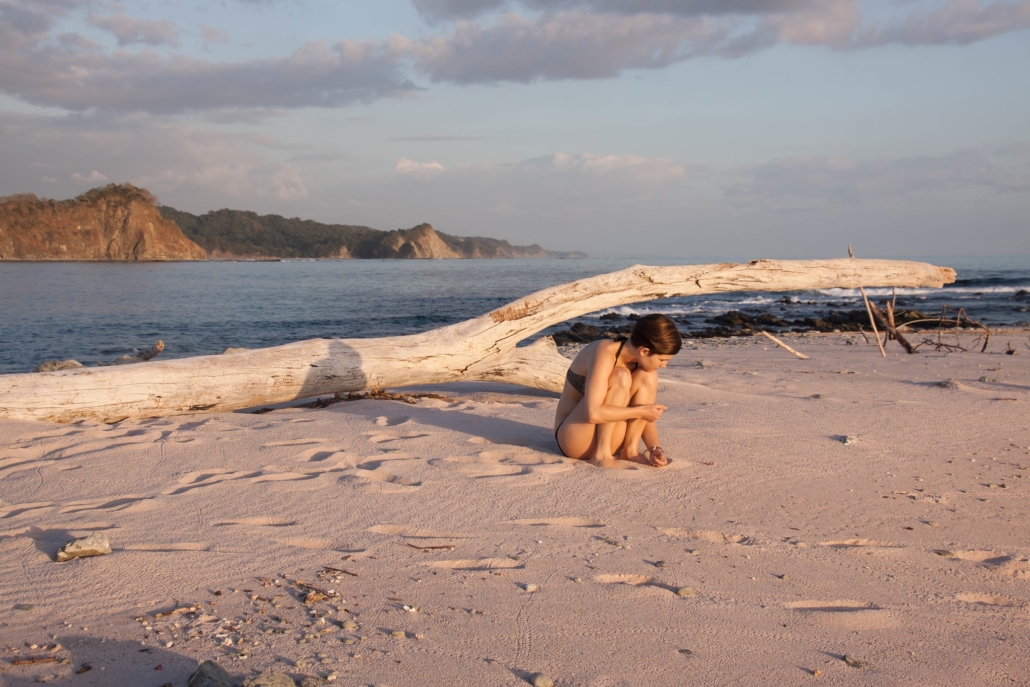
Known as one of the ultimate vacation destinations, Costa Rica is a place of beautiful scenery, tourist hotspots and lively culture. However, Costa Rica needs to address human trafficking. Human trafficking in Costa Rica is one of the only areas in which the country falls short in comparison to its Central American neighbors. When it comes to GDP, level of happiness, human development and corruption, Costa Rica performs quite well. Here is some insight into human trafficking in Costa Rica and why it is so prevalent.
The Trafficking Victims Protection Act (TVPA) of 2000
The Trafficking Victims Protection Act (TVPA) of 2000 aids the U.S. government’s anti-trafficking efforts by providing the implements necessary to monitor and combat trafficking across the world and in the United States. The amended act authorized the establishment of The President’s Interagency Task Force to Monitor and Combat Trafficking in Persons (PITF) as well as the Trafficking in Persons Report (TIP).
Every year, the Secretary of State submits a TIP report ranking a list of countries requiring special scrutiny. The Secretary of State ranks each country or territory in one out of four tiers.
- Tier 1: Countries and territories that have governments that fully comply with the TVPAs minimum standards.
- Tier 2: Countries and territories that have governments that do not fully comply with the TVPAs minimum standards, but are taking significant steps to meet the requirements.
- Tier 2 Watchlist: Countries and territories that are in Tier 2 and are increasing in the estimated number of trafficking victims without taking proportional actions or the country or territory’s government and failing to provide sufficient evidence of increasing efforts in combating human trafficking from the previous year.
- Tier 3: Countries and territories that possess governments that do not fully comply with TVPAs minimum standards and are not making any efforts to do so.
The Situation in Costa Rica
In 2020, Costa Rica was in Tier 2 under the TVPA. If human trafficking in Costa Rica does not show increasing progress over the next few years, it could fall to Tier 3. Not only does Tier 3 mean international disrepute, but it has serious economic consequences in regards to foreign assistance. Efforts to decrease human trafficking in Costa Rica include:
- Increasing victim identification.
- Investigating and convicting more traffickers.
- Making human trafficking cases among its top priorities.
- Using a larger percentage of its anti-trafficking budget.
Prioritized Recommendations for the Costa Rican Government
Although these steps by the Costa Rican government are significant, the country is falling short in some areas. The TIP report for Costa Rica includes “Prioritized Recommendations.” Here are some recommendations that Costa Rica could undertake:
- Increase anti-trafficking training for police, prosecutors and judges.
- Intensify investigation efforts to prosecute trafficking offenses.
- Fund and implement a judicial action plan for investigations and prosecutions.
- Coordinate with civil society to increase victim identification.
- Reduce the number of trafficking cases that are experiencing a backlog in the judicial system.
- Strengthen efforts to convict child sex tourists.
Factors of Human Trafficking in Costa Rica
Due to a lack of resources and job opportunities, systematic inequality and poverty most frequently link to human trafficking. Even though Costa Rica is among the least poor countries in Latin America and the Caribbean, it has not seen much economic growth since 2010, and about 21% of its population lives in poverty.
Another factor contributing to human trafficking in Costa Rica is its prostitution laws. Although the facilitation and promotion of prostitution are illegal, the act of prostitution is not a crime. This makes Costa Rica reputable as a sex tourism destination. It is the number one destination in Central America for sex tourism. The legality of prostitution makes corruption easy in regards to trafficking minors as well as making sex establishments more accessible.
Behind drugs, human trafficking is the second-most profitable illegal industry. According to The International Labor Organization (ILO), profits from human trafficking are around $150 billion annually. The high earnings of the industry are another factor that promotes human trafficking in Costa Rica.
There are also cultural factors that affect human trafficking in Costa Rica. For instance, Costa Rica has a strong presence of masculinity. As a result, many men in Costa Rica view women as sexual objects. Factors such as traditional gender views, sexual harassment and domestic violence strengthen the systematic inequality in Costa Rica and put women at more risk for exploitation.
Taking Action
Multiple institutions are coordinating together to prevent human trafficking in Costa Rica. The National Coalition against Illicit Smuggling and Trafficking of Migrants (CONATT) coordinates short and long-term assistance to trafficking victims in the form of shelter, food and medical care. Chaired by Migration Authority, CONATT comprises 22 public institutions, key NGOs and international organizations. They meet periodically to review progression in areas such as research, prevention, protection and prosecution. They take action to raise awareness via workshops, fairs, advertisements and training on how to identify and prevent trafficking. As these preventative measures continue, Costa Rica could be on its way to Tier 1 placement under the TVPA.
– Addison Franklin
Photo: Flickr
