• Link to X
  • Link to Facebook
  • Link to Instagram
  • Link to TikTok
  • Link to Youtube
  • About
    • About Us
      • President
      • Board of Directors
      • Board of Advisors
      • Financials
      • Our Methodology
      • Success Tracker
      • Contact
  • Act Now
    • 30 Ways to Help
      • Email Congress
      • Call Congress
      • Volunteer
      • Courses & Certificates
      • Be a Donor
    • Internships
      • In-Office Internships
      • Remote Internships
    • Legislation
      • Politics 101
  • The Blog
  • The Podcast
  • Magazine
  • Donate
  • Click to open the search input field Click to open the search input field Search
  • Menu Menu

Archive for category: Homelessness

Global Poverty, Homelessness, Natural Disaster

Addressing Homelessness in Comoros

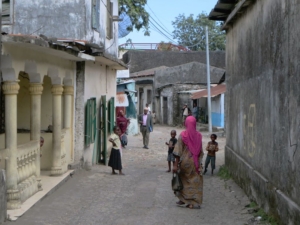
Homelessness in ComorosThe Comoros is a developing country located off the coast of East Africa, consisting of three islands, including Grande Comore, Anjouan and Moheli. Poverty and homelessness have been a large issue for the country for over 10 years, but the country truly focused on reforming development after the 2019 cyclone and the COVID-19 pandemic, causing a growth in poverty rates. Here is more information about homelessness in Comoros. 

The Issue

Homelessness in Comoros tends to stem from a lack of opportunities, which results in an unequal distribution of consumption expenditures. Within the years 2004-2014, supplies and housing conditions saw improvements, with the percentage of people going through hardships dropping from 85% to 75%, but the number of people lacking access to supplies remained high. As educational and job developments began to increase, the Comoros’ homeless faced major setbacks due to a natural disaster and health crisis.

In April 2019, Tropical Cyclone Kenneth hit the Comoros, causing flood damage, contaminated water tanks, loss of power for days and damaged roads limiting travel access. The cyclone resulted in the loss of more than half of the Comoros’ main crop food source, affecting the food supply and livelihoods. The severe damage to homes and land resulted in an estimated 20,000 people experiencing displacement.

Despite the immediate response from supporting organizations, flooded roads and a loss of power supply caused difficulty in moving supplies. The capacity of the Comoros’ Government to respond to a crisis like this is limited, putting a strain on the country as a whole.

Cyclone Kenneth’s impact already affected the homeless, and the people faced further hardship with the arrival of COVID-19, which caused a restraint in job opportunities and increased health issues as the country does not have the services to respond to a national pandemic.

Developments 

Despite the increased hardships, the Comoros’ Government sought immediate support from “UN agencies, the Red Crescent, and local NGOs” to respond to Cyclone Kenneth’s damages. These organizations assisted with food security, shelter, health conditions and education. All schools and government facilities remained closed, so UNICEF provided children with alternative learning opportunities to prevent disruptions in their education. Individuals and families who experienced displacement received nutritional and health supplies along with shelters for protection.

By 2023, the economy had grown, which benefited homelessness in the Comoros, as those individuals and many more depend on agriculture. There was an increase in agricultural prices due to agreeable climate conditions, leading to a decline in inflation, which largely assisted the economy. The inflation percentage in the year 2022 sat at 12.4% and saw a significant decline to 9.2% by 2023.

Although COVID-19 and the cyclone slowed down economic recovery, projects including the El Maarouf hospital, the Galawa hotel and the repairs of roads are in the works. In 2023, an energy law was put in place that “promotes the production of electricity from renewable sources.” As the poverty rate remains at 38.2%, it will likely reduce to 36.2% by 2026 with an expanding and further recovered economy.

US Assistance

The U.S. may not have an embassy located in the Comoros, but the U.S. Ambassador in Madagascar is accredited to the Comoros. The U.S. and the Comoros have had an established diplomatic relationship since 1977, occurring only two years after the Comoros gained independence from France in 1975.

During the 2024 celebration of the long lasting, expanding relationship between the U.S. and the Comoros, the U.S. Ambassador to Madagascar announced USAID programming funds that will go towards “renewable energy, food security and workforce development.” The USAID program will receive $5 million along with $1 million to fund education and better the governments financial needs.

Looking Ahead

The country’s economy is expanding and putting every effort into recovering, which has provided them with critical improvements. Slowly but surely, the homelessness in Comoros is gaining the needed attention to live more safely and healthily.

– Sarina Francis

Sarina is based in Tallahassee, FL, USA and focuses on Global Health for The Borgen Project.

Photo: Flickr
May 14, 2025
https://borgenproject.org/wp-content/uploads/borgen-project-logo.svg 0 0 Jennifer Philipp https://borgenproject.org/wp-content/uploads/borgen-project-logo.svg Jennifer Philipp2025-05-14 01:30:502025-05-14 00:57:07Addressing Homelessness in Comoros
Global Poverty, Homelessness, Housing Security

Are Mushrooms The Solution To Namibia’s Housing Shortage?

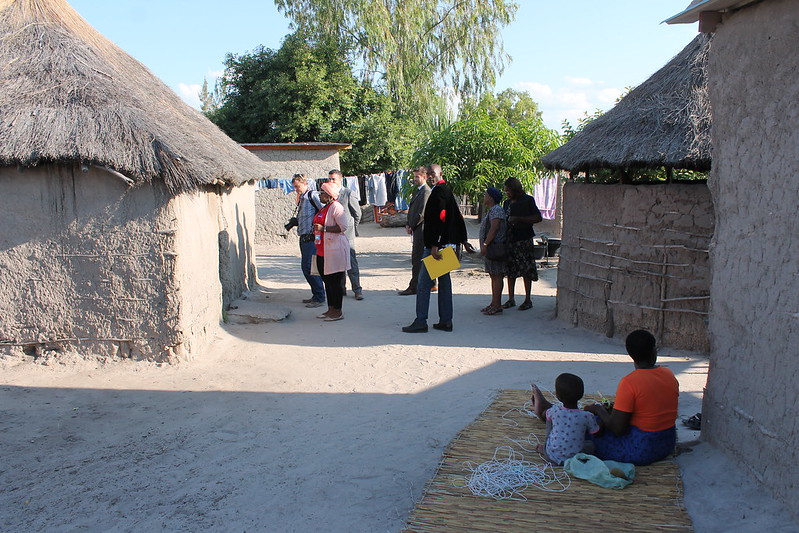
Namibia’s Housing ShortageNamibia is a country on the southwest coast of Africa. It was a German colony from 1884 to 1919. Under German control, Namibia suffered a genocide as well as economic depletion. In the aftermath of WWI, South Africa took control of Namibia. After a decades-long resistance movement, the country gained independence in 1990, creating a democratic multiparty system. Unfortunately, the effects of colonial exploitation continue to make the country economically vulnerable. For instance, 64% of Namibia’s population still lives below the poverty line, contributing to Namibia’s current housing shortage.

MycoHAB

MycoHAB is a nonprofit organization that researches and produces mycelium to create building materials that can be used to develop infrastructure in African communities. The company also strives to end food insecurity, create jobs and maintain a carbon-negative impact through its mycelium technology. The company began as an initiative alongside MIT’s Center for Bits and Atoms under the direction of the Standard Bank Group, Africa’s largest bank. Although now independent of both MIT and the Standard Bank Group, the company’s approach was born from Standard Bank’s Buy-A-Brick program that works to alleviate homelessness in Namibia. The program was created to help fund the building of brick homes for those living in informal structures.

With this foundation, MycoHAB focused its mycelium structures into MycoBlocks, creating a more sustainable and community-forward approach to building houses. MycoHAB still donates 100% of its proceeds to its inspiration charity, the Buy-A-Brick Foundation.

Namibia’s Housing Shortage and Poverty

Namibia has a population of around 3 million people. It is considered a lower-middle-income economy, with half of its population living in rural areas. Mining is the country’s largest industry, accounting for 30% of its gross GDP, yet less than 10% of the overall workforce is employed within said industry, with unemployment rates only rising, according to Encyclopedia Britannica. Currently, one in five Namibians lives in a makeshift house built from found materials or zinc sheets. Studies estimate that approximately half a million new homes are necessary to address Namibia’s housing shortage, The Guardian reports.

Giving Hope to Namibia

Starting in 2019, the MycoHAB Namibia project, entitled BioHAB, has been working to solve the housing crisis in Namibia by providing sturdy and eco-friendly homes to the unhoused as well as partnering with local communities to create jobs. The process begins by gathering the invasive encroacher bush that is causing significant damage to Namibia’s ecosystems to create a nutrient base for mycelium to grow through, MIT Sloan School of Management reports. The project then harvests the edible mushrooms and, partnering with community members, sells the product to local markets and hotels. It then takes the leftover mycelium waste and forms constructible bricks.

MycoHAB offers professional and agricultural training to community members who wish to contribute to the program, according to the MIT Sloan School of Management. Once trained, individuals can work for the project and receive a reliable income. When the bricks are no longer necessary, people can grow them and turn them into fertilizer for regional farming. Overall, the company is providing not just shelter but real homes to unhoused people in rural regions of Namibia who are most affected by poverty and social and environmental obstacles.

Namibia’s Housing Shortage: The Future

Homelessness exists in a cycle of poverty in which shelters can be the first step in breaking. Without shelter, the possibility of securing a paycheck, making a meal and getting adequate sleep is slim. For children alone, the opportunity of growing up in a home as opposed to on the street offers a 21% increased chance of escaping lifelong poverty. By providing a home, MycoHAB not only offers a solution to Namibia’s housing shortage but also the chance for millions to gain a healthy and productive life.

– Amelia Dutch Player

Amelia is based in Savannah, GA, USA and focuses on Technology and Solutions for The Borgen Project.

Photo: Flickr
April 18, 2025
https://borgenproject.org/wp-content/uploads/borgen-project-logo.svg 0 0 Naida Jahic https://borgenproject.org/wp-content/uploads/borgen-project-logo.svg Naida Jahic2025-04-18 01:30:222025-05-06 06:01:14Are Mushrooms The Solution To Namibia’s Housing Shortage?
Global Poverty, Homelessness

Addressing Homelessness in Trinidad and Tobago  

Homelessness in Trinidad and Tobago
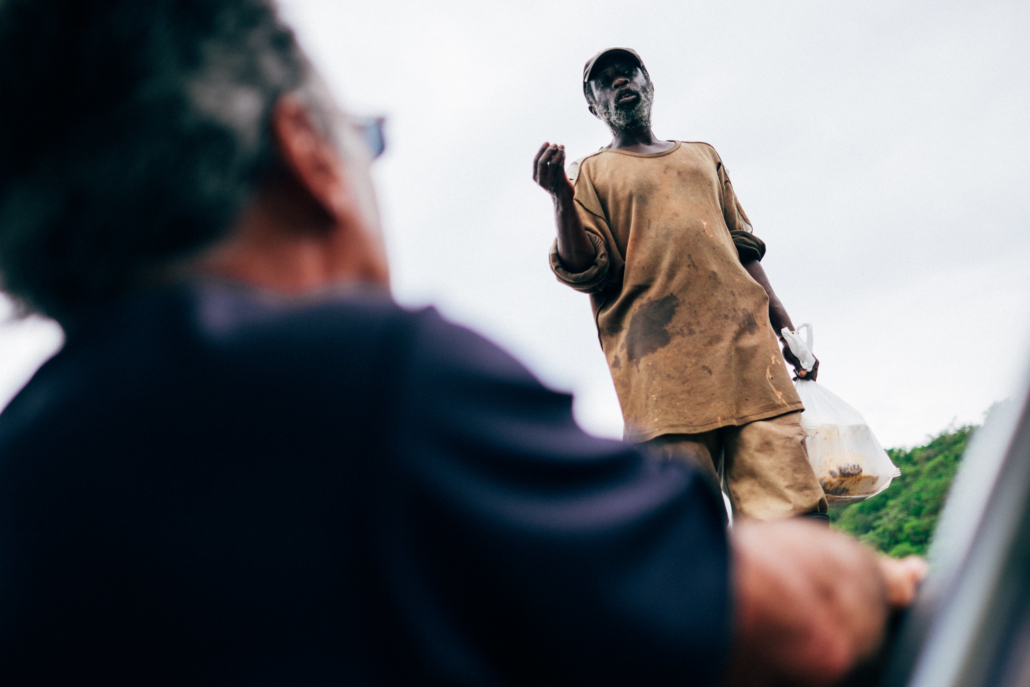
The Republic of Trinidad and Tobago, an island country of the southeastern West Indies and the southernmost island in the Caribbean, houses a population of roughly 1.39 million people. Amongst this number, 20% are classified to be below the poverty line, with more than one-seventh of the population living in 313 informal settlements or slums. With median house prices currently standing at around $192,000 USD according to the Inter-American Development Bank, and average monthly incomes being approximately $1,600, the lack of affordable homes, coupled with extensive waiting lists for subsidized housing, means that low income earners are prevented from homeownership altogether. As a consequence, homelessness is a common issue many face, with at least 676 socially displaced across the country according to Donna Cox, Minister of Social Development and Family Services. 


This article will delve into the structural issues behind homelessness in Trinidad and Tobago, before moving onto the steps governments have taken to address, reduce and ultimately combat it moving forward. 

Barriers to Tackling Homelessness in Trinidad and Tobago

While Trinidad and Tobago recognizes the concept of homelessness, there does not seem to be a legal definition of it, nor a fixed criteria in law set out to determine eligibility for programs and services. Formally referred to as “street dwellers” in reference to “persons found sleeping or preparing to sleep on the sidewalk and pavements of streets or on the ground of open plots of land adjoining a street,” homeless individuals are seemingly regarded as public nuisances, often being criminalized rather than offered relief and rehabilitation. 

This was seen in action when C Melville of Trinidad and Tobago Newsday observed a teenager living in a bus shed within the Tacarigua area in June 2024. Upon calling the Ministry of Social Development for aid, she was unable to reach anybody, only coming to an automated response. No one provided an immediate solution to get the individual off the street, with suggestions that police should deal with the matter instead. 

With the varying physical and mental health disorders that come both as a cause and result of homelessness, many urge for a more multidisciplinary approach that addresses the complexities of the socially displaced, ensuring that sufficient support is provided. This goes beyond basic material relief such as providing new clothes and meals for the homeless. Rather, there is encouragement to provide health check-ups and counseling alongside more basic efforts to better social well-being and ensure a more well rounded rehabilitation so that individuals can be reintegrated into society again. 

Steps Moving Forward

According to the Socially Displaced Persons Act 2000, government services did not have the legislative power to remove individuals off the street, yet Parliament is now working on laws that will grant ministries and the police the legal backing to involuntarily remove the socially displaced. Currently, the approach towards dealing with the homeless in Trinidad and Tobago remains inhumane, with people simply reporting cases to police, and so it is common for individuals that are offered help to prefer to stay on the streets. 

This proposed legislation, alongside other plans for state of the art facilities that will provide accommodation for street dwellers while they undergo individualized rehabilitation, is set to more directly address the social issue at hand. With Trinidad and Tobago Police Service (TTPS) Advisor Terrance Dick claiming that “we tried to remove people already and the court said we were going about it the wrong way,” these steps forward will deal with homelessness more intentionally. 

There are greater efforts that are working towards addressing homelessness as well, with more organizations emerging to aid community development and expand local operations for affordable housing. For instance, nonprofits like Habitat for Humanity provide services from home construction to financial assistance, having served 355 families with direct housing solutions so far, and more than 1,800 people with credit management and construction training. The organization also focuses on providing education for high risk communities so that they are equipped with the skills needed for a sustainable future, ensuring wider community development. 

Looking Ahead

Homelessness is becoming an increasing concern for the country due to the state’s affordable housing deficit and its low median incomes, yet governments are working towards offering the displaced more targeted solutions such as self assessments and bespoke rehabilitation which will aid in their reintegration to society. Looking ahead, Trinidad and Tobago’s government must continue to tackle the homelessness crisis with a more comprehensive, structured and humane approach that will carefully address the complexities and nuances of the socially displaced. Greater collaboration is also hoped to be seen between the state and public and private organizations to drive bigger impact and changes. 

– Sophie Young

Sophie is based in Manchester, UK and focuses on Good News and Global Health for The Borgen Project.

Photo: Flickr
January 11, 2025
https://borgenproject.org/wp-content/uploads/borgen-project-logo.svg 0 0 Jennifer Philipp https://borgenproject.org/wp-content/uploads/borgen-project-logo.svg Jennifer Philipp2025-01-11 01:30:192025-01-10 02:18:25Addressing Homelessness in Trinidad and Tobago  
Global Poverty, Homelessness

Project Hawaii Inc.: Supporting Hawaii’s Homeless Population

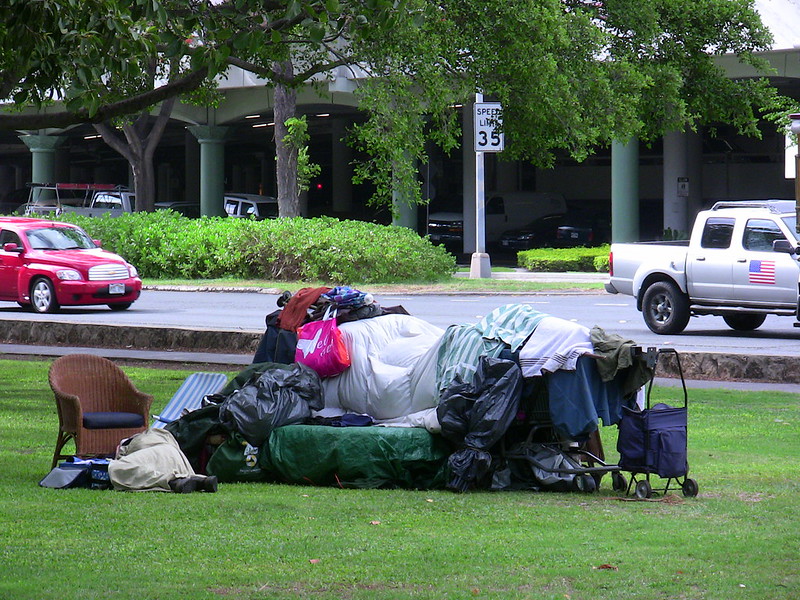
Project Hawaii Inc.Project Hawaii Inc. is a volunteer-driven nonprofit that supports Hawaiian children and youths suffering from homelessness. Focusing on the three islands that make up Hawaii, it operates multiple programs to help feed, rehome and care for the 23,000 homeless children in the state. 

Homelessness In Hawaii

Hawaii’s number of homeless people jumped by more than 12% in 2023, with the state having the third-highest rate of homeless youth staying in unsheltered locations. Connie Mitchell, the executive director for the Institute of Human Services, said to Hawaii News Now, “Chronic homelessness is driven a lot by the fact people can live unsheltered here, number one, I think the other one is that we have a combination of very high rents here and a job market that doesn’t necessarily pay a living wage.” 

The minimum wage in Hawaii is $10.20 an hour. However, the wage needed for the average two-bedroom apartment is $25.88 per hour, more than double what most local Hawaiians earn. Combined with environmental factors like the recent Maui fires, more Hawaiian locals sleep on the streets. Indeed, the Maui fires in August of 2023 destroyed nearly 3000 structures and contributed to the already high homeless population. Project Hawaii Inc. relies on public donations and sponsorships to run its programs, which are all rooted in Hawaiian culture and aim to deliver the simple pleasures that homeless people often lack. 

Missions

Project Hawaii Inc. runs multiple programs for all children of all ages centering around the core values it holds: Aloha (providing love, compassion and respect to every child), Kuleana (embracing the responsibility to empower and uplift homeless children), ‘Ohana (creating a supporting community), Imua (the commitment to moving forward and improving), Malama (stewardship and care for the community) and Lokahi (the unity and cooperation involved in bringing people together).

Project Hawaii’s programs are holistically designed to impact every aspect that homeless children need help with. With projects ranging from providing essential needs like shelter and food, encouraging the children to participate in sports and helping mothers bond with their children. 

Furthermore, the College Dormitory Rehab Project is a block of six rooms that can house up to 13 female college students. It provides centers that can teach skills like cooking, gardening and yoga, helping them build sustainable skills for their future. This project aims to help students who have experienced homelessness further their opportunities by supporting them through college. 

On top of that, the Healthy Hearts project encourages homeless children to engage in team sports like football, soccer, baseball and many more. The project started due to the lack of athletic shoes for homeless kids, excluding them from physical education and recess. Providing these shoes and encouraging the children to participate in sports can ensure a healthier lifestyle during their most critical developing years.

Finally, the Mommy and Me program focuses on the mothers impacted by homelessness in Hawaii, helping equip them with nurturing skills that help them connect and aid their baby’s development. The project helps assist struggling mothers and also aims to decrease the delays unsheltered babies often grow up with, helping their speech and motor skills develop for when they enter education. 

Summary

Project Hawaii Inc. empowers Hawaii’s homeless children and youth through culturally rooted programs that address immediate needs and foster long-term growth. Driven by volunteers and donor support, the organization creates meaningful change and brighter futures for the state’s most vulnerable populations.

– Caitlin Mulholland

Caitlin is based in Lymington, UK and focuses on Technology and Global Health for The Borgen Project.

Photo: Flickr
December 26, 2024
https://borgenproject.org/wp-content/uploads/borgen-project-logo.svg 0 0 Lynsey 2 https://borgenproject.org/wp-content/uploads/borgen-project-logo.svg Lynsey 22024-12-26 07:30:212024-12-23 23:32:59Project Hawaii Inc.: Supporting Hawaii’s Homeless Population
Global Poverty, Homelessness, Nonprofit Organizations and NGOs

Yellow River Soup Kitchen: Transforming Lives in Xi’an

Yellow River Soup KitchenYellow River Soup Kitchen, also known as Yellow River Charity, is a nonprofit organization based in Xi’an, China. It was founded by Tony Day in December 2005 after a homeless woman in Xi’an asked him for financial help. The woman inspired him to establish support for the city’s homeless community. With growing support from global donors, Yellow River Soup Kitchen had mobilized 13,700 volunteers by 2021 to complete 2,580 charity projects. Here is how the organization’s major initiatives have profoundly improved the lives of vulnerable people in Xi’an and nearby provinces.

The Founding of Yellow River Soup Kitchen

The woman remained on Day’s mind as he meditated for two hours that night. “I suddenly had a sense this was a much greater problem and being unable to find any (with very few) voluntary projects available in China. I had decided the night before that if I learned nothing from the old lady, I would start buying food,” he said to the Lancashire Evening Post. The following day, Day returned to St. Francis Cathedral on Wuxing Street, where he had met the woman. He asked Father Chen if he could distribute food to the homeless at the church.

That Sunday, he served 25 meals of baozi and soup. By 2015, a budget of more than $2,000 allowed him to provide food for 5,000 people. As of 2019, Yellow River Soup Kitchen has served around 200,000 meals, averaging 1,800 meals per month. The organization serves food every Monday, Wednesday and Friday night, even on Lunar New Year and Christmas, with additional volunteers delivering food to those who cannot attend.

The English Summer School Initiative

In the summer of 2006, Yellow River Soup Kitchen organized a group of foreign teachers to teach English in Li Quan, an impoverished mountain village two hours from Xi’an. There were three classrooms with a maximum capacity of 20 students. The organization utilized three teachers, each taught six hours per day. The programs lasted six weeks and accommodated 180 students.

Annual Christmas Party

The anniversary of Yellow River Soup Kitchen coincides with Christmas and to celebrate, the organization hosts an annual Christmas Party for people without homes at St. Francis Cathedral. A volunteer dresses up as Santa, distributing meat, dumplings, fruits and cakes. The celebration includes live music, dancing, karaoke and festive decorations. “At 9:30 p.m., when the party ended, all the homeless were back on the freezing streets of Xi’an with nothing but full bellies and warm memories,” Day says. In preparation for Christmas and New Year, the organization also gathers 45 people for showers and haircuts.

Looking Ahead

In 2020, Yellow River Soup Kitchen faced significant challenges due to COVID-19, as St. Francis Cathedral and many other venues where the organization hosted events were closed. However, despite these setbacks, the organization adapted by providing 14,047 face masks to people experiencing homelessness. The nonprofit organization continues to be vital, offering support to the vulnerable and providing a platform for people to participate in helping others.

– Jimmy Nguyen

Jimmy is based in Savannah, GA, USA and focuses on Good News, Global Health for The Borgen Project.

Photo: Flickr
November 20, 2024
https://borgenproject.org/wp-content/uploads/borgen-project-logo.svg 0 0 Lynsey 2 https://borgenproject.org/wp-content/uploads/borgen-project-logo.svg Lynsey 22024-11-20 07:30:382024-11-20 00:09:57Yellow River Soup Kitchen: Transforming Lives in Xi’an
Global Poverty, Homelessness, Natural Disaster

Addressing Homelessness in Tajikistan  

Homelessness in Tajikistan After the fall of the Soviet Union, Tajikistan became “one of the poorest countries” in the world. Wages shrunk and access to public services disappeared, forcing many to become independent and depend on their low income. According to Michal Kruzliak, the Development Manager of Habitat for Humanity, living standards worsened as internal wars and economic decline led to financial shortages, resulting in poor house maintenance. As a result, homelessness and Tajikistan has been a challenge. 

Additionally, civil wars affected the speed of housebuilding, leaving many stranded on the streets. For those who did have access to a home, warmth and comfort were usually absent as huge families had to live in small dwellings and human beings had no choice but to sit upon hard, cold brick and dirt. Even though the economy was beginning to improve, natural disasters like earthquakes quickly reversed the progress this country had made as they damaged more and more houses and left many homeless, according to Habitat for Humanity. As of 2023, 21.2% of the population in Tajikistan remains in poverty, which is almost 1.25 million people.

Habitat for Humanity

Habitat for Humanity is a nonprofit organization that has helped countries worldwide including Tajikistan. Since 1999, this organization has been aiming to end homelessness in Tajikistan by building and repairing houses and assisting more than 7,800 families with finding a home.

Earthquakes have always been a constant problem in Tajikistan. The power of this natural disaster is so strong that it destroys the windows and doors of people’s homes, many of which still have not been fixed. With Habitat for Humanity’s help, many people were given loans to build safer buildings and receive training on how to make their structures more stable, allowing families to better withstand earthquakes and other harsh conditions, according to its Country Profile.

Momajon and Karim completely rebuilt their house with the help of Habitat for Humanity. Typically, housebuilding was an extremely long and complicated process: one would have to wait years before constructing another wall due to the rising prices and declining wages. However, these individuals successfully built their houses from scratch, sharing their newly prized possessions with the rest of their family members through low-interest loans from banks and insurance provided by Habitat Tajikistan. The help they received from the organization did not solely help the process of house building but also provided them with a comfortable life.

UNICEF

The United Nations International Children’s Emergency Fund (UNICEF) is another organization that has helped tackle the health challenges in Tajikistan. Especially for small children, undernutrition has been a significant problem even to this day. According to UNICEF, “As many as 21 percent of children under five are stunted (have chronic malnutrition), including 6 percent who are severely stunted.”

To aid this issue, UNICEF has made investments in care facilities and hospitals, bringing them medicine, equipment and instructions on how to better help the Tajikistan community. Instead of death being the only option for families to face, the people of Tajikistan now have a form of hope to come to after many fall ill due to malnutrition. To further aid families with younger children and infants, this organization also promotes child care through maternal and child services such as increasing child feeding practices in hospitals and giving out more necessary items to household parents. Additionally, because of this organization’s help, 1.4 million children were able to improve on the status of their health, such as with diseases like polio.

Shelter for Life

Shelter for Life (SFL) is an international development organization that is working to provide humanitarian assistance to developing countries, especially through shared local involvement. Specifically in Tajikistan, there was many harsh weather conditions like flooding that hurt property security for many families, leading to a deterioration of many homes. To address the issue of homelessness in Tajikistan and the destruction caused by natural disasters, SFL created innumerable amounts of shelters and latrines and even created a school building as a form of shelter. Additionally, because of the low funding in Tajikistan, the quality of the houses are poor, allowing for a greater chance of destruction when natural disasters like earthquakes hit. Even though this organization cannot directly stop an earthquake, it can and did implement preparedness training to allow many to better recover from the trauma from earthquakes, allowing the effect of homelessness to take a lesser toll. 

There is Hope

As seen through the above organizations, much work has been done to address homelessness in Tajikistan. Though problems of malnutrition, health care, lack of shelter and more may continue, these organizations are making a significant difference.

– Linda Yoonseo Lee

Linda is based in Phoenix, AZ, USA and focuses on Good News for The Borgen Project.

Photo: Flickr
August 1, 2024
https://borgenproject.org/wp-content/uploads/borgen-project-logo.svg 0 0 Jennifer Philipp https://borgenproject.org/wp-content/uploads/borgen-project-logo.svg Jennifer Philipp2024-08-01 01:30:222024-07-31 02:13:46Addressing Homelessness in Tajikistan  
Global Poverty, Homelessness, Poverty

Confronting the Crisis: Tackling Homelessness in Panama 

Homelessness in PanamaThe housing crisis is a problem that is affecting many countries in the post-COVID-19 world. One of the many countries affected is the Central American nation of Panama. Panama is the southernmost country in Central America. Its location was of very high strategic value in the colonial days. This is why the Panama Canal was built. The canal helped create easier access from the Americas to Asia. The United States transferred the canal to Panama in 1999 as part of a 1977 treaty. The canal represents a major part of Panama’s economy, especially with the expansion to the canal completed in 2016. Despite a growing economy, homelessness in Panama is a major issue.

Poverty and Homelessness in Panama

In Panama, 22.1% of the population lived below the poverty line in 2016. Poverty mostly affects the Indigenous people of Panama, with more than half of the Indigenous population living below the poverty line.

Homelessness in Panama is a difficult issue to track. One of the biggest reasons is there are no official statistics on the exact homeless population. Homeless statistics can be hard to track due to how much the homeless population can fluctuate.

Despite Panama’s economic growth over the past 30 years, which resulted in a decreased poverty rates, poverty is still a problem in Panama. Wealth inequality is one of the biggest issues of the Panamanian economy. The Gini index is used to measure wealth inequality. The higher the number is the more inequality there is in the given country. Panama had a Gini index standing of 48.9%. For context the United States had a 39.8% rating.

The Tierra Prometida Community

Like many countries, Panama can sometimes treat homeless people poorly. This can unfortunately lead to unfair treatment of homeless people. In 2021, there was a community called the Tierra Prometida community, which was living behind the Nicolas Solano hospital. Hundreds of families called the informal settlement home until police violently evicted them. This event, along with rising prices of all goods, lead to protest marches in the country on October 27, 2021. 

The Protests

The protests had two major requests, public policies and dignified jobs. The government acted on the request for public policies. On May 4, 2023, it was announced that the Panamanian government would invest $25.7 million to invest in housing solutions that would benefit more than 1,000 Panamanian citizens. These housing solutions were split between the urbanization of Isla Colón, certification of lots and plan progreso, a plan for housing improvement. Beneficiaries of the urbanization of Isla Colón will be exempt from paying for their homes.

The homeless crisis has hit the hardest in Panama city. The increase of natural disasters in the city affects the homeless population. Panama city has been receiving an increased amount of money since 2018, but very little has gone toward resolving the homeless crisis.

Looking Ahead

In conclusion, Panama’s housing crisis is a complex and multifaceted issue that underscores the broader challenges of poverty and inequality within the nation. Despite the significant economic benefits from the Panama Canal and recent government initiatives aimed at improving housing conditions, homelessness remains a pressing concern, particularly in urban areas like Panama City. The issue of homelessness is made worse by the lack of reliable data and the social inequalities that persist. Addressing this issue requires sustained and comprehensive efforts from the government, civil society and international partners to ensure that economic growth translates into tangible improvements in the living conditions of all Panamanians. As Panama navigates the post-COVID-19 era, prioritizing equitable development and inclusive policies will be crucial in tackling homelessness in Panama. 

– Matthew Mendives

Matthew is based in Colonia, NJ, USA and focuses on World News for The Borgen Project.

Photo: Flickr
June 28, 2024
https://borgenproject.org/wp-content/uploads/borgen-project-logo.svg 0 0 Jennifer Philipp https://borgenproject.org/wp-content/uploads/borgen-project-logo.svg Jennifer Philipp2024-06-28 03:00:382024-06-27 15:15:27Confronting the Crisis: Tackling Homelessness in Panama 
Global Poverty, Homelessness, Mental Health

Addressing the Homeless Crisis in Slovakia

Homeless Crisis in SlovakiaThe picturesque landscapes and rich cultural heritage of Slovakia often belie the social issues simmering beneath its scenic veneer. The country is grappling with a homelessness problem that demands a compassionate, multifaceted response. This article addresses the homeless crisis in Slovakia in this in-depth exploration of the underpinnings of this societal challenge. Additionally, it provides information about the ongoing efforts to address homelessness.
Understanding the Homeless Crisis in Slovakia

While it is easy to dismiss homelessness as a problem limited to urban centers, the issue is pervasive across various regions of Slovakia. The causes have layers, from economic downturns and job loss to mental health issues and lack of affordable housing. The data is disheartening, with numbers showing an upward trajectory in homelessness, particularly in urban areas. For example, the 2022 population census for Slovakia recorded 71,076 people without homes versus the 23,483 homeless population recorded in the 2011 census.

Exposing the Challenges

Life on the streets is an unimaginable struggle. The lack of a stable home is just the tip of the iceberg for those experiencing homelessness in Slovakia. Affordable housing is scarce, and the domino effect includes limited health care provisions and the perpetual struggle to access social services. For example, according to World Habitat, the limited access to affordable housing in Slovakia is largely due to the fact that there is a shortage of rental properties. Since buying homes is more common than renting in this nation, those who cannot afford to purchase a property are left with limited affordable renting options.

Not to mention, the stigma attached to being homeless exacerbates the challenges of reintegrating into society. Life is incredibly challenging for those living without a stable home, and the men, women and children have access to limited resources.

Government and Community Initiatives

Fortunately, the response to this crisis has been a mix of official and grassroots efforts. The Slovakian government has implemented certain policies aiming to provide shelter and support services to people without housing. Alongside these, non-governmental organizations (NGOs) and community-led initiatives have sprung up to provide practical aid and reconnect people experiencing homelessness with society.

NGOs have led several campaigns to help bring awareness and improve the response to homelessness in Slovakia. For example, NGO volunteers have partnered with STOPA Slovensko to record the population consensus for Slovakia more accurately. A local campaign known as “We Are Not Invisible” also helped bring more awareness to the growing number of homeless individuals needing assistance housing.

Final Thoughts

Homelessness is not an intractable issue. Building a safety net for those who have fallen on hard times is possible with sustained effort. Addressing the homeless crisis in Slovakia has shown promising signs of a society willing to grapple with this crisis. The act of helping is not just about charity but also about justice and societal progress.

Brainstorming quality ideas can help this country, and others experiencing mass homelessness can help solve this issue more quickly. For example, they can build yurt communities for those without housing to live in. Yurts have a long lifespan and are relatively inexpensive shelters. Together, it is possible to create a home for all in Slovakia.

– Kelly Schoessling
Photo: Pexels

April 7, 2024
https://borgenproject.org/wp-content/uploads/borgen-project-logo.svg 0 0 Jennifer Philipp https://borgenproject.org/wp-content/uploads/borgen-project-logo.svg Jennifer Philipp2024-04-07 07:30:272024-07-30 01:21:32Addressing the Homeless Crisis in Slovakia
Global Poverty, Homelessness

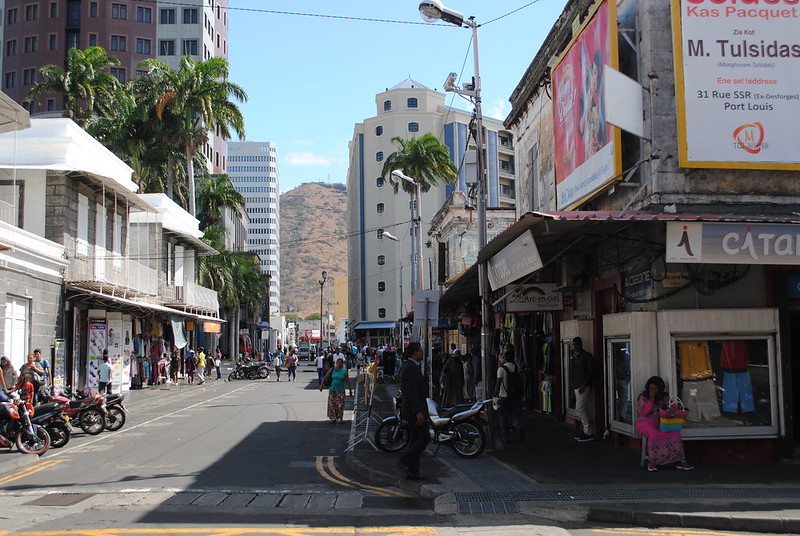
Caritas: Tackling Homelessness in Mauritius

Homelessness in MauritiusIn many ways, the African island of Mauritius is the very picture of a tropical paradise, with blue seas, palm trees and white sandy beaches. The island also happens to boast one of the top Human Development Index scores in the African continent, with its poverty rate resting at 11% as of 2023, according to the World Bank’s projections, a 4% decrease since 2020. However, homelessness in Mauritius can often mean a life of poverty and hardship – leaving many of those affected marginalized and forgotten.

The Causes of Homelessness

In 2022 the National Social Inclusion Foundation (NSIF) conducted a study in partnership with numerous NGOs working against homelessness in Mauritius, which revealed many factors that either lead or drive people to the streets on the island. Although an exact figure for homelessness is not known, the NSIF surveyed a sample of 102 individuals to determine the common causes of homelessness. The results were as follows:

  • Family conflicts (37%)
  • Divorce/Separation (28%)
  • Drug addiction (25%)
  • Unemployment (25%)
  • Poverty (22%)
  • Alcoholism (22%)
  • Incarceration (12%)

A surprising 52% of respondents in this survey were employed and received a salary – many working as cleaners, street vendors, security guards or plumbers. Yet they still find themselves unable to afford the rent due to the high cost of living.

The study also concluded that many of those surveyed were not aware of the social assistance that was available to them, very few had actively looked for information or applied for assistance. However, many charities have been making great progress in changing this by reaching out and offering help to the Mauritian homeless, providing shelter, rehabilitation, financial support and counseling for those in need.

Caritas

Founded in 1965 as part of the wider Caritas Internationalis Confederation, Caritas Ile Maurice is the Mauritian branch of a Christian grassroots charity, with more than 1,000 volunteers on the island. Despite an initial focus on providing emergency relief following Mauritian independence in 1968, Caritas has made significant progress in reaching out to the marginalized and tackling homelessness in Mauritius in recent years.

There are a reported 152 “pockets of poverty” in Mauritius, within which approximately 12,800 families and 3,000 squatters reside. To tackle this issue, Caritas has launched multiple initiatives since 2001 to provide relief and assistance for those in need, helping both the homeless, and those at risk of becoming homeless. It has partnered with the private sector and multiple U.N. organizations and state institutions to deliver relief in a multitude of ways.

Housing and Shelters

The Fonds Logement Caritas: Caritas Housing Fund has helped more than 900 Mauritians cover their housing loans so that families can become homeowners without the threat of losing their homes. Thanks to this initiative, many families and children have gained or maintained a roof over their heads and a stable and safe place to live, and those who may once have been at risk of losing their homes, gain a more secure living situation.

Caritas also runs two Night Shelters, Abri de Nuit de Port Louis/Plaine Wilhems, where the homeless can “regain their human dignity” and attempt to return to society, by providing overnight accommodation, bathrooms, proper meals and psycho-social assistance/ The facilities here can significantly improve a resident’s chances in successfully returning to society – while offering much-needed refuge from the isolation and hardship of living on the streets.

As a charity, Caritas has provided vital services and assistance for the homeless of Mauritius, reaching more than 50,000 beneficiaries, according to its website.

Mauritius seems to be on the right path for development. As of 2011, 87% of the Mauritian population were homeowners. In the same year, the United States figure rested at 70%.

A Promising Future

Thanks to the collaboration of both the state and NGOs such as Caritas, homelessness in Mauritius has seen significant progress and those affected are gaining real chances at a promising future as more and more people gain housing security, and those who remain gain access to both shelter and assistance.

The deciding factor on whether this vital work continues to help the homeless rests on the continued efforts of these charities and the state institutions prioritizing the homelessness issue. The future seems optimistic, but may only remain so. At the same time, the charities and government are consistently prioritizing helping those suffering or at risk and are placing increased focus on the root of the problem by addressing common causes that lead or drive people to the streets.

– Rose Williams
Photo: Flickr

February 6, 2024
https://borgenproject.org/wp-content/uploads/borgen-project-logo.svg 0 0 Jennifer Philipp https://borgenproject.org/wp-content/uploads/borgen-project-logo.svg Jennifer Philipp2024-02-06 07:30:032024-02-04 05:48:13Caritas: Tackling Homelessness in Mauritius
Global Poverty, Homelessness, Refugees

How The Olympic Refuge Foundation is Helping Refugees

The Olympic Refuge Foundation
With a growing number of people across the world who are forced to leave their livelihoods and start a new life somewhere else, projects that increase confidence and well-being are a key part of minimizing the chances of poverty among refugees. The Olympic Refuge Foundation is using sport to encourage communication and teamwork, provide a regular routine and increase the self-confidence of refugees. 

4 Facts About Refugees

  • The number of people having to flee their homes is the highest it has ever been: there are currently 35.3 million refugees worldwide.
  • According to UNICEF, around half of the world’s refugees are children. This is particularly worrying as refugee children are three times more likely than refugee adults to be poor. Poverty alleviation strategies must take into account the well-being of refugees and put in place programs that unlock refugees’ potential – sport is an obvious way to do this. 
  • Developing countries are hosting 85% of refugees who face disproportionate rates of poverty.
  • Turkey now hosts the highest number of refugees with 3.7 million, followed by Colombia with 1.7 million.

World Refugee Day, celebrated each year on June 20, aims to highlight the strength and courage of people who have had to flee their home country. In 2023, the main theme focused on hope, which is no better embodied than by the athletes dreaming big on the Olympic Refugee Team.

The Olympic Refuge Foundation

Since the 1990s, the International Olympic Committee (IOC) and the United Nations High Commissioner for Refugees (UNHCR) have been developing sports programs in the camps and settlements refugees often find themselves in. People from many different countries, who speak multiple languages, have been able to unite through sport and find joy in a simple game of basketball. 

Since then, the sports projects have developed beyond the walls of the camps. In March 2016, the IOC announced the creation of the Olympic Refugee Team, and that summer at the Rio Olympics, 10 athletes were selected to represent the first-ever IOC Refugee Olympic Team.

At the Olympic Games in Tokyo 2021, 29 refugee athletes competed across 12 different sports. The increase in top-level athletes also reflects the expansion of sports programs around the world that are working to help refugees. In December 2017, the IOC created the Olympic Refuge Foundation with the aim of providing consistent support not only to high-level refugee athletes but to refugees across the world. The foundation now supports 12 programs in eight countries: Colombia, the Democratic Republic of Congo (DRC), Jordan, Kenya, Mexico, Rwanda, Turkey and Uganda and is looking to extend the project to Colombia and France. 

The sports projects in refugee camps provide safe and inclusive spaces for young people escaping violence, abuse, negligence and exploitation. Young people of different nationalities are able to communicate with each other through the common language of sport, making valuable friendships and building trust and confidence in themselves. The day-to-day activities contribute to the social cohesion and development of people who have been scarred by their past. Fighting the feeling of hopelessness and desolation — so common in camps — is key to their future growth and recovery. 

Terrains D’avenir

The IOC and Olympic Refuge Foundation are also keen to use the upcoming Olympics in Paris as a tool to encourage sport in local communities in France. With the support of the French Ministry of Sports and multiple other partners, a program – Terrains d’Avenir – has emerged to provide 7,000 young people who are displaced with access to sports by 2025. The program, which launched in June 2023, aims to support refugees in recovering from their experiences of trauma and to involve them in French society through sport. 

The project is open to any displaced young person, regardless of their administrative status or ability to speak French and will offer organized activities across a variety of sports. Starting a new life somewhere is never easy; learning a new language, adapting to new customs, finding a new job and integrating yourself into the local community take time and patience. However, if these steps can be achieved, the chances of poverty among refugees are far less likely. 

– Almaz Nerurkar
Photo: Flickr

November 10, 2023
https://borgenproject.org/wp-content/uploads/borgen-project-logo.svg 0 0 Yuki https://borgenproject.org/wp-content/uploads/borgen-project-logo.svg Yuki2023-11-10 01:30:172023-11-06 13:45:55How The Olympic Refuge Foundation is Helping Refugees
Page 3 of 20‹12345›»

Get Smarter

  • Global Poverty 101
  • Global Poverty… The Good News
  • Global Poverty & U.S. Jobs
  • Global Poverty and National Security
  • Innovative Solutions to Poverty
  • Global Poverty & Aid FAQ’s
Search Search

Take Action

  • Call Congress
  • Email Congress
  • Donate
  • 30 Ways to Help
  • Volunteer Ops
  • Internships
  • Courses & Certificates
  • The Podcast
Borgen Project

“The Borgen Project is an incredible nonprofit organization that is addressing poverty and hunger and working towards ending them.”

-The Huffington Post

Inside The Borgen Project

  • Contact
  • About
  • Financials
  • President
  • Board of Directors
  • Board of Advisors

International Links

  • UK Email Parliament
  • UK Donate
  • Canada Email Parliament

Get Smarter

  • Global Poverty 101
  • Global Poverty… The Good News
  • Global Poverty & U.S. Jobs
  • Global Poverty and National Security
  • Innovative Solutions to Poverty
  • Global Poverty & Aid FAQ’s

Ways to Help

  • Call Congress
  • Email Congress
  • Donate
  • 30 Ways to Help
  • Volunteer Ops
  • Internships
  • Courses & Certificates
  • The Podcast
Scroll to top Scroll to top Scroll to top