• Link to X
  • Link to Facebook
  • Link to Instagram
  • Link to TikTok
  • Link to Youtube
  • About
    • About Us
      • President
      • Board of Directors
      • Board of Advisors
      • Financials
      • Our Methodology
      • Success Tracker
      • Contact
  • Act Now
    • 30 Ways to Help
      • Email Congress
      • Call Congress
      • Volunteer
      • Courses & Certificates
      • Be a Donor
    • Internships
      • In-Office Internships
      • Remote Internships
    • Legislation
      • Politics 101
  • The Blog
  • The Podcast
  • Magazine
  • Donate
  • Click to open the search input field Click to open the search input field Search
  • Menu Menu

Archive for category: Homelessness

Global Poverty, Homelessness

Addressing Homelessness Through Architectural Design

Addressing homelessness through architectural design
Around the world, there are an estimated 150 million people homeless. Even more striking, 1.6 billion lack access to safe and secure housing. Exact rates of homelessness are difficult to pin down due to unstandardized definitions. This means that even more people may lack adequate housing than statistics show. Solving homelessness is a complex problem that requires a multi-faceted solution. Many think of building homes as a first measure and, though this can be a viable short-term solution, architecture has a much larger role to play. There are both negative and positive consequences of addressing homelessness through architectural design. 

Architecture That Alienates

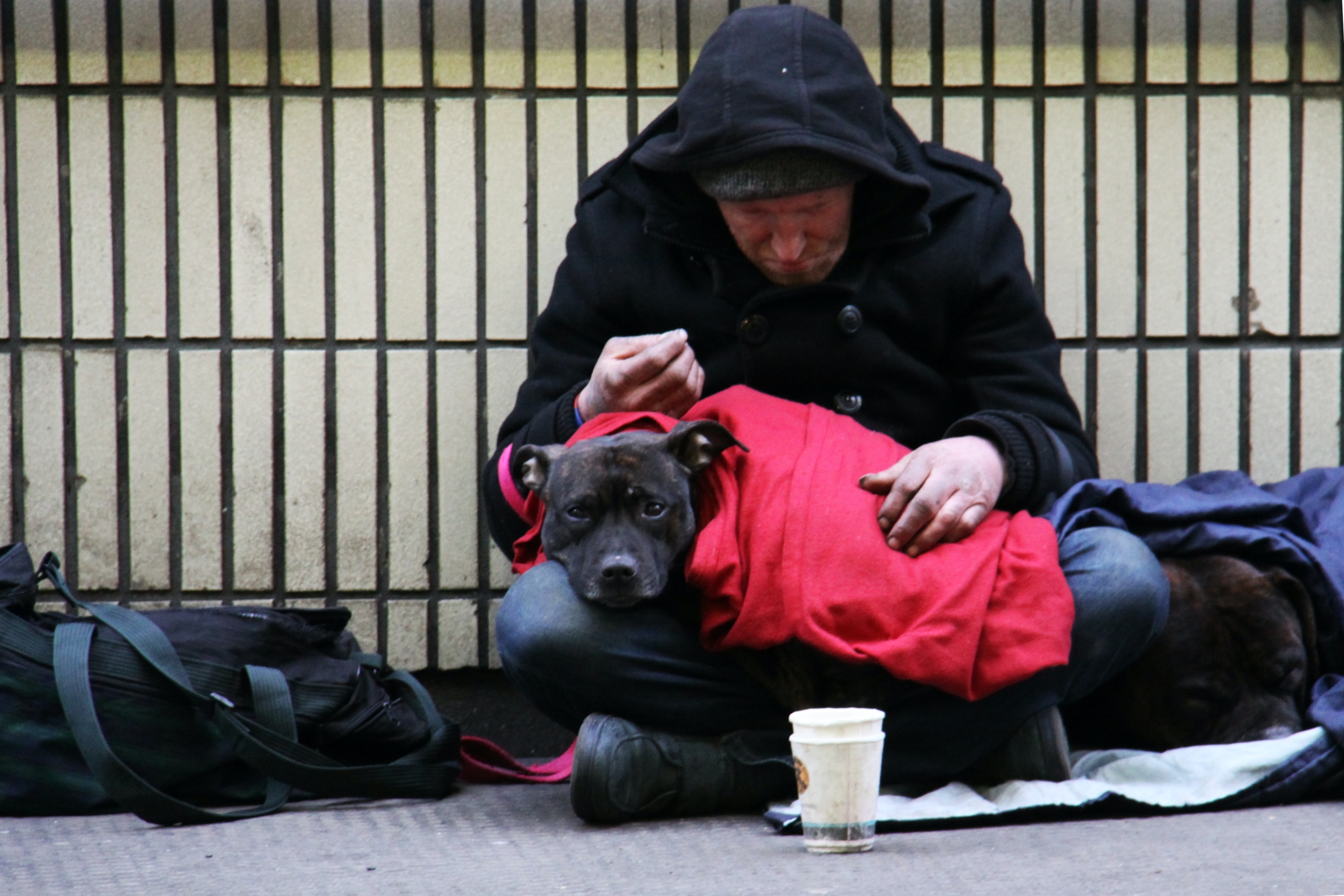
Park benches and city sidewalks are commonplace for most. However, for many, these communal spaces are isolating. Over the years, the terms “hostile,” “anti-homeless” and “defensive” architecture have become popular ways to describe architecture intended to prevent homeless populations from using items or spaces. Examples of hostile architecture include benches with multiple armrests or odd shapes and metal or concrete spikes on sidewalks. 

These designs are used to prevent people from sleeping on the structures and many cities employ them as temporary solutions to homelessness. However, there is little evidence that these designs are helpful in the long run. It is actually less expensive to house the homeless. Homelessness is associated with greater health costs that can be reduced with adequate housing. Hostile architecture hides the problem of homelessness rather than addressing its root causes. These structures not only affect homeless populations but can also limit access for the elderly and disabled. In this way, addressing homelessness through architectural design only alienates the homeless from public spaces and makes communities less cohesive, as a whole. 

Anti-Hostile Architecture

Still, architecture has the potential to be more inclusive. RainCity Housing tackles housing issues through a variety of programs. The organization, based in Vancouver, received attention for its bench campaign in which public benches were converted into temporary shelters with expandable roofs to protect sleepers from inclement weather. 

The benches raise awareness against anti-homeless designs and provide temporary shelter for those in need. However, as evidenced by the inclusion of RainCity Housing’s address on the benches, the organization is also focused on more permanent solutions. Among its many programs are overdose prevention sites, peer witnessing programs and supportive housing shelters. 

Across the ocean, the German Ulmer Nest team of designers launched a pilot project of solar-powered sleeping pods. Designed with the cold, winter months in mind, these pods provide a quick place to rest. They are waterproof and lock from the inside. Additionally, a social worker is alerted when the pods are used, allowing for cleaning after the person leaves. The pods are meant to be last-resort options for those who may not have access to shelters; a starting point to get people into real housing. 

Inclusive Interiors

Interior design is not to be overlooked. Poverty and homelessness are strongly associated with mental health issues. Living without stable housing is correlated with greater psychological distress that can affect multiple generations. Research shows that interior designing such as lighting and decorations can have psychological effects. With this in mind, interior spaces can be designed to provide the homeless with a sense of dignity. Poorly designed shelters can exacerbate negative outcomes. Many express discomfort with sleeping in open rooms with groups of strangers and unsanitary conditions drive others away. Shelters should promote a sense of safety, conducive to recovery. This may include calming paint colors and lighting, incorporation of plant life and inclusive layouts. 

Architects Building a Better Future

Chris Hildrey, architect and founder of ProxyAddress, says that “architects have a duty to use their skills to help solve societal problems even if it means thinking beyond designing buildings.” Shelters and emergency housing are useful short-term initiatives. However, architects have the power to contribute to more long-term solutions. 

The “housing first” model focuses on providing stable housing as a first priority. Other models require people to qualify for housing by undergoing mental health programs or proving they can live independently. Housing is dispersed throughout neighborhoods, avoiding the overcrowding often associated with shelters. Results of this model show that it leads to greater retention of housing and reduced health costs. The model started in the United States but has since been implemented in other regions such as Europe where it is supporting homeless women and youth. 

Yasmeen Lari is another architect addressing homelessness through architectural design. The 82-year-old Pakistani architect, who won the 2023 Royal Gold Medal for architecture, champions indigenous building methods to help marginalized populations. Her Barefoot Social Architecture (BASA) philosophy involves displaced people first-hand in the architectural process. It provides training programs to teach people to build sustainable and affordable housing. These skills can be used to gain income, helping communities become self-sustaining. 

Addressing homelessness through architectural design does not stop at building houses. Architects can facilitate the creation of more inclusive private and public spaces while promoting financial independence. 

– Yesenia Aguilera
Photo: Unsplash

September 19, 2023
https://borgenproject.org/wp-content/uploads/borgen-project-logo.svg 0 0 Lynsey Alexander https://borgenproject.org/wp-content/uploads/borgen-project-logo.svg Lynsey Alexander2023-09-19 07:30:572024-06-11 00:17:51Addressing Homelessness Through Architectural Design
Child Poverty, Global Poverty, Homelessness

The New Generation of Street Children Turned Surfers

Street ChildrenThe imagery of the breezy, laid-back Californian surfer has dominated the popular view of surfing over the years. Easygoing and happy-go-lucky, the figure of the surfer has come to symbolize the very notion of what it means to be young and free in a capitalist society. Yet, far beyond the shores of California to South Africa’s “Surf City,” the sport symbolizes much more than this. It plays an important role in helping vulnerable children who are growing up in post-apartheid South Africa to leave the street once and for all. 
Homelessness in Durban 

Located on the eastern coast of South Africa, Durban has a high population of youths — 38% of its population is under the age of 19.

However, the youth employment rate (the measurement of job seekers who are 15 to 24 years old) in South Africa is markedly low, at about 60%. Job losses are particularly high in industries such as food, textiles and clothing, making it difficult for young people to secure a living. 

But one of the most pressing problems facing South Africa is its street child phenomenon. According to the Consortium for Street Children, there are currently hundreds of thousands of street children in South Africa. 

Child homelessness is on the rise in Durban because of political violence, rapid urbanization and outbreaks of AIDS and HIV, resulting in many children losing members of their family. 

Difficulties at home and at school have also contributed to an increase in the number of children actively choosing to live on the streets. In many cases, children feel that street life offers an escape from the harsh conditions of everyday life, and the charity Street Children found that 29.1% of street children surveyed in 2011 did not wish to leave the streets at all. 

Even so, street life exposes children to a number of dangers, including sexual abuse and trafficking. These risks are further compounded by the lack of health and social services available to children in Durban. 

The local authorities, who view street children as a public nuisance, are eager to keep the street child phenomenon hidden so that tourists are not deterred from visiting Durban. However, this only stigmatizes and alienates street children further, rather than getting to the crux of the problem. 

Beach Apartheid 

Many of the social and economic problems present in Durban today are a consequence of the apartheid period, which lasted from 1948 to 1994. 

Apartheid was an institutionalized system that subjected Black people to racial segregation in every sphere of South African society. It was a system that even sought to marginalize Black people in the water.  

The Natal and South African Surf Riding Championships welcomed pro-surfers from all around the world, placing South Africa firmly on the map. Yet Black people were excluded from competing, contradicting the so-called “freedom” that the sport promised young people. 

That was until world-renowned surfers Tom Carroll, Tom Curren and Martin Potter boycotted the surfing competitions in 1985, forcing the industry to acknowledge the growing anti-apartheid movement. 

Surfers Not Street Children (SNSC)

Fast-forward to 1998, surfer and activist Tom Hewitt MBE set up the Durban Street Team to help homeless children. The organization was renamed Surfers Not Street Children (SNSC) in 2012 and has since helped 1,800 vulnerable children. 

While helping children to leave the streets was the organization’s main goal, many street children have also gone on to advocate further for their rights as a marginalized group. The organization operates in line with the U.N. Convention on the Rights of the Child to ensure that children are provided with the space to empower themselves without the fear of discrimination and shame. 

In 2000, SNSC prevented local authorities from forcibly removing children from the streets, which is recognized as one of its most important achievements to date.

According to the organization, “Many children empowered by Surfers Not Street Children have transformed their lives. Some have gone from ‘street children’ to becoming coffee baristas, lifesavers, surf shop staff, restaurateurs, surf coaches and even pro surfers.”

South Africa’s Changing Tides 

The organization is now expanding its influence to the shores of Mozambique, providing children with the life skills needed to tackle the social problems they face. SNSC has also gone on to set up an independent living program that is designed to provide financial and social aid to young people transitioning into adulthood once they have left the surfing program. Through invaluable mentoring sessions, SNSC is making sure that children are able to thrive as self-sustaining adults. 

In honor of his outstanding work helping children in South Africa, Tom Hewitt received the Nelson Mandela Change Changemaker Award in May this year at an exclusive event in California. Hewitt told Carve magazine, “I am so thrilled to receive this award, which recognizes 25 years of pioneering work developing surfing as a tool for bringing about positive change. Not only are we working in the toughest environments and saving lives, but our surfers are at the heart of an exciting transformation in African surfing underway across the continent.”

Surfers Not Street Children is actively carving out the space for street children to challenge the status quo, break the poverty cycle and debunk the myth that surfing is a white man’s sport. In the 21st century, it is clear that this new generation of surfing youth is changing the tides by shifting the boundaries of who can and cannot ride the wave.  

– Tatum Richards
Photo: Flickr

September 16, 2023
https://borgenproject.org/wp-content/uploads/borgen-project-logo.svg 0 0 Lynsey Alexander https://borgenproject.org/wp-content/uploads/borgen-project-logo.svg Lynsey Alexander2023-09-16 03:31:192024-05-30 22:32:21The New Generation of Street Children Turned Surfers
Global Poverty, Homelessness

Homelessness in Belize

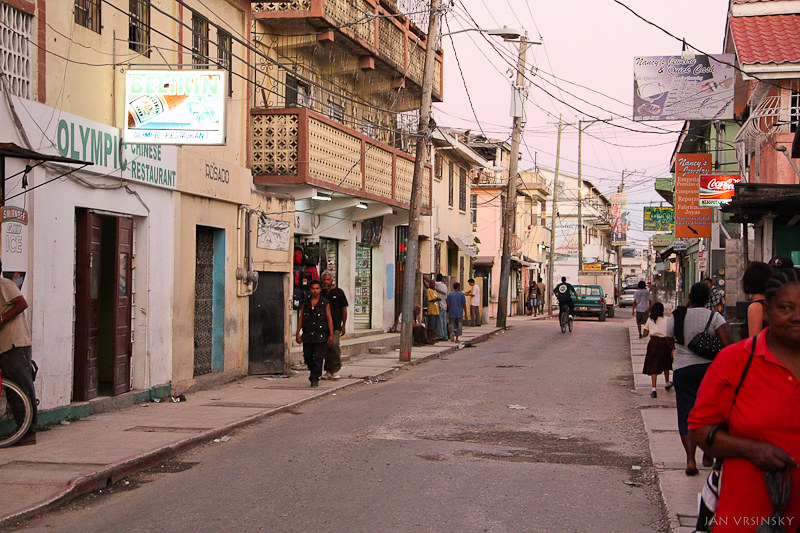
Homelessness in BelizeIn Belize, the rate of poverty hovers around 42%. Many Belizeans do not have the financial resources or means to access adequate clothing, shelter and food. Not surprisingly, most of Belize’s homeless population falls vulnerable to informal housing and shelter lacking appropriate plumbing, sanitary conditions and infrastructure. To address homelessness in Belize, outside organizations offer resources and assistance to vulnerable families, individuals and communities. 

Cost of Living 

For a typical family of four living in Belize, monthly expenses far outweigh income. Average monthly costs total around $2,500, without rent, while the average net salary comes in around $950 per month. Furthermore, the cost of housing can be relatively high compared to average incomes, contributing to affordability issues for low-income individuals and families. With an unemployment rate of 9.7% as of 2022, many Belizeans are plunged into poverty, unable to afford a roof over their heads. 

Furthermore, essential goods and services are becoming increasingly unaffordable and inaccessible, especially for rural communities. Urban centers present more comprehensive ranges of housing options, whereas rural areas provide limited options and aid for vulnerable people. As a result, there are a large number of informal settlements and unauthorized settlement areas, that lack the proper legal recognition, infrastructure and basic amenities. 

Impact on Children

Notably, children are the most vulnerable to homelessness. UNICEF finds that half of the children in Belize under the age of 15 are classified as poor. Homelessness among children means that the most vulnerable in society lack basic needs, threatening the development and nourishment of young, fragile livelihoods. In conjunction, UNICEF and ECLAC (United Nations Economic Commission for Latin America and the Caribbean) find that “6 out of 10 children in Belize lack at least one of these basic needs: adequate nutrition, clean drinking water, proper sanitation, adequate housing and access to education and information.”

A home is fundamental to properly care for and support a child. To alleviate the risks and adverse effects of homelessness on children, comprehensive support for the continuation and stability of a child’s education promotes positive outcomes. Addressing the unique needs of homeless families and children involves access to stable housing, nutritious food, health care, and targeted programs for mental health support.

Initiatives to Reduce Homelessness

Countering homelessness in Belize requires a combination of efforts, including affordable housing initiatives, rent subsidies, homelessness prevention programs and comprehensive poverty alleviation efforts. Here is a list of varying organizations and comprehensive plans fighting for people experiencing homelessness.

  • The Welcome Resource Centre – Since opening its doors in 2013, the Welcome Resource Centre continues to offer daily hot meals, hygiene facilities and a safe place for the homeless and mentally ill. With over 400 registered homeless, the center hosts over 50 persons per day. Furthermore, they provide educational guidance in pursuit of employment the homeless and opportunities to develop skills. In engagement with those suffering from mental illness, WRC hosts daily programs encouraging physical and mental involvement in purposeful, therapeutic activities. In addition, the organization sponsors counseling for individuals, groups and families. 
  • Hand in Hand – Hand in Hand is an organization rooted in Belize City, building homes for Belizean families. Working with the NGO Building for Change, volunteers work alongside impoverished families, creating not only a home but also cementing personal connections with the families. Since 2002, over 450 homes have been built, providing vulnerable families with the safety and shelter of a house.   
  • Remar Belize – In pursuit of their mission to “fight for disadvantaged people in Belize to relieve all suffering from poverty, social exclusion, sickness and particularly among people affected by substance addictions,” Remar Belize offers several programs and assistance to aid those struggling with homelessness. These initiatives include temporary/permanent shelter, personal hygiene, food, clothing, occupational skills training and pedagogical activities. Their work continues to evolve and serve the most vulnerable, most importantly acting as a hub for those who have no other option.
  • Hope Haven Belize – Hope Haven Belize, working in the San Pedro area, serves over 150 women and children. Their efforts primarily focus on supporting children, providing shelter and care for “children who have been abandoned, neglected or sexually and physically abused by their parents or guardians.” Hope Haven also supports Colleen’s Kitchen Food Bank, provides counseling services and hosts empowerment programs for youth and young women. 

Going Forward

The World Health Organization recognizes that “housing is a fundamental social determinant of Health and is recognized by the United Nations as a fundamental human right, and not a luxury, as many Belizeans still believe.” Through the work of several organizations, the homeless can access shelter and resources that invest and promote opportunities to re-introduce individuals into society and out of poverty. Reducing homelessness in Belize takes a multi-dimensional approach that requires collaboration between communities and organizations to establish positive solutions that empower all Belizeans.

– Emmalyn Meyer
Photo: Flickr

August 25, 2023
https://borgenproject.org/wp-content/uploads/borgen-project-logo.svg 0 0 Lynsey Alexander https://borgenproject.org/wp-content/uploads/borgen-project-logo.svg Lynsey Alexander2023-08-25 04:35:022023-08-30 04:34:58Homelessness in Belize
Global Poverty, Homelessness

The Impact of Typhoon Doksuri in the Philippines

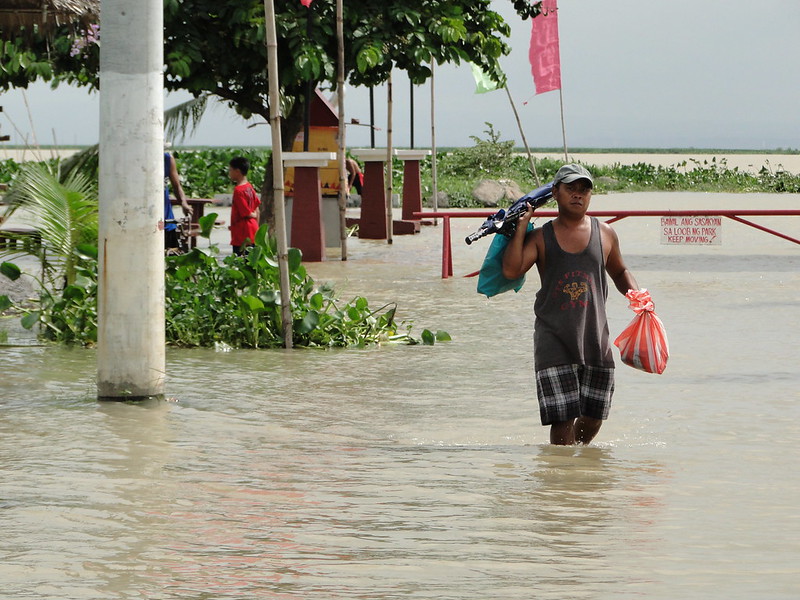
Typhoon Doksuri in the PhilippinesOn July 26, 2023, Typhoon Doksuri struck the Philippines, affecting 502,782 Filipinos. The impact was significant, leading to unfortunate consequences. According to the national disaster agency, 13 individuals lost their lives due to flooding and landslides. Tragedy further unfolded as a ferry boat capsized due to Doksuri’s powerful winds, resulting in an additional 26 fatalities. Notably, Doksuri possessed the intensity of a Category 4 hurricane. This calamity forced more than 42,000 Filipinos to evacuate their homes, adding to the ongoing homelessness crisis in the country.

Homelessness in the Philippines 

Roughly 4.5 million people, out of the country’s total population of 106 million, were reported homeless in January 2023. This dire situation primarily stems from job losses, inadequate income and job instability. The homelessness crisis was further compounded by the COVID-19 pandemic.

Michelle Sicat, a 28-year-old single mother, relocated to Manila in pursuit of employment and secured a job as a shop assistant. Leaving her daughter and parents behind, she aimed to build a career. However, the COVID-19 pandemic hit abruptly, leading to a strict lockdown across Luzon, the island where Manila is situated. The ensuing business closures left Sicat unemployed.

Desperate to return to her family, Sicat rushed to the bus station but faced immense competition for limited seats due to the overwhelming demand. She sought refuge at Manila Baywalk, and her life suddenly upended.

The issue of homelessness persists in the Philippines, with Typhoon Doksuri worsening the crisis, displacing more than 42,831 individuals (and the numbers continue to rise), all in search of shelter.

This challenge perpetuates the cycle of poverty throughout the nation. According to World Bank data, 6.1% of Filipinos live on less than ₱104 per day ($1.89), while 26% survive on less than ₱175.37 per day ($3.19) and a substantial 55.1% live on less than ₱301.42 per day ($5.49).

In the wake of this natural disaster, numerous organizations worldwide are mobilizing to provide financial assistance to the Philippines.

Aid From the European Union (EU)

The EU offered an initial €500,000 (approximately ₱30.3 million) for humanitarian relief efforts including emergency shelter, shelter repair, clean water and sanitation to those most in need. 

Luzon, the regions of Cagayan Valley, the Ilocos region and the Cordillera Administrative region were among the most affected and are the target of the EU’s support. 

“The EU expresses its swift and unwavering support to the Filipino people during the aftermath of typhoon Doksuri, which resulted in extensive devastation and tragic loss of life in the Philippines,” said EU Commissioner for Crisis Management Janez Lenarčič. “Without delay, we have initiated emergency relief efforts in close collaboration with our humanitarian partners to aid those affected during this challenging period.” 

Americares’ Support

Americares is an organization that works to aid impoverished communities or those affected by natural disasters in health necessities. The organization is present in the Philippines, working to support the country as it deals with the results of typhoon Doksuri. 

An Americares mobile medical team left the major city of Manila to offer primary health care to communities in the Isabela province. Flooding was severe in this area and left many roads impassable. 

Paul Pagaran, Americares Philippines Country Director, said “Communities will be cut off from care and will need help providing essential health services, including treatment for waterborne diseases,” shortly after the storm touched land on July 26, 2023. Also, the Americares team distributed hygiene kits to many who suffered displacement due to the storm. 

Looking Ahead

In the aftermath of Typhoon Doksuri, despite the challenges it brought to the Philippines, the international community is rallying to provide support. The EU’s rapid response, offering financial aid for emergency relief efforts, demonstrates solidarity with the affected Filipinos. Organizations like Americares are also playing a crucial role, sending medical teams and hygiene kits to areas in need. While the typhoon exacerbated the ongoing homelessness crisis and poverty cycle, these collective efforts are providing a glimmer of hope for those struggling to rebuild their lives and find a path toward recovery.

– Taylor Barbadora
Photo: Flickr

August 24, 2023
https://borgenproject.org/wp-content/uploads/borgen-project-logo.svg 0 0 Lynsey 2 https://borgenproject.org/wp-content/uploads/borgen-project-logo.svg Lynsey 22023-08-24 01:30:122023-08-22 01:15:18The Impact of Typhoon Doksuri in the Philippines
Global Poverty, Homelessness

The Reasons Homelessness in Monaco Does Not Exist

Homelessness in Monaco
Monaco immediately brings to mind extravagant casinos, roaring race cars and lavish yachts. This impression is a correctly informed one as the GDP per capita in the nation is $234,317, making it one of the wealthiest countries in the world. With almost 68% of the population consisting of foreigners taking up residence in the country, and ethnic Monegasques generally being very wealthy, the absence of data about homelessness in Monaco is not surprising; homelessness simply does not exist. However, the reasons for this fact are much more nuanced than “everyone is rich.” An analysis of the Principalities’ institutions, economy and culture, provides useful insight into how the nation effectively removed homelessness from its society.

The Government

The Grimaldi dynasty has ruled the Principality of Monaco, a constitutional monarchy, since 1914. Additionally, it has a unicameral legislature with 24 seats and a judicial branch with seven members. Elections for the legislature undergo calculation through both simple majority and proportional representation, creating a fair and equitable system. Any Monegasque citizen over the age of 18 can vote in elections.

The prince and his government are adamant about providing a strong social safety net for the country’s citizens and residents. These services include rent-controlled housing, free apartments for those who need them and health care. Access to these services depends on one’s status with the government. Naturally, Monegasque nationals receive top priority to all of the government services. Additionally, the state provides benefits, such as health care, to non-citizen residents.

The Economy

Monaco’s economy centers on service. Tourism and banking are the biggest industries in the nation, creating the $7.6 billion RGDP that the country had in 2015. The state takes a very pro-business approach toward its development. The government’s website states that modernizing business law and incentivizing firms to relocate to the principality will create a high level of economic activity within the country and its surrounding region, which has been true. This strategy is coupled with the relatively simple process of acquiring residency, which strongly influences investment in the principality. Further, all a person needs is proof of accommodation and proof of self-sufficiency to become a resident, making it, bureaucratically speaking, a fairly simple process to obtain the status.

Culture

Despite the government’s accommodations, the citizenship process is a long and difficult one. With citizenship comes many benefits such as guaranteed health care, efficient rent-controlled housing, a promise of education and a plethora of other services so, naturally, the government is not handing it out to anyone who asks. The easiest way to gain citizenship is to be born from Monegasque parents. If not, individuals must live in Monaco for at least 10 years before they can even be considered for the application, and if approved, they must relinquish all other citizenship.

The rigorous path to residency and naturalization reveals an important cultural phenomenon when thinking about the lack of homelessness in Monaco. Due to the high standards of citizenship and the long history between the people and the state, Monegasques have formed a strong national identity. Further, this relationship has created a sense of camaraderie and responsibility from person to person, person to state and state to person. This nation-building process makes the elimination of homelessness possible, as institutions and society work in conjunction to maintain a standard of living for everyone within the ingroup.

While Monaco is the land of the super-wealthy, the reason for the lack of homelessness is a nuanced discussion. Through the country’s effective institutions and tight-knit community, it has been able to eliminate homelessness within its borders by utilizing a strong social safety net.

– Eduardo Gonzalez del Valle
Photo: Pexels

August 1, 2023
https://borgenproject.org/wp-content/uploads/borgen-project-logo.svg 0 0 Lynsey Alexander https://borgenproject.org/wp-content/uploads/borgen-project-logo.svg Lynsey Alexander2023-08-01 02:32:582023-08-17 00:06:43The Reasons Homelessness in Monaco Does Not Exist
Food Security, Global Poverty, Homelessness, Poverty Eradication

Innovations in Poverty Eradication in Finland

Poverty Eradication in FinlandAcross the world, more than 150 million people are homeless, around 783 million lack food security and more than half the global population lacks essential health services. Among countries, Finland stands out as a pioneer in implementing innovative solutions to combat mass poverty. The following is a brief look into innovations behind poverty eradication in Finland.

Decline in Homelessness

From 2006 to 2007, Finland experienced a spike in the number of homeless people, the first since 1998. This prompted a focus on addressing homelessness and led to innovations in poverty eradication. The main innovation Finland implemented was the Housing First policy. Enacted in 2008, the Housing First policy has dropped the number of homeless people from more than 8,000 to 3,686 in 2022. This correlates to a 50% reduction in the number of homeless people in Finland in 14 years. The Housing First policy works by granting homeless people access to long-term housing as opposed to the more common temporary shelters. These rental housing units are innovative as they are financially viable and provide the homeless with substantial social support, such as better employment opportunities.

As more homeless people acquired jobs, the unemployment rate dropped by 2.6% from 2015 to 2022. This has, in turn, stimulated Finland’s economy and compensated for the cost of these rental units, thereby highlighting the efficiency of the Housing First policy. Overall, the Housing First policy benefited more than 4,000 individuals through housing, and an additional 137,208 through job opportunities.

Stable Food Security

Food security has become a non-issue in Finland due to innovative approaches dominating the Food and Agriculture industry. One such innovation is the prevalence of vertical farms. Vertical farms have revolutionized food security within Finland as they maximize space (no need for arable land), are pesticide-free, decrease water usage by 90%, cultivate up to 2.5 times more yield and have rapid scaling potential (from 500 to 20,000 sq.m). Vertical farms have proven to be positively transformative as they have successfully increased access to cheaper and healthier foods. Each vertical farm, such as the one in Pirkkala, Finland, has the potential to feed more than 20,000 people.

Another innovation in Finland is the recent creation of Solein, a natural protein produced using air and electricity. The creation of Solein has the potential to increase food security in Finland as it exceeds the bounds of traditional proteins. Solein can be used in meat, cheese, dairy, bread, pasta, drinks, etc. Solein’s versatility makes it suitable for various food products, offering a cost-effective alternative for nutritious food seekers.

As a result of these food security innovations, Finland achieved a score of 83.7 on the Global Food Security Index (GFSI) in 2022, the highest among countries. As opposed to the world average of 11.7 % in 2022, Finland’s food insecurity rate remains relatively low at 2.5%. The country’s innovations have prevented 511,233 people from falling into poverty.

Effective Health Care

Finland is lauded for its health care system as it offers a variety of services at affordable prices. One way Finland achieves this is through the innovative Kela Card. In terms of health care, the Kela Card plays a key role, in reimbursing people for medical prescriptions, ill-related absences, travel and a portion of private health care expenses. The Kela Card is an integral component of Finland’s health care system because every citizen and permanent resident of Finland receives it. The Kela Card also provides social security and employment benefits. Its very design allows it to assist those who are struggling to maintain a stable income and provides them with social benefits. This has, in turn, benefitted more than 360,000 people in Finland each year.

Innovations in poverty eradication in Finland extend to medical hardware as well. Finnish tech company Sooma developed a portable medical device for depression treatment. This device is portable and requires no expertise to use, thus reducing the medical costs associated with depression. Another medical instrument, created by Optomed, captures retinal images and diagnoses diabetic retinopathy, a leading cause of blindness worldwide. This device is innovative as it is the most affordable camera of its kind. The efficiency of medical equipment in Finland has allowed people to avoid the excessive costs associated with modern health care.

What is Next?

Finland continues to pursue poverty eradication through ongoing innovation. These modern solutions have already contributed to a 1.4% drop in poverty rates between 2019 and 2020. Ultimately, the success of Finland’s innovations could serve as a model and inspiration for other countries looking to alleviate poverty.  

– Manav Yarlagadda
Photo: Unsplash

July 27, 2023
https://borgenproject.org/wp-content/uploads/borgen-project-logo.svg 0 0 Jennifer Philipp https://borgenproject.org/wp-content/uploads/borgen-project-logo.svg Jennifer Philipp2023-07-27 07:30:232024-05-30 22:32:11Innovations in Poverty Eradication in Finland
Global Poverty, Homelessness

Prince William’s Fight Against Homelessness

Fight Against HomelessnessIn the United Kingdom (U.K.), eight in 10 people think homelessness is a serious issue in the country. A study by Shelter shows that at least 270,000 people are reportedly homeless in the U.K., with 123,000 being children. Engaging in the fight against homelessness is Prince William, who has recently launched Homewards, a new project that aims to eradicate homelessness in the U.K.

Types of Homelessness in the UK

  • Rough Sleeping: Rough sleeping includes sleeping outside or in places that are not ideal for sleeping, such as in a car or an abandoned building. It is the most visible and dangerous form of homelessness, leading to instances of violence and challenges to mental and physical health, trauma and substance abuse.
  • Temporary Accommodation: When necessary, people can stay in temporary accommodation for a period of time, ranging from one night to several years. There are many different types of accommodation, including hostels, winter shelters and women’s housing, each accommodation with its own set of rules and accommodation options.
  • Statutory Homelessness: To be legally classified as homeless, a person must either lack a secure place to live or face unreasonable conditions that make it difficult to stay there. The Housing (Homeless Persons) Act 1977, Housing Act 1996 and the Homelessness Act 2002 have established statutory obligations on local housing authorities to provide assistance for individuals who are homeless or at risk of homelessness.
  • Hidden Homelessness: Those who have no entitlements to aid with housing or who choose not to ask their council for help sometimes choose to stay in temporary accommodation, and as a result, homelessness statistics often do not account for them.

Homelessness in the UK

There are several causes of homelessness, ranging from social reasons, such as unaffordable rent and unemployment, to circumstances like leaving prison or care with no home to return to forcing people into being homeless. Women in particular can find themselves homeless after escaping physically abusive relationships.

Homelessness can have a severe effect on both physical and mental health. Not only is the average death rate for people experiencing homelessness 46% for men and 42% for women, but homeless people are also nine times more likely to take their own life than the general population. Homelessness also increases the risk of violence — more than one in three homeless people who are rough sleeping are deliberately kicked or hit. Seven in 10 people believe society should pay more attention to homelessness, and six in 10 believe there are several ways in which people can contribute to the fight against homelessness.

Homewards

Prince William and The Royal Foundation of The Prince and Princess of Wales have recently launched Homewards: a locally led, five-year program aiming to end homelessness by forming local coalitions of committed people, organizations and businesses. Six flagship locations across the UK will be supported by Homewards in this endeavor: Aberdeen, Sheffield, Newport, Lambeth, Bournemouth, Christchurch and Poole and Northern Ireland.

The support provided includes up to £500,000 of flexible funding, a local lead to drive action and, finally, a research partner to evaluate success.

Prince William said that he “first visited a homelessness shelter when [he] was eleven, with [his] mother,” and that he has been inspired to follow in her footsteps, continuing the humanitarian work his mother started.

In 2009, Prince William also chose to spend a night sleeping in an alleyway under Blackfriars Bridge in below-freezing conditions, with his only companions being his private secretary and Seyi Obakin, the chief executive of British homeless charity Centrepoint. At the time, the Prince said he hoped that by “deepening [his] understanding of the issue,” he can “do [his] bit” to help fight homelessness.

Homewards is the first major project the Prince of Wales has launched since his father, King Charles III, ascended the throne. Prince William has described Homewards as his ‘lifelong mission.’ Hopefully, with Prince William leading this new initiative, the very serious issue of homelessness in the U.K. can draw more attention and encourage more help and financial aid in the fight against homelessness.

– Sheherazade Al Shahry
Photo: Unsplash

July 24, 2023
https://borgenproject.org/wp-content/uploads/borgen-project-logo.svg 0 0 Lynsey Alexander https://borgenproject.org/wp-content/uploads/borgen-project-logo.svg Lynsey Alexander2023-07-24 01:30:082023-07-21 02:07:31Prince William’s Fight Against Homelessness
Global Poverty, Homelessness

Addressing Homelessness in Hawaii

Homelessness in Hawaii
The tropical island of Hawaii is a popular tourist destination yet the island nation struggles with the issue of homelessness. Thousands of Hawaii’s locals live in tents, cars or cramped spaces with their children and families. According to the Point in Time Count sponsored by the U.S. Department of Housing and Urban Development, an estimated 5,973 individuals endured homelessness in Hawaii in 2022. Several local organizations are committed to helping families secure shelter and meet their other basic needs.

Uncovering Homelessness in Hawaii

According to the organization Homeless Hawaii, poverty, mental illness, addiction, trauma, unstable employment and family violence contribute to homelessness in Hawaii. Native Hawaiians are particularly susceptible to many of these issues. Hawaii has a high cost of living, and the average income does not support this. As of 2022, the average minimum wage in Hawaii stood at $12 an hour. However, the average sales price of a home statewide is above $800,000 as of 2023. A single adult would need to make at least $22 an hour to afford to live in Hawaii. Families with three children and both parents working would require a living wage of almost $40. Hawaii has limited land and high costs for transportation, food, child care and medical care, which exacerbates the homelessness crisis.

4 Local Charities Addressing Homelessness in Hawaii

  1. Project Hawai’i, Inc: This nonprofit assists more than 1,600 homeless children a year across the islands of O’ahu, Maui and the Big Island of Hawai’i. Project Hawai’i “strives to change the lives of children by providing a sense of stability through interactive programs, including educational summer camps, holiday events, school support and educational training,” its website says. The organization’s efforts also center around providing nutritious meals, hygiene care and emergency services to children in need. Since its establishment in 2003, Project Hawai’i, Inc has helped more than 2,000 homeless children in Hawaii rise out of poverty through the resources, essential services and support necessary to thrive and establish self-sufficiency. One individual who received aid from the nonprofit now owns her own business and home. Another homeless teen mom living in her car could not complete school and required childcare support. The organization helped her build a successful jewelry business and placed her children in Project Hawai’i’s programs. Project Hawai’i gave her the chance to build a new life, in her own home with her children.
  2. The Institute for Human Services: The Institute for Human Services works with an exclusive focus on alleviating homelessness in Hawaii. It envisions a “community where homeless people are empowered with hope, dignity and confidence to quickly access and sustain a safe, decent and affordable home,” its website says. The private nonprofit’s success includes housing 1,628 clients, providing services to 1,258 people and distributing 301,684 meals. The story of IHS’s establishment began in 1978 through the efforts of Father Claude DuTeil. In 1982, IHS officially became a private nonprofit. IHS’s services involve active outreach to people living on the streets, providing three meals a day, health services, job search services, tutoring and activities programs for children.
  3. Family Promise of Hawai’i: Since 2006, this organization has taken a holistic approach to addressing homelessness in Hawaii. Through the provision of “shelter, meals, case management, homelessness prevention and stabilization services to [more than] 4,730 family members,” Family Promise of Hawai’i ensures that families facing housing insecurity find long-term stability. After providing emergency or short-term shelter, the organization helps individuals through education, employment development, referral to community resources and ongoing case management. About 80% of individuals receiving short-term shelter move on to secure permanent housing.
  4.  Hawaii H.O.M.E. Project: This local nonprofit aims to “improve quality and access to health care for individuals in Hawaii experiencing houselessness while increasing student and physician awareness and understanding of the houseless and their health care needs,” its website says. The nonprofit also provides free medical services and health tests, alongside distributing hygiene kits and school supplies, among other efforts.

Looking Ahead

Homelessness is a human rights issue. By overlooking the issue of homelessness, the world fails to uphold the internationally recognized human right of adequate housing. Fortunately, the commitments of several local organizations in Hawaii ensure that the people of Hawaii are able to secure their most basic needs.

– Ellie Bruce
Photo: Flickr

June 7, 2023
https://borgenproject.org/wp-content/uploads/borgen-project-logo.svg 0 0 Kim Thelwell https://borgenproject.org/wp-content/uploads/borgen-project-logo.svg Kim Thelwell2023-06-07 01:30:272023-06-03 15:23:31Addressing Homelessness in Hawaii
Global Poverty, Homelessness

Addressing Homelessness in South Africa

Homelessness in South AfricaRates of poverty in South Africa are high; the estimated percentage of the population living under the poverty threshold of $3.20 a day is 37.12% in 2022. According to the U.N. Sustainable Development Report, in South Africa, significant challenges remain in moving toward zero poverty and the country is regressing in its quest to reduce poverty. One of the major and most visible manifestations of extreme poverty is homelessness. No official census exists on rates of homelessness in South Africa, however, estimates indicate that up to 200,000 people in the country live without the basic human right to shelter.

Unemployment Rates in South Africa

Unemployment rates in South Africa have increased in recent years, rising from 24.3% in 2020 to 28.8% in 2021. With scarce employment opportunities to secure an income, people are plunged into poverty. This, in turn, leads to higher rates of homelessness in South Africa at large. A survey conducted by the Unit for Street Homelessness at the University of Pretoria in collaboration with the Tshwane Homelessness Forum and the City of Tshwane in October 2022 found that unemployment was the primary reason for the high number of homeless people in the City of Tshwane, Pretoria.

The Role of Apartheid

The apartheid era plays a significant role in the issues of homelessness and landlessness that have been affecting South Africans. During apartheid, the government forcibly removed non-whites from their lands and pushed them into subpar neighborhoods known as “townships.”

But, decades since the abolishment of apartheid, “land distribution and economic inequity remain unresolved,” Africanews reports. Since 1994, the end of the apartheid era and the beginning of the first democratic elections, the South African government has been trying to address the housing crisis by providing low-income families with homes funded by the state. The government has constructed more than 3 million low-cost houses since the end of apartheid to address the need for housing, but the affordable housing shortage still amounts to about 3.7 million houses.

Close to 13% of South Africans live in shacks or informal settlements, according to 2019 data from the government. People from rural areas have migrated to urban city centers for better job opportunities and access to quality schooling and health care services. But, the infrastructure in these cities has struggled to keep up with increasing population numbers.

Homelessness in South Africa’s Two Wealthiest Cities

South Africa is a country of great economic disparity. Johannesburg, located in the North East of the country, is the country’s wealthiest city. Cape Town, nestled on the West Coast, is the country’s second-richest city. Together, the cities share a private wealth of more than $400 billion.

Despite their wealth, rates of homelessness in Johannesburg and Cape Town are high. Johannesburg has an estimated 15,000 rough sleepers, according to local media outlet GroundUp, and Cape Town has more than 5,000 homeless people. Unemployment rates and a lack of adequate and affordable housing for the poor in these cities contribute to the unequal distribution of wealth, made visible on the streets. South Africa has the largest gap between rich and poor in the world. According to TIME magazine in 2021, 85% of the country’s wealth is owned by the wealthiest 10% of the population, a result of apartheid as “the world’s most egregious racial divide has turned into its most extreme economic disparity.”

Taking Action

A remedy to homelessness in South Africa is affordable housing and accessible shelters, particularly in Johannesburg and Cape Town. The Johannesburg Homelessness Network is a charity that offers a space to stay for homeless people in the city. The organization takes a multidimensional approach to helping the homeless, providing mental health support and medical care as well as shelter.

Launched in 2018, Cape Town’s program, Safe Spaces, also offers low-cost, secure shelter for the homeless and access to basic health services and amenities. The City of Cape Town plans to commit R77 million in 2023 and R230 million for the next three years, totaling a 62% increase in funding, toward the Safe Spaces program to help homeless residents, according to Mayor Geordin Hill-Lewis.

Considering the facts, consistent government efforts could prove vital in alleviating poverty and homelessness in South Africa and enable affected citizens to access better living standards.

– Eloïse Jones
Photo: Flickr

April 30, 2023
https://borgenproject.org/wp-content/uploads/borgen-project-logo.svg 0 0 Kim Thelwell https://borgenproject.org/wp-content/uploads/borgen-project-logo.svg Kim Thelwell2023-04-30 01:30:442024-05-30 22:31:01Addressing Homelessness in South Africa
Global Poverty, Homelessness, Human Rights

Things to Know About the 8 March Principles

March PrinciplesOn March 8, 2023, the International Committee of Jurists (ICJ) with UNAIDS and the Office of the High Commissioner for Human Rights (OHCHR) launched a new set of expert jurists’ principles called the 8 March Principles to guide the implementation of international human rights law.

Upholding International Human Rights Law

International human rights law enacts commitment from states to respect, protect and fulfill basic human rights. When states become parties to international human rights treaties, the countries agree to not interfere with the “enjoyment of human rights” and “to protect individuals and groups against human rights abuses” while “[taking] positive action to facilitate the enjoyment of basic human rights.”

The Universal Declaration of Human Rights (UDHR) that the United Nations General Assembly adopted on December 10, 1948, first codified international human rights law. Today, the UDHR is widely recognized as the fundamental global standard for human rights. It establishes civil, social, cultural, political and economic rights that every human must receive and that all individuals and societies have a duty to uphold.

The UDHR, International Covenant on Civil and Political Rights (ICCPR) and International Covenant on Economic, Social and Cultural Rights (ICESCR) together form the International Bill of Human Rights. Adopted in 1966, the ICCPR and ICESCR strengthened international human rights law by further outlining the rights that every individual is entitled to.

According to OHCHR, states must adopt and implement international human rights law at both the national and international levels to ensure effectiveness. Alongside international treaties, guidelines and principles, most states adopt national constitutions and other laws, which sometimes reflect regionally-specific concerns, aimed at protecting basic human rights.

The 8 March Principles

Introduced on International Women’s Day 2023, the 8 March Principles address overcriminalization in matters pertaining to sexual activity, gender identity and expression, HIV, drug use, homelessness and poverty. The principles apply international human rights law to correct the injustices of criminal laws that allow governments to prosecute individuals and groups on such bases.

The principles are the outcome of a 2018 workshop that UNAIDS, OHCHR and ICJ held to discuss the harmful human rights impact of criminal laws. The meeting clarified the need for a set of jurists’ principles that would guide courts, legislatures, advocates and prosecutors in addressing the detrimental human rights impact that criminal laws can have. Finalized in 2022, the principles took more than five years to develop.

Despite their name, the 8 March Principles include 21 principles divided into three categories: general part one, general part two and special part three. The first two categories apply general principles of criminal law and international human rights law “to proscribe certain conduct in a non-discriminatory way, respecting the rule of law.” Special part three applies these principles to specifically address the criminalization of conduct related to sex and sex work, drug use and possession, HIV, homelessness and poverty.

Implementation and Progress

According to ICJ’s policy director Ian Seiderman, “Criminal law is among the harshest of tools” that states can use “to exert control over individuals,”  and therefore, should be “a measure of last resort.” Yet, across the world, an increasing “trend toward overcriminalization” is notable.

Currently, for instance, more than 130 countries criminalize HIV exposure, non-disclosure and transmission, according to UNAIDS. The 8 March Principles aim to end discrimination and denial of basic human rights on such bases.

While many states are rapidly implementing the principles, those that are not parties to international human rights treaties have yet to adopt them. The constant push to implement the 8 March Principles at both the national and international levels is integral to global progress. The principles will ensure that no individual or group experiences discrimination regarding these matters and will uphold the basic rights and protections of every human being.

– Brianna Green
Photo: Flickr

April 11, 2023
https://borgenproject.org/wp-content/uploads/borgen-project-logo.svg 0 0 Jennifer Philipp https://borgenproject.org/wp-content/uploads/borgen-project-logo.svg Jennifer Philipp2023-04-11 07:30:102024-05-30 22:30:56Things to Know About the 8 March Principles
Page 4 of 20«‹23456›»

Get Smarter

  • Global Poverty 101
  • Global Poverty… The Good News
  • Global Poverty & U.S. Jobs
  • Global Poverty and National Security
  • Innovative Solutions to Poverty
  • Global Poverty & Aid FAQ’s
Search Search

Take Action

  • Call Congress
  • Email Congress
  • Donate
  • 30 Ways to Help
  • Volunteer Ops
  • Internships
  • Courses & Certificates
  • The Podcast
Borgen Project

“The Borgen Project is an incredible nonprofit organization that is addressing poverty and hunger and working towards ending them.”

-The Huffington Post

Inside The Borgen Project

  • Contact
  • About
  • Financials
  • President
  • Board of Directors
  • Board of Advisors

International Links

  • UK Email Parliament
  • UK Donate
  • Canada Email Parliament

Get Smarter

  • Global Poverty 101
  • Global Poverty… The Good News
  • Global Poverty & U.S. Jobs
  • Global Poverty and National Security
  • Innovative Solutions to Poverty
  • Global Poverty & Aid FAQ’s

Ways to Help

  • Call Congress
  • Email Congress
  • Donate
  • 30 Ways to Help
  • Volunteer Ops
  • Internships
  • Courses & Certificates
  • The Podcast
Scroll to top Scroll to top Scroll to top