• Link to X
  • Link to Facebook
  • Link to Instagram
  • Link to TikTok
  • Link to Youtube
  • About
    • About Us
      • President
      • Board of Directors
      • Board of Advisors
      • Financials
      • Our Methodology
      • Success Tracker
      • Contact
  • Act Now
    • 30 Ways to Help
      • Email Congress
      • Call Congress
      • Volunteer
      • Courses & Certificates
      • Be a Donor
    • Internships
      • In-Office Internships
      • Remote Internships
    • Legislation
      • Politics 101
  • The Blog
  • The Podcast
  • Magazine
  • Donate
  • Click to open the search input field Click to open the search input field Search
  • Menu Menu

Archive for category: Homelessness

Global Poverty, Homelessness, Housing Security

Homelessness in Norway Eliminated Through “Housing First” Policy

Homelessness in NorwayNorway is on a mission to reach zero homelessness and it’s making real progress. The country proves that homelessness reduction is possible and sustainable. The Norwegian Housing First policy is based on research, coordination and a social approach to the problem. Here is all you need to know about the Norwegian recipe to eliminate homelessness.

Homelessness in Norway

Norway defines homeless people quite broadly. It widens the group to include people without permanent accommodation under many circumstances beyond simply living on the streets. This includes individuals who do not own or rent a home, those temporarily staying with friends or family and people about to be released from a facility or institution within the next two months who have nowhere to stay or go.

In 2020, 3,325 people were homeless in Norway, representing 0.06% of the country’s population. This is one of the lowest homelessness rates in Europe and nearly a 50% reduction compared to 1996. This result is a phenomenon on an international scale, matched only by Finland.

Norway and its fellow Scandinavian neighbors are pioneers of the Housing First approach. However, comparisons are challenging, as there is no generally accepted definition of homelessness and statistical methodologies differ between countries.

Plan, Divide and Conquer

In Norway, housing policies and homelessness reduction programs are a shared responsibility of the central and local governments, the private sector and nongovernmental organizations (NGOs). The state provides the legal framework and financial resources, while municipalities and NGOs implement the policies. Social and health services also play a key role in supporting people experiencing homelessness.

Such cooperation is crucial in addressing homelessness, as individuals affected by it often face complex challenges in multiple areas of their lives. The first homelessness survey in Norway was conducted in 1996. Since then, the country has implemented five projects aimed at eliminating homelessness.

The latest program, the National Strategy for Social Housing Policies (2021–2024), titled “Everyone Needs a Safe Home,” also incorporates the Housing First approach. The government focused on two groups that are especially disadvantaged in the current housing market: children and young people and people with disabilities.

Provide Housing First

The philosophy behind Housing First is simple: a safe and stable place to call home is the foundation for everything else. Indeed, once housing is secured, pursuing employment or addressing substance use becomes much more manageable.

Beneficiaries of the policy only need to be experiencing a housing crisis to receive support—there are no additional requirements. Participation in other programs is voluntary. The initiative recognizes housing as one of the four pillars of well-being, alongside health, education and work.

This is a significant difference in Norway’s approach compared to other solutions. Every action, plan and program is designed to provide a solid foundation to build. Like a house, a person needs a stable base to grow and become self-reliant.

– Patrycja Pietrzak

Patrycja is based in Cyprus and focuses on Good News for The Borgen Project.

Photo: Unsplash

October 20, 2025
https://borgenproject.org/wp-content/uploads/borgen-project-logo.svg 0 0 Lynsey 2 https://borgenproject.org/wp-content/uploads/borgen-project-logo.svg Lynsey 22025-10-20 01:30:442025-10-20 00:37:14Homelessness in Norway Eliminated Through “Housing First” Policy
Global Poverty, Homelessness, Natural Disaster

FSPK Offers Hope: Homelessness in Kiribati

Homelessness in KiribatiKiribati, an island country, contains 33 coral atolls scattered across the Central Pacific Ocean, only 20 of which people currently inhabit. These low-lying islands, with their highest points about three meters above sea level, rank among the most vulnerable to changing weather patterns. As seas rise and extreme weather events occur more and more frequently, homelessness in Kiribati is emerging as a growing humanitarian crisis.

The Impact of Climate on Homelessness in Kiribati

Recent World Bank research indicates that sea levels could rise by as much as 0.5 meters between 2070 and 2110, potentially flooding 50% to 80% of Kiribati’s major urban areas. But even ahead of this daunting statistic, climate-related disasters such as flooding and extreme weather events have already worsened the housing crisis.

In June 2025, the Kiribati National Statistics Office reported that 60% of households that experienced climate disasters in the past year sustained home damage, primarily due to strong winds and heavy rain. Nearly 4,000 people had to leave their homes, underscoring the urgent need for emergency housing and the growing challenge of homelessness in Kiribati.

Despite the challenges, most residents maintain a deep attachment to their land and traditions and are reluctant to leave. In response, the Foundation for the Peoples of the South Pacific Kiribati (FSPK) is a local nonprofit leading local efforts to combat homelessness and housing insecurity. Here are examples of three key initiatives making a difference today.

Modular Affordable & Climate-Resilient Housing Initiatives

In Kiribati’s crowded capital, families average 7.3 members and often live in open shacks packed closely together. Additionally, there are frequent land disputes, and many have resorted to creating their own sea walls made from coral as an attempt to hold off flood waters. To address these housing issues, FSPK partnered with Karmod to introduce modular, quick-build homes that offer sustainable, flood-resistant shelter for vulnerable communities. These serve as faster shelter solutions for vulnerable communities facing threats from rising seas. These homes are a direct response to the increasing homelessness in Kiribati, driven by sea-level rise and climate-related disasters.

Women & Youth-Driven Climate Resilience

Thanks to FSPK’s partnership with Action on Poverty, women and youth who past leadership excluded from decision-making in community planning are now leading community-based adaptation efforts. Resilience projects include digging freshwater wells and kitchen gardens, efforts which boost food and water security, and therefore reduce the need for forced, climate-related relocation. By deliberately targeting those most vulnerable to climate impacts and housing insecurity, the program empowers women and children to recognize their role in adaptation and building a more resilient future.

Advocacy for Government and Donor Support

In March 2025, FSPK co-developed a proposal in partnership with the Kiribati government, targeting an international climate finance mechanism called the Adaptation Fund Board. The proposal aims to secure funding for climate resilience efforts, specifically by engaging donor governments and mobilizing national and international NGO support. The proposal also highlights the impact of initiatives led by FSPK and local communities, and encourages ongoing government collaboration to develop scalable solutions.

Looking Ahead

Homelessness in Kiribati continues to rise as climate threats intensify, putting countless residents at risk. However, local organizations like FSPK, are leading effective solutions, bringing hope and stability to these vulnerable communities. To help ensure a safer future for Kiribati, supporting groups like FSPK and donating to climate-focused housing initiatives is more important than ever.

– Kaitlin Reed

Kaitlin is based in Austin, TX, USA, and focuses on Technology and Solutions for The Borgen Project.

Photo: Pexels

August 12, 2025
https://borgenproject.org/wp-content/uploads/borgen-project-logo.svg 0 0 Jennifer Philipp https://borgenproject.org/wp-content/uploads/borgen-project-logo.svg Jennifer Philipp2025-08-12 01:30:512025-08-11 11:17:59FSPK Offers Hope: Homelessness in Kiribati
Africa, Global Poverty, Homelessness

Community Programs in Johannesburg and Pretoria

Community Programs in Johannesburg and PretoriaIn Johannesburg and Pretoria, cities in South Africa, it’s not just the government taking an active role in fighting against poverty; the cities’ communities are also taking active steps. Several volunteer community programs in South Africa, along with help from local universities, are striving to reduce homelessness and improve the lives of impoverished individuals in Johannesburg and Pretoria.

From setting up life training sessions and job safety nets to raising awareness through volunteer experience, the communities of Johannesburg and Pretoria are selflessly committed to poverty reduction in the cities.

U-Turn Homeless

One of the community programs in Johannesburg and Pretoria is U-turn Homeless Ministries (U-turn). The program is focused on raising awareness and correcting misconceptions about the homeless population in South Africa.

One of its most popular events involves citizens volunteering to spend a night on the streets to experience homelessness for one night. The event is done to raise awareness among citizens who are in a position to help and honor the homeless population.

The most recent U-turn event occurred on May 17, 2025, in Cape Town and Johannesburg, South Africa. The event also served as a fundraiser for homeless communities. Thanks to the strong turnout, enough funds were raised to provide 13,000 nights of shelter for 300 unhoused individuals.

The Community Work Program

One program prevalent in Johannesburg and Pretoria is the Community Work Program (CWP), which focuses on creating job safety nets for individuals. It offers many services to individuals looking for work and the unemployed youth.

The CWP helps establish mentorships to guide youth through difficult life situations and teach them how to handle them. In 2020, 43.2% of working-age youth in South Africa were unemployed. Programs like the CWP aim to reduce this number by creating safer and more accessible job opportunities for young people.

The Integrated Community Registration Outreach Program

The Integrated Community Registration Outreach Program (ICROP) focuses on reaching excluded and isolated individuals and communities. While its primary goal is inclusion, the broader objective is to reduce poverty significantly.

One of its biggest achievements was helping lower the national poverty rate from 57% to 45% in just four years. Furthermore, ICROP has also facilitated hundreds of thousands of child grant registrations and continues to expand its impact.

The University of Pretoria

The University of Pretoria (UP) stands out as a key driver of poverty reduction among South Africa’s many community programs. Indeed, UP has become a hub for integrating poverty solutions at both the local and national levels. The university has supported numerous student-led initiatives and volunteer efforts to tackle poverty in Pretoria.

It has also collaborated with international partners to address the root causes of poverty in South Africa. One example is the UP Law Clinic, which provides free legal assistance to low-income individuals. It involves law students directly in helping resolve legal issues that can trap people in cycles of poverty.

Conclusion

While the road to ending poverty in South Africa is still long and difficult, it’s encouraging to see that the fight isn’t left to the government alone. Citizens and communities across the country are stepping up with determination and compassion to drive real change.

– Russell Bivins

Russell is based in Phoenix, AZ, USA and focuses on Good News for The Borgen Project.

Photo: Flickr
August 10, 2025
https://borgenproject.org/wp-content/uploads/borgen-project-logo.svg 0 0 Lynsey 2 https://borgenproject.org/wp-content/uploads/borgen-project-logo.svg Lynsey 22025-08-10 03:00:332025-08-09 23:52:57Community Programs in Johannesburg and Pretoria
Global Poverty, Homelessness

Housing First: The Program Combatting Homelessness in France

Homelessness in FranceFrance is one of the economic and cultural powerhouses of Europe and the Western world. As a result of a rich culture built on the core values of liberty, equality and fraternity, France has become an increasingly popular destination for expats and immigrants looking to make the hexagon their home, with more than 700,000 refugees as of December 2023.

However, with an ongoing lack of affordable housing, homelessness has become an increasingly real threat for many living in France. Those living in poverty often have nowhere to seek refuge and are forced into a life on the streets. In fact, the number of homeless households in France doubled from 141,500 in 2010 to 333,000 in 2023, illustrating France’s recent struggles to combat the rise of homelessness and poverty as a whole. In response to this ongoing crisis, France has adopted the Housing First model to create more affordable, permanent housing options, aiming to reduce the homeless population throughout the country.

The Housing First Model

The Housing First model is an approach that provides permanent supportive housing (PSH) for those struggling with homelessness. This model is based on the belief that housing stability is a critical foundation of life. With basic housing needs covered, beneficiaries are less likely to slip back into homelessness as they can better work towards a high quality of life while pursuing personal and professional goals without struggling for the bare necessities.

This focus on permanent supportive housing is known to be effective, as Housing First PSH programs have a 98% one-year housing retention rate. Crucially, this means that Housing First is not just a temporary solution to a larger issue, but a successful long-term solution.

Housing First differs from other models as it is non-discriminatory and highly flexible. While many approaches require beneficiaries to address all of their health problems and go through a long series of programs before receiving housing, Housing First has no prerequisites, making it a widely applicable solution to homelessness.

In France, as 440,000 homeless people moved into housing between 2018 and 2022, it is clear that the model has been highly effective since its implementation in 2017, according to the Homeless World Cup. Additionally, since 2017, France has opened more than 7,200 new boarding houses in 44 communities as it implements Housing First, providing reliable housing to those struggling with homelessness.

Five-Year Plan

In 2023, France published a five-year plan with Housing First to maintain and build on their success with the model since 2017, according to the 2023 government document. To continue combating the homelessness crisis, the plan focuses on three key pillars:

  • Production and mobilisation of affordable housing solutions for households in very precarious situations
  • Helping people stay in their homes, preventing breakdowns and system deterioration
  • Speeding up access to housing and offering support pathways combining housing, employment and health

These pillars illustrate how France plans to reinforce an already successful program, allowing the model to expand and provide the maximum amount of aid possible to the homeless population sustainably for years to come.

The Future

While poverty and homelessness remain at the forefront of political and social thought in France, the adoption of the Housing First model is a clear sign of the French government’s commitment to improving its response to the ongoing housing crisis while improving the lives of those experiencing poverty by offering accessible and permanent housing. Although the homeless crisis is far from solved, Housing First is a sustainable, long-term solution improving the lives of those in poverty throughout 44 communities in France.

– Jack Schuchard

Jack is based in Herndon, VA, USA and focuses on Global Health and Politics for The Borgen Project.

Photo: Wikimedia Commons

July 3, 2025
https://borgenproject.org/wp-content/uploads/borgen-project-logo.svg 0 0 Naida Jahic https://borgenproject.org/wp-content/uploads/borgen-project-logo.svg Naida Jahic2025-07-03 07:30:212025-07-03 00:42:24Housing First: The Program Combatting Homelessness in France
Entrepreneurship and Business, Global Poverty, Homelessness

The Beggars Corporation: Empowering Entrepreneurs in India

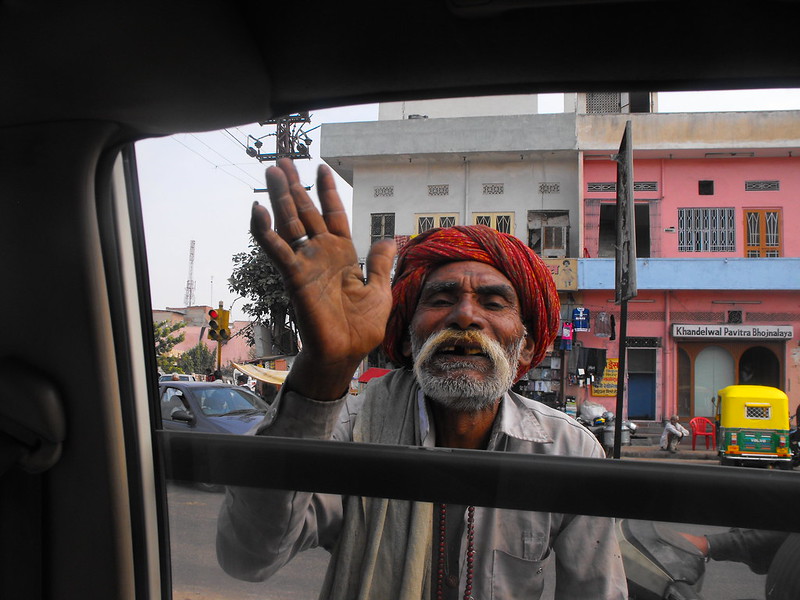
How the Beggars Corporation Empowers Entrepreneurs in IndiaThe Beggars Corporation (BC), incorporated in August 2022, offers a different approach to poverty alleviation in India. Instead of offering food or donations, BC invests directly in beggars through its Beggars-Turned-Entrepreneurs (BTE) program. The initiative aims to help people transition from street begging to owning and managing small businesses. Founded by Chandra Mishra, BC’s mission is to make India “begging-free” by helping the country’s estimated 413,670 beggars build sustainable livelihoods. Mishra’s concept, which he terms “Employonomics,” challenges traditional aid models. He argues that a small percentage of the $12 million donated annually to India’s poor can instead fuel long-term change through social investment.

The Beggars Corporation

BC operates under a “One Beggar, One Mentor” system. Rather than seeking support from the government or major NGOs, the company engages wealthier Indian citizens as mentors and investors. Selected participants receive training in vocational skills, such as tailoring or business management. For example, Rajni, BC’s first BTE, learned embroidery and went on to create two brands: Bagful of Dreams and Enchanted Shirts. Once trained, each BTE partner works with their mentor and BC to form a legal business entity called a Special Purpose Vehicle (SPV). Each SPV allocates 24% ownership to the BTE, 24% to the mentor and 52% to BC. During training, participants also receive a monthly stipend of 10,000 INR.

Investment With Social Returns

In BC’s first investment round, 57 individuals each contributed and earned a 33.5% annual return on investment. Currently, mentors invest 200,000 INR over three years. The “handholding” phase follows training, where mentors help BTEs manage finances, navigate regulatory compliance and market their products. After three years, mentors recover their investment with returns and BTEs can choose to continue their business or pursue other employment.

Expanding Impact

To help create entrepreneurs in India, BC has expanded operations beyond the One Beggar, One Mentor scheme. Although BC began in Varanasi, it recently expanded to Dehradun, the capital of Uttarakhand, by signing a Memorandum of Understanding (MoU) to eliminate begging in the city. There, BC will open another School of Life, an education program for child beggars. The program offers academic instruction up to the equivalent of the 10th grade, along with vocational training through a “Learn and Earn” model. BC also supports job creation beyond entrepreneurship. The Karma Cafe in Varanasi, launched under an SPV, has already created 12 jobs for former beggars. Other businesses, such as Helping Hands, a home cleaning service, have reportedly employed up to 100 former beggars.

Results and Real Stories

According to Mishra, 17 beggars became entrepreneurs in the program’s first two years. Including jobs created by BTE-owned businesses, the total number of beggars helped reaches about 1,000. In 2024 alone, 21 active BTE businesses generated more than $418,000 in revenue. Individual stories highlight the human impact. Rajni, once a street beggar, now works in a hospital and supports her son. Vishal, a 12-year-old formerly known as India’s “Mascot of Poverty,” now works as a tour guide and earns between $175 to $350 a month after graduating from the School of Life.

The Future

In less than three years, the Beggars Corporation has shown that sustainable business models can empower India’s poorest citizens. By altering the traditional model of charitable giving into a business venture, BC creates lasting, meaningful employment opportunities for India’s poor. By giving investors an interest in their donation in the form of a share in the SPV and by developing key business skills in their BTEs, the Beggars Corporation could help many individuals escape the cycle of poverty and may one day make India begging-free. 

– Charles Citron

Charles is based in Boston, MA, USA and focuses on Business and Politics for The Borgen Project.

Photo: Flickr
June 4, 2025
https://borgenproject.org/wp-content/uploads/borgen-project-logo.svg 0 0 Precious Sheidu https://borgenproject.org/wp-content/uploads/borgen-project-logo.svg Precious Sheidu2025-06-04 07:30:412025-06-04 00:46:22The Beggars Corporation: Empowering Entrepreneurs in India
Global Poverty, Homelessness

Boca de Rua Empowers Homeless Individuals Through Journalism

Boca de RuaBoca de Rua, a unique street newspaper based in Porto Alegre, Brazil, continues to empower people experiencing homelessness by involving them directly in journalism. According to The Guardian, the publication creates opportunities for participants to write, photograph and sell the paper, offering both income and visibility to marginalized voices.

About the Newspaper

Founded in 2000 by journalists Rosina Duarte and Cristina Pozzobon, Boca de Rua—which translates to “Word on the Street”—operates as a quarterly publication where contributors attend weekly editorial meetings and determine the paper’s content. Vendors sell each issue for R$3 (around $0.53) and keep the proceeds.

According to Global Voices, about 50 people contribute to each edition. Topics range from street abuse to positive community stories, with recent issues covering tragedies like a fire at a state-run homeless shelter and flood impacts on the city. More than a source of income, the paper builds confidence and public presence for its contributors. Since its founding, Boca de Rua has supported more than 400 individuals through this model of participatory journalism.

Addressing Homelessness in Brazil

Homelessness remains a significant issue in Brazil. According to Development and Cooperation, the population of unhoused individuals grew by 38% between 2019 and 2023, largely driven by the COVID-19 pandemic. As of 2022, more than 281,800 people were registered as homeless in Brazil and economic insecurity remains the leading cause. In response, the Brazilian government relaunched the Minha Casa Minha Vida (“My House My Life”) program. Initially implemented in 2009, the initiative offers housing subsidies to low-income families, particularly those earning under $400 per month, according to The Rio Times.

Stories of Ambition and Impact

Elisângela Escalante, a contributor for six years, shared with Global Voices how the paper helped her transition off the streets and into a home. Previously dependent on her partner financially, Escalante was able to regain independence through earnings from the newspaper. “Through it [Boca de Rua] I got a lot of things and I helped a lot of people too,” she said.

A memorable edition that she worked on featured the cover story “Why Can’t We Be Mothers?”—a piece that explored the challenges of motherhood while experiencing homelessness. During production, some participants even reconnected with their children, underscoring the paper’s emotional and social reach.

Another contributor, Michael Vasconcelos, told The Guardian that he became homeless after a family fallout. He later joined Boca de Rua, where he describes himself as a “paperboy and journalist.” “Now, I steal people’s attention and deal in information,” Vasconcelos said.

Media Representation and Inclusion

Community-led media initiatives like Boca de Rua play a crucial role in amplifying marginalized voices and fostering media diversity. According to the United Nations Educational, Scientific and Cultural Organization (UNESCO), empowering Indigenous voices in the media is essential for fostering pluralism and diversity, which are vital elements of a vibrant society. 

Despite this progress, gaps remain. As of 2025, UNESCO reported that:

  • About 25% of media outlets that are non-Indigenous have no editorial guidelines that correlate with Indigenous social issues.
  • Only one in five of media outlets cite marginalized individuals as sources, while 8% say that they never have.
  • Roughly 16% of media outlets that are non-Indigenous are required to publish in Indigenous languages by quotas.
  • Around 49% of media workers who are Indigenous have been exposed to harassment, danger and intimidation.

By offering contributors a direct platform, Boca de Rua helps counter these inequities and drives awareness through lived experience.

Looking Ahead

As Boca de Rua continues to grow, its impact reaches far beyond housing. Co-founder Rosina Duarte emphasizes that the paper’s core mission is to provide income and reduce the harm caused by silence and isolation. The organization aims to deepen its role as a platform for dignity, self-expression and community-driven change.

Contributor Michelle Marques dos Santos, who joined as a teenager living on the streets, is now preparing to publish a book about her life—an opportunity she attributes to the confidence and visibility gained through the newspaper. Now expecting her seventh child—the first she will be able to raise herself—Santos’s story reflects the transformative potential of community-led media initiatives. As Boca de Rua continues its work, it holds promise not only for current contributors but also for future generations seeking visibility and purpose.

– Clarissa Dean

Clarissa is based in Bowling Green, KY, USA and focuses on Good News and Celebs for The Borgen Project.

Photo: Flickr
May 31, 2025
https://borgenproject.org/wp-content/uploads/borgen-project-logo.svg 0 0 Precious Sheidu https://borgenproject.org/wp-content/uploads/borgen-project-logo.svg Precious Sheidu2025-05-31 07:30:412025-05-31 02:21:37Boca de Rua Empowers Homeless Individuals Through Journalism
Global Poverty, Homelessness, Mental Health

Mental Health and Homeless Youth in East Asia

Mental Health and Homeless YouthHomelessness and mental health are problems that exist around the world, developed and undeveloped countries alike. Among homeless youth in East Asia and Southeast Asia, mental health is a massive issue. These youth typically become homeless due to past abuse, and usually experience more while on the streets; past research has shown that homeless youth are highly susceptible to sexual exploitation and prostitution. 

This demographic of homeless youth reports high rates of mental health issues, such as depression, PTSD, bipolar disorder and suicidal ideation, with suicide being their leading cause of death, and 80% of the population having reported attempting suicide at some point. To cope with these issues, many turn to substance abuse and other maladaptive coping mechanisms. 66.7% report drinking problems, and 77.8% report smoking problems. 

Causes of Homelessness

There are various reasons why youth become homeless in the first place. It is worth mentioning that one primary cause of poverty in the East Asian Pacific region is natural disasters. Natural disasters like earthquakes and tsunamis affect East and Southeast Asia more than most other regions in the world, making them a significant and notable contributor to homelessness that might not necessarily apply or apply as much to other regions around the globe, according to a 2024 article.

Poverty can cause stress and subsequent dysfunction in the home, driving children and young people away. A 2024 article found that parental abuse was the most common reason (40.7%) for leaving home, especially from fathers. General family conflict follows at 29.6%. 

Cultural Differences

Treating these problems requires understanding and accommodating the differences in cultural attitudes between Eastern and Western societies. Due to the way Eastern cultures raise kids to view themselves, their obligation to and role within family and the way they view mental health itself, means that Western mental health techniques do not always transfer or have the same result.

For example, Western programs tend to emphasize working with direct service providers and place a lot of value on individual autonomy. Conversely, services and government interventions in the East Asian Pacific regions might put more emphasis on family and community support.

Few components of culture influence mental health and responses to mental health treatment. The first is emotional expression: depending on what level of emotional outburst or emotional behavior is considered acceptable in a given culture, it will be easier or harder to identify when a person needs help. The second and likely most influential element is shame: many cultures, especially Asian cultures, see mental illness as something shameful or born out of weakness.

Individuals may be hesitant to seek treatment because it means admitting to themselves and to a mental health professional that they are struggling. Individuals may also be reluctant to interact with a mental health professional because of the third element, “power distance,” according to the Frontiers in Public Health. Regulations on mental health treatment and the power given to mental health professionals vary from country to country, having varied implications about autonomy and the power dynamic within a therapeutic relationship. 

Results 

A 2024 article revealed the results of eight studies conducted throughout Malaysia, South Korea and the Philippines. These studies researched the impacts of various mental health interventions on homeless youth, including art therapies, cognitive behavioral therapy (CBT), life skills education (LSE) and government services.

A Philippines-based study found visual art and poetry psychotherapies to be effective for abused adolescents in reducing symptoms of PTSD and depression, measured via Child Report on Posttraumatic Symptoms (CROPS) and Self-Rating Depression Scale (SDS). It was noted that art therapies seemed to also help empower homeless youth to engage actively in their own treatment.

A study on CBT implemented in South Korea measured impacts on depression, self-efficacy, and self-esteem. While the treatment resulted in increased self-efficacy and a significant decrease in depression, there appeared to be no significant difference in self-esteem pre- and post-test. LSE treatment, however, was successful in increasing self-esteem, as well as decreasing anxiety, depression and stress, according to a study out of Malaysia.

Closing Thoughts

While these mental health interventions have appeared to be successful, one of the key takeaways is that it is difficult to treat this demographic when there is no universally accepted definition of homelessness. Every study and every country uses different definitions, which leaves large gaps in understanding both the nuance and variation within the “homeless” experience and the actual overall figures of the demographic. Whether or not an individual fits within a jurisdiction’s given definition of homelessness may determine whether or not mental health and homeless services are provided to them; this makes the varying definitions of homelessness a possible barrier to mental health services. 

– Sandhya Mathew

Sandhya is based in Los Angeles, CA, USA and focuses on Global Health for The Borgen Project.

Photo: Pixabay

May 19, 2025
https://borgenproject.org/wp-content/uploads/borgen-project-logo.svg 0 0 Lynsey Alexander https://borgenproject.org/wp-content/uploads/borgen-project-logo.svg Lynsey Alexander2025-05-19 01:30:032025-05-18 23:59:54Mental Health and Homeless Youth in East Asia
Global Poverty, Homelessness, Natural Disaster

Addressing Homelessness in Comoros

Homelessness in ComorosThe Comoros is a developing country located off the coast of East Africa, consisting of three islands, including Grande Comore, Anjouan and Moheli. Poverty and homelessness have been a large issue for the country for over 10 years, but the country truly focused on reforming development after the 2019 cyclone and the COVID-19 pandemic, causing a growth in poverty rates. Here is more information about homelessness in Comoros. 

The Issue

Homelessness in Comoros tends to stem from a lack of opportunities, which results in an unequal distribution of consumption expenditures. Within the years 2004-2014, supplies and housing conditions saw improvements, with the percentage of people going through hardships dropping from 85% to 75%, but the number of people lacking access to supplies remained high. As educational and job developments began to increase, the Comoros’ homeless faced major setbacks due to a natural disaster and health crisis.

In April 2019, Tropical Cyclone Kenneth hit the Comoros, causing flood damage, contaminated water tanks, loss of power for days and damaged roads limiting travel access. The cyclone resulted in the loss of more than half of the Comoros’ main crop food source, affecting the food supply and livelihoods. The severe damage to homes and land resulted in an estimated 20,000 people experiencing displacement.

Despite the immediate response from supporting organizations, flooded roads and a loss of power supply caused difficulty in moving supplies. The capacity of the Comoros’ Government to respond to a crisis like this is limited, putting a strain on the country as a whole.

Cyclone Kenneth’s impact already affected the homeless, and the people faced further hardship with the arrival of COVID-19, which caused a restraint in job opportunities and increased health issues as the country does not have the services to respond to a national pandemic.

Developments 

Despite the increased hardships, the Comoros’ Government sought immediate support from “UN agencies, the Red Crescent, and local NGOs” to respond to Cyclone Kenneth’s damages. These organizations assisted with food security, shelter, health conditions and education. All schools and government facilities remained closed, so UNICEF provided children with alternative learning opportunities to prevent disruptions in their education. Individuals and families who experienced displacement received nutritional and health supplies along with shelters for protection.

By 2023, the economy had grown, which benefited homelessness in the Comoros, as those individuals and many more depend on agriculture. There was an increase in agricultural prices due to agreeable climate conditions, leading to a decline in inflation, which largely assisted the economy. The inflation percentage in the year 2022 sat at 12.4% and saw a significant decline to 9.2% by 2023.

Although COVID-19 and the cyclone slowed down economic recovery, projects including the El Maarouf hospital, the Galawa hotel and the repairs of roads are in the works. In 2023, an energy law was put in place that “promotes the production of electricity from renewable sources.” As the poverty rate remains at 38.2%, it will likely reduce to 36.2% by 2026 with an expanding and further recovered economy.

US Assistance

The U.S. may not have an embassy located in the Comoros, but the U.S. Ambassador in Madagascar is accredited to the Comoros. The U.S. and the Comoros have had an established diplomatic relationship since 1977, occurring only two years after the Comoros gained independence from France in 1975.

During the 2024 celebration of the long lasting, expanding relationship between the U.S. and the Comoros, the U.S. Ambassador to Madagascar announced USAID programming funds that will go towards “renewable energy, food security and workforce development.” The USAID program will receive $5 million along with $1 million to fund education and better the governments financial needs.

Looking Ahead

The country’s economy is expanding and putting every effort into recovering, which has provided them with critical improvements. Slowly but surely, the homelessness in Comoros is gaining the needed attention to live more safely and healthily.

– Sarina Francis

Sarina is based in Tallahassee, FL, USA and focuses on Global Health for The Borgen Project.

Photo: Flickr
May 14, 2025
https://borgenproject.org/wp-content/uploads/borgen-project-logo.svg 0 0 Jennifer Philipp https://borgenproject.org/wp-content/uploads/borgen-project-logo.svg Jennifer Philipp2025-05-14 01:30:502025-05-14 00:57:07Addressing Homelessness in Comoros
Global Poverty, Homelessness, Housing Security

Are Mushrooms The Solution To Namibia’s Housing Shortage?

Namibia’s Housing ShortageNamibia is a country on the southwest coast of Africa. It was a German colony from 1884 to 1919. Under German control, Namibia suffered a genocide as well as economic depletion. In the aftermath of WWI, South Africa took control of Namibia. After a decades-long resistance movement, the country gained independence in 1990, creating a democratic multiparty system. Unfortunately, the effects of colonial exploitation continue to make the country economically vulnerable. For instance, 64% of Namibia’s population still lives below the poverty line, contributing to Namibia’s current housing shortage.

MycoHAB

MycoHAB is a nonprofit organization that researches and produces mycelium to create building materials that can be used to develop infrastructure in African communities. The company also strives to end food insecurity, create jobs and maintain a carbon-negative impact through its mycelium technology. The company began as an initiative alongside MIT’s Center for Bits and Atoms under the direction of the Standard Bank Group, Africa’s largest bank. Although now independent of both MIT and the Standard Bank Group, the company’s approach was born from Standard Bank’s Buy-A-Brick program that works to alleviate homelessness in Namibia. The program was created to help fund the building of brick homes for those living in informal structures.

With this foundation, MycoHAB focused its mycelium structures into MycoBlocks, creating a more sustainable and community-forward approach to building houses. MycoHAB still donates 100% of its proceeds to its inspiration charity, the Buy-A-Brick Foundation.

Namibia’s Housing Shortage and Poverty

Namibia has a population of around 3 million people. It is considered a lower-middle-income economy, with half of its population living in rural areas. Mining is the country’s largest industry, accounting for 30% of its gross GDP, yet less than 10% of the overall workforce is employed within said industry, with unemployment rates only rising, according to Encyclopedia Britannica. Currently, one in five Namibians lives in a makeshift house built from found materials or zinc sheets. Studies estimate that approximately half a million new homes are necessary to address Namibia’s housing shortage, The Guardian reports.

Giving Hope to Namibia

Starting in 2019, the MycoHAB Namibia project, entitled BioHAB, has been working to solve the housing crisis in Namibia by providing sturdy and eco-friendly homes to the unhoused as well as partnering with local communities to create jobs. The process begins by gathering the invasive encroacher bush that is causing significant damage to Namibia’s ecosystems to create a nutrient base for mycelium to grow through, MIT Sloan School of Management reports. The project then harvests the edible mushrooms and, partnering with community members, sells the product to local markets and hotels. It then takes the leftover mycelium waste and forms constructible bricks.

MycoHAB offers professional and agricultural training to community members who wish to contribute to the program, according to the MIT Sloan School of Management. Once trained, individuals can work for the project and receive a reliable income. When the bricks are no longer necessary, people can grow them and turn them into fertilizer for regional farming. Overall, the company is providing not just shelter but real homes to unhoused people in rural regions of Namibia who are most affected by poverty and social and environmental obstacles.

Namibia’s Housing Shortage: The Future

Homelessness exists in a cycle of poverty in which shelters can be the first step in breaking. Without shelter, the possibility of securing a paycheck, making a meal and getting adequate sleep is slim. For children alone, the opportunity of growing up in a home as opposed to on the street offers a 21% increased chance of escaping lifelong poverty. By providing a home, MycoHAB not only offers a solution to Namibia’s housing shortage but also the chance for millions to gain a healthy and productive life.

– Amelia Dutch Player

Amelia is based in Savannah, GA, USA and focuses on Technology and Solutions for The Borgen Project.

Photo: Flickr

April 18, 2025
https://borgenproject.org/wp-content/uploads/borgen-project-logo.svg 0 0 Naida Jahic https://borgenproject.org/wp-content/uploads/borgen-project-logo.svg Naida Jahic2025-04-18 01:30:222025-05-06 06:01:14Are Mushrooms The Solution To Namibia’s Housing Shortage?
Global Poverty, Homelessness

Addressing Homelessness in Trinidad and Tobago  

Homelessness in Trinidad and Tobago
The Republic of Trinidad and Tobago, an island country of the southeastern West Indies and the southernmost island in the Caribbean, houses a population of roughly 1.39 million people. Amongst this number, 20% are classified to be below the poverty line, with more than one-seventh of the population living in 313 informal settlements or slums. With median house prices currently standing at around $192,000 USD according to the Inter-American Development Bank, and average monthly incomes being approximately $1,600, the lack of affordable homes, coupled with extensive waiting lists for subsidized housing, means that low income earners are prevented from homeownership altogether. As a consequence, homelessness is a common issue many face, with at least 676 socially displaced across the country according to Donna Cox, Minister of Social Development and Family Services. 


This article will delve into the structural issues behind homelessness in Trinidad and Tobago, before moving onto the steps governments have taken to address, reduce and ultimately combat it moving forward. 

Barriers to Tackling Homelessness in Trinidad and Tobago

While Trinidad and Tobago recognizes the concept of homelessness, there does not seem to be a legal definition of it, nor a fixed criteria in law set out to determine eligibility for programs and services. Formally referred to as “street dwellers” in reference to “persons found sleeping or preparing to sleep on the sidewalk and pavements of streets or on the ground of open plots of land adjoining a street,” homeless individuals are seemingly regarded as public nuisances, often being criminalized rather than offered relief and rehabilitation. 

This was seen in action when C Melville of Trinidad and Tobago Newsday observed a teenager living in a bus shed within the Tacarigua area in June 2024. Upon calling the Ministry of Social Development for aid, she was unable to reach anybody, only coming to an automated response. No one provided an immediate solution to get the individual off the street, with suggestions that police should deal with the matter instead. 

With the varying physical and mental health disorders that come both as a cause and result of homelessness, many urge for a more multidisciplinary approach that addresses the complexities of the socially displaced, ensuring that sufficient support is provided. This goes beyond basic material relief such as providing new clothes and meals for the homeless. Rather, there is encouragement to provide health check-ups and counseling alongside more basic efforts to better social well-being and ensure a more well rounded rehabilitation so that individuals can be reintegrated into society again. 

Steps Moving Forward

According to the Socially Displaced Persons Act 2000, government services did not have the legislative power to remove individuals off the street, yet Parliament is now working on laws that will grant ministries and the police the legal backing to involuntarily remove the socially displaced. Currently, the approach towards dealing with the homeless in Trinidad and Tobago remains inhumane, with people simply reporting cases to police, and so it is common for individuals that are offered help to prefer to stay on the streets. 

This proposed legislation, alongside other plans for state of the art facilities that will provide accommodation for street dwellers while they undergo individualized rehabilitation, is set to more directly address the social issue at hand. With Trinidad and Tobago Police Service (TTPS) Advisor Terrance Dick claiming that “we tried to remove people already and the court said we were going about it the wrong way,” these steps forward will deal with homelessness more intentionally. 

There are greater efforts that are working towards addressing homelessness as well, with more organizations emerging to aid community development and expand local operations for affordable housing. For instance, nonprofits like Habitat for Humanity provide services from home construction to financial assistance, having served 355 families with direct housing solutions so far, and more than 1,800 people with credit management and construction training. The organization also focuses on providing education for high risk communities so that they are equipped with the skills needed for a sustainable future, ensuring wider community development. 

Looking Ahead

Homelessness is becoming an increasing concern for the country due to the state’s affordable housing deficit and its low median incomes, yet governments are working towards offering the displaced more targeted solutions such as self assessments and bespoke rehabilitation which will aid in their reintegration to society. Looking ahead, Trinidad and Tobago’s government must continue to tackle the homelessness crisis with a more comprehensive, structured and humane approach that will carefully address the complexities and nuances of the socially displaced. Greater collaboration is also hoped to be seen between the state and public and private organizations to drive bigger impact and changes. 

– Sophie Young

Sophie is based in Manchester, UK and focuses on Good News and Global Health for The Borgen Project.

Photo: Flickr

January 11, 2025
https://borgenproject.org/wp-content/uploads/borgen-project-logo.svg 0 0 Jennifer Philipp https://borgenproject.org/wp-content/uploads/borgen-project-logo.svg Jennifer Philipp2025-01-11 01:30:192025-01-10 02:18:25Addressing Homelessness in Trinidad and Tobago  
Page 2 of 20‹1234›»

Get Smarter

  • Global Poverty 101
  • Global Poverty… The Good News
  • Global Poverty & U.S. Jobs
  • Global Poverty and National Security
  • Innovative Solutions to Poverty
  • Global Poverty & Aid FAQ’s
Search Search

Take Action

  • Call Congress
  • Email Congress
  • Donate
  • 30 Ways to Help
  • Volunteer Ops
  • Internships
  • Courses & Certificates
  • The Podcast
Borgen Project

“The Borgen Project is an incredible nonprofit organization that is addressing poverty and hunger and working towards ending them.”

-The Huffington Post

Inside The Borgen Project

  • Contact
  • About
  • Financials
  • President
  • Board of Directors
  • Board of Advisors

International Links

  • UK Email Parliament
  • UK Donate
  • Canada Email Parliament

Get Smarter

  • Global Poverty 101
  • Global Poverty… The Good News
  • Global Poverty & U.S. Jobs
  • Global Poverty and National Security
  • Innovative Solutions to Poverty
  • Global Poverty & Aid FAQ’s

Ways to Help

  • Call Congress
  • Email Congress
  • Donate
  • 30 Ways to Help
  • Volunteer Ops
  • Internships
  • Courses & Certificates
  • The Podcast
Scroll to top Scroll to top Scroll to top