Poverty and Air Pollution in Tajikistan
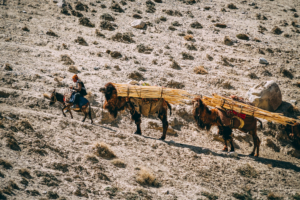 Tajikistan, home to mountainous scenic views and miles of glaciers, sits west of China in Central Asia. Kyrgyzstan borders it to the north, Afghanistan to the south and Uzbekistan to the west. Although higher altitudes offer majestic scenery, air pollution plagues major cities.
Air pollution hurts everyone, but those experiencing poverty are hit the hardest. Developing countries such as Tajikistan rank the highest for deaths linked to air pollution, likely due to weaker laws surrounding pollution control and vehicle emissions and the prevalence of coal power stations. Additionally, low-income groups are exposed to more pollutants through highway-adjacent housing and outdoor occupations. A green taxi project offers a solution to the problem of air pollution in Tajikistan by introducing electric vehicles as an alternative mode of transportation.
The Adverse Effects of Air Pollution
The World Health Organization (WHO) estimates that air pollution causes 7 million premature deaths per year globally. With an air quality index of 111 PM2.5 at the time of writing, Tajikistan’s air pollution is 7.4 times higher than the recommended limit that the WHO has set. An air quality index above 100 is considered unhealthy. Among cities in Tajikistan, Kulob scores the highest on the index (232 PM2.5), followed by Khorugh (198), Isfara (195) and the capital, Dushanbe (193).
PM2.5 stands for fine particulate matter and it is defined as particles measuring 2.5 micrometers or smaller in diameter. A significant portion of outdoor PM2.5 originates from emissions associated with the combustion of gasoline, diesel fuel, oil or wood. According to the WHO’s Global Burden of Disease Project, PM2.5 is linked to the greatest proportion of air pollution-related health complications worldwide. Its ability to penetrate deep into the lungs regularly results in premature mortality, heart and lung disease complications, bronchitis, asthma and other dangerous respiratory symptoms.
The Poorest Suffer the Most
About 716 million people living on $1.90 per day are exposed to unsafe levels of PM2.5. It is a well-known fact that developing countries that are industrializing depend heavily on polluting industries. This dependence poses a serious risk to the health of low-income groups, who are more likely to work outdoors and live in poor communities near busy roads or industrial plants, which increases their exposure to PM2.5. Air pollution exacerbates health issues such as asthma and limited access to adequate health care increases mortality rates in poor communities.
Beth Gardiner, an environmental journalist and author of “Choked: The Age of Air Pollution and the Fight For A Cleaner Future,” elucidates on the theme of poverty observed in her air pollution research. She notes, “While dirty air affects anyone who breathes it, communities of color and poorer people suffer more exposure and therefore more harm. Of course, those with less money to spend on housing very often end up living near busy roads or polluting ports, factories and power plants.” Tajikistan is no exception to this link between poverty and pollution. It is known as one of the poorest countries in Central Asia, with roughly 26.3% of its population living below the poverty line. Cement and coal power plants are widespread in Tajikistan, particularly in Dushanbe and represent the biggest contributors to air pollution in the country.
The Impact of the Dushanbe-2 Plant
Tajikistan relies mostly on hydropower for electricity but routinely suffers from energy shortages, especially in winter when water levels are low. This has made the country resort to burning fossil fuels to stabilize the electricity grid. The Dushanbe-2 plant began operating in 2016 and continues to burn 6,000 tons of coal daily, providing 60% of the electricity used in Dushanbe. As the largest thermal power plant in the country, Dushanbe-2 consumes approximately 45% of the coal mined in Tajikistan. Consequently, filtration systems have been installed at the plant to mitigate combustion emissions released into the atmosphere. However, the effectiveness of these quality filters has been a subject of intense debate. Locals have complained about the dust polluting the neighborhood and even a nearby amusement park.
Green Taxis: A Step in the Right Direction
Vehicle emissions in Tajikistan have doubled in the past decade. Carbon dioxide (CO2) production from vehicles is now 340,000 to 540,000 tons per year. In response to the rising air pollution in Tajikistan, the European Bank for Reconstruction and Development (EBRD) has funded a project to reduce the environmental footprint of the popular Sayohon taxi company. The project allocates $45 million to the acquisition of 100 electric vehicles and 30 charging stations, with some funds going to the construction of necessary charging infrastructure. This aims to reduce CO2 emissions by 1,240 tons per year. By replacing dated internal combustion engines with electric ones, the project is also expected to reduce dangerous pollutants, such as nitrogen dioxide and sulfur dioxide emissions.
While those experiencing poverty face the worst consequences of air pollution in Tajikistan, conditions are changing. The introduction of electric taxis paves the way for the establishment of cleaner alternatives in many aspects of city life. As Gardiner puts it, “Even incremental improvements in air quality translate directly and almost immediately into lives saved and health spared.”
– Isabella Rothe
Photo: Flickr
