• Link to X
  • Link to Facebook
  • Link to Instagram
  • Link to TikTok
  • Link to Youtube
  • About
    • About Us
      • President
      • Board of Directors
      • Board of Advisors
      • Financials
      • Our Methodology
      • Success Tracker
      • Contact
  • Act Now
    • 30 Ways to Help
      • Email Congress
      • Call Congress
      • Volunteer
      • Courses & Certificates
      • Be a Donor
    • Internships
      • In-Office Internships
      • Remote Internships
    • Legislation
      • Politics 101
  • The Blog
  • The Podcast
  • Magazine
  • Donate
  • Click to open the search input field Click to open the search input field Search
  • Menu Menu

Archive for category: Health

Information and stories on health topics.

Developing Countries, Development, Education, Health, Refugees

Aiding Over 2 Million Syrian Refugees

2 Million Syrian Refugees
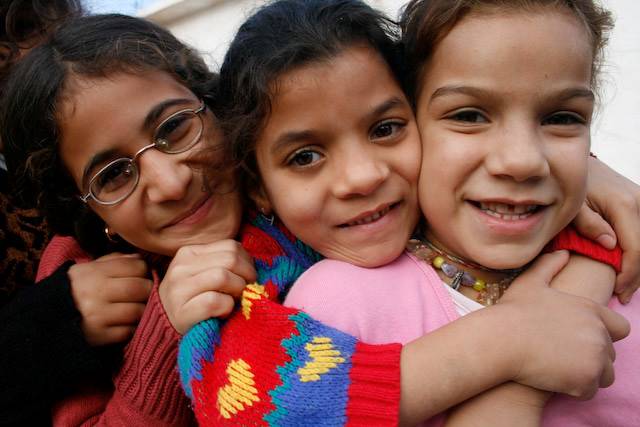
Syria has been at the center of an ongoing civil war since 2011. The civil war displaced over 6.1 million people and over 5.6 million became refugees. With over 13 million people requiring humanitarian aid, Syria is in dire need of assistance. The COVID-19 pandemic affected over 1.1 million refugees and magnified the levels of food insecurity, joblessness and poverty. Children make up half of those suffering from the effects of the civil war. Luckily, since the beginning of the humanitarian crisis, the Maram Foundation has been aiding over 2 million Syrian refugees access the necessities they require.

The Maram Foundation’s Background

The Maram Foundation is a nonprofit organization that focuses on development projects in Syria. The nonprofit started by helping to establish the Olive Tree Atmeh camp for internally displaced persons (IDP). The Atmeh camp was home to over 28,000 people in northern Syria. A child in the Atmeh camp influenced the naming of the Maram Foundation. They suffered from paralysis as a result of shrapnel damage. The nonprofit currently works in refugee camps across Syria and in parts of Turkey and Jordan. Through the use of a series of development programs, the Maram Foundation has aided over 2 million Syrian refugees.

Development Programs

With 80% of Syrian refugees living below the poverty line, the Maram Foundation is providing direct support to the people through camp management, development and livelihood programs. The Camp Coordination and Camp Management program works to promote human rights within the Syrian refugee camps. These camps are temporary solutions to the ongoing crisis. The programs plan to improve the refugee camps to promote the living standards, safety and comfort of refugees.

The Maram Foundation uses early recovery strategies to ensure refugee camps are able to use humanitarian aid. It will foster sustainable development rather than create dependency. The Maram Foundation also works to ensure the refugee camps are free of abuse, violence and fear through community empowerment of women and children. Additionally, education programs are also working to ensure that children in refugee camps are able to receive the education they need. This will help them grow and develop professional skills.

Benefits of the Maram Foundation

As more than 9 million Syrians suffer from food insecurity, the Maram Foundation is also working to strengthen refugee camps. This will result in providing shelter and non-food items such as clothing. It will improve food, water and hygiene systems in Syria. The Maram Foundation seeks to ensure Syrian refugees have these resources.

The Food Security and Livelihood program works to build the resilience of refugees by providing them with the ability to grow their own food and combat malnutrition. The program has built resilience towards food scarcity across the refugee camps in Syria. The nonprofit provides a water, sanitation and hygiene program called WASH. This program provides refugees with access to clean water and waste disposal. The program takes action against the spread of contamination and disease. This protects the health and living standards of the refugee communities.

Looking Forward

The Maram Foundation has been aiding over 2 million Syrian refugees since the start of the crisis in 2011. The Maram Foundation has partnered with non-governmental organizations to get the funding it requires to carry out its work. With the ongoing pandemic, the Maram Foundation has continued to work in Syrian refugee communities to build pandemic resilient housing. Millions of people are suffering from the ongoing humanitarian crisis in Syria. The Maram Foundation for Relief and Development is working to promote the safety and dignity of the Syrian people.

– Gerardo Valladares
Photo: Flickr

April 20, 2021
https://borgenproject.org/wp-content/uploads/borgen-project-logo.svg 0 0 Kim Thelwell https://borgenproject.org/wp-content/uploads/borgen-project-logo.svg Kim Thelwell2021-04-20 20:19:092024-05-30 22:23:12Aiding Over 2 Million Syrian Refugees
Global Poverty, Health

6 Ways Travel Nurses Improve Developing Medical Systems

Improve Developing Medical Systems
There is a large shortage of medical professionals with training at the highest level due to a lack of resources available in the developing world. As a result, medical facilities are failing and there is an increase in the lack of access to medicine and care necessary to support ever-growing populations. Nonetheless, progress still prevails and travel nurses continue to assist in the growth and maintenance of the medical infrastructure throughout developing nations. Several nonprofits, such as One Nurse at a Time and Nursing Beyond Borders, organize and deploy travel nurses to the nations that need support. Here are six ways travel nurses improve developing medical systems.

6 Ways Travel Nurses Improve Developing Medical Systems

  1. Provide New Knowledge: Travel nurses provide a depth of knowledge that is often unavailable to local doctors. Information commonly passes from community to community as nurses travel and learn new practices along the way. Not only does this sharing of information improve developing medical systems, but also improves the nurses’ capabilities. Additionally, Nursing Beyond Borders is part of the program that provides workshops and classes for local communities to promote hygiene and wellness. It also teaches local medical staff to establish a more in-depth knowledge of the practices that exist.
  2. Build Empathy and Community: Many travel nurses who move abroad sacrifice higher-paying positions to embark on a life of adventure. Travel nurses connect with local communities and often build connections by bringing a sense of worldly understanding. Additionally, empathy bolsters the depth of care that individuals receive. Furthermore, it develops a network of trust where individuals can feel comfortable coming back for medical assistance in emergencies. In some rural villages, locals would rather have their families and neighbors assist than travel to medical facilities. Thus, it is paramount that medical facilities exist as safe and empathetic spaces.
  3. Monitor Training During High-Risk Procedures: The organization One Nurse at a Time stated how typically in the developing world, “the lesser the amount of training, the more hands-on the position.” Travel nurses often monitor the training of local nurses who are working based on hands-on experience. This is another form of training that helps improve developing medical systems.
  4. Help Establish Infrastructure: Nursing Beyond Borders is one organization that focuses on building sustainable practices within developing countries. It sends licensed nurses all over the world to partner with local communities to build and improve infrastructure. Additionally, this organization focuses on hygiene, providing essential medical care and educating the local doctors and dentists on follow-up care for patients.
  5. Fill Unavoidable Gaps: While local education and infrastructure are improving in some nations, the nurses from these nations often leave the country in pursuit of higher-paying positions. As such, the Chilean government utilized economic prosperity to build successful private and public universities within the nation. Consequently, many of Chile’s nurses leave the country for better pay after receiving a good education. This leaves the local populations vulnerable.

Field Experience

Travel nurses must be ready for any medical emergency they face, even when it appears to be beyond the scope of their specific specialty. One Nurse at a Time works alongside travel nurses to equip them for the work they will do abroad. In many cases, travel nurses also work on research that is essential to improving global health. As such, travel nurses help to improve the health of the local communities. Travel nurses require patience and a willingness to help in any way possible.

These travel nurses are essential in many impoverished communities. They help improve developing medical systems and the lives of many vulnerable patients. Travel nurses and various organizations continue to help many people all around the world.

– Kate Lucht
Photo: Flickr

April 18, 2021
https://borgenproject.org/wp-content/uploads/borgen-project-logo.svg 0 0 Kim Thelwell https://borgenproject.org/wp-content/uploads/borgen-project-logo.svg Kim Thelwell2021-04-18 07:30:102024-05-30 22:23:096 Ways Travel Nurses Improve Developing Medical Systems
Developing Countries, Global Poverty, Health

Targeting the Midwifery Shortage: LMIC Midwives

LMIC MidwivesAccording to the World Health Organization (WHO), utilizing well-trained midwives could be a game-changer. Globally, midwives could decrease maternal, newborn and stillborn mortality by 83%. This is why WHO advocates for a midwife or other skilled health professional at every birth globally. Midwives are health professionals trained to manage uncomplicated pregnancies and deliveries and guide the family through the immediate post-natal period. More low-to-middle-income country (LMIC) midwives are needed to reduce maternal mortality rates.

Midwifery

Midwives can deliver 87% of the maternal health service need. However, only 42% of skilled midwives work in the 73 countries with 90% of the maternal, newborn and stillborn deaths. Further, a 2020 University of Dundee study found that midwifery is less effective in low-to-middle-income countries (LMICs). Where it does exist, there is a lack of standardization in education, training and regulation. Fortunately, organizations are focusing on increasing the number of LMIC midwives, midwifery education options and midwifery regulation.

Role of the Midwife

Not only do midwives deliver babies but they also play several other key roles. As members of their communities, they are culturally sensitive. Because they have community trust, they effectively promote strong health measures. Midwives help patients with family planning and breast and cervical screenings. They advocate for female rights and the elimination of genital mutilation practices. Midwives counsel teens on sexual and reproductive health and counsel victims of gender-based violence.

The midwife-led model of care is one in which the midwife is the lead medical provider for childbirth. According to a 2020 study, the holistic midwife-led model leads to more patient satisfaction and fewer unnecessary procedures. The study, however, suggests that the model needs stronger implementation in LMICs.

As the United Nations Population Fund (UNFPA) declares, “The deficits are highest in the areas where needs are greatest.” Luckily, the UNFPA and other programs are pushing to increase the number of LMIC midwives, midwifery education and midwifery regulation.

UNFPA: Supporting LMIC Midwives

Supporting LMIC midwives and building an LMIC midwifery workforce has been the focus of UNFPA since 2008. The organization works with more than 40 global partners and more than 300 national partners. Together they work on strengthening competency-based midwifery training and bringing it to scale. The focus is developing strong regulatory processes to analyze outcomes, supporting midwives in gaining a stronger voice through the creation of midwife organizations and increasing funding for midwife services. As of the end of 2018, the UNFPA trained more than 105,000 midwives and 8,500 midwifery tutors in 650 midwifery schools. This has helped create 250 midwifery associations and branches. The UNFPA’s midwifery support extends to more than 120 countries, including 39 countries with the highest global maternal mortality rates.

Tunza Mama: Midwifery Network in Kenya

While the UNFPA works globally, there are also national programs striving to support LMIC midwives. There is a shortage of midwives in public health facilities in Kenya because the government cannot afford to pay them. The African Medical and Research Foundation (Amref) International University launched the Tunza Mama network in 2018. This provides an alternative option to access midwives and improve the socio-economic status of Kenyan midwives.

Tunza Mama midwives visit women at their homes. Clients pay directly to the Tunza Mama bank account and the midwives get 95% of the fee. Tunza Mama spreads awareness of its existence using social media, which is how 70% of mothers came to know about the program. During the COVID pandemic, Tunza Mama is using mobile and e-learning digital platforms to reduce the need for in-person sessions by 75%. Some challenges include the fact that Tunza Mama is a paid service so only the middle-class can use it. The next steps include subsidizing the system so marginalized women can also gain access.

SWEDD Midwifery Training in the Sahel

In Mali, according to 2016 demographic data, the shortage of midwives and obstetric nurses is severe. There are only 1.4 midwives per 10,000 people versus the WHO recommendation of 23 doctors, nurses or midwives per 10,000 people. Also, according to 2018 data, 36% of teenagers have begun childbearing. Pregnancy and childbirth are the leading cause of death among adolescent girls.

Mali is part of the Sahel, the semi-arid region of north-central and western Africa. The Sahel also includes Benin, Burkina Faso, Chad, Cote d’Ivoire, Mali, Mauritania and Niger. The maternal and neonatal mortality rate in this region is one of the highest rates in the world. In response, in 2016, the World Bank began working with Sahel governments with support from the UNFPA to launch the Sahel Women’s Empowerment and Demographic Dividend (SWEDD) project, which provides midwifery training. Since the launch, more than 6,600 midwives have been trained. In addition to training LMIC midwives, SWEDD’s overarching goal is to achieve the “demographic dividend” by empowering women and girls through education, family planning and more.

Together, global organizations such as the UNFPA, local networks such as Tunza Mama and regional collaborations including SWEDD are pushing to boost the number of LMIC midwives. This will significantly lower maternal and newborn mortality in areas that need it the most.

– Shelly Saltzman
Photo: Flickr

April 18, 2021
https://borgenproject.org/wp-content/uploads/borgen-project-logo.svg 0 0 Kim Thelwell https://borgenproject.org/wp-content/uploads/borgen-project-logo.svg Kim Thelwell2021-04-18 02:49:422024-05-30 22:23:22Targeting the Midwifery Shortage: LMIC Midwives
Global Poverty, Health

Addressing Period Poverty in New Zealand Schools

period poverty in new ZealandOn February 18, 2021, New Zealand prime minister, Jacinda Ardern, and associate education minister, Jan Tinetti, announced that all schools in New Zealand will offer free menstrual products starting in June 2021, expanding on a pilot program that started in 2020. This announcement aligns with the country’s Child and Youth Wellbeing Strategy and is a major step toward eliminating the barriers created by period poverty in New Zealand.

Child and Youth Wellbeing Strategy

The New Zealand government’s Department of the Prime Minister and Cabinet (DPMC) launched the Child and Youth Wellbeing Strategy on August 29, 2019, with the vision of New Zealand becoming “the best place in the world for children and young people” to reach their full potential.

The six expected outcomes of this strategy are for children and young people to feel loved and safe, meet their material needs, be physically and mentally healthy, have access to education, receive acceptance for who they are and develop a sense of autonomy. These outcomes stem from the principle that children and young people are intrinsically valuable human beings with rights that must be respected. Furthermore, individuals and communities should act together as early as possible to promote the multifaceted well-being of children and young people.

Addressing Period Poverty in New Zealand

New Zealand’s free menstrual product program in schools aligns with the Child and Youth Wellbeing Strategy because period poverty is a significant barrier to a young person’s education. Prime Minister Ardern points to research showing that approximately one in 12 young people in New Zealand miss school because of being unable to manage their menstruation. Tinetti notes that many students who have their period while in school face embarrassment, stigma and discomfort and risk missing classes or not having the proper menstrual hygiene products.

Research from the New Zealand charity, KidsCan, found that up to 20,000 students at the primary, intermediate and secondary levels were at risk of period poverty. Globally, the COVID-19 pandemic highlights and exacerbates challenges associated with period poverty, including the lack of access to water, sanitation and hygiene (WASH) infrastructure and inadequate access to menstrual education as well as disrupted access to menstrual products.

The government’s new program expands on a pilot program that started in 2020 in which the government provided free menstrual products to more than 3,000 students in 15 schools in the Waikato region, located in northern New Zealand. Government officials used the feedback from the successful pilot program to inform its approach, with Tinetti noting that students wanted more information about the different kinds of menstrual products and how to manage their periods.

Other Period Poverty Programs

Private sector initiatives are also responding to period poverty in New Zealand by providing free menstrual products. For example, The Warehouse, one of the largest retailers in New Zealand, partnered with The Period Place to set up menstrual product donation boxes in several of its locations and provide free menstrual products in its store restrooms.

The Period Place is a New Zealand-based advocacy group whose vision is for New Zealand to be the first country to achieve period equity by 2030 in alignment with the Sustainable Development Goals.

Positive Periods is a coalition of 25 period poverty advocacy groups in New Zealand that advocate for the provision of free menstrual products in schools. In 2019, it released a discussion paper highlighting period poverty in New Zealand and its effect on educational outcomes. It also circulated a petition calling for free menstrual products in schools, which received more than 3,000 signatures.

The Road Ahead

Period poverty in New Zealand is an issue that affects the health and well-being of thousands of girls and women. The government’s free menstrual product program in schools is an important step toward ensuring that all girls and women can pursue an education and manage their menstruation with dignity.

– Sydney Thiroux
Photo: Flickr

April 18, 2021
https://borgenproject.org/wp-content/uploads/borgen-project-logo.svg 0 0 Kim Thelwell https://borgenproject.org/wp-content/uploads/borgen-project-logo.svg Kim Thelwell2021-04-18 01:31:102024-05-30 22:23:07Addressing Period Poverty in New Zealand Schools
COVID-19, Global Poverty, Health, Water Quality

World Hope International Helps Communities

World Hope International
World Hope International (WHI) is a Christian charity organization working to alleviate poverty by protecting communities. The organization began in 1996 in Virginia and has the core values of opportunity, hope and dignity. By 2019, WHI’s projects spanned 21 countries, awarded 1,835 child sponsorships and provided safe drinking water to 11,841 people.

World Hope International began focusing on COVID-19 related projects in February 2020 through the rehabilitation of wells in Liberia and the Enable the Children program in Sierra Leone. The Enable the Children (ETC) program gives therapy to children with disabilities and provides food for their families. On October 16, 2020, The Borgen Project spoke with Heather Hill, the Director of Communications and Marketing at WHI, about child sponsorships and aspects of the organization’s COVID-19 response.

Child Sponsorship Program

WHI funds an education-based child sponsorship program where people donate $35 a month to help the education of one child in need. During COVID-19, Hill noticed that the child sponsorship levels decreased. He told The Borgen Project that “We launched this campaign and we really talked about sponsorships.” As a result, the last months of 2020 picked up 200 new sponsorships. On top of this campaign, Hill explained how WHI’s partner, Wesleyan Church, launched “the initiative to try and get 1,000 children sponsored in the next few months with us.”

WHI’s COVID-19 Response in Haiti

World Hope International supports the La Gonave Wesleyan Hospital in Haiti. With the help of the Wesleyan church and private donors, the hospital received nearly $4 million worth of basic medical supplies in 2019. Founded over 50 years ago, the hospital still helps approximately 120,000 people in or near La Gonave. WHI’s current project asks for donations equating to $30,000 to transport approximately $2 million worth of medical materials to the location.

Another WHI project in La Gonave is the LB-20,000 water container that underwent installation in February 2019. This container produces approximately 20,000 gallons of clean water every day through solar-powered water farming techniques. The program was a collaboration between WHI, the GivePower Foundation and the West Indies Self Help (WISH) Organization to create clean water for the island. This collaboration continues to provide a clean water source for the entire island.

Other WHI Projects

WHI also helped create a new platform called the Get Support helpline. This platform allows communities to submit requests for various forms of relief during the quarantine period. It launched in late March 2020 and helps organizations connect with communities to better provide them with COVID-19 relief. This program allows people from quarantined communities to request relief packages, such as food or childcare. Volunteer organizations then respond to these requests.

One of WHI’s most important COVID-19 related projects focuses directly on rehabilitating the wells in Liberia. Pandemic restrictions placed numerous cross-country border and curfew challenges on drilling wells in the country. But, the team overcame these challenges by rehabilitating 15 wells instead of drilling new wells. After completing this goal marker by June 2020, WHI promptly set another 15-well marker to provide clean water for Liberians. These citizens would otherwise have to walk tens or hundreds of miles to find clean water.

Despite the COVID-19 disaster, World Hope International has not forgotten about its other ongoing projects. For example, the Strengthening Families and Communities program considers new ways to give Albanian children a place to pursue their interest in education while complying with pandemic restrictions.

True to its Goals

World Hope International is incorporating a variety of global projects to help communities survive the impact of COVID-19. Across the world, WHI’s projects have supported hospitals, rehabilitated wells and prepared a COVID-19 response. WHI’s projects have stayed true to their goals from the past to the present.

– Evan Winslow
Photo: Flickr

April 18, 2021
https://borgenproject.org/wp-content/uploads/borgen-project-logo.svg 0 0 Jennifer Philipp https://borgenproject.org/wp-content/uploads/borgen-project-logo.svg Jennifer Philipp2021-04-18 01:30:052024-05-30 07:56:04World Hope International Helps Communities
Children, Developing Countries, Global Poverty, Health, Poverty Reduction

The Many Ways Peanuts Reduce Poverty

Peanuts Reduce PovertyEvery year, more than three million children under 5 years old die as a result of severe acute malnutrition (SAM), making it the largest killer of young children. In developing countries, including sub-Saharan African countries, Uganda, Malawi and Haiti, malnutrition is a severe issue that pediatricians and scientists are looking for a simple way to solve. Some of these ideas are successfully showing how peanut butter and peanuts reduce poverty and save lives.

Malnutrition

Malnutrition starts in the womb. Therefore, scientists intend to stop malnutrition and anemia in young mothers hoping to give their babies a more nutritional start to life. In Malawi, roughly 50% of all pregnant women and nearly a third of nursing mothers are anemic and in need of a higher calorie diet that can start with peanut butter.

The Power in a Peanut

Peanuts contain more plant protein per ounce than any other nut, making it a powerhouse for nutrition. Only one ounce of peanuts reduces malnutrition by providing an adequate source of niacin and magnesium. Peanut butter is also a good source of fiber and contains other essential nutrients. The nutritional value in peanut butter creates better nutritional and health outcomes, necessitating fewer hospital visits for young children.

Peanuts also contain healthy oils that are “trans-fat-free, cholesterol-free and low in saturated fats.” As a high caloric nut and an impressive source of nutrients, peanuts reduce poverty because the nut addresses malnutrition in malnourished children and young mothers, helping them to gain weight and maintain a balanced diet.

Peanut Butter With a Punch

Peanut butter alone is a good source of nutrition and calories but scientists working to eradicate malnourishment have amped up the standard peanut butter recipes to cater to undernourished bodies.

The most talked-about of these miracle nutritional products is Plumpy’Nut, a nutritional, protein-packed peanut-based paste. Plumpy’Nut comes in portioned plastic wraps that are easy to store and easy to open, making it a resilient food for unstable conditions. Unlike some other ready-to-use therapeutic foods (RUTF), one does not need to mix Plumpy’Nut with water, cutting down the risk of spreading disease.

Nourimamba is a similar peanut-based product that includes extra protein. Packaged in jars, hospitals mostly use Nourimamba to treat severely malnourished children. These jars of sweetened paste also end up in schools as snacks for children.

Dr. Mark Manary founded Project Peanut Butter, an organization in Malawi that helps to feed malnourished children in Sierra Leone, Malawi and Ghana. The organization uses a locally sourced, protein-rich and high caloric peanut butter known as “chiponde” to treat severe malnutrition.

While peanut butter is already a nutritious food, these pastes pack a greater punch in the fight against malnutrition. These products have a long shelf life and require no preparation, making them the ideal snack for undernourished individuals.

Positive Impacts on Poverty

Getting peanut butter into hungry stomachs is the top priority, but in the process, the nut helps uplift developing nations. In addition to addressing malnutrition, these peanut butter products create jobs that can break the cyclical poverty malnourished children are born into.

The Mwayi Wathu Peanut Butter Processing Group, supported by Oxfam and the Catholic Development Commission of Malawi (CADECOM), produces peanuts and peanut butter. This cooperative addresses malnutrition with its products while creating local jobs to stimulate the economy.

Peanuts Reduce Poverty

W. K. Kellogg graciously funded Accesso’s nutritional snack program, which aimed to feed 11 schools in central Haiti. As a result of this initiative, enrollment at the schools increased by 20%. The jobs that the program created allow parents to send their children to school. These families were unable to afford educational endeavors before.

Accesso works with 7,400 local farmers and has tripled the profits of farmers through its agribusiness model. Through this model, farmers strengthened their income and the organization can provide nutritional peanut snacks to more than 4,000 children every single day.

Part of this improved agribusiness model is the spicy peanut butter, Lavi, which holds the promise of opening up new markets for these developing nations. Accesso, the organization that championed the creation of Lavi, aims to expand its business to global markets, especially the United States, where demand for peanuts is high. As the most commonly enjoyed nut by U.S. citizens, more than two-thirds of all nut consumption in the U.S. is peanuts, making it a powerhouse in helping foreign farmers increase their incomes and rise out of poverty.

The benefits of nutritious peanut butter products show how peanuts reduce poverty in developing countries, tackling several concerns at once.

– Veronica Booth
Photo: Flickr

April 16, 2021
https://borgenproject.org/wp-content/uploads/borgen-project-logo.svg 0 0 Yuki https://borgenproject.org/wp-content/uploads/borgen-project-logo.svg Yuki2021-04-16 07:30:032021-04-13 03:21:03The Many Ways Peanuts Reduce Poverty
Global Poverty, Health

Adjuvant Capital: Investment in Health Innovations

Adjuvant CapitalGlenn Rockman and Jenny Yip are the leaders of Adjuvant Capital, an investment firm focused on public health. In February 2021, the firm announced a $300 million venture capital fund. The reason for raising this large amount is because the world is in great need of medical technologies and supplies and Adjuvant Capital wants to ensure those resources are accessible. The fund specifically works toward underprivileged and developing countries to ensure that those who would not otherwise have access to certain medical advances are getting the care they need. Multiple investors have pledged money to this fund, including the Gates Foundation, pledging $75 million to the venture capital fund.

The Venture Capital Industry

The venture capital industry has long since been overlooking new technologies in the medical field but Adjuvant Capital looks to change this in order to get the necessary medical resources to the people that need them. By investing in various companies, increased production will arise for new medical technologies that can help prevent or manage medical issues, from rare diseases to global pandemics. Many of the Adjuvant Capital investors are also contributing scientific advice and research as well as financial aid in order to cultivate the growth of wide-reaching medical resources.

Adjuvant Capital

The co-founders of Adjuvant Capital, Kabeer Aziz and Charlie Petty, have been global health investors in the past. Partners Rockman and Yip also have investment backgrounds, with Rockman being a former member of the Global Health Investment Fund. It is clear to see that these backgrounds have had a lot of influence over the firm’s current venture fund and can be seen further as Yip used to be a part of the Gate’s Foundation’s strategic investments group. The Gate’s Foundation is responsible for about 25% of the venture capital fund.

Although based in the United States, Adjuvant Capital commits to the most promising technologies globally, with investments in Nigeria, Bangladesh and China, among others. Recent financings include Beijing-based Yisheng Biopharma, which looks to resolve critical supply issues in the rabies vaccine market.

Medical innovations have been overlooked by investors for a long time, which is why this venture capital fund exists. Mark Suzman, CEO of the Bill and Melinda Gates Foundation, is quoted saying “there is an important role for investment capital to play in stimulating innovation and making markets work for the poor so that everyone has the chance to live a healthy, productive life.”

The investment into these innovations will not only help the underprivileged but it will create an effect that reaches everyone and promotes public health as well as growth. Among others, investors in the fund also include the Children’s Investment Fund Foundation, the Ford Foundation and the International Finance Corporation (IFC).

The Road Ahead

Adjuvant Capital’s investment fund could possibly produce life-changing healthcare solutions that have the potential to create significant global social impact. Adjuvant Capital is committed to ensure global access to healthcare and health equity worldwide. The ultimate goal is to bring quality healthcare to all by creating affordable, effective solutions that everyone has access to, regardless of income, region or socioeconomic status.

– Grace Aprahamian
Photo: Flickr

April 16, 2021
https://borgenproject.org/wp-content/uploads/borgen-project-logo.svg 0 0 Kim Thelwell https://borgenproject.org/wp-content/uploads/borgen-project-logo.svg Kim Thelwell2021-04-16 03:04:592024-05-30 22:23:21Adjuvant Capital: Investment in Health Innovations
Global Poverty, Health

The Great Green Wall: Poverty and Deforestation

The Great Green Wall
A healthy planet helps maintain healthy people. Therefore, stemming deforestation and alleviating poverty are vital steps to improving global health. Understanding how health, poverty and deforestation relate is complex and alleviating the effects of poverty and deforestation is all the more so. Still, initiatives like the Great Green Wall give hope to global health experts.

How Poverty, Health and Deforestation Interact

It is valuable to understand how health, poverty and deforestation interact with one another:

Poverty and Health: Poverty and health have a complex albeit well-known relationship. Living in poverty means important health determinants—such as access to healthcare, nutritious food, clean water and safe shelter—are compromised. The relationship between poverty and health is a bidirectional one. As a result, living in poor health can also prevent one from making a living wage to care for oneself and one’s family. These issues, therefore, feed on one another.

Poverty and Deforestation: Of those living in poverty worldwide, 85% are in rural areas. Agriculture serves as their primary occupation and is vital to survival. Not only does deforestation spawn poverty, but poverty exacerbates deforestation. Farmers must clear trees for immediate profit, despite knowing the importance of keeping forests lush long-term. Planting trees where forests have undergone clearing, however, can hold topsoil in place and water can better absorb into the ground. This stymies erosion and replenishes groundwater. Even more straightforward are the building materials for shelter, food and shade that these new trees can one day provide.

Health and Deforestation: The compromised access to food and water to which deforestation leads are obvious factors negatively affecting health. There are also more complex interactions between deforestation and health, such as an increased prevalence of infectious diseases. Research has shown that as trees are cleared and spaces are urbanized, populations of disease-transmitting species like bats and rodents grow. This results in more outbreaks, and even instances of human disease formerly only found in animals. However, by providing short-term assistance and adding trees back to the landscape for long-term improvement, these effects can disappear.

The Great Green Wall

For a demonstration of not only how health, poverty and deforestation relate, but the positive efforts happening to influence their interaction, one can turn to the Great Green Wall. Initiated by 11 African nations in 2007, with another nine joining by 2019, the overall goal of the Great Green Wall is to plant roughly 8,000 kilometers (5,000 miles) of trees across the continent of Africa, extending from the Atlantic Ocean to the Red Sea. Though primarily a country-led effort, partners in this work include the U.N. Convention to Combat Desertification, the Government of France, the World Bank and the African Development Bank.

To the benefit of the people of Africa and beyond, this effort will undo some of the harm that deforestation practices have done and restore the myriad of benefits to having a natural barrier along the Sahara Desert. As previously mentioned, the destruction of forests compromises food security and access to water. This, in turn, leads to conflict and waves of emigration to neighboring nations. The creation of this barrier has the added benefit of creating a need for landscaping maintenance and therefore jobs in nearby communities.

The Wall was 15% complete by 2019. President Emmanuel Macron of France pledged to contribute $14 billion over the next 10 years, 30% of the necessary total. With this funding, the wall is on track for completion by 2030. But, importantly, the Great Green Wall will not stand alone. Work is happening across the globe that will help slow and occasionally reverse the effects of environmental degradation.

Organizations Fighting Environmental Degradation

Plant With Purpose works in Thailand, Haiti, the Dominican Republic and the Mount Kilimanjaro area in Tanzania. They not only plant trees, but educate people on sustainable farming. The Amazon Conservation Association has been partnering with locals for 20 years to conserve the Amazon Rainforest in a scientifically informed and sustainable way. Following the Action Plan for Prevention and Control of Deforestation in the Legal Amazon, the Brazilian government noted a 70% decline in deforestation in 2014. Supporting these groups and policies means promoting the health and wellbeing of people across the globe.

– Amy Perkins
Photo: Flickr

April 15, 2021
https://borgenproject.org/wp-content/uploads/borgen-project-logo.svg 0 0 Yuki https://borgenproject.org/wp-content/uploads/borgen-project-logo.svg Yuki2021-04-15 07:30:082021-04-12 14:49:12The Great Green Wall: Poverty and Deforestation
Health

Ecuador Fights to Eradicate Gas Flaring

gas flaringSince the area’s first oil well was drilled into the Ecuadoran Amazon in 1967, the surrounding population has been plagued with pollution and has suffered various health risks. This is primarily due to the gas flaring that has been ongoing for decades. It is impossible to reverse the harmful effects of the oil industry, but the situation is being addressed as Ecuador fights to eradicate gas flaring.

What is Gas Flaring?

Gas flaring is the controlled process of burning excess natural gasses for more efficient fuel extraction and production. Although in some cases it can be more cost-effective, the process of gas flaring is ultimately more harmful than advantageous. The issue with gas flaring relates to the harmful pollutants it emits. There is currently no standard chemical composition of flare gas. Almost all flare stacks release methane and black carbon into the air. The emission of black carbon, in particular, has negative impacts on human health and contributes to more than seven million deaths a year.

Today, there are 447 gas flares in the Ecuadoran Amazon. These flares have been in operation for decades and impact the health of the local population. These flares burn at a dangerous 750 degrees Fahrenheit, 24 hours a day, all year round. The surrounding communities lack proper protection against dangerous pollutants. The most destructive effects include not only cancer but miscarriages and severe genetic deformities.

Poverty in Ecuador

A majority of communities affected by the gas flare stacks are based in rural regions of Ecuador. These areas are more affected by poverty. In trying to develop protection from the harmful pollutants that gas flares emit, the communities are unable to progress economically. The poverty rate of Ecuador, last documented at around 24% in 2018, only continues to increase as gas flaring creates health impacts that further stress the country’s financial situation. The burning of natural gas results in significant losses in potential revenue.

Eradicating Gas Flaring

The path to first recognizing and finally beginning to assess the situation began with the uprise of cases involving the violation of basic human rights that gas flaring creates. Several gas flares are located within residential communities with effects spanning more than 180 miles. Local citizens sued the state-owned oil company, PetroAmazonas, and other relevant parties, for the use of gas flaring and the damages it has caused. The court ruled that the action violates constitutional rights to health, a healthy environment and sustainable development. Furthermore, the court expressed that the state has an obligation to implement policies that protect people against negative environmental impacts. The case builds upon the 26-year lawsuit against oil giant, Texaco-Chevron, to demand reparation in the same region for what is deemed the “Amazon Chernobyl,” one of the most severe oil-related disasters globally.

Looking Ahead

Ecuador is addressing the situation with the first step being a court order to end gas flaring in the Ecuadorian oil industry. Compensation and reparation to those affected are also essential parts of achieving justice. The ruling is a victory not just for the victims but the country as a whole. The decision shows Ecuador’s commitment to protecting the health of its people and its environment while upholding the human rights of Ecuadorians.

– Caroline Kratz
Photo:Flickr

April 13, 2021
https://borgenproject.org/wp-content/uploads/borgen-project-logo.svg 0 0 Kim Thelwell https://borgenproject.org/wp-content/uploads/borgen-project-logo.svg Kim Thelwell2021-04-13 01:30:152021-05-25 09:09:43Ecuador Fights to Eradicate Gas Flaring
COVID-19, Developing Countries, Development, Global Poverty, Health, Refugees

A Pandemic in a Refugee Camp

A Pandemic in a Refugee Camp
Since the Venezuelan refugee crisis began in 2015, over 360,000 Venezuelans have fled to Ecuador where they have sought political and economic asylum away from the tumultuous governing in Venezuela. In Ecuador, Venezuelan refugees have created camps and have attempted to rebuild their lives to little avail due to xenophobia, limited job opportunities and harsh living environments. While these harsh living conditions have continued for the Venezuelan refugees for years, the beginning of the COVID-19 pandemic has intensified hardships. Spending the pandemic in a refugee camp involving cramped and overflowing shelters has caused refugees to become extremely vulnerable to contracting and dying from COVID-19.

No Access

For the hundreds of thousands of impoverished and unemployed Venezuelan refugees living in cramped refugee camps, it is challenging to social distance or to retrieve information on COVID-19. Moreover, with limited money focused on food, shelter and provisions, refugees have little left to spend on personal hygiene or personal protective equipment. As a result, refugees do not have access to much-needed medical supplies to keep safe from virus transmissions such as masks, sanitizers, gloves or vitamins. Consequently, transmission rates in refugee camps are disproportionately higher than their urban Ecuadorian city counterparts, yet the medical care is disproportionately lower.

As hospitals in Ecuador have become overrun by sick patients and Ecuadorian first responders have become absorbed with endless virus-related emergencies, Ecuadorian healthcare workers have had to choose which patients they will actually provide medical care to. This decision oftentimes coincides with heavy racism against Venezuelan refugees. Consequently, first responders have often chosen to respond to the rich Ecuadorian citizens living in urbanized areas over the far away, impoverished Venezuelan refugee camps. Similarly, Ecuadoran doctors prefer to provide medical care to the more affluent Ecuadorian citizens who can surely pay their hospital bills rather than the refugees. In turn, Venezuelan refugees are not always able to use Ecuadorian healthcare and instead have to fend for themselves without medical supplies, information about the virus or the ability to social distance.

A Solution for Refugees Surviving a Pandemic in a Refugee Camp

Because solving xenophobia in Ecuador or empowering and enriching refugees could not rapidly happen in time so that they could receive proper treatment during the pandemic, refugees had to take matters into their own hands by looking to new initiatives to prevent the spread of COVID-19. Alongside the United Nations High Commissioner for Refugees (UNHCR), Venezuelan refugee communities in Ecuador developed the Community Epidemiological Surveillance System in an attempt to rapidly discover COVID-19 cases in refugee camps. The system can detect individuals with COVID-19 for quarantine purposes and consequently reduce the risk of COVID-19 transmission amongst refugee communities.

Once the system detects them, patients receive information about their diagnosis along with referrals for proper treatment. The system reports all cases to the national health authorities so that Venezuelan refugees can identify who they were in contact with so that all parties can undergo quarantine and testing for the virus.

How it Works

Since launching in July 2020, the Community Epidemiological Surveillance System has detected hundreds of cases and has prevented the further spread of the virus for thousands of refugees. By identifying a suspect COVID-19 case, the system is able to assess a localized community point of potential exposure for other refugees. Once discovered, the system registers all information upon a public health database that records exposed individuals and provides them with information and medical treatment for the virus. Furthermore, the Community Epidemiological Surveillance System records if a COVID-19 patient or exposed individual has access to personal protective equipment, has preexisting conditions or lives in overcrowded environments that would make them and their neighbors more susceptible to the virus.

UNHCR taught six refugee camps across Ecuador the process of contact tracing. Trained refugees can utilize the Community Epidemiological Surveillance System. This results in using telephone hotlines, community visits by healthcare workers and providing medical provisions. The system is curbing COVID-19 spread in a pandemic in a refugee camp for vulnerable Venezuelans who would have very few medical opportunities otherwise.

– Caroline Largoza
Photo: Flickr

April 10, 2021
https://borgenproject.org/wp-content/uploads/borgen-project-logo.svg 0 0 Kim Thelwell https://borgenproject.org/wp-content/uploads/borgen-project-logo.svg Kim Thelwell2021-04-10 13:36:262021-06-10 13:36:41A Pandemic in a Refugee Camp
Page 83 of 212«‹8182838485›»

Get Smarter

  • Global Poverty 101
  • Global Poverty… The Good News
  • Global Poverty & U.S. Jobs
  • Global Poverty and National Security
  • Innovative Solutions to Poverty
  • Global Poverty & Aid FAQ’s
Search Search

Take Action

  • Call Congress
  • Email Congress
  • Donate
  • 30 Ways to Help
  • Volunteer Ops
  • Internships
  • Courses & Certificates
  • The Podcast
Borgen Project

“The Borgen Project is an incredible nonprofit organization that is addressing poverty and hunger and working towards ending them.”

-The Huffington Post

Inside The Borgen Project

  • Contact
  • About
  • Financials
  • President
  • Board of Directors
  • Board of Advisors

International Links

  • UK Email Parliament
  • UK Donate
  • Canada Email Parliament

Get Smarter

  • Global Poverty 101
  • Global Poverty… The Good News
  • Global Poverty & U.S. Jobs
  • Global Poverty and National Security
  • Innovative Solutions to Poverty
  • Global Poverty & Aid FAQ’s

Ways to Help

  • Call Congress
  • Email Congress
  • Donate
  • 30 Ways to Help
  • Volunteer Ops
  • Internships
  • Courses & Certificates
  • The Podcast
Scroll to top Scroll to top Scroll to top