• Link to X
  • Link to Facebook
  • Link to Instagram
  • Link to TikTok
  • Link to Youtube
  • About
    • About Us
      • President
      • Board of Directors
      • Board of Advisors
      • Financials
      • Our Methodology
      • Success Tracker
      • Contact
  • Act Now
    • 30 Ways to Help
      • Email Congress
      • Call Congress
      • Volunteer
      • Courses & Certificates
      • Be a Donor
    • Internships
      • In-Office Internships
      • Remote Internships
    • Legislation
      • Politics 101
  • The Blog
  • The Podcast
  • Magazine
  • Donate
  • Click to open the search input field Click to open the search input field Search
  • Menu Menu

Archive for category: Health

Information and stories on health topics.

Health

The COVID-19 Outbreak in Vietnam

The COVID-19 Outbreak in Vietnam
Vietnam is currently undergoing its worst outbreak of COVID-19 with more than 4,000 active cases. The Vietnamese Ministry of Health has already sprung into action and developed a plan to make sure the situation does not get out of control. Despite the pandemic, Vietnam has managed to expand its economy due to its swift action. Here is some information about the COVID-19 outbreak in Vietnam.

Historical Context

Vietnam, like any country, is no stranger to disease and has always found pride in its epidemic response. In the early 2000s, the World Health Organization (WHO) declared Vietnam the first country to become SARS free.

Since 2016, Vietnam’s hospital staffers have had to report notable diseases to a central database within a 24-hour period. The Ministry of Health is using this database to promptly track patterns of contagion within the country. This has been a key instrument in limiting the COVID-19 outbreak in Vietnam.

Current Statistics

Vietnam remains one of the leading countries in COVID-19 control with 4,809 confirmed cases as of May 20, 2021. As one of the bordering countries of China, Vietnam sprung into action when the pandemic began spreading. The first reports of COVID-19 cases in Vietnam began on January 23. This prompted the government to set up quarantine camps to isolate the patients as well as their close contacts.

Dan Nguyen, a Vietnamese citizen, had to stay in a quarantine camp upon her return to Vietnam. She uploaded her stay to YouTube, which documented Nguyen sharing her quarters with three others. Medical professionals checked their temperatures twice daily and provided everyone with three meals a day.

“It was cleaner than I expected,” Nguyen said. “The only thing that concerned me is that we don’t have the Wi-Fi here. The data is really slow that’s why we don’t have very excellent internet access.”

Vietnam had gone 99 days without any community transmissions, breaking the streak on July 25, 2020. However, the last week of July saw a 30% increase in coronavirus cases, which has kept steady ever since.

Hanoi, Bac Ninh and Vinh Phuc are the current leading cities for COVID-19 outbreaks in Vietnam. In total, 2,077 Vietnamese people have been receiving treatment either for COVID-19 symptoms, COVID-19 exposure or proven infection as of May 20, 2021. There have been 39 confirmed deaths.

How Vietnam is Handling the Pandemic

As mentioned, the Ministry of Health practices isolationism techniques, but one of its goals is to find a balance between concealment and economic productivity. The Ministry has limited non-essential vocations and other community-based activities while allowing essential businesses to continue their work. All businesses must adhere to standard COVID-19 procedures such as mask-wearing and disinfection techniques. Vietnam has encouraged its citizens to continue social distancing and only leave their homes for work, school or medical functions.

In addition, Vietnam has 123 medical facilities with laboratories that can test for COVID-19. The Ministry of Health plans to increase testing for active screening for those with COVID-19 symptoms. These symptoms would include cough/difficulty breathing, fever and respiratory inflammation. This screening process would make those who have a high risk of infection a priority.

The Vietnamese government officially closed its borders to everyone except for public officials and essential workers on March 22, 2020. All foreigners who enter Vietnam must quarantine for a period of 21 days. One can accredit this to an incident in which a carrier of COVID-19 tested positive upon their completion of a 14-day quarantine.

COVID-19’s Impact on Vietnam’s Economy

Reports stated that Vietnam was the top-performing Asian economy of 2020 with an expansion of 2.9%. This is one of the highest in the world. Economists such as Gareth Leather have suggested that the extensive and immediate COVID-19 response aided in preventing an economic recession. Leather reported, “By the end of 2021, we think GDP will be only 1.5% lower than it would have been had the crisis not happened. This is one of the smallest gaps in the region.”

Despite the COVID-19 outbreak in Vietnam, projections have determined that Vietnam will expand its economy by 6.5% in 2021. This is in part because of Doi Moi reforms that took place in the 1980s. This transformed Vietnam from an agriculturally based economy to a foreign direct investment-led manufacturing system that brought the country out of extreme poverty.

In addition, essential businesses have continued to provide high-demand exports of electronics and clothing manufacturing throughout the pandemic. Vietnam is the second-largest exporter of smartphones, an important feature of the COVID-19 pandemic which has increased telecommunication.

Vietnam’s Vaccination Goals

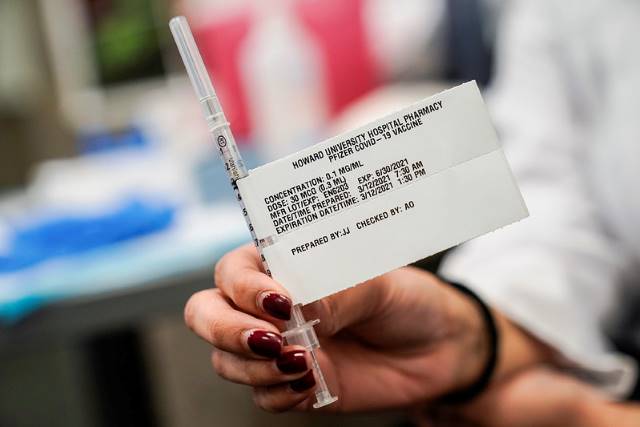
As of May 11, 2021, 892,454 citizens have received vaccinations. This has met 107% of Vietnam’s goal which was to have 917,600 individuals vaccinated. Though officials want at least 70% of Vietnam’s population vaccinated, the distribution of vaccine doses currently remains with medical professionals. Officials plan to purchase 150 million vaccination doses through COVAX. WHO, UNICEF, GAVI and CEPI should be delivering over 3 million vaccines to the country by the end of May 2021.

Looking Ahead

The deliverance of the vaccines provides Vietnam with a sense of hopefulness that the current outbreak will soon be a thing of the past. The country is looking forward to eliminating COVID-19 from its region.

– Camdyn Knox
Photo: Flickr

May 25, 2021
https://borgenproject.org/wp-content/uploads/borgen-project-logo.svg 0 0 Jennifer Philipp https://borgenproject.org/wp-content/uploads/borgen-project-logo.svg Jennifer Philipp2021-05-25 11:58:432024-12-13 18:02:30The COVID-19 Outbreak in Vietnam
Global Poverty, Health

A Closer Look at Healthcare in Turkmenistan

Healthcare in TurkmenistanTurkmenistan is a Central Asian country with a population of 6.1 million. Healthcare in Turkmenistan has a complicated history, beginning when the country’s first post-Soviet president, Saparmurat Niyazov, fired 15,000 healthcare workers and shut down regional hospitals around 2005. However, Gurbanguly Berdymukhammedov, Niyazov’s successor, flipped the script and invested tens of millions of dollars into the country’s healthcare sector starting in 2006. While the investments were substantial, including a $56 million ophthalmology complex, the overall quality of healthcare in Turkmenistan lagged behind. Maral Nedirova, a Turkmen doctor, explains that medical services in the Turkmen provinces have not progressed since the 1970s.

The Effects of Dictatorship

Dictatorship in the 2000s had a lasting, negative impact on healthcare in Turkmenistan. As previously noted, Turkmenistan was under the dictatorial rule of president Niyazov until his death in 2006. The dictatorship resulted in direct harm to healthcare. Imprisonment and torture of those who opposed the administration combined with over-incarceration in overcrowded facilities hurt healthcare in Turkmenistan. The rule of president Niyazov, however, also indirectly contributed to the country’s healthcare struggle. This occurred primarily due to the government’s focus on secrecy rather than prevention, meaning that the dictatorship was more concerned with limiting the exposure of the healthcare crisis in Turkmenistan than actually addressing it. These failures have had lasting, adverse effects on healthcare in Turkmenistan.

Corruption Undermines Healthcare

While Niyazov’s rule came to an end in 2006, the corruption of the healthcare system in Turkmenistan is yet to cease. Bribery is commonplace in the healthcare system, with doctors being forced to pay an unofficial penalty “for every incident of an undocumented health problem that surfaces among the population of the district that they are responsible for.” Local administrations then use this money to bribe health inspectors “to ensure positive reports about their work.”

Additionally, the legacy of secrecy and coverup remains today. Despite being bordered by a country with 500,000 COVID-19 cases in April 2020, and having taken no formal quarantine measures, the Turkmenistan officials repeatedly reported no official cases around this period. Even within the country’s health departments, few people knew the real risk that COVID-19 posed due to the government’s secrecy. False reports and large-scale coverups likely make it most challenging to address the reality of healthcare in Turkmenistan as the truth is often unclear.

Poor Air Quality

The air pollution in Turkmenistan is “considered moderately unsafe” under guidelines put forward by the World Health Organization. While 10 µg/m3 of PM2.5, the fine particulate matter that pollutes the air and can cause health issues, is the maximum recommended level for air pollutants, Turkmenistan has a mean of 22 µg/m3. In the short term, this air pollution can cause typical symptoms like shortness of breath and lung and nose irritation while also worsening the effects of asthma and emphysema. In the long term, however, the risks become more severe, inducing lung cancer, cardiovascular disease, chronic respiratory illness and more.

The Future of Healthcare in Turkmenistan

Partnerships with other countries and international organizations provide hope for the future of healthcare in Turkmenistan. A new project started by Japan and the U.N. Office for Project Services (UNOPS) aims to deliver medical equipment and supplies to aid the country’s healthcare system. The project Enhancing the Healthcare System through the Provision of Medical Equipment in Turkmenistan will invest $2.8 million into the Turkmenistan healthcare system.

Moreover, a WHO-EU joining project titled Crisis Response for Central Asian Countries is a €3 million project involving Turkmenistan and neighboring countries that aims to assist in the response to COVID-19 as well as strengthen emergency response preparedness and detection efforts. Thus far, the project held a virtual training seminar led by international experts to train healthcare workers and provide them with hands-on skills. While Turkmenistan’s past was defined by its secrecy and closed-off posture regarding its healthcare system, the trend appears to be reversing as international aid in cooperation has been invited to help revitalize healthcare in Turkmenistan.

– Kendall Carll
Photo: Flickr

May 17, 2021
https://borgenproject.org/wp-content/uploads/borgen-project-logo.svg 0 0 Kim Thelwell https://borgenproject.org/wp-content/uploads/borgen-project-logo.svg Kim Thelwell2021-05-17 01:32:072021-05-13 01:44:49A Closer Look at Healthcare in Turkmenistan
Developing Countries, Global Poverty, Health

The Aama Program: Maternal Health in Nepal

The Aama ProgramMaternal health is a pressing issue in developing countries as they often lack infrastructure and facilities to adequately care for pregnant women. Women often lack the incentive to use health service centers and choose to rather give birth at home, resulting in high maternal mortality rates. In Nepal, attempts to remedy this issue have led to a cash transfer scheme, which seeks to encourage pregnant women to use medical facilities to give birth by giving them a certain amount of cash to do so. Known as the Aama (or mother) program, the initiative aims to address Nepal’s poor maternal health by making sure that more births are overseen by health professionals.

Overview of Maternal Health in Nepal

Nepal’s healthcare system has long suffered from neglect due to civil strife and political instability. Despite this, it has seen an improvement in maternal health over the past few decades as more government attention has been spent toward this end. The country has received praise from the United Nations for its efforts in reducing its maternal mortality rate by almost three-quarters between the years 1990 and 2015, reflecting the government’s commitment to addressing the issue.

These developments can be attributed in part to improvements in infrastructure and education, as better infrastructure makes health facilities more accessible and higher levels of education raise awareness of medical issues. Additionally, government programs were implemented to assist Nepali women in receiving better healthcare and offset potential costs of doing so. These smaller programs, which were consolidated in the Aama program in 2009, have been an important aspect of Nepal’s attempt to improve maternal health.

The Aama Program

Predecessors to the Aama program were formed to address the issue of maternal health in Nepal. In 2005, the Safe Delivery Incentive Programme (SDIP) was introduced to pay pregnant women to use public health facilities to give birth. These payments vary based on region, reflecting the fact that women in remote parts of the country incur additional costs to access quality healthcare. As a result, women in the Himalayan regions of the country receive 1,500 rupees as these areas have a difficult terrain, and therefore, more costs are involved to reach medical facilities. Those in the middle hill regions receive 1,000 rupees because the terrain is still quite challenging. Those in the southern plains region receive 500 rupees as the land in this area is flat and easy to manage.

In 2009, the program was renamed the Aama program while a provision was added to provide reimbursement to health facilities and any costs associated with delivery services were removed. Finally, the program was further amended in 2012 to provide cash incentives for women to complete at least four antenatal care visits.

Since the inception of the program in 2005, there has been an increase in the usage of medical facilities to give birth. A study from 2005-2009 shows how this increase can be seen throughout every region of the country. Overall, births in medical facilities have almost doubled from 2006 to 2011 with an increase from 20% to 39%.

Room for Improvement

While Nepal has seen progress in increasing the usage of health facilities to give birth, there is still room for improvement. As of 2018, 58% of women still gave birth at home, even those with knowledge of the Aama program. This discrepancy can be explained by social and economic factors. For example, women who choose to give birth at home may do so because they are not comfortable with a hospital setting. Furthermore, women who are economically disadvantaged often receive substandard care. As a result, these women may still choose to give birth at home even after receiving a cash incentive to use a medical facility.

The Aama program is a promising initiative undertaken by the Nepalese government to improve maternal health in the country. It seeks to incentivize pregnant women to use health facilities to give birth rather than giving birth at home and risking complications. While Nepal has seen a decrease in maternal mortality over the past decade, the Aama program can be expanded even further by accounting for the various socio-economic issues women face.

– Nikhil Khanal
Photo: Flickr

May 15, 2021
https://borgenproject.org/wp-content/uploads/borgen-project-logo.svg 0 0 Kim Thelwell https://borgenproject.org/wp-content/uploads/borgen-project-logo.svg Kim Thelwell2021-05-15 07:31:462024-05-29 23:10:14The Aama Program: Maternal Health in Nepal
Global Poverty, Health

Fighting Tuberculosis in Ukraine

Tuberculosis in UkraineThe tuberculosis epidemic in Ukraine is characterized by drug-resistant tuberculosis strands. Among new tuberculosis cases in 2019, 27% involved drug-resistant tuberculosis and thousands of other cases were classified as multidrug-resistant tuberculosis (MDR-TB). Ukraine suffers from close to the highest rate of MDR-TB in the world. Tuberculosis in Ukraine is only successfully treated at a rate of 76% for various reasons, including patients stopping treatment prematurely, further complications, the high prevalence of MDR-TB and receiving treatment too late.

Current Efforts

In an effort to reduce the burden of tuberculosis in Ukraine, USAID is working with U.S. government agencies and other partners on various projects. Many programs have been introduced in recent years to strengthen the fight against tuberculosis in Ukraine. For example, the Management Sciences for Health (MSH) implemented the Safe, Affordable and Effective Medicines for Ukrainians (SAFEMed) project to ensure transparency and cost-efficiency within the Ukrainian health system. The programs work to increase public access to medicines and commodities essential to treating tuberculosis. Moreover, PATH, a global nonprofit working to improve public health, began the USAID-supported Serving Life Project to reduce the spread of tuberculosis and other diseases by improved detection. Serving Life specifically aims to increase the care and treatment of people living with tuberculosis in pre-trial detention centers, prisons and post-prison settings.

The Transportation Problem

Affordable medication and proper detection are the first steps in the fight against tuberculosis as “timely access to diagnosis and treatment make a difference in tuberculosis care.” However, many parts of Ukraine suffer from lacking specimen transportation systems. With inefficient or even nonexistent systems, the fight against tuberculosis in Ukraine becomes more difficult as these systems delay access to tuberculosis testing and treatment.

The failures in specimen transportation have potentially increased the already high rates of multidrug-resistant tuberculosis, a tuberculosis strand much more challenging to treat. This is because multidrug-resistant tuberculosis arises from the incomplete treatment of tuberculosis, occurring when public health systems are unable to deliver reliable and consistent tuberculosis treatment to patients. Strains on the healthcare system only exacerbate these inefficiencies as the system becomes overloaded. For example, when COVID-19 reached Ukraine, COVID-19 treatment received priority. As a result, many tuberculosis patients were forced to resort to their own methods of specimen transport.

USAID Introduces New Transportation Plan

When USAID’s Support TB Control Efforts in Ukraine activity began in October 2019, Ukraine’s lacking specimen transportation system was identified as one of the weakest links in the fight against tuberculosis in Ukraine. USAID then began a functional transportation system in the Cherkasy Oblast of Ukraine in June 2020. The program uses USAID-provided coolers to preserve specimens in transport and works to plan more flexible and adaptable transportation routes. As a result, transport vehicles are now able to do rounds four times a week while also ensuring weekly delivery to and from each primary healthcare facility. While the program began in Cherkasy, it has expanded to seven other oblasts in Ukraine within less than a year of the program’s inception.

With efforts from organizations to address the tuberculosis epidemic in Ukraine, it is hopeful that Ukraine will see its case numbers dropping.

– Kendall Carll
Photo: Flickr

May 13, 2021
https://borgenproject.org/wp-content/uploads/borgen-project-logo.svg 0 0 Kim Thelwell https://borgenproject.org/wp-content/uploads/borgen-project-logo.svg Kim Thelwell2021-05-13 01:06:062024-05-30 22:23:17Fighting Tuberculosis in Ukraine
Children, Developing Countries, Global Poverty, Health

Vaccinating Zero-Dose Children

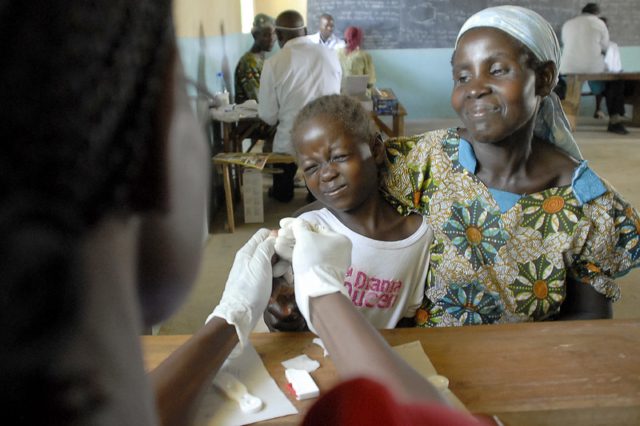
vaccinating Zero-dose childrenGavi, the Vaccine Alliance has partnered with Save the Children to expand the reach of vaccination efforts and health services for vaccinating zero-dose children. Millions of children around the world go without routine vaccinations every year, creating dangerous situations in developing nations plagued with diseases such as pneumonia and measles. The partnership intends to address this problem through a coordinated response of immunization programs to reach children in the most disadvantaged places on Earth.

The State of Global Child Vaccinations

There has been an undeniable trend of progress in global child vaccination rates over the past several decades. The rate of children fully vaccinated against diphtheria, pertussis and tetanus stands at 85% today compared with 20% in 1980. Likewise, the rate of vaccinations protecting against measles and polio rose from less than 20% in 1980 to 85% in 2019, while rates of vaccinations for rubella rose from less than 10% to more than 70% in the same period of time. However, despite the obvious progress in child vaccinations, there is still a sizable portion of children who are unvaccinated or under-vaccinated, leaving them susceptible to life-threatening diseases.

Approximately 20 million children are either under-vaccinated or completely unvaccinated across the globe, with more than 60% of this number coming from just 10 countries including Nigeria, Ethiopia and Pakistan. About half of the 20 million receive no routine vaccinations whatsoever, making them zero-dose children. These children overwhelmingly live in developing nations, many of which are high-intensity conflict zones. More peaceful areas in developing nations still lack adequate infrastructure and millions of children living in remote and marginalized communities have little or no access to healthcare.

The Risks for Zero-Dose Children

Zero-dose children are some of the most vulnerable people on the planet as they are easy targets for life-threatening diseases such as pneumonia, measles and HPV. Pneumonia kills more than 800,000 children every year, making it the leading infectious cause of preventable child deaths in the world. It is a treatable disease, and if diagnosed early, pneumonia treatment over a three-to-five day period can be successful using antibiotics costing just $0.40. However, in low-income countries lacking access to clean water, healthy diets and affordable healthcare, it is a life-threatening disease as almost all child pneumonia deaths occur in developing nations.

Other major diseases of concern to zero-dose children include measles and HPV. Global measles cases are on the rise again, reaching levels not seen in more than two decades. In 2019, the world reported about 863,000 cases of measles compared with only 360,000 the year before. This alarming escalation turned even worse with the arrival of COVID-19 as many countries had to suspend immunization services and programs leaving even more children unable to get vaccinated. Furthermore, while the rate of global HPV vaccinations has steadily increased for several years, fully-vaccinated girls only make up about 15% of the world with many developing nations lacking any vaccination programs. These low coverage levels around the world mean the likelihood a child born today will have all necessary vaccinations by age 5 is less than 20%.

The Partnership

Thankfully, Gavi, the Vaccine Alliance and Save the Children plan to make a global impact with a vaccination program intended to reach zero-dose children. Save the Children already works in developing nations by training and supporting frontline healthcare workers, delivering life-saving medicine and improving immunization coverage. Gavi will leverage this existing presence to expand immunization programs for vaccinating zero-dose children. The partnership between the two organizations will work by sharing key learnings and best practices to explore adding vaccinations to current treatments of pneumonia, malaria and malnutrition for children in low-income communities.

This program will build on the healthcare successes of Save the Children in developing nations and expand the reach of vaccinations to Gavi-supported countries such as Angola, the Republic of the Congo and Cameroon. Immunization efforts will prioritize fragile and high-conflict areas but other locations with major immunization gaps will also receive aid and vaccination increases. Additionally, the partnership will address vaccine hesitancy among parents by implementing community-based education programs and will continue the advancement of COVID-19 vaccination access in developing nations. These efforts stand to make an immense difference in developing nations and millions of children and their families stand to benefit, as do entire communities, as higher levels of immunizations lead to less infectious diseases.

The Road Ahead

Although health innovations in the past half-century have contributed to a major decrease in preventable child mortality rates, there are still far too many children who die from infectious diseases and many of these children are completely unvaccinated. In response to this situation, Gavi and Save the Children have teamed up with efforts in vaccinating zero-dose children in the world’s most impoverished nations. By building on the successes of current operations and introducing vaccinations into existing health programs, the partnership will strive to decrease the immunization gap and continue making headway toward the global goal of no zero-dose children.

– Calvin Nordhougen
Photo: Flickr

May 12, 2021
https://borgenproject.org/wp-content/uploads/borgen-project-logo.svg 0 0 Yuki https://borgenproject.org/wp-content/uploads/borgen-project-logo.svg Yuki2021-05-12 01:31:152024-05-30 22:23:23Vaccinating Zero-Dose Children
Developing Countries, Development, Education, Global Poverty, Health

Inequalities Among Migrant Workers in Lebanon

Migrant workers in Lebanon
For decades, the Lebanese economy has relied heavily on migrant workers to supplement the workforce. The economy provided necessary domestic services and filled up low-level positions in retail, salons and hospitality. The kafala system, a program that encourages employers to hire migrant workers in Lebanon, fueled a sense of dependence on migrant workers in various industries. This institution creates great racial and economic inequality. The employers abuse the migrant workers and offer them substandard pay and inhumane working conditions. This immense disparity worsened during the COVID-19 pandemic. The employers placed workers in unsafe situations, forcing them to endure terrible conditions with the imminent threat of job termination.

Refugees and the Kafala System

Currently, refugees and migrant workers make up a quarter of Lebanon’s population. This renders them an extremely valuable sector of society. Tensions between local-born Lebanese citizens and refugees developed during past years. Lebanese individuals and armed forces committed several acts of violence against refugees out of spite and anger. In addition, nearly 90% of Syrian refugees become unemployed and unable to meet housing costs in 2020. Employers fired domestic migrant workers at an alarming rate since the pandemic.

The Anti-Racism Movement found that Lebanese employers terminated their migrant workers, likely due to racial bias. Nevertheless, gaining Lebanese citizenship as a migrant worker is nearly impossible. Due to an antiquated nationality policy set up during the French mandate, only children born to a Lebanese father may obtain full legal status as a Lebanese national. Thus, no feasible pathway exists to permanent residence and legal protection for migrant workers in Lebanon. They end up at the mercy of their employers to keep them in the country.

Medical Inequality Among Migrant Workers

For many migrant workers, medical inequality has become especially prominent during the COVID-19 pandemic. Due to the cruel implements of the kafala system, migrant workers rely on their employers to provide them with legal residency status. Without Lebanese nationality, these workers do not have entitlement to these benefits that other people within Lebanon possess. Lack of health coverage discourages these migrant workers from seeking out medical help and accessing the treatments they need to ensure their personal wellbeing. As unemployment has continued to rise, thousands of migrant workers are left with no healthcare or legal status. They must return to their home countries, despite the potential endangerment that awaits them.

In an international relations briefing by Natasha Hall, the author notes that “ensuring that people are not prioritized for medical treatment by nationality, as medicine disappears from shelves and intensive care units fill up, is another serious concern.” Migrant workers in Lebanon end up not being able to access treatments due to a lack of insurance and inadequate financial means. This is similar to the United States and other countries that experience inequality. Lebanon faces economic complications, such as inflation rates rising and banks refusing to withdraw money for their customers. It has become nearly impossible for people to obtain the medications they need. Lebanon sustains its medication supply due to imported drugs. Due to the trade challenges facing the nation, Lebanese citizens cannot obtain medicine for their health conditions.

Hope for an End to Migrant Worker Inequality

The kafala system is extremely ruthless. It puts migrant workers at a socio-economic position far below the average Lebanese citizen. This caused a public outcry, sparking change and encouraging reform to the system. According to the Human Rights Watch, “Amendments to the system [in 2020] provide guarantees for workers including 48-hour work weeks, a rest day, overtime payment, as well as sick and annual leaves. Workers can now terminate their contracts without their employer’s consent.” Increased regulations have provided an added layer of protection to the rights of migrant workers in Lebanon.

– Luna Khalil
Photo: Flickr

May 10, 2021
https://borgenproject.org/wp-content/uploads/borgen-project-logo.svg 0 0 Kim Thelwell https://borgenproject.org/wp-content/uploads/borgen-project-logo.svg Kim Thelwell2021-05-10 07:30:142021-05-07 06:40:48Inequalities Among Migrant Workers in Lebanon
Children, Global Poverty, Health

Greater Chernobyl Cause Helps Children in Ukraine

Greater Chernobyl CauseOn April 26, 1986, the Chernobyl Nuclear Plant in Ukraine exploded. The disaster occurred because of insufficiently trained operators and a problematic reactor design, leading to the reactor becoming unstable. The resulting fires and explosions destroyed the plant and triggered a 10-day long release of radioactive material that would devastate the land for centuries to follow. The Chernobyl disaster exacerbated poverty and caused long-term health and environmental impacts. The Greater Chernobyl Cause is an organization working to alleviate this issue of poverty in Ukraine, with a special focus on children.

Chernobyl’s Path of Destruction

When the power plant exploded, everything within about an 18-mile radius of it was immediately contaminated. This contamination included crops, which resulted in a large food shortage, impacting the agricultural sector. The livestock that consumed crops were also affected. Moreover, nearby bodies of water were contaminated, rendering them undrinkable and contaminating fish and soil.

The destruction of agriculture heavily contributed to the ensuing poverty from the nuclear accident. In the agricultural industry, farmers who relied on crops lost their livelihoods and their source of food security. Ukraine, the “breadbasket of Europe,” was unable to produce and harvest crops due to largely contaminated land. The impact on agriculture affected the entire economy.

The Effects on Citizens

The disaster also severely affected the health of residents near Chernobyl. The people exposed to the radiation from the explosion are at high risk of cancers and radiation-induced conditions. It is predicted that 4,000 people who were exposed 20 years ago may die from cancer or acute radiation. The catastrophe also significantly impacted people’s mental health as many evacuees believed they only had a short time to live because of radiation exposure.

The combined effects of poverty, disease and mental health issues hit children the hardest. Homelessness among children skyrocketed due to high rates of parent mortality and the impact of poverty. The Greater Chernobyl Cause estimates that 120,000 children live or beg on the streets in Ukraine. Many of these children are victims of radiation and have developed health issues, requiring shelter and medical assistance.

The Greater Chernobyl Cause

The Greater Chernobyl Cause is an Ireland-based charity working to help homeless children in Ukraine, particularly those affected by the disaster of Chernobyl. Its founder, Fiona Corcoran, horrified by the effects of the Chernobyl explosion, made it her mission to help the victims of the nuclear disaster. Now, she works full-time to fight the poverty caused by the Chernobyl disaster, especially focusing on affected children. The Greater Chernobyl Cause provides shelter, food and medical treatments for the children. The charity uses the donations it receives to build dormitories and develop education programs, among other endeavors.

The Chernobyl nuclear disaster had devastating effects on Ukraine and its people. Vulnerable children were harshly impacted by the calamity. With the support of organizations like the Greater Chernobyl Cause, some of these impacts can be addressed.

– Alison Ding
Photo: Flickr

May 8, 2021
https://borgenproject.org/wp-content/uploads/borgen-project-logo.svg 0 0 Kim Thelwell https://borgenproject.org/wp-content/uploads/borgen-project-logo.svg Kim Thelwell2021-05-08 07:30:072021-07-08 08:45:53Greater Chernobyl Cause Helps Children in Ukraine
Global Health, Global Poverty, Health, Technology

The Top 5 Health Tech Companies in Spain

The Top 5 Health Tech Companies in SpainThe world of health technology has been growing exponentially in the last decade and continues to grow, especially with the novel coronavirus still affecting the world. One of the most prominent locations for health technology is in Spain. The industry has a large quantity of health tech company startups in Spain; high-quality companies are making new drug discoveries for treatments and creating virtual therapies that can help those in impoverished areas receive the medical care they need. Here are the top five health tech companies making strides in Spain.

The Top 5 Health Tech Companies in Spain

  1. Elma Care is an app that combines comprehensive health insurance with remote medical consultations. This great new resource emerged in Barcelona, Spain, in 2017. Elma Care is one of the top five health tech companies in Spain because the app keeps all of a patient’s medical information in one place, allows consultation with primary care physicians remotely and offers tools like preventative medicine plans to help people access healthcare with more ease and efficiency. All of this is possible from the comfort and safety of the home, allowing for social distancing during the current global pandemic.
  2. Devicare is a specialty biotech company that focuses on chronic diseases. The company, founded in Barcelona, Spain, strives to develop solutions for the treatment process of chronic diseases. The company also offers a mentoring service with a team of experts and nursing staff. Often, chronic diseases involve a multitude of doctor visits and, in many cases, few answers. However, Devicare offers a cheaper and easier way of treating chronic diseases.
  3. Savana Medica provides a platform in which the clinical data for patients from healthcare organizations can be managed. EHRead, a form of Artificial Intelligence, or AI, technology, can obtain valuable health information that aids medical professionals in the diagnosis and treatment of patients. It is one of the top five health tech companies in Spain because this technology fosters quick and efficient access to records, which can help doctors understand a patient’s history of disease and illness.
  4. Genomcore is a company that has created an interface that stores a patient’s genetic information. Founded in 2015 in Barcelona, Spain, the platform that Genomcore provides for patient information can be efficiently shared with medical professionals when necessary. Genomcore helps foster more personalized treatment for patients and consequently the possibility of faster recovery from illness.
  5. Mediktor was founded in 2011 but has made a new name for itself due to increased use during the pandemic. Mediktor is an app that gives symptom assessments to patients via their own personal devices before even seeing a medical professional. In March 2020, the company released the COVID-19 symptom checker. With Mediktor, people were able to determine, with great accuracy, whether or not they needed to see a medical professional in relation to COVID-19 symptoms.

The top five health tech companies in Spain are instrumental to the world of healthcare today. While many people have restricted access to needed medical attention, these new technologies can change that.

– Grace Aprahamian
Photo: Flickr

May 7, 2021
https://borgenproject.org/wp-content/uploads/borgen-project-logo.svg 0 0 Kim Thelwell https://borgenproject.org/wp-content/uploads/borgen-project-logo.svg Kim Thelwell2021-05-07 07:30:132024-06-06 00:59:31The Top 5 Health Tech Companies in Spain
Developing Countries, Global Health, Global Poverty, Health

In the Spotlight: COPE Nepal

COPE NepalCOPE Nepal is a youth-led organization that collects and analyzes information about COVID-19 in Nepal to help coordinate efforts to send resources to Nepalese communities hardest hit by the pandemic.

COVID-19 in Nepal

There is no country that has not felt the effects of the COVID-19 pandemic, Nepal included. The first case of COVID-19 in Nepal was detected on January 23, 2020, and the first case of COVID-19 that was locally transmitted was detected nearly two months later on April 4, 2020. On March 9, 2021, the country’s total COVID-19 case count reached 274,869 and total deaths reached 3,012.

Due to an inadequate healthcare system, COVID-19 is particularly concerning in a developing country such as Nepal. After the detection of the first local transmission, Nepal took significant steps to limit COVID-19 transmission. However, difficulties arose due to cases with unknown origins and overwhelmed quarantine centers. Self-isolation became the only option, which is harder for the Nepalese government to regulate.

The COVID-19 pandemic has also had a negative effect on Nepal’s economy. In the last fiscal year, Nepal’s economy contracted for the first time in 40 years. Tourists were not allowed to climb the country’s famous peaks due to COVID-19 restrictions, hurting an economy that is highly dependent on tourism. Furthermore, as a result of school closures and other factors, child marriage is on the rise in Nepal, threatening to reverse progress made toward keeping girls in school.

COPE Nepal

As Nepalese colleges and universities transitioned to remote learning and many young adults found themselves in a state of uncertainty, they embraced creativity and innovation. COPE Nepal is an organization that formed in response to the COVID-19 pandemic. A group of university students from data analytics, branding and communications backgrounds created COPE Nepal with the goal of collecting, presenting and disseminating data about COVID-19 in visual formats. According to the co-founder of COPE Nepal, Anup Satyal, the COVID-19 lockdown opened up more opportunities to make a meaningful impact in Nepal.

COPE Nepal’s Strategy

COPE Nepal’s strategy consists of four parts which are outlined in the acronym COPE:

  • Coordinate efforts and responses with local government and NGOs
  • Operationalize and allocate resources
  • Personalize the COVID-19 response to each location
  • Evaluate strategies and results on a daily basis

COPE Nepal has published a total of four reports showing the progression of COVID-19 in Nepal in a way that is easily understood by policymakers and average people. These reports are also easily accessible on the humanitarian information portal ReliefWeb.

On Instagram, COPE Nepal posted calls for individuals to share their accounts of the conditions in government quarantine facilities. Its Instagram also includes graphics and data from the four published reports and information about COVID-19 safety such as how to properly dispose of personal protective equipment (PPE).

A group of talented Nepalese university students started COPE Nepal out of a desire to help their country better respond to the COVID-19 pandemic. As Nepal transitions out of lockdown, COPE Nepal’s data collection and dissemination is important to ensure vulnerable populations are sufficiently protected from COVID-19.

– Sydney Thiroux
Photo: Flickr

May 2, 2021
https://borgenproject.org/wp-content/uploads/borgen-project-logo.svg 0 0 Yuki https://borgenproject.org/wp-content/uploads/borgen-project-logo.svg Yuki2021-05-02 01:31:082024-06-06 00:59:32In the Spotlight: COPE Nepal
Global Poverty, Health

David Beckham Leads Vaccination Campaign

Vaccination CampaignDuring World Immunization Week in April 2021, UNICEF Goodwill Ambassador and former English soccer player, David Beckham, led a global vaccination campaign. Beckham’s mission was to decrease vaccine hesitancy and “encourage parents around the world to vaccinate their children against deadly diseases.” Beckham has been a UNICEF Goodwill Ambassador for many years, and this year, he hopes to raise awareness about the importance of vaccines in global health, especially in the wake of the COVID-19 pandemic.

Vaccination Campaign

During his vaccination campaign speech, Beckham discussed how COVID-19 has impacted social interactions and communal gatherings. Beckham urges parents and families to get vaccinated against COVID-19 and to prioritize child immunizations to ensure children are protected from preventable diseases such as diphtheria, measles and polio.

Alongside Beckham, several other celebrity UNICEF Goodwill Ambassadors and supporters, including Orlando Bloom and Sofia Carson, will participate in a series of online vaccination discussions “with healthcare professionals, teachers and vaccine experts from around the world.”

UNICEF and global partners will also play their part to “rally parents, health workers and the public to become online advocates for vaccines.” Additionally, “for each like, share or comment on posts mentioning a UNICEF social media account and using the hashtag #VaccinesWork” until the close of April 2021, the United Nations Foundation’s Shot@Life campaign and the Bill & Melinda Gates Foundation vowed to contribute a dollar to UNICEF.

World Immunization Week

World Immunization Week is held annually in the final week of April to encourage the use of vaccines and reduce vaccine hesitancy. “As one of the world’s most successful health interventions” immunizations save millions of lives. Between 2000 and 2018, measles inoculations prevented more than 23 million child deaths. According to the WHO, as it currently stands, almost 20 million children around the world are missing out on vital vaccines that will protect them against preventable diseases.

Many of these unvaccinated children live in isolated rural areas, war zones and developing countries with limited access to basic health services. Low vaccinations rates have significantly worsened due to supply shortages and worldwide lockdowns during COVID-19. These impacts have dire consequences, potentially increasing the number of preventable child deaths.

Vaccine Awareness

World Immunization Week 2021 encourages greater public participation regarding the topic of immunization. Advocacy, even on an individual level, will raise awareness of the importance of vaccines in improving global health. Beckham’s ability to harness his fame to communicate to a wider platform will increase vaccine awareness. In terms of COVID-19 vaccinations specifically, the sooner the world is fully vaccinated, the sooner the global population will be protected and the sooner normalcy will resume.

– Mary McLean
Photo: Wikimedia Commons

May 1, 2021
https://borgenproject.org/wp-content/uploads/borgen-project-logo.svg 0 0 Kim Thelwell https://borgenproject.org/wp-content/uploads/borgen-project-logo.svg Kim Thelwell2021-05-01 08:51:262021-07-06 08:51:47David Beckham Leads Vaccination Campaign
Page 81 of 212«‹7980818283›»

Get Smarter

  • Global Poverty 101
  • Global Poverty… The Good News
  • Global Poverty & U.S. Jobs
  • Global Poverty and National Security
  • Innovative Solutions to Poverty
  • Global Poverty & Aid FAQ’s
Search Search

Take Action

  • Call Congress
  • Email Congress
  • Donate
  • 30 Ways to Help
  • Volunteer Ops
  • Internships
  • Courses & Certificates
  • The Podcast
Borgen Project

“The Borgen Project is an incredible nonprofit organization that is addressing poverty and hunger and working towards ending them.”

-The Huffington Post

Inside The Borgen Project

  • Contact
  • About
  • Financials
  • President
  • Board of Directors
  • Board of Advisors

International Links

  • UK Email Parliament
  • UK Donate
  • Canada Email Parliament

Get Smarter

  • Global Poverty 101
  • Global Poverty… The Good News
  • Global Poverty & U.S. Jobs
  • Global Poverty and National Security
  • Innovative Solutions to Poverty
  • Global Poverty & Aid FAQ’s

Ways to Help

  • Call Congress
  • Email Congress
  • Donate
  • 30 Ways to Help
  • Volunteer Ops
  • Internships
  • Courses & Certificates
  • The Podcast
Scroll to top Scroll to top Scroll to top