• Link to X
  • Link to Facebook
  • Link to Instagram
  • Link to TikTok
  • Link to Youtube
  • About
    • About Us
      • President
      • Board of Directors
      • Board of Advisors
      • Financials
      • Our Methodology
      • Success Tracker
      • Contact
  • Act Now
    • 30 Ways to Help
      • Email Congress
      • Call Congress
      • Volunteer
      • Courses & Certificates
      • Be a Donor
    • Internships
      • In-Office Internships
      • Remote Internships
    • Legislation
      • Politics 101
  • The Blog
  • The Podcast
  • Magazine
  • Donate
  • Click to open the search input field Click to open the search input field Search
  • Menu Menu

Archive for category: Health

Information and stories on health topics.

Children, Developing Countries, Development, Global Poverty, Health

Yemen Uses Rainwater Harvesting to Fight Water Crisis

Yemen uses rainwater harvestingThe ongoing water scarcity crisis in Yemen continues to grow. Currently, the country stands as one of the most water-scarce regions in the world. With conflict and climate change making it increasingly harder to obtain fresh water sources, access to safe drinking water is a major concern for people living in Yemen. The World Bank and its partners started a promising project where Yemen uses rainwater harvesting techniques to provide accessible and clean drinking water to local people.

Yemen’s Water Crisis

Yemen is a water-stressed region, and the ongoing conflict has significantly exacerbated the crisis. A rapidly depleting store of groundwater resources in Yemen is negatively impacting the country’s economy, which mainly relies on irrigated agriculture. The International Committee of the Red Cross reports that Yemen’s groundwater overdraft is twice the recharge rate, resulting in declining and unsustainable water reserves. Moreover, the Yemeni Civil War has significantly disrupted crucial infrastructure. The displacement of 4.2 million people in Yemen and extreme water mismanagement have worsened the water crisis.

The United States Agency for International Development states that about 20.7 million people in Yemen lack clean water and essential health services, leading to several dangerous diseases such as cholera. Outbreaks of cholera and acute watery diarrhea have been major health problems in Yemeni communities since the outbreaks began in October 2016. According to the Red Cross, approximately 2.5 million cases have been reported, with more than 4,000 deaths in the Yemen cholera outbreak.

Rainwater Harvesting Solution

With 60% of Yemenis living in rural areas, the country’s biggest infrastructural challenge is providing water access to remote communities. According to the World Bank, people in Yemen undergo hardship in gathering water for daily use by traveling to far-off wells.  The World Bank and its partners collaborated with Yemeni communities to build rainwater harvesting systems.

Rainwater harvesting is not a complex process. Cisterns are built, usually from stones or other materials easily accessible in Yemeni villages, and placed on roofs to collect rainwater. The collaborative effort constructed numerous cisterns in three towns: Al-Adn, Al-Anin and Hawf. The project resulted in the villages being able to store large quantities of water that was free of contaminants.

Benefits of Rainwater Harvesting

Rainwater harvesting cisterns have provided safe drinking water and resulted in employment opportunities for locals. The World Bank offered cash-for-work programs in villages, allowing locals to build cisterns and gain valuable work experience. Cisterns have also eased the burden on the women and children in the villages. Haliya Al-Jahal, one of the women the World Bank interviewed, said, “We no longer have to go through the struggle of fetching water from remote areas.” The cisterns, as Al-Jahal states, have “put an end to [their] misery.”

The Future of the Program

The Yemen Emergency Crisis Response Project (YECRP) has supported the construction of about 1,279 public and 30,686 household harvesting cisterns across Yemen. This has resulted in providing 900,000 cubic meters of clean water to communities. YECRP has shown more promising results where Yemen uses rainwater harvesting to improve areas such as public health, agricultural production and economic gains.

– Umaima Munir
Photo: Flickr

October 2, 2022
https://borgenproject.org/wp-content/uploads/borgen-project-logo.svg 0 0 Naida Jahic https://borgenproject.org/wp-content/uploads/borgen-project-logo.svg Naida Jahic2022-10-02 01:30:572022-09-29 14:03:05Yemen Uses Rainwater Harvesting to Fight Water Crisis
Global Poverty, Health

5 Organizations Improving Mental Health in Africa

Mental Health in Africa
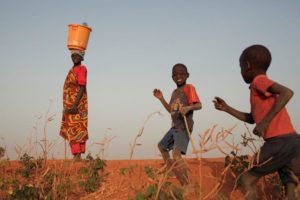
Recently, doctors have been sounding the alarm bells on the ongoing global mental health crisis, going as far as to describe the worldwide support for mental health as “pitifully small.” When there is support for mental health issues, the spotlight is centered largely on more developed nations, leaving mental health disorders to be untreated and thrive in developing countries where healthcare systems are generally weak and inaccessible to the general population. However, nonprofits and NGOs are now refocusing their efforts on creating better outcomes for people suffering from poor mental health in less-acclimated nations. Mental health in Africa requires attention, but luckily, some organizations are working there to make a difference.

Mental health support across the continent of Africa, in particular, is notably poor. In 2022, Lesotho, a small country surrounded by South Africa, had the most suicides per capita in the world at 72.4 per 100,000, with surrounding countries displaying similar statistics. The high suicide rate and lackluster mental health across Africa stem from issues such as the prevalence AIDS, widespread poverty, conflict and general lack of resources.

Support for People in Africa

When people living in Africa face these struggles, they seldom receive support. In 2015, Sierra Leone, a nation of 7 million, had only one mental health facility which was to support 104 patients. In Nigeria and South Africa, two of the continent’s more affluent nations, only 10% and 25% of mentally ill citizens have access to a psychiatrist, respectively.

Poor mental health can have dire outcomes for those who do not receive help. While many acknowledge the correlation between mental illness and suicide, lesser emphasis has been placed on the association between subpar mental health and poverty. According to the Substance Abuse and Mental Health Services Administration, poverty can intensify the symptoms of mental disorders and increase the likelihood of the onset of illness. Moreover, mental health issues can also increase the odds that someone falls below the poverty line. Here are five organizations fighting global poverty by improving mental health in Africa.

5 Organizations Improving Mental Health in Africa

  1. StrongMinds: Concentrated in Uganda and Zambia, Strongminds provides mental health care to impoverished women living in Africa. It specifically helps treat depression in women by organizing group talk therapy sessions for underprivileged women delivered by community health workers. According to the organization, it has served more than 140,000 women and has an 80% success rate in helping patients recover from their symptoms. In July 2022, the organization received donations from The Inner Foundation, an organization that has raised more than $100,000,000 to support different mental health initiatives.
  2. Sentebale: Prince Harry, Duke of Sussex, and Prince Seeiso of Lesotho founded Sentebale in 2006 to support the children of Botswana and Lesotho in response to the countries’ AIDS epidemics. Sentebale means “forget-me-not” in the Sesotho language, which relates to the organization’s mission of not forgetting some of Africa’s most vulnerable children. Sentebale delivers sexual education, proposes improvements to the country’s healthcare system and provides psycho-social support to the children of Lesotho and Botswana. The organization works directly with communities to help children that the epidemic affected become more “empowered, healthy and resilient.” It also works to gather support from the governments of Lesotho, Botswana and the United Kingdom to support their mission of improving mental health across Africa.
  3. Dolen Cymru: Founded in 1985, Dolen Cymru is a Welsh organization supporting the nation of Lesotho. It has established various programs, but its core project has been developing Lesotho’s mental healthcare system. Uniquely, Dolen Cymru works primarily with the actual doctors and health educators of Lesotho through the country’s Ministry of Health, providing them with WHO-developed training. According to the foundation, it has trained more than 100 healthcare professionals using an innovative program including discussions about “human rights, stigma and cultural beliefs.”
  4. African Mental Health Research and Training Foundation (AMHRTF): AMHRTF is an NGO based in Kenya that focuses on mental health research and treatment. Its headquarters are located in the Kenyan capital, Nairobi. The organization directly serves the urban population, though it also operates a phone line and telehealth services for people located in more isolated regions that are unable to visit in person. The organization treats a wide variety of mental illnesses, helping patients with mental health issues including substance abuse disorders, PTSD and depression. In 2019, AMHRTF began supporting the CREATE Kenya project. CREATE Kenya is focused on forming a successful social business that provides Kenyans dealing with mental illness an “evidence-based Recovery-Oriented Psychosocial Rehabilitation Toolkit” to help them gain employment and support their wellbeing.
  5. IOM Libya: IOM, or the International Organization for Migration, is an agency of the U.N. operating in numerous countries to support migrants and refugees throughout the world. IOM Libya is the organization’s branch operating in Libya, focusing on the nation’s migration crisis. Libya is an especially popular location for refugees because of its treacherous sea route to Italy through the Mediterranean Sea. Recently, the organization has helped 12,000 stranded migrants return to their homes. For these refugees and migrants that remain in the country, IOM Libya also provides mental health support because it recognizes the tremendous stress that migrants may face on their journeys. Since 2011, the IOM has been providing counseling, group support and other activities in eight Libyan cities to help migrants recover from their traumas. The organization also trains first responders to better understand mental health issues.

Looking Ahead

These five organizations have been beneficial to communities in Africa by improving mental health care. Through their continued work, Africans should be able to receive the support they need.

– Ryan Morton
Photo: Wikipedia Commons
October 1, 2022
https://borgenproject.org/wp-content/uploads/borgen-project-logo.svg 0 0 Naida Jahic https://borgenproject.org/wp-content/uploads/borgen-project-logo.svg Naida Jahic2022-10-01 01:30:352024-05-30 22:30:115 Organizations Improving Mental Health in Africa
Children, Developing Countries, Development, Global Poverty, Health

5 Things to Know About Food Banks in Africa

food banks in AfricaAccording to the Food and Agriculture Organization of the United Nations, approximately 702 to 828 million people worldwide suffered from hunger in 2021, and more than 30% of them were on the African continent. While there are many hunger relief efforts on the continent, food banks are the least prominent or known. There are many reasons for this, including bureaucracy in local governments, lack of funding, poor geographical location and poor infrastructure. Nevertheless, food banks in Africa are increasing in number despite the challenges and are making a significant impact on reducing food insecurity. Some things to know about food banks in Africa include:

Food banks are relatively new to Africa.

While there may be many hunger relief initiatives in Africa with long histories, food banks, especially those formed by local initiatives, did not form before the beginning of the 21st century. The earliest African food banks include the Egyptian Food Bank, founded in 2006, and FoodForward South Africa, founded in 2009.

Food is sourced directly from farmers and processing companies.

Most food waste in Africa comes from post-harvest and food processing levels of food distribution. This is unlike established food banking systems in the U.S. and Europe, which mainly source food waste from restaurants, supermarkets, grocery stores and other similar places. Other differences between these established systems and emerging ones in Africa and other parts of the world are challenging what is understood about food banking. As a result, food banking is being reevaluated on its impact on food insecurity.

Food banks expanded during the COVID-19 pandemic.

In 2020, the number of people in Africa suffering from hunger increased by 46 million; by 2021, 278 million people on the continent faced hunger. New food banks in Africa stepped up to cope with the increase and served 906,026 people, increasing their reach by 169% compared to their impact in 2019. Through the Africa Food Bank Incubator Conference held annually since 2019, African food banks came together virtually during the COVID-19 pandemic to share advice and strategies contributing to their exponential growth.

In 2019, African food banks joined the Global Food Banking Network for the first time.

The Global Food Banking Network is a nonprofit organization supporting food banks worldwide. Except for its partnership with FoodForward South Africa, the organization had no presence in the African continent. In 2019, the organization partnered with 40 food banks in Kenya, Nigeria, Ethiopia, Ghana, Madagascar and Botswana to form the Africa Incubator Program.

Food banks are helping food insecurity.

Food banking systems as a means to combat food insecurity and food waste in Africa will continue to mature as the continent continues to develop alongside the refinement of international interdependence. The present challenges to food banking in Africa can therefore be considered an opportunity to test innovative solutions in the fight against food poverty.

– Kena Irungu
Photo: Wikimedia Commons

September 30, 2022
https://borgenproject.org/wp-content/uploads/borgen-project-logo.svg 0 0 Naida Jahic https://borgenproject.org/wp-content/uploads/borgen-project-logo.svg Naida Jahic2022-09-30 01:30:382024-05-30 22:30:145 Things to Know About Food Banks in Africa
Children, Development, Global Poverty, Health

Human Trafficking in Angola

Human Trafficking in AngolaAngola is a country of origin and destination for men, women and children who are victims of trafficking, for the purpose of forced prostitution and forced labor. Domestically, victims of trafficking end up working in agriculture, construction, households and artisanal diamond mines. Women and children are often victims of human trafficking in Angola, with many women coming from Vietnam, the Democratic Republic of Congo (DRC) and Namibia, and traffickers sending many Angolan women and children to Namibia, South Africa and some European countries like Portugal. Since traffickers often lure victims with the promise of employment and a better life, Angola can implement several measures to improve the lives of its citizens. Here is some information about some of the challenges that Angola is facing that may play into the prevalence of human trafficking in Angola.

The Right to Form Unions

The law indicates that workers, except those that the armed forces or police employ, have the right to form and join independent trade unions. However, an issue is that authorities in Angola do not always enforce its laws adequately. The law states that for a union to form, at least 30% of workers in an industry or province must go through a registration process and receive approval from the authorities. The law also provides for the right to collective bargaining but excludes public sector workers. However, the country has prohibited strikes by members of the armed forces, police, prosecutors and judges, prison staff, firefighters, public sector workers and oil workers. 

Employment

The Angolan government enforced the Minimum Wage Act in the formal labor sector. In 2019, the national minimum wage was Kwanzas 16,503 ($52.60 USD) and the aim was for it to reach Kwanzas 21,454 ($68.30 USD) for the agricultural sector, Kwanzas 26,817 ($85.50 USD) for the trade and manufacturing sector and Kwanzas 32,181 ($102.50 USD) for the extractive industries sector. Furthermore, while the law guarantees a safe working environment for all sectors of the economy, labor protection standards do not protect most workers in the informal sector.   

Discrimination and Working Labor

The Constitution and the law prohibit discrimination in employment based on race, sex, religion, disability or language, and the government has generally enforced these laws effectively in the formal sector. The law provides for equal pay for equal work, and women often hold at least some high-level positions in state industry and the private sector. However, many women tend to hold low-level positions, especially in the informal sector. The law prohibits all forms of forced or compulsory labor too.

The government reportedly does not enforce this law effectively, partly because there are not enough labor inspectors. Penalties are reportedly inadequate to deter violations. Children under 14 are prohibited from working too. To obtain a work contract, children must prove that they are at least 14 years old and that the work does not interfere with their formal education or cause them physical or mental harm. Between the ages of 14 and 16, parental consent to work is necessary. Tuition is free and compulsory for children up to sixth grade.

NGOs and Immigration Policies

There are several hundred non-governmental organizations (NGOs) working for transparency, human rights and political reform regarding human trafficking in Angola. Organizations critical of the government are often subject to state interference and can experience the threat of legal action or closure. In 2017, the Constitutional Court ruled that a 2015 decree requiring NGOs to register with the government and subjecting NGOs receiving donations to further scrutiny was no longer constitutional due to criticism from civil society. This criticism openly described the decree as restrictive and intrusive, as it required NGOs to obtain government approval before engaging in activities and allowed the government to monitor the organizations.

One of the best-known NGOs in Angola that is working on human rights is Missio, which has the main objective to support the Catholic Church in missionary dioceses around the world. The organization changes lives by listening to local needs and aiding in the creation of infrastructure, such as chapels, schools, orphanages, clinics and dispensaries and centers where young church members can thrive and grow. All this support is most tangible in the funds that it collects and distributes, but even more tangible in the spiritual and pastoral unity it creates. Therefore, the organization has two main areas of activity: mission animation and education and fundraising. It was registered in April 1996 and has raised more than £7 million to date and may have an impact on reducing human trafficking in Angola.

Several obstacles exist that prevent refugees and migrants from finding employment. Regulation 273/13 prevents refugees from obtaining a compulsory business license, which is necessary to own and operate a business. Refugees have also reported that they often have difficulty working in the formal sector because they cannot obtain legal documents. The government is making significant efforts to combat human trafficking in Angola. It has educated the public about the dangers of trafficking, amended the constitution to explicitly prohibit trafficking and maintained anti-trafficking funding despite a significant decline in government revenue and subsequent cuts to the national budget.   

– Manos S. Karousos
Photo: Flickr

September 28, 2022
https://borgenproject.org/wp-content/uploads/borgen-project-logo.svg 0 0 Jennifer Philipp https://borgenproject.org/wp-content/uploads/borgen-project-logo.svg Jennifer Philipp2022-09-28 12:59:312024-05-30 22:30:03Human Trafficking in Angola
Children, Development, Global Poverty, Health

Ending AIDS in Africa

Ending AIDS in AfricaAIDS (acquired immunodeficiency syndrome) is a highly stigmatized disease. Throughout history, the AIDS epidemic has brought on severe discrimination toward individuals on the basis of race, sexual orientation and socioeconomic status. The epidemic started in the 1980s, and upon arrival, it spread rapidly through marginalized communities – primarily prostitutes, drug addicts and homosexuals. AIDS is defined as the last stage of HIV (human immunodeficiency virus). AIDS and HIV are classified as STDs (sexually transmitted diseases); they are highly contagious and can cause severe flu-like symptoms. After acquiring HIV/AIDS, some expensive treatment options range from therapy to surgery to prescription drugs, however, there are currently no effective vaccines for the disease. Despite these complications, ending AIDS in Africa is a global goal.

Background of the AIDS Epidemic

The history of AIDS is controversial and incomplete. There are wide-ranging speculations regarding the origin of the virus in humans, but these are far from confirmed. In America, the AIDS crisis is commonly reported as beginning in the 1980s. The first cases, however, are believed to have occurred almost a decade earlier.

In Africa, AIDS is said to have spread to humans from chimpanzees in the early 1900s. The AIDS epidemic began on the continent in the 1970s, with the first cases being reported in the 1960s. Kinasha, Congo is commonly cited as the birthplace of the epidemic in Africa. A Cameroon traveler is said to have brought the virus to the city and from there, it began to spread rapidly. Within the next decade, AIDS reached the eastern and western parts of Africa. Coupled with diseases like tuberculosis, malaria, sarcoma, meningitis and pneumonia, Africa as a whole was nowhere near ready to deal with a new deadly disease.

The most recent update on the AIDS epidemic in Africa was in 2020. According to UNAIDS, there were 150,000 AIDS-related deaths in the region and 200,000 people were infected with HIV. Every week more than 1,000 adolescent girls and young women become infected with HIV in the region and 1.2 million people in western and central Africa are still waiting to initiate life-saving HIV treatment. Only 35% of children living with HIV in western and central Africa are being treated. Taking a step further, on a global scale, SOS Children’s Villages reports two-thirds of all HIV-infected people worldwide are Africans, which has resulted in significant social and economic consequences.

The Correlation Between AIDS and Poverty

The spread of AIDS and poverty in Africa are closely related; poverty is both the cause and effect of the disease. Due to the high poverty rate in Africa, sanitation and health care facilities are rare. Women are often restricted to the household and remained uneducated about STDs. There is also a high ratio of men in urban areas, widespread labor migration and sex workers – all contributing factors to the spread of AIDS. Overall, AIDS forces families to be ostracized from society and causes unemployment. Without a steady income or assistance from neighbors, entire families – even with only one case of AIDS – fall into poverty. Often, a family with an individual that contracts AIDS finds themselves both out of society and out of a job.

Since its arrival, the HIV/AIDS virus has targeted impoverished urban areas. Factors such as poor income levels and food insufficiency are coupled with transactional sex, which is correlated with the contraction of AIDS. Impoverished individuals are more likely to contract AIDS and because the disease is so highly stigmatized, these affected individuals become disadvantaged when looking for economic opportunities. The virus has perpetuated a cycle of poverty – one that desperately needs to be broken.

The Fight Against AIDS

Despite numerous obstacles, the U.N. and a multitude of nonprofit organizations remain committed to constricting the spread of HIV/AIDS. Recently, a U.N. Millennium Development Goal was created to end the AIDS epidemic worldwide by 2030. So far, the U.N. has stayed true to its word – the number of AIDS deaths in sub-Saharan Africa has declined by roughly 35% in recent years due to proper diagnosis and life-saving therapeutic treatments carried out by experienced U.N. physicians.

The Future of AIDS in Africa

Ending AIDS in Africa is a daunting task, however, the steps taken by leaders around the world have helped in diminishing the presence of the fatal disease. Due to the high correlation between poverty and AIDS, it is imperative that nations and organizations across the world come together to enact poverty-related reform. Through proper funding, the governments of Africa could establish proper health care facilities and set up economic and educational programs. AIDS may not have a vaccine, but there are solutions so long as international organizations remain committed to preventing its spread.

– Sania Patel
Photo: Flickr

September 27, 2022
https://borgenproject.org/wp-content/uploads/borgen-project-logo.svg 0 0 Naida Jahic https://borgenproject.org/wp-content/uploads/borgen-project-logo.svg Naida Jahic2022-09-27 08:16:382024-05-28 00:15:11Ending AIDS in Africa
Children, Developing Countries, Development, Education, Global Poverty, Health

Young Jordanians Who Confront Food Insecurity via Innovation

Young Jordanians Who Confront Food Insecurity via InnovationJordan has been experiencing food insecurity challenges due to multiple factors, such as water scarcity and slow economic growth. As a result, many Jordanians struggle to afford food for themselves. Food insecurity is a pervading problem in Jordan because 63% of its population is under 30 years old, a generational issue. However, young Jordanians have discovered new ways to cleverly tackle food insecurity in their country without successful government policies. The United Nations Children Fund (UNICEF) and The World Food Programme (WFP) have recently established the Youth in Food Security Innovation Programme, which gathers young Jordanians who confront food insecurity via innovation.

Food insecurity has become the central issue amongst citizens in the developing world primarily due to the COVID-19 pandemic, the Ukraine-Russia war and economic decline. This made tackling food insecurity in developing countries more challenging especially given the vulnerability of the governments. Therefore, citizens living in the developing world are compelled to find effective alternative methods to feed themselves, their families and their fellow citizens. The innovations in tackling food insecurity presented by these young Jordanians highlight new ways to reduce hunger quickly. The key is to discover the latest methods and adopt them as official development policy.

The Current Food Insecurity Situation in Jordan

The food insecurity situation in Jordan worsened because of the COVID-19 pandemic as it “has affected sustainable development efforts.” On February 28, A U.N. policy brief on Jordan’s food security strategy stated that 53% “of Jordanians are vulnerable to food insecurity” while 3% of Jordan’s households are struggling with food insecurity. Jordan is also facing water scarcity which can heavily impact its agriculture since it absorbs more than 50% of water in order “to produce 45%” of Jordan’s agriculture. The country relies on young Jordanians who confront food insecurity via innovation to solve the hunger issue.

Aya Kreik: The Soil as a Sustainable Source of Food

One of the young Jordanians confronting food insecurity via innovation is Aya Kreik, an architecture student living in Jordan’s capital city, Amman. Aya is part of a team that “succeeded in converting farm waste into organic fertilizers rich in nutrients.” This innovative method revived the soil and compelled farmers to stop using chemical fertilizers. Furthermore, the soil would “retain water in a large proportion,” reducing water irrigation in a water-scarce country. This method that Aya and her team created produces more organic food for Jordanians, which helps tackle food insecurity while promoting environmental sustainability.

Alaa and Nourhan: Plants that Self-Feed

Alaa (Banking and Finance student) and Nourhan (Business Intelligence student) are also young Jordanians who confront food insecurity via innovation. The students teamed up to build a start-up enterprise that specializes in producing “self-watering and self-feeding plants.” This is done by transforming “moisture in the air into pure water” via a type of hydrogel that is made up “of self-absorbing polymers.” This method allows for the availability of more water that produces more food at a time when Jordanians are struggling to find water and food.

Conclusion

Jordan, as with many other Middle Eastern countries, is experiencing severe food shortages and high prices for food items due to COVID-19 and the Ukraine-Russia war. However, despite the seemingly insurmountable odds, Jordanians have proven that tough challenges can be easily overcome via innovation and creativity. The innovative methods the young Jordanians have presented to the world are helping Jordan solve its food insecurity problem by producing healthy organic food that contributes to environmental sustainability. The creative methods show the world that solving development issues and policies in the developing world requires intelligent solutions. In other words, the world may be closer to ending hunger than before.

– Abdullah Dowaihy
Photo: Flickr

September 27, 2022
https://borgenproject.org/wp-content/uploads/borgen-project-logo.svg 0 0 Naida Jahic https://borgenproject.org/wp-content/uploads/borgen-project-logo.svg Naida Jahic2022-09-27 01:30:012022-09-27 06:36:48Young Jordanians Who Confront Food Insecurity via Innovation
Children, Developing Countries, Development, Global Poverty, Health

Women’s Rights in the Philippines

Women's Rights in the PhilippinesSeveral policies focus on advancing women’s rights in the Philippines to increase women’s empowerment and gender equality. The COVID-19 pandemic has brought to light gender disparities that make women’s rights progressions as urgent as ever.

Barriers for Women in the Workplace

Women’s rights in the Philippines, particularly in the workforce, are progressing. According to the 2021 Global Gender Gap report, the Philippines ranks 17th globally in gender equality, having closed 78.4% of its gender gap. A major role player in the Philippines’ gender equality advancements is the Philippine Magna Carta for Women, a comprehensive human rights law enacted in 2009 to abolish discrimination against Filipino women.

Despite this progression, female participation in the workforce is low, standing at just 49%—one of the lowest rates in the East Asia and Pacific region (EAP) compared to the regional average of 59%. According to the World Bank, progression in female workforce participation rates has seen minimal improvement since 1990. Since 2015, this gap has reduced by just 0.3%.

The lack of participation of women in the labor force hinders opportunities for the nation’s overall economic growth.  The World Bank says, “An increase of women’s labor supply by a mere 0.5 percentage points per year would increase gross domestic product (GDP) per capita by about 6% by 2040 and almost 10% by 2050.”

Barriers to Workforce Participation

A 2021 World Bank report on women’s economic empowerment explores the barriers to women’s participation in the Philippines’ labor force, including societal norms and beliefs.

The report’s survey on women’s work and childcare reveals that about 75% of Filipino males and 80% of Filipino women believe that men should be the breadwinners and women should bear the responsibility of caretaking and household chores. Further, more than 70% of men and 76% of women believe that a mother’s employment negatively impacts “the emotional and psychosocial development skills of a preschool child.” The World Bank has made policy recommendations to increase women’s participation in the labor force. This includes implementing “alternatives to child-care in the home” programs and promoting flexible work structures, such as remote work and e-commerce platforms.

The Magna Carta of Women

The Magna Carta of Women aims to abolish gender discrimination and protect women’s rights in the Philippines through a comprehensive definition of what constitutes gender discrimination. The law sets out extensive protections for women ranging from protection against violence to representation in male-dominated work sectors.

The Magna Carta of Women protects women from “all forms of violence” and ensures compulsory training on gender sensitivity for government staff  who work in sectors “involved in the protection and defense of women against gender-based violence.”

The law calls for more women representation in male-dominated fields, such as the police and military sectors. Women must also have equal rights regarding “marriage and family relations,” among many other rights such as equal opportunities to participate in sports.

Women’s Empowerment in the Workforce

In March 2022, at The Manila Times Online Business Forum called “Empowered Women Powering Changes,” chairperson and CEO of P&A Grant Thornton, Marivic Españo said the Philippines boasts a high percentage of females in leadership roles.

According to Españo, in 2021, about 48% of Filipino women worked in senior leadership roles; however, this rate declined in 2022 to 39%. Despite the decrease, the Philippines still ranks fourth-highest in the world for rates of women in senior leadership roles.

Abigail Tina del Rosario, Maybank Philippines president and CEO, says women in the Philippines fare better than women in other countries in terms of academics, the professional arena, the political sphere and the legislative sphere.

The Philippines has resources in place to protect women’s rights in the workplace, like the Expanded Maternity Leave Law, the Safe Streets and Public Spaces Law and the Telecommuting Law that allows females to work from home.

Looking Ahead

Despite the challenges women in the Philippines face, policies and laws are in place to advance women’s rights in the country to empower women and eliminate gender inequality.

– Jacara Watkins
Photo: Wikimedia Commons

September 26, 2022
https://borgenproject.org/wp-content/uploads/borgen-project-logo.svg 0 0 Kim Thelwell https://borgenproject.org/wp-content/uploads/borgen-project-logo.svg Kim Thelwell2022-09-26 01:30:332022-09-22 14:39:22Women’s Rights in the Philippines
Developing Countries, Development, Global Poverty, Health

Women in Tech in Nigeria: Empowerment Through Technology

Women in TechIn 2021, women accounted for approximately 49.3% of Nigeria’s population yet only about 48% of Nigerian women aged 15 and older participated in the labor force, a rate that has dropped from about 57% in 2011. In fact, female unemployment in Nigeria has risen from about 3.7% in 2011 to 8.8% in 2021. This is why the work of organizations such as Women in Tech in Nigeria (WITIN) is so important. Women need support to gain economic independence, and encouraging female advancement in one of the fastest-growing industries could not be more fitting.

What is Women in Tech in Nigeria?

Women in Tech in Nigeria is both a nonprofit and an association, established for the purpose of empowering women girls and women through technology. It advocates for female leadership in the tech industry, equips women with digital skills, supports female entrepreneurship and campaigns for reforms that promote gender equality.

The categories of women WITIN targets include university students at any level of study in order to foster their interest in the tech industry, female graduates early in their careers, women returning to the workforce to whom WITIN provides returning programs and professionals switching from other industries to the tech industry. WITIN also caters to female entrepreneurs looking to technology for business growth, female veterans in the technology industry and rural women seeking jobs.

The organization partners with schools and educators to promote STEM subjects among girls and provides internship and volunteer opportunities to directly mentor them. Men who want to support women in technology can do so through WITIN’s #HeforShe movement. By bringing together women from different backgrounds in technology, WITIN has created a support system for women in the tech industry.

Recent Achievement

In 2022, Women in Tech in Nigeria stood as the runner-up for the WSIS Prize due to its WomenPRIDE.Africa program. WSIS refers to the World Summit on the Information Society, a U.N.-backed annual forum for those using information and communications technology (ICT) to promote sustainable development. The WomenPRIDE.Africa program promotes digital outreach to marginalized women, giving them access to the digital economy and teaching them marketable digital skills.

Notable Leadership

Martha Omoekpen Alade, the current executive director of Women in Tech in Nigeria, officially established the nonprofit association in 2009. She partnered with Google in 2011 to set up the Grassroots Women Empowerment Through ICT (GWEIT) online platform for women-run small businesses in rural Nigeria and these businesses continue to have an online presence even after the termination of the platform.

Alade led WITIN to partner with USAID and Intel in their respective initiatives, Women and the Web Alliance and She Will Connect, to empower women through technology, create entrepreneurship opportunities for young women in Nigeria and more. In 2019, Alade received the Community Impact Award at the Technology Playmaker Awards held annually by the digital tech lead Booking.com for WITINs efforts to harness technology to uplift 20,000 impoverished girls and women by 2022.

Looking Ahead

As the world grows more and more digitally interconnected, technology has evolved from a tool of economic development to one that promotes social and political development. Technology plays a critical role in the advancement of women’s rights and Women in Tech in Nigeria is one of many examples that solidifies this. It is, therefore, crucial to support advocacy efforts for gender equality and eliminate gender gaps in all industries altogether. This will be to the benefit of the communities in which empowered women live.

– Kena Irungu
Photo: WikkiCommons

September 21, 2022
https://borgenproject.org/wp-content/uploads/borgen-project-logo.svg 0 0 Kim Thelwell https://borgenproject.org/wp-content/uploads/borgen-project-logo.svg Kim Thelwell2022-09-21 01:30:212024-12-13 18:02:46Women in Tech in Nigeria: Empowerment Through Technology
Children, Developing Countries, Development, Education, Global Poverty, Health

Seeking Safety: The Implications of the Nationality and Borders Act

Nationality and Borders ActThe Nationality and Borders Act became law in the United Kingdom in April 2022. Despite many human rights activists, refugee charities and lawyers fearing the adverse impacts of the changes to the immigration system, the government claims its aim is not to prevent safe arrival and residence in the U.K. but to encourage a fairer system and prevent human trafficking and illegal entry.

The Requirements for Asylum Seekers

The act’s main changes to previous laws surrounding immigration include the imposition of a two-tier labeling system, categorizing asylum seekers as either Group 1 or Group 2 refugees.

  1. Group 1 Refugee. Someone who meets numerous conditions, and therefore, receives full “refugee permission to stay” in the U.K.
  2. Group 2 Refugee. Someone who fails to meet conditions, and therefore, receives “temporary refugee permission to stay.”

Furthermore, asylum seekers are now subject to a dual standard of proof to demonstrate that they are fleeing their home country due to “a well-founded fear of being persecuted.” Previously, the standard of proof was a “reasonable likelihood” of persecution. Now, the dual standard of proof assesses the situation based on both “a reasonable likelihood” and “balance of probabilities.” These standards leave some disparities within protection and support.

The Controversies

The Nationality and Borders Act functions on a system of differential treatment for asylum seekers traveling to the U.K. via a route that is not classified as ‘safe and legal.’ Those who pass by other ‘safe’ countries and do not claim asylum there are penalized for doing so and are placed in Group 2, which often denies them long-term residence and results in unfavorable treatment in comparison to Group 1 refugees. It is also possible that the U.K. will simply declare them ‘inadmissible.’ According to the International Rescue Committee, there are few “safe and legal routes to the U.K.”

Furthermore, by deeming the passing of a ‘safe country’ as a failure to seek asylum, the act does not account for numerous complications that may prevent an asylum seeker from stopping there. The new rules do not account for individual circumstances. For instance, an individual under the control of a smuggler, an individual enduring circumstances of violence, unsuitability of a certain country due to the refugee’s specific characteristics and a need to reside in the U.K. for purposes of family, cultural or linguistic links.

The Impact on Vulnerable Women

These new restrictions also pose specific risks to women. Research by Women for Refugee Women finds that around four out of five female asylum seekers have fled from dangers of a sexual and gender discriminatory nature. As a result of the sensitive and complex nature of trauma, victims struggle to promptly disclose the details of the violence, with research finding memory loss or inability to verbalize trauma as a common side effect of the trauma itself.

Once arriving in the U.K., any delay in applying for asylum and submitting evidence will lead to a penalty. Delayed submission of evidence impacts applicants’ credibility and could, therefore, hold “minimal weight by the decision-maker” assessing the asylum application. This deters applications from many traumatized women who have experienced violence and abuse.

The Route to Rwanda

Arguably one of the biggest controversies associated with the Nationality and Borders Act is the U.K.’s decision in April 2022 to relocate some U.K. asylum seekers to Rwanda as part of a £120 million agreement. The public views this as a ‘penalty’ as the U.K. will not permit some asylum seekers to return to the U.K. It is possible that this aspect is a breach of Article 31 of the 1951 Convention relating to the Status of Refugees, which states that even immigrants entering illegally will not be subject to penalties while fleeing persecution.

Despite global recognition of Rwanda’s growth and development, fact-checking by Deutsche Welle reveals issues. Over the years, reports indicate limitations on freedom of speech in the country, with violent consequences arising for journalists, politicians and others who have spoken ill of the government. Although homosexuality is not illegal, Rwanda is known for its intolerance of sexual minority groups, with the U.K. government’s own foreign travel advice page warning of abuse and discrimination.

Overcoming the Barriers to Safety

An Equality Impact Assessment for the Nationality and Borders Act has prompted the government’s promise to mitigate any negative effects of the act experienced by vulnerable refugees such as women, children and those with disabilities. The government has also vowed to improve legal aid accessibility.

Working with the United Nations High Commissioner for Refugees, the U.K. government has committed to ensuring equality and fairness within resettlement programs for refugees. The U.K government also permits the Home Secretary to exercise discretion and allow asylum for refugees facing special circumstances.

The International Rescue Committee is an organization committed to providing humanitarian assistance to refugees seeking safety and highlights the need for the creation of safe routes for asylum seekers. If the U.K. delivers and increases the availability of resettlement schemes, such as the Afghan Citizens Resettlement Scheme, and prioritizes its application and support systems, it has the chance to prove that the Nationality and Borders Act will serve as an anchor to those seeking safety and not a barrier.

– Lydia Tyler
Photo: WikiCommons

September 20, 2022
https://borgenproject.org/wp-content/uploads/borgen-project-logo.svg 0 0 Kim Thelwell https://borgenproject.org/wp-content/uploads/borgen-project-logo.svg Kim Thelwell2022-09-20 01:30:342022-09-19 03:53:47Seeking Safety: The Implications of the Nationality and Borders Act
Developing Countries, Development, Global Poverty, Health

7 Facts About Foreign Aid to Paraguay

Foreign Aid to ParaguayWith a national poverty rate of about 24% in 2018, according to World Bank data, increasing foreign aid to Paraguay is vital. Paraguay, a landlocked nation home to 7.13 million people in the heart of South America, has made significant strides to combat poverty, but not without help. Foreign aid is a staple in the country’s infrastructure development, humanitarian assistance and social welfare programs, all of which help to reduce poverty in Paraguay.

7 Facts About Foreign Aid to Paraguay

  1. Based on a poverty line of less than US$5.5 (2011 PPP) per day, foreign aid contributions helped Paraguay’s poverty rate fall to 15.8% in 2019, “less than half of what it was in 2003.” For instance, between 2003 and 2019, Paraguay received at least $13 million each year in U.S. foreign assistance, contributing to many projects designed to improve life for impoverished Paraguayans. One such project is the Paraguay Productivo, which targeted rural poverty by connecting smallholder farmers with “sustainable business opportunities” between 2009 and 2012. With projects like these, foreign aid to Paraguay contributed to a sharp decrease in poverty, improving the quality of life for millions of Paraguayans.
  2. Paraguay received more than $304 million for official development assistance (ODA) in 2020. This large sum of money contributes to hundreds of projects, including those for encouraging democracy, developing infrastructure and eradicating poverty. Projects like the Democracy and Governance Project (U.S.), Paraguay Productivo (U.S.) and the Project for Strengthening Primary Health Care System (Japan) contribute to economic growth and political stability, providing better resources and improving life for impoverished Paraguayans.
  3. The largest single donor to Paraguay is Japan, contributing more than $54 million in 2019 and 2020. The next highest donors of foreign aid to Paraguay are the European Union ($40.07 million), South Korea ($39.84 million), the Inter-American Development Bank ($38.36 million), the Green Climate Fund ($28.07 million), France ($22.44 million) and the United States ($21.52 million). Japan’s priorities in Paraguay are reducing disparities and promoting sustainable economic development, providing a framework for its aid. For instance, Japan’s Agricultural Sector Strengthening Project delivered resources to farmers, increasing their productivity and mitigating rural poverty.
  4. The sector receiving the most ODA is economic infrastructure and services, receiving 34% of foreign aid to Paraguay from 2019 to 2020. The next highest receiving sectors are social infrastructure and services (33%), health and population (17%) and education (5%). Paraguay Okakuaa, a U.S. project lasting from November 2015 to September 2021, developed economic infrastructure to prevent the exploitation of impoverished children, including the development of an electronic case management system to assist the government in executing labor laws.
  5. USAID, the U.S. agency orchestrating the country’s international development plans, leads several noteworthy projects that contribute to the fight against poverty, both directly and indirectly. The Democracy and Governance Project focuses on stemming corruption in the country, with an allotment of almost $4 million in 2018. The Higher Education Partnership received $3 million in 2019 to “strengthen the capacity of local higher education institutions (universities and training centers) to address gaps in the area of rule of law,” the USAID EducationLinks website says. USAID donated $4.9 million for COVID-19 assistance in 2022, bolstering the nation’s response to the pandemic.
  6. Some projects have a narrower focus on improving the well-being of Paraguayans, from improving health care to advancing access to food and water. For example, Japan and the Inter-American Development Bank loaned up to 9.13 million yen for water and sanitation improvements in Ciudad del Este, advancing water and sewage services in Paraguay’s “second largest metropolitan area.” Projects like this one focusing on water quality ensure the health, safety and security of the Paraguayans with the fewest resources.
  7. Foreign assistance does not always come from government sources, as many non-governmental organizations step up to combat poverty. Habitat for Humanity, for instance, served almost 3,500 Paraguayans in 2021 through “new constructions,” home repairs and “incremental building.” This organization contributes to improved living conditions, aiding vulnerable Paraguayans by building durable homes.

Eradicating global poverty is a group effort. As it stands, 8.6% of the world lives in extreme poverty and foreign aid works as a critical tool in the fight to end poverty. Through global action, poverty in Paraguay can diminish.

– Michael Cardamone
Photo: Flickr

September 19, 2022
https://borgenproject.org/wp-content/uploads/borgen-project-logo.svg 0 0 Jennifer Philipp https://borgenproject.org/wp-content/uploads/borgen-project-logo.svg Jennifer Philipp2022-09-19 07:30:102024-05-30 22:30:047 Facts About Foreign Aid to Paraguay
Page 51 of 212«‹4950515253›»

Get Smarter

  • Global Poverty 101
  • Global Poverty… The Good News
  • Global Poverty & U.S. Jobs
  • Global Poverty and National Security
  • Innovative Solutions to Poverty
  • Global Poverty & Aid FAQ’s
Search Search

Take Action

  • Call Congress
  • Email Congress
  • Donate
  • 30 Ways to Help
  • Volunteer Ops
  • Internships
  • Courses & Certificates
  • The Podcast
Borgen Project

“The Borgen Project is an incredible nonprofit organization that is addressing poverty and hunger and working towards ending them.”

-The Huffington Post

Inside The Borgen Project

  • Contact
  • About
  • Financials
  • President
  • Board of Directors
  • Board of Advisors

International Links

  • UK Email Parliament
  • UK Donate
  • Canada Email Parliament

Get Smarter

  • Global Poverty 101
  • Global Poverty… The Good News
  • Global Poverty & U.S. Jobs
  • Global Poverty and National Security
  • Innovative Solutions to Poverty
  • Global Poverty & Aid FAQ’s

Ways to Help

  • Call Congress
  • Email Congress
  • Donate
  • 30 Ways to Help
  • Volunteer Ops
  • Internships
  • Courses & Certificates
  • The Podcast
Scroll to top Scroll to top Scroll to top