• Link to X
  • Link to Facebook
  • Link to Instagram
  • Link to TikTok
  • Link to Youtube
  • About
    • About Us
      • President
      • Board of Directors
      • Board of Advisors
      • Financials
      • Our Methodology
      • Success Tracker
      • Contact
  • Act Now
    • 30 Ways to Help
      • Email Congress
      • Call Congress
      • Volunteer
      • Courses & Certificates
      • Be a Donor
    • Internships
      • In-Office Internships
      • Remote Internships
    • Legislation
      • Politics 101
  • The Blog
  • The Podcast
  • Magazine
  • Donate
  • Click to open the search input field Click to open the search input field Search
  • Menu Menu

Archive for category: Health

Information and stories on health topics.

Global Poverty, Health, Women

The Link Between Poverty and Women’s Health

Link Between Poverty and Women's Health
In February 2022, U.N. Women reported that an estimated 388 million women and girls will experience “extreme poverty” globally in 2022 — roughly 16,000 more compared to men and boys. Women make up the majority of the world’s impoverished and also face several health risks that men are less vulnerable to. Understanding the link between poverty and women’s health is important in eradicating the life-threatening conditions that many women in developing countries face over the course of their lifetimes.

3 Health Risks Associated with Poverty

  1. Malnutrition. Lack of access to nutrient-rich food is one of the most life-threatening consequences of poverty and it tends to have long-term effects on productivity in adults and development in young children. When families do not have enough food to go around, women are typically the last to eat, consuming smaller amounts in order to feed growing children or spouses. Although women may typically need less food to survive, their bodies require the same amount of nutrients as adult men, meaning that “they need to [consume] more nutrient-rich foods.” Unfortunately, these foods are often prohibitively expensive, resulting in nutrient deficiencies. Nutrition is especially important during pregnancy and micronutrient malnutrition can result in complications like anemia and hemorrhage, endangering the lives of both mothers and children.
  2. Infectious disease. Poverty-related diseases (PRDs) are communicable diseases arising from poor sanitation, indoor air pollution, malnutrition and other conditions of poverty. These include HIV/AIDS, malaria, tuberculosis and respiratory infections like pneumonia. The World Health Organization (WHO) reports that, in comparison to males, poor women and girls face greater risks of exposure to HIV. HIV weakens their immune systems and makes them more vulnerable to other communicable diseases. There are several contributing factors to this imbalance, according to U.N. Women: unequal power relations with men, which make it hard for a woman to advocate for herself sexually; sexual assault and violence and lack of education or resources for women to protect themselves from the spread of STDs. Poverty can also push women to engage in unsafe transactional sexual behaviors in order to survive.
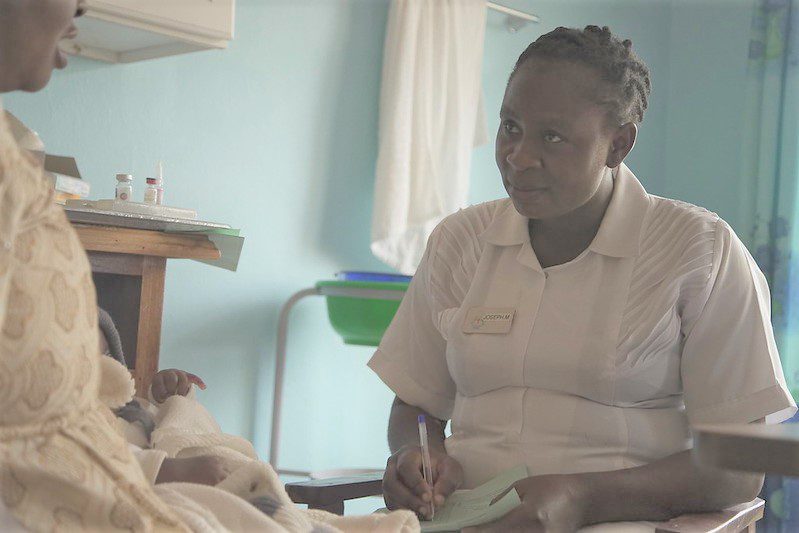
  3. Untreated illness. According to a 2008 study, developing countries tend to have poor healthcare infrastructure, making diagnostic and treatment services harder to access, especially for those living in rural areas with limited or expensive transport options. Marginalized women in developing countries often have what an AXA article describes as “limited control over their own lives.” A lack of autonomy and financial independence can put health care out of reach because women must depend on spouses or other male family members for access to services. Lack of education can also lead women to choose not to seek help for health issues, simply because they cannot identify the warning signs of poor health.

Gender-based Health Risks

Women also have unique health risks linked to their anatomy. Cervical cancer, for example, is “the most common type of cancer in developing countries.” Although it is preventable with testing, these countries typically lack the resources to adequately conduct testing. WHO reported that in 2020, 90% of global cervical cancer deaths occurred in low- and middle-income countries because of underfunding for testing and treatment services. Maternal mortality is also a persistent problem in developing nations, where access to emergency care is limited and skilled attendants are often not present during childbirth. Preventable maternal deaths are common, with approximately 295,000 women dying “during and following pregnancy and childbirth in 2017” alone.

Working Toward Solutions

The link between poverty and women’s health is strong, but social and financial changes could be significant in solving the problem. Empowering women can go a long way toward improving health outcomes. U.N. Women’s Gender Action Learning System (GALS) training in Kyrgyzstan seeks to do this by changing restrictive social norms.

The methodology encourages households to consider the power dynamics between family members and to recognize the burden of domestic tasks placed upon working women in an effort to create a more equal playing field between women and men.

This, coupled with media training for journalists that encourages them to be more sensitive to gender differences and issues, will pave the way for women to be better able to advocate for themselves in other areas through broad societal change.

Every Mother Counts

Considering the link between poverty and women’s health, funding for essential services could be instrumental in improving health outcomes for women. For example, Every Mother Counts is a non-governmental organization (NGO) that aims to improve health outcomes for women in developing nations. In Tanzania, the organization “support[s] the training of health workers, provision of lifesaving resources and community outreach and health education for women in rural settings.” Every Mother Counts has partnered with the Maasai Women Development Organization since 2017 to fulfill the specific needs of marginalized groups, such as Maasai women, in Tanzania. Every Mother Counts has improved the lives of more than 185,000 people in Tanzania.

Empowering women to make their own choices and funding essential services is crucial in reducing the impacts of poverty on women’s health. Because poverty and illness disproportionately impact women due to gender inequities, efforts to alleviate poverty and strengthen equality are vital.

– Abbi Powell
Photo: Flickr

December 6, 2022
https://borgenproject.org/wp-content/uploads/borgen-project-logo.svg 0 0 Kim Thelwell https://borgenproject.org/wp-content/uploads/borgen-project-logo.svg Kim Thelwell2022-12-06 01:30:582022-12-02 11:48:34The Link Between Poverty and Women’s Health
COVID-19, Global Poverty, Health

UNICEF’S Life-Saving Delivery of Cold Chain Equipment in Peru

 Cold Chain Equipment in PeruPossessing the “highest COVID-19 mortality rate in the world” in mid-2021, Peru was among the hardest-hit nations in Latin America during the peak of the COVID-19 pandemic, UNICEF says. In light of the pandemic’s devastating social and economic ramifications, UNICEF facilitated vaccination rollout efforts by supplying cold chain equipment in Peru. UNICEF’s acquisition of 1,100 solar-powered freezers not only helped transport COVID-19 vaccines across Peru but also helped alleviate the pandemic’s health implications across Latin America.

The Pandemic’s Impact on Peru

According to UNICEF, the COVID-19 pandemic has exacerbated poverty levels and exposed the gravity of inequality in Peru. In 2020, Peru faced a -11.1% decrease in GDP and a “10.5% reduction in household income,” resulting in many Peruvian households, primarily those residing in rural regions, suffering economically, UNICEF reports. Furthermore, according to statistics, Peru experienced 1.5 million job losses while “1.2 million children fell into poverty” and close to 90 million Peruvian children missed out on a formal education during the height of the pandemic.

The informal economy and overcrowded housing in Peru are two factors that exacerbate the COVID-19 pandemic’s ramifications in the nation. According to the BBC, 70% of Peru’s working people are employed in the informal sector, which means that many Peruvians faced unemployment, could not earn an income or faced wage cuts due to a lack of job security. Furthermore, Peru’s overcrowded housing allows the COVID-19 virus to spread rapidly due to a lack of social distancing. In addition, Peru’s COVID-19 vaccine rollout has moved slowly.

The Importance of Cold Chain Equipment

In order to help accelerate the vaccine rollout in Peru, proper refrigeration is crucial to “protect the potency” of the COVID-19 vaccine. Thus, vaccination programs use cold chain equipment to store and transport doses across Peru, particularly in rural areas where vaccination distribution is difficult. Electric and solar-powered refrigerators store vaccines in a “2°C to 8°C temperature range,” allowing vaccines to be housed in optimal conditions when traveling through regions that lack access to electricity.

UNICEF’s Vaccination Rollout Strategies in Peru

In light of the adversities impacting Peru, in November 2021, UNICEF’s Supply Division procured 1,100 solar-powered freezers for Peru. UNICEF distributed 57 of these freezers to “Huancavelica, in the Andean region, and Loreto and Ucayali in the Amazon regions,” which are isolated, rural areas with Indigenous people, the UNICEF website says.

Shipping these units from Luxembourg, UNICEF worked with Peru’s Ministry of Health to inspect the freezers and help distribute vaccines across remote communities that have limited electricity.

Furthermore, in early 2021, UNICEF helped Peru’s Ministry of Health procure an additional 10,339 pieces of refrigeration equipment through “an international procurement process.” UNICEF oversaw delivery times, the quality of equipment and the negotiation of prices to ensure transparency in the competitive procurement process. UNICEF’s delivery of cold chain equipment in Peru, through both direct and intermediary means, ultimately ensured that the ministry could efficiently distribute COVID-19 vaccines across the nation.

Peru’s Rising Vaccination Rates

UNICEF’s delivery of cold chain equipment in Peru helped to significantly increase Peru’s vaccination rates. By October 2022, Peru had administered more than 84 million doses of COVID-19 vaccines. Although Peru is still grappling with the pandemic’s implications, the nation’s steady increase in vaccination rates is indicative of Peru’s bright and promising future.

– Emma He
Photo: Flickr

November 25, 2022
https://borgenproject.org/wp-content/uploads/borgen-project-logo.svg 0 0 Kim Thelwell https://borgenproject.org/wp-content/uploads/borgen-project-logo.svg Kim Thelwell2022-11-25 07:30:372022-11-24 00:19:39UNICEF’S Life-Saving Delivery of Cold Chain Equipment in Peru
Disease, Global Poverty, Health

RHD Among the Aboriginal Community in Australia

Aboriginal Community
In a remote area in north-west Queensland Australia, there have been reported deaths of members of the Aboriginal community. An illness known as rheumatic heart disease (RHD) is claiming the lives of those living in this small population. RHD is an entirely preventable disease that rarely exists among Australians.

Who Contracts the Disease?

Rheumatic heart disease develops as a fever called rheumatic fever that worsens over time. Statistically, young children are most at risk of contracting the disease. Aboriginal cultural consultant Janelle Speed addressed the prevalence of the disease among aboriginals in the Australian Journal of General Practice: “Aboriginal and Torres Strait Islander people in Australia have the world’s highest rates of acute rheumatic fever [ARF]/RHD.”

Symptoms of RHD

An untreated strep throat infection can lead to acute rheumatic fever and can cause irreparable damage to the major cardiac valves causing rheumatic heart disease. Of the more than 5,000 people living with RHD in Australia, 71% are Aboriginal and Torres Strait Islander people. Without the proper diagnoses and treatment, 8,667 Aboriginal and Torres Strait Islander people could develop ARF/RHD by 2031. This could lead to 1,370 severe cases of RHD and 663 to die.

Curing Rheumatic Heart Disease

The Federal Government hopes to eliminate RHD by 2030, however, the Australian Institute of Health and Welfare figures show the disease continues to increase in prevalence. People with RHD normally require ongoing medical care, antibiotic treatment and possibly cardiac surgery. By 2031, it will cost an estimated $273.4 million in medical care to treat the disease.

RHD Research

The End Rheumatic Heart Disease Centre of Research Excellence began its journey in 2014 to provide a robust plan to eradicate RHD in Australia.

Recently, The Queensland Health Minister, Yvette D’Ath, allocated $7.3 million to further research and planning for RHD. Former Federal Health Minister, Greg Hunt, issued a statement claiming, “Working in genuine partnership through shared decision-making and co-design with the Aboriginal community-controlled sector is critical and is the foundation of the new approach to the Government’s Rheumatic Fever Strategy commencing this year [2021–22].”

Hunt also said that the country will spend $25 million on supporting strategies to prevent RHD including an additional $12 million for activities aimed at preventing RHD throughout the country. Moreover, the University of Western Australia is working to develop a Strep A vaccine that will hopefully “accelerate the elimination of RHD.”

Solutions

In order to prevent the progression of ARF into RHD, it is necessary to improve the early and accurate diagnosis of ARF and the delivery of secondary prophylaxis.

The collective experience of clinicians, Aboriginal Community Controlled Health Organizations, government and non-government organizations, and research, means the knowledge now exists to permanently eliminate rheumatic heart disease in Australia.

– Kiara Finch
Photo: Picryl

November 24, 2022
https://borgenproject.org/wp-content/uploads/borgen-project-logo.svg 0 0 Naida Jahic https://borgenproject.org/wp-content/uploads/borgen-project-logo.svg Naida Jahic2022-11-24 01:30:272022-11-21 08:33:39RHD Among the Aboriginal Community in Australia
Global Poverty, Health, Refugees

Health Care Access Among Asylum Seekers and Refugees

Health Care Access among Asylum Seekers
Historically, migrants, particularly asylum seekers and refugees, experience several barriers when it comes to accessing health care and also face increased risks of various illnesses and health complications. Difficulties faced by refugees have intensified amid the COVID-19 pandemic and with the introduction of the Nationality and Borders Act, a piece of legislation that increases the standard of proof required to obtain permission to receive asylum and support in the U.K. By educating the public and advocating for vital policy changes, the U.K. is striving for improved health care access among asylum seekers and refugees.

An Interview with Dr. Dominik Zenner

Dr. Dominik Zenner is a general practitioner in London and also specializes in infectious disease epidemiology. Prior to this, he worked as the senior migration health advisor for the European Union and European Economic Area.

Dr. Zenner confirms the increased vulnerabilities of migrant populations to infectious diseases. He cites a systematic review from the 2018 Lancet Commission series on migration and health, which found that, on average, deaths from infectious diseases are higher among migrants than among native populations.

One can attribute these vulnerabilities to infectious diseases in part to migrants’ “origin and circumstances,” Dr. Zenner says. Furthering this vulnerability are barriers to effective treatment. According to Dr. Zenner, health workers in the U.K. may be “less familiar with some illnesses, including tropical diseases, risking a delay in diagnosis.”

The Pandemic

The COVID-19 pandemic has likely increased existing vulnerabilities in both direct and indirect ways. Even before the pandemic, many migrants were unsure of their health care entitlements and how to access health care. The WHO ApartTogether survey shows that during the pandemic itself, one out of every six undocumented migrants did not seek medical support for themselves or their household when suffering from COVID-19 symptoms. However, twice as many respondents with citizenship or permanency accessed health care services when faced with these symptoms.

Dr. Zenner names “closures and inaccessibility” as significant barriers to health care, specifically “the shift to teleconsultations,” which can be more difficult for migrants to access. A study by his colleagues revealed an approximate 20% drop in consultation rates for migrants during the first year of the pandemic. This stands in sharp contrast to the approximate 9% drop in consultations for non-migrants.

Housing and COVID-19

Poverty, housing and COVID-19 are also closely connected, with the COVID-19 mortality rate increasing for those from low-income backgrounds. The living conditions of poorer people, such as densely populated living spaces, increase the risk of COVID-19 transmission.

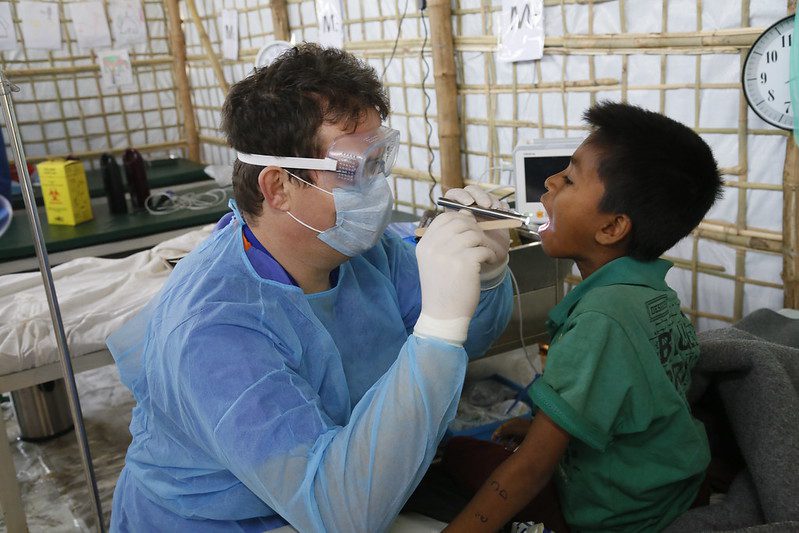
Dr. Zenner also discusses living conditions in refugee camps. These camps face “increased transmission of respiratory viruses, alongside decreased access to care, with high-density camps seeing the worst of this.” Some camps’ locations in remote areas may heighten risks, meaning that “emergency care and ambulances might not arrive there fast enough.” In general, Dr. Zenner states that camps are definitely “not ideal human habitats.”

The Nationality and Borders Act

The Nationality and Borders Act may exacerbate the health care access struggles faced by migrants. The act’s introduction of a higher burden of proof to gain refugee status could make it harder for asylum seekers to access health care support and security. Dr. Zenner highlights the concern of the increased difficulty gaining refugee status with these changes, which could lead to “adverse health outcomes and worse health care access for those seeking safety.”

Dr. Zenner’s travels and visits to refugee camps support his view that “health care access should be universal, not just in terms of legal eligibility but accessibility.” However, this is currently “not always the case for many migrants and definitely not for asylum seekers,” he says.

Roles and Responsibilities of the UK Government

Dr. Zenner says U.K. aid cuts have resulted in “research projects promoting our knowledge of infectious diseases being downsized or canceled, further limiting scientific advances.” He argues that access to care can be an even bigger issue than eligibility and that more signposting and support services for migrants are necessary. “The government should ensure that there is access to free care for everyone. We have witnessed tragedies; mothers unable to access maternity care and being criminalized when they can’t afford treatment. These tragedies are entirely preventable,” he says.

When asked about the U.K.’s divergence from WHO guidelines, Dr. Zenner says “for most areas, divergence is for good reasons.” For example, the U.K. has “conducted more TB screenings than initially recommended by WHO, but this turned out to be the right idea and set a precedent.”  In fact, the U.K. plays a key part in informing WHO guidance.

Provisions for Future Improvement

Some measures to improve health care among asylum seekers and refugees are visible in the U.K. These are available at a local level, from organizations offering mental health support services, and at a government level with the NHS Low Income Scheme, through which migrants and other disadvantaged groups can apply for financial aid to cover health costs.

Also, GP practices can register new patients without a passport and there is no obligation to ask for proof of immigration status. Doctors should not deny registration to those who cannot provide documents and the rules are flexible in this regard.

Dr. Zenner strongly feels that “the needs of migrants should be addressed as a matter of urgency,” not only to benefit individuals but also for public health reasons in general. This includes sustainable and robust funding and a recognition that there will be no equality until vulnerable communities receive sufficient support.

– Lydia Tyler
Photo: Flickr

November 4, 2022
https://borgenproject.org/wp-content/uploads/borgen-project-logo.svg 0 0 Kim Thelwell https://borgenproject.org/wp-content/uploads/borgen-project-logo.svg Kim Thelwell2022-11-04 07:30:332022-11-05 04:21:12Health Care Access Among Asylum Seekers and Refugees
Global Poverty, Health

Battling Rising Tobacco Use in Africa

Tobacco Use in Africa
Compared to the rest of the world, tobacco use in Africa is relatively low. A 2019 report from the World Health Organization (WHO) found that in 2000, the African region had a tobacco use prevalence rate of 18.5%, the lowest of any of the WHO regions.

However, as economic development in Africa continues to rise, with countries like Ethiopia and Rwanda seeing unprecedented expansion, tobacco consumption has also increased. The WHO now predicts that tobacco-related deaths are likely to double in the coming years within low and middle-income countries, many of which are in Africa.

Rising tobacco use is likely to have a detrimental effect on developing countries. The infrastructure to deal with the associated health issues is simply not in place. Facing this problem early will be crucial in giving African nations the best chance of reducing poverty and improving standards of living, along with overall health.

Targeting Emerging Economies

People commonly associate economic growth with positive changes, such as job opportunities and more money in our pockets. However, as consumers find they have more money to spend, companies are eager to market products to them. This includes the tobacco industry. In 2013, a committee of experts that the Network of African Science Academies convened found that “As the use of tobacco has declined in high-income countries, the tobacco industry has increasingly turned to low- and middle-income countries, particularly in Africa, Asia and Eastern Europe, to recruit new users.”

Tobacco manufacturers have used specific tactics to promote their products in African countries. According to a 2021 report published in the Bulletin of the World Health Organization, companies have encouraged local traders to sell individual cigarettes to attract young and low-income customers. Tobacco companies have also used promotional tactics, such as price reductions, coupons and giveaways, even though these practices are usually against the law.

Unfortunately for some African nations, as the economy has grown, the number of smokers has followed suit. For example, as the annual GDP consistently grew from 2009 to 2014 in the Democratic Republic of the Congo, tobacco use also increased.

The Burden on Health Care

Research has well documented that tobacco use causes health issues, such as cancer, stroke and lung disease. These are known as non-communicable diseases (NCDs) and case numbers are rising in Africa. This poses a problem for healthcare infrastructure. The World Economic Forum reported that most NCDs undergo treatment in large city hospitals, placing an additional burden on rural patients. Furthermore, many hospitals simply do not have the resources to treat so many cases.

Another factor to consider is the prevalence of infectious diseases, such as malaria, HIV and COVID-19. These afflictions have been a persistent burden on healthcare systems described as “fragile, fragmented, under-resourced and limited.” Increasing tobacco consumption will only exacerbate this problem.

The Effect on Poverty

Tobacco companies often cite job creation to justify their presence in developing countries. They go on to suggest that increasing taxes on tobacco products will cause people to lose their jobs.

Some developing countries indeed have tobacco-dependent economies. For example, a 2009 study found that Malawi relies on tobacco exports for 70% of its foreign earnings. However, placing more restrictions on tobacco could actually be beneficial for Malawi. It could “diversify [its] economy” and open it up to foreign aid for funding other industries.

Dr. Kenneth E. Warner made this same argument in his 1999 article, “The Economics of Tobacco: Myths and Realities,” published in Tobacco Control. Essentially, he stated that if a country is no longer dependent on the tobacco industry, this does not mean that it has no other industry to rely on. Resources can go toward developing other industries and consumers can spend their money elsewhere, generating new jobs.

The myth of economic development through tobacco is further debunked when one considers the financial burden of addiction. Studies found that rising tobacco use in Africa will exacerbate poverty. Money spent on tobacco products and the cost of treatment for associated diseases could cripple low-income families by affecting employment, not to mention the debilitating effects that these diseases cause.

Implementing Solutions

Thankfully, many African nations are taking measures to prevent their economies from becoming overly dependent on tobacco. Uganda is one of these nations. In 2015, the Ugandan government passed the National Tobacco Control Act, prohibiting tobacco sales to anyone under the age of 21. It also banned smoking in public buildings, such as schools and hospitals, and banned the advertising of tobacco products.

In recent years, media campaigns launched in Uganda, educating the public on the economic and health risks associated with tobacco use. They have also advocated for harsher taxation on tobacco products, which would generate funding for further tobacco control measures.

Another positive step is that 51 out of 54 countries in Africa have ratified the WHO Framework Convention on Tobacco Control, thereby committing to implementing policies to reduce tobacco consumption.

Tackling rising tobacco use in Africa is instrumental in reducing poverty and moving forward. Funding tobacco control measures is an important step in releasing pressure on African healthcare systems. It is time for the world to leave smoking in the past.

– Abbi Powell
Photo: Unsplash

November 4, 2022
https://borgenproject.org/wp-content/uploads/borgen-project-logo.svg 0 0 Naida Jahic https://borgenproject.org/wp-content/uploads/borgen-project-logo.svg Naida Jahic2022-11-04 01:30:112024-06-11 23:17:22Battling Rising Tobacco Use in Africa
Global Poverty, Health

Nuclear Radiation in the Marshall Islands

Marshall Islands
The Marshall Islands lie in the Central Pacific near halfway between U.S. Hawaii and the Philippines. The islands consist of 29 sprawling coral atoll-based and volcanic islands. With a population of only 60,000 people, the islands barely amount to a mere American town. Despite its military presence, the U.S. does not ‘own’ the islands.

The Marshall Islands are tactically important but small and very much underdeveloped, supporting happy, simple lives for many of its occupants. However, today, poor and unhealthy shanty towns are sadly commonplace. The rate of poverty in the Marshall Islands in 2019 was 7.2%. 

A plan to develop or rejuvenate the Islands, and particularly heath care, rests on the shoulders of the U.S. The man-made calamity of nuclear radiation in the Marshall Islands is a stark warning to all humankind, of the dangers of nuclear mass destruction in the Pacific proving ground experiment.

Nuclear Damage

During the second world war, the U.S. wrestled the islands away from the Japanese Empire. This was no relief for the inhabitants as “between 1946 and 1958 the U.S. nuclear testing program drenched the Marshall Islands with firepower equaling the energy yield of seven thousand Hiroshima bombs.”

The United States detonated a total of 67 nuclear bombs, some up to seven times more powerful than Little Boy, in the Marshall Islands. Nerje Joseph witnessed the Castle Bravo explosion from the neighboring atoll of Rongelap, an experience that will forever haunt her. Joseph evacuated the island as her hair began to fall out. Almost all those that dwelled on Rongelap that fateful day now have cancer. The locals of Bikini attempted to resettle the atoll in 1969, and nine years later, they evacuated again because the radiation was still too high.

Long Term Damage

In 2010, the National Cancer Institute “suggested that up to 55% of all cancers in the northern atolls are a result of nuclear fallout.” Thyroid cancers are particularly common. Sea life in the Marshall Islands became poisoned, resulting in the need to import processed food, which has in turn led to spiraling diabetes cases.

At the present time, the U.S. has denied calls for compensation on any series level. The United States previously attempted to clean the area up by housing contaminated soil and debris in a concrete tomb known as the Tomb. However, to this day, the contents are leaking out. The Tomb includes domed-in content of 100,000 cubic yards of nuclear waste, some of which comes from as far as the U.S. Nevada testing site. Unfortunately, Washington is now washing its hands clean of the maintenance expense, quite unfairly stating that since the dome is on Marshallese lands, the Marshall Islands, which only has a population of a single American town, ought to pay for it. The Tomb is continuing to leak and become ever more unstable, putting the poor standards of health on the islands at further risk. 

The US Commitment

Fortunately for the Marshallese, the U.S. commits to protecting these islands, Bucholz Army Airfield is the military base there. This base actually has missile testing rights potentially until 2086. Regardless, this base at the very least keeps the island safe from external aggressors. As China grows in power, it for one has set its sights on the islands of the pacific. This has more benefits for the Marshallese than one might think.

The U.S. has acted independently to aid the Marshallese in preparation for extreme weather resilience. The Pacific Partnership 2019 was a U.S. commitment to help the Marshall Islands’ readiness for extreme weather disasters, via seminars and preparation. Additionally, this program includes the installation of rainwater-catching infrastructures, such as the one set up at the Long Island elementary school. This reduces the devastating impact of extreme weather, such as drought. The installation presents clear steps to ensure the viability of the military base, yet benefit the locals greatly, for the islands are ever in danger from extreme weather events. Protection against such events is protection against the poverty they inevitably cause.

US Aid to Help in the Aftermath of Nuclear Radiation in the Marshall Islands

Since 2004, the U.S. has gifted $800 million to the islands, equivalent to 70% of the island’s GDP in that same period. The highest employer on the Islands is the Marshallese Government, followed by the mighty U.S army base. In addition to the local government’s budget, the U.S. has allowed for the setting up of two hospitals and 60 medical clinics. Additionally, the U.S. directly pays for the healthcare of the four atolls that the nuclear radiation has most severely affected.

However, for advanced care arising from nuclear radiation, such as late cancer treatment, islanders have to travel to the Philippines as the facilities are lacking in the Marshall Islands. Healthcare improvements are a great opportunity for moral correction, one that is desperately necessary, even outside the realms of radiation poisoning. For example, despite a reduction of 20% in the past 40 years, the child mortality rate is still high at 30.7 per 1,000. 

The country’s GDP has more than doubled in the past 20 years. About 0.9% of the Islanders live in absolute poverty as of 2019 or about the same level as Spain, a developed European nation. Development, reducing health poverty and righting wrongs are very much achievable and it feels with the right push, hope for the Marshallese could be just around the corner. The difficulties that arose from nuclear radiation in the Marshall Islands can become a thing of the past and the Marshallese can work on developing their sublime islands without this plague if those proven wrongs are put right.

– William Fletcher
Photo: Flickr

October 29, 2022
https://borgenproject.org/wp-content/uploads/borgen-project-logo.svg 0 0 Jennifer Philipp https://borgenproject.org/wp-content/uploads/borgen-project-logo.svg Jennifer Philipp2022-10-29 09:32:092024-12-13 18:02:48Nuclear Radiation in the Marshall Islands
Children, Global Poverty, Health

Addressing Children’s Mental Health in the Philippines

Children’s Mental Health in the Philippines
In the Philippines, in 2018, children younger than 18 accounted for about 40% of the population, according to UNICEF data. The Philippine Development Plan for 2017-2023 points out that children stand “among the most vulnerable population groups in society.” Furthermore, the National Statistics Office (NSO) highlights that “mental health illnesses rank as the third most common form of morbidity among Filipinos.” The COVID-19 pandemic has exacerbated mental health issues, making it crucial to address children’s mental health in the Philippines.

Overview of Children’s Mental Health in the Philippines

A 2015 Global School-based Student Health Survey (GSHS) highlights that approximately 17% of Filipino students aged 13 to 17 had attempted suicide once a year at minimum. This data indicates that mental issues among the youth have been an issue even before the pandemic. Notably, from March 2020 to May 2020, the Filipino government documented a “260% increase in online child abuse reports,” including instances of sexual exploitation, which has a direct impact on mental well-being.

Impact of COVID-19

At the beginning of the pandemic, the Philippines’ “militaristic approach” to lockdowns also affected children’s mental health due to the fear of violence under the military presence in communities, according to a study by Grace Zurielle C. Malolos and others.

This strict confinement limited physical activities and social interaction among adolescents, aggravating the stability of children’s mental health in the Philippines. In April 2020, when the Philippines implemented a total lockdown, a survey of 200 children aged 6-12 years old in both public and private schools in Luzon, Philippines, showed that the participants expressed feelings of sadness, fear, anger and disappointment, among other emotions. The study also found that parents’ views regarding the lockdown had a major impact on children’s mental health in the Philippines.

Impact of Extreme Weather

Because of its geographic location, the Philippines faces at least 20 typhoons annually. The Philippines faced 22 tropical typhoons in the year 2020 alone, causing numerous casualties. Overall, extreme weather patterns in the Philippines have had both direct and indirect impacts on the mental health conditions of Filipino children due to the destruction of schools and homes and increased feelings of stress and anxiety, among other impacts.

There is also the indirect impact of the psychological phenomenon known as “climate anxiety” or “eco-anxiety.” A 2021 Current Psychology article highlights that the threat of extreme weather patterns causes an increase in family stress, suicide ideation and amplification of past trauma. This aspect of children’s mental health in the Philippines often goes overlooked.

Efforts to Improve Children’s Mental Health in the Philippines

In 2021, the USAID RenewHealth Project collaborated with the Philippine Department of Health (DOH) to launch the first mobile application to improve mental health in the Philippines. This mobile application, called the Lusog-Isip app, provides access to self-care resources and self-help services for mental health needs. This includes workbooks, activities, journals, audio and more.

A pilot test of the app reveals that users experienced “improved well-being and the ability to use certain coping strategies such as cognitive reappraisal and emotional expression.” In the event that a user requires mental health resources that the app cannot provide, the app directs the user to these resources. The app will undergo further refining to ensure that it is most beneficial to the most vulnerable groups, such as young people.

With a commitment to serving the most vulnerable populations, the government can improve children’s mental health in the Philippines.

– Youngwook Chun
Photo: Flickr

October 23, 2022
https://borgenproject.org/wp-content/uploads/borgen-project-logo.svg 0 0 Naida Jahic https://borgenproject.org/wp-content/uploads/borgen-project-logo.svg Naida Jahic2022-10-23 01:30:512024-06-08 04:13:02Addressing Children’s Mental Health in the Philippines
Global Poverty, Health

Miracle Gel Could Save Millions Of Lives In Nepal

Miracle Gel
Since 2022, USAID and partners have been working to prevent infant mortality in developing countries. Chlorhexidine, a chemical element that comes in gel and liquid form, could be a potential solution to infant mortality. Typically used to disinfect human skin and sterilize surgical instruments in hospitals, the substance can also help protect the umbilical stumps of newborns to prevent deadly infections. USAID’s Chlorhexidine “Navi” Care Program applies this technique in rural Nepal. Furthermore, the miracle gel has decreased newborn deaths by 24% and newborn infections by 68% in Nepal.

Susceptibility to Infant Mortality in Nepal

Rural and low-income communities in Nepal are susceptible to high rates of infant mortality and infections that arise from traditional home birthing practices. Mothers sometimes cut umbilical cords with unsanitized house tools and treat the stump with turmeric as an antiseptic. However, these methods can be harmful as evidenced by a neonatal mortality rate of 23 per 1,000 live births in 2020. Furthermore, about 70% of infant mortality cases in Nepal tend to occur within the first year of the infant’s life.

USAID’s “Navi” Care Program

The Navi Care Program began in October 2011. With a budget of $3.9 million, the program was able to expand from 49 operating districts to cover all 75 districts in Nepal by 2014, according to USAID. The Navi Care Program helps in training nurses and healthcare practitioners to use chlorhexidine gel. The program also works to spread awareness about the miracle gel and supports the Ministry of Health and Population in Nepal to integrate it into the newborn and maternal healthcare systems.

Raising Awareness Through SBCC

As remarkable as the miracle gel is in terms of reducing infant mortality, not enough people in Nepal know about the solution and how they can access it. A social behavior change campaign (SBCC) started in 2015 works to ensure that locals learn about chlorhexidine. The campaign spreads information about the usefulness and affordability of the miracle gel through local and national radio and broadcast television.

Monitoring and Evaluating

In 2017, the Navi Care Program prevented nearly 9,600 newborn deaths in Nepal. With the help of the JSI Research & Training Institute, the USAID Navi Care Program has set up mechanisms to document and monitor the impact of the program. Chlorhexidine reports have been integrated into the pre-existing government health management information system (HMIS) and logistics management information system (LMIS). In addition, JSI wanted to monitor the process of program implementation. It uses a comprehensive mechanical system to gather external research and surveys from local women. JSI conducted telephone calls and in-person visits to meet healthcare professionals, pregnant women in their last leg of pregnancy and women with infants under the age of six months. Through this, they have been able to gather feedback and identify gaps in the implementation of the Navi Care Program in Nepal.

The Navi Care Program and miracle gel have become increasingly successful in Nepal and can save millions of lives in other countries too. The discovery and implementation of medical solutions can have a revolutionary impact on all communities, especially those that are susceptible to illnesses and infant mortality.

– Samyudha Rajesh
Photo: Flickr

October 22, 2022
https://borgenproject.org/wp-content/uploads/borgen-project-logo.svg 0 0 Naida Jahic https://borgenproject.org/wp-content/uploads/borgen-project-logo.svg Naida Jahic2022-10-22 01:30:152024-05-30 22:30:19Miracle Gel Could Save Millions Of Lives In Nepal
Global Poverty, Health, Life Expectancy

Life Expectancy in Africa on the Rise

Life Expectancy in Africa
Life expectancy in Africa is rising, increasing to 56 years from 46 in 2000, thanks to expanding healthcare access. Other parts of the world have not observed this tremendous growth rate of 10 years and show a valiant effort to address the issue of essential health care in African countries.

Reshaping Health Care Infrastructure

To tackle the issue of life expectancy in Africa, governments must revamp the framework of their existing healthcare infrastructures. Essential medications, equipment, facilities and technology for communication and information are the significant elements when redesigning a country’s current healthcare infrastructure.

Some countries, such as Ethiopia, utilize infrastructure roadmaps, which help establish a clear plan to improve public health. In Sierra Leone, strategic plans help the government identify what equipment is necessary to combat public health issues effectively. The Central African Republic has worked to maintain existing infrastructure.

From a technological standpoint, the World Health Organization’s AFRO (WHO AFRO) sector assisted African countries based on their healthcare infrastructure status. Modifying and verifying data in the Integrated African Health Observatory is a priority for less established countries, including Burundi and Nigeria, allowing WHO AFRO to determine what aspects of the health care system require improvement. Updated information and technology included new systems to certify causes of death and disease rates.

Affordable and Accessible Health Care

Life expectancy in Africa has a direct connection to access to health care services. Since 2000, there has been a 22% increase in the number of people able to receive necessary health care treatment. In 2019, healthcare coverage in Africa rose to 46%, contrasted with only 24% in 2000. Those living in higher-income countries typically have a more advanced healthcare system than those in lower-income countries.

The ultimate goal is to prevent households from spending excessive money on health care. Many families must spend more than 10% of their income on health-care-related treatments, increasing poverty rates. Ghana and Mauritius utilized medicine pricing strategies and pharmaceutical policies to work towards affordable health care.

These numbers show governments must reform public health spending. Affordable and accessible health care would allow the people of Africa to receive help for treatable diseases as well as offer services to prevent people from contracting diseases in the first place.

Treating Disease with Vaccines and Medications

To continue the current inclination of life expectancy in Africa, public health efforts must focus on those under the age of 5 and above 60. According to Give Well, the top causes of death in those under the age of five are malaria, respiratory infections, diarrhea, perinatal conditions, measles and HIV/AIDS. Those above the age of 60 also risk mortality from ailments similar to those responsible for high death rates among those under five. The leading causes of death among those between 5 and 60 are HIV/AIDS, tuberculosis and maternal mortality.

Nigeria, a country with one of the weakest public health infrastructures, has created a National Drug Policy and implemented vaccination policies for all citizens. The organization of treatment guides and essential medication lists will strengthen the process of treating patients for curable and vaccine-preventable diseases. Many countries have worked to complete this goal, with Sierra Leone finalizing and validating these guidelines.

The mobilization of vaccines and vaccine campaigns has shown some success with meningitis type A breakouts. WHO anticipated stopping all meningitis outbreaks by 2030 with a vaccine named MenAfriVac.

No new meningitis type A cases occurred as of 2017; the form of the disease was responsible for 90% of cases and deaths prior to 2010. The coronavirus pandemic has significantly disrupted these efforts, but the results have shown that life expectancy in Africa can continue to increase by focusing on improving health care.

Public Health Security

According to a WHO survey in 2021, 90% of the 36 responding countries disclosed one or more coronavirus-related events that halted healthcare services. These services included immunizations for other diseases and nutritional programs.

The coronavirus pandemic and the responses of African countries are an example of the relationship between healthcare investment and public health security. When African countries do not have the resources needed to combat threats to public health, the people of those countries can not focus on improving the economy.

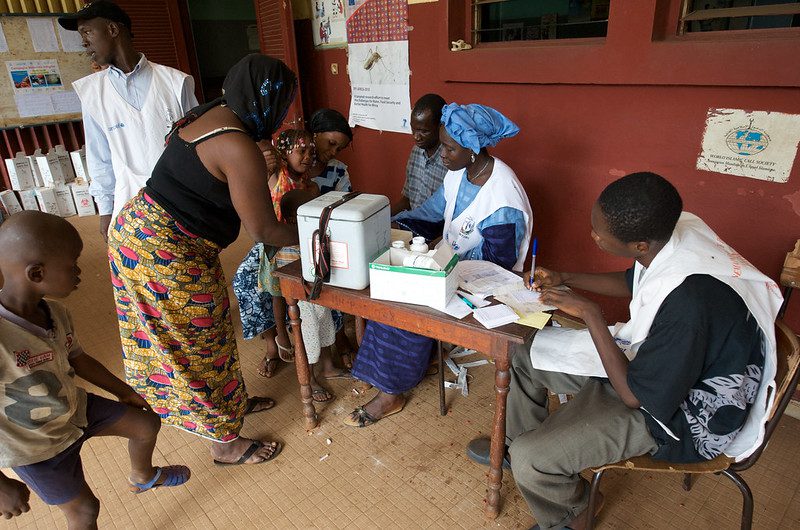
As of July 2022, 282 million people in Africa received their first round of COVID-19 vaccinations, an increase of 10% since January 2022. This news reflects a continent dedicated to securing the public health, another factor helping to increase life expectancy in Africa.

– Mikada Green
Photo: Flickr

October 19, 2022
https://borgenproject.org/wp-content/uploads/borgen-project-logo.svg 0 0 Jennifer Philipp https://borgenproject.org/wp-content/uploads/borgen-project-logo.svg Jennifer Philipp2022-10-19 01:30:502022-10-13 15:14:28Life Expectancy in Africa on the Rise
Global Poverty, Health, Nonprofit Organizations and NGOs

Partners in Health Fights Poverty

Partners in Health Fights Poverty
Poverty is often viewed as the inability of an individual to provide the most basic needs, such as food, water and shelter. There are many causes of poverty – one of the largest causes is due to poor health care. Worldwide, there are approximately 689 million people facing poverty. More than half a billion people face extreme poverty due to poor health care.

In the summer of 1983, Paul Farmer, not yet a medical student, visited Haiti to volunteer at a local hospital, Mirebalais, in the village of Cange. Upon his arrival, Farmer met Ophelia Dahl, an American advocate and another volunteer at the hospital. Although young and inexperienced, both Framer and Dahl recognized Haiti’s dire call for help. Looking back on her initial viewpoint of Haiti, Dahl reported, “If you had gone to Cange in 1983, you did not have to be a social scientist to say, ‘this is terrible.’ There is no option for health care, not enough food, no housing or school, nothing.”

The Creation of Partners in Health

Despite these daunting challenges, Dahl and Framer agreed to advocate for the country’s lack of health care. As Dahl said, “We are going to Cange, where we already know people and where we have each other. Let’s just see what we can do,” according to the Partners in Health Medium article. Thus, Partners in Health began its journey.

Traveling from Haiti to Boston, Farmer recruited more volunteers, expanding the idea of providing free, organized and efficient health care to desperate villages in impoverished countries. Eventual co-founders of Partners in Health – Todd McCormack, Jim Yong Kim and Tom White joined Farmer in Haiti and began to eliminate the presence of HIV and tuberculosis, according to Medium.

Deadly Disease

Viewed as a death sentence, HIV and tuberculosis were rampant in Haiti; however, Farmer and his team discovered that larger, more developed countries were able to cure these diseases and eliminate their presence. A strong correlation between the economy and health care was the cause of the presence of certain diseases in certain populations.

In 1987, Partners in Health officially established itself as an independent, nonprofit organization.

Partners in Health Fights Poverty

After healing thousands of patients in Haiti, Partners in Health looked onward. Farmer sought to develop an international program offering free, comprehensive health care to impoverished countries. In 1994, Partners in Health expanded into Peru, battling the multidrug-resistant tuberculosis epidemic. Through the creation of the MDR-TB treatment program, Peru saw an 80% cure rate and, yet again, inspired by the success, Farmer looked to the rest of the world.

Four years later, Partners in Health developed tuberculosis treatment plans in Russia and launched the HIV Equity Initiative. Today, this initiative provides antiretroviral therapy to HIV-positive patients in Haiti.

Since its establishment, Partners in Health has provided its services to Haiti, Peru, Russia, Rwanda, Lesotho, Malawi, the Navajo Nation, Kazakhstan, Mexico, Sierra Leone and Liberia. Partners in Health fights poverty through the creation of several organizations and programs that support suffering individuals. According to its website, some examples include:

  1. OpenMRS: Partners in Health helped develop a software system designed to keep track of medical records for developing countries electronically. Today, 64 countries and organizations use this program.
  2. Butaro Cancer Center of Excellence: This center opened in 2012 to provide accessible, lifesaving cancer treatment to patients in East Africa. Partners in Health worked with Rwanda’s Ministry of Health to develop this program to treat non-communicable diseases, such as cancer, diabetes, cardiovascular disease and lung disease.
  3. Fruits and Vegetables Prescription Program: This program was mainly targeted toward the Navajo Nation residing in the United States. This program assists families by providing fresh, healthy produce. By using a system of “prescription vouchers,” families facing this issue are able to receive a month’s worth of free fruits and vegetables.
  4. University Hospital (Mirebalais, Haiti): In 2013, Partners in Health opened a 300-bed teaching hospital that provides “high-quality health care and specialized residency programs to train the next generation of clinicians.”
  5. EndTB: Partners in Health created a partnership aimed at expanding global access to treatments for multidrug-resistant tuberculosis. The EndTB program focuses on finding “shorter, more effective and less toxic” treatments for tuberculosis. With help from Partners in Health, this organization provides patients in impoverished countries with clinal trials and access to new drugs.
  6. Nightingale Fellowship: This program helps nurses improve patient care by allowing them to participate in the decision-making processes behind Partners in Health. This program provides women leaders with a judgment-free space to process experiences and emotions.
  7. University of Global Health Equity: Partners in Health helped create a university aimed at training new generations of global health leaders by providing a graduate degree in global health delivery. This classroom encourages students to develop solutions to real-world issues, thus equipping them with life-saving skills.

The Future

With these programs, Partners in Health could lift communities out of poverty, as affected individuals are no longer forced to leave their livelihoods and spend their savings on health care. As poverty lessens, these areas are inspired and pass on their benefits to the next generation. Today, an increasing number of individuals from impoverished countries are involved in the aspects of global health care. Communities worldwide are lifting themselves out of poverty because Partners in Health fights poverty and disease around the world.

– Sania Patel
Photo: Flickr

October 17, 2022
https://borgenproject.org/wp-content/uploads/borgen-project-logo.svg 0 0 Naida Jahic https://borgenproject.org/wp-content/uploads/borgen-project-logo.svg Naida Jahic2022-10-17 07:30:092022-10-12 18:22:57Partners in Health Fights Poverty
Page 49 of 212«‹4748495051›»

Get Smarter

  • Global Poverty 101
  • Global Poverty… The Good News
  • Global Poverty & U.S. Jobs
  • Global Poverty and National Security
  • Innovative Solutions to Poverty
  • Global Poverty & Aid FAQ’s
Search Search

Take Action

  • Call Congress
  • Email Congress
  • Donate
  • 30 Ways to Help
  • Volunteer Ops
  • Internships
  • Courses & Certificates
  • The Podcast
Borgen Project

“The Borgen Project is an incredible nonprofit organization that is addressing poverty and hunger and working towards ending them.”

-The Huffington Post

Inside The Borgen Project

  • Contact
  • About
  • Financials
  • President
  • Board of Directors
  • Board of Advisors

International Links

  • UK Email Parliament
  • UK Donate
  • Canada Email Parliament

Get Smarter

  • Global Poverty 101
  • Global Poverty… The Good News
  • Global Poverty & U.S. Jobs
  • Global Poverty and National Security
  • Innovative Solutions to Poverty
  • Global Poverty & Aid FAQ’s

Ways to Help

  • Call Congress
  • Email Congress
  • Donate
  • 30 Ways to Help
  • Volunteer Ops
  • Internships
  • Courses & Certificates
  • The Podcast
Scroll to top Scroll to top Scroll to top